
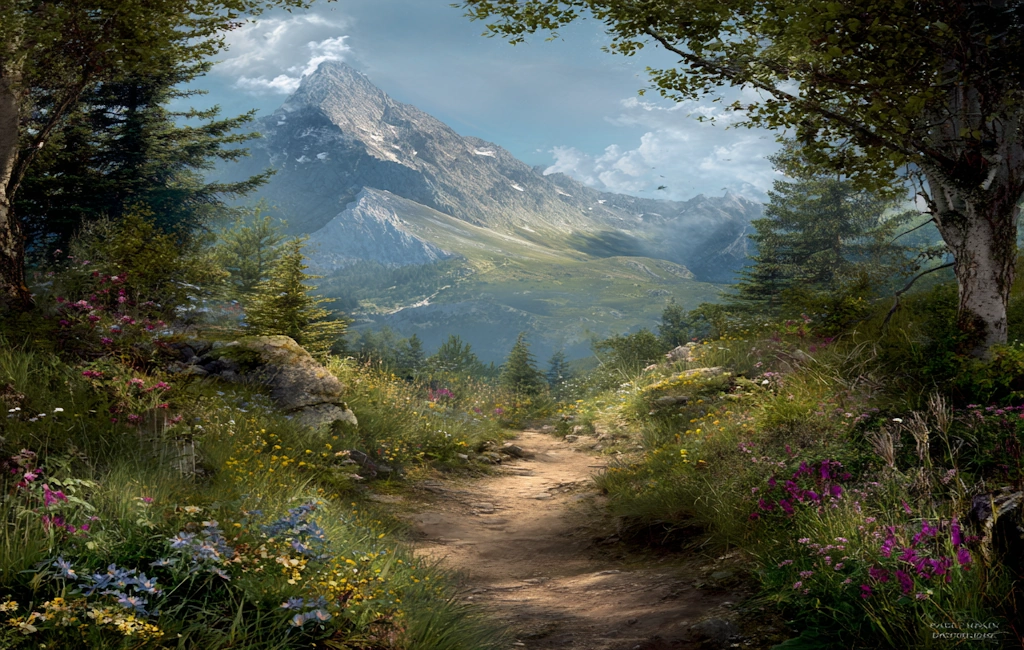
Paso de las Nubes - The Cloud Pass Trail
The Paso de las Nubes, or Cloud Pass Trail, is a captivating mountain trek located in the heart of Argentina's Patagonian Andes, near the renowned city of Bariloche. This trail offers a quintessential Patagonian experience, weaving through ancient forests, across alpine meadows, and culminating in a dramatic mountain pass that often lives up to its name, frequently shrouded in mist and clouds. It's a journey that showcases the raw, untamed beauty of the Nahuel Huapi National Park, a protected area celebrated for its dramatic glacial landscapes, diverse flora and fauna, and challenging yet rewarding hiking routes.
While not as globally famous as some of its New Zealand counterparts, Paso de las Nubes provides an equally profound connection with nature. The trail's moderate difficulty and accessible trailhead make it a popular choice for both seasoned hikers and those seeking a significant multi-day adventure in South America. The route is a testament to the power and grandeur of the Andes, offering panoramic vistas that stretch across jagged peaks, turquoise lakes, and vast, wild expanses. It’s a trail that demands respect for the elements and rewards perseverance with unparalleled natural beauty.
- Distance: 42.0 km one-way
- Duration: 2–3 days
- Season: November to April (Patagonian summer and autumn)
- Difficulty: Moderate
- Highest point: Paso de las Nubes (approx. 1500 m)
- Trailhead: Pampa Linda
- Closest City: Bariloche
Overview
The Paso de las Nubes trail is a journey of contrasts, beginning in the lush, temperate rainforests of the lower valleys and ascending into the stark, windswept beauty of the high alpine zone. The trail is renowned for its dramatic elevation changes, which offer a constant sense of progression and discovery. From the moment you step off the bus at Pampa Linda, you are immersed in a landscape sculpted by glaciers and time.
The initial stages of the hike often lead through dense Nothofagus forests, where sunlight filters through a canopy of ancient trees, and the air is thick with the scent of damp earth and moss. As you gain altitude, the forest gradually thins, giving way to open meadows dotted with wildflowers during the warmer months. The true character of the trail emerges as you approach the pass itself. Here, the terrain becomes more rugged, with scree slopes and rocky outcrops becoming common. The summit of Paso de las Nubes, often wreathed in mist, provides a breathtaking, albeit sometimes obscured, view of the surrounding mountain ranges. The descent often offers different perspectives, revealing hidden valleys and glacial streams.
This trail is a fantastic introduction to the challenges and rewards of Patagonian trekking. It requires a good level of fitness due to the significant elevation gain and the often uneven terrain. However, the well-marked path and the availability of basic refuges along the way make it a manageable undertaking for those prepared. The experience is one of immersion in a wild, powerful environment, where the scale of nature is humbling and the silence is profound, broken only by the wind and the calls of native birds.
History and Cultural Context
The region surrounding Bariloche and Nahuel Huapi National Park has a rich history, shaped by indigenous peoples, early European explorers, and later, conservation efforts. For centuries, the lands around the lakes and mountains were traversed by indigenous groups, including the Mapuche and Tehuelche peoples, who utilized the natural resources for sustenance and as migratory routes. Their deep connection to this land is an integral part of its cultural heritage.
The modern era of exploration and settlement in the area began in the late 19th and early 20th centuries. Pioneers and scientists were drawn to the dramatic landscapes, leading to the establishment of settlements and the eventual designation of national parks. The creation of Nahuel Huapi National Park in 1934 was a landmark event, preserving vast tracts of pristine wilderness for future generations. The park was one of Argentina's first national parks, a testament to the foresight of its founders in recognising the ecological and aesthetic value of the Patagonian Andes.
The Paso de las Nubes trail, like many in the region, likely evolved from ancient indigenous pathways and later became a route for gauchos and early explorers. The development of infrastructure, including roads and basic refuges, facilitated its use by trekkers. The area's popularity as a tourist destination, particularly Bariloche, has led to a greater appreciation and understanding of its natural and cultural significance. Today, the trail is managed by the National Parks Administration (APN), which works to balance visitor access with the imperative of conservation, ensuring that the wild beauty of Paso de las Nubes can be experienced responsibly.
Seasonal Highlights and Weather Reality
The hiking season for Paso de las Nubes is dictated by the Patagonian climate, which is characterised by its unpredictability and dramatic shifts. The optimal period for trekking is during the Southern Hemisphere's summer and early autumn, from November to April.
Spring (November - December): This period marks the beginning of the hiking season. Snow begins to melt, and the landscape awakens. Wildflowers start to bloom in the lower and mid-altitudes, creating vibrant carpets of colour. Days are getting longer, offering ample daylight for hiking. However, early spring can still see lingering snow at higher elevations, and weather can be highly variable, with potential for late snowfalls and strong winds.
Summer (January - February): This is the peak hiking season. The weather is generally at its most stable, with longer daylight hours and warmer temperatures. The alpine meadows are in full bloom, and the views from the pass are often at their clearest. However, summer also brings the highest number of visitors, and accommodation at refuges can be busy. The Patagonian wind, a constant feature of the region, can still be a significant factor, even on clear days.
Autumn (March - April): This season offers a different kind of beauty. The deciduous Nothofagus forests turn brilliant shades of red, orange, and yellow, creating a spectacular display of autumn colours. The crowds thin out, and the air becomes crisp and clear. However, temperatures begin to drop, and the possibility of early snow on the pass increases, especially in April. Days are shorter, and the weather can become more unsettled.
Winter (May - October): The trail is generally impassable and not recommended for hiking during winter due to heavy snow, ice, and extreme weather conditions. The refuges are typically closed, and the pass is covered in deep snow, making it a route for experienced mountaineers only, equipped with specialised winter gear and knowledge.
Regardless of the season, hikers must be prepared for rapidly changing weather conditions. Patagonian weather is notorious for its ability to shift from sunshine to rain, wind, and even snow within a matter of hours. Layering clothing and carrying full waterproofs are essential at all times.
Recommended Itinerary
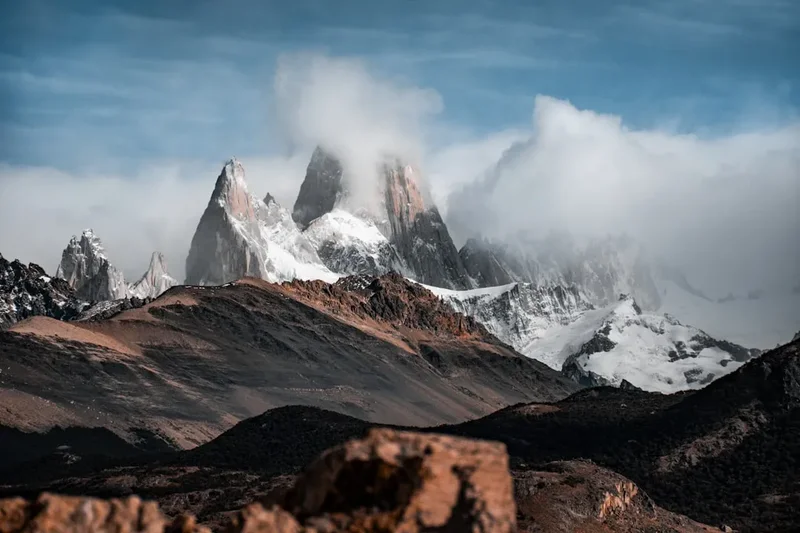
2-Day Paso de las Nubes Itinerary
Day 1: Pampa Linda to Refugio Otto Meiling
- Distance: Approximately 12 km
- Elevation gain: Approximately 700 m
- Time: 4–5 hours
- Start at Pampa Linda, a scenic area accessible by road from Bariloche.
- The trail begins by following the Alerces River, passing through dense, ancient Valdivian rainforest.
- Key waypoints include crossing small streams and navigating through thick vegetation.
- The ascent gradually steepens as you leave the valley floor and begin climbing towards the mountain refuges.
- Arrive at Refugio Otto Meiling, a well-established mountain hut offering basic accommodation and facilities.
- This day is about acclimatisation and immersing yourself in the Patagonian forest environment.
3-Day Paso de las Nubes Itinerary (Recommended for a more relaxed pace)
Day 1: Pampa Linda to Refugio Otto Meiling
- Distance: Approximately 12 km
- Elevation gain: Approximately 700 m
- Time: 4–5 hours
- Follows the same route as the 2-day itinerary, allowing for a leisurely start and ample time to enjoy the forest.
- Settle into Refugio Otto Meiling, explore the immediate surroundings, and prepare for the next day's ascent.
Day 2: Refugio Otto Meiling to Paso de las Nubes and return to Refugio Otto Meiling
- Distance: Approximately 10 km round trip to the pass
- Elevation gain: Approximately 800 m to the pass
- Time: 6–8 hours (including time at the pass)
- This is the most challenging day, focusing on reaching the summit of Paso de las Nubes.
- The trail becomes steeper and more exposed as you leave the tree line.
- Navigate through rocky terrain and potentially snowfields, depending on the season.
- The pass itself offers spectacular, though often cloud-obscured, panoramic views of the surrounding Andes.
- Return to Refugio Otto Meiling for the night.
Day 3: Refugio Otto Meiling to Pampa Linda
- Distance: Approximately 12 km
- Elevation loss: Approximately 700 m
- Time: 3–4 hours
- A straightforward descent back to Pampa Linda, retracing your steps through the forest.
- Enjoy the different perspective of the landscape on the way down.
- Arrive back at Pampa Linda, where you can catch a bus or arrange transport back to Bariloche.
Important Notes:
- Refuge accommodation must be booked in advance, especially during peak season.
- Carry sufficient food and water, as supplies at refuges are limited and expensive.
- Be prepared for all types of weather, including strong winds, rain, and cold temperatures, even in summer.
- The trail is well-marked, but carrying a map and compass or GPS device is advisable.
- Register your trek at the park ranger station at Pampa Linda.
Planning and Bookings
Book Your Trip
Everything you need to plan your journey
Accommodation
Find places to stay near Bariloche
Flights
Search flights to Bariloche
Essential Preparation
Planning your trek on Paso de las Nubes requires careful consideration of logistics, fitness, and gear. Bariloche is the primary gateway city, offering a wide range of accommodation, gear rental shops, and supermarkets. It's advisable to spend at least one night in Bariloche before and after your trek to finalise preparations and recover.
Access to the trailhead at Pampa Linda is via a paved road that can be subject to weather conditions, particularly outside the main summer months. Bus services operate from Bariloche to Pampa Linda, but schedules can be infrequent, especially in the shoulder seasons. It is crucial to check these schedules in advance and book your transport. Parking is available at Pampa Linda for those travelling by private vehicle, but it's essential to register your trek with the park rangers upon arrival.
Fitness is a key component of enjoying this trek. While rated moderate, the significant elevation gain and the potential for challenging terrain require a good level of cardiovascular fitness and leg strength. Training that includes hiking with a weighted pack and hill work will be highly beneficial.
Trail Accommodation
The primary accommodation along the Paso de las Nubes trail is at mountain refuges (refugios). The most common option is Refugio Otto Meiling, situated at a strategic point on the ascent towards the pass.
Refugio Otto Meiling:
- Booking Requirements: Advance booking is essential, particularly during the peak season (December to February). Bookings can often be made online through the refuge's official website or via local tour operators in Bariloche.
- Facilities Provided: Basic dormitory-style sleeping areas with mattresses, a communal dining area, and often a small kitchen or cooking area. Some refuges may offer hot meals for purchase, but this is not guaranteed and should be confirmed at the time of booking. Basic toilet facilities are available.
- What's NOT Provided: Sleeping bags, cooking equipment (pots, pans, utensils), food, toiletries, electricity for charging devices, or heating. Hikers must be self-sufficient in these regards.
- Seasonal Availability: The refuge is typically open from November to April, coinciding with the main hiking season. Outside these months, it may be closed or have limited services.
- Costs: Costs vary but expect to pay a nightly fee for dormitory accommodation. Prices can range from approximately ARS 5,000 to ARS 15,000 per person per night, subject to change. It is advisable to check current pricing when booking.
Camping: In some designated areas near the refuges, camping may be permitted. However, this is often subject to park regulations and should be confirmed with park authorities or the refuge staff. If camping, all equipment and supplies must be carried in and out.
Required Gear
- Waterproof and Windproof Outerwear: A high-quality waterproof and breathable jacket and trousers are non-negotiable. Patagonian weather can change rapidly, and you will encounter strong winds and heavy rain.
- Sturdy Hiking Boots: Waterproof, ankle-supporting hiking boots that are well broken-in are essential. They provide crucial support and protection on uneven and rocky terrain.
- Warm Layers: Multiple insulating layers are vital. This includes thermal base layers (merino wool or synthetic), a fleece or down mid-layer, and a warm hat and gloves. Temperatures can drop significantly, especially at higher altitudes and during the evenings.
- Backpack: A comfortable backpack of 40-60 litres capacity, with a rain cover, is needed to carry your gear. Ensure it has a good hip belt for weight distribution.
- Navigation Tools: A detailed map of the area, a compass, and a GPS device or smartphone with offline maps are recommended. While the trail is generally well-marked, visibility can be poor in fog and cloud.
- Headlamp: Essential for early morning starts, late finishes, or navigating in the refuge after dark. Carry spare batteries.
- First-Aid Kit: A comprehensive kit including blister treatment, pain relievers, antiseptic wipes, bandages, and any personal medications.
- Sun Protection: High SPF sunscreen, sunglasses, and a wide-brimmed hat are necessary, as the sun can be intense at altitude, even on cloudy days.
What to Bring
- Food: Carry enough non-perishable food for all your meals and snacks for the duration of the trek. This includes breakfast, lunch, dinner, and high-energy snacks like nuts, dried fruit, and energy bars. Refuges may offer some food, but it's expensive and limited.
- Water Treatment: While water sources are generally plentiful, it is advisable to carry a water filter or purification tablets to treat stream water.
- Sleeping Bag: Huts do not provide bedding. A warm sleeping bag rated for sub-zero temperatures is essential.
- Cooking Equipment: If you plan to cook your own meals, bring a lightweight camping stove, fuel, a pot, eating utensils, and a mug.
- Toiletries: Biodegradable soap, toothbrush, toothpaste, toilet paper, and hand sanitiser.
- Trekking Poles: Highly recommended for stability on ascents and descents, and for reducing strain on knees.
- Camera: To capture the stunning Patagonian scenery.
- Cash: For potential purchases at refuges or for bus fares. Credit card facilities may not be available.
- Personal Items: Insect repellent (though less of an issue at higher altitudes), a small towel, and any personal comfort items.
Permits
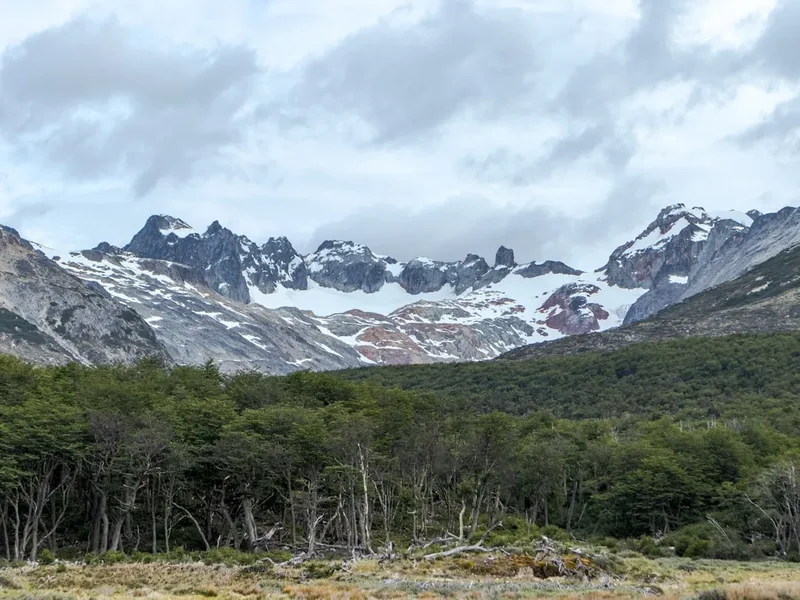
For the Paso de las Nubes trail within Nahuel Huapi National Park, specific permits are generally not required for day hikes or multi-day treks staying in the designated refuges, provided you are undertaking the hike independently. However, it is always recommended to check the latest regulations with the National Parks Administration (Administración de Parques Nacionales - APN) or the local park ranger station at Pampa Linda before your trek.
Registration: While a formal permit might not be mandatory for independent hikers, registering your trek at the park ranger station at Pampa Linda is highly advisable and often required. This allows park authorities to be aware of who is on the trails, which is crucial for safety and emergency response. You will typically need to provide details such as your name, contact information, intended route, and expected return date.
Refuge Bookings: The most critical "booking" requirement is for accommodation at the refuges. Refugio Otto Meiling, in particular, is popular and can fill up quickly, especially during the peak season (December to February). It is strongly recommended to book your stay at the refuge well in advance. This can usually be done online through the refuge's official channels or via local tour operators in Bariloche. Failure to book can mean being turned away or having to camp in potentially unsuitable conditions.
Park Entrance Fees: Depending on current park policies, there might be a general entrance fee for Nahuel Huapi National Park. This fee is usually paid at designated entry points or can be incorporated into your bus ticket or paid at the ranger station. It's wise to confirm this before your trip.
Guided Treks: If you opt for a guided trek, the tour operator will typically handle all necessary permits and bookings as part of their package. Ensure you clarify what is included in your tour price.
Important Considerations:
- Check Official Sources: Always verify the latest permit and booking requirements directly with the APN or the local park authorities in Bariloche. Regulations can change.
- Book Refuges Early: This cannot be stressed enough. Book your accommodation at Refugio Otto Meiling as soon as your travel dates are confirmed.
- Be Prepared for Changes: Weather can impact access to trails and refuges. Be flexible with your plans if necessary.
Other Activities in the Area
The region around Bariloche and Nahuel Huapi National Park offers a wealth of activities beyond the Paso de las Nubes trek, catering to a variety of interests:
- Cerro Catedral Ski Resort: During winter, this is one of South America's premier ski destinations. In summer, it offers hiking and scenic chairlift rides with stunning views.
- Circuito Chico: A popular scenic drive or bike ride that loops around the Llao Llao Peninsula, offering iconic viewpoints of lakes, mountains, and the Llao Llao Hotel.
- Kayaking and Boating on Nahuel Huapi Lake: Explore the vast, pristine waters of the lake by kayak, paddleboard, or take a boat tour to islands like Victoria Island and the Arrayanes Forest.
- Hiking to Refugio Frey: Another popular multi-day hike starting from the base of Cerro Catedral, leading to a picturesque mountain refuge nestled beside a stunning alpine lake.
- Exploring Bariloche City: Enjoy the charming alpine-style architecture, sample world-renowned Patagonian chocolate, and dine at excellent restaurants offering local cuisine.
- Visiting the Arrayanes Forest: Take a boat trip to this unique forest on Victoria Island, where the cinnamon-coloured Arrayán trees (myrtle) grow in abundance.
- Horseback Riding: Explore the Patagonian steppe and foothills on horseback, a traditional way to experience the landscape.
- Fishing: The lakes and rivers in the region are popular for trout and salmon fishing.
Safety and Conditions
Weather Preparedness: The most significant safety concern on Paso de las Nubes is the unpredictable Patagonian weather. Conditions can change from sunny and calm to windy, rainy, and cold within minutes. Always carry full waterproofs, warm layers, a hat, and gloves, even on seemingly clear days. Check the weather forecast before you set out and be prepared to alter your plans if conditions deteriorate.
Trail Conditions: The trail is generally well-maintained, but sections can be steep, rocky, and slippery, especially after rain or if there is snow at higher elevations. Wear sturdy, broken-in hiking boots with good ankle support. Trekking poles can significantly improve stability and reduce the risk of falls.
Altitude: While not extremely high, the pass reaches approximately 1500 metres. Be aware of the symptoms of altitude sickness, although it is less common at this elevation. Ascending gradually and staying hydrated can help mitigate risks.
Navigation: While the trail is marked, visibility can be severely reduced by fog and cloud, particularly around the pass. Carry a map, compass, and GPS device with offline maps, and know how to use them. Inform someone of your trekking plans, including your intended route and expected return time.
Water Sources: Water is generally available from streams and rivers along the route. However, it is always recommended to treat water using a filter or purification tablets to avoid waterborne illnesses.
Wildlife: While large dangerous animals are not a concern, be aware of smaller wildlife. Respect their space and do not feed them. The region is home to various bird species, and you might encounter guanacos or other mammals.
Emergency Contact: Register your trek with the park rangers at Pampa Linda. In case of an emergency, contact the park authorities or local emergency services. Mobile phone reception can be unreliable in the mountains, so consider carrying a personal locator beacon (PLB) if venturing into remote areas.
Refuge Safety: Follow the rules and guidelines provided by the refuge staff. Be mindful of fire safety if cooking facilities are available, and ensure you store food properly to avoid attracting rodents.
Side Trips and Points of Interest
Refugio Otto Meiling: While primarily accommodation, the area around Refugio Otto Meiling is a point of interest in itself. It offers a base for exploring the surrounding alpine environment and provides a sense of camaraderie with fellow trekkers. The views from the refuge towards the surrounding peaks are often spectacular.
Glacial Views: As you ascend towards Paso de las Nubes, keep an eye out for glimpses of glaciers and snowfields on the higher peaks. These are remnants of the powerful glacial forces that shaped the Patagonian landscape.
Alpine Meadows: During the spring and summer months, the alpine meadows below the pass come alive with a variety of wildflowers. These areas offer beautiful photographic opportunities and a chance to appreciate the resilience of plant life in harsh environments.
Panoramic Views from the Pass: The summit of Paso de las Nubes, even when partially obscured by clouds, offers a dramatic sense of scale. On clear days, the views can extend across vast mountain ranges, deep valleys, and potentially towards distant lakes. The feeling of standing at the "Cloud Pass" is a significant point of interest and a reward for the challenging ascent.
The Descent: The return journey offers a different perspective on the landscape. The changing light and the opportunity to see features you may have missed on the way up make the descent a point of interest in its own right.
Leave No Trace
The Paso de las Nubes trail traverses a pristine natural environment within Nahuel Huapi National Park. Adhering to Leave No Trace principles is paramount to preserving this fragile ecosystem for future generations and ensuring a positive experience for all visitors.
Plan Ahead and Prepare: Research the trail, understand its challenges, and be prepared for all weather conditions. Pack appropriate gear and sufficient food and water. Register your trek with park rangers.
Travel and Camp on Durable Surfaces: Stick to the marked trails to avoid damaging vegetation. If camping is permitted in designated areas, use established campsites. Avoid trampling fragile alpine meadows.
Dispose of Waste Properly: Pack out everything you pack in, including all food scraps, wrappers, and toilet paper. Use designated toilet facilities at refuges. If no facilities are available, dig catholes at least 60 metres away from water sources, trails, and campsites.
Leave What You Find: Do not remove any natural objects, such as rocks, plants, or flowers. Take only photographs and memories.
Minimise Campfire Impacts: Campfires are generally discouraged or prohibited in national parks due to the risk of wildfires and damage to the environment. Use a lightweight camping stove for cooking.
Respect Wildlife: Observe wildlife from a distance and never feed animals. Feeding wildlife can disrupt their natural behaviours and diets, and can make them dependent on human food.
Be Considerate of Other Visitors: Keep noise levels down, yield to other hikers on the trail, and maintain a respectful attitude towards fellow trekkers and the natural environment.
By following these principles, you help protect the beauty and integrity of Paso de las Nubes and contribute to the conservation of Nahuel Huapi National Park.
 Argentina