
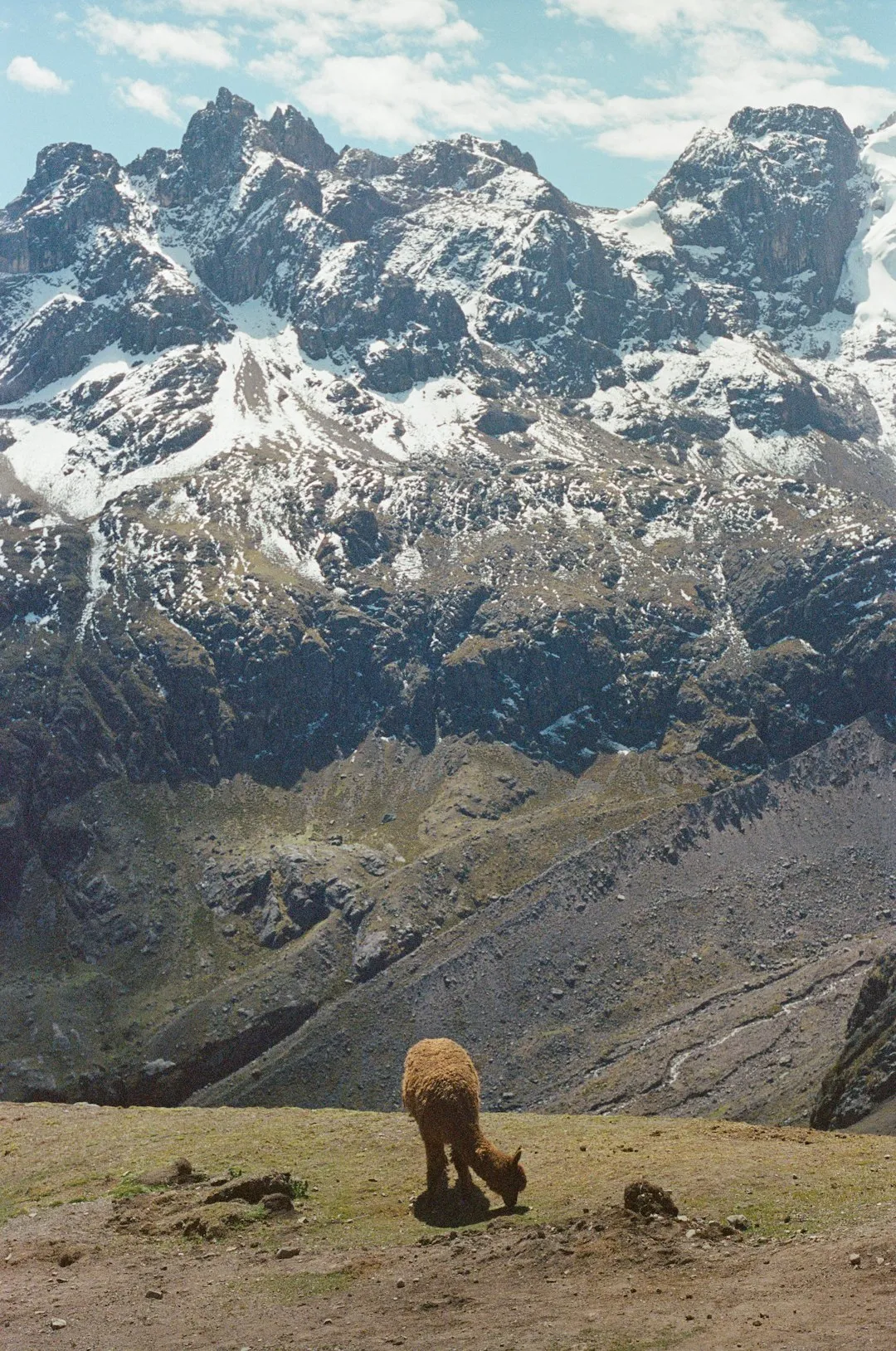
Paria Valley Trek - A Peruvian Highland Adventure
The Paria Valley Trek is a captivating multi-day journey through the heart of Peru's Sacred Valley, offering a blend of challenging ascents, breathtaking Andean vistas, and a glimpse into traditional Quechua life. This trek, while not as globally renowned as some of its South American counterparts, provides an authentic and rewarding experience for those seeking to escape the well-trodden paths. Spanning approximately 25 kilometres with a significant elevation gain of 1,200 metres, the Paria Valley Trek is typically completed over two to three days, presenting a moderate challenge suitable for reasonably fit hikers.
The trail winds through diverse landscapes, from arid high-altitude plains dotted with hardy ichu grass to verdant valleys carved by glacial meltwater. Hikers will encounter ancient Inca agricultural terraces, remote shepherd settlements, and a rich tapestry of Andean flora and fauna. The journey culminates in panoramic views that stretch across snow-capped peaks and deep, dramatic canyons, offering a profound connection to the raw beauty of the Andes.
- Distance: 25.0 km one-way
- Duration: 2-3 days
- Season: May to September (dry season)
- Difficulty: Moderate
- Highest point: Approximately 4,200 m
- Closest City: Ollantaytambo
- Trailhead Access: From Cusco, take a bus or taxi to Ollantaytambo (approx. 1.5-2 hours). From Ollantaytambo, hire a taxi to the Paria Valley trailhead (rough road, 30-45 mins). Limited parking available.
- Permits: No specific permits required at the trailhead, but always check local regulations.
Overview
The Paria Valley Trek offers a compelling introduction to the high-altitude trekking experience in Peru, distinct from the more crowded Inca Trail. Its moderate difficulty and manageable duration make it an accessible option for many, yet it delivers the quintessential Andean adventure: challenging climbs, stunning alpine scenery, and cultural immersion. The trek is best undertaken during the dry season, from May to September, when the skies are typically clear and the risk of rain is minimal, though temperatures can still be cold, especially at night.
The journey begins with an ascent from the Paria Valley trailhead, gradually gaining altitude as it winds through rolling hills and open grasslands. As you climb, the landscape transforms, revealing vast expanses of the Andes. The air thins, and the silence of the mountains becomes a palpable presence, broken only by the wind and the occasional call of a distant bird. The trail is often less defined than more popular routes, requiring good navigation skills or the guidance of a local expert.
Key features of the trek include traversing high-altitude plateaus where herds of llamas and alpacas graze, passing by ancient agricultural terraces that speak to the ingenuity of the Inca civilisation, and potentially encountering small, remote communities where traditional ways of life persist. The highest point of the trek offers spectacular 360-degree views of surrounding peaks, many of which are permanently snow-capped. The descent typically leads you through different terrain, perhaps into more sheltered valleys or along riverbeds, before concluding near a point accessible by vehicle.
This trek is ideal for those who appreciate natural beauty, seek a less commercialised trekking experience, and are prepared for the physical demands of high-altitude hiking. It provides a genuine sense of accomplishment and a deep connection with the rugged, majestic landscape of the Peruvian Andes.
History and Cultural Context
The Paria Valley and its surrounding regions have a rich and ancient history, deeply intertwined with the Inca Empire and the indigenous Quechua culture that predates it. While the Paria Valley Trek itself may not be a direct Inca Trail route, the landscapes it traverses were historically significant for travel, agriculture, and settlement by Andean peoples for millennia.
The Inca civilisation, which flourished in the Andes from the 13th to the 16th centuries, established an extensive network of roads and trails throughout their vast empire, known as the Qhapaq Ñan. These roads facilitated communication, trade, and military movement, connecting distant regions and enabling the administration of their empire. It is highly probable that the routes within and around the Paria Valley were part of this network, used by Inca travellers, messengers, and farmers.
The agricultural terraces, which are often visible along the trek, are a testament to the advanced engineering and agricultural practices of the Inca. These terraces, built into steep hillsides, allowed for efficient land use, prevented soil erosion, and created microclimates suitable for growing crops like maize and potatoes at high altitudes. The presence of these terraces indicates that the Paria Valley was likely an important agricultural area or a transit route for goods.
Beyond the Inca period, the region has remained home to Quechua-speaking communities who have preserved many of their ancestral traditions, languages, and agricultural practices. These communities often live in remote areas, maintaining a close relationship with the land and its resources. Encounters with these communities, if the trek passes through or near them, offer a valuable insight into the enduring cultural heritage of the Andes.
The Spanish conquest in the 16th century brought significant changes, including the introduction of Christianity and new forms of governance, but many aspects of indigenous culture persisted, often blending with European influences. Today, the legacy of these ancient civilisations and the resilience of the Quechua people are palpable in the landscapes and the living traditions of the region.
Seasonal Highlights and Weather Reality
The Paria Valley Trek is best experienced during the dry season, which generally runs from May to September. This period offers the most favourable conditions for hiking in the Peruvian Andes.
Dry Season (May to September):
- Weather: Characterised by clear, sunny days and cold nights. Rainfall is minimal, making the trails more stable and easier to navigate. Temperatures can range from pleasant during the day (around 15-20°C in direct sun) to well below freezing at night (down to -5°C or colder at higher elevations).
- Highlights: The clear skies provide spectacular panoramic views of the surrounding mountain ranges, including snow-capped peaks. The dry conditions are ideal for camping and for enjoying the vast, open landscapes. This is also the peak tourist season for Peru, so while the Paria Valley is less crowded than other treks, booking guides and transport in advance is advisable.
- Considerations: The altitude means that even during the day, the sun can be intense, and UV radiation is high. Nights are very cold, requiring appropriate sleeping gear and warm clothing.
Wet Season (October to April):
- Weather: This period sees frequent rainfall, often in the form of heavy afternoon thunderstorms. Trails can become muddy, slippery, and potentially hazardous due to flash floods. Temperatures are generally milder than in the dry season, but the constant dampness can make it feel colder.
- Highlights: The landscape is greener and more vibrant due to the rain. Waterfalls are at their most impressive, and the air is often clearer after a storm. This season offers fewer crowds and potentially lower prices for services.
- Considerations: Hiking is significantly more challenging and potentially dangerous. Visibility can be poor, and the risk of landslides or trail washouts increases. Not recommended for inexperienced hikers or those without proper waterproof gear and navigation skills.
Shoulder Seasons (April and October): These months can offer a transition between the two main seasons, with a mix of conditions. Early April might still see some rain, while late October can bring the first signs of the dry season. These can be good times to trek if you are prepared for variable weather.
Recommended Itinerary
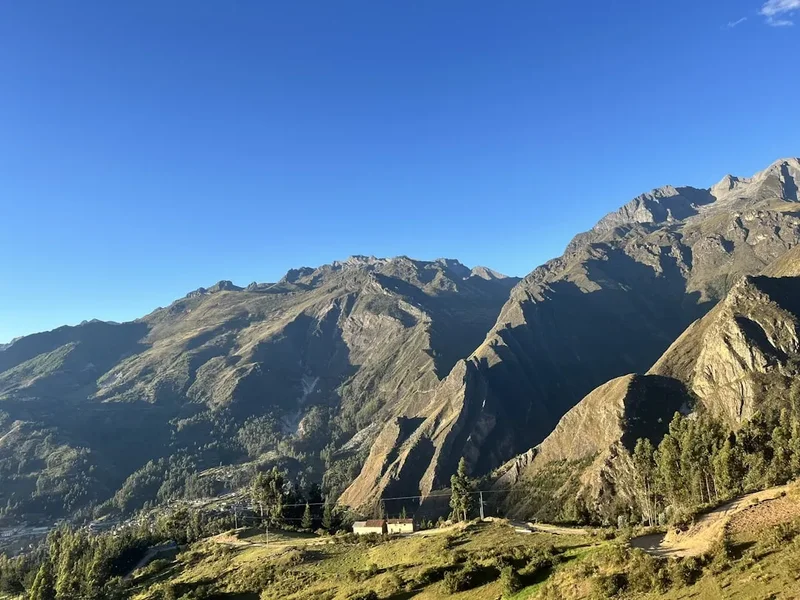
2-Day Paria Valley Trek Itinerary
Day 1: Ollantaytambo to Paria Valley Base Camp
- Morning: Depart Ollantaytambo by taxi to the Paria Valley trailhead (approx. 30-45 mins on a rough road).
- Late Morning: Begin the trek. The initial section involves a steady ascent through arid scrubland and open valleys.
- Distance: Approximately 10-12 km
- Elevation Gain: 600-700 m
- Time: 4-5 hours
- Key Waypoints: Trailhead, gradual ascent through rolling hills, potential sightings of local flora and fauna.
- Afternoon: Arrive at the designated base camp area in the Paria Valley. Set up camp.
- Evening: Enjoy dinner and acclimatise to the altitude. The night sky at this elevation is often spectacular.
Day 2: Paria Valley Base Camp to High Pass and Descent
- Early Morning: After breakfast, begin the ascent towards the highest point of the trek.
- Distance: Approximately 13-15 km
- Elevation Gain: 500-600 m to the pass, followed by a significant descent.
- Time: 6-8 hours (including descent)
- Key Waypoints: Steep climb to the high pass (approx. 4,200 m), offering panoramic views of the surrounding Andes.
- Midday: Reach the high pass. Take time to appreciate the breathtaking scenery. Begin the descent, which can be steep and challenging.
- Afternoon: Continue descending through varied terrain, potentially passing through smaller valleys or along riverbeds.
- Late Afternoon: Arrive back at the trailhead where your taxi will be waiting to transfer you back to Ollantaytambo.
3-Day Paria Valley Trek Itinerary (Recommended for better acclimatisation)
Day 1: Ollantaytambo to Mid-Valley Campsite
- Morning: Depart Ollantaytambo by taxi to the Paria Valley trailhead.
- Late Morning: Begin the trek, focusing on a more gradual ascent.
- Distance: Approximately 8-10 km
- Elevation Gain: 400-500 m
- Time: 3-4 hours
- Key Waypoints: Trailhead, initial ascent through open valleys, establishing a comfortable pace.
- Afternoon: Set up camp at a scenic mid-valley location, allowing for better acclimatisation.
- Evening: Relax and enjoy the peaceful surroundings.
Day 2: Mid-Valley Campsite to High Pass and Upper Valley
- Morning: Continue the ascent towards the high pass.
- Distance: Approximately 10-12 km
- Elevation Gain: 700-800 m
- Time: 5-6 hours
- Key Waypoints: Transition to higher altitude terrain, potential sightings of vicuñas or condors, reaching the base of the final climb to the pass.
- Afternoon: Reach the high pass (approx. 4,200 m) and enjoy the spectacular views. Descend slightly to a campsite in the upper valley, offering a different perspective.
- Evening: Enjoy a final night under the stars in the high Andes.
Day 3: Upper Valley Campsite to Trailhead and Return to Ollantaytambo
- Morning: After breakfast, begin the descent.
- Distance: Approximately 13-15 km
- Elevation Gain: Minimal gain, primarily descent.
- Time: 5-6 hours
- Key Waypoints: Varied descent terrain, passing through different ecological zones, returning to the trailhead.
- Afternoon: Arrive back at the trailhead and transfer to Ollantaytambo.
Important Notes:
- This trek requires self-sufficiency; camping gear and food must be carried or arranged with a guide.
- Acclimatisation is crucial. Spending a night in Ollantaytambo (approx. 2,792 m) before starting is highly recommended.
- The trail can be rough and poorly marked in places; hiring a local guide is strongly advised for safety and navigation.
- Carry sufficient water or a reliable water filter/purification method.
- Be prepared for significant temperature fluctuations.
Planning and Bookings
Book Your Trip
Everything you need to plan your journey
Accommodation
Find places to stay near Ollantaytambo
Flights
Search flights to Ollantaytambo
Essential Preparation
The Paria Valley Trek is a moderate-difficulty, multi-day hike that requires careful planning, especially concerning altitude acclimatisation and logistics. Ollantaytambo is the primary gateway town, offering essential services for trekkers. It's crucial to spend at least one to two nights in Ollantaytambo (or Cusco, before travelling to Ollantaytambo) to acclimatise to the altitude (around 2,792 metres) before commencing the trek. This significantly reduces the risk of altitude sickness.
Logistics involve arranging transport from Ollantaytambo to the trailhead and back. This typically requires hiring a taxi or a 4x4 vehicle, as the road to the trailhead can be rough and challenging. It's advisable to book this transport in advance, especially during peak season. For those planning to camp, all necessary equipment, including tents, sleeping bags, cooking gear, and food, must be carried. Alternatively, hiring a local guide service can simplify these arrangements, often including transport, meals, and camping equipment.
Trail Accommodation
This is a day hike requiring no overnight accommodation.
Required Gear
- Sturdy hiking boots: Waterproof and well broken-in, with good ankle support.
- Backpack: A 40-60 litre pack suitable for carrying essentials for 2-3 days, including camping gear if applicable. A rain cover is essential.
- Waterproof jacket and trousers: Essential for protection against rain and wind, even in the dry season.
- Warm layers: Including a fleece or down jacket, thermal base layers (merino wool or synthetic), and a warm hat and gloves. Temperatures can drop significantly at night and at higher elevations.
- Head torch: With spare batteries, for use in camp and during early morning starts.
- First-aid kit: Including personal medications, blister treatment, pain relievers, and altitude sickness medication (consult your doctor).
- Navigation tools: Map of the area, compass, and/or GPS device. A local guide is highly recommended for navigation.
- Sun protection: High SPF sunscreen, sunglasses, and a wide-brimmed hat. The sun at high altitudes is intense.
- Trekking poles: Highly recommended for stability on ascents and descents, and to reduce strain on knees.
What to Bring
- Food: Sufficient high-energy food for 2-3 days, including breakfast, lunch, dinner, and snacks. Dehydrated meals are a good option for camping.
- Water: At least 2-3 litres of water per person per day. A water filter or purification tablets are essential as water sources may not always be safe to drink directly.
- Toiletries: Biodegradable soap, toothbrush, toothpaste, hand sanitiser, and toilet paper. Pack out all waste.
- Sleeping bag: A 3-4 season sleeping bag rated for temperatures down to -10°C is recommended for camping.
- Sleeping mat: For insulation and comfort if camping.
- Camera: To capture the stunning Andean scenery.
- Personal items: Insect repellent (though less of an issue at high altitudes), lip balm with SPF, and any personal comfort items.
- Cash: For local purchases, tips, and potential emergencies.
Permits
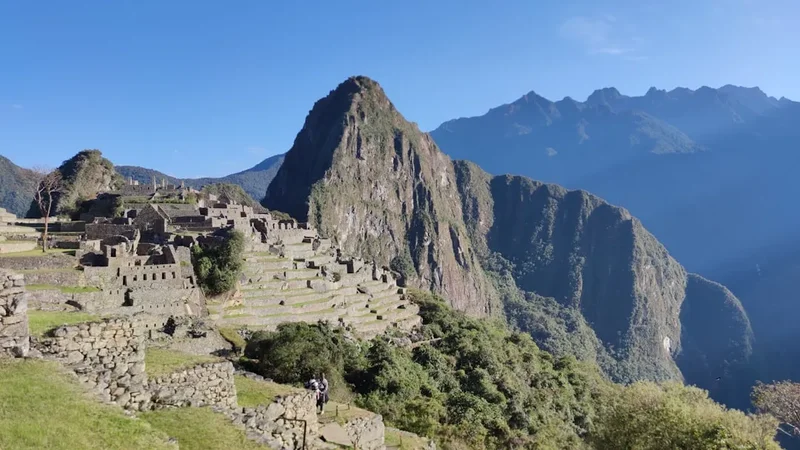
The Paria Valley Trek does not currently require specific permits for independent hikers or those using local guides. However, it is always advisable to check with local authorities or your guide service for any recent changes in regulations, especially if you plan to trek during a major festival or event. Access to the trailhead is generally open, and no park entrance fees are typically levied for this specific route.
Important Considerations:
- Local Guides: While not mandatory, hiring a local guide is highly recommended. They possess invaluable knowledge of the terrain, weather patterns, and cultural nuances, and can significantly enhance your safety and experience. Guides can also assist with arranging transport and camping logistics.
- Community Relations: If your trek passes through or near indigenous communities, it is important to be respectful of local customs and traditions. Always ask permission before taking photographs of people or their homes.
- Environmental Regulations: Although no specific permits are required, adherence to Leave No Trace principles is paramount to preserve the pristine environment of the Paria Valley.
Other Activities in the Area
The region surrounding Ollantaytambo and the Sacred Valley offers a wealth of activities for travellers:
- Explore Ollantaytambo Fortress: A magnificent Inca archaeological site and a rare example of a living Inca city. Wander through its impressive terraces, temples, and water channels.
- Visit Maras Salt Mines: Thousands of salt pans used since Inca times, creating a unique and visually striking landscape.
- Discover Moray: A fascinating Inca agricultural laboratory with circular terraces believed to have been used for crop experimentation.
- Hike to Humantay Lake: A challenging but rewarding day hike from the town of Mollepata, leading to a stunning turquoise glacial lake.
- Explore Pisac Market and Ruins: Known for its vibrant artisan market and impressive Inca ruins perched on a hilltop overlooking the valley.
- Day trip to Machu Picchu: Ollantaytambo is a major departure point for trains to Aguas Calientes, the gateway to the iconic citadel of Machu Picchu.
- Experience local culture: Engage with local communities, learn about traditional weaving techniques, and sample authentic Peruvian cuisine.
Safety and Conditions
Altitude Sickness (Soroche): This is the primary concern for the Paria Valley Trek. Symptoms can include headache, nausea, dizziness, and fatigue. Acclimatisation is key: spend at least 1-2 nights in Ollantaytambo (2,792 m) before starting the trek. Drink plenty of water, avoid alcohol and heavy meals on the first day, and consider consulting your doctor about prescription altitude sickness medication (e.g., Diamox).
Trail Conditions: The trail can be rough, uneven, and poorly marked in sections. Loose scree and steep ascents/descents are common. The path can become slippery and hazardous during the wet season. Trekking poles are highly recommended for stability.
Weather: Weather in the Andes can change rapidly. Be prepared for strong sun, high winds, and freezing temperatures, especially at night and on the high pass. Even during the dry season, unexpected rain showers can occur.
Navigation: While the main route is generally discernible, side paths and unmarked sections exist. It is strongly advised to hire a local guide who is familiar with the terrain and can ensure safe passage. If trekking independently, ensure you have a reliable map, compass, and GPS device, and know how to use them.
Water: Water sources may be available along the trail, but it is essential to treat all water using a filter, purification tablets, or by boiling to prevent waterborne illnesses.
Wildlife: While large dangerous animals are rare, be aware of your surroundings. Condors, vicuñas, and various bird species can be spotted. Respect wildlife and maintain a safe distance.
Emergency: Carry a fully stocked first-aid kit and know how to use its contents. Ensure you have a communication plan, although mobile phone signal is unlikely on the trail. A satellite phone or personal locator beacon (PLB) can be a valuable safety measure for remote treks.
Travel Insurance: Ensure your travel insurance covers high-altitude trekking and potential medical evacuation.
Side Trips and Points of Interest
High Pass Vista: The summit of the trek, typically around 4,200 metres, offers unparalleled panoramic views. On a clear day, you can see vast expanses of the Andes, including distant snow-capped peaks and deep valleys. This is the ultimate reward for the challenging ascent and a prime spot for photography.
Inca Terraces: Throughout the trek, you will likely encounter ancient agricultural terraces carved into the hillsides. These are a testament to the advanced engineering and farming techniques of the Inca, showcasing their ability to cultivate crops in challenging mountainous terrain.
Remote Quechua Settlements: Depending on the exact route taken, you may pass by small, traditional Quechua villages. These offer a glimpse into the enduring rural lifestyle of the Andean people, where ancient customs and agricultural practices are still maintained. Always be respectful if you encounter local communities.
Andean Flora and Fauna: Keep an eye out for the unique plant life adapted to high altitudes, such as ichu grass and various hardy shrubs. Birdlife can be abundant, and if you are lucky, you might spot condors soaring overhead or herds of vicuñas grazing on the high plains.
River Valleys: The trek often involves traversing or following river valleys. These can offer different perspectives on the landscape, with varying vegetation and geological formations. The sound of flowing water can be a constant companion.
Leave No Trace
The Paria Valley Trek traverses a fragile high-altitude ecosystem that is vital to the local environment and the cultural heritage of the region. Practising Leave No Trace principles is essential to minimise your impact and preserve this beautiful landscape for future generations.
- Plan Ahead and Prepare: Research the trek, understand the conditions, and pack appropriately. Hiring a local guide is a responsible choice that supports the local economy and ensures safer, more informed trekking.
- Travel and Camp on Durable Surfaces: Stick to established trails to avoid damaging vegetation. If camping, choose established sites or durable surfaces like rock or dry grass, away from water sources.
- Dispose of Waste Properly: Pack out everything you pack in, including all food scraps, wrappers, and toilet paper. Use designated toilet facilities if available, or dig catholes at least 60 metres away from water, trails, and campsites.
- Leave What You Find: Do not remove any natural objects, such as rocks or plants, or disturb cultural or historical sites.
- Minimise Campfire Impacts: Campfires are generally not recommended or permitted in high-altitude trekking areas due to the fragile environment and risk of wildfires. Use a portable stove for cooking.
- Respect Wildlife: Observe wildlife from a distance and never feed animals. Feeding can disrupt their natural behaviours and diets.
- Be Considerate of Other Visitors: Keep noise levels down, especially in remote areas, and yield to other hikers on the trail.
By adhering to these principles, you help ensure that the Paria Valley remains a pristine and inspiring destination.