
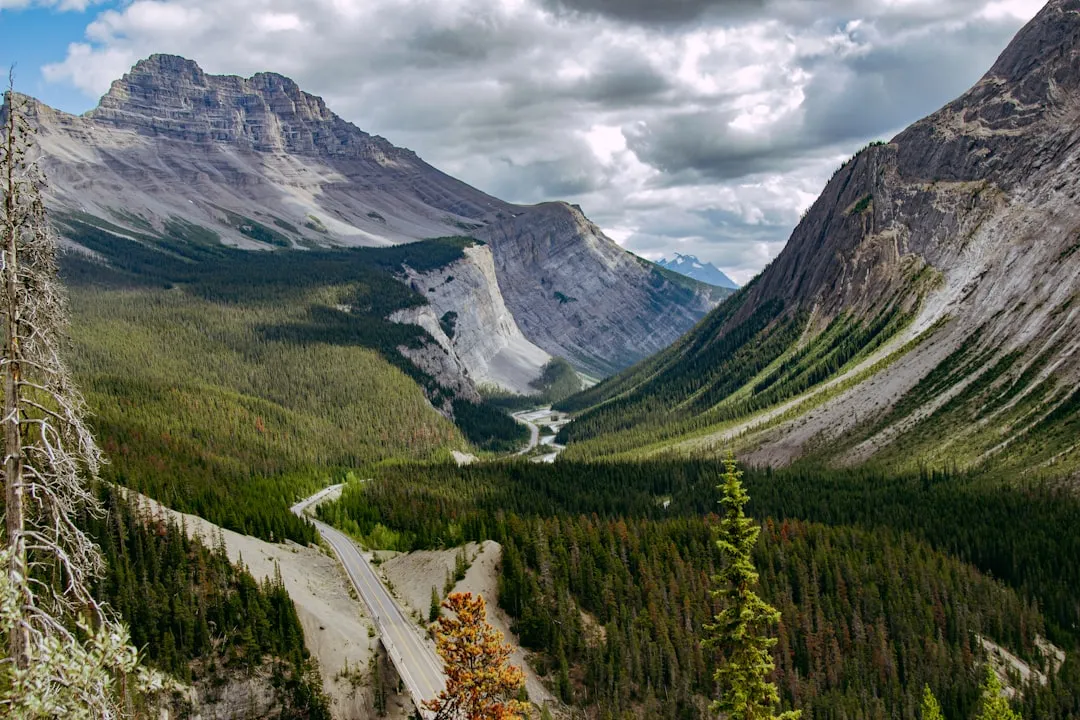
Panther Falls Trail
The Panther Falls Trail is a short, accessible, and rewarding day walk located in the heart of the Canadian Rockies, near the iconic town of Banff. This trail offers a delightful introduction to the stunning natural beauty of Banff National Park, showcasing lush forests, gentle inclines, and culminating in the picturesque Panther Falls. It's an ideal option for families, casual walkers, or anyone seeking a quick immersion into the wilderness without a significant time commitment or strenuous effort. The trail is well-maintained and clearly marked, ensuring a safe and enjoyable experience for all visitors.
- Distance: 1.0 km one-way
- Duration: 1 hour (return)
- Season: May–October
- Difficulty: Easy
- Elevation Gain: 50 m
- Closest City: Banff
- Trailhead Access: Trans-Canada Hwy (Hwy 1) north to Icefields Parkway (Hwy 93N), then 8 km north.
- Permits: No specific trail permit required; standard park entry pass needed.
Overview
The Panther Falls Trail is a gem for its simplicity and the immediate reward it offers. Beginning from a small, convenient parking area off the Icefields Parkway, the path quickly enters a serene coniferous forest. The air is crisp and carries the scent of pine and damp earth, a quintessential Rocky Mountain aroma. The trail itself is a gentle, undulating path, making it accessible for a wide range of ages and fitness levels. The elevation gain of 50 metres is spread out over the 1 kilometre distance, meaning there are no steep or challenging ascents.
As you walk, the sounds of the highway fade, replaced by the rustling of leaves, the chirping of birds, and the distant murmur of water. The forest canopy provides ample shade, making it a pleasant walk even on warmer days. The trail is primarily composed of packed earth and occasional small stones, with a few wooden boardwalk sections over wetter areas. It’s designed for easy navigation, with clear signage indicating the direction to Panther Falls.
The destination, Panther Falls, is a beautiful, multi-tiered cascade that tumbles down a rocky embankment. While not as grand as some of the more famous waterfalls in the national park, Panther Falls possesses a unique charm. Its delicate streams of water, often appearing like a series of silver threads, create a tranquil and picturesque scene. The area around the falls is a perfect spot to pause, take photographs, enjoy a snack, and simply soak in the peaceful atmosphere of the surrounding wilderness. The return journey follows the same path, allowing for reflection on the natural beauty encountered.
History and Cultural Context
The area surrounding Banff National Park, including the region where Panther Falls is located, has a rich and deep history stretching back thousands of years. Indigenous peoples, including the Stoney Nakoda, Blackfoot, and Kootenai First Nations, have traversed these lands for millennia, utilising the abundant natural resources for hunting, gathering, and spiritual practices. The Icefields Parkway, along which the Panther Falls Trailhead is situated, follows ancient travel routes that connected various territories and facilitated trade and cultural exchange among these nations.
The name "Panther Falls" likely originates from the early European explorers and settlers who named geographical features based on their observations of local wildlife or perceived characteristics. While panthers (cougars) are native to the region, it is not definitively known if the falls were named due to a sighting or simply as a descriptive moniker. The establishment of Banff National Park in 1885 marked a significant shift in the human interaction with this landscape, transitioning from traditional Indigenous use to a focus on conservation and tourism.
The development of the Trans-Canada Highway and the Icefields Parkway in the 20th century opened up these remote areas to a wider public. The Panther Falls Trail, though a minor feature in the grand scheme of Banff's vast wilderness, represents the accessibility that modern infrastructure has brought to these natural wonders. It serves as a reminder of the layers of history present in the park, from the ancient Indigenous heritage to the era of exploration and the modern-day appreciation of its natural beauty.
Seasonal Highlights and Weather Reality
The Panther Falls Trail is best enjoyed during the warmer months, typically from May through October. During this period, the trail is generally free of snow and ice, making it safe and accessible for walking.
Spring (May–June): As the snow melts, the forest floor begins to awaken. Wildflowers may start to appear, and the surrounding vegetation becomes vibrantly green. The falls will likely be at their most powerful due to snowmelt runoff. However, early spring can still see lingering snow at higher elevations, and the weather can be unpredictable, with potential for late snowfalls or cool temperatures. The Icefields Parkway may have seasonal closures or restrictions early in the season.
Summer (July–August): This is the peak season for the Panther Falls Trail. The weather is generally warm and pleasant, with long daylight hours. The forest is lush and full of life, and the falls are a refreshing sight. This is also the busiest time, so expect to encounter other visitors. Sandflies can be present, especially in shaded, damp areas, so insect repellent is recommended.
Autumn (September–October): Autumn offers a spectacular display of colour as the deciduous trees in the area turn shades of gold and red. The air is crisp, and the crowds tend to thin out. The falls may have slightly less volume than in spring or early summer but remain beautiful. Early October can bring the first snowfalls, so checking trail conditions before heading out is advisable. The Icefields Parkway typically remains open until late October, weather permitting.
Winter (November–April): The Panther Falls Trail is generally not recommended for winter travel. Snowfall can be significant, making the trail impassable or dangerous without specialized winter gear and avalanche knowledge. The Icefields Parkway may be closed for extended periods due to snow and avalanche risk. While the falls would be frozen and potentially spectacular, accessing them safely would require advanced mountaineering skills.
Recommended Itinerary
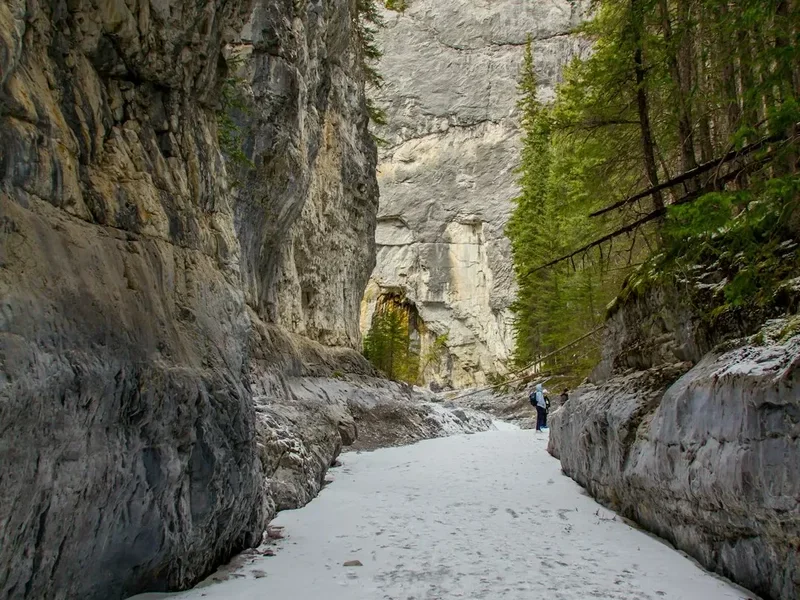
Panther Falls Trail - Day Walk Itinerary
Early Morning (Approx. 9:00 AM): Departure from Banff
- Depart from Banff townsite.
- Drive north on the Trans-Canada Highway (Hwy 1).
- Take the exit for the Icefields Parkway (Hwy 93N).
- Enjoy the scenic drive, keeping an eye out for wildlife.
Morning (Approx. 9:30 AM): Arrival at Trailhead
- Drive approximately 8 km north on the Icefields Parkway.
- Locate the small parking area on the right side of the road.
- Ensure you have your Parks Canada Discovery Pass displayed if required for park entry.
- Prepare for your walk: adjust footwear, apply sunscreen, and ensure you have water.
Morning (Approx. 9:45 AM): Start of the Trail
- Begin your walk from the trailhead.
- Follow the clearly marked signs for Panther Falls.
- The trail immediately enters a mature coniferous forest.
- Enjoy the gentle, undulating path through the trees.
- Distance covered: 0.0 km - 0.5 km
- Elevation gain: Minimal, gradual incline
Midday (Approx. 10:00 AM): Arrival at Panther Falls
- Reach the viewpoint for Panther Falls.
- Admire the multi-tiered cascade tumbling down the rocky slope.
- Take photographs and enjoy the serene atmosphere.
- Spend time relaxing and appreciating the natural surroundings.
- Distance covered: 1.0 km
- Total elevation gain: 50 m
Midday (Approx. 10:30 AM): Return Journey Begins
- Begin your walk back towards the trailhead.
- The descent is gentle and easy.
- Re-enter the forest environment.
- Distance covered: 1.0 km - 2.0 km (return)
Late Morning (Approx. 10:45 AM): Return to Trailhead
- Arrive back at the parking area.
- Reflect on your short but beautiful wilderness experience.
- Continue your journey along the Icefields Parkway or return to Banff.
Important Notes:
- This is a day hike; no overnight accommodation is required.
- Always check Parks Canada advisories for trail conditions and any closures before your visit.
- Carry water and snacks, even for a short walk.
- Be aware of wildlife; maintain a safe distance and never feed animals.
- Wear appropriate footwear for walking on natural terrain.
Planning and Bookings
Book Your Trip
Everything you need to plan your journey
Accommodation
Find places to stay near Banff
Flights
Search flights to Banff
Essential Preparation
The Panther Falls Trail is a straightforward day hike, but essential preparation still ensures a smooth and enjoyable experience. The closest major hub for services and accommodation is the town of Banff. Banff offers a wide range of lodging options, from budget-friendly hostels and campgrounds to luxury hotels. It also provides all necessary amenities, including grocery stores for purchasing snacks and supplies, outdoor gear shops, and restaurants.
Access to the trailhead is via the Icefields Parkway (Hwy 93N), a world-renowned scenic highway. It's crucial to check the road conditions and any potential seasonal closures or advisories issued by Parks Canada, especially if travelling in the shoulder seasons (spring or autumn). While no specific permit is required for the Panther Falls Trail itself, a valid Parks Canada Discovery Pass is mandatory for entry into Banff National Park. These can be purchased online in advance or at park gates.
Logistics for this hike are minimal. The trailhead is easily accessible by private vehicle. Public transportation options to the Icefields Parkway are limited and generally do not stop at this specific trailhead. Therefore, having your own vehicle or arranging private transport is recommended. The hike is short, so no extensive coordination is needed beyond ensuring you have your park pass and understand the route to the trailhead.
Trail Accommodation
This is a day hike requiring no overnight accommodation.
Required Gear
- Footwear: Sturdy walking shoes or hiking boots with good grip are recommended. Trail runners can also be suitable given the easy terrain.
- Clothing: Layers are key in the mountains. Bring a moisture-wicking base layer, an insulating mid-layer (fleece or down jacket), and a waterproof and windproof outer shell. Even in summer, mountain weather can change rapidly.
- Navigation: While the trail is well-marked, a map of the area or a GPS device/app on your phone is always a good idea. Ensure your phone is fully charged.
- Safety Gear: A basic first-aid kit, including blister treatment, is advisable. A headlamp or flashlight is not typically needed for this short day hike during daylight hours but is always a good emergency item to have.
What to Bring
- Food: Pack snacks such as energy bars, fruit, or nuts. A packed lunch is optional for a longer day in the park.
- Water: Carry at least 1 litre of water per person. There are no water sources available for refilling on the trail.
- Sun Protection: Sunscreen (SPF 30 or higher), sunglasses, and a hat are essential, as the sun can be intense at higher altitudes, even on cloudy days.
- Insect Repellent: Especially important during summer months to ward off mosquitoes and sandflies.
- Camera: To capture the beautiful scenery and the falls.
- Small Backpack: To carry your essentials comfortably.
- Parks Canada Discovery Pass: Ensure this is visible if required.
Permits
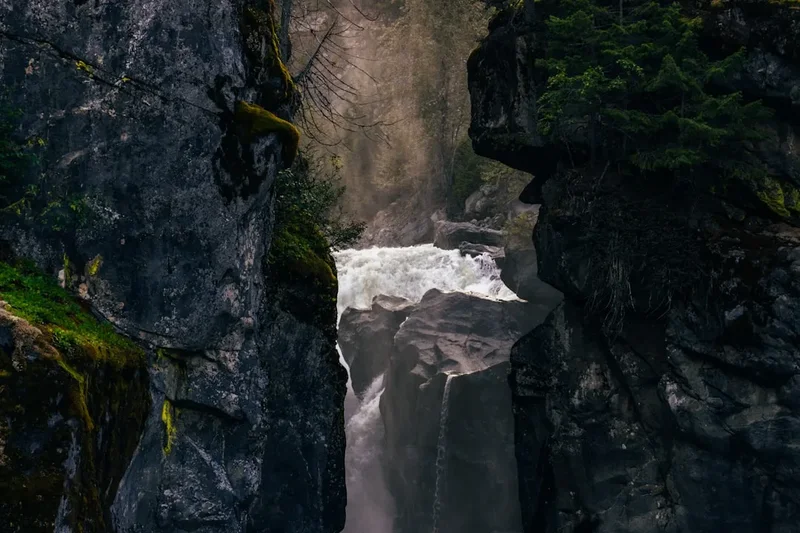
No specific permit is required to hike the Panther Falls Trail. However, entry into Banff National Park requires a Parks Canada Discovery Pass. This pass covers entry to all national parks in Canada for a year and can be purchased online through the Parks Canada website or at park gates upon arrival.
Parks Canada Discovery Pass Information:
- Annual Pass: Valid for one year from the date of purchase, covering entry to all national parks across Canada.
- Daily Pass: Available for shorter stays, covering entry to a specific park for a single day.
- Where to Purchase:
- Online via the Parks Canada website (recommended for convenience).
- At park entry gates (may involve queues).
- At Parks Canada visitor centres.
- Display: The pass must be displayed on the dashboard of your vehicle at all times while within the national park.
It is the responsibility of all visitors to ensure they have the correct pass before entering the park. Failure to do so may result in fines.
Other Activities in the Area
The Panther Falls Trail is a short excursion, leaving ample time to explore other attractions along the Icefields Parkway and in the surrounding Banff National Park:
- Scenic Drive along the Icefields Parkway (Hwy 93N): This is one of the most spectacular drives in the world. Stop at numerous viewpoints, including Bow Lake, Peyto Lake (a stunning turquoise lake shaped like a wolf's head), and the Columbia Icefield.
- Johnston Canyon: A popular boardwalk trail leading to stunning waterfalls and ink pots. It's a moderate hike and a must-do in the area.
- Lake Louise: Visit the iconic turquoise lake with the Victoria Glacier as a backdrop. Canoe rentals are available, and there are numerous hiking trails around the lake.
- Moraine Lake: Another breathtakingly beautiful lake, famous for its vibrant blue colour and the Valley of the Ten Peaks. Access is often restricted to shuttle buses or specific times.
- Banff Gondola: Ride to the summit of Sulphur Mountain for panoramic views of Banff townsite and the surrounding mountain ranges.
- Banff Upper Hot Springs: Relax and rejuvenate in the natural hot springs with mountain views.
- Wildlife Viewing: Keep an eye out for elk, deer, bighorn sheep, mountain goats, and potentially bears along the Icefields Parkway and within the park. Always maintain a safe distance.
Safety and Conditions
Trail Conditions: The Panther Falls Trail is generally well-maintained and easy to follow. However, conditions can vary depending on the season and recent weather. Always check the Parks Canada website for any trail advisories or closures before your visit. In spring, there might be muddy sections or lingering snow. In autumn, fallen leaves can make the path slippery.
Weather: Mountain weather is notoriously unpredictable. Be prepared for sudden changes in temperature, wind, and precipitation, even during summer. Always carry layers of clothing, including a waterproof and windproof jacket. Check the forecast before you leave Banff.
Wildlife: Banff National Park is home to a variety of wildlife, including bears, elk, and bighorn sheep. While encounters on this short trail are less common, it's essential to be aware. Carry bear spray and know how to use it, especially if hiking in less populated areas or during dawn/dusk. Make noise as you walk to alert animals to your presence. Never feed wildlife, as it can be harmful to them and dangerous for humans.
Navigation: The trail is clearly marked, but it's always wise to have a map or GPS device. Ensure your mobile phone is fully charged, though service can be spotty along the Icefields Parkway.
Water and Food: Carry sufficient water and snacks, as there are no facilities along the trail. Dehydration can occur quickly, even on short hikes.
Emergency: In case of an emergency, dial 911. For wildlife-related emergencies or to report sightings, contact Parks Canada Dispatch. It's advisable to have a Parks Canada Discovery Pass, as it often includes emergency contact information.
Side Trips and Points of Interest
While the Panther Falls Trail itself is a short destination, the journey along the Icefields Parkway is replete with significant points of interest and opportunities for short, rewarding side trips:
Panther Falls Viewpoint: The primary point of interest is the falls themselves. The viewpoint offers a clear, unobstructed look at the cascade. The multi-tiered nature of the falls, with water gracefully descending over moss-covered rocks, makes for a picturesque scene. It's an excellent spot for photography and quiet contemplation of nature's artistry.
Forest Environment: The trail meanders through a mature coniferous forest, characteristic of the Canadian Rockies. Look for towering spruce, fir, and pine trees. The undergrowth often features ferns and mosses, creating a lush, green environment. The scent of pine needles and damp earth is a sensory delight.
Icefields Parkway Scenic Stops: The drive to and from the trailhead is an attraction in itself. Key points of interest along the Icefields Parkway include:
- Bow Lake: A stunningly beautiful lake with the Crowfoot Glacier visible in the distance.
- Peyto Lake Viewpoint: Famous for its vibrant turquoise colour and unique wolf-head shape, offering panoramic vistas.
- Mistaya Canyon: A short walk leads to a narrow, sculpted canyon where the Mistaya River flows powerfully.
- Saskatchewan River Crossing: A historic stopping point with services and views of the surrounding peaks.
- Columbia Icefield: Home to the Athabasca Glacier, where guided tours onto the ice are available.
Each of these stops offers unique perspectives and short walks, allowing visitors to experience the vastness and diversity of the Rocky Mountains.
Leave No Trace
The Panther Falls Trail, like all natural areas, benefits immensely from visitors adhering to Leave No Trace principles. These principles are designed to minimise human impact and preserve the natural beauty and ecological integrity of the environment for future generations.
Your responsibility as a walker:
- Plan Ahead and Prepare: Know the trail conditions, weather forecast, and any regulations before you go. Carry appropriate gear and sufficient supplies.
- Travel and Camp on Durable Surfaces: Stick to the marked trail. Avoid walking on vegetation or creating new paths, as this can damage fragile ecosystems. The trail is designed to be a durable surface.
- Dispose of Waste Properly: Pack out everything you pack in. This includes all food scraps, wrappers, and any other litter. There are no bins on the trail or at the trailhead.
- Leave What You Find: Do not remove any natural objects, such as rocks, plants, or flowers. Take only photographs and memories.
- Minimise Campfire Impacts: Campfires are not permitted on this day hike.
- Respect Wildlife: Observe wildlife from a distance. Never feed animals, as it can alter their natural behaviours and pose risks to both wildlife and humans. Keep pets under control.
- Be Considerate of Other Visitors: Keep noise levels down and yield to other hikers. Enjoy the peace and quiet of nature.
By following these simple guidelines, you help ensure that the Panther Falls Trail and the surrounding Banff National Park remain a pristine and enjoyable place for everyone.
 Canada