
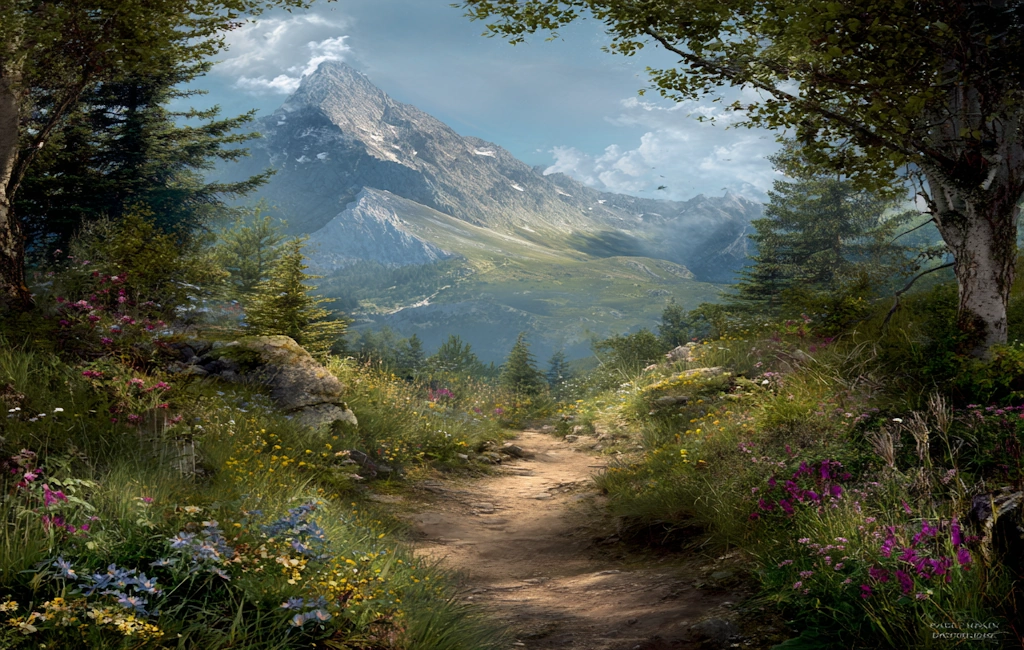
Panchase Trek - A Taste of the Annapurna Foothills
The Panchase Trek is a captivating multi-day walk nestled in the lower Annapurna region of Nepal, offering a delightful blend of cultural immersion and stunning Himalayan vistas without the extreme altitude or demanding terrain of its more famous neighbours. This moderate trek, typically spanning 4 to 5 days, winds through charming Gurung villages, terraced fields, and rhododendron forests, culminating in a panoramic sunrise view from the Panchase peak. It's an ideal trek for those seeking an authentic Nepalese experience, a gentle introduction to trekking in the Himalayas, or a shorter, more accessible alternative to longer routes like the Annapurna Base Camp trek.
- Distance: Approximately 45 km
- Duration: 4-5 days
- Season: October-November or March-April
- Difficulty: Moderate
- Highest point: Panchase Peak (3,210 m)
- Closest City: Pokhara
- Accommodation: Teahouses/lodges
- Cultural focus: Gurung villages, local life
Overview
The Panchase Trek is a journey that truly embodies the spirit of rural Nepal. Unlike the high-altitude expeditions that dominate the trekking scene, Panchase offers a more intimate and accessible encounter with the Himalayas. The trail meanders through landscapes that are both beautiful and culturally rich, showcasing the daily lives of the local Gurung and Brahmin communities. You'll walk past vibrant green rice paddies, through dense forests alive with birdsong, and visit traditional villages where time seems to have slowed.
The trek's moderate difficulty makes it suitable for a wide range of fitness levels, and its relatively short duration means it can be incorporated into a broader Nepalese itinerary. The highlight for many is the ascent to Panchase Peak (3,210 m), the highest point on the trek. While not an extreme altitude, reaching this summit, especially for sunrise, rewards trekkers with breathtaking 360-degree views of the Annapurna and Dhaulagiri ranges, including iconic peaks like Machhapuchhre (Fishtail), Annapurna South, and Hiunchuli. The descent often takes you through different villages, offering varied perspectives and further cultural insights.
The trek begins and ends near Pokhara, a picturesque lakeside city that serves as a perfect gateway and relaxation spot. This proximity to a major tourist hub makes logistics relatively straightforward, adding to the trek's appeal. The Panchase Trek is more than just a walk; it's an opportunity to connect with the land, its people, and the majestic mountains that define Nepal.
History and Cultural Context
The region surrounding the Panchase Trek has a long history of human settlement, primarily by the Gurung and Brahmin communities. These ethnic groups have traditionally been agriculturalists, cultivating the fertile foothills of the Himalayas for centuries. Their villages, often perched on hillsides, are a testament to their resilience and deep connection to the land. The trails themselves are ancient pathways, used by locals for generations to travel between villages, access farming land, and conduct trade.
The Panchase area holds particular cultural and religious significance. The peak itself is considered sacred, and the trek often includes visits to local temples and monasteries, offering glimpses into the spiritual practices of the region. The Gurung people, in particular, have a rich martial history, with many serving in the British and Indian Gurkha armies, a legacy that continues to shape their communities. Their unique traditions, festivals, and social structures are an integral part of the trekking experience.
While not as historically documented as the ancient trade routes of Tibet or the pilgrimage sites of India, the Panchase region has been a focal point for local communities and a place of spiritual importance for centuries. The development of trekking routes in the Annapurna region in the latter half of the 20th century brought increased attention to areas like Panchase, allowing visitors to experience this unique cultural landscape. The trek offers a window into a way of life that has remained largely unchanged for generations, providing a stark contrast to the bustling cities and modern world.
Seasonal Highlights and Weather Reality
The Panchase Trek is best enjoyed during two distinct seasons, each offering a unique experience:
Autumn (October-November): This is widely considered the prime trekking season in Nepal. The monsoon rains have ceased, leaving the air clear and crisp. Visibility is at its best, offering unparalleled panoramic views of the snow-capped Annapurna and Dhaulagiri ranges. The skies are typically a brilliant blue, and the temperatures are pleasant, ranging from around 10-20°C during the day. The rhododendron forests, while past their peak bloom, can still offer splashes of colour, and the terraced fields are often golden with ripening crops. This season is ideal for photography and enjoying the majestic mountain scenery.
Spring (March-April): Spring is another excellent time to trek Panchase. The weather is warming up, and the landscape bursts into life. The rhododendron forests are in full bloom, painting the hillsides with vibrant reds, pinks, and whites. Temperatures are comfortable, similar to autumn, though can become warmer in the lower valleys. Visibility is generally good, though there can be occasional haze in the lower altitudes. This season is perfect for nature lovers and those who appreciate the vibrant colours of the Nepalese flora.
Monsoon (June-September): This season is characterised by heavy rainfall, which can lead to landslides and make trails slippery and difficult to navigate. While the rain can make the landscape lush and green, mountain views are often obscured by clouds and mist. Trekking during the monsoon is generally not recommended due to poor visibility, potential trail disruptions, and increased risk of leeches. However, for those seeking fewer crowds and a more verdant landscape, it can be an option if prepared for the challenges.
Winter (December-February): While possible, winter trekking can be cold, especially at higher elevations. Temperatures can drop below freezing, particularly at night. Snowfall is possible, especially on Panchase Peak, which can make the summit ascent challenging or impossible. However, if clear skies prevail, the mountain views can be spectacular, with snow dusting the peaks. The lower valleys remain relatively mild, but frost is common in the mornings.
Recommended Itinerary
4-Day Panchase Trek Itinerary
Day 1: Pokhara to Bhumre/Hile (via Kande)
- Distance: Approx. 10 km trekking
- Elevation gain: Approx. 800 m
- Time: 4-5 hours trekking
- Morning drive from Pokhara to Kande (approx. 1 hour)
- Begin trek from Kande, passing through terraced fields and small villages
- Ascend towards Australian Camp for initial mountain views
- Continue to Pothana, a charming village with teahouses
- Descend towards Bhumre or Hile, depending on accommodation availability and preference
- Overnight stay in a local teahouse/lodge
Day 2: Bhumre/Hile to Forest Camp (Chisapani)
- Distance: Approx. 12 km trekking
- Elevation gain: Approx. 700 m
- Time: 5-6 hours trekking
- Trek through rhododendron and oak forests
- The trail gradually ascends, offering glimpses of the Annapurna range
- Pass through small settlements and agricultural land
- Reach Forest Camp (often referred to as Chisapani, though there are multiple Chisapanis in Nepal), a serene spot surrounded by nature
- Overnight stay in a teahouse/lodge
Day 3: Forest Camp to Panchase Bhanjyang/Panchase Village
- Distance: Approx. 10 km trekking
- Elevation gain: Approx. 600 m
- Time: 4-5 hours trekking
- Early morning hike to Panchase Peak (3,210 m) for sunrise views (optional but highly recommended)
- Enjoy panoramic vistas of Annapurna, Dhaulagiri, Machhapuchhre, and more
- Descend from the peak to Panchase Bhanjyang (pass) or continue to Panchase village
- Explore the village, visit the Panchase temple
- Overnight stay in a teahouse/lodge
Day 4: Panchase Bhanjyang/Panchase Village to Hemja (via Milke Danda)
- Distance: Approx. 13 km trekking
- Elevation loss: Approx. 1200 m
- Time: 4-5 hours trekking
- Descend through villages and terraced fields
- Pass through Milke Danda, offering more scenic views
- The trail becomes steeper as you approach the valley floor
- Reach Hemja, where your trek concludes
- Drive from Hemja back to Pokhara (approx. 30-45 minutes)
Alternative 5-Day Itinerary:
- Day 1: Pokhara to Kande
- Day 2: Kande to Forest Camp
- Day 3: Forest Camp to Panchase Bhanjyang
- Day 4: Panchase Bhanjyang to Bhumre/Hile
- Day 5: Bhumre/Hile to Hemja and back to Pokhara
Important Notes:
- This itinerary is a suggestion and can be customised based on your pace and preferences.
- Accommodation is in basic teahouses/lodges, which provide simple rooms and meals.
- Carry sufficient cash as ATMs are not available on the trail.
- Be prepared for varying weather conditions, even within the same day.
- Hiring a local guide is highly recommended for navigation and cultural insights.
Planning and Bookings
Book Your Trip
Everything you need to plan your journey
Accommodation
Find places to stay near Pokhara
Flights
Search flights to Pokhara
Essential Preparation
The Panchase Trek is relatively accessible, with Pokhara serving as the primary gateway city. Pokhara offers a wide range of accommodation, from budget guesthouses to luxury hotels, and is well-equipped with gear shops, restaurants, and travel agencies. It's advisable to spend at least one night in Pokhara before and after your trek to acclimatise, arrange logistics, and relax.
Logistics:
- Getting to Pokhara: Pokhara is accessible by tourist bus from Kathmandu (approx. 6-8 hours) or by a short domestic flight (approx. 25 minutes).
- Trailhead Access: The trek typically starts from Kande, a short drive from Pokhara. Taxis or local buses can be hired for this transfer.
- Guides and Porters: While the trail is generally well-marked, hiring a local guide is highly recommended. They provide invaluable navigation, cultural insights, and can assist with accommodation and meal arrangements. Porters can be hired to carry your main backpack, making the trek more enjoyable.
- Travel Insurance: Comprehensive travel insurance covering trekking up to 3,500 metres and emergency evacuation is essential.
Trail Accommodation
Accommodation on the Panchase Trek is primarily in local teahouses or lodges. These are simple establishments offering basic amenities for trekkers.
Teahouse/Lodge Facilities:
- Rooms: Typically basic rooms with twin beds, a mattress, and a pillow. Bedding is usually provided, but a sleeping bag is recommended for warmth and hygiene.
- Dining Area: A communal dining hall where meals are served. This is often heated by a wood-burning stove in the evenings.
- Toilets: Shared squat toilets, usually located outside the main building. Western-style toilets are rare.
- Showers: Basic hot showers may be available, often at an extra cost. These are usually solar-heated and may not be available during colder months or if there's insufficient sunlight.
- Electricity: Charging facilities for electronic devices may be available, often for a fee.
What's NOT Provided:
- Personal toiletries
- Towels
- High-speed internet (Wi-Fi may be available in some lodges for a fee, but is often slow and unreliable)
- Luxury amenities
Seasonal Availability: Teahouses are generally open year-round, but services might be more limited during the monsoon season. During peak seasons (autumn and spring), it's advisable to confirm accommodation in advance, especially in smaller villages.
Costs: Room rates are generally low, typically ranging from $5-$15 USD per night. Meals are priced separately and are usually more expensive than in cities. Expect to pay $5-$10 USD for a main meal.
Required Gear
- Sturdy Trekking Boots: Waterproof, well-broken-in boots with good ankle support are crucial for navigating uneven terrain.
- Backpack: A comfortable trekking backpack (30-45 litres) for your daily essentials. If hiring a porter, a larger pack (50-65 litres) for your main gear.
- Sleeping Bag: A 3-season sleeping bag (rated to 0°C or lower) is recommended for warmth and hygiene in teahouses.
- Waterproof Jacket and Trousers: Essential for protection against rain and wind, especially during shoulder seasons and monsoon.
- Warm Layers: Fleece jacket, thermal base layers (merino wool or synthetic), and a warm hat and gloves.
- Sun Protection: Sunscreen (SPF 30+), sunglasses, and a wide-brimmed hat.
- Headlamp or Torch: With spare batteries, for navigating in the dark and for early morning starts.
- First-Aid Kit: Including personal medications, blister treatment, pain relievers, antiseptic wipes, and bandages.
- Trekking Poles: Highly recommended for reducing strain on knees, especially during descents.
What to Bring
- Clothing: Several pairs of trekking socks, quick-drying trousers, t-shirts, and a warm sweater or fleece.
- Water Bottles/Hydration Reservoir: At least 2 litres capacity.
- Water Purification: Water purification tablets or a filter. Bottled water is available but discouraged for environmental reasons.
- Toiletries: Toothbrush, toothpaste, biodegradable soap, hand sanitiser, toilet paper (carry out used paper).
- Snacks: Energy bars, nuts, dried fruit, or other high-energy snacks.
- Camera and Extra Batteries/Power Bank: To capture the stunning scenery.
- Personal Documents: Passport, visa, trekking permits (if required), and travel insurance details.
- Cash: Nepalese Rupees (NPR) for teahouse stays, meals, and tips. ATMs are scarce on the trail.
- Small Towel: Quick-drying microfibre towel.
- Book or Journal: For downtime in the evenings.
Permits
For the Panchase Trek, specific permits are generally required, especially if you are trekking independently or as part of a guided group. These permits help manage tourism and contribute to conservation efforts in the region.
Required Permits:
- Annapurna Conservation Area Permit (ACAP): This permit is mandatory for entry into the Annapurna Conservation Area, which encompasses the Panchase region. It helps fund conservation projects and local community development.
- Trekkers' Information Management System (TIMS) Card: This card is a registration system for trekkers, providing valuable data for rescue operations and tourism management. It is issued by the Nepal Tourism Board (NTB) or registered trekking agencies.
How to Obtain Permits:
- In Kathmandu: Permits can be obtained from the Nepal Tourism Board office in Kathmandu.
- In Pokhara: Permits can also be obtained from the NTB office or registered trekking agencies in Pokhara. This is often more convenient if you are starting your trek directly from Pokhara.
- Through Your Trekking Agency: If you book your trek through a reputable trekking agency, they will typically arrange all necessary permits for you as part of their service.
Costs (approximate):
- ACAP: NPR 3,000 per person
- TIMS Card: NPR 2,000 per person (for independent trekkers) or NPR 1,000 per person (for trekkers with an agency)
It is advisable to check the latest permit fees and regulations with the NTB or your trekking agency, as these can change.
Other Activities in the Area
Beyond the Panchase Trek itself, the Pokhara region offers a wealth of activities for trekkers to enjoy before or after their mountain adventure:
- Boating on Phewa Lake: Enjoy a serene boat ride on Pokhara's largest lake, with stunning reflections of the Annapurna range. Visit the Tal Barahi Temple located on an island in the middle of the lake.
- Visit the World Peace Pagoda: A short hike or drive from Pokhara, this Buddhist stupa offers panoramic views of the city, the lake, and the surrounding mountains.
- Explore Devi's Fall and Gupteshwor Cave: Witness the dramatic waterfall that plunges into an underground cave system.
- Paragliding: Pokhara is a world-renowned destination for paragliding, offering thrilling tandem flights with incredible aerial views of the Himalayas and the valley.
- Zip-lining: Experience an adrenaline rush on one of the world's longest and highest zip-lines, offering spectacular views.
- Ultralight Flights: For a unique perspective, take an ultralight aircraft flight over the Pokhara valley and the Annapurna range.
- Visit the International Mountain Museum: Learn about the history of mountaineering in Nepal, the diverse ethnic groups of the Himalayas, and the challenges of mountain exploration.
- Explore Lakeside Market: Wander through the vibrant streets of Lakeside, Pokhara, browsing for souvenirs, enjoying local cuisine, and soaking in the relaxed atmosphere.
Safety and Conditions
Altitude Sickness: While the Panchase Trek does not reach extreme altitudes, Panchase Peak at 3,210 metres can still pose a risk of altitude sickness for some individuals. It is crucial to ascend gradually, stay hydrated, and be aware of the symptoms (headache, nausea, dizziness, fatigue). If symptoms arise, descend immediately. Acclimatisation in Pokhara before starting the trek is beneficial.
Trail Conditions: The trails are generally well-trodden but can be uneven, rocky, and steep in places. During the monsoon season, trails can become muddy and slippery, increasing the risk of falls. Rhododendron forests can be particularly slippery after rain.
Weather: Weather in the mountains can change rapidly. Be prepared for sunshine, rain, wind, and cooler temperatures, even within the same day. Always check the weather forecast before setting out each day and carry appropriate gear.
River Crossings: Some sections of the trek may involve crossing small streams or rivers. During the monsoon, these can swell, making crossings more challenging. Your guide will assist with safe crossing points.
Wildlife: While encounters are rare, be aware of local wildlife. Respect their space and do not feed any animals.
Communication: Mobile phone reception can be intermittent on the trail. It is advisable to inform someone of your trekking plans and expected return date. Consider carrying a satellite phone or personal locator beacon (PLB) for remote areas, although for Panchase, this is generally not considered essential if trekking with a guide.
Health and Hygiene: Drink only purified or boiled water. Eat well-cooked food. Practice good hand hygiene to prevent stomach upsets.
Emergency Contacts: Keep a list of emergency contact numbers, including your trekking agency, local police, and your embassy.
Side Trips and Points of Interest
Sunrise from Panchase Peak: This is the undisputed highlight of the trek. An early morning ascent (around 4:00 AM) to the summit of Panchase Peak (3,210 m) offers a spectacular sunrise over the Annapurna and Dhaulagiri mountain ranges. The panoramic views are simply breathtaking, with iconic peaks like Machhapuchhre (Fishtail), Annapurna South, and Hiunchuli clearly visible in the crisp morning light. The effort of the pre-dawn climb is immensely rewarding.
Australian Camp: Located on the first day of the trek, Australian Camp offers a fantastic viewpoint with relatively easy access. It provides an excellent introduction to the Himalayan panorama, with clear views of Machhapuchhre, Annapurna South, and Hiunchuli. It's a popular spot for a lunch break or a short rest.
Local Villages: The trek passes through several charming Gurung and Brahmin villages such as Kande, Pothana, and Panchase village itself. These villages offer a glimpse into traditional Nepalese rural life, with their stone houses, terraced fields, and friendly locals. Interacting with the villagers and observing their daily routines is a significant part of the cultural experience.
Rhododendron Forests: During the spring season (March-April), the forests along the trail burst into vibrant colour with blooming rhododendrons. The trails become a spectacle of reds, pinks, and whites, adding an extra layer of beauty to the trek.
Panchase Temple: Located near the summit of Panchase Peak, this ancient temple is a significant religious site for the local community. It adds a spiritual dimension to the trek and offers a chance to observe local customs and traditions.
Leave No Trace
The Panchase Trek traverses a region of natural beauty and cultural significance. Practising Leave No Trace principles is essential to preserve this environment for future generations and to maintain the integrity of the local culture.
Plan Ahead and Prepare: Research the trek, understand the conditions, and pack appropriately. Hiring a local guide and porter supports the local economy and ensures responsible trekking practices.
Travel and Camp on Durable Surfaces: Stick to the marked trails to avoid damaging vegetation. Avoid creating new paths. When resting, choose established spots.
Dispose of Waste Properly: Pack out everything you pack in, including all food scraps, wrappers, and toilet paper. Use designated toilets in teahouses. If no facilities are available, dig a cathole at least 60 metres away from water sources, trails, and campsites.
Leave What You Find: Do not remove natural objects such as rocks, plants, or cultural artefacts. Respect the local culture and traditions; ask permission before taking photographs of people.
Minimise Campfire Impacts: Campfires are generally not permitted on this trek, and teahouses provide cooking facilities. If a campfire is absolutely necessary in an emergency, ensure it is in a safe, established location and completely extinguished before leaving.
Respect Wildlife: Observe wildlife from a distance. Do not feed animals, as this can disrupt their natural behaviour and diet.
Be Considerate of Other Visitors: Keep noise levels down, especially in villages and teahouses. Yield to ascending trekkers on narrow trails.
 Nepal
Nepal