
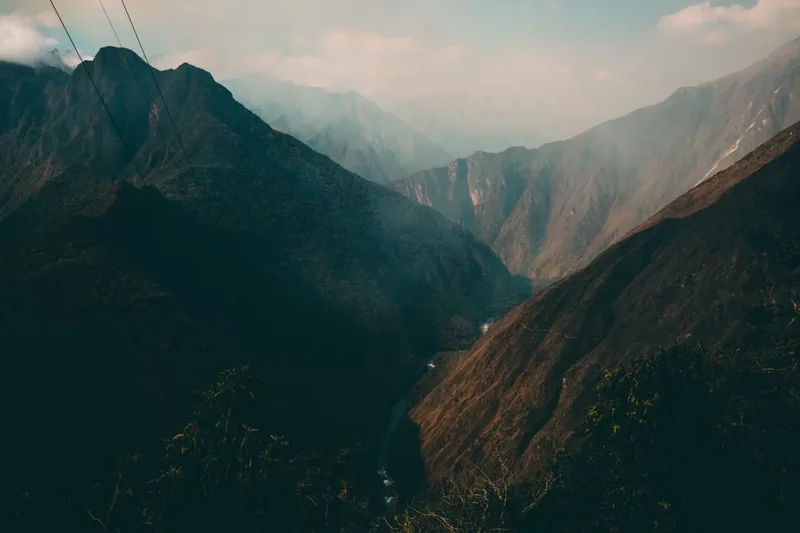
Pampachiri Stone Forest Trail
The Pampachiri Stone Forest Trail, nestled in the Apurímac region of Peru, offers a unique geological spectacle and a moderate day hike through a landscape sculpted by time and erosion. This trail leads to a remarkable formation of limestone pinnacles, often referred to as a "stone forest," creating an otherworldly environment that captivates visitors. Unlike the dense rainforests or alpine passes of more famous treks, Pampachiri presents a stark, arid beauty, a testament to the powerful forces of nature in a high-altitude desert setting. The trail is accessible from the city of Andahuaylas, making it a feasible excursion for those exploring the region's cultural and natural wonders. It's a walk that rewards with unusual vistas and a sense of stepping onto another planet, all within a manageable day's adventure.
- Distance: 6.0 km return
- Duration: 2-3 hours
- Season: May to September (dry season)
- Elevation Gain: 200 m
- Difficulty: Moderate
- Base Town: Andahuaylas
- Trailhead Access: Via road from Andahuaylas to Pampachiri
- Permits: Not typically required, but community registration may be advised
Overview
The Pampachiri Stone Forest Trail is a journey into a surreal landscape characterised by its striking limestone karst formations. These natural sculptures, resembling a dense forest of stone pillars, have been carved over millennia by wind and water erosion from the soft limestone bedrock. The trail itself is relatively short but involves a moderate ascent, taking hikers through arid scrubland and rocky terrain to reach the heart of the stone forest. The visual impact is immediate and profound; the towering, irregular shapes of the stone pinnacles create a maze-like environment, casting dramatic shadows and offering endless photographic opportunities.
The trail begins with a gradual climb, offering panoramic views of the surrounding high-altitude desert and the distant Andes. As you ascend, the vegetation becomes sparser, dominated by hardy desert plants adapted to the dry conditions. The air is thin and crisp, typical of elevations around 3,000 metres. The moderate difficulty comes from the altitude and the uneven terrain, rather than extreme gradients or technical challenges. The stone forest itself is the main attraction, a natural wonder that feels both ancient and alien. Exploring the formations requires careful footing and a sense of wonder, as each turn reveals new perspectives and shapes.
This trail is an excellent example of how geological processes can create breathtaking natural art. It's a destination that appeals to nature lovers, photographers, and anyone seeking a unique hiking experience away from the more conventional trekking routes. The relative ease of access from Andahuaylas, combined with the dramatic scenery, makes the Pampachiri Stone Forest Trail a highly recommended day trip for visitors to the Apurímac region.
History and Cultural Context
The region surrounding Pampachiri has a long history of human habitation, though the specific stone forest formations are primarily a product of natural geological processes rather than human intervention. Archaeological evidence suggests that the Apurímac region has been inhabited for thousands of years, with various pre-Inca cultures leaving their mark. The Incas later incorporated this area into their vast empire, utilising the fertile valleys for agriculture and establishing important routes connecting different parts of their territory.
The stone forest itself, known locally as "Bosque de Piedras," has likely been a place of natural curiosity and perhaps spiritual significance for the indigenous communities for centuries. Such unique geological formations often feature in local folklore and mythology, serving as landmarks or sites for rituals. The name "Pampachiri" itself may derive from Quechua words, reflecting the region's indigenous linguistic heritage. The word "Pampa" often refers to a plain or open field, while "Chiri" can relate to cold or dryness, fitting the arid, high-altitude environment.
In more recent history, the area has become known to travellers and geologists for its distinctive landscape. The development of road infrastructure, particularly the routes connecting Andahuaylas to surrounding towns like Pampachiri, has made these natural wonders more accessible. While not a site of major historical ruins or ancient settlements in the same vein as Machu Picchu, the Pampachiri Stone Forest offers a glimpse into the geological history of the Andes and the enduring relationship between people and the unique landscapes of Peru.
Seasonal Highlights and Weather Reality
The Pampachiri Stone Forest Trail is best experienced during the dry season, which typically runs from May to September. This period offers the most favourable weather conditions for hiking in the high-altitude desert environment of the Apurímac region.
Dry Season (May to September): This is the prime time to visit. Days are generally sunny and clear, with minimal rainfall. Temperatures can be cool to cold, especially in the mornings and evenings, with daytime highs typically ranging from 15°C to 20°C. Nights can drop close to freezing. The clear skies provide excellent visibility for enjoying the panoramic views and the stark beauty of the stone forest. The lack of rain means the trails are dry and stable, reducing the risk of mud or slippery conditions.
Wet Season (October to April): This period is characterised by increased rainfall, often in the form of afternoon thunderstorms. While the landscape can appear greener after rain, hiking conditions can be challenging. Trails may become muddy and slippery, and visibility can be reduced by cloud cover and fog, particularly at higher elevations. The stone formations might also appear less striking when shrouded in mist. For these reasons, the wet season is generally not recommended for visiting the Pampachiri Stone Forest.
Altitude Considerations: Regardless of the season, the trail is at a significant altitude (likely above 3,000 metres). Visitors should be aware of the potential for altitude sickness and take precautions such as acclimatising in Andahuaylas for a day or two before undertaking the hike. Staying hydrated and avoiding strenuous activity on the first day at altitude is crucial.
Recommended Itinerary
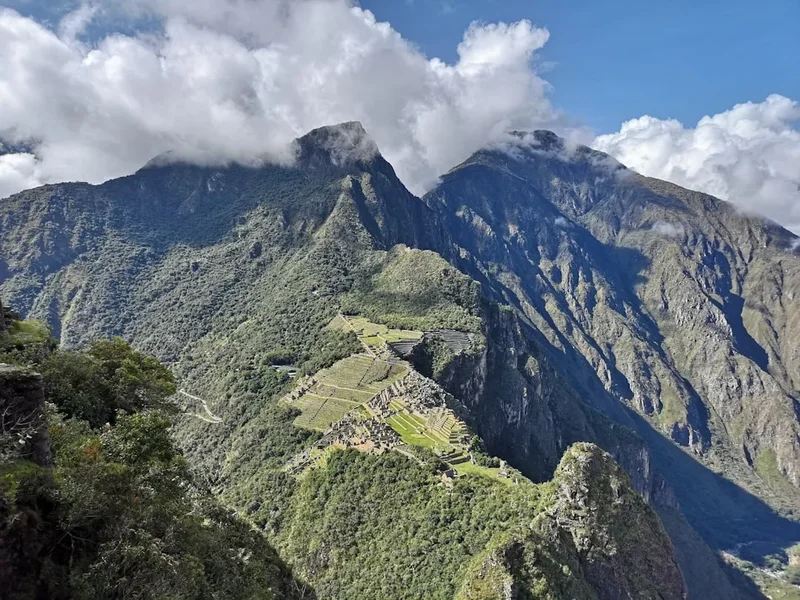
Pampachiri Stone Forest Day Hike Itinerary
Early Morning (Approx. 7:00 AM - 8:00 AM): Departure from Andahuaylas
- Arrange transport (bus or taxi) from Andahuaylas to Pampachiri.
- The journey takes approximately 1.5 to 2 hours, with the road being mostly paved but potentially rough in sections.
- Enjoy the scenic drive through the Andean landscape, observing the changing vegetation and terrain as you gain altitude.
Morning (Approx. 9:00 AM - 9:30 AM): Arrival at Pampachiri Trailhead
- Arrive in the vicinity of Pampachiri. The exact trailhead may be indicated by local guides or signage.
- If required, complete any necessary community registration at the local office.
- Prepare for the hike: adjust clothing layers, ensure you have water and snacks, and apply sun protection.
Morning to Midday (Approx. 9:30 AM - 12:00 PM): Hike to and Exploration of the Stone Forest
- Begin the hike towards the stone forest.
- Distance: Approximately 3.0 km one-way to the main formations.
- Elevation Gain: Approximately 200 m.
- The trail is moderately challenging, involving an ascent over uneven, rocky ground.
- Observe the unique arid flora and fauna adapted to this high-altitude desert environment.
- Reach the "Bosque de Piedras" (Stone Forest).
- Spend time exploring the various limestone pinnacles, taking photographs, and marvelling at the natural sculptures.
- Allow ample time to wander through the formations and appreciate the scale and detail of the landscape.
Midday (Approx. 12:00 PM - 1:00 PM): Lunch and Rest
- Enjoy a packed lunch amidst the stone forest or at a scenic viewpoint.
- Take a break to rest and rehydrate.
- Soak in the unique atmosphere and the panoramic views of the surrounding arid landscape.
Afternoon (Approx. 1:00 PM - 3:00 PM): Return Hike and Departure
- Begin the descent back to the trailhead.
- The return journey is generally quicker and easier than the ascent.
- Arrive back at the trailhead.
- Arrange for your return transport to Andahuaylas.
Late Afternoon (Approx. 4:00 PM - 5:00 PM): Arrival back in Andahuaylas
- Return to Andahuaylas, concluding your day trip to the Pampachiri Stone Forest.
Important Notes:
- This is a day hike; no overnight accommodation is required on the trail.
- Carry sufficient water (at least 1.5-2 litres per person) as there are no water sources on the trail.
- Wear sturdy hiking boots with good ankle support.
- Sun protection (hat, sunglasses, sunscreen) is essential due to the high altitude and strong sun.
- Be prepared for temperature fluctuations; layers are recommended.
- Inform someone of your hiking plans and expected return time.
Planning and Bookings
Book Your Trip
Everything you need to plan your journey
Accommodation
Find places to stay near Andahuaylas
Flights
Search flights to Andahuaylas
Essential Preparation
The Pampachiri Stone Forest Trail is a day hike, meaning planning focuses on logistics for a single excursion rather than multi-day coordination. The primary base for accessing this trail is the city of Andahuaylas. It is advisable to spend at least one night in Andahuaylas to acclimatise to the altitude before undertaking the hike. Andahuaylas offers basic to mid-range accommodation options, local markets for supplies, and transportation services. When planning your trip, consider the best time of year to visit, which is the dry season (May to September) for optimal weather conditions. Arrange your transportation from Andahuaylas to Pampachiri in advance, whether by local bus or private taxi. Confirm the exact trailhead location and any local requirements for visiting the stone forest, such as community registration, which can often be done at a local office in Pampachiri.
Trail Accommodation
This is a day hike requiring no overnight accommodation.
Required Gear
- Sturdy hiking boots: Essential for navigating uneven, rocky terrain and providing ankle support. Ensure they are well broken-in to prevent blisters.
- Daypack: A comfortable backpack (20-30 litres) to carry essentials like water, snacks, extra clothing, and a first-aid kit.
- Sun protection: A wide-brimmed hat, sunglasses with UV protection, and high SPF sunscreen are crucial due to the intense high-altitude sun.
- Layers of clothing: The weather can change, and temperatures fluctuate significantly between day and night. Bring a base layer, an insulating mid-layer (fleece or down jacket), and a windproof/water-resistant outer shell.
- Navigation tools: While the trail is generally well-defined, a map of the area or a GPS device/smartphone with offline maps is recommended.
- First-aid kit: Include essentials such as bandages, antiseptic wipes, pain relievers, blister treatment, and any personal medications.
What to Bring
- Water: Carry at least 1.5 to 2 litres of water per person. There are no reliable water sources along the trail.
- Food: Pack high-energy snacks and a packed lunch. Options include trail mix, energy bars, fruit, sandwiches, and nuts.
- Camera: The stone forest offers unique photographic opportunities.
- Insect repellent: While not typically a major issue in this arid environment, it's wise to have some on hand.
- Toilet paper and hand sanitiser: For personal hygiene.
- Cash: For transport, potential community registration fees, and any small purchases in Pampachiri.
- Trekking poles (optional): Can provide additional stability and reduce strain on knees, especially during the descent.
Permits
For the Pampachiri Stone Forest Trail, formal permits are generally not required in the same way they are for national parks or highly regulated trekking routes. However, it is advisable to check with local authorities or community representatives in Pampachiri upon arrival. Sometimes, a small community registration fee or a nominal entry contribution may be requested to support local conservation efforts or community development. This is usually a minor amount and can often be paid at a local office or designated point in the village.
Key points regarding access:
- Community-based access: The stone forest is often on communal land. Respecting local customs and potentially contributing to the community is part of responsible tourism.
- No formal booking system: Unlike major international treks, there is no online booking system or daily walker limit for this trail.
- Local guidance: If you are unsure about access or wish to learn more about the area, hiring a local guide in Pampachiri or Andahuaylas can be beneficial. They will be aware of any local protocols and can enhance your experience with local knowledge.
- Best practice: Always inquire locally about any requirements or recommendations before starting your hike. This ensures you are compliant with local customs and contribute positively to the community.
Other Activities in the Area
While the Pampachiri Stone Forest is the primary draw, the surrounding Apurímac region offers several other points of interest for travellers:
- Andahuaylas City: Explore the main city, visit its central plaza, local markets (especially vibrant on market days), and the San Pedro Apostol Cathedral. Andahuaylas is a cultural hub with a rich history.
- Pacucha Lake: Located near Andahuaylas, this beautiful high-altitude lake is a popular spot for recreation. You can enjoy scenic walks around its shores, observe local birdlife, and visit the nearby archaeological site of Sondor, an important pre-Inca centre.
- Archaeological Sites: The Apurímac region is dotted with numerous pre-Inca and Inca ruins, though many are less well-known and require more effort to access than Sondor. These sites offer insights into the ancient civilisations that inhabited the area.
- Local Markets: Experiencing a local market in Andahuaylas or nearby towns is a vibrant cultural immersion. You can find traditional crafts, textiles, local produce, and observe daily life.
- Andean Landscapes: Simply driving through the region offers stunning vistas of the Andes mountains, terraced fields, and traditional rural life.
Safety and Conditions
Altitude Sickness: The Pampachiri Stone Forest is located at a high altitude (likely over 3,000 metres). Visitors should acclimatise properly by spending at least one night in Andahuaylas (around 2,900 metres) before hiking. Symptoms of altitude sickness can include headache, nausea, dizziness, and fatigue. If symptoms arise, descend to a lower altitude, rest, and stay hydrated. Avoid alcohol and strenuous activity on your first day at altitude.
Terrain: The trail is uneven, rocky, and can be slippery, especially if there has been recent rain (though this is less common in the dry season). Wear sturdy hiking boots with good ankle support. Be mindful of loose stones and uneven surfaces to prevent trips and falls.
Weather: While the dry season offers generally pleasant conditions, temperatures can fluctuate significantly. Days can be warm and sunny, but mornings and evenings can be quite cold, potentially dropping below freezing. Always be prepared for changes in weather, including strong winds and sudden drops in temperature. Sun protection is paramount due to the intense solar radiation at high altitudes.
Hydration and Nutrition: Carry ample water (at least 1.5-2 litres per person) as there are no water sources on the trail. Pack high-energy snacks and a packed lunch to maintain energy levels throughout the hike.
Navigation: While the trail to the stone forest is generally discernible, it is advisable to carry a map or use a GPS device/smartphone with offline maps. Inform someone of your hiking plans, including your intended route and expected return time.
Emergency Contacts: Have local emergency contact numbers readily available. While mobile signal may be intermittent, it's worth having your phone charged and ready.
Local Guides: For those unfamiliar with the area or concerned about navigation and safety, hiring a local guide from Pampachiri or Andahuaylas is highly recommended. They can provide invaluable local knowledge, ensure your safety, and enhance your understanding of the environment.
Side Trips and Points of Interest
The Stone Forest Formations: The primary point of interest is, of course, the "Bosque de Piedras" itself. These limestone pinnacles, sculpted by aeons of erosion, create a surreal, almost alien landscape. Spend time wandering through the maze-like formations, observing the intricate details of the rock, and appreciating the sheer scale of these natural sculptures. Each formation has a unique shape, some resembling animals, figures, or abstract art. The play of light and shadow across the stone pillars, especially during the morning or late afternoon, adds to the dramatic visual appeal.
Panoramic Viewpoints: As you ascend towards the stone forest, and from various points within it, you will encounter numerous viewpoints offering expansive vistas of the surrounding high-altitude desert and the distant Andean mountain ranges. These spots are ideal for resting, taking photographs, and appreciating the vastness of the landscape. The arid beauty of the region, with its sparse vegetation and rugged terrain, is a stark contrast to more verdant trekking destinations.
Unique Flora and Fauna: While the landscape appears barren, it supports a variety of hardy plant and animal species adapted to the arid, high-altitude conditions. Keep an eye out for resilient desert plants, cacti, and perhaps small desert rodents or birds. Understanding the adaptations of life in such an extreme environment can add another layer of appreciation to your hike.
Geological Features: Beyond the main stone forest, the trail and surrounding area may reveal other interesting geological features, such as different rock strata, erosion patterns, and mineral deposits. These offer a glimpse into the geological history of the region and the powerful forces that have shaped it.
Leave No Trace
The Pampachiri Stone Forest is a natural wonder, and its preservation relies on the responsible actions of visitors. Adhering to Leave No Trace principles ensures that this unique landscape remains intact for future generations to enjoy.
Plan Ahead and Prepare: Research the trail conditions, weather, and any local requirements before your visit. Ensure you have appropriate gear and sufficient supplies, especially water.
Travel and Camp on Durable Surfaces: Stick to the marked trail to avoid damaging fragile vegetation and soil. The stone forest itself is a natural sculpture; do not climb on or disturb the formations.
Dispose of Waste Properly: Pack out everything you pack in. This includes all food scraps, wrappers, and any other litter. Use designated toilet facilities if available, or follow proper cathole procedures if not. Carry out all toilet paper.
Leave What You Find: Do not take any natural objects, such as rocks or plants, from the site. Leave the stone forest and its surroundings as you found them.
Minimise Campfire Impacts: This is a day hike, so campfires are not applicable. However, if visiting other areas, always use established fire rings and ensure fires are completely extinguished.
Respect Wildlife: Observe wildlife from a distance and do not feed any animals. Feeding them can disrupt their natural behaviours and diets.
Be Considerate of Other Visitors: Keep noise levels down and yield to other hikers on the trail. The aim is to enjoy the natural environment and allow others to do the same.
By following these principles, you help protect the delicate ecosystem of the Pampachiri Stone Forest and ensure its beauty endures.