
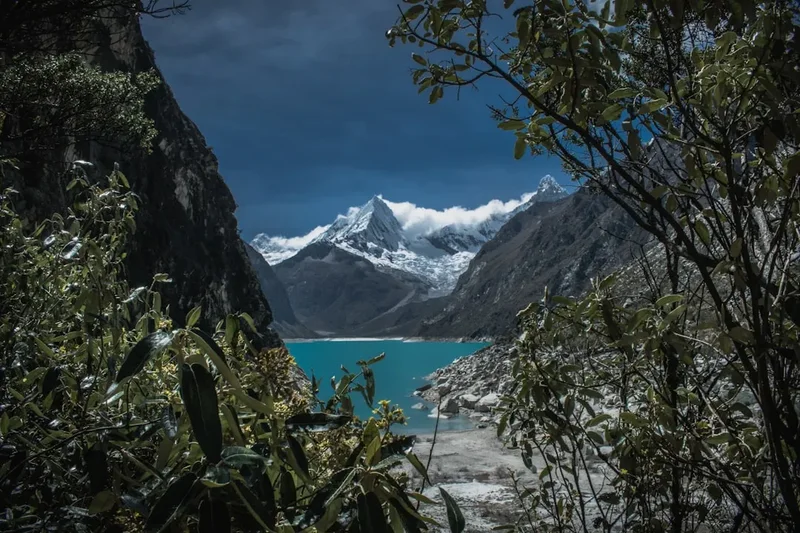
Pallay Punchu Hike - The Rainbow Mountain of the Andes
The Pallay Punchu Hike, also known as the "Mountain of Three colours" or "Pallay Puncho," is a spectacular day walk located in the Puno region of Peru, near the border with Bolivia. This relatively new trekking destination offers a breathtaking journey through high-altitude Andean landscapes, culminating in the discovery of a mountain adorned with vibrant, naturally occurring mineral stripes. The hike is renowned for its stunning geological formations, panoramic views of the Andes, and the opportunity to experience traditional Andean life in a remote setting. Unlike more established treks, Pallay Punchu provides a sense of raw, untamed beauty, making it an increasingly popular choice for adventurous travellers seeking unique natural wonders.
- Distance: 12.0 km round trip
- Elevation gain: 800 m
- Duration: 6–8 hours
- Difficulty: Challenging
- Best Time: May to September (dry season)
- Closest City: Cusco
- Trailhead Access: Fly to Cusco Airport (CUZ). From Cusco, take a bus or taxi to Combapata. Hire a local driver from Combapata to the trailhead. The road is unpaved and can be rough. Driving time from Cusco is approximately 3–4 hours. Limited parking available. No permits are officially required, but it's advisable to hire a local guide.
- Highest point: Approximately 4,700 m
- Daily walkers: No official limit, but visitor numbers are currently low
- Direction: Out and back
Overview
The Pallay Punchu hike is a testament to the incredible geological artistry of the Andes. Situated at an altitude of approximately 4,700 metres, the trail winds through stark, high-altitude puna grasslands, offering expansive vistas of the surrounding mountain ranges and the distant Lake Umayo. The journey itself is an immersion into a rugged, windswept environment where hardy ichu grass carpets the slopes and vicuñas, the wild relatives of alpacas, often graze peacefully. The air is thin, and the sun can be intense, demanding respect for the altitude and the elements.
The true spectacle, however, lies at the summit. Pallay Punchu mountain is a geological marvel, its slopes striated with a remarkable array of colours. These vibrant bands—ranging from deep reds and ochres to pale yellows, greens, and even blues—are the result of mineral deposits laid down over millennia. The erosion patterns create a visually stunning effect, resembling a natural rainbow painted across the mountainside. The name "Pallay Punchu" itself translates to "Woven Poncho" in Quechua, a fitting description for the layered, colourful appearance of the mountain.
The hike is typically undertaken as a day trip, starting early from the nearest accessible points. The ascent is steady but demanding due to the altitude, requiring good physical fitness and acclimatisation. The trail is generally well-defined, though it can be steep and rocky in places. The panoramic views from the higher sections of the trail are a significant reward, offering sweeping perspectives of the Andean altiplano. The experience is often enhanced by the presence of local guides, who share insights into the region's geology, flora, fauna, and cultural significance.
History and Cultural Context
The Pallay Punchu region, like much of the Peruvian Andes, has a rich history deeply intertwined with ancient Inca and pre-Inca civilisations. The vibrant mineral deposits that form Pallay Punchu are a natural phenomenon, but their presence in this sacred landscape has undoubtedly held cultural significance for the indigenous peoples of the Andes for centuries. The Quechua name "Pallay Punchu" itself, meaning "Woven Poncho," reflects the traditional textiles that are central to Andean culture, suggesting a visual connection between the mountain's appearance and the artistry of local weavers.
While the mountain itself is a natural wonder, its accessibility as a tourist destination is relatively recent. The development of infrastructure and local guiding services has opened up this remote area to trekkers. The communities surrounding Pallay Punchu are primarily agricultural, with many families raising llamas and alpacas, continuing ancient herding traditions. Their way of life is closely connected to the land, and their knowledge of the local environment is invaluable for those seeking to explore the region responsibly.
The geological processes that created Pallay Punchu are a result of volcanic activity and hydrothermal alteration over millions of years. Different minerals, such as iron oxides (giving reds and yellows), copper compounds (blues and greens), and manganese oxides, have been deposited in layers and then exposed by erosion. This natural process has created a landscape that is both scientifically fascinating and aesthetically spectacular.
Seasonal Highlights and Weather Reality
The best time to visit Pallay Punchu is during the dry season, which generally runs from May to September. This period offers the most favourable weather conditions for high-altitude trekking in Peru.
Dry Season (May to September): This is the prime trekking season. Days are typically sunny and clear, offering excellent visibility for the colourful mountain formations and surrounding landscapes. Temperatures during the day can be pleasant, but nights and early mornings are very cold, often dropping below freezing. The lack of rain means the trails are generally dry and less prone to mud or difficult conditions. However, the sun's intensity at this altitude is significant, and UV radiation is high, so sun protection is crucial.
Wet Season (October to April): This period is characterised by frequent rainfall, often in the form of heavy afternoon thunderstorms. The trails can become muddy, slippery, and potentially hazardous. Visibility can be significantly reduced by clouds and fog, obscuring the colourful mountain and the expansive views. While the landscape is greener during this time, the trekking conditions are considerably more challenging and less predictable. Some local operators may suspend tours during the peak of the wet season due to safety concerns.
Altitude Considerations: Regardless of the season, the high altitude (around 4,700 metres) is a significant factor. Visitors should spend at least 2–3 days in Cusco (3,400 m) or the Sacred Valley (around 2,800 m) to acclimatise before attempting the Pallay Punchu hike. Symptoms of altitude sickness can include headaches, nausea, dizziness, and fatigue. Staying hydrated, avoiding alcohol, and eating light meals are recommended.
Recommended Itinerary
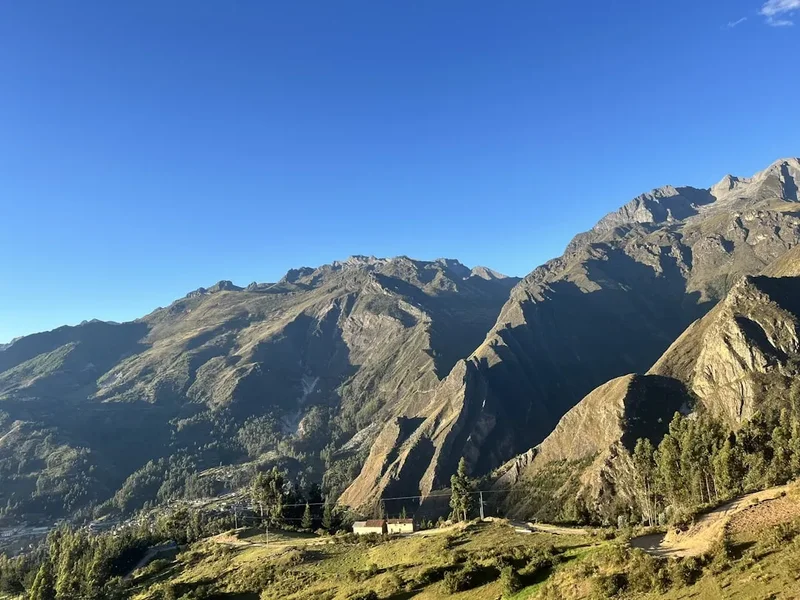
Pallay Punchu Day Hike Itinerary
Early Morning (Approx. 4:00 AM - 5:00 AM): Departure from Cusco
- Pick-up from your accommodation in Cusco.
- Begin the scenic drive towards the Puno region, heading towards Combapata.
- The journey takes approximately 3–4 hours, passing through diverse Andean landscapes.
- Breakfast may be provided en route or packed to eat at a scenic stop.
Morning (Approx. 8:00 AM - 9:00 AM): Arrival at Trailhead & Preparation
- Arrive at the designated trailhead near Combapata.
- Meet your local guide, who will provide a briefing on the hike, safety precautions, and the geological significance of Pallay Punchu.
- Final gear check and preparation for the ascent.
- Begin the hike towards Pallay Punchu.
Midday (Approx. 10:00 AM - 1:00 PM): Ascent to Pallay Punchu
- The hike involves a steady ascent through high-altitude puna grasslands.
- Distance: Approximately 6.0 km to the summit area.
- Elevation gain: Approximately 800 m from the trailhead to the highest point.
- Time: 3–4 hours of hiking, depending on fitness and acclimatisation.
- Observe the unique flora and fauna, including ichu grass and potentially vicuñas.
- Enjoy increasingly spectacular panoramic views of the surrounding Andes and valleys.
- The trail can be steep and rocky in sections.
Afternoon (Approx. 1:00 PM - 3:00 PM): Exploring Pallay Punchu & Lunch
- Reach the summit area of Pallay Punchu.
- Spend time marvelling at the vibrant, multi-coloured mineral stripes of the mountain.
- Take photographs and absorb the breathtaking 360-degree views.
- Enjoy a packed lunch provided by your tour operator, surrounded by this incredible natural spectacle.
- Your guide will explain the geological processes that formed the mountain's colours.
Late Afternoon (Approx. 3:00 PM - 5:00 PM): Descent and Return Journey
- Begin the descent back to the trailhead.
- The descent is generally quicker than the ascent but requires careful footing on steep or loose sections.
- Time: Approximately 2–3 hours for the descent.
- Arrive back at the trailhead.
- Board your vehicle for the return journey to Cusco.
Evening (Approx. 7:00 PM - 8:00 PM): Arrival in Cusco
- Arrive back at your accommodation in Cusco.
- Reflect on a day of incredible natural beauty and high-altitude adventure.
Important Notes:
- This is a challenging day hike due to the high altitude. Proper acclimatisation is essential.
- Carry plenty of water and snacks.
- Wear layers of clothing, as temperatures can fluctuate significantly.
- Sun protection (hat, sunglasses, sunscreen) is vital.
- A local guide is highly recommended for navigation, safety, and cultural insights.
- The road to the trailhead can be rough; a 4x4 vehicle is often necessary.
Planning and Bookings
Book Your Trip
Everything you need to plan your journey
Accommodation
Find places to stay near Cusco
Flights
Search flights to Cusco
Essential Preparation
The Pallay Punchu hike is a high-altitude adventure that requires careful planning. The primary concern is acclimatisation to the thin air. It is strongly advised to spend at least two to three full days in Cusco (3,400 m) or the lower-altitude Sacred Valley (around 2,800 m) before undertaking this trek. Engage in light activities during this acclimatisation period, such as walking around town, visiting local markets, and drinking plenty of water and coca tea. Avoid strenuous exercise, alcohol, and heavy meals in the days leading up to the hike.
Logistics for reaching the trailhead are also crucial. The closest major city with an airport is Cusco. From Cusco, you will need to travel to the town of Combapata, which is the gateway to the Pallay Punchu region. This journey typically involves a bus or private taxi, followed by hiring a local driver with a 4x4 vehicle to reach the actual trailhead, as the roads are often unpaved and rough. Booking this transport in advance, especially if travelling during peak season, is recommended. Many visitors opt for organised day tours from Cusco, which handle all transportation, guide services, and often include meals, simplifying the planning process considerably.
Trail Accommodation
This is a day hike requiring no overnight accommodation.
Required Gear
- Sturdy hiking boots: Waterproof and well broken-in, with good ankle support for uneven terrain.
- Waterproof and windproof jacket: Essential for protection against sudden weather changes and high winds at altitude.
- Warm layers: Including a fleece or down jacket, thermal base layers (merino wool or synthetic), and a warm hat and gloves. Temperatures can drop significantly, especially in the early morning and late afternoon.
- Sun protection: High SPF sunscreen (50+), wide-brimmed hat, and UV-protective sunglasses are critical due to the intense sun at high altitudes.
- Backpack: A daypack (20–30 litres) to carry essentials like water, snacks, extra layers, and camera.
- Headlamp or torch: With spare batteries, as early morning starts may involve walking in low light.
- First-aid kit: Including personal medications, blister treatment, pain relievers, and any altitude sickness remedies you may use.
- Trekking poles: Highly recommended for stability and to reduce strain on knees during ascents and descents.
What to Bring
- Water: At least 2–3 litres per person. Hydration is vital at high altitudes. Consider a hydration reservoir or reusable water bottles.
- Food: High-energy snacks such as nuts, dried fruit, energy bars, and chocolate. A packed lunch will be provided by most tour operators.
- Camera: With extra batteries and memory cards to capture the stunning scenery.
- Personal identification: Including your passport.
- Cash: Small denominations of Peruvian Soles for any small purchases, tips for guides or drivers, or unexpected needs. Credit card facilities are unlikely to be available.
- Hand sanitiser and wet wipes: For hygiene on the go.
- Lip balm with SPF: To protect against sun and wind.
- Small towel: For personal use.
Permits
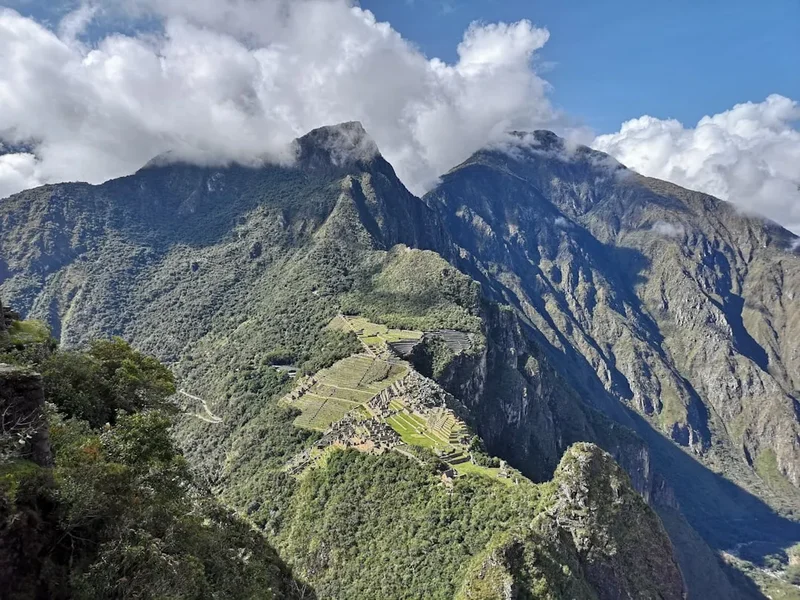
Currently, there are no official permits required to hike Pallay Punchu. The area is not part of a national park with a formal permit system like some other Peruvian treks. However, it is highly recommended to hire a local guide. These guides often come from the nearby communities and are knowledgeable about the terrain, weather, and local customs. Their services typically include transportation from a meeting point like Combapata to the trailhead, guiding services, and sometimes a packed lunch.
When booking a tour, ensure that the operator works with local guides and communities, as this contributes to sustainable tourism and provides economic benefits to the region. The cost of a guided tour will vary depending on the operator and what is included, but it generally covers transportation, guide fees, and sometimes meals. It is advisable to confirm all inclusions when booking.
Other Activities in the Area
While Pallay Punchu is the primary draw, the surrounding Puno region offers several other compelling attractions:
- Rainbow Mountain (Vinicunca): Located in a different mountain range but often visited in conjunction with Pallay Punchu, Vinicunca is another famous multi-coloured mountain. It is generally more crowded and at a slightly higher altitude.
- Palccoyo Rainbow Mountains: A less crowded alternative to Vinicunca, Palccoyo offers multiple rainbow mountains and a more relaxed hiking experience. It is often combined with a visit to Pallay Punchu.
- Lake Umayo: A beautiful high-altitude lake near the Pallay Punchu trailhead. It is known for its scenic beauty and the nearby Inca ruins of Sillustani, a pre-Inca burial ground featuring impressive chullpas (stone towers).
- Combapata Town: The gateway town to Pallay Punchu, offering a glimpse into traditional Andean life. You can observe local markets and interact with the community.
- Cusco City: As the historical capital of the Inca Empire, Cusco is a major tourist destination with numerous attractions, including Machu Picchu (accessible via train from Ollantaytambo), Sacsayhuamán, the Qorikancha (Temple of the Sun), and vibrant local markets.
- Sacred Valley: Explore Inca ruins at Pisac, Ollantaytambo, and Moray, as well as the Maras salt mines.
- Lake Titicaca: The world's highest navigable lake, accessible from Puno. Visit the unique floating islands of the Uros people and the traditional islands of Taquile and Amantani.
Safety and Conditions
Altitude Sickness (Soroche): This is the most significant safety concern. Symptoms can range from mild headaches and nausea to severe respiratory problems. Acclimatisation is paramount. If symptoms worsen, descend immediately. Coca tea, a traditional remedy, can help alleviate mild symptoms. Consult your doctor about prescription altitude sickness medication before your trip.
Weather: High-altitude weather is unpredictable. Be prepared for rapid changes, including strong winds, sudden temperature drops, and intense sun. Even during the dry season, conditions can be harsh. Always carry appropriate layers and waterproof gear.
Trail Conditions: The trail is generally well-defined but can be steep, rocky, and uneven. Loose scree and gravel are common, especially on descents. Trekking poles are highly recommended for stability and to reduce impact on joints.
Navigation: While the trail is usually clear, especially with a guide, visibility can be severely reduced by fog or cloud cover. It is essential to stay with your guide or on the marked path.
Sun Exposure: The sun's rays are extremely strong at this altitude due to the thin atmosphere. Use high SPF sunscreen, wear a wide-brimmed hat, and protect your eyes with UV-blocking sunglasses. Reapply sunscreen frequently.
Hydration and Nutrition: Dehydration can exacerbate altitude sickness. Drink plenty of water throughout the hike. High-energy snacks are important to maintain stamina.
Emergency Procedures: Ensure your tour operator has a clear emergency plan and communication methods. Mobile phone signal is likely to be non-existent on the trail. Consider carrying a personal locator beacon (PLB) if travelling independently.
Local Guides: Hiring a local, experienced guide is strongly advised. They are familiar with the terrain, weather patterns, and potential hazards, and can provide crucial assistance in case of an emergency.
Side Trips and Points of Interest
Lake Umayo and Sillustani: While not directly on the Pallay Punchu trail, a visit to Lake Umayo and the nearby Sillustani ruins is a highly recommended addition to a trip in this region. Lake Umayo offers stunning reflections of the surrounding mountains and is a peaceful spot. Sillustani is an ancient burial ground of the Inca and pre-Inca cultures, featuring impressive stone funeral towers (chullpas) overlooking the lake. It provides a fascinating historical and cultural counterpoint to the natural wonder of Pallay Punchu.
Palccoyo Rainbow Mountains: For those who are captivated by the colourful geology of Pallay Punchu, the Palccoyo mountain range offers a similar, yet distinct, experience. Palccoyo features several distinct rainbow mountains, often with less crowds than the more famous Vinicunca. It's a more accessible and less strenuous option for experiencing multi-coloured Andean geology, and can sometimes be combined with a Pallay Punchu tour.
Vicuña Spotting: The high-altitude grasslands surrounding Pallay Punchu are home to vicuñas, the wild ancestors of alpacas. These elegant camelids are known for their incredibly fine wool. Spotting them grazing peacefully in their natural habitat adds another layer of natural wonder to the hike. Your guide will likely point them out and share information about their conservation status.
Andean Flora: The puna ecosystem is unique and adapted to harsh conditions. Keep an eye out for hardy grasses like ichu, various types of cushion plants, and small alpine flowers that manage to bloom in this challenging environment. Your guide can help identify some of these resilient species.
Leave No Trace
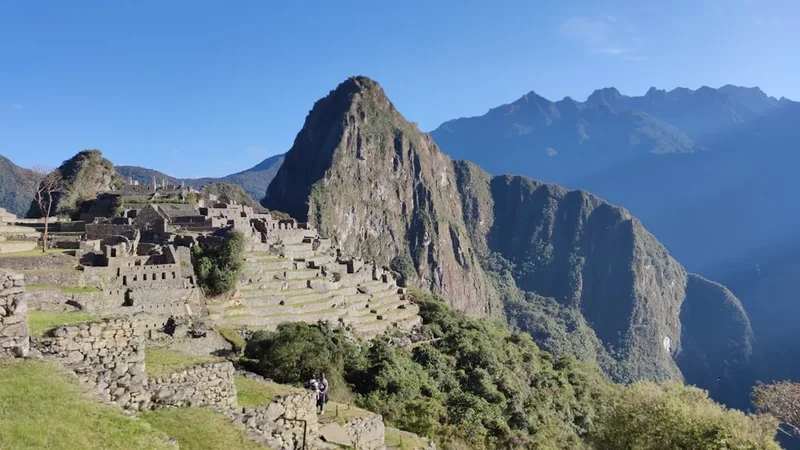
The Pallay Punchu region, while not a formally protected national park, is a fragile high-altitude ecosystem and part of the traditional lands of local Andean communities. Practising Leave No Trace principles is essential to preserve its natural beauty and cultural integrity for future visitors and residents.
Your responsibility as a hiker:
- Pack it in, pack it out: Carry out all litter, including food scraps, wrappers, and any other waste you generate. Do not bury or burn trash.
- Stay on the trail: Stick to the designated path to avoid damaging fragile vegetation and causing erosion. The puna ecosystem is slow to recover from disturbance.
- Respect wildlife: Observe vicuñas and other animals from a distance. Do not feed them, as this can disrupt their natural behaviour and diet.
- Dispose of waste properly: Use designated toilets if available. If not, dig a cathole at least 70 metres away from water sources, trails, and campsites, and bury human waste. Pack out toilet paper.
- Leave what you find: Do not take rocks, plants, or any natural or cultural artefacts from the site.
- Minimise campfire impacts: Campfires are generally not permitted on day hikes and are highly discouraged in this fragile environment. Use a portable stove if cooking.
- Be considerate of others: Keep noise levels down and be respectful of the local culture and other hikers.
- Travel and camp on durable surfaces: While this is a day hike, the principle applies to minimising impact on the land.
By adhering to these principles, you help ensure that the vibrant colours of Pallay Punchu and the pristine Andean landscape remain for generations to come.