
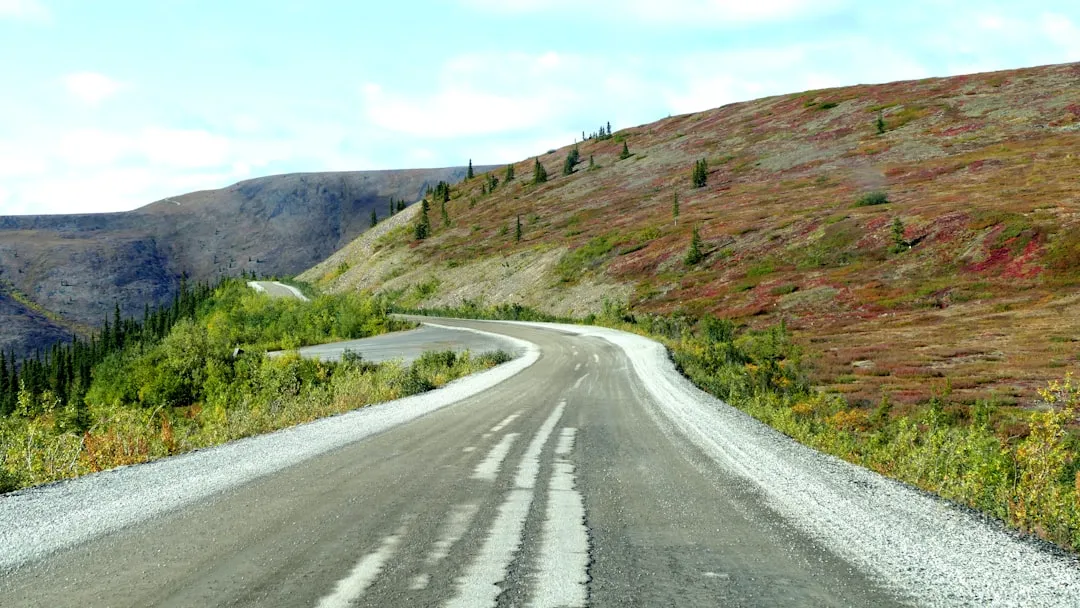
Painted Canyon Trail - A Geological Masterpiece
The Painted Canyon Trail is a short, accessible, and visually stunning walk located in Theodore Roosevelt National Park, North Dakota, USA. This trail offers a remarkable glimpse into the badlands' unique geological formations, showcasing vibrant colours and intricate erosional patterns carved over millennia by wind and water. It is a perfect introduction to the park's dramatic landscapes, suitable for all ages and fitness levels. The trail's brevity belies its impact, providing a concentrated dose of the badlands' raw beauty and geological history.
- Distance: 0.8 km one-way
- Duration: 30–45 minutes
- Season: Spring and Fall (ideal for comfortable temperatures and fewer crowds)
- Trailhead Access: Painted Canyon Visitor centre, I-94 Exit 147
- Highest point: Minimal elevation gain, a gentle rise
- Daily walkers: High volume due to accessibility
- Direction: Out-and-back
Overview
The Painted Canyon Trail is a testament to the power of erosion and the vibrant palette of nature. As you step onto the path, you are immediately immersed in a landscape that feels otherworldly. The trail winds its way through a narrow canyon, revealing walls streaked with an astonishing array of colours – ochre, rust, yellow, grey, and even hints of purple and green. These hues are derived from the various minerals and organic materials present in the ancient sedimentary layers that form the badlands.
The canyon itself is a product of the Little Missouri River's relentless work over millions of years. As water has carved through the soft clay, siltstone, and sandstone, it has exposed these colourful strata, creating a natural gallery of geological art. The formations are intricate and delicate, with hoodoos, pinnacles, and sculpted slopes that change appearance with the shifting sunlight. The trail is well-maintained and features boardwalks and viewing platforms, ensuring that visitors can safely and comfortably appreciate the canyon's beauty without disturbing the fragile environment.
This trail is particularly rewarding during the spring and fall. In spring, wildflowers may dot the landscape, adding splashes of colour to the already vibrant scenery. Fall brings cooler temperatures and a crispness to the air, making for a pleasant walking experience, and the changing light can enhance the colours of the canyon walls. While accessible year-round, winter can bring snow and ice, making the trail hazardous, and summer can be extremely hot.
History and Geological Context
The geological history of the Painted Canyon is a story spanning millions of years. The badlands of North Dakota are composed of sedimentary rocks deposited during the Paleocene and Eocene epochs, approximately 60 to 35 million years ago. These layers represent ancient floodplains, river systems, and shallow seas that once covered the region.
The vibrant colours are a direct result of the mineral content within these sedimentary layers. Iron oxides are responsible for the reds, oranges, and yellows, while manganese compounds can contribute to greys and blacks. The presence of lignite coal, a low-grade form of coal formed from ancient plant matter, also influences the colours and can contribute to unique geological processes like slumping and the formation of concretions.
The erosional forces that shaped the Painted Canyon are ongoing. Wind and water continue to sculpt the soft rock, constantly reshaping the landscape. This dynamic process means that the canyon you see today is a snapshot in time, a constantly evolving masterpiece. The area was also historically significant for Native American tribes, who utilized the resources of the badlands for shelter and sustenance. Later, European settlers arrived, and the region eventually became part of Theodore Roosevelt National Park, established to preserve its unique natural and historical significance.
Seasonal Highlights and Weather Considerations
The Painted Canyon Trail is a year-round destination, but its appeal varies significantly with the seasons. Each period offers a distinct experience, influenced by weather, flora, and the intensity of the colours.
Spring (April–May): This is an excellent time to visit. Temperatures are mild, typically ranging from 10°C to 20°C. The landscape begins to awaken, with early wildflowers adding pops of colour to the badlands. The light is often soft and diffused, which can enhance the subtle variations in the canyon's colours. Sandflies can be present, but are generally less bothersome than in summer.
Summer (June–August): Summers in the badlands can be intensely hot, with temperatures frequently exceeding 30°C, and sometimes reaching over 40°C. While the long daylight hours offer ample time for exploration, hiking during the midday sun can be uncomfortable and even dangerous due to heat exhaustion. The colours of the canyon are vivid under the strong sunlight, but the heat can be a significant deterrent. Sandflies are at their peak abundance during the summer months, so insect repellent is essential.
Fall (September–October): Fall is arguably the best season for visiting the Painted Canyon. The weather cools considerably, with daytime temperatures typically between 15°C and 25°C. The crisp air makes for comfortable hiking. The low-angle sunlight of autumn can create dramatic shadows and highlight the rich, earthy tones of the canyon walls, making the colours appear even more vibrant. The sandfly population also diminishes significantly.
Winter (November–March): While the Painted Canyon is technically accessible in winter, it is generally not recommended for casual visitors. Temperatures can plummet well below freezing, and snow and ice can make the trail treacherous and impassable. The stark beauty of the snow-dusted badlands has its own appeal, but the extreme cold and potential for hazardous conditions mean that this season is best suited for experienced winter hikers with appropriate gear and knowledge.
Recommended Itinerary
Painted Canyon Trail - A Concise Exploration
Early Morning / Morning: Arrival and Initial Exploration
- Arrive at the Painted Canyon Visitor centre, located directly off I-94 (Exit 147).
- Take time to visit the visitor centre facilities, which often include restrooms and interpretive displays about the badlands' geology and ecology.
- Begin the short walk onto the Painted Canyon Trail. The trailhead is clearly marked.
- The initial section of the trail is relatively flat, allowing for easy acclimatisation.
- Observe the immediate surroundings as the trail begins to descend slightly into the canyon.
Morning / Midday: Canyon Immersion and Photography
- Follow the well-maintained trail as it winds deeper into the canyon.
- The trail features boardwalks and viewing platforms, providing safe access to the most scenic areas.
- Pause frequently to admire the vibrant colours of the canyon walls – the reds, oranges, yellows, and greys created by mineral deposits.
- Take photographs of the intricate erosional patterns, hoodoos, and sculpted rock formations. The changing light throughout the morning will offer different perspectives and highlight the colours.
- Note the delicate vegetation that manages to thrive in this arid environment, such as various grasses and small shrubs.
- The trail is an out-and-back route, so you will retrace your steps to return.
Midday / Afternoon: Return and Reflection
- Complete the walk back to the trailhead near the visitor centre.
- Spend additional time at the visitor centre if desired, to learn more about the geology and history of the area.
- Consider a short drive to other viewpoints within Theodore Roosevelt National Park if time permits.
Important Notes:
- This is a short, easy walk suitable for most visitors.
- Carry water, especially during warmer months, as there are no water sources along the trail.
- Wear sturdy, closed-toe shoes.
- Sun protection (hat, sunscreen) is highly recommended, even on cooler days, due to the exposed nature of the badlands.
- Be aware of potential wildlife encounters; maintain a safe distance.
- The trail can be busy, especially during peak season and midday. Early morning or late afternoon visits can offer a more serene experience.
Planning and Bookings
Book Your Trip
Everything you need to plan your journey
Accommodation
Find places to stay near Medora
Flights
Search flights to Medora
Essential Preparation
The Painted Canyon Trail is a day-use area and does not require advance bookings or permits for general access. The primary logistical hub for accessing the trail is the Painted Canyon Visitor centre, conveniently located off Interstate 94 at Exit 147. This exit provides direct access to the park's South Unit. Medora is the closest town, offering a range of accommodation options from motels and hotels to historic inns, as well as restaurants and amenities. It is advisable to check the official Theodore Roosevelt National Park website for any current alerts, closures, or advisories before your visit, particularly regarding weather conditions or any temporary facility closures.
Trail Accommodation
This is a day hike requiring no overnight accommodation.
Required Gear
- Sturdy, closed-toe walking shoes or hiking boots with good traction.
- Lightweight, breathable clothing suitable for the expected weather conditions.
- Sun hat with a brim to protect from the sun.
- Sunglasses to shield eyes from glare.
- Sunscreen with a high SPF rating (30+).
- Insect repellent, particularly for the warmer months (spring through fall), to ward off sandflies and mosquitoes.
- A small backpack or daypack to carry essentials.
- Camera or smartphone for capturing the stunning scenery.
What to Bring
- Plenty of water: Carry at least 1-2 litres per person, especially during warmer months. Hydration is crucial in the arid badlands environment.
- Snacks: High-energy snacks such as trail mix, energy bars, or fruit are recommended.
- First-aid kit: A basic kit with bandages, antiseptic wipes, pain relievers, and any personal medications.
- Binoculars (optional): For observing wildlife or distant geological features.
- Field guide (optional): To identify local flora and fauna.
- A printed map of Theodore Roosevelt National Park (optional): While the trail is well-marked, having a map can be useful for navigating the wider park.
Permits
No specific permits are required to walk the Painted Canyon Trail. As a day-use area within Theodore Roosevelt National Park, standard park entrance fees apply. These fees are typically paid at the park entrance station or can be purchased online in advance through the National Park Service website. The park offers various passes, including single-entry passes and annual passes, which may be cost-effective if you plan to visit multiple areas of the park or other National Parks within a year.
Park Entrance Fees (subject to change):
- Private Vehicle: Typically around $30 USD for a 7-day pass.
- Motorcycle: Typically around $25 USD for a 7-day pass.
- Per Person (walk-in/bike-in): Typically around $15 USD for a 7-day pass.
- Annual Pass: Available for $55 USD, valid for one year at all National Parks.
It is always advisable to check the official Theodore Roosevelt National Park website for the most up-to-date information on entrance fees and pass options before your visit.
Other Activities in the Area
The Painted Canyon Trail is just one of many attractions within Theodore Roosevelt National Park. Visitors can extend their exploration by engaging in a variety of activities:
- Scenic Drives: The park's South Unit features a 36-mile (58 km) scenic loop drive that offers numerous pull-offs for breathtaking views of the badlands.
- Hiking Trails: Beyond the Painted Canyon, numerous other trails cater to various fitness levels, from short nature walks to more challenging backcountry routes. Popular options include the Buck Hill Trail, Petrified Forest Trail, and the Maltese Cross Cabin Trail.
- Wildlife Viewing: Theodore Roosevelt National Park is home to a diverse array of wildlife, including bison, wild horses, prairie dogs, pronghorn, elk, and numerous bird species. Early morning and late evening are often the best times for sightings.
- Picnicking: Several designated picnic areas are available throughout the park, offering scenic spots to enjoy a meal amidst the badlands.
- Ranger Programs: Check the park's schedule for guided walks, talks, and evening programs led by park rangers, which provide valuable insights into the park's natural and cultural history.
- Maltese Cross Cabin: Visit the historic cabin where Theodore Roosevelt lived during his time in the badlands, offering a glimpse into his life and conservation efforts.
- Stargazing: Theodore Roosevelt National Park is designated as an International Dark Sky Park, offering exceptional opportunities for stargazing away from light pollution.
- Medora: Explore the charming nearby town of Medora, which offers attractions such as the Theodore Roosevelt Medora National Park Visitor centre, the Pitchfork Steak Fondue, and the famous Medora Musical.
Safety and Conditions
Weather: The badlands can experience extreme weather. Summers are very hot with high risk of heatstroke; winters are frigid. Spring and fall offer more moderate temperatures but can still have unpredictable weather. Always check the forecast before your visit and be prepared for rapid changes.
Hydration: The arid climate means dehydration is a significant risk. Carry ample water, even for short walks. Do not rely on finding water sources along the trails.
Sun Protection: The sun's rays are intense in the badlands, with little shade available on many trails. Wear a wide-brimmed hat, sunglasses, and apply sunscreen regularly.
Footwear: Wear sturdy, closed-toe shoes with good ankle support and traction. The terrain can be uneven, with loose gravel and rocky sections.
Wildlife: Maintain a safe distance from all wildlife, including bison, wild horses, and prairie dogs. Never feed wild animals, as this can be harmful to them and dangerous for you. Be aware of rattlesnakes, especially during warmer months; watch where you step and place your hands.
Trail Conditions: The Painted Canyon Trail is generally well-maintained. However, after heavy rain, trails can become muddy and slippery. Avoid hiking on trails during or immediately after heavy rainfall to prevent erosion and personal injury.
Communication: Cell phone service can be spotty within the park. Consider carrying a personal locator beacon (PLB) or satellite messenger for remote areas or if hiking alone.
Emergency: In case of an emergency, call 911. Park rangers are available to assist, but response times can vary depending on your location within the park.
Side Trips and Points of Interest
Painted Canyon Visitor centre: Before or after your walk, spend time at the visitor centre. It offers excellent interpretive displays detailing the geology, paleontology, and ecology of the badlands. You can learn about the formation of the colourful strata and the ancient life that once inhabited the region. Restrooms and water fountains are also available here.
Scenic Overlooks: The Painted Canyon Trail itself is a viewpoint, but numerous other overlooks along the park's scenic drive offer different perspectives of the badlands. These include:
- Buck Hill: A short, steep climb rewards with panoramic views of the surrounding landscape.
- Wind Canyon: Known for its unique wind-sculpted rock formations and vibrant colours.
- Pinnacle Trail Overlook: Offers views of striking hoodoos and spires.
Prairie Dog Towns: Several large prairie dog colonies are located near the scenic drive. Observing these social animals in their natural habitat is a highlight for many visitors. The closest and most accessible is often near the Painted Canyon Visitor centre.
Geological Formations: Keep an eye out for various geological features as you explore the park, such as concretions (hard, rounded masses of rock), fossilized wood, and evidence of ancient river channels. The entire park is a living museum of geological processes.
Leave No Trace
The Painted Canyon Trail, like all areas within Theodore Roosevelt National Park, is a fragile ecosystem that requires careful stewardship. Adhering to Leave No Trace principles ensures that this unique landscape remains preserved for future generations.
Plan Ahead and Prepare: Familiarise yourself with park regulations and trail conditions before your visit. Know the weather forecast and pack accordingly.
Travel and Camp on Durable Surfaces: Stay on marked trails and designated viewing areas. The vegetation in the badlands is sparse and slow-growing; stepping off-trail can cause significant damage that takes years to recover.
Dispose of Waste Properly: Pack it in, pack it out. This includes all trash, food scraps, and even biodegradable items like fruit peels. Use the trash receptacles provided at the visitor centre and picnic areas.
Leave What You Find: Do not collect rocks, fossils, plants, or any other natural or cultural artifacts. These items are part of the park's natural heritage and should be left in place.
Minimize Campfire Impacts: Campfires are generally not permitted on trails or in day-use areas like Painted Canyon. If camping in designated backcountry sites (where permitted), use existing fire rings and ensure fires are completely extinguished.
Respect Wildlife: Observe wildlife from a distance. Never feed animals, as this can alter their natural behaviours and make them dependent on human food, which is often unhealthy for them. Keep pets leashed and under control.
Be Considerate of Other Visitors: Keep noise levels down, yield to other hikers, and be mindful of others' enjoyment of the natural environment.
 USA
USA