
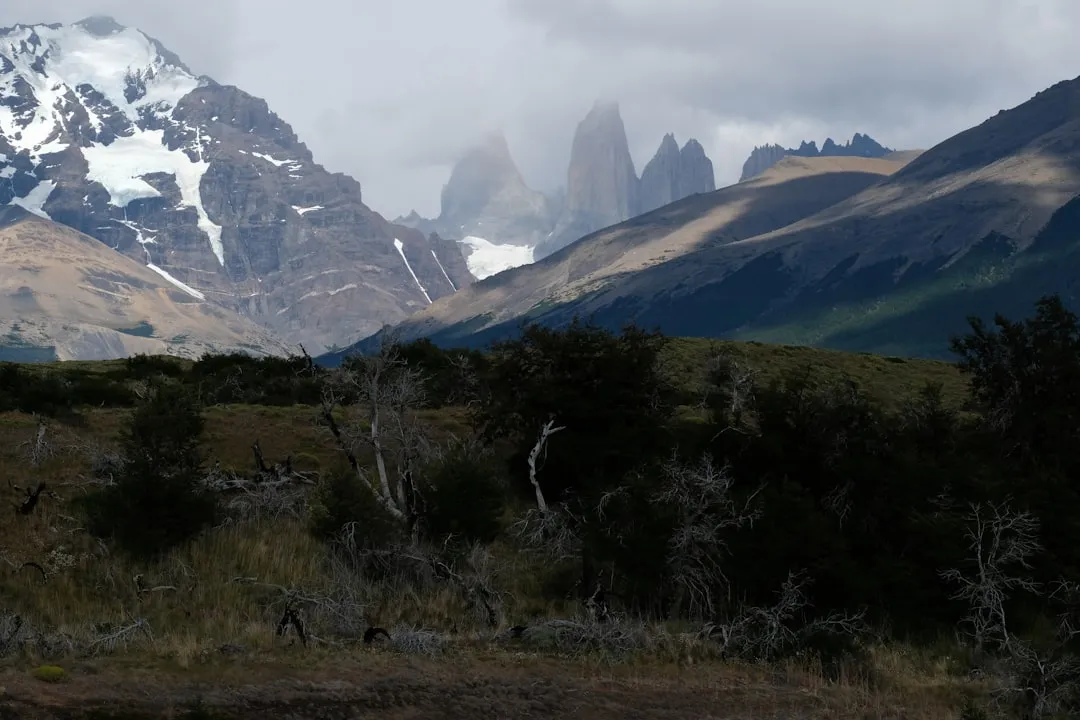
Paine Grande to Glacier Grey: A Patagonian Panorama
The trek from Paine Grande to Glacier Grey is a spectacular day walk within Chile's Torres del Paine National Park, renowned for its dramatic Patagonian landscapes. This route offers a breathtaking immersion into the heart of the park, showcasing glacial lakes, rugged mountains, and the awe-inspiring Grey Glacier itself. While not a multi-day trek, it forms a crucial section of the famous "W" circuit and provides an accessible yet profoundly rewarding experience for those seeking to witness the raw power of nature in one of South America's most iconic national parks.
- Distance: 11.0 km (one-way)
- Duration: 4-5 hours (return)
- Season: October to April (Patagonian summer)
- Closest City: Puerto Natales
- Trailhead Access: Ferry from Pudeto to Paine Grande Refuge
- Elevation Gain: Approximately 350 m
- Difficulty: Moderate
Overview
The journey from Paine Grande to Glacier Grey is a quintessential Patagonian experience, offering a concentrated dose of the dramatic scenery that defines Torres del Paine National Park. Starting from the bustling Paine Grande Refuge, the trail immediately begins to ascend, offering increasingly expansive views of the turquoise waters of Lake Pehoé and the imposing peaks of the Paine Massif. The path winds through a landscape shaped by glacial forces, with rocky outcrops, hardy scrubland, and the ever-present wind as constant companions.
As you progress, the trail opens up to reveal the vastness of the Grey Glacier's influence. The colour of the lake shifts to a milky, glacial blue, dotted with icebergs calved from the glacier's snout. The sound of the wind often carries the distant rumble of ice breaking off the glacier, a powerful reminder of the dynamic forces at play. The final approach to the glacier's viewpoint is particularly rewarding, with the immense ice field stretching out before you, a stark and beautiful testament to nature's grandeur.
This walk is a moderate challenge, suitable for most reasonably fit individuals. The elevation gain is steady rather than steep, and the path is generally well-maintained, though it can be uneven and exposed to the elements. The reward for your effort is an unparalleled vista of one of Patagonia's most famous glaciers, a sight that will undoubtedly leave a lasting impression.
History and Cultural Context
The region surrounding Torres del Paine National Park has a rich history, initially inhabited by indigenous peoples such as the Aonikenk (Tehuelche). These nomadic groups traversed the vast Patagonian steppes and mountains for millennia, their lives intrinsically linked to the land and its wildlife. Their presence is a reminder of the deep, ancient connection between humans and this wild environment.
European exploration and settlement in the late 19th and early 20th centuries brought new perspectives and uses to the land. Ranching became a dominant industry, with large estancias established across the Patagonian plains. The dramatic landscapes of the Paine Massif, however, began to attract the attention of adventurers and naturalists. Early explorers and mountaineers were captivated by the sheer granite spires and the vast glacial systems.
The establishment of Torres del Paine National Park in 1959 was a pivotal moment, recognising the unique ecological and scenic value of the area. This designation aimed to protect the fragile ecosystems, conserve the native flora and fauna, and preserve the breathtaking natural beauty for future generations. The trails, including the one connecting Paine Grande to Glacier Grey, were developed to facilitate access for hikers and to manage visitor impact, allowing people to experience this extraordinary environment responsibly.
The park's designation as a UNESCO Biosphere Reserve further underscores its global importance for conservation and sustainable development. The history of this region is one of ancient human presence, followed by exploration, resource utilisation, and ultimately, a commitment to preservation, ensuring that the Paine Grande to Glacier Grey trail remains a window into a wild and magnificent world.
Seasonal Highlights and Weather Reality
The best time to undertake the Paine Grande to Glacier Grey walk is during the Patagonian summer, from October to April. This period offers the most favourable weather conditions, with longer daylight hours and generally milder temperatures.
Spring (October - November): The landscape begins to awaken after winter. Wildflowers start to bloom, and the park's wildlife becomes more active. Days are getting longer, but the weather can still be unpredictable, with a higher chance of snow and strong winds. Temperatures typically range from 5°C to 15°C.
Summer (December - February): This is the peak season. Days are at their longest, and temperatures are at their warmest, usually between 10°C and 20°C. However, summer also brings the strongest winds, which are a defining characteristic of Patagonia. While sunny days are possible, rain showers and cloudy conditions are frequent. Sandflies can also be present, though generally less problematic than in some other regions.
Autumn (March - April): The park transforms into a spectacle of autumnal colours, with the lenga trees turning vibrant shades of red and gold. The crowds begin to thin, and the weather can be crisp and clear, though colder. Temperatures range from 3°C to 12°C, and daylight hours decrease. Snowfall becomes more likely, especially later in April.
Winter (May - September): This is the off-season. Many facilities, including some refuges and ferry services, may be closed or operate on reduced schedules. The weather is harsh, with frequent snow, ice, and strong winds. Temperatures are consistently below freezing. While experienced winter hikers might attempt parts of the park, this specific trail is generally not recommended for casual visitors during winter due to challenging conditions and limited services.
Weather Reality: It is crucial to understand that Patagonian weather is notoriously fickle and can change dramatically within hours. Even in summer, you should be prepared for all conditions: strong winds, rain, hail, and even snow. Layering clothing is essential, and waterproof and windproof outer layers are non-negotiable.
Recommended Itinerary
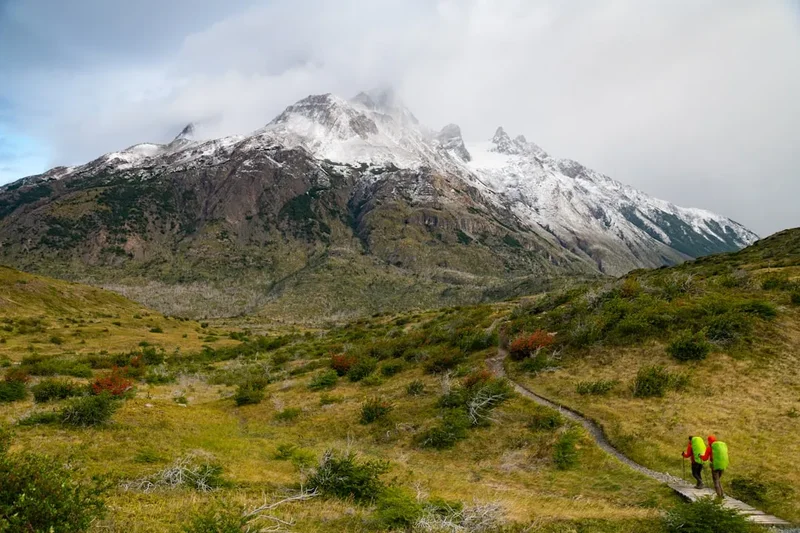
Paine Grande to Glacier Grey Day Walk (Return)
Morning: Ferry to Paine Grande
- Travel to Pudeto (accessible by bus from Puerto Natales or by car).
- Board the catamaran ferry across Lake Pehoé to Paine Grande Refuge. This scenic journey offers stunning views of the Paine Massif.
- Ferry schedules are limited and should be checked and booked in advance, especially during peak season.
- Allow ample time for the bus journey from Puerto Natales (approx. 2.5 hours) and the ferry crossing.
Late Morning/Midday: Start the Hike from Paine Grande
- Arrive at Paine Grande Refuge. This is a good point to use facilities, refill water bottles, and prepare for the hike.
- Begin the trek towards Glacier Grey. The trail is well-marked and heads north-west from the refuge.
- The initial section involves a steady climb, offering panoramic views of Lake Pehoé and the surrounding mountains.
- Distance to first viewpoint: Approximately 3-4 km.
- Time: 1-1.5 hours.
Afternoon: Reaching Glacier Grey Viewpoint
- Continue along the trail, which becomes more exposed to the wind as you approach the glacier.
- The landscape changes, with more rocky terrain and the appearance of icebergs in the glacial waters.
- You will pass several viewpoints offering increasingly impressive perspectives of the Grey Glacier.
- The main viewpoint area is typically a designated spot where you can safely observe the glacier's immense scale.
- Distance from Paine Grande to Glacier Grey viewpoint: Approximately 5.5 km (one-way).
- Time: 2-2.5 hours (one-way).
- Total walking time for the return trip: 4-5 hours.
Late Afternoon: Return to Paine Grande
- Retrace your steps back to Paine Grande Refuge.
- Allow sufficient time to catch the return ferry to Pudeto. Ferry times are fixed and should be confirmed upon arrival at Paine Grande.
- The return journey offers different light and perspectives on the landscape.
Evening: Ferry back to Pudeto and onward travel
- Board the ferry from Paine Grande back to Pudeto.
- From Pudeto, catch your pre-booked bus back to Puerto Natales.
Important Notes:
- This is a day walk, but it is a significant distance and requires a full day.
- Always check the weather forecast before setting out and be prepared for rapid changes.
- Carry sufficient water and snacks, as there are no facilities along the trail between Paine Grande and the glacier viewpoint.
- Wear sturdy, broken-in hiking boots.
- Dress in layers, including waterproof and windproof outer garments.
- Sun protection (hat, sunglasses, sunscreen) is essential, even on cloudy days.
- Be aware of the wind; it can be extremely strong and make walking challenging.
- Ferry and bus schedules are critical; book in advance and arrive at departure points early.
Planning and Bookings
Book Your Trip
Everything you need to plan your journey
Accommodation
Find places to stay near Puerto Natales
Flights
Search flights to Puerto Natales
Essential Preparation
Planning your trip to Torres del Paine National Park and specifically the Paine Grande to Glacier Grey walk requires attention to logistics, especially concerning transport and park entry. The closest major town and gateway to the park is Puerto Natales, which offers a range of accommodation, gear rental, and tour operators. From Puerto Natales, you will need to arrange transport to the park entrance and then to the Pudeto ferry terminal. This typically involves a bus journey of approximately 2.5 hours.
Park entry fees are mandatory and must be paid upon arrival at the park's administrative offices or in advance online. It is highly recommended to book your park entrance tickets and ferry crossings well in advance, particularly during the peak season (December to February), as capacity is limited and sell-outs are common. Understanding the ferry schedule is crucial, as missing the last ferry can leave you stranded overnight. Consider building in a buffer day in Puerto Natales before and after your park visit to account for potential weather delays or transport issues.
Trail Accommodation
This is a day hike requiring no overnight accommodation. The Paine Grande Refuge serves as the starting and ending point for this specific walk and offers dormitory-style accommodation, meals, and basic facilities for trekkers undertaking the "W" circuit or other multi-day routes. However, for the Paine Grande to Glacier Grey day walk, overnight accommodation is not required. Visitors typically stay in Puerto Natales or at accommodation within the park (e.g., hotels, campsites) before and after their day trip.
Required Gear
- Sturdy Hiking Boots: Waterproof, with good ankle support and well broken-in to prevent blisters. The terrain can be uneven and rocky.
- Waterproof and Windproof Jacket: Essential for protection against the unpredictable Patagonian weather. Look for Gore-Tex or similar breathable, durable materials.
- Waterproof Overtrousers: Crucial for staying dry during rain showers and protecting against wind chill.
- Warm Layers: Including a fleece or down jacket, thermal base layers (merino wool or synthetic), and a warm hat (beanie) and gloves. Temperatures can drop significantly, especially with wind.
- Backpack: A comfortable daypack (20-30 litres) to carry essentials, with a rain cover.
- Navigation: While the trail is generally well-marked, a map of the park and a compass or GPS device are advisable, especially if visibility is poor. A downloaded offline map on your phone is also useful.
- First-aid Kit: Including blister treatment, pain relievers, antiseptic wipes, bandages, and any personal medications.
- Sun Protection: High SPF sunscreen, sunglasses, and a wide-brimmed hat. The sun can be intense, even on cloudy days, due to altitude and reflection off ice and water.
What to Bring
- Food and Snacks: Pack plenty of high-energy food, such as sandwiches, trail mix, energy bars, and fruit. There are no food services along the trail between Paine Grande and Glacier Grey.
- Water: Carry at least 1.5-2 litres of water per person. While there are streams, it is recommended to treat or filter water from natural sources, or to refill at Paine Grande Refuge.
- Water Treatment: A water filter or purification tablets are recommended if you plan to refill from natural sources.
- Toiletries: Hand sanitiser, biodegradable wet wipes, and any personal hygiene items. Pack out all rubbish.
- Camera: To capture the stunning scenery. Ensure it is protected from the elements.
- Trekking Poles: Highly recommended for stability on uneven terrain and to reduce strain on knees during descents.
- Insect Repellent: While not as severe as in some other regions, sandflies can be present, particularly during warmer months.
- Cash: For park entrance fees, ferry tickets, and any small purchases, as card facilities may not always be available or reliable.
Permits
To access Torres del Paine National Park, visitors are required to purchase an entrance permit. This permit is typically valid for a set number of days and can be purchased online in advance through the CONAF (Corporación Nacional Forestal) website or at designated entry points to the park. It is strongly advised to book your park entrance permit online well in advance, especially during the high season (December to February), as daily visitor numbers are capped to manage conservation efforts and visitor experience.
In addition to the park entrance permit, you will need to book your ferry crossing from Pudeto to Paine Grande. These ferry tickets are operated by a private company (typically Las Torres Patagonia or similar) and are also subject to availability. Booking these tickets in advance is essential, as they often sell out, particularly during peak times. It is recommended to check the ferry operator's website for schedules and booking procedures.
There are no specific permits required for the day hike itself between Paine Grande and Glacier Grey, beyond the general park entrance permit. However, it is always wise to check the official Torres del Paine National Park website or consult with local tourism authorities in Puerto Natales for the most up-to-date information on permit requirements, fees, and booking procedures, as these can change.
Other Activities in the Area
Beyond the Paine Grande to Glacier Grey walk, Torres del Paine National Park offers a wealth of activities for visitors:
- The "W" Circuit: This iconic multi-day trek is the park's most famous hiking route, encompassing the highlights of the park, including the Towers base, French Valley, and Glacier Grey. The Paine Grande to Glacier Grey section is a part of this circuit.
- Base of the Towers Trek: A challenging but immensely rewarding day hike to the viewpoint of the park's namesake granite spires, the Torres del Paine. This typically starts from the Hotel Las Torres area.
- French Valley Hike: Another spectacular day hike or part of the "W" circuit, offering incredible views of hanging glaciers, granite peaks, and the Paine Massif from within the French Valley. Access is often via catamaran from Pudeto to Paine Grande, then hiking towards the valley.
- Kayaking on Lake Grey: For a unique perspective, guided kayaking tours allow you to paddle amongst icebergs on Lake Grey, getting up close to the glacier's ice face.
- Boat Trip on Lake Grey: A boat tour on Lake Grey provides excellent views of the glacier and its icebergs without the need for strenuous hiking.
- Wildlife Spotting: The park is home to a diverse range of wildlife, including guanacos, condors, foxes, and if you are very lucky, pumas. Early morning and late evening are often the best times for sightings.
- Horseback Riding: Several estancias and tour operators within and around the park offer horseback riding excursions, providing a different way to experience the Patagonian landscape.
- Photography: The park is a photographer's paradise, with dramatic landscapes, unique light conditions, and abundant wildlife offering endless opportunities.
Safety and Conditions
Weather Preparedness: The most significant safety consideration in Torres del Paine is the unpredictable and often extreme weather. Always check the forecast before setting out and be prepared for rapid changes. Carry and wear appropriate layers, including waterproof and windproof gear. Hypothermia is a risk, even in summer, due to wind chill and sudden temperature drops.
Wind: The infamous Patagonian wind can be incredibly strong, sometimes reaching hurricane force. It can make walking difficult and disorienting, and can blow unsecured items away. Stay low and use trekking poles for stability when winds are high. Be aware of your surroundings and avoid exposed ridges or narrow paths during severe gusts.
Trail Conditions: The trails are generally well-maintained but can be uneven, rocky, and muddy, especially after rain. Wear sturdy hiking boots with good ankle support. Be cautious on descents, as loose scree can be present.
Water Sources: While there are many streams and rivers, it is advisable to treat or filter water from natural sources to avoid waterborne illnesses. Refill water bottles at Paine Grande Refuge before starting your hike.
Navigation: The main trails are usually well-marked, but visibility can be severely reduced by fog or heavy rain. Carry a map and compass, or a GPS device, and know how to use them. Inform someone of your hiking plans, including your intended route and expected return time.
Wildlife: While most wildlife is harmless, maintain a safe distance from guanacos and other animals. Be aware of your surroundings, especially if you encounter pumas (though sightings are rare and they generally avoid humans). Do not feed any wildlife.
Emergency Services: Mobile phone reception can be patchy within the park. In case of an emergency, seek assistance from park rangers or staff at the Paine Grande Refuge. Consider carrying a personal locator beacon (PLB) for remote areas.
Ferry and Bus Schedules: Missing your return ferry or bus can lead to an unexpected overnight stay. Always confirm schedules and allow ample time for travel to departure points.
Side Trips and Points of Interest
Grey Glacier Viewpoint: The primary destination of this walk, the viewpoint offers a stunning, expansive vista of the Grey Glacier. You can observe its immense ice field stretching back into the mountains, the dramatic calving of icebergs into Lake Grey, and the sheer scale of this natural wonder. The area around the viewpoint is often strewn with smaller ice chunks that have washed ashore.
Icebergs in Lake Grey: As you walk towards the glacier, you will begin to see icebergs of various sizes and shapes floating in Lake Grey. These calved pieces of the glacier create a surreal and beautiful landscape, with shades of blue and white contrasting against the grey waters. The closer you get to the glacier, the larger and more numerous the icebergs become.
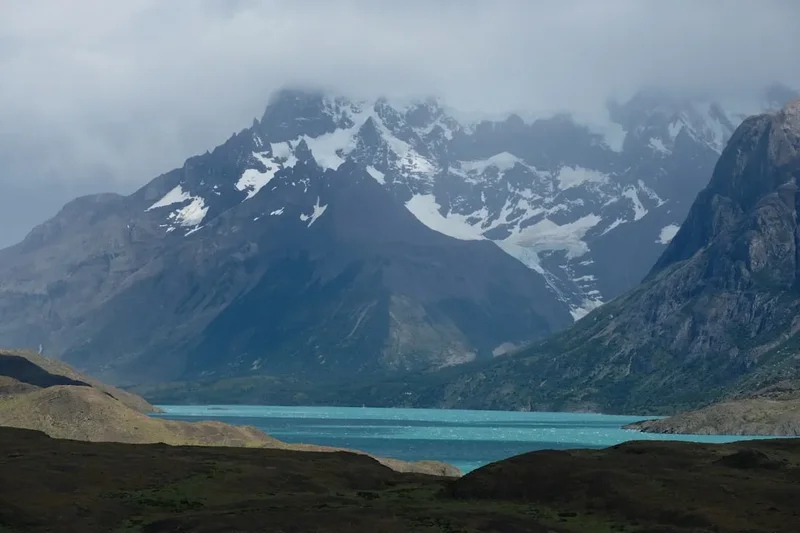
Lake Pehoé Views: On the initial ascent from Paine Grande, the trail offers spectacular views back over Lake Pehoé. Its vibrant turquoise colour, a result of glacial silt, is a striking contrast to the surrounding rugged terrain. The iconic peaks of the Paine Massif are often visible in the background, providing excellent photographic opportunities.
The "W" Circuit Trail: While this is a day walk, the trail itself is part of the world-renowned "W" circuit. You will be walking on the same paths used by multi-day trekkers, experiencing the same dramatic scenery that draws adventurers from around the globe. The trail is well-maintained and offers a taste of the longer trekking experience.
Paine Grande Refuge Area: Before or after your hike, take some time to appreciate the setting of the Paine Grande Refuge. Located on the shores of Lake Pehoé, it offers a base camp for many trekkers and provides a sense of the scale of the park and the community of hikers who visit.
Leave No Trace
Practising Leave No Trace principles is paramount in Torres del Paine National Park to preserve its pristine environment for future generations. As a UNESCO Biosphere Reserve and a national treasure, the park's delicate ecosystems are vulnerable to human impact.
Plan Ahead and Prepare: Research the park regulations, weather conditions, and trail information before your visit. Pack appropriately for the conditions and carry all necessary supplies. Inform someone of your plans.
Travel and Camp on Durable Surfaces: Stick to marked trails to avoid damaging fragile vegetation. The terrain around Glacier Grey can be rocky and exposed; tread carefully to minimise your impact.
Dispose of Waste Properly: Pack out everything you pack in, including all food scraps, wrappers, and any other litter. Use designated bins at Paine Grande Refuge. Do not bury or burn waste.
Leave What You Find: Do not remove any natural objects, such as rocks, plants, or ice. Take only photographs and leave only footprints.
Minimise Campfire Impacts: Campfires are generally prohibited in Torres del Paine National Park. Use a portable stove for cooking if needed.
Respect Wildlife: Observe wildlife from a distance and never feed them. Feeding animals can alter their natural behaviour and diet, and can be harmful to their health.
Be Considerate of Other Visitors: Keep noise levels down, especially at the Paine Grande Refuge. Yield to other hikers on the trail, particularly those going uphill.
By adhering to these principles, you help ensure that the breathtaking beauty of Torres del Paine, including the Paine Grande to Glacier Grey trail, remains intact.
 Chile
Chile