
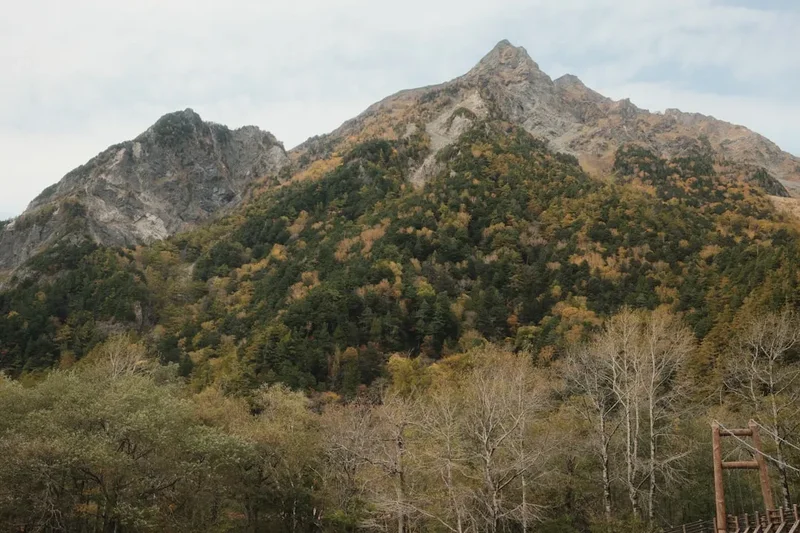
Oze National Park Hike
Oze National Park, nestled in the heart of Japan's Honshu island, is a vast alpine wetland renowned for its breathtaking natural beauty and diverse ecosystems. This popular destination offers a network of boardwalks and trails that wind through expansive marshes, past crystal-clear lakes, and beneath towering mountain peaks. It is a sanctuary for unique flora and fauna, particularly celebrated for its vibrant displays of skunk cabbage in spring and day lilies in summer. The park is a testament to Japan's commitment to preserving its natural heritage, providing accessible yet wild landscapes for hikers and nature enthusiasts. Oze is a place where the raw beauty of the Japanese Alps is on full display, offering a refreshing escape into a world of serene wetlands and majestic mountain vistas.
- Distance: 13.0 km (one-way from Hatomachitoge to Ozenuma)
- Duration: 6-8 hours
- Season: Late May to early October (peak bloom for skunk cabbage late May-early June, day lilies mid-July-mid-August, autumn colours late September)
- Accommodation: Hatomachitoge (limited parking), Ozenuma (huts available, booking recommended)
- Highest point: Near Ozenuma Pond (approx. 1,700 m)
- Difficulty: Moderate
- Access: Bus from Numata to Hatomachitoge
Overview
The Oze National Park hike is a journey through one of Japan's most significant alpine wetland areas. The primary route, often taken from Hatomachitoge (鳩待峠) to Ozenuma (尾瀬沼), showcases the park's unique character. This moderate-difficulty walk, covering approximately 13 kilometres, is typically completed in 6 to 8 hours, making it an ideal day trip or a segment of a longer exploration of the park. The trail is distinguished by its extensive network of wooden boardwalks, which protect the delicate marshland environment while allowing visitors to immerse themselves in the landscape. These boardwalks guide hikers through vast expanses of *Mizubasho* (skunk cabbage) in spring, a sea of vibrant green punctuated by the distinctive white spathes of the plant. As summer progresses, the marshes transform with the blooming of *Nokansho* (day lilies), painting the landscape in hues of orange and yellow.
The elevation gain is relatively modest, around 230 metres, making the hike accessible to a wide range of fitness levels. However, the terrain can be uneven in places, and the length requires a reasonable level of stamina. The trail meanders through diverse environments, from dense beech forests to open alpine meadows and the expansive Oze Marshland itself. The highlight for many is reaching Ozenuma Pond, a beautiful alpine lake that offers stunning reflections of the surrounding mountains, including the iconic Mount Hiuchi and Mount Arakura. The park's popularity means that while you can find solitude, especially on weekdays or during shoulder seasons, it is a well-trodden path during peak times. Careful planning is essential to make the most of the visit, particularly regarding transportation and accommodation if an overnight stay is planned.
Oze National Park is a protected area, and its conservation is paramount. The boardwalks are a crucial element of this conservation effort, preventing erosion and damage to the fragile wetland flora. Visitors are expected to stay on these designated paths and to practice responsible tourism. The park's accessibility from major cities like Tokyo, via train and bus connections to Numata, makes it a feasible destination for a day trip or a weekend escape, offering a profound connection with Japan's natural alpine beauty.
History and Cultural Context
Oze National Park's history is deeply intertwined with the preservation of its unique wetland environment. For centuries, the Oze region was a remote and largely inaccessible area, known to local communities for its rich natural resources and challenging terrain. The development of the area as a tourist destination began in the early 20th century, spurred by growing interest in Japan's natural landscapes and the burgeoning outdoor recreation movement. Early visitors were drawn to the park's distinctive flora, particularly the *Mizubasho* (skunk cabbage), which carpets the marshes in spring, and the *Nokansho* (day lilies) that bloom in summer.
The establishment of Oze National Park in 1936 was a significant milestone, marking a concerted effort to protect its fragile ecosystems from over-exploitation and development. The park's designation as a national park underscored its ecological importance and its value as a natural heritage site. Over the decades, conservation efforts have focused on managing visitor impact, with the construction of extensive boardwalks being a key strategy. These boardwalks not only facilitate access but also serve to protect the delicate marshland vegetation from trampling and erosion, a critical measure given the park's high visitor numbers.
The park's cultural significance also extends to its role in Japanese society as a place of natural beauty and spiritual connection. For many, Oze represents an idealised vision of Japan's natural landscape, a place of tranquility and renewal. The park has inspired artists, poets, and photographers, further cementing its place in the national consciousness. The ongoing efforts to balance visitor access with environmental protection reflect a broader Japanese cultural appreciation for nature and a commitment to intergenerational stewardship of natural resources. The park's history is a continuous narrative of discovery, appreciation, and dedicated conservation.
Seasonal Highlights and Weather Reality
Oze National Park experiences distinct seasons, each offering a unique perspective on its alpine environment. Understanding these seasonal variations is crucial for planning a visit and appreciating the park's dynamic beauty.
Spring (Late May to Early June): This is the season of the *Mizubasho* (skunk cabbage). The vast Oze Marshland becomes a sea of vibrant green, dotted with the distinctive white spathes of the skunk cabbage. The air is crisp, and the mountain snow begins to melt, feeding the streams and ponds. Temperatures can still be cool, with average highs around 15-20°C and lows dropping to 5-10°C. Snow can linger on higher trails, and some boardwalk sections might still be damp or partially covered. This is a popular time, so expect crowds, especially on weekends.
Summer (Mid-July to Mid-August): The park transforms with the blooming of *Nokansho* (day lilies), which add splashes of orange and yellow to the landscape. The weather is generally warmer, with average temperatures ranging from 20-25°C during the day and 10-15°C at night. This is also the peak season for hiking, and the park can be very busy. Thunderstorms are common in the afternoons, so starting hikes early is advisable. Sandflies can be present, though generally less problematic than in some coastal or rainforest environments.
Autumn (Late September to Early October): Oze becomes a spectacle of autumn colours. The beech forests surrounding the marshes turn brilliant shades of red, orange, and yellow, creating a stunning contrast with the fading greens of the marshland. The air becomes significantly cooler, with daytime temperatures averaging 10-15°C and nighttime lows dropping to 0-5°C. Frost is common, and the first snowfalls can occur on higher peaks. This is a quieter period, offering a more serene experience for visitors.
Weather Reality: Oze is an alpine environment, and weather can change rapidly and unpredictably. Even in summer, temperatures can drop significantly, and rain is frequent. Visitors should always be prepared for a wide range of conditions, including strong winds, fog, and sudden temperature drops. Waterproof and windproof clothing, along with warm layers, are essential regardless of the season. Snow can persist on higher trails well into early summer, and early snow can fall in autumn. Always check the weather forecast before your trip and be prepared to adjust your plans accordingly.
Recommended Itinerary
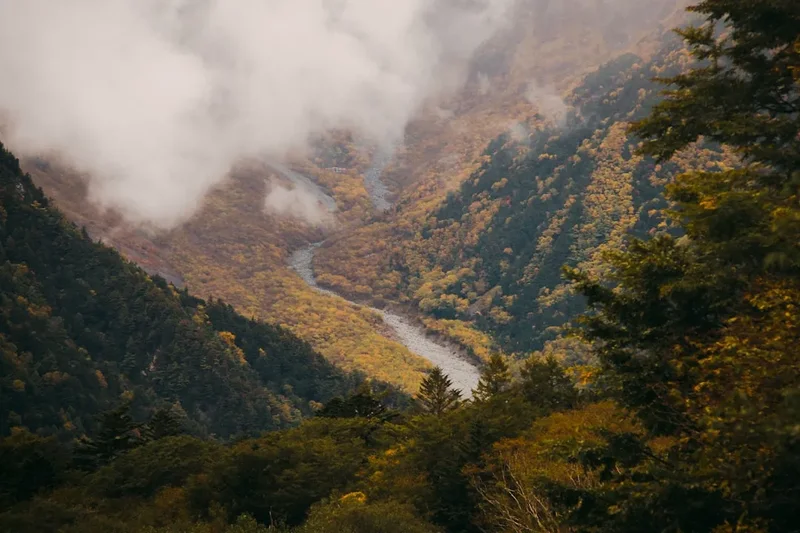
Oze National Park Day Hike: Hatomachitoge to Ozenuma and Return
Early Morning: Travel to Trailhead
- Depart from your accommodation in Numata or a nearby town.
- Take the Kanetsu Kotsu bus from Numata Station to Hatomachitoge (鳩待峠). The journey takes approximately 2 hours.
- Ensure you check bus schedules in advance, as they vary seasonally and may require advance booking during peak times.
- Arrive at Hatomachitoge early to secure parking if driving, or to catch your desired bus.
Morning: Hike to Oze Marshland
- Start your hike from Hatomachitoge (GPS: 36.9500, 139.2700).
- Follow the well-marked trail, which quickly transitions onto a wooden boardwalk.
- The initial section descends slightly through beech forest before opening up to the expansive Oze Marshland.
- Distance: Approximately 6.5 km from Hatomachitoge to Ozenuma Pond.
- Elevation gain: Around 230 m total gain (with some descent and undulating sections).
- Time: 2.5–3.5 hours.
- Key Waypoints: Enjoy the views of the *Mizubasho* (skunk cabbage) in spring or *Nokansho* (day lilies) in summer. Observe the diverse wetland flora and fauna.
Midday: Ozenuma Pond and Lunch
- Arrive at Ozenuma Pond (尾瀬沼).
- This is an ideal spot for a break and lunch. There are facilities available, including restrooms and sometimes small rest areas or huts.
- Take time to admire the panoramic views of the surrounding mountains, including Mount Hiuchi and Mount Arakura, reflected in the calm waters of the pond.
- Explore the immediate vicinity of the pond, enjoying the alpine scenery.
Afternoon: Return Hike to Hatomachitoge
- Begin the return journey from Ozenuma Pond back to Hatomachitoge.
- The route follows the same boardwalk and trail, offering a different perspective in the afternoon light.
- Distance: Approximately 6.5 km.
- Time: 2.5–3.5 hours.
- Key Waypoints: Re-experience the marshland and forest sections.
Late Afternoon: Departure
- Arrive back at Hatomachitoge.
- Catch the Kanetsu Kotsu bus back to Numata Station.
- Ensure you have checked the last bus departure time for the day.
Important Notes:
- This itinerary is for a day hike. For overnight stays, accommodation is available near Ozenuma Pond (booking essential).
- Wear sturdy, comfortable walking shoes or hiking boots.
- Carry sufficient water and snacks, as facilities are limited.
- Be prepared for changing weather conditions; pack layers, rain gear, and sun protection.
- Stay on the boardwalks to protect the fragile environment.
- Registration at the trailhead is recommended for safety purposes.
Planning and Bookings
Book Your Trip
Everything you need to plan your journey
Accommodation
Find places to stay near Numata
Flights
Search flights to Numata
Essential Preparation
Oze National Park is a popular destination, especially during peak seasons. Thorough preparation is key to a successful and enjoyable visit. The closest major city for logistical planning is Numata. From Numata, access to the park is primarily via public transport, specifically the Kanetsu Kotsu bus service that runs to Hatomachitoge (鳩待峠), the main trailhead for the Oze Marshland. It is crucial to check bus schedules in advance, as they are seasonal and can change. During peak times, especially weekends and holidays, buses can be crowded, and parking at Hatomachitoge is limited, so arriving early is highly recommended if you are driving. If planning an overnight stay, booking accommodation near Ozenuma Pond well in advance is essential, as these facilities are limited and highly sought after. Consider the time of year for your visit, as this will significantly impact the scenery and the crowds.
Trail Accommodation
This is primarily a day hike requiring no overnight accommodation. However, for those wishing to extend their stay and explore more of the Oze region, accommodation is available near Ozenuma Pond. These typically consist of mountain huts or lodges offering basic amenities.
Hut Facilities (near Ozenuma Pond):
- Bunk beds or tatami mat sleeping areas.
- Communal dining areas.
- Basic restroom facilities.
- Some may offer simple meals (breakfast, dinner) for an additional charge.
What's NOT Provided:
- Bedding (sleeping bags or futons are usually required or available for rent).
- Towels, toiletries.
- Cooking equipment or food supplies (unless meals are pre-booked).
- Electricity for charging devices is often limited or unavailable.
Booking Requirements:
- Reservations are highly recommended, especially during the peak season (July-August) and on weekends.
- Bookings can often be made directly with the specific hut or lodge, or through online travel agencies specializing in Japanese accommodation.
- Seasonal availability: Huts are generally open from late April/early May to mid-October.
- Costs: Prices vary but expect approximately ¥8,000 - ¥15,000 per person per night for accommodation with meals.
For Day Hikers: No overnight accommodation is required. Facilities at Hatomachitoge and near Ozenuma Pond include restrooms and limited rest areas.
Required Gear
- Hiking boots or sturdy walking shoes: Waterproof and with good ankle support are recommended due to potentially wet and uneven terrain.
- Waterproof and windproof jacket: Essential for protection against sudden rain showers and alpine winds.
- Waterproof overtrousers: Highly recommended, as conditions can change quickly.
- Backpack: A comfortable daypack (20-30 litres) to carry essentials.
- Layers of clothing: Including a moisture-wicking base layer, an insulating mid-layer (fleece or down), and an outer shell.
- Hat: For sun protection and warmth.
- Gloves: Lightweight gloves can be useful, especially in cooler seasons or at higher elevations.
- Navigation: While the trails are generally well-marked and boardwalks are clear, a map of the Oze area and a compass or GPS device are advisable. A smartphone with offline maps can also be useful.
- First-aid kit: Including personal medications, blister treatment, bandages, antiseptic wipes, and pain relievers.
- Headlamp or torch: With spare batteries, in case of unexpected delays or early starts/late finishes.
What to Bring
- Food and snacks: Pack enough for the duration of your hike. While there are some facilities near Ozenuma, options can be limited and expensive.
- Water bottles or hydration reservoir: Carry at least 1.5-2 litres of water per person. Water sources may be available but should be treated.
- Water treatment method: A water filter or purification tablets are recommended if you plan to refill from natural sources.
- Sunscreen: High SPF sunscreen is important, as the sun can be intense at higher altitudes.
- Insect repellent: Especially important during summer months to ward off mosquitoes and other biting insects.
- Toiletries: Biodegradable soap, toothbrush, toothpaste, hand sanitiser.
- Trash bags: To pack out all your waste, including food scraps and wrappers.
- Camera: To capture the stunning scenery.
- Cash: For bus fares, parking fees, and any purchases at trailside facilities, as card payment may not always be accepted.
- Trekking poles (optional): Can provide stability and reduce strain on knees, especially on descents.
Permits
For day hikes within Oze National Park, specifically the route from Hatomachitoge to Ozenuma and back, no specific permits are required for entry or hiking. However, registration at the trailhead is recommended. This registration system, often a simple logbook or electronic kiosk, helps park authorities monitor visitor numbers and provides a record in case of emergencies.
Trailhead Registration:
- At Hatomachitoge, you will find a registration point.
- It is advisable to sign in and out. This is a voluntary measure but is crucial for safety.
- The registration helps park rangers know who is in the park and where they are heading, which is vital for search and rescue operations if needed.
Parking Fees:
- If you are driving to Hatomachitoge, there is a parking fee. The cost varies but is typically around ¥500-¥1,000 per day.
- Arrive early, especially on weekends and during peak season, as parking spaces are limited and fill up quickly.
Accommodation Bookings:
- If you plan to stay overnight in one of the mountain huts near Ozenuma Pond, booking in advance is essential.
- These huts are privately operated, and while they don't require a "permit" in the traditional sense, securing a reservation is mandatory.
- Booking procedures vary by hut, but most can be booked online or via telephone.
Conservation Fees:
- While there isn't a direct entrance fee for the park itself for day hikers, there is a national park entrance fee system being implemented across Japan. As of recent updates, Oze National Park is part of this initiative. Visitors are expected to pay a fee (currently ¥1,000 for adults) upon entering the park area. This fee contributes to the conservation and maintenance of the park's natural environment and facilities. Ensure you have cash available for this fee.
Other Activities in the Area
Beyond the main Oze Marshland hike, the surrounding region offers several other activities and points of interest:
- Mount Hiuchi (Mt. Hiuchi) Hike: For experienced hikers, Mount Hiuchi (2,356 m) is a popular day hike or overnight trip from Ozenuma. It is known for its stunning alpine scenery and is one of Japan's 37°Camous Mountains. The ascent is challenging, requiring good fitness and preparation.
- Mount Arakura (Mt. Arakura) Hike: Another prominent peak in the area, offering excellent panoramic views. It can be combined with a visit to Ozenuma.
- Oze Hot Springs (Onsen): Several onsen (hot springs) are located in the vicinity of Oze, offering a relaxing way to soothe tired muscles after a day of hiking. Some accommodations near the park entrance or in towns like Numata may have their own onsen facilities.
- Numata City Exploration: Numata itself offers historical sites such as Numata Castle ruins and various temples. It's a good place to explore before or after your park visit.
- Seasonal Festivals: Depending on the time of year, local festivals might be taking place in towns surrounding Oze National Park, offering a glimpse into regional culture and traditions.
- Photography: Oze is a paradise for photographers, with its unique landscapes, diverse flora, and dramatic mountain backdrops. The changing seasons offer distinct photographic opportunities.
Safety and Conditions
Weather Preparedness: Oze National Park is an alpine environment where weather can change rapidly. Always check the forecast before your trip and be prepared for rain, wind, and temperature fluctuations, even in summer. Pack waterproof clothing, warm layers, and sun protection.
Trail Conditions: The primary trails within Oze Marshland are well-maintained boardwalks, which are generally safe. However, sections can be slippery when wet. If venturing onto mountain trails like Mount Hiuchi, be aware of uneven terrain, potential for snow (even in early summer), and steep ascents/descents.
Hydration and Nutrition: Carry sufficient water and high-energy snacks. While there are some rest stops and facilities near Ozenuma, they can be limited and expensive. Treat any water from natural sources before drinking.
Insect Protection: Mosquitoes and other biting insects can be prevalent, especially during the summer months. Bring effective insect repellent and consider wearing long sleeves and trousers.
Emergency Procedures:
- Register your hike at the trailhead (Hatomachitoge).
- Carry a fully charged mobile phone. Signal can be intermittent in some areas, but it's essential for emergencies.
- Know the location of emergency contact numbers for the park rangers or local authorities.
- In case of an emergency, stay calm, assess the situation, and seek help if possible. If you are injured, try to stay warm and visible.
Environmental Awareness: Stay on marked trails and boardwalks to protect the fragile wetland ecosystem. Do not disturb wildlife or remove any plants. Pack out all your trash.
Footwear: Sturdy, waterproof hiking boots or shoes with good grip are essential. Avoid open-toed shoes or sandals.
Physical Fitness: While the main Oze Marshland trail is moderate, it is a long walk. Ensure you have adequate fitness for the distance and terrain. If planning to climb surrounding peaks, a higher level of fitness and experience is required.
Side Trips and Points of Interest
Ozenuma Pond: The centrepiece of the Oze Marshland experience. This beautiful alpine lake offers stunning reflections of the surrounding mountains, including Mount Hiuchi and Mount Arakura. The boardwalks around the pond provide excellent vantage points for photography and enjoying the serene atmosphere. It's a perfect spot for a picnic lunch and a moment of quiet contemplation.
Mount Hiuchi (Mt. Hiuchi): For those seeking a more strenuous challenge, Mount Hiuchi is a popular side trip. It is one of Japan's 37°Camous Mountains and offers spectacular panoramic views from its summit. The hike to the summit and back from Ozenuma can be done as a long day trip or an overnight excursion, with huts available near the summit. The trail is steep and demanding but rewards hikers with breathtaking alpine vistas.
Mount Arakura (Mt. Arakura): Another significant peak in the Oze region, Mount Arakura offers excellent views of the marshland and surrounding mountains. It can be incorporated into a longer hiking itinerary, often combined with Ozenuma Pond and potentially Mount Hiuchi.
Mizubasho (Skunk Cabbage) Fields: If visiting in late May to early June, the vast fields of skunk cabbage are a must-see. The distinctive white spathes create an otherworldly landscape, and the sheer scale of the bloom is impressive. The boardwalks allow you to walk right through these unique botanical displays.
Nokansho (Day Lily) Fields: From mid-July to mid-August, the marshes are carpeted with blooming day lilies, adding vibrant splashes of orange and yellow to the scenery. This seasonal spectacle transforms the landscape into a colourful tapestry.
Autumn Foliage: In late September and early October, the beech forests surrounding Oze erupt in a riot of autumn colours. The contrast between the golden and red foliage and the remaining green of the marshland is a photographer's dream and offers a serene hiking experience.
Leave No Trace
Oze National Park is a precious natural environment, and visitors play a vital role in its preservation. Adhering to Leave No Trace principles ensures that this unique alpine wetland remains pristine for future generations.
- Stay on the Boardwalks: The extensive network of boardwalks is designed to protect the fragile marshland vegetation. Straying from these paths can cause irreparable damage to delicate plants and soil.
- Pack It In, Pack It Out: Carry out all your rubbish, including food scraps, wrappers, and any other waste. There are limited waste disposal facilities within the park.
- Respect Wildlife: Observe wildlife from a distance and never feed any animals. Feeding can alter their natural behaviour and diet, potentially harming them.
- Proper Waste Disposal: Use designated toilets. If caught short, dig a cathole at least 70 metres away from water sources, trails, and campsites, and bury human waste. Pack out toilet paper.
- Minimise Campfire Impacts: Campfires are generally prohibited in Oze National Park to protect the environment. If camping overnight, use a portable stove for cooking.
- Leave What You Find: Do not take any natural souvenirs, such as rocks, plants, or flowers. Leave them for others to enjoy and for the ecosystem to thrive.
- Be Considerate of Other Visitors: Keep noise levels down, especially in natural quiet areas. Respect the peaceful atmosphere of the park.
- Plan Ahead and Prepare: Familiarise yourself with park regulations and conditions before your visit. This includes checking weather forecasts and trail status.
By following these principles, you contribute to the long-term health and beauty of Oze National Park.
 Japan
Japan