
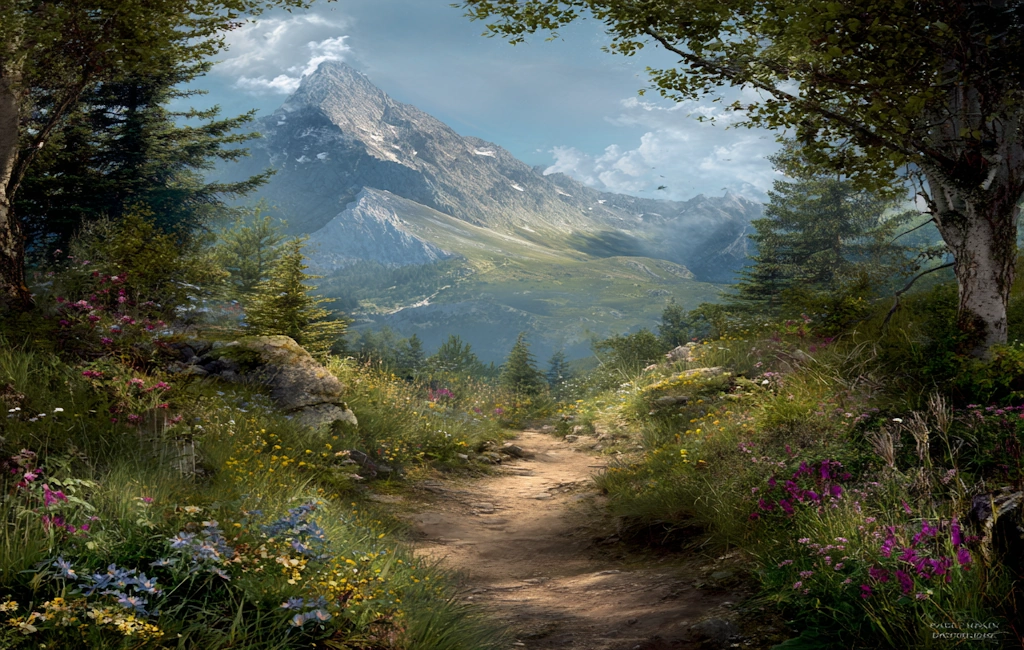
Osorno Volcano Trail - Majestic Ascent in Patagonia
The Osorno Volcano Trail is a challenging yet immensely rewarding mountain track located in Chile's stunning Los Lagos Region, offering unparalleled panoramic views of the surrounding Patagonian landscape. This trail is not a multi-day trek but a demanding day hike that ascends the flanks of the iconic Osorno Volcano, a stratovolcano renowned for its near-perfect conical shape and its dramatic presence overlooking the Llanquihue Lake and the Andes. The ascent is steep, traversing volcanic scree, solidified lava flows, and alpine meadows, culminating at a viewpoint that provides a breathtaking vista of snow-capped peaks, pristine lakes, and the vast expanse of southern Chile.
- Distance: 12.0 km one-way (to summit viewpoint)
- Elevation Gain: 1,600 m
- Duration: 6-8 hours (round trip)
- Season: December to March (Chilean summer)
- Difficulty: Challenging
- Closest City: Puerto Varas
- Trailhead Access: From Puerto Varas, travel to Ensenada, then ascend towards the Osorno Volcano ski centre.
- Permits: Not required, but registration at the Refugio Teski Club Andino is recommended.
- Coordinates: -41.1000, -72.4997
Overview
The Osorno Volcano Trail is a testament to the raw, untamed beauty of Patagonia. It's a journey that tests physical endurance while rewarding hikers with some of the most spectacular scenery in Chile. The trail begins at the Osorno Volcano ski centre, a popular access point that already sits at a significant elevation, providing a taste of the views to come. From here, the path immediately begins its steep ascent, a relentless climb that demands focus and stamina. Hikers will traverse a landscape sculpted by volcanic activity, with sections of loose scree underfoot and ancient lava flows that tell the story of the volcano's fiery past.
As you gain altitude, the vegetation changes. Lower slopes are often covered in hardy alpine grasses and shrubs, while higher up, the terrain becomes more barren, dominated by volcanic rock and ash. The air grows thinner, and the wind can become a significant factor, especially at higher elevations. However, with every metre gained, the panorama expands. The vast, shimmering expanse of Llanquihue Lake, the second-largest lake in Chile, stretches out below, dotted with small islands. Across the lake, the symmetrical cone of the Calbuco Volcano stands sentinel, often dusted with snow. Further afield, the jagged peaks of the Andes form a dramatic backdrop, their grandeur amplified by the clear Patagonian skies.
The trail is not always clearly defined in its entirety, especially on the upper scree slopes, requiring good navigation skills. The summit viewpoint, while not the true volcanic crater, offers a breathtaking 360-degree perspective. On a clear day, the views extend to the Pacific Ocean in one direction and deep into the heart of the Andes in the other. This hike is a true alpine adventure, suitable for experienced hikers with a good level of fitness who are prepared for challenging conditions and spectacular rewards.
History and Cultural Context
Osorno Volcano, known as "Coñaripe" or "Puntra" in indigenous Mapuche languages, has been a significant landmark for centuries. For the indigenous peoples of the region, volcanoes were often considered sacred sites, imbued with spiritual power and associated with creation myths and natural forces. The Mapuche, in particular, held deep reverence for these imposing natural formations, which played a central role in their cosmology and daily life.
European exploration and settlement in the 18th and 19th centuries brought new perspectives. Spanish colonisers and later Chilean settlers viewed the volcano primarily as a geographical feature, a source of fertile volcanic soil, and a potential obstacle or landmark for navigation. The development of the surrounding region, particularly around Llanquihue Lake, was driven by agriculture and later by tourism, with Osorno Volcano becoming a focal point for its dramatic beauty.
In the 20th century, Osorno Volcano began to be recognised for its recreational potential. The establishment of the Centro de Ski Volcán Osorno (Osorno Volcano Ski Centre) in the mid-20th century marked a significant step in making the volcano accessible to a wider audience. This ski centre, which operates during the winter months, also serves as the primary access point for summer hikers. The trails, while not formally designated as a "national park" trail in the same way as some other international tracks, have been used by locals and adventurous travellers for decades. The Refugio Teski Club Andino, located near the ski centre, has historically served as a base for mountaineers and hikers, providing a connection to the volcano's climbing heritage.
The volcano itself is a stratovolcano, meaning it is built up by many layers of hardened lava, tephra, pumice, and volcanic ash. Its last known eruption was in 1835, a significant event that shaped the surrounding landscape. The solidified lava flows from this and earlier eruptions are a prominent feature of the hiking trail, offering a tangible connection to the volcano's powerful geological history.
Seasonal Highlights and Weather Reality
The Osorno Volcano Trail is best experienced during the Patagonian summer, which runs from December to March. This period offers the most favourable weather conditions for hiking, with longer daylight hours and generally milder temperatures.
Summer (December to March): This is the prime season for ascending Osorno Volcano. Days are typically sunny and warm, with temperatures averaging between 15°C and 25°C. The long daylight hours (often extending past 9:00 PM) allow for ample time to complete the hike without feeling rushed. The surrounding landscape is lush and green, with wildflowers often blooming on the lower slopes. However, even in summer, Patagonian weather is notoriously unpredictable. Sudden changes can occur, with strong winds, rain showers, and a significant drop in temperature possible at any time, especially at higher altitudes. The summit can be significantly colder and windier than the base.
Shoulder Seasons (October-November and April): These months can offer a mixed bag. You might experience pleasant, crisp days with fewer crowds, but the weather is less stable. Snow may still linger on the upper reaches of the volcano in October and November, and by April, the first snowfalls of winter can begin. Temperatures will be cooler, and daylight hours are shorter. These months are generally not recommended for this challenging ascent unless you have specific experience with variable mountain conditions and are well-prepared for cold weather.
Winter (May to September): Osorno Volcano is a popular ski destination during these months. The hiking trails are largely covered by snow and ice, making them inaccessible and dangerous for unequipped hikers. Only experienced mountaineers with appropriate winter gear (crampons, ice axe, avalanche safety equipment) and knowledge should consider attempting an ascent during this period. The ski centre operates, but hiking routes are not maintained.
Weather Considerations: Regardless of the season, always be prepared for rapid weather changes. The proximity to the Pacific Ocean and the Andes means that weather systems can move in quickly. Fog can descend rapidly, reducing visibility to mere metres and making navigation extremely difficult. Wind is a constant factor, and at higher elevations, it can be severe enough to make walking challenging and increase the risk of hypothermia. Always check the local weather forecast before setting out and be prepared to turn back if conditions deteriorate.
Recommended Itinerary
Osorno Volcano Trail - Day Hike
Early Morning (Approx. 8:00 AM - 9:00 AM): Travel to Trailhead
- Depart from Puerto Varas or Frutillar.
- Drive or take a bus/taxi towards Ensenada.
- Continue on the road towards the Osorno Volcano ski centre (Centro de Ski Volcán Osorno).
- The road is paved for a significant portion, then turns to gravel as you ascend.
- Allow approximately 1 hour to 1 hour 30 minutes for travel from Puerto Varas.
Morning (Approx. 9:00 AM - 10:00 AM): Arrival and Preparation
- Arrive at the Osorno Volcano ski centre parking area.
- Register your hike at the Refugio Teski Club Andino (recommended for safety).
- Final gear check: ensure boots are tied, layers are adjusted, water and snacks are accessible.
- Begin the ascent from the vicinity of the ski centre buildings.
Late Morning to Midday (Approx. 10:00 AM - 1:00 PM): Ascent - Lower Slopes and Lava Flows
- The trail immediately begins to climb steeply.
- Initial section may pass through sparse alpine vegetation and solidified lava fields.
- Terrain is uneven, with loose scree and rocks underfoot.
- Focus on maintaining a steady pace and conserving energy.
- Take short breaks to hydrate and admire the expanding views of Llanquihue Lake and surrounding volcanoes.
- The path may be marked by cairns or occasional trail markers, but navigation can be challenging in places.
Afternoon (Approx. 1:00 PM - 3:00 PM): Ascent - Upper Slopes and Summit Viewpoint
- Continue the challenging ascent towards the designated summit viewpoint.
- The terrain becomes more exposed and potentially windier.
- The final push to the viewpoint requires careful footing on volcanic scree.
- Reach the summit viewpoint (approx. 1,600 m elevation gain from the base).
- Spend time enjoying the panoramic vistas: Llanquihue Lake, Calbuco Volcano, the Andes mountain range, and potentially the Pacific Ocean.
- Take photographs and appreciate the accomplishment.
Late Afternoon (Approx. 3:00 PM - 5:00 PM): Descent
- Begin the descent back towards the ski centre.
- The descent can be as challenging as the ascent, requiring careful foot placement to avoid slips on loose scree.
- Use trekking poles if you have them to aid stability and reduce impact on knees.
- Maintain focus, especially on steeper sections.
Evening (Approx. 5:00 PM onwards): Return Journey
- Arrive back at the ski centre parking area.
- Optional: Visit the Refugio Teski Club Andino for refreshments or a meal.
- Begin your journey back to Puerto Varas or your accommodation.
Important Notes:
- This is a strenuous day hike requiring excellent physical fitness.
- Weather can change rapidly; always be prepared for wind, rain, and cold temperatures, even in summer.
- Carry sufficient water (at least 2-3 litres per person) and high-energy snacks.
- Wear sturdy, broken-in hiking boots with good ankle support.
- Trekking poles are highly recommended for both ascent and descent.
- Navigation skills or a reliable GPS device are essential, as the trail can be indistinct in places.
- Inform someone of your hiking plans and expected return time.
Planning and Bookings
Book Your Trip
Everything you need to plan your journey
Accommodation
Find places to stay near Puerto Varas
Flights
Search flights to Puerto Varas
Essential Preparation
The Osorno Volcano Trail is a demanding day hike that requires careful planning and preparation. Given its challenging nature and the unpredictable Patagonian weather, ensuring you are physically and logistically ready is paramount. The closest major city and logistical hub is Puerto Varas, a charming town on the shores of Llanquihue Lake, approximately 100 kilometres north of Puerto Montt. Puerto Varas offers a wide range of accommodation options, from budget hostels to comfortable hotels, as well as supermarkets for stocking up on supplies, outdoor gear shops, and restaurants.
Access to the trailhead is via the Osorno Volcano ski centre. From Puerto Varas, you can drive, hire a taxi, or take a local bus service that runs to Ensenada, from where you can arrange further transport or a shuttle up to the ski centre. The road to the ski centre is paved for a significant portion but turns to gravel as it ascends the volcano's flank, becoming steeper and more rugged closer to the top. Parking is available at the ski centre, though it can become busy during peak season.
It is highly recommended to register your hike at the Refugio Teski Club Andino upon arrival at the ski centre. This is a safety measure that allows authorities to know who is on the mountain in case of an emergency. While no formal permits are required for hiking the Osorno Volcano Trail itself, understanding the local conditions and registering your intentions is a crucial part of responsible mountain travel.
Trail Accommodation
This is a day hike requiring no overnight accommodation. The ascent and descent are designed to be completed within a single day, typically taking between 6 to 8 hours depending on fitness levels and time spent at the summit. Hikers will start and finish at the Osorno Volcano ski centre, where basic facilities may be available, including a café or restaurant at the Refugio Teski Club Andino. It is advisable to check the operating hours of these facilities in advance, especially outside of the peak summer season.
Required Gear
- Sturdy Hiking Boots: Waterproof, with good ankle support and a well-gripped sole suitable for scree and uneven volcanic terrain. Ensure they are broken in to prevent blisters.
- Waterproof and Windproof Outerwear: A high-quality jacket and trousers are essential. Patagonian weather can change rapidly, and you can expect strong winds and rain, even on seemingly clear days.
- Warm Layers: Multiple insulating layers (e.g., fleece, down jacket, merino wool base layers) are crucial. Temperatures at the summit can be significantly colder than at the base, and wind chill can be extreme.
- Headwear: A warm beanie or hat to protect against wind and cold, and a sun hat for protection on clear days.
- Gloves: Warm, waterproof gloves are highly recommended.
- Backpack: A comfortable daypack (25-35 litres) to carry essentials, with a rain cover.
- Navigation Tools: A reliable GPS device or smartphone with offline maps (e.g., Maps.me, Gaia GPS) and a compass. The trail can be indistinct in places, especially on the upper slopes.
- Head Torch: With spare batteries, in case of unexpected delays or early starts/late finishes.
- First-Aid Kit: Including blister treatment, pain relievers, antiseptic wipes, bandages, and any personal medications.
- Sun Protection: High SPF sunscreen, sunglasses, and lip balm. The sun can be intense at altitude, even on cloudy days.
What to Bring
- Water: Carry at least 2-3 litres of water per person. There are no reliable water sources on the upper parts of the trail, and any water encountered should be treated.
- Food: High-energy snacks and a packed lunch. Examples include nuts, dried fruit, energy bars, sandwiches, and chocolate.
- Water Treatment: A water filter or purification tablets are recommended if you plan to refill from natural sources.
- Trekking Poles: Highly recommended for stability on the scree slopes and to reduce strain on knees during the descent.
- Camera: To capture the spectacular scenery. Ensure it is protected from the elements.
- Mobile Phone: Fully charged, though signal may be intermittent. Consider a portable power bank.
- Identification: Personal identification and any relevant emergency contact information.
- Cash: For potential purchases at the ski centre café or for any local transport arrangements.
- Toilet Paper and Hand Sanitiser: For personal hygiene.
Permits
No specific permits are required to hike the Osorno Volcano Trail. The trail is generally accessible via the Osorno Volcano ski centre, which is a public access area. However, it is strongly recommended that all hikers register their intentions at the Refugio Teski Club Andino upon arrival at the ski centre. This is a crucial safety measure, allowing the local authorities or ski centre staff to be aware of who is on the mountain and to initiate search and rescue operations if necessary.
While no fees are associated with hiking the trail itself, there may be parking fees at the ski centre, especially during the ski season or peak tourist times. It is advisable to check for any applicable charges upon arrival.
Key Points Regarding Access:
- No Formal Booking System: Unlike some of the more regulated national park trails, the Osorno Volcano Trail does not have a booking system for independent hikers.
- Registration Recommended: Always check in at the Refugio Teski Club Andino to inform them of your hike.
- Ski Centre Operations: Be aware that the ski centre operates during winter months (June-September). During this time, access for hiking may be restricted or require specific arrangements due to ski operations and snow conditions. The summer season (December-March) is the most suitable time for hiking.
- Road Access: The road to the ski centre is maintained, but conditions can vary. Ensure your vehicle is suitable for gravel roads if driving yourself.
Other Activities in the Area
The region surrounding Osorno Volcano offers a wealth of activities for nature lovers and adventure seekers:
- Llanquihue Lake Exploration: Enjoy the picturesque towns around the lake, such as Puerto Varas, Frutillar, and Puerto Octay. Activities include swimming, kayaking, sailing, and enjoying the lakeside promenades.
- Calbuco Volcano: While Osorno is the iconic cone, the neighbouring Calbuco Volcano also offers hiking opportunities, though it is a more challenging and less developed trail. Its dramatic eruptions have shaped the local landscape.
- Petrohué Falls (Saltos del Petrohué): Located within Vicente Pérez Rosales National Park, these stunning waterfalls cascade over dark, volcanic rock formations, creating a dramatic spectacle. The park also offers hiking trails and boat trips on Todos los Santos Lake.
- Vicente Pérez Rosales National Park: Chile's oldest national park, it encompasses Osorno Volcano, Todos los Santos Lake, and the Petrohué Falls. It offers various hiking trails, scenic drives, and opportunities for water sports.
- Skiing and Snowboarding: During the winter months (June-September), the Osorno Volcano ski centre is a popular destination for winter sports enthusiasts, offering groomed slopes and stunning views.
- Gastronomy: The Los Lagos Region is known for its delicious cuisine, influenced by German settlers and local ingredients. Enjoy fresh seafood, smoked meats, and local cheeses in the charming towns around Llanquihue Lake.
- Horseback Riding: Explore the scenic countryside around the volcano and lake on horseback, offering a different perspective of the landscape.
Safety and Conditions
Weather Preparedness: The most significant safety concern on the Osorno Volcano Trail is the unpredictable and often harsh Patagonian weather. Conditions can change from sunny and calm to windy, rainy, and cold within minutes. Always check the local weather forecast before you depart and be prepared for the worst-case scenario. Hypothermia is a real risk, even in summer, due to wind chill and sudden temperature drops.
Navigation: While the trail is generally visible, especially on the lower slopes, the upper sections can be indistinct, particularly in fog or snow. Carry a reliable GPS device or smartphone with offline maps and a compass, and know how to use them. Informing the Refugio Teski Club Andino of your plans is a vital safety step.
Terrain: The trail involves steep ascents and descents over loose scree, volcanic rock, and potentially slippery surfaces. Wear sturdy hiking boots with good grip and consider using trekking poles for stability and to reduce impact on your joints. Be mindful of loose rocks, especially on the descent.
Physical Fitness: This is a challenging hike with significant elevation gain. Ensure you have a good level of cardiovascular fitness and leg strength. Pace yourself, take regular breaks, and stay hydrated.
Altitude: While not extremely high, the altitude can affect some individuals. Be aware of the symptoms of altitude sickness, although it is less common on hikes of this duration and elevation gain compared to much higher mountains.
Emergency Contacts: Have local emergency numbers readily available. In Chile, the general emergency number is 133 for Carabineros (police) and 131 for medical emergencies. The ski centre staff or Refugio Teski Club Andino can also assist in contacting emergency services.
Travel Insurance: It is highly recommended to have travel insurance that covers hiking and potential medical evacuation.
Side Trips and Points of Interest
Osorno Volcano Ski Centre: Even if not skiing, the base area offers excellent viewpoints and facilities. The Refugio Teski Club Andino often provides refreshments and a place to rest. The infrastructure itself is a point of interest, showcasing how this natural wonder is utilised for recreation.
Lava Flows: The trail traverses solidified lava flows from past eruptions, most notably the 1835 event. These provide a tangible geological history lesson, with formations ranging from rough, jagged a'a lava to smoother pahoehoe flows. Observing these textures and shapes offers insight into the volcano's power.
Alpine Flora and Fauna: While the upper slopes are barren, the lower sections of the volcano can host hardy alpine vegetation. Keep an eye out for native shrubs and wildflowers that have adapted to the volcanic soil and harsh conditions. Birdlife may also be present, though often elusive.
Panoramic Viewpoints: The entire ascent offers a series of evolving viewpoints. Each significant gain in altitude reveals a broader perspective of Llanquihue Lake, the surrounding smaller volcanoes, and the distant Andes. The journey itself is punctuated by these visual rewards.
The Summit Viewpoint: This is the primary point of interest. While not the true crater, it offers a spectacular 360-degree panorama. On a clear day, the views are expansive, encompassing the vast blue of Llanquihue Lake, the symmetrical cone of Calbuco Volcano, the rugged peaks of the Andes, and on exceptionally clear days, the Pacific Ocean. It's a place to contemplate the immense scale and beauty of the Patagonian landscape.
Leave No Trace
The Osorno Volcano Trail, while not within a strictly regulated national park with daily walker limits, traverses a sensitive volcanic and alpine environment. Practising Leave No Trace principles is crucial to preserving its natural beauty and ecological integrity for future visitors.
Plan Ahead and Prepare: Understand the trail's difficulty, weather conditions, and your own capabilities. Pack appropriate gear and sufficient supplies.
Travel and Camp on Durable Surfaces: Stick to the established trail. The volcanic scree and rock are durable surfaces, but fragile alpine vegetation on the lower slopes should be avoided. Do not create new paths.
Dispose of Waste Properly: Pack out everything you pack in. This includes all food scraps, wrappers, and any other litter. There are no bins on the trail. Use designated toilet facilities at the ski centre if available, or if nature calls on the trail, dig a cathole at least 60 metres away from water sources, trails, and campsites, and bury human waste.
Leave What You Find: Do not remove rocks, plants, or any natural objects from the environment. Take only photographs and memories.
Minimize Campfire Impacts: Campfires are not permitted on this day hike. If camping were an option (which it is not on this trail), only use established fire rings and ensure fires are completely extinguished.
Respect Wildlife: Observe wildlife from a distance and never feed animals. Feeding them can disrupt their natural behaviours and diets, and can make them dependent on human food, which is often unhealthy for them.
Be Considerate of Other Visitors: Keep noise levels down, yield to uphill hikers, and be courteous to fellow trekkers. The goal is to enjoy the natural environment and allow others to do the same.
 Chile
Chile