
Osmeña Peak to Kawasan Falls - A Philippine Adventure
The Osmeña Peak to Kawasan Falls trek is a spectacular day walk in the Philippines, offering a dramatic contrast between the rugged, windswept highlands of Cebu and the lush, jungle-clad canyons leading to a series of breathtaking waterfalls. This challenging route, often undertaken by locals and adventurous travellers alike, traverses the highest point in Cebu province before descending through dense tropical rainforest, crossing rivers, and navigating natural obstacles to reach the renowned Kawasan Falls. It's a journey that demands physical stamina, a good sense of direction, and a willingness to embrace the raw beauty of the Philippine wilderness. The trail is a testament to the diverse landscapes found on the island, showcasing its volcanic origins and the vibrant, untamed ecosystems that thrive within its interior.
- Distance: 20.0 km
- Elevation Gain: 1000 m
- Duration: 8-10 hours
- Difficulty: Challenging
- Best Time: December to May (dry season)
- Category: Day Walk
- Closest City: Cebu City
Overview
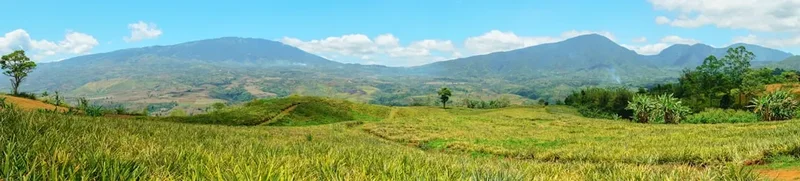
This trek is a true test of endurance and a feast for the senses, beginning at the windswept summit of Osmeña Peak, Cebu's highest point. From this vantage point, on a clear day, one can witness a panoramic vista of rolling hills, jagged limestone formations, and the distant turquoise waters of the Tañon Strait. The initial part of the hike involves navigating the unique "sea of clouds" landscape, characterised by undulating peaks and valleys that often appear shrouded in mist, creating an ethereal atmosphere. This section is relatively exposed and can be windy, offering a stark contrast to the enclosed jungle that awaits.
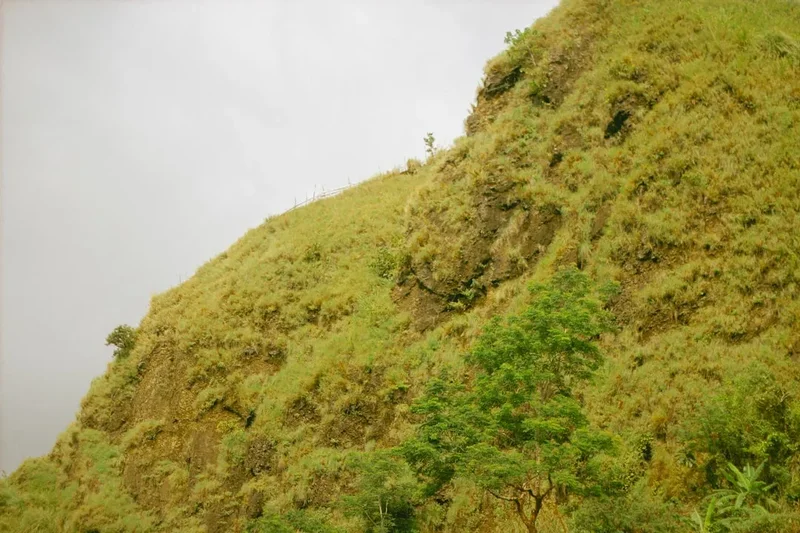
The descent from Osmeña Peak is where the true challenge begins. The trail quickly transitions from open grasslands and rocky outcrops to dense, humid tropical rainforest. This part of the trek involves steep, often slippery descents, river crossings, and navigating through thick vegetation. The path can be indistinct in places, requiring careful attention to navigation and the guidance of local guides, who are invaluable for their knowledge of the terrain and safety. The air becomes thick with the sounds of the jungle – the chirping of insects, the calls of unseen birds, and the rushing of water that grows steadily louder as you approach the Kawasan Falls.
The reward for this arduous journey is the series of spectacular waterfalls that make up Kawasan Falls. These multi-tiered cascades, with their vibrant turquoise waters, offer a refreshing and stunning conclusion to the trek. The final approach to the falls involves navigating through a gorge, with the sound of the water becoming a powerful symphony. The trek is not merely a physical challenge but an immersion into the rich biodiversity and dramatic topography of Cebu's interior, offering a profound connection with nature.
History and Cultural Context
The region surrounding Osmeña Peak and Kawasan Falls has a rich history intertwined with the indigenous peoples of the Philippines and the subsequent colonial periods. For centuries, the highlands of Cebu were inhabited by various indigenous groups who relied on the land for sustenance and shelter. These areas were often considered sacred, with natural landmarks like peaks and waterfalls holding spiritual significance. The trails that now form the basis of this trek were likely ancient pathways used by these communities for hunting, gathering, and inter-village travel.
During the Spanish colonial era, the interior of Cebu, like many parts of the archipelago, saw limited exploration and development compared to coastal settlements. The rugged terrain and dense forests acted as natural barriers, preserving the natural state of these areas. However, the Spanish introduced Christianity, and many natural sites, including waterfalls, were often incorporated into local folklore and religious practices, sometimes being associated with nature spirits or deities.
In more recent times, the natural beauty of Osmeña Peak and Kawasan Falls has attracted local tourists and, increasingly, international visitors. The development of these sites as tourist destinations has brought economic opportunities to the local communities, with many residents acting as guides, porters, and vendors. The trek itself has evolved from a traditional pathway to a recognised adventure activity, requiring a blend of local knowledge and modern safety considerations. The cultural context of the trek is also shaped by the hospitality and traditions of the Visayan people, who are known for their warmth and welcoming nature towards visitors.
Seasonal Highlights and Weather Reality
The Philippines experiences a tropical climate with two primary seasons: the dry season and the wet season. The best time to undertake the Osmeña Peak to Kawasan Falls trek is during the dry season, which typically runs from December to May. During these months, rainfall is significantly reduced, making the trails less slippery and the river crossings more manageable. The skies are often clearer, offering the best chances for the spectacular panoramic views from Osmeña Peak.
Dry Season (December to May):
- December to February: These are generally the coolest months, with lower humidity and pleasant temperatures. The skies are often clear, providing excellent visibility from Osmeña Peak. This is an ideal period for the trek, though it can also be the busiest due to holiday travel.
- March to May: Temperatures begin to rise, and humidity increases as the dry season progresses. While still part of the dry season, there might be occasional brief showers. The landscape can appear drier, but the waterfalls at Kawasan remain impressive due to their consistent water source.
Wet Season (June to November):
- This period is characterised by frequent and heavy rainfall, often accompanied by typhoons. The trails become extremely muddy, slippery, and potentially dangerous. River levels can rise rapidly, making crossings hazardous or impossible. Visibility from Osmeña Peak is often severely limited by fog and clouds. While the waterfalls are at their most powerful during this time, the risks associated with the trek increase substantially. It is generally not recommended to attempt this trek during the peak of the wet season unless you are an experienced adventurer with local guidance and a thorough understanding of the risks.
Weather Considerations: Even during the dry season, tropical weather can be unpredictable. Sudden, brief downpours can occur, especially in the afternoon. It is crucial to be prepared for all conditions, regardless of the season. The humidity in the rainforest can be intense, so staying hydrated is paramount.
Recommended Itinerary
Osmeña Peak to Kawasan Falls - Day Walk Itinerary
Early Morning (Approx. 4:00 AM - 5:00 AM): Departure from Cebu City
- Travel from Cebu City to Dalaguete town proper. This typically involves a bus journey (approx. 3-4 hours).
- From Dalaguete, hire a habal-habal (motorcycle taxi) to the Osmeña Peak jump-off point. This ride takes approximately 30 minutes and involves a mix of paved and rough roads.
- Register at the jump-off point and pay any necessary entrance fees.
Morning (Approx. 7:00 AM - 10:00 AM): Osmeña Peak Summit and Initial Descent
- Begin the hike from the Osmeña Peak jump-off.
- Ascend to the summit of Osmeña Peak (970 m). The climb is relatively short but can be steep.
- Enjoy the panoramic views of the surrounding "sea of clouds" and the distant coastline. Take photographs and acclimatise to the altitude and environment.
- Begin the descent from Osmeña Peak. This initial section is often on rocky, exposed terrain, transitioning into grasslands.
- Distance covered: Approx. 3-4 km
- Elevation change: Gain of ~100m to summit, then initial descent
- Time: 2-3 hours
Late Morning to Midday (Approx. 10:00 AM - 1:00 PM): Rainforest Trek and River Crossings
- The trail descends steeply into dense tropical rainforest.
- Navigate through challenging terrain: slippery paths, roots, and potentially muddy sections.
- Encounter and cross several rivers. These crossings can vary in difficulty depending on recent rainfall. Local guides are essential for identifying safe crossing points.
- The environment becomes increasingly humid and enclosed, with lush vegetation and the sounds of the jungle.
- Distance covered: Approx. 6-8 km
- Elevation change: Significant descent
- Time: 3-4 hours
Afternoon (Approx. 1:00 PM - 4:00 PM): Approaching Kawasan Falls
- Continue the descent, with the sound of rushing water becoming more prominent.
- The terrain may involve more scrambling and navigating through narrow gorges.
- The final approach to Kawasan Falls involves following the river system, often through a canyon.
- Arrive at the first tiers of Kawasan Falls.
- Distance covered: Approx. 6-8 km
- Elevation change: Continued descent
- Time: 3-4 hours
Late Afternoon (Approx. 4:00 PM onwards): Kawasan Falls and Return Journey
- Spend time exploring the various levels of Kawasan Falls, swimming in the turquoise pools, and enjoying the natural beauty.
- From Kawasan Falls, arrange for transport back to Cebu City. This typically involves hiring a tricycle or jeepney to the nearest main road, then taking a bus or van back to the city.
- Distance covered: Minimal exploration at falls
- Time: 1-2 hours at falls, followed by travel time back to Cebu City (approx. 3-4 hours)
Important Considerations:
- This is a strenuous day hike requiring good physical fitness.
- Hiring a local guide is highly recommended for safety, navigation, and cultural insights.
- Carry ample water and high-energy snacks.
- Wear appropriate footwear for slippery and uneven terrain.
- Be prepared for rapid weather changes.
Planning and Bookings
Book Your Trip
Everything you need to plan your journey
Accommodation
Find places to stay near Cebu City
Flights
Search flights to Cebu City
Essential Preparation
This trek is a significant undertaking that requires careful planning, especially regarding logistics and physical readiness. The journey begins in Cebu City, the provincial capital, which serves as the primary gateway for travellers. From Cebu City, the first step is to reach the municipality of Dalaguete, the closest town to Osmeña Peak. This is typically achieved via a public bus or a private van, a journey that can take between 3 to 4 hours depending on traffic conditions. Upon arrival in Dalaguete, you will need to arrange local transport, most commonly a "habal-habal" (motorcycle taxi), to take you to the Osmeña Peak jump-off point. This final leg of the journey takes about 30 minutes and involves navigating a road that transitions from paved to rougher terrain.
Given the challenging nature of the trek and its duration, it is essential to be in good physical condition. A high level of cardiovascular fitness and leg strength is required to manage the significant elevation gain and loss, as well as the prolonged periods of walking on uneven and slippery surfaces. It is advisable to undertake regular hiking or strenuous exercise in the weeks leading up to the trek. Local guides are not only beneficial for navigation but also for safety, especially during river crossings and in dense jungle sections where the trail can be indistinct. It is recommended to arrange for a guide in Dalaguete or at the Osmeña Peak jump-off point.
Trail Accommodation
This is a day hike requiring no overnight accommodation.
Required Gear
- Sturdy Hiking Boots: Waterproof and with good ankle support are essential. Ensure they are well broken-in to prevent blisters. The terrain is uneven, slippery, and can be muddy.
- Waterproof Jacket: Lightweight and breathable, suitable for tropical downpours.
- Quick-Dry Clothing: Synthetic or merino wool layers are preferable to cotton, which retains moisture. Bring a long-sleeved shirt and trousers for sun and insect protection.
- Backpack: A comfortable daypack (20-30 litres) to carry essentials. Ensure it has a rain cover.
- Head Torch: With spare batteries. Essential for early morning starts or if the trek extends beyond daylight hours.
- First Aid Kit: Comprehensive kit including blister treatment, pain relievers, antiseptic wipes, bandages, and any personal medications.
- Navigation Tools: While a guide is recommended, a GPS device or a reliable offline map app on your phone is advisable. A compass can also be useful.
- Insect Repellent: High DEET concentration is recommended for protection against mosquitoes and other biting insects, especially in the rainforest.
- Sun Protection: High SPF sunscreen, sunglasses, and a wide-brimmed hat.
What to Bring
- Food: High-energy snacks such as trail mix, energy bars, dried fruit, and nuts. Pack enough for the entire day, as there are no food stops along the trail.
- Water: Carry at least 2-3 litres of water per person. Water purification tablets or a filter are also recommended as a backup, though local guides may know safe water sources.
- Toiletries: Biodegradable soap, toothbrush, toothpaste, hand sanitiser, and toilet paper. Pack out all used toilet paper.
- Personal Items: Camera, power bank for electronics, small towel (for waterfall dips), and a dry bag for valuables.
- Cash: Sufficient Philippine Pesos (PHP) for transport, guide fees, entrance fees, and any small purchases. Card facilities are unlikely to be available.
- Trekking Poles: Optional but can be very helpful for stability on descents and ascents, especially on slippery terrain.
Permits
To undertake the Osmeña Peak to Kawasan Falls trek, there are typically registration and entrance fees required at both the Osmeña Peak jump-off point and Kawasan Falls. These fees contribute to the maintenance of the trails, facilities, and the local community. It is advisable to confirm the current fee structure with your guide or at the respective jump-off points.
Osmeña Peak Registration:
- Upon arrival at the Osmeña Peak jump-off point, visitors are usually required to register their names and details.
- A small entrance fee is typically charged per person. This fee helps support the local tourism initiatives and the upkeep of the area.
Kawasan Falls Entrance Fee:
- Similarly, upon reaching Kawasan Falls, there is an entrance fee to access the waterfall complex.
- This fee allows visitors to enjoy the various tiers of the falls and swim in the natural pools.
Guide Fees:
- While not strictly a permit, hiring a local guide is highly recommended and often considered mandatory by local authorities for safety reasons, especially for the full trek to Kawasan Falls.
- Guide fees are separate from entrance fees and should be negotiated and agreed upon before commencing the trek. Rates can vary depending on the guide and the complexity of the trek.
Booking: For a day trek like this, advance booking of permits is generally not required, especially if you are travelling during the dry season. However, it is always wise to check with local tourism offices or your accommodation provider in Cebu City for any updated regulations or recommendations, particularly if you are planning to visit during peak tourist periods or if there are specific local events.
Important Note: Always carry sufficient cash (Philippine Pesos) as card payment facilities are rarely available in these remote areas.
Other Activities in the Area
While the Osmeña Peak to Kawasan Falls trek is a significant adventure, the surrounding region offers a wealth of other activities for those looking to extend their stay or explore further:
- Canyoneering at Kawasan Falls: For the truly adventurous, Kawasan Falls is a world-renowned destination for canyoneering. This involves a guided tour where you jump, slide, and swim through a series of natural water slides and pools within the canyon. This is a separate activity from the trek and requires specialised gear and guides.
- Swimming and Relaxation at Kawasan Falls: Even if you don't undertake the full trek, visiting Kawasan Falls for a day of swimming and relaxation is a popular option. The turquoise waters and multiple tiers of waterfalls provide a stunning natural playground.
- Exploring Dalaguete Town: The municipality of Dalaguete itself offers a glimpse into local life. You can visit the local market, sample regional delicacies, and experience the laid-back atmosphere of a Philippine provincial town.
- Beaches near Dalaguete: The coastal areas near Dalaguete offer beautiful beaches and opportunities for swimming and snorkelling. While not as famous as those in other parts of the Philippines, they provide a tranquil escape.
- Osmeña Peak Viewpoint (Day Trip): If the full trek is too demanding, a shorter trip to Osmeña Peak solely for the sunrise or sunset views is a popular option. This involves a much shorter hike from the jump-off point.
- Local Cuisine: Sample authentic Filipino dishes in local eateries (carinderias) in Dalaguete or Cebu City. Must-try dishes include Lechon (roast pig), Kinilaw (Filipino ceviche), and various seafood preparations.
Safety and Conditions
Pre-Trek Checks:
- Weather Forecast: Always check the local weather forecast before embarking on the trek. Tropical storms and heavy rainfall can occur unexpectedly, especially during the wet season, making the trails dangerous.
- Trail Conditions: Inquire about current trail conditions from local guides or tourism officials. Heavy rain can lead to flash floods, especially in the river sections and canyons leading to Kawasan Falls.
- Guide Requirement: It is strongly advised to hire a local guide. They possess invaluable knowledge of the terrain, safe river crossing points, and potential hazards. Attempting the full trek without a guide can be risky due to the challenging and sometimes indistinct nature of the trail.
On-Trail Hazards:
- Slippery Terrain: The trails, particularly in the rainforest section and around the waterfalls, can be extremely slippery due to mud, moss, and water. Proper footwear with good grip is crucial.
- River Crossings: River levels can rise rapidly after rainfall. Always follow your guide's instructions for crossing rivers. Never attempt to cross a swollen or fast-flowing river.
- Heat and Humidity: The tropical climate can lead to dehydration and heat exhaustion. Drink water frequently, even if you don't feel thirsty. Wear light, breathable clothing.
- Insects: Mosquitoes and other biting insects are prevalent, especially in the rainforest. Use insect repellent liberally and wear long sleeves and trousers.
- Navigation: While guides are essential, it's wise to have your own navigation backup (GPS or offline map) in case of emergencies.
- Flash Floods: The canyons leading to Kawasan Falls are susceptible to flash floods. Be aware of weather changes and listen to your guide's advice. If there is any sign of heavy rain upstream, evacuate the canyon immediately.
Health and First Aid:
- Carry a well-stocked first aid kit.
- Ensure you are up-to-date with vaccinations recommended for travel in the Philippines.
- Consider travel insurance that covers adventure activities and medical evacuation.
Emergency Contacts: Have the contact numbers for local emergency services, your guide, and your accommodation readily available.
Side Trips and Points of Interest
Osmeña Peak Summit Views: The primary point of interest at the start of the trek. On a clear morning, the summit offers breathtaking 360-degree views of Cebu's interior, including the unique "sea of clouds" phenomenon where mist fills the valleys below, creating an illusion of walking on clouds. The jagged, undulating peaks surrounding Osmeña Peak are a distinctive geological feature.
The "Sea of Clouds" Landscape: Beyond the summit itself, the entire area around Osmeña Peak is characterised by rolling hills and dramatic limestone formations that often appear to be floating in a sea of mist. This surreal landscape is a photographer's dream and a unique visual experience.
Rainforest Immersion: The transition from the open, windswept peak to the dense, humid rainforest is a significant point of interest. The change in flora, fauna, and atmosphere is dramatic. The sounds of the jungle, the vibrant green canopy, and the sheer abundance of plant life create an immersive natural experience.
River Crossings: While a functional necessity, the various river crossings along the trail are points of interest in themselves. They offer opportunities to observe the local ecosystem and appreciate the power of the water. The challenge and success of navigating these crossings add to the adventure.
Kawasan Falls Multi-Tiered System: Kawasan Falls is not a single waterfall but a series of spectacular cascades. The main falls are the most famous, but exploring the different tiers, each with its own unique beauty and turquoise pools, is a key part of the experience. The vibrant blue colour of the water is a striking contrast to the surrounding green jungle.
The Canyons of Kawasan: The final approach to the main Kawasan Falls involves navigating through a stunning natural canyon. The sheer rock walls, the sound of the water echoing, and the dramatic play of light and shadow create a memorable and awe-inspiring environment.
Leave No Trace
The Osmeña Peak to Kawasan Falls trek traverses a beautiful but fragile natural environment. Practising Leave No Trace principles is crucial to preserving its beauty and ecological integrity for future generations and for the local communities who depend on it.
Plan Ahead and Prepare:
- Research the trail and local conditions. Hire a local guide who understands responsible tourism practices.
- Pack appropriately to minimise waste and ensure you have what you need without relying on purchasing items along the trail.
Travel and Camp on Durable Surfaces:
- Stay on marked trails to avoid damaging vegetation and causing erosion. The rainforest floor is particularly sensitive.
- When resting, choose established spots rather than creating new ones.
Dispose of Waste Properly:
- Pack out everything you pack in. This includes all food scraps, wrappers, and any other litter.
- Use designated toilet facilities where available. If not, dig a cathole at least 60 metres (60 m) away from water sources, trails, and campsites. Pack out used toilet paper.
Leave What You Find:
- Do not take any natural objects (rocks, plants, shells) or cultural artefacts.
- Avoid carving or marking trees or rocks.
Minimise Campfire Impacts:
- Campfires are generally not feasible or appropriate for this day trek. If you are camping in the vicinity (though not on the main trek route), use a portable stove for cooking.
Respect Wildlife:
- Observe wildlife from a distance. Do not feed any animals, as this can disrupt their natural behaviours and diets.
- Keep noise levels down to avoid disturbing the local fauna.
Be Considerate of Other Visitors:
- Yield to other hikers, especially on narrow trails.
- Keep noise to a minimum to allow everyone to enjoy the natural environment.
By adhering to these principles, you help ensure that the natural wonders of Osmeña Peak and Kawasan Falls remain pristine and enjoyable for all.