
Ordesa Valley Trail - A Pyrenean Gem
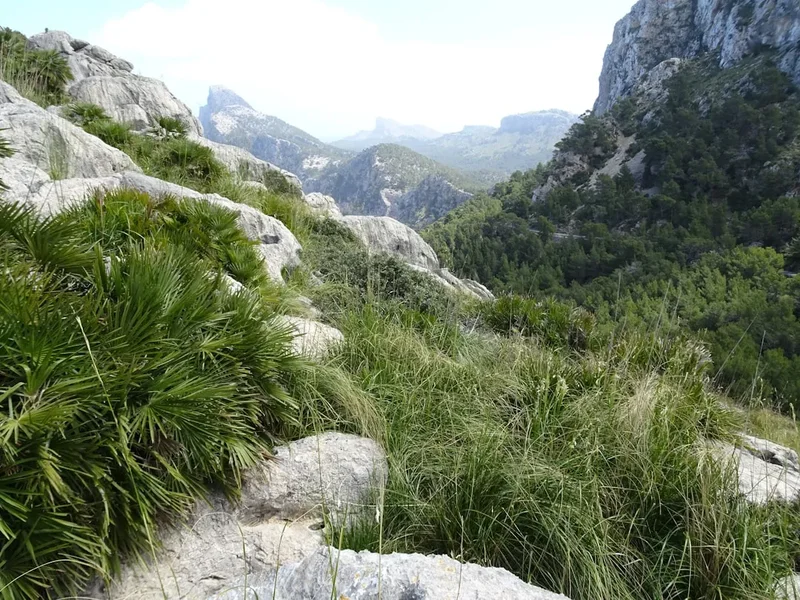
The Ordesa Valley Trail, nestled within the Ordesa y Monte Perdido National Park in the Spanish Pyrenees, is a spectacular day walk renowned for its dramatic glacial landscapes, towering limestone cliffs, and abundant waterfalls. This iconic route offers a profound immersion into a pristine natural environment, showcasing the raw beauty carved by ancient ice flows. The valley floor is a verdant expanse, while sheer rock faces rise thousands of metres, creating a breathtaking amphitheatre of natural grandeur. It's a journey that combines accessible hiking with awe-inspiring vistas, making it a must-do for nature enthusiasts and hikers visiting Aragon.
- Distance: 17.7 km (return)
- Duration: 6–8 hours
- Season: May to October
- Closest City: Torla
- Trailhead Access: Ordesa National Park bus from Torla (limited access in summer)
- Elevation Gain: 775 m
- Difficulty: Moderate
- Coordinates: 42.6652, -0.0255
Overview
The Ordesa Valley Trail is a classic Pyrenean hike that takes you deep into one of Spain's most stunning natural parks. The trail begins from the Pradera de Ordesa, a large meadow that serves as the primary access point for the valley. From here, the path initially follows the Arazas River, a crystal-clear waterway that cascades over numerous small waterfalls and pools as it descends through the valley. The early stages are relatively gentle, allowing walkers to acclimatise to the altitude and soak in the initial grandeur of the valley walls.
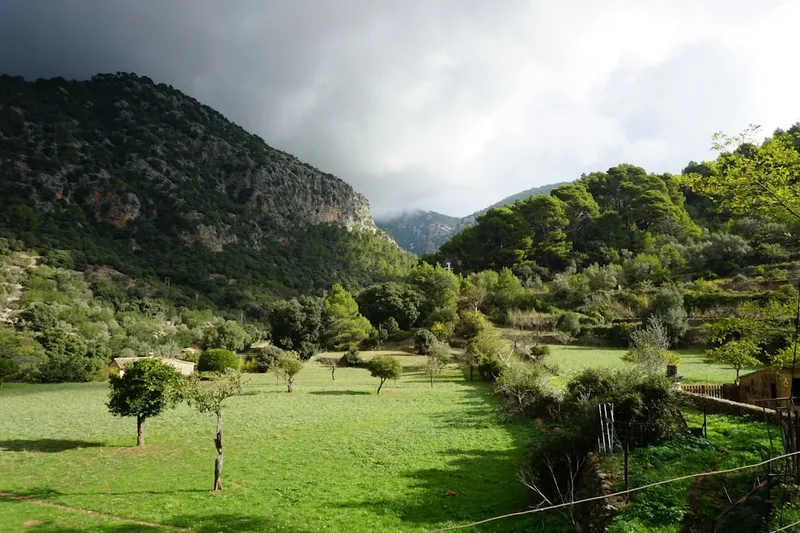
As you progress, the scale of the Ordesa Valley becomes increasingly apparent. The U-shaped valley, a classic glacial formation, is flanked by immense limestone cliffs that soar upwards, their faces etched with the history of millennia. These cliffs are home to a diverse array of flora and fauna, and the air is filled with the sound of rushing water. The trail is well-maintained, though it can be rocky and uneven in places, requiring sturdy footwear.
The highlight of the walk is undoubtedly the Cola de Caballo (Horsetail Falls), a magnificent waterfall that plunges over a sheer rock face, resembling a horse's tail. The trail continues beyond the falls to the Faja de Pelay, a high-level path that offers unparalleled panoramic views back down the valley. This section involves a steeper ascent and can be exposed, but the reward is a truly breathtaking perspective. The return journey often follows a different path, offering new vistas and a varied hiking experience.
The Ordesa y Monte Perdido National Park is a UNESCO World Heritage site, recognised for its exceptional natural beauty and geological significance. The park is a haven for biodiversity, with species such as the Pyrenean chamois, marmots, and various birds of prey inhabiting its rugged terrain. The Ordesa Valley Trail provides an accessible yet profound encounter with this remarkable ecosystem, making it a truly unforgettable hiking experience.
History and Cultural Context
The Ordesa Valley has a long history of human interaction, though its remote and rugged nature has largely preserved its wild character. For centuries, local communities in the surrounding valleys, such as Torla, have used the higher pastures for grazing livestock during the summer months. These traditional practices have shaped the landscape in subtle ways, with evidence of ancient shepherd's huts and pathways still visible in some areas.
The geological history of the valley is its most defining feature. Over thousands of years, massive glaciers carved out the distinctive U-shaped profile of the Ordesa Valley. The retreat of these glaciers left behind a landscape of dramatic cliffs, moraines, and the Arazas River, which continues to shape the valley floor. The sheer scale of the limestone formations, such as the iconic "Faja de Pelay" and the towering walls surrounding the "Cola de Caballo," are testaments to the immense power of glacial erosion.
The establishment of the Ordesa y Monte Perdido National Park in 1918 marked a significant turning point, recognising the unique ecological and geological value of the region. It was later expanded and designated a UNESCO World Heritage site in 1997, further solidifying its international importance. This designation has helped to protect the valley from excessive development and ensure its preservation for future generations, while still allowing for responsible tourism and hiking.
The nearby village of Torla, the primary gateway to the Ordesa Valley, retains much of its traditional Pyrenean charm. Its stone houses, narrow streets, and historic church offer a glimpse into the region's past. The cultural heritage of the area is deeply intertwined with the natural environment, with local traditions and folklore often reflecting the awe and respect inspired by the formidable mountain landscapes.
Seasonal Highlights and Weather Reality
The Ordesa Valley Trail is best experienced during the warmer months, typically from May to October. During this period, the weather is generally more stable, and the trails are clear of snow, making for safer and more enjoyable hiking.
Spring (May to June): This is a particularly beautiful time to visit. The valley floor bursts into bloom with wildflowers, and the waterfalls are at their most powerful due to snowmelt from the higher peaks. The air is fresh, and the temperatures are pleasant for hiking. However, higher sections of the trail may still have lingering snow, and occasional late snowfalls are possible. The Arazas River will be at its most vigorous.
Summer (July to August): This is the peak tourist season. The weather is usually warm and sunny, ideal for enjoying the valley's grandeur. However, it can also be crowded, especially on weekends and holidays. The waterfalls may be less powerful than in spring due to reduced snowmelt, but the overall experience remains spectacular. Sandflies can be present, though generally less of an issue than in some other mountainous regions.
Autumn (September to October): Autumn offers a quieter and equally stunning experience. The crowds thin out, and the landscape transforms with vibrant autumnal colours. The weather can be crisp and clear, offering excellent visibility. However, temperatures begin to drop, and the possibility of early snow increases, especially towards the end of October. The waterfalls are still impressive, though perhaps less voluminous than in spring.
Winter (November to April): The Ordesa Valley is largely inaccessible and dangerous for hiking during winter due to heavy snowfall and avalanche risk. The park is often closed or has restricted access. While it offers a starkly beautiful, snow-covered landscape, it is strictly for experienced winter mountaineers with appropriate gear and knowledge. The main trail is typically impassable.
Weather Considerations: Mountain weather is notoriously unpredictable. Even during the summer months, sudden thunderstorms can occur, bringing heavy rain, strong winds, and a significant drop in temperature. It is crucial to check the weather forecast before setting out and to be prepared for all conditions.
Recommended Itinerary
Ordesa Valley Trail - Day Walk Itinerary
Early Morning: Arrival and Trailhead Access
- Travel to Torla, the gateway village to Ordesa National Park.
- Park your vehicle in Torla and take the dedicated park bus to the Pradera de Ordesa (Ordesa Meadow). This bus service operates frequently during peak season and is essential as private vehicle access to the valley is restricted.
- Allow ample time for parking and bus transfer, especially during busy periods.
Morning: Ascent along the Arazas River
- Begin your hike from the Pradera de Ordesa.
- Follow the well-marked path that initially runs alongside the Arazas River.
- The trail is relatively flat and wide in this section, passing through pleasant woodland.
- You will encounter numerous small cascades and pools, offering opportunities for rest and photography.
- Key Waypoints: Information points, picnic areas, first viewpoints of the valley walls.
Midday: Reaching the Cola de Caballo (Horsetail Falls)
- Continue ascending along the river. The path becomes more rugged and rocky in places.
- The valley walls rise dramatically on either side, creating a sense of awe.
- Reach the impressive Cola de Caballo (Horsetail Falls), the main objective for many hikers. This spectacular waterfall plunges over a high cliff face.
- Take time to admire the falls and the surrounding amphitheatre of rock.
- Key Waypoints: Puente de los Navarros (bridge), Cola de Caballo viewpoint.
Afternoon: Faja de Pelay and Return Options
- From Cola de Caballo, you have a choice for the return journey.
- Option 1 (Full Loop - Recommended for experienced hikers): Ascend to the Faja de Pelay, a high-level path that traverses the valley wall. This section offers breathtaking panoramic views back down the Ordesa Valley. The ascent is steep and can be exposed.
- Option 2 (Return via same route): Retrace your steps back down the valley along the Arazas River. This is a less strenuous option and still offers beautiful scenery.
- If taking the Faja de Pelay, you will eventually descend back towards the valley floor, often via the Circo de Soaso.
- Key Waypoints (Faja de Pelay): Circo de Soaso, various viewpoints along the Faja.
Late Afternoon: Descent and Departure
- Complete your descent back to the Pradera de Ordesa.
- Catch the park bus back to Torla.
- Allow sufficient time for the bus journey and to avoid missing the last bus.
Important Notes:
- This is a demanding day hike; ensure you have adequate fitness.
- Carry plenty of water and food, as facilities are limited within the valley.
- Wear sturdy hiking boots with good ankle support.
- Be prepared for changing weather conditions.
- Check the park's official website for current conditions, bus schedules, and any access restrictions.
Planning and Bookings
Book Your Trip
Everything you need to plan your journey
Accommodation
Find places to stay near Torla
Flights
Search flights to Torla
Essential Preparation
The Ordesa Valley Trail is a popular destination, and planning is key to a successful visit. The closest major city with an airport is Zaragoza, approximately a 2.5-hour drive away. Alternatively, Lourdes in France is also a viable option, about a 2-hour drive. The primary gateway village to the Ordesa Valley is Torla, a charming mountain town that serves as the base for most visitors. Torla offers a range of accommodation options, from small hotels and guesthouses to apartments. It also has essential services like restaurants, shops, and an information centre.
Access to the Ordesa Valley itself is strictly controlled, especially during the peak summer months (July and August). Private vehicle access to the Pradera de Ordesa (the trailhead) is prohibited. Instead, visitors must use a dedicated shuttle bus service that runs from Torla. It is highly recommended to purchase bus tickets in advance, particularly during peak season, as they can sell out. Outside of July and August, private vehicle access may be permitted on certain days or at specific times, but it is crucial to check the official park regulations for the year of your visit.
Given the popularity, booking accommodation in Torla well in advance is advisable, especially if travelling during summer or public holidays. Ensure you have a reliable map of the trail and understand the route options, particularly if considering the full loop via the Faja de Pelay.
Trail Accommodation
This is a day hike requiring no overnight accommodation.
Required Gear
- Sturdy hiking boots: Waterproof and with good ankle support are essential due to the rocky and uneven terrain.
- Backpack: A comfortable daypack (20-30 litres) to carry essentials.
- Waterproof jacket: Essential for protection against rain and wind, as mountain weather can change rapidly.
- Warm layers: A fleece or insulating jacket is recommended, even in summer, as temperatures can drop significantly at higher altitudes or with changing weather.
- Sun protection: Sunscreen (SPF 30+), sunglasses, and a wide-brimmed hat are crucial, as the sun can be intense at altitude, especially on exposed sections.
- Navigation: A detailed map of the Ordesa Valley and surrounding areas, and a compass or GPS device. While the main trail is well-marked, it's wise to be prepared.
- First-aid kit: Including blister treatment, pain relievers, antiseptic wipes, and any personal medications.
- Head torch: Useful in case of unexpected delays or if starting very early/finishing late.
What to Bring
- Water: Carry at least 2-3 litres of water per person. Refill points are scarce within the valley itself.
- Food: Plenty of high-energy snacks and a packed lunch. There are no facilities for purchasing food within the valley.
- Water treatment: While the Arazas River is generally clear, it's always advisable to carry a water filter or purification tablets as a backup.
- Toiletries: Hand sanitiser, tissues. Pack out all rubbish.
- Camera: To capture the stunning scenery.
- Walking poles: Highly recommended, especially for the descent and for stability on rocky sections.
- Insect repellent: May be useful, particularly during warmer months.
Permits
Access to the Ordesa y Monte Perdido National Park and the Ordesa Valley Trail is generally free of charge for day visitors. However, access to the valley floor via the Pradera de Ordesa is regulated, particularly during the peak season (July and August).
Shuttle Bus Access:
- During July and August, private vehicle access to the Pradera de Ordesa is prohibited. Visitors must park in Torla and take a dedicated shuttle bus service.
- Bus tickets can be purchased at the bus station in Torla. It is highly recommended to buy these in advance, especially for weekend travel or during peak periods, as they can sell out.
- The bus service operates frequently throughout the day, connecting Torla with the Pradera de Ordesa.
- Outside of July and August, check the official park website for current access regulations, as private vehicle access may be permitted on certain days or at specific times.
Park Entrance Fees:
- There is no general entrance fee for the Ordesa y Monte Perdido National Park itself for day hikers.
- However, there may be a small fee for parking in Torla.
Booking Recommendations:
- Bus Tickets: Book your shuttle bus tickets from Torla to Pradera de Ordesa in advance, especially if visiting in July or August. This can often be done online via the park's official concessionaire or at the Torla bus station.
- Accommodation: Book accommodation in Torla well in advance, particularly during peak season, as options are limited and fill up quickly.
It is always advisable to consult the official website of the Ordesa y Monte Perdido National Park or the local tourism office in Torla for the most up-to-date information on access regulations, bus schedules, and any potential changes to park entry policies.
Other Activities in the Area
Beyond the iconic Ordesa Valley Trail, the surrounding region offers a wealth of activities for nature lovers and adventurers:
- Pineta Valley: Another stunning glacial valley within the same national park, offering different hiking routes, including ascents to high mountain lakes and viewpoints.
- Añisclo Canyon: A dramatic and narrow canyon with a well-maintained path that winds along the Bellós River. It offers a different, more enclosed, and rugged landscape compared to Ordesa.
- Mount Perdido Ascent: For experienced mountaineers, the ascent of Mount Perdido (3,355 m), the highest peak in the park, is a challenging but rewarding undertaking, often requiring glacier travel and climbing skills.
- Via Ferrata routes: Several via ferrata (protected climbing routes) are available in the vicinity, offering thrilling ways to explore the cliffs and gain elevation with the aid of cables, ladders, and bridges.
- Birdwatching: The park is a haven for various bird species, including raptors like griffon vultures, golden eagles, and bearded vultures.
- Stargazing: The remote location and minimal light pollution make the Ordesa y Monte Perdido National Park an excellent spot for stargazing.
- Exploring Torla: Wander through the charming streets of Torla, visit its historic church, and enjoy the local Aragonese cuisine in its traditional restaurants.
- Photography: The dramatic landscapes, diverse flora, and abundant wildlife provide endless opportunities for photographers.
Safety and Conditions
Pre-Departure Checks:
- Weather Forecast: Always check the mountain weather forecast for the Ordesa y Monte Perdido National Park before your hike. Websites like MeteoPirineos or AEMET (Spanish Meteorological Agency) provide detailed forecasts. Be prepared for rapid changes, especially in the afternoon.
- Park Website: Visit the official Ordesa y Monte Perdido National Park website for any alerts, trail closures, or specific access information.
- Trail Conditions: While the main Ordesa Valley Trail is generally well-maintained, sections can be rocky, uneven, and steep. Ensure your footwear is appropriate.
Trail Hazards:
- Altitude: The trail reaches significant altitudes, so be aware of the effects of altitude sickness. Ascend gradually and stay hydrated.
- Terrain: The path can be slippery when wet, especially after rain or near waterfalls. Exposed sections, particularly on the Faja de Pelay, require careful footing.
- Water Crossings: While the Arazas River is usually manageable via bridges or stepping stones, its volume can increase significantly after heavy rain, making crossings dangerous.
- Sun Exposure: The sun can be intense at altitude, even on cloudy days. Use adequate sun protection.
- Wildlife: While generally not dangerous, be aware of local wildlife. Maintain a safe distance and do not feed animals.
Emergency Preparedness:
- Mobile Signal: Mobile phone reception can be intermittent or non-existent in many parts of the valley.
- Emergency Numbers: In case of emergency, dial 112 (the European emergency number).
- Inform Someone: Let someone know your hiking plans, including your intended route and expected return time.
- First Aid: Carry a comprehensive first-aid kit and know how to use it.
Specific to Ordesa:
- Shuttle Bus: Ensure you are aware of the last shuttle bus departure time from Pradera de Ordesa back to Torla to avoid being stranded.
- Crowds: During peak season, trails can be busy. Be patient and courteous to other hikers.
Side Trips and Points of Interest
Cola de Caballo (Horsetail Falls): This is the primary destination for most visitors to the Ordesa Valley. The waterfall is a magnificent sight, cascading over a sheer cliff face. The spray from the falls can create a refreshing mist, and the surrounding amphitheatre of rock is awe-inspiring. It's a perfect spot for a rest and to take in the immense scale of the valley.
Faja de Pelay: For those seeking a more challenging and rewarding experience, the Faja de Pelay offers an unforgettable high-level traverse. This path winds along the upper reaches of the valley's northern wall, providing spectacular panoramic views down the entire Ordesa Valley. The scale of the landscape from this vantage point is breathtaking, offering a different perspective than the valley floor. It requires good fitness and a head for heights.
Circo de Soaso: Located at the head of the Ordesa Valley, the Circo de Soaso is a vast, natural amphitheatre carved by glaciers. It's a beautiful, open area with numerous small streams and meadows, leading up to the base of the impressive Cola de Caballo. It serves as a transition point between the valley floor and the higher Faja de Pelay route.
Arazas River Cascades: Throughout the lower and middle sections of the valley, the Arazas River tumbles over countless small waterfalls and forms crystal-clear pools. These are picturesque spots perfect for short breaks, photography, and enjoying the serene beauty of the valley's water features.
Flora and Fauna: Keep an eye out for the diverse plant life, including various wildflowers in spring and summer, and the hardy trees that cling to the valley slopes. You may also spot Pyrenean chamois grazing on the higher slopes, marmots basking in the sun, or various bird species soaring overhead.
Leave No Trace
The Ordesa y Monte Perdido National Park is a precious natural environment, and it is crucial for all visitors to practice Leave No Trace principles to help preserve its beauty and ecological integrity for future generations.
Your responsibility as a hiker:
- Plan Ahead and Prepare: Familiarise yourself with park regulations, check weather forecasts, and pack appropriately. Know your route and be prepared for the conditions.
- Travel and Camp on Durable Surfaces: Stick to marked trails at all times. Avoid walking on fragile vegetation, especially alpine meadows, which can take years to recover. The main Ordesa Valley Trail is well-defined, so stay on it.
- Dispose of Waste Properly: Pack out everything you pack in. This includes all food scraps, wrappers, and any other litter. There are no bins within the valley; you must carry your rubbish back to Torla. Use designated toilet facilities where available, or dig catholes at least 70 metres away from water sources, trails, and campsites if necessary (though this is a day hike, so facilities should be available at the start/end).
- Leave What You Find: Do not take any natural objects, such as rocks, plants, or flowers. Leave the environment as you found it.
- Minimise Campfire Impacts: Campfires are generally prohibited in national parks. As this is a day hike, this principle is less relevant, but always be aware of fire restrictions.
- Respect Wildlife: Observe wildlife from a distance. Never feed animals, as this can disrupt their natural behaviours and diets, and can be harmful to their health.
- Be Considerate of Other Visitors: Keep noise levels down, yield to other hikers on narrow trails, and maintain a respectful attitude towards fellow visitors and the natural environment.
By adhering to these principles, you contribute to the ongoing protection of this magnificent natural heritage site.
 Spain
Spain