
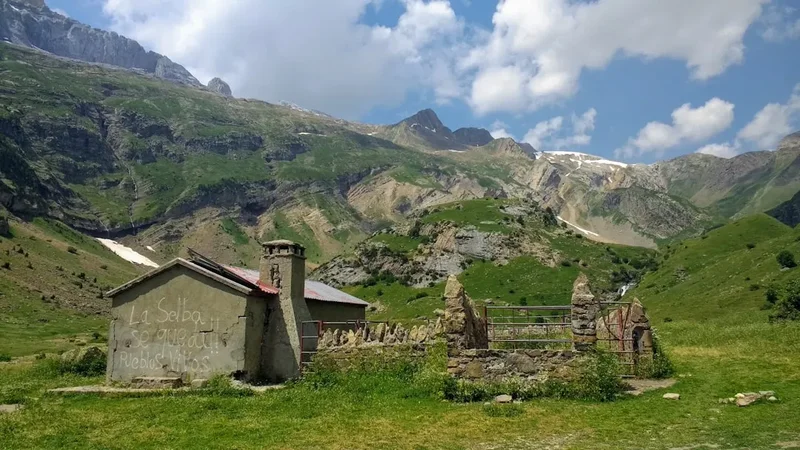
Valle de Ordesa to Goriz Refuge
The Valle de Ordesa to Goriz Refuge hike is a spectacular day walk nestled within the heart of Ordesa y Monte Perdido National Park in the Spanish Pyrenees. This route offers a profound immersion into a glacial valley of immense scale, carved over millennia by ice and water, culminating in a dramatic ascent to a mountain refuge perched high amidst rugged peaks. It's a journey that showcases the raw power of nature, from the lush, verdant floor of the Ordesa Valley, adorned with cascading waterfalls and ancient beech forests, to the stark, alpine beauty surrounding Goriz Refuge, a gateway to the high mountains and the Monte Perdido massif.
This walk is renowned for its breathtaking scenery, diverse flora and fauna, and the sheer grandeur of its geological formations. The Ordesa Valley itself is a UNESCO World Heritage site, celebrated for its exceptional natural beauty and ecological significance. The trail provides a challenging yet immensely rewarding experience for hikers seeking to explore one of Spain's most iconic natural landscapes. It is a route that demands respect for its alpine environment, offering a true sense of wilderness and adventure.
- Category: Day Walk
- Distance: 14.0 km (one-way to Goriz Refuge)
- Elevation Gain: 850 m
- Duration: 6–8 hours (return trip, allowing time at refuge)
- Difficulty: Moderate to Challenging (due to elevation gain and sustained climb)
- Best Time: June to September (for optimal weather and accessibility)
- Closest City: Torla
- Trailhead Access: Ordesa Meadow (Pradera de Ordesa)
Overview
The hike from the Ordesa Meadow (Pradera de Ordesa) to Goriz Refuge is a classic Pyrenean trek, celebrated for its dramatic contrasts and stunning vistas. The journey begins at the valley floor, a relatively gentle introduction to the immense scale of the Ordesa Valley. Here, the Arazas River meanders through a landscape of towering limestone cliffs, ancient beech forests, and a series of magnificent waterfalls, including the iconic Cola de Caballo (Horsetail Falls). The initial section of the trail is well-maintained and accessible, allowing walkers to soak in the serene beauty of the valley's lower reaches.
As the trail progresses, the gradient steepens considerably. The path begins its sustained ascent towards the Goriz Refuge, a journey that takes hikers out of the dense forest and into more open, rocky terrain. This section is characterised by switchbacks that carve their way up the mountainside, offering increasingly expansive views back down the valley and across to the surrounding peaks. The air becomes thinner, the vegetation sparser, and the sense of being in a true alpine environment intensifies.
Upon reaching Goriz Refuge (2,160 m), walkers are rewarded with a breathtaking panorama. Situated in a natural amphitheatre of high mountains, the refuge offers a commanding position overlooking the valley and the imposing massif of Monte Perdido. This is a place where the raw power of the Pyrenees is palpable, with jagged peaks, scree slopes, and the distant glint of snowfields. The refuge itself is a vital hub for mountaineers and hikers, serving as a base for more ambitious ascents into the high Pyrenees, including the summit of Monte Perdido.
The return journey retraces the same path, offering a different perspective on the valley's features as the light changes and the descent allows for a more relaxed appreciation of the scenery. The entire experience is a testament to the enduring beauty and ruggedness of the Pyrenean landscape, making it a must-do for any serious hiker visiting the region.
History and Cultural Context
The Ordesa Valley has a long history of human interaction, primarily shaped by pastoralism and the natural resources it offered. For centuries, local communities from villages like Torla used the valley for grazing livestock during the summer months. The rugged terrain and the need for shelter led to the construction of simple stone structures, some of which have evolved into or influenced the location of modern refuges like Goriz.
The formal recognition of Ordesa y Monte Perdido as a National Park in 1918 marked a significant shift, aiming to protect its unique natural heritage from over-exploitation. This designation was crucial in preserving the valley's pristine state and its rich biodiversity. The park was later expanded and, in 1997, along with the French side of the Pyrenees, it was inscribed as a UNESCO World Heritage site, acknowledging its outstanding universal value as a natural landscape.
The Goriz Refuge itself has a history tied to the development of mountaineering and hiking in the Pyrenees. Established to provide a base for climbers and trekkers venturing into the high peaks, it has been a focal point for exploration and adventure for decades. Its strategic location at the foot of Monte Perdido, the highest limestone peak in Europe, has made it a crucial waypoint for those seeking to conquer its summit or explore the surrounding glacial cirques and high-altitude lakes.
The cultural context of the region is deeply rooted in the traditions of the Aragonese Pyrenees. The villages surrounding the park, such as Torla, retain a strong sense of identity, with architecture and customs reflecting centuries of life in this mountainous environment. The park's existence is a testament to a growing awareness of the importance of conservation, balancing human access with the imperative to protect a fragile and invaluable natural legacy.
Seasonal Highlights and Weather Reality
The Valle de Ordesa to Goriz Refuge hike is best undertaken during the warmer months, typically from June to September. During this period, the weather is generally more stable, and the trails are free from snow and ice, making the ascent to Goriz Refuge feasible and enjoyable.
Spring (April-May): While the lower parts of the valley may be accessible, higher elevations, including the route to Goriz, can still be snow-covered. Waterfalls are often at their most spectacular due to snowmelt, but conditions can be unpredictable, and ice can persist on shaded sections of the trail. Access to the Pradera de Ordesa might be restricted by snow or road conditions.
Summer (June-August): This is the peak season. The weather is usually warm and sunny, ideal for hiking. The valley is lush and green, and the waterfalls are impressive, though perhaps less voluminous than in late spring. However, summer also brings the highest number of visitors, so expect crowded trails, especially on weekends and holidays. Afternoon thunderstorms are common in the Pyrenees, so starting early is crucial. Temperatures at Goriz Refuge can still be cool, especially at night.
Autumn (September-October): Autumn offers a beautiful spectacle of changing colours in the beech forests, with vibrant reds, oranges, and yellows. The crowds thin out, and the weather can be crisp and clear, offering excellent visibility. However, temperatures begin to drop, and the risk of early snow increases, particularly towards the end of October. The days become shorter, requiring careful planning of the return journey.
Winter (November-March): The trail to Goriz Refuge is generally impassable and dangerous due to heavy snow, ice, and avalanche risk. The Pradera de Ordesa road may be closed, and the refuge itself is often closed or operates with limited services. This period is strictly for experienced winter mountaineers with appropriate equipment and knowledge.
Weather Considerations: The Pyrenean weather is notoriously changeable. Even in summer, conditions can shift rapidly. Be prepared for sunshine, rain, wind, and significant temperature drops, especially at higher altitudes. Always check the forecast before setting out and be ready to turn back if conditions deteriorate.
Recommended Itinerary
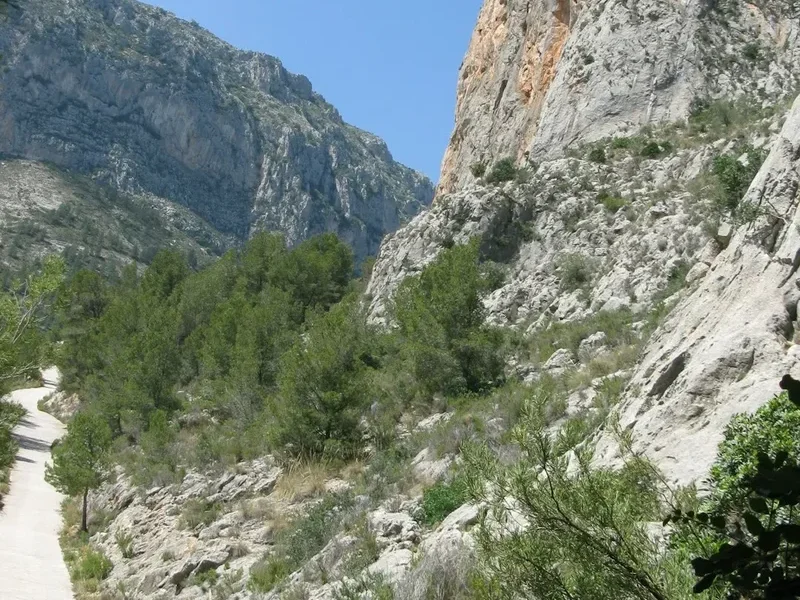
Day Walk: Ordesa Meadow to Goriz Refuge and Return
Early Morning (Approx. 8:00 AM): Arrival at Ordesa Meadow (Pradera de Ordesa)
- Park your vehicle at the designated parking area near the Pradera de Ordesa. During peak season (typically Easter to mid-October), private vehicle access to the meadow is restricted, and a shuttle bus service operates from Torla. Check local regulations and shuttle schedules in advance.
- Begin your hike from the information point at the meadow. The initial section of the trail is relatively flat and well-maintained, following the Arazas River.
- The path winds through a magnificent beech forest, with the sound of the river and the sight of numerous small cascades accompanying you.
Morning (Approx. 9:00 AM - 12:00 PM): Ascent through the Valley Floor to Cola de Caballo
- Continue along the main valley path, enjoying the shade of the ancient trees.
- Key landmarks include the Cascada de la Gruta (Cave Waterfall) and the Cascada del Estrecho (Narrows Waterfall).
- The trail gradually begins to gain elevation, but the gradient remains manageable for the first few kilometres.
- Reach the impressive Cascada de Cola de Caballo (Horsetail Falls), a spectacular waterfall that plunges over a sheer rock face. This is a popular turnaround point for shorter walks, but your journey continues beyond.
- From Cola de Caballo, the trail becomes steeper and more rugged as it begins the sustained climb towards Goriz Refuge.
Midday (Approx. 12:00 PM - 2:00 PM): The Climb to Goriz Refuge
- The path now transitions into a series of switchbacks, ascending the mountainside.
- The forest thins out, giving way to more open, rocky terrain with alpine meadows and scree slopes.
- Enjoy increasingly panoramic views back down the Ordesa Valley.
- The air becomes cooler, and the landscape takes on a more dramatic, alpine character.
- The final approach to Goriz Refuge involves a steep, rocky ascent.
Afternoon (Approx. 2:00 PM - 4:00 PM): Arrival and Exploration at Goriz Refuge
- Arrive at Goriz Refuge (2,160 m). Take time to rest, enjoy the incredible surroundings, and have your packed lunch.
- The refuge offers stunning views of the surrounding peaks, including Monte Perdido.
- Explore the immediate vicinity of the refuge, taking in the vastness of the high Pyrenean landscape.
- Note: This itinerary assumes a day hike. If planning to stay overnight, booking the refuge in advance is essential.
Late Afternoon (Approx. 4:00 PM onwards): Descent and Return to Ordesa Meadow
- Begin your descent, retracing your steps back down the valley.
- The descent offers a different perspective on the waterfalls and the valley's features.
- Be mindful of your footing, especially on the steeper sections.
- Continue through the beech forest back to the Ordesa Meadow.
- If using the shuttle bus, ensure you are aware of the last departure time.
Important Notes:
- This is a demanding day hike with significant elevation gain. Ensure you are physically prepared.
- Carry ample water or a reliable water filter, as water sources can be scarce on the upper sections.
- Start early to avoid afternoon thunderstorms and to allow ample time for the descent.
- The trail can be busy, especially during peak season.
- Always check weather forecasts and trail conditions before your hike.
Planning and Bookings
Book Your Trip
Everything you need to plan your journey
Accommodation
Find places to stay near Torla
Flights
Search flights to Torla
Essential Preparation
The Valle de Ordesa to Goriz Refuge hike is a substantial day walk that requires careful planning. The primary logistical consideration is access to the Ordesa Meadow (Pradera de Ordesa). During the main tourist season (typically from Easter week through to mid-October, and on weekends outside this period), private vehicle access to the meadow is restricted. A shuttle bus service operates from the village of Torla, which is the closest town to the park entrance. It is essential to check the exact dates and operating times of the shuttle bus service in advance, as parking at the meadow is extremely limited and fills up very early.
Torla is a charming mountain village that serves as the gateway to the Ordesa Valley. It offers a range of accommodation options, from campsites and hostels to hotels, as well as restaurants, bars, and small shops for essential supplies. It is advisable to stay in Torla or a nearby town the night before your hike to ensure an early start and to familiarise yourself with the shuttle bus arrangements.
The hike involves a significant elevation gain and a sustained climb, so a good level of physical fitness is required. The trail can be rocky and uneven, particularly on the ascent to Goriz, so sturdy footwear is paramount. The weather in the Pyrenees can change rapidly, so being prepared for a range of conditions, including rain and cooler temperatures at altitude, is crucial.
Trail Accommodation
This is a day hike requiring no overnight accommodation. The Goriz Refuge is available for overnight stays, but booking well in advance is mandatory, especially during the summer months. If you intend to stay overnight at the refuge, you must secure a reservation through the official channels. The refuge offers basic dormitory-style accommodation and meals, but it is a mountain refuge and facilities are rustic.
For day hikers, the Pradera de Ordesa area offers picnic facilities, and the Goriz Refuge has a small bar and restaurant where you can purchase refreshments and meals, though it is always recommended to carry your own packed lunch and sufficient water.
Required Gear
- Sturdy hiking boots: Waterproof and with good ankle support, well broken-in. The terrain is rocky and uneven, especially on the ascent to Goriz.
- Backpack: A comfortable daypack (20-30 litres) to carry essentials.
- Waterproof jacket and trousers: Essential for protection against sudden rain showers and wind.
- Warm layers: A fleece or insulated jacket, as temperatures can drop significantly at higher altitudes, even in summer.
- Hat and gloves: For warmth and sun protection.
- Sunscreen and sunglasses: The sun can be intense at altitude, even on cloudy days.
- Navigation: A map of the area and a compass, or a reliable GPS device/app with downloaded maps. While the main trail is well-marked, it's always wise to have backup navigation.
- First-aid kit: Including blister treatment, pain relievers, antiseptic wipes, and any personal medications.
- Head torch: In case of unexpected delays or if you plan to start very early or finish late.
What to Bring
- Food: A substantial packed lunch, energy bars, and snacks. There are limited food options at Goriz Refuge, and it's best to be self-sufficient.
- Water: At least 2-3 litres of water per person. There are water sources along the lower part of the trail, but it is advisable to treat or filter water from natural sources, especially on the upper sections. A water filter or purification tablets are recommended.
- Toiletries: Hand sanitiser, toilet paper (for use in emergencies if facilities are unavailable).
- Trekking poles: Highly recommended for the steep ascent and descent, as they help reduce strain on knees and provide stability.
- Camera: To capture the stunning scenery.
- Cash: For potential purchases at the refuge or for the shuttle bus if not pre-paid.
- Mobile phone: For emergencies, though signal coverage can be intermittent.
Permits
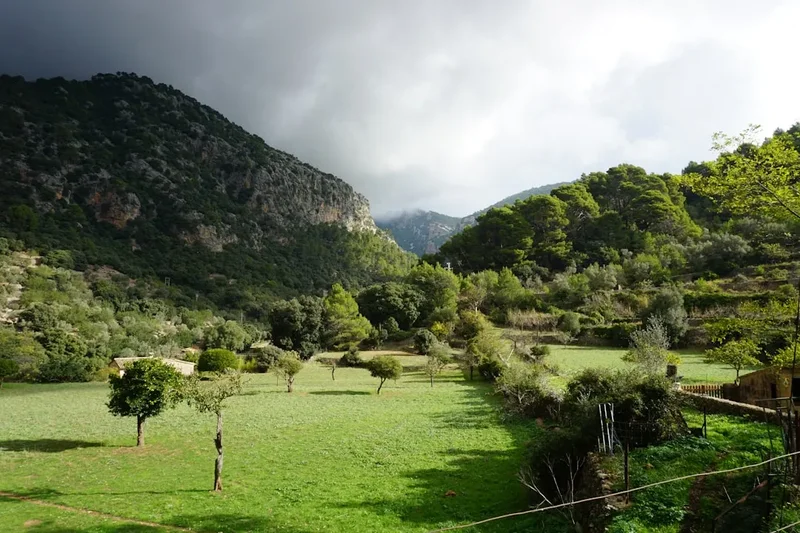
For day hikes into the Ordesa Valley, including the route to Goriz Refuge, no specific permit is required for individuals or small groups. However, access to the Pradera de Ordesa (Ordesa Meadow) is regulated during the peak season. From approximately Easter week until mid-October, and on weekends outside this period, private vehicle access to the meadow is restricted. During these times, a mandatory shuttle bus service operates from the village of Torla. You will need to purchase tickets for this shuttle bus.
Shuttle Bus Information:
- Operating Period: Typically from Easter week to mid-October, and on weekends outside this period. Dates can vary slightly year to year.
- Departure Point: Torla village.
- Frequency: Buses run frequently during operating hours, but it is advisable to arrive early, especially on weekends and holidays, as parking in Torla can also be limited, and the buses can fill up.
- Cost: There is a fee for the shuttle bus service. Prices are subject to change, so it is best to check the official park website or local tourist information for current rates.
- Booking: In most cases, shuttle bus tickets can be purchased on the day at the bus station in Torla. However, during extremely busy periods, advance booking might be advisable or even necessary. Check the official park website for the most up-to-date information on booking procedures.
Goriz Refuge Overnight Stays: If you plan to stay overnight at the Goriz Refuge, a reservation is absolutely essential. Bookings are managed by the Federación Aragonesa de Montañismo (FAM) or through their designated booking platform. These bookings often open months in advance and sell out very quickly, especially for dates during the summer and autumn hiking season. It is crucial to check the FAM website for booking opening dates and procedures.
Group Hikes: For larger organised groups or commercial expeditions, specific permits may be required. It is advisable to contact the Ordesa y Monte Perdido National Park administration directly if you are planning a group hike of significant size.
Other Activities in the Area
The Ordesa y Monte Perdido National Park and its surrounding region offer a wealth of activities for nature enthusiasts and adventurers:
- Exploring other valleys: The park comprises several stunning valleys besides Ordesa, including Añisclo, Pineta, and Escuaín. Each offers unique landscapes, hiking trails, and geological features. The Añisclo Canyon, for instance, is a dramatic gorge with a challenging but rewarding trail.
- Monte Perdido Ascent: For experienced mountaineers, Goriz Refuge serves as the base camp for ascending Monte Perdido (3,355 m), the highest limestone peak in Europe. This is a serious undertaking requiring mountaineering skills, equipment, and good weather conditions.
- High-altitude lakes: The park is dotted with beautiful glacial lakes, such as the Circo de Soaso and the Ibones de Aznar. Reaching these often involves more strenuous hiking but rewards with pristine alpine scenery.
- Wildlife watching: The park is home to a diverse range of wildlife, including chamois, marmots, ibex, and various bird species, including the majestic lammergeier (bearded vulture). Keep an eye out for these creatures during your hikes.
- Canyoning: The region's numerous gorges and rivers make it a popular destination for canyoning. Guided tours are available for various skill levels.
- Via Ferrata: Several Via Ferrata routes are established in the vicinity, offering a thrilling way to experience the vertical landscape with the aid of cables, ladders, and bridges.
- Visiting Torla and Broto: Explore the charming traditional Pyrenean villages of Torla and Broto. Wander through their narrow streets, admire the stone architecture, and enjoy local Aragonese cuisine.
- Stargazing: The remote location and minimal light pollution make the park an excellent spot for stargazing. On clear nights, the sky is a breathtaking spectacle.
Safety and Conditions
Weather: The most significant safety consideration is the unpredictable mountain weather. Afternoon thunderstorms are common in summer and can bring heavy rain, lightning, and rapid temperature drops. Always check the forecast before you start and be prepared to turn back if conditions deteriorate. Start your hike early in the morning to minimise the risk of being caught out by storms.
Trail Conditions: The trail to Goriz Refuge is generally well-maintained but can be steep, rocky, and uneven, especially on the upper sections. Wear sturdy hiking boots with good ankle support. Trekking poles are highly recommended to aid stability and reduce strain on your knees during the ascent and descent.
Water: While water is available from the Arazas River and other streams, it is essential to treat all natural water sources before drinking. Carry a water filter or purification tablets. Ensure you carry enough water for the entire hike, especially for the upper, drier sections.
Altitude: The hike reaches an altitude of 2,160 metres at Goriz Refuge. While not extremely high, some individuals may experience mild altitude sickness. Ascend gradually and stay hydrated. If you experience symptoms like headache, nausea, or dizziness, rest and descend if symptoms persist.
Navigation: The main trail to Goriz is well-marked, but it is always advisable to carry a map and compass or a GPS device with downloaded maps. Familiarise yourself with the route before you set off.
Wildlife: While generally not dangerous, be aware of local wildlife. Chamois and ibex are common, and it's important to observe them from a distance and not disturb their natural behaviour. Be cautious of marmots and other small animals.
Emergencies: Carry a fully charged mobile phone, although signal coverage can be intermittent in the valley. Know the emergency contact numbers for the park rangers or local emergency services. In case of a serious emergency, contact the park rangers or the 112 emergency number.
Goriz Refuge: If staying overnight, be aware that it is a mountain refuge with basic facilities. Follow the refuge rules and guidelines provided by the wardens.
Side Trips and Points of Interest
Cola de Caballo (Horsetail Falls): This iconic waterfall is a major highlight of the Ordesa Valley. The trail leads directly to its base, where you can witness the water cascading over a sheer cliff face. It's a spectacular sight and a popular spot for photos. For those doing a shorter walk, this is often the turnaround point.
Cascada del Estrecho (Narrows Waterfall): Located further up the valley from the Gruta Waterfall, this cascade is narrower but equally impressive, often appearing as a powerful stream plunging into a rocky chasm.
Cascada de la Gruta (Cave Waterfall): As you walk through the lower valley, you'll encounter this waterfall, which appears to emerge from a cave or overhang in the rock face. It's a beautiful and serene spot.
Circo de Soaso: Beyond Cola de Caballo, the valley opens up into the Circo de Soaso, a vast glacial cirque. The trail continues through this area, offering expansive views of the surrounding high peaks and a more open, alpine landscape before the final ascent to Goriz.
Views of Monte Perdido: As you climb towards Goriz Refuge, and from the refuge itself, you will be treated to increasingly dramatic views of Monte Perdido and its surrounding massif. The sheer scale and ruggedness of these limestone peaks are awe-inspiring.
The Goriz Refuge Area: The immediate surroundings of the refuge offer a unique alpine environment. You can explore the rocky slopes, observe the hardy alpine vegetation, and enjoy the panoramic vistas. It's a great place to simply sit and absorb the grandeur of the high Pyrenees.
Leave No Trace
The Ordesa y Monte Perdido National Park is a protected UNESCO World Heritage site, and it is crucial for all visitors to adhere to Leave No Trace principles to preserve its natural beauty and ecological integrity. The park's fragile ecosystems are susceptible to human impact, and responsible behaviour ensures its survival for future generations.
Plan Ahead and Prepare: Research the trail, understand its challenges, and be prepared for the weather. Know the regulations regarding shuttle buses and access to the Pradera de Ordesa. Carry a map and compass, and know how to use them.
Travel and Camp on Durable Surfaces: Stick to marked trails at all times. The vegetation in the Pyrenees, especially at higher altitudes, can be slow to recover from damage. Avoid cutting switchbacks or walking on fragile alpine meadows. When at the Goriz Refuge, use designated areas for resting and picnicking.
Dispose of Waste Properly: Pack out everything you pack in. This includes all food scraps, wrappers, and any other litter. There are limited waste disposal facilities within the park, so it is your responsibility to carry your rubbish back to Torla or your accommodation. Use the designated toilets at the Pradera de Ordesa and Goriz Refuge. If caught short in the backcountry, dig a cathole at least 60 metres away from water sources, trails, and campsites.
Leave What You Find: Do not take any natural objects, such as rocks, plants, or flowers, from the park. Leave them for others to enjoy and for the ecosystem to thrive.
Minimise Campfire Impacts: Campfires are generally prohibited within the national park. If you are staying overnight at Goriz Refuge, use the provided cooking facilities and do not attempt to build open fires.
Respect Wildlife: Observe wildlife from a distance. Never feed animals, as this can disrupt their natural diet and behaviour, and can make them dependent on humans. Keep dogs under control if permitted (check park regulations, as dogs may be restricted on certain trails).
Be Considerate of Other Visitors: Keep noise levels down, especially in natural areas and at the refuge. Yield to other hikers on narrow trails. Respect the peaceful nature of the environment.
 Spain
Spain