
Onsen to Mount Zao Trail
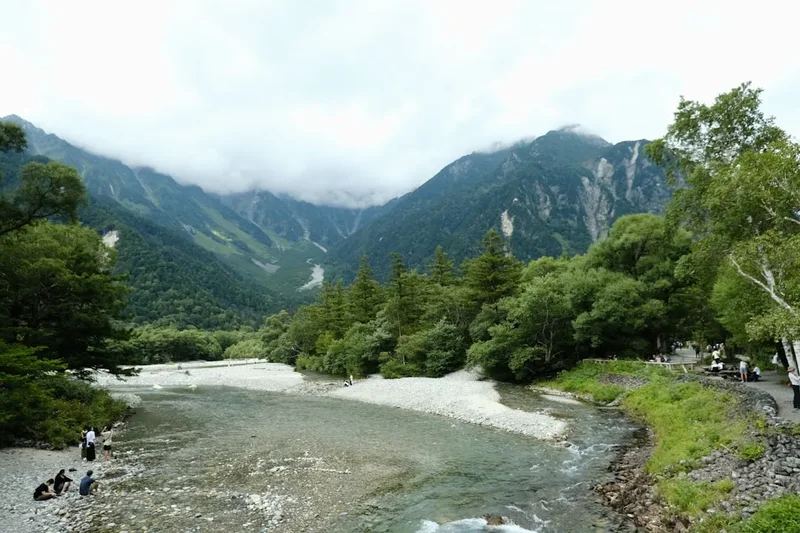
The Onsen to Mount Zao Trail is a captivating mountain track located in the Yamagata Prefecture of Japan, offering a challenging yet rewarding ascent to the volcanic crater rim of Mount Zao. This trail is renowned for its dramatic alpine scenery, diverse flora, and the unique geothermal activity that characterises the Zao mountain range. Beginning near the popular Zao Onsen hot spring resort, the path winds through dense forests before emerging into high alpine meadows and rocky terrain, culminating in breathtaking views of the Okama crater lake. It's a journey that combines natural beauty with a sense of adventure, suitable for those seeking a substantial day hike with significant elevation gain and a truly memorable summit experience.
- Distance: 12.5 km one-way
- Duration: 6–8 hours
- Season: Late May to early October
- Highest point: Mount Zao crater rim (approx. 1,800 m)
- Daily walkers: Variable, popular day hike
- Direction: Typically walked from Zao Onsen up to the crater rim and back, or as a traverse if transport is arranged.
Overview
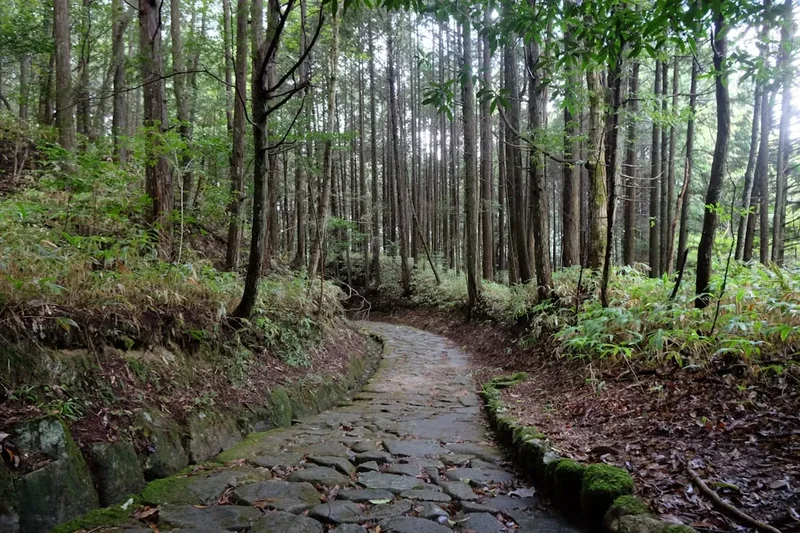
The Onsen to Mount Zao Trail is a testament to the raw power and beauty of Japan's volcanic landscapes. This route is not for the faint of heart; it demands a good level of fitness due to its substantial elevation gain of 1,100 metres over a relatively short distance. The trail begins in the verdant embrace of Zao Onsen, a town famous for its therapeutic hot springs and ski resorts. As you ascend, the environment transforms dramatically. The initial stages are shaded by dense forests of beech and fir, where the air is cool and damp, often filled with the scent of pine. Birdsong is a constant companion, and the path is typically well-maintained, though it can become steep and rocky in places.
As the altitude increases, the forest canopy thins, giving way to open alpine meadows. During the summer months, these meadows burst into vibrant colour with a profusion of wildflowers, creating a picturesque contrast against the rugged mountain slopes. The higher you climb, the more exposed the terrain becomes, with sections of scree and volcanic rock requiring careful footing. The final push towards the crater rim is often the most challenging, involving steep ascents and potentially strong winds. However, the effort is richly rewarded upon reaching the summit. The Okama crater, a striking emerald-green volcanic lake, is the undisputed highlight. Its colour can change depending on the weather and light, adding an element of mystique to the already awe-inspiring vista. Surrounding the crater are the stark, volcanic slopes of Mount Zao, offering panoramic views that can stretch across the Tohoku region on a clear day.
This trail offers a dynamic hiking experience, showcasing the diverse ecosystems of a Japanese mountain. From the tranquil forests at the base to the stark, geothermal landscape at the summit, the Onsen to Mount Zao Trail provides a comprehensive immersion into the natural wonders of the Zao mountain range. It is a journey that tests physical endurance while offering unparalleled scenic rewards and a profound connection with Japan's volcanic heartland.
History and Cultural Context
Mount Zao and its surrounding volcanic complex have a long and rich history, deeply intertwined with the cultural and spiritual life of the Tohoku region. For centuries, these mountains have been revered as sacred sites, attracting pilgrims and ascetics drawn to their natural power and the therapeutic properties of the hot springs found at Zao Onsen. The volcanic activity, while a source of natural beauty, has also shaped the region's history, influencing settlement patterns and local folklore.
The Zao Onsen area itself developed as a hot spring resort in the 17th century, with local legends attributing its discovery to a samurai named Jinnai Taga who, while fleeing battle, stumbled upon the steaming waters. The therapeutic benefits of the milky, acidic waters of Zao Onsen have been known for centuries, drawing visitors seeking relief from various ailments. This established resort town provides a convenient and historically significant starting point for the trail.
The trails that traverse Mount Zao have evolved over time, initially serving as paths for local villagers, hunters, and religious practitioners. As Japan opened to the world and mountaineering gained popularity, these routes were formalised and improved, becoming accessible to a wider range of hikers and tourists. The development of infrastructure, including ropeways and well-maintained paths, has made the Zao mountains more accessible, yet the core experience of ascending Mount Zao remains a challenging and authentic encounter with nature.
The Okama crater, the trail's ultimate destination, is a powerful symbol of the mountain's volcanic nature. Its formation is a result of past eruptions, and its vibrant colour is due to dissolved minerals. The crater has been a subject of fascination and study for geologists and a source of wonder for visitors for generations. The Onsen to Mount Zao Trail, therefore, is not just a physical journey but also a passage through a landscape steeped in history, spirituality, and geological marvel.
Seasonal Highlights and Weather Reality
The Onsen to Mount Zao Trail experiences distinct seasonal changes, each offering a unique hiking experience. The best time to undertake this trek is generally from late May to early October, when the weather is most favourable for alpine hiking.
Late May to June: Spring Awakening
This period marks the end of winter's grip on the higher elevations. Snow begins to melt, revealing the trail and the emerging alpine flora. Wildflowers start to bloom, painting the meadows with early colours. The weather can be unpredictable, with lingering cold snaps and potential for late snowfalls at higher altitudes. The Okama crater may still be partially frozen or surrounded by snowdrifts in early May. The air is crisp, and the forests are vibrant green.
July to August: Summer Bloom and Peak Season
These are the warmest months and the most popular for hiking. The alpine meadows are in full bloom, showcasing a spectacular array of wildflowers. The Okama crater is typically at its most vibrant, with its characteristic emerald-green hue. Days are longer, providing ample time for the hike and exploration. However, this is also the season for potential afternoon thunderstorms, which can develop rapidly in the mountains. Temperatures can be warm at the base, but it remains cooler at higher elevations, and wind can make it feel significantly colder. Sandflies can be present, though generally less of an issue than in some other mountainous regions.
September to Early October: Autumn Colours and Crisp Air
As autumn arrives, the landscape undergoes a stunning transformation. The deciduous forests at lower elevations turn brilliant shades of red, orange, and yellow, creating a breathtaking spectacle. The air becomes crisp and clear, offering excellent visibility and often stable weather conditions. The crowds thin out, providing a more serene hiking experience. While the wildflowers may have faded, the autumn foliage offers a different kind of beauty. Snowfall can begin in early October, so it's essential to check conditions before heading out.
Weather Considerations:
Mount Zao is a volcanic mountain, and its weather can change rapidly and dramatically. Visitors should always be prepared for a range of conditions, including strong winds, rain, fog, and sudden temperature drops, even during the summer months. The Okama crater area is particularly exposed, and visibility can be severely reduced by fog or cloud cover. It is crucial to check the mountain forecast before setting out and to carry appropriate gear for all eventualities.
Recommended Itinerary
Day Hike: Onsen to Mount Zao Crater Rim
Early Morning (Approx. 7:00 AM - 8:00 AM): Arrival and Preparation
- Arrive at Zao Onsen town.
- Final gear check and preparation at your accommodation or a local café.
- Ensure you have sufficient water and snacks for the day.
- Check the latest weather forecast for Mount Zao.
Morning (Approx. 8:00 AM - 12:00 PM): Ascent through Forest and Meadows
- Begin the hike from the Zao Onsen area, following marked trails towards Mount Zao.
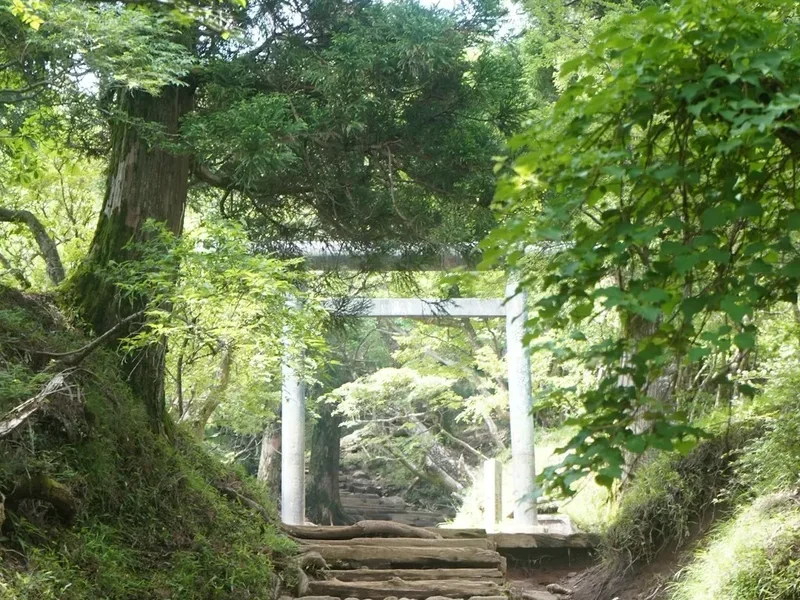
- The initial section winds through dense beech and fir forests.
- The path gradually steepens, with some rocky and root-covered sections.
- As you gain altitude, the forest opens up into alpine meadows.
- Look for early wildflowers if hiking in late spring or early summer.
- The trail is generally well-signposted, but carrying a map or using a GPS device is recommended.
Midday (Approx. 12:00 PM - 2:00 PM): Reaching the Summit Area and Okama Crater
- Continue the ascent towards the crater rim.
- The terrain becomes more exposed and rocky.
- You will likely encounter sections of scree or volcanic gravel.
- The final approach to the Okama crater viewpoint is steep.
- Arrive at the viewing area for the Okama crater.
- Spend time admiring the unique emerald-green lake and the surrounding volcanic landscape.
- Take photographs and enjoy a well-deserved packed lunch.
- Be mindful of the weather; conditions can change rapidly at this altitude.
Afternoon (Approx. 2:00 PM - 5:00 PM): Descent and Return to Zao Onsen
- Begin the descent back towards Zao Onsen.
- The descent can be as challenging as the ascent, particularly on loose scree.
- Take care with your footing to avoid slips and falls.
- Enjoy the changing perspectives of the landscape as you descend through the meadows and forests.
- If time and energy permit, you might consider a brief stop at a viewpoint or a different section of the trail.
- Arrive back in Zao Onsen town.
Evening (Approx. 5:00 PM onwards): Relaxation and Reflection
- Celebrate your accomplishment with a relaxing soak in one of Zao Onsen's famous hot springs.
- Enjoy a local meal to refuel after your challenging hike.
- Reflect on the stunning natural beauty and the sense of achievement.
Important Notes:
- This is a challenging day hike requiring good physical fitness.
- Carry plenty of water (at least 2 litres per person) and high-energy snacks.
- Wear sturdy, broken-in hiking boots with good ankle support.
- Pack layers of clothing, including waterproof and windproof outer shells, as mountain weather is unpredictable.
- A hat, gloves, and sunscreen are essential, even on cloudy days.
- A map, compass, or GPS device is highly recommended for navigation.
- Mobile phone reception can be intermittent at higher elevations.
Planning and Bookings
Book Your Trip
Everything you need to plan your journey
Accommodation
Find places to stay near Yamagata
Flights
Search flights to Yamagata
Essential Preparation
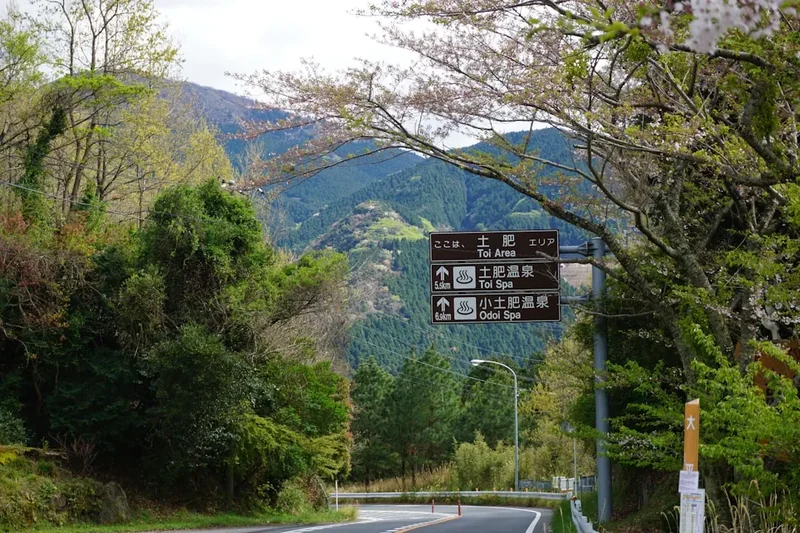
The Onsen to Mount Zao Trail is a demanding day hike that requires careful planning to ensure a safe and enjoyable experience. The closest major city is Yamagata, which serves as the primary gateway for accessing Zao Onsen. From Yamagata Station, regular bus services operate to the Zao Onsen Bus Terminal, taking approximately 40 minutes. This bus route is frequent and reliable, making it the most convenient public transport option. For those travelling by car, Zao Onsen offers parking facilities, though they can become busy during peak seasons. Road conditions leading to Zao Onsen are generally good, being well-maintained asphalt roads.
Before embarking on the hike, it is crucial to assess your fitness level. The 1,100-metre elevation gain is significant and requires good cardiovascular health and leg strength. Familiarise yourself with the trail route using maps or digital navigation tools. It is also advisable to check the weather forecast specifically for Mount Zao, as conditions can differ significantly from those in the surrounding lowlands. While no specific permits are required for this trail, understanding the local regulations and respecting the natural environment is paramount.
Trail Accommodation
This is a day hike requiring no overnight accommodation. The trail starts and ends near the Zao Onsen resort area, which offers a wide range of accommodation options, from traditional ryokans and hotels to more budget-friendly guesthouses and hostels. Visitors typically stay in Zao Onsen the night before and/or after their hike, allowing for early starts and post-hike relaxation in the hot springs.
Required Gear
- Hiking Boots: Sturdy, waterproof hiking boots with good ankle support are essential. Ensure they are well broken-in to prevent blisters.
- Backpack: A comfortable daypack (20-30 litres) to carry essentials.
- Waterproof Jacket: A high-quality waterproof and windproof jacket with a hood is crucial, as mountain weather can change rapidly.
- Waterproof Trousers: Recommended for protection against rain and wind.
- Warm Layers: Bring several layers of clothing, including a fleece or insulated jacket, a base layer (merino wool or synthetic), and a hat and gloves, as temperatures can drop significantly at higher altitudes.
- Navigation Tools: A detailed map of the Zao mountain area, a compass, and/or a GPS device or smartphone with offline maps.
- Head Torch: Essential in case of unexpected delays or if starting very early/finishing late. Ensure it has fresh batteries.
- First Aid Kit: A comprehensive kit including blister treatment, pain relievers, antiseptic wipes, bandages, and any personal medications.
- Sun Protection: High SPF sunscreen, sunglasses, and a wide-brimmed hat or cap.
What to Bring
- Food: High-energy snacks such as trail mix, energy bars, fruit, and sandwiches for lunch. Pack more than you think you'll need.
- Water: At least 2 litres of water per person. Water sources on the trail may be unreliable or require treatment.
- Water Treatment: A water filter or purification tablets are recommended if you plan to refill from natural sources.
- Toiletries: Hand sanitiser, biodegradable wet wipes, and any personal hygiene items. Pack out all waste.
- Trekking Poles: Highly recommended for stability on steep ascents and descents, and to reduce strain on knees.
- Camera: To capture the stunning scenery.
- Mobile Phone: Fully charged, with a portable power bank if possible.
- Cash: For bus fares, potential parking fees, or purchases in Zao Onsen.
- Insect Repellent: May be useful during warmer months, though typically not a major issue on this trail.
Permits
No specific permits are required to hike the Onsen to Mount Zao Trail. The trail is part of the public mountain landscape and is accessible to all visitors. However, it is important to be aware of any local regulations or advisories that may be in place, particularly concerning environmental protection and safety. Always respect the natural environment and follow designated paths to minimise your impact.
While no permits are needed, responsible hiking practices are expected. This includes carrying out all rubbish, staying on marked trails, and respecting the fragile alpine ecosystem. Information regarding trail conditions or any temporary closures due to weather or maintenance can usually be found at the Zao Onsen tourist information centre or online through local government or tourism websites.
Other Activities in the Area
Zao Onsen and the surrounding region offer a wealth of activities beyond the Onsen to Mount Zao Trail, making it an ideal destination for a multi-day visit:
- Zao Onsen Hot Springs: The primary attraction is the town's famous hot spring baths. The milky, acidic waters are known for their therapeutic properties, offering relaxation and rejuvenation after a strenuous hike. Various public baths and private onsen are available.
- Zao Ropeway: For those seeking panoramic views without the strenuous climb, the Zao Ropeway offers a spectacular aerial journey. It ascends to the crater rim area, providing stunning vistas of the Okama crater and the surrounding mountains. This is a great option for less experienced hikers or those with limited time.
- Juhyo (Snow Monsters): During winter (typically January to March), Zao is famous for its "Juhyo" or "Snow Monsters." These are trees encased in ice and snow, sculpted by harsh winds and freezing temperatures into unique, monstrous shapes. Guided tours are available to view these natural wonders.
- Hiking and Nature Walks: Beyond the main trail to Okama, numerous other hiking routes exist in the Zao mountain range, catering to various fitness levels and interests. These include trails through different forest types, to smaller peaks, and around scenic lakes.
- Zao Ski Resort: In winter, Zao is a premier ski destination, known for its excellent powder snow and challenging slopes.
- Local Cuisine: Explore the local culinary scene in Zao Onsen, which includes regional specialities such as Kiritanpo (rice skewers), local soba noodles, and fresh seafood.
- Mount Zao Visitor Centre: Provides information about the local geology, flora, fauna, and hiking trails.
Safety and Conditions
Pre-Departure Checks:
- Weather Forecast: Always check the specific mountain weather forecast for Mount Zao before and during your hike. Websites like the Japan Meteorological Agency (JMA) or local tourism sites provide detailed forecasts. Be aware that conditions can change rapidly.
- Trail Conditions: While generally well-maintained, sections of the trail can become slippery or hazardous due to rain, snow, or ice, especially outside the peak summer season. Check with the Zao Onsen Tourist Information Centre for the latest updates.
- Volcanic Activity: Mount Zao is an active volcano. While major eruptions are rare, be aware of any advisories or warnings issued by local authorities regarding volcanic gas emissions or seismic activity. The Okama crater area may be subject to temporary closures if volcanic activity increases.
On-Trail Safety:
- Fitness: This is a challenging hike with significant elevation gain. Ensure you are physically prepared.
- Hydration and Nutrition: Carry ample water and high-energy food. Dehydration and fatigue can lead to poor decision-making.
- Navigation: Stay on marked trails. If visibility is poor due to fog or cloud, use your map, compass, or GPS device to maintain your bearings. Do not attempt to navigate off-trail in poor conditions.
- Weather Changes: Be prepared for sudden shifts in weather. Hypothermia is a risk even in summer if you get wet and cold. Always carry appropriate layers.
- Footwear: Sturdy hiking boots are essential for grip and ankle support, especially on rocky and uneven terrain.
- Volcanic Gases: In areas with geothermal activity, be aware of potential volcanic gases. If you experience dizziness or respiratory discomfort, move to an area with fresh air immediately.
- Emergency Contact: Inform someone of your hiking plans, including your intended route and expected return time. Consider carrying a fully charged mobile phone, though reception can be unreliable at higher elevations.
Emergency Procedures:
- In case of an emergency, contact local rescue services. The number for emergency services in Japan is 110 for police and 119 for fire and ambulance.
- If you are lost or injured, stay calm, stay put if possible, and try to signal for help.
Side Trips and Points of Interest
Okama Crater Lake: The undisputed highlight of the trail. This stunning volcanic crater lake, also known as the "Gama" (cauldron), is famous for its vibrant emerald-green colour, which changes with the weather and light. The lake is approximately 360 metres in diameter and 100 metres deep. Viewing platforms offer spectacular vantage points to admire its unique beauty and the surrounding stark volcanic landscape. It's a powerful reminder of the mountain's active geological nature.
Mount Zao Summit Area: Beyond the immediate Okama crater, the summit area offers a rugged, alpine environment. Exploring the immediate vicinity of the crater rim (while staying on marked paths) allows for a deeper appreciation of the volcanic terrain. You can often see fumaroles emitting steam, indicating ongoing geothermal activity beneath the surface.
Alpine Flora and Fauna: Depending on the season, hikers may encounter a variety of alpine wildflowers. In late spring and summer, meadows can be carpeted with colourful blooms. Keep an eye out for local birdlife and other small mountain creatures. The unique plant life adapted to the volcanic soil and harsh alpine conditions is a point of interest in itself.
Panoramic Views: On clear days, the summit of Mount Zao offers expansive panoramic views across the Tohoku region. You can often see other mountains in the Zao range, distant cities, and on exceptionally clear days, even the Sea of Japan. These vistas provide a rewarding perspective on the scale of the landscape.
Geothermal Features: The presence of geothermal activity is evident in various parts of the mountain, not just at the Okama crater. Steam vents and hot springs at the base in Zao Onsen are a testament to the volcanic forces at play beneath the surface.
Leave No Trace
The Onsen to Mount Zao Trail traverses a sensitive alpine environment and a geologically active area. Adhering to Leave No Trace principles is crucial to preserve its natural beauty and ecological integrity for future visitors and the local ecosystem.
Your responsibility as a hiker:
- Plan Ahead and Prepare: Understand the trail, weather conditions, and any specific regulations before you go. Pack appropriately for the conditions.
- Travel and Camp on Durable Surfaces: Stick to marked trails. Avoid walking on fragile vegetation, especially in alpine meadows where plants are slow to recover. The Okama crater area is rocky and exposed; stay on designated paths and viewing areas.
- Dispose of Waste Properly: Pack out everything you pack in. This includes all food scraps, wrappers, and any other litter. Use designated toilets where available, or if not, dig a cathole at least 70 metres away from water sources, trails, and campsites, and bury human waste. Pack out used toilet paper.
- Leave What You Find: Do not take rocks, plants, or any natural or cultural objects from the mountain. Leave them for others to enjoy and for the ecosystem to thrive.
- Minimise Campfire Impacts: Campfires are generally not permitted on this day hike. If camping were an option, use established fire rings and ensure fires are completely extinguished.
- Respect Wildlife: Observe wildlife from a distance. Do not feed animals, as this can disrupt their natural behaviours and diets.
- Be Considerate of Other Visitors: Keep noise levels down, yield to other hikers on narrow sections, and maintain a respectful attitude towards the environment and fellow visitors.
By following these principles, you help ensure that the unique volcanic landscapes and alpine ecosystems of Mount Zao remain pristine and enjoyable for generations to come.
Useful Links
- <a href="https://www.yamagata.nattrip.jp/en/spot/detail.shtml?id=1000000000000000000000000000000000000000000000000000000000000000000000000000000000000000000000000000000000000000000000000000000000000000000000000000000000000000000000000000000000000000000000000000000000000000000000000000000000000000000000000000000000000000000000000000000000000000000000000000000000000000000000000000000000000000000000000000000000000000000000000000000000000000000000000000000000000000000000000000000000000000000000000000000000000000000000000000000000000000000000000000000000000000000000000000000000000000000000000000000000000000000000000000000000000000000000000000000000000000000000000000000000000000000000000000000000000000000000000000000000000000000000000000000000000000000000000000000000000000000000000000000000000000000000000000000000000000000000000000000000000000000000000000000000000000000000000000000000000000000000000000000000000000000000000000000000000000000000000000000000000000000000000000000000000000000000000000000000000000000000000000000000000000000000000000000000000000000000000000000000000000000000000000000000000000000000000000000000000000000000000000000000000000000000000000000000000000000000000000000000000000000000000000000000000000000000000000000000000000000000000000000000000000000000000000000000000000000000000000000000000000000000000000000000000000000000000000000000000000000000000000000000000000000000000000000000000000000000000000000000000000000000000000000000000000000000000000000000000000000000000000000000000000000000000000000000000000000000000000000000000000000000000000000000000000000000000000000000000000000000000000000000000000000000000000000000000000000000000000000000000000000000000000000000000000000000000000000000000000000000000000000000000000000000000000000000000000000000000000000000000000000000000000000000000000000000000000000000000000000000000000000000000000000000000000000000000000000000000000000000000000000000000000000000000000000000000000000000000000000000000000000000000000000000000000000000000000000000000000000000000000000000000000000000000000000000000000000000000000000000000000000000000000000000000000000000000000000000000000000000000000000000000000000000000000000000000000000000000000000000000000000000000000000000000000000000000000000000000000000000000000000000000000000000000000000000000000000000000000000000000000000000000000000000000000000000000000000000000000000000000000000000000000000000000000000000000000000000000000000000000000000000000000000000000000000000000000000000000000000000000000000000000000000000000000000000000000000000000000000000000000000000000000000000000000000000000000000000000000000000000000000000000000000000000000000000000000000000000000000000000000000000000000000000000000000000000000000000000000000000000000000000000000000000000000000000000000000000000000000000000000000000000000000000000000000000000000000000000000000000000000000000000000000000000000000000000000000000000000000000000000000000000000000000000000000000000000000000000000000000000000000000000000000000000000000000000000000000000000000000000000000000000000000000000000000000000000000000000000000000000000000000000000000000000000000000000000000000000000000000000000000000000000000000000000000000000000000000000000000000000000000000000000000000000000000000000000000000000000000000000000000000000000000000000000000000000000000000000000000000000000000000000000000000000000000000000000000000000000000000000000000000000000000000000000000000000000000000000000000000000000000000000000000000000000000000000000000000000000000000000000000000000000000000000000000000000000000000000000000000000000000000000000000000000000000000000000000000000000000000000000000000000000000000000000000000000000000000000000000000000000000000000000000000000000000000000000000000000000000000000000000000000000000000000000000000000000000000000000000000000000000000000000000000000000000000000000000000000000000000000000000000000000000000000000000000000000000000000000000000000000000000000000000000000000000000000000000000000000000000000000000000000000000000000000000000000000000000000000000000000000000000000000000000000000000000000000000000000000000000000000000000000000000000000000000000000000000000000000000000000000000000000000000000000000000000000000000000000000000000000000000000000000000000000000000000000000000000000000000000000000000000000000000000000000000000000000000000000000000000000000000000000000000000000000000000000000000000000000000000000000000000000000000000000000000000000000000000000000000000000000000000000000000000000000000000000000000000000000000000000000000000000000000000000000000000000000000000000000000000000000000000000000000000000000000000000000000000000000000000000000000000000000000000000000000000000000000000000000000000000000000000000000000000000000000000000000000000000000000000000000000000000000000000000000000000000000000000000000000000000000000000000000000000000000000000000000000000000000000000000000000000000000000000000000000000000000000000000000000000000000000000000000000000000000000000000000000000000000000000000000000000000000000000000000000000000000000000000000000000000000000000000000000000000000000000000000000000000000000000000000000000000000000000000000000000000000000000000000000000000000000000000000000000000000000000000000000000000000000000000000000000000000000000000000000000000000000000000000000000000000000000000000000000000000000000000000000000000000000000000000000000000000000000000000000000000000000000000000000000000000000000000000000000000000000000000000000000000000000000000000000000000000000000000000000000000000000000000000000000000000000000000000000000000000000000000000000000000000000000000000000000000000000000000000000000000000000000000000000000000000000000000000000000000000000000000000000000000000000000000000000000000000000000000000000000000000000000000000000000000000000000000000000000000000000000000000000000000000000000000000000000000000000000000000000000000000000000000000000000000000000000000000000000000000000000000000000000000000000000000000000000000000000000000000000000000000000000000000000000000000000000000000000000000000000000000000000000000000000000000000000000000000000000000000000000000000000000000000000000000000000000000000000000000000000000000000000000000000000000000000000000000000000000000000000000000000000000000000000000000000000000000000000000000000000000000000000000000000000000000000000000000000000000000000000000000000000000000000000000000000000000000000000000000000000000000000000000000000000000000000000000000000000000000000000000000000000000000000000000000000000000000000000000000000000000000000000000000000000000000000000000000000000000000000000000000000000000000000000000000000000000000000000000000000000000000000000000000000000000000000000000000000000000000000000000000000000000000000000000000000000000000000000000000000000000000000000000000000000000000000000000000000000000000000000000000000000000000000000000000000000000000000000000000000000000000000000000000000000000000000000000000000000000000000000000000000000000000000000000000000000000000000000000000000000000000000000000000000000000000000000000000000000000000000000000000000000000000000000000000000000000000000000000000000000000000000000000000000000000000000000000000000000000000000000000000000000000000000000000000000000000000000000000000000000000000000000000000000000000000000000000000000000000000000000000000000000000000000000000000000000000000000000000000000000000000000000000000000000000000000000000000000000000000000000000000000000000000000000000000000000000000000000000000000000000000000000000000000000000000000000000000000000000000000000000000000000000000000000000000000000000000000000000000000000000000000000000000000000000000000000000000000000000000000000000000000000000000000000000000000000000000000000000000000000000000000000000000000000000000000000000000000000000000000000000000000000000000000000000000000000000000000000000000000000000000000000000000000000000000000000000000000000000000000000000000000000000000000000000000000000000000000000000000000000000000000000000000000000000000000000000000000000000000000000000000000000000000000000000000000000000000000000000000000000000000000000000000000000000000000000000000000000000000000000000000000000000000000000000000000000000000000000000000000000000000000000000000000000000000000000000000000000000000000000000000000000000000000000000000000000000000000000000000000000000000000000000000000000000000000000000000000000000000000000000000000000000000000000000000000000000000000000000000000000000000000000000000000000000000000000000000000000000000000000000000000000000000000000000000000000000000000000000000000000000000000000000000000000000000000000000000000000000000000000000000000000000000000000000000000000000000000000000000000000000000000000000000000000000000000000000000000000000000000000000000000000000000000000000000000000000000000000000000000000000000000000000000000000000000000000000000000000000000000000000000000000000000000000000000000000000000000000000000000000000000000000000000000000000000000000000000000000000000000000000000000000000000000000000000000000000000000000000000000000000000000000000000000000000000000000000000000000000000000000000000000000000000000000000000000000000000000000000000000000000000000000000000000000000000000000000000000000000000000000000000000000000000000000000000000000000000000000000000000000000000000000000000000000000000000000000000000000000000000000000000000000000000000000000000000000000000000000000000000000000000000000000000000000000000000000000000000000000000000000000000000000000000000000000000000000000000000000000000000000000000000000000000000000000000000000000000000000000000000000000000000000000000000000000000000000000000000000000000000000000000000000000000000000000000000000000000000000000000000000000000000000000000000000000000000000000000000000000000000000000000000000000000000000000000000000000000000000000000000000000000000000000000000000000000000000000000000000000000000000000000000000000000000000000000000000000000000000000000000000000000000000000000000000000000000000000000000000000000000000000000000000000000000000000000000000000000000000000000000000000000000000000000000000000000000000000000000000000000000000000000000000000000000000000000000000000000000000000000000000000000000000000000000000000000000000000000000000000000000000000000000000000000000000000000000000000000000000000000000000000000000000000000000000000000000000000000000000000000000000000000000000000000000000000000000000000000000000000000000000000000000000000000000000000000000000000000000000000000000000000000000000000000000000000000000000000000000000000000000000000000000000000000000000000000000000000000000000000