
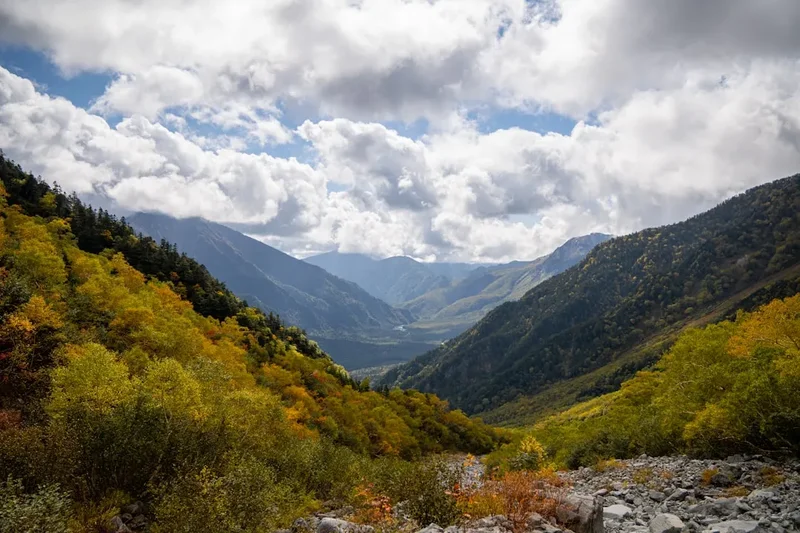
Okutama Mukashi Michi Trail
The Okutama Mukashi Michi Trail, translating to "Old Okutama Road," offers a captivating glimpse into Japan's past, winding through the scenic landscapes of western Tokyo. This historic route, once a vital artery for trade and travel, now provides a delightful day walk for those seeking a blend of natural beauty, cultural heritage, and accessible adventure. Stretching approximately 9.5 kilometres, the trail meanders through serene forests, alongside clear rivers, and past charming rural villages, offering a peaceful escape from the urban bustle of nearby Tokyo. It's a journey that invites contemplation, allowing walkers to connect with the enduring spirit of the Okutama region and the echoes of travellers who trod this path centuries ago.
- Distance: 9.5 km one-way
- Duration: 3–4 hours
- Season: Spring (March–May) and Autumn (September–November)
- Difficulty: Easy
- Closest City: Tokyo
- Trailhead Access: JR Ome Line to Okutama Station
- Permits: Not required
- Highest point: Approximately 300 m elevation gain
Overview
The Okutama Mukashi Michi Trail is a testament to the enduring allure of historical pathways. Unlike grand, challenging treks, this route offers a more intimate experience, focusing on the subtle beauty of the Japanese countryside and the tangible remnants of its past. The trail begins near Okutama Station, the gateway to the Okutama region, and follows the Tama River, a vital waterway that has sustained life and commerce in the area for centuries. As you walk, you'll pass through tranquil cedar and pine forests, their scent filling the air, and emerge into open areas where rice paddies and traditional farmhouses dot the landscape. The gentle gradient makes it accessible for most fitness levels, allowing ample time to appreciate the surroundings.
Key features of the trail include its historical significance as part of the old road connecting the Okutama region to the wider Kanto plain. Evidence of this past can be seen in the occasional stone markers and the preserved sections of the original path. The natural environment is equally compelling. The Tama River, with its clear, flowing waters, provides a constant, soothing soundtrack to the walk. Depending on the season, you might witness vibrant cherry blossoms in spring, lush greenery in summer, or the fiery hues of autumn foliage. The relatively short distance and manageable elevation gain mean that the focus remains on immersion rather than exertion, making it an ideal day trip for families, casual walkers, and those with limited time.
The trail's accessibility from Tokyo is a significant advantage. A direct train journey of about two hours brings you to Okutama Station, eliminating the need for complex travel arrangements. This ease of access, combined with the trail's inherent charm and historical depth, makes the Okutama Mukashi Michi Trail a highly rewarding experience for anyone looking to explore a different facet of Japan beyond its bustling metropolises.
History and Cultural Context
The Okutama Mukashi Michi Trail is steeped in a history that stretches back centuries, serving as a crucial link in the network of roads that connected the mountainous Okutama region to the Kanto plain. For generations, this path was more than just a route; it was a lifeline for the communities living in the area. It facilitated the transport of essential goods, including timber, charcoal, and agricultural produce, which were vital for the economy of Edo (modern-day Tokyo) and surrounding areas. The arduous journey over the mountains meant that this road was a testament to the resilience and determination of the people who used it.
During the Edo period (1603–1868), the Okutama region was a significant producer of timber, which was essential for the construction of Edo's vast urban landscape. Charcoal, another key product, was also transported along these routes. The Mukashi Michi (Old Road) was instrumental in this trade, allowing merchants and labourers to traverse the challenging terrain. The existence of inns and resting points along the route, though many have long since disappeared, speaks to the volume of traffic and the importance of this pathway.
In more recent times, as modern transportation infrastructure developed, the importance of these old roads diminished. However, the Okutama Mukashi Michi Trail has been preserved and revitalised as a heritage walking path. Efforts have been made to maintain its historical character, allowing modern visitors to experience a tangible connection to Japan's past. Walking this trail is not just a physical journey but also a step back in time, offering a unique perspective on the rural life and historical trade routes that shaped this part of Japan.
Seasonal Highlights and Weather Reality
The Okutama Mukashi Michi Trail is a year-round destination, but its true beauty is often best appreciated during specific seasons, each offering a distinct experience.
Spring (March–May): This is arguably the most popular time to walk the trail. The weather becomes milder, and the landscape awakens from winter. Cherry blossoms (sakura) often bloom along the route, particularly in the more open areas and near villages, painting the scenery in delicate shades of pink and white. The fresh green of new leaves begins to emerge, creating a vibrant and hopeful atmosphere. Temperatures are generally pleasant, making for comfortable walking conditions.
Summer (June–August): Summers in Okutama can be warm and humid, with occasional rainfall. The forests offer welcome shade, and the sound of the Tama River is particularly refreshing. While it can be hot, the trail's relatively short length and the availability of shaded sections make it manageable. This season is ideal for those who enjoy lush, verdant scenery and don't mind higher humidity.
Autumn (September–November): Autumn is another spectacular season for the Okutama Mukashi Michi Trail. The deciduous trees transform into a breathtaking display of vibrant reds, oranges, and yellows. The crisp, cool air makes for excellent walking conditions, and the clear skies often provide stunning views of the surrounding mountains. This is a prime time for photography and enjoying the rich colours of the Japanese countryside.
Winter (December–February): While less popular, winter offers a serene and quiet experience. The landscape takes on a stark beauty, with frost and occasional light snow dusting the trees and ground. The air is crisp and cold, and the trail is often less crowded. It's essential to be prepared for colder temperatures, and some sections might be slippery if ice forms. The Tama River's flow can be particularly striking against a winter backdrop.
Weather Considerations: Regardless of the season, it's important to be prepared for variable weather. While Tokyo's western reaches are generally milder than the deep mountains, rain can occur at any time. Checking the local weather forecast before your visit is highly recommended. Temperatures can fluctuate, especially with elevation changes, so layering clothing is always a wise strategy.
Recommended Itinerary
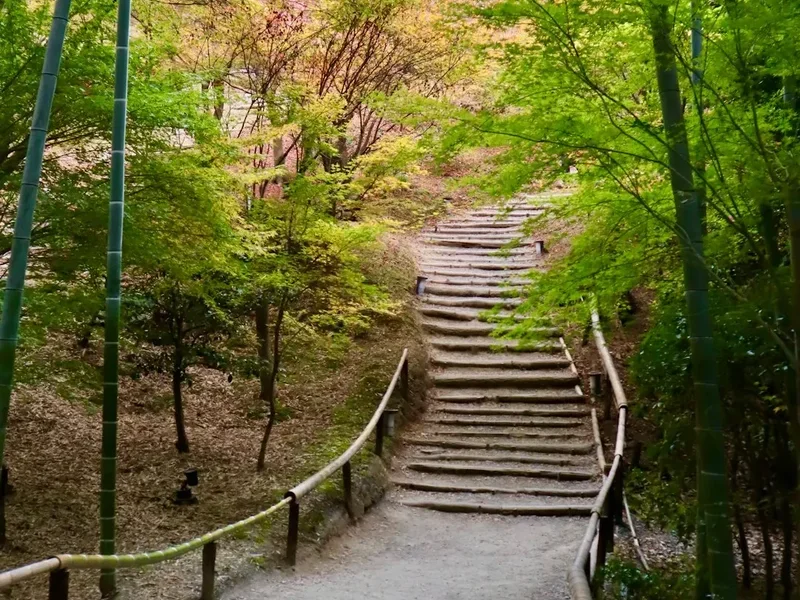
Okutama Mukashi Michi Trail - Day Walk Itinerary
Early Morning (Approx. 8:00 AM - 9:00 AM): Travel to Okutama Station
- Depart from central Tokyo (e.g., Shinjuku Station) via the JR Chuo Line.
- Transfer to the JR Ome Line at Tachikawa Station.
- Continue on the JR Ome Line to Okutama Station.
- Total travel time is approximately 2 hours.
- Enjoy the changing scenery as you move from urban sprawl to mountainous terrain.
Morning (Approx. 9:00 AM - 10:00 AM): Arrival and Trailhead Access
- Arrive at Okutama Station.
- The trailhead is easily accessible from the station. Follow signs for the Okutama Mukashi Michi Trail.
- Take a moment to use restroom facilities and prepare your gear.
- Consider purchasing any last-minute snacks or water from local shops near the station.
Late Morning (Approx. 10:00 AM - 12:00 PM): Start of the Walk - Section 1
- Begin your walk from the vicinity of Okutama Station.
- The initial section often follows the Tama River, offering pleasant riverside views.
- You will pass through areas with local residences and small businesses.
- The path may transition from paved walkways to more natural, unpaved trails.
- Look for historical markers or signage indicating the "Mukashi Michi."
- Elevation gain is gradual in this section.
Midday (Approx. 12:00 PM - 1:00 PM): Lunch Break and Scenic Views
- Find a suitable spot for a picnic lunch. Many areas along the Tama River or in small clearings offer scenic resting places.
- Enjoy the sounds of the river and the surrounding nature.
- This is a good opportunity to rehydrate and rest your legs.
- The trail may lead through small hamlets or agricultural areas, offering glimpses of rural Japanese life.
Afternoon (Approx. 1:00 PM - 3:00 PM): Continuing the Trail - Section 2
- Continue following the marked trail.
- You will likely encounter more forested sections, with towering cedar trees being a common sight.
- The path may involve some gentle ascents and descents as it navigates the terrain.
- Keep an eye out for remnants of the old road, such as worn stone paths or old bridges.
- The total elevation gain for the entire walk is approximately 300 metres, spread out over the 9.5 km.
Late Afternoon (Approx. 3:00 PM - 4:00 PM): Reaching the End Point and Return Journey
- The trail typically concludes near a point accessible by public transport, often leading towards another station or a bus stop. (Note: Specific end points can vary based on chosen route variations; confirm with local signage).
- From the end point, follow local signage or use a navigation app to reach the nearest train station or bus stop for your return journey to Tokyo.
- Allow ample time for the return travel.
Important Notes:
- This is a one-way walk; plan your return transportation in advance.
- Wear comfortable walking shoes and dress in layers.
- Carry sufficient water and snacks, as facilities can be limited along the trail.
- Check train schedules for the JR Ome Line for your return trip.
- The trail is generally well-marked, but carrying a map or using a GPS app is advisable.
Planning and Bookings
Book Your Trip
Everything you need to plan your journey
Accommodation
Find places to stay near Tokyo
Flights
Search flights to Tokyo
Essential Preparation
The Okutama Mukashi Michi Trail is an excellent choice for a day trip from Tokyo due to its straightforward access and manageable length. The primary logistical consideration is transportation. The nearest major city is Tokyo, and the most efficient way to reach the trailhead is by train. The JR Ome Line provides direct access to Okutama Station, the common starting point for this trail. The journey from central Tokyo typically takes around two hours. It is advisable to check train schedules in advance, especially for the return journey, as services may be less frequent in the evenings or on weekends.
While the trail itself does not require permits, it's wise to be aware of local regulations and any seasonal advisories. The closest town to the trailhead is Okutama, which offers basic amenities such as convenience stores, small restaurants, and public restrooms near the station. For more extensive services, including a wider range of dining options and accommodation, visitors might consider spending time in Tachikawa or Hachioji, major hubs along the JR Chuo Line, before or after their walk.
Trail Accommodation
This is a day hike requiring no overnight accommodation.
Required Gear
- Comfortable walking shoes: Sturdy trainers or hiking boots with good grip are recommended, as sections of the trail can be uneven or slippery, especially after rain.
- Weather-appropriate clothing: Layers are key. A moisture-wicking base layer, an insulating mid-layer (fleece or down jacket), and a waterproof and windproof outer shell are advisable.
- Rain gear: A waterproof jacket and trousers are essential, as weather can change quickly in the mountains.
- Backpack: A small daypack (15-25 litres) to carry essentials like water, snacks, a first-aid kit, and extra clothing.
- Navigation: A map of the Okutama area or a reliable GPS device/smartphone app with offline maps downloaded. While the trail is generally well-marked, it's always good to have a backup.
- Sun protection: A hat, sunglasses, and sunscreen are recommended, especially during spring and summer, as exposed sections can be sunny.
- Insect repellent: Particularly useful during warmer months to ward off mosquitoes and other biting insects.
What to Bring
- Water: Carry at least 1-1.5 litres of water per person. Refill opportunities may be limited along the trail.
- Food: Pack plenty of snacks and a packed lunch. Options for purchasing food directly on the trail are scarce. Consider bringing energy bars, fruit, sandwiches, and nuts.
- First-aid kit: Include essentials such as plasters, antiseptic wipes, pain relievers, blister treatment, and any personal medications.
- Toiletries: Hand sanitiser, tissues, and any personal hygiene items.
- Camera: To capture the scenic beauty and historical elements of the trail.
- Mobile phone: Fully charged, with a portable power bank if possible, for communication and navigation.
- Cash: For potential small purchases at local shops or for transport if card facilities are unavailable.
Permits
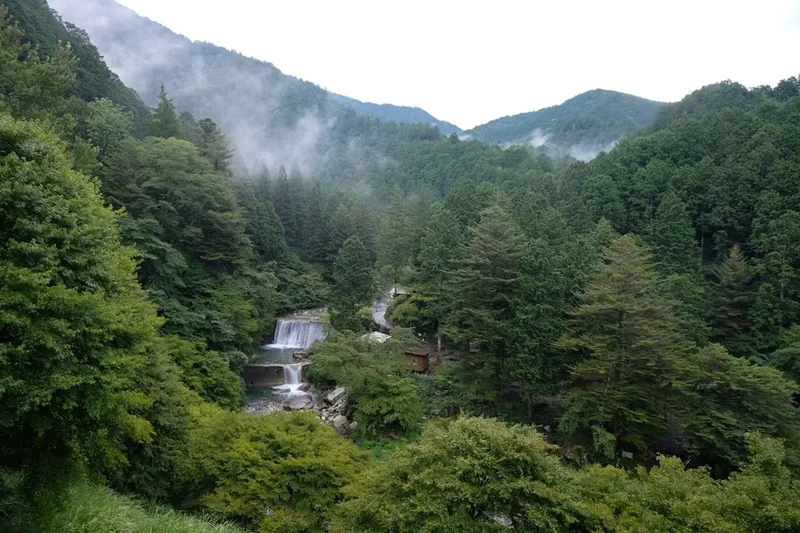
No permits are required to walk the Okutama Mukashi Michi Trail. This makes it an easily accessible and spontaneous destination for a day trip from Tokyo. The trail is part of the public domain and is maintained by local authorities and volunteer groups, ensuring it remains open for all to enjoy.
While no formal booking or permit is necessary, it is always advisable to check for any temporary closures or advisories issued by the local government or park authorities, especially following severe weather events. These can usually be found on local tourism websites or by contacting the Okutama Town Hall or relevant tourism information centres.
The simplicity of access is one of the trail's major appeals, allowing for flexible planning without the need for advance reservations, unlike many of Japan's more famous hiking routes.
Other Activities in the Area
The Okutama region offers a variety of activities beyond the Mukashi Michi Trail, making it a worthwhile destination for a longer visit or a multi-day excursion:
- Okutama Lake (Lake Okutama): A large, picturesque reservoir formed by the Ogochi Dam. You can enjoy scenic views, take boat tours, or visit the dam itself. The surrounding area is popular for cycling and picnicking.
- Mount Mitake: A popular mountain accessible via cable car, offering stunning panoramic views of the Kanto plain and surrounding mountains. It is also home to the Musashi-Mitake Shrine, a significant Shinto site with a long history.
- Nippara Limestone Cave: Located deeper within the Okutama mountains, this impressive cave system features stunning stalactites and stalagmites, offering a cool respite and a fascinating geological experience.
- Okutama Nature Study Trail: A network of trails that explore the diverse flora and fauna of the region, often featuring educational signage about the local ecosystem.
- Local Onsen (Hot Springs): Several hot spring facilities are available in the Okutama area, providing a perfect way to relax and rejuvenate after a day of hiking.
- Okutama Town: Explore the small town centre for local crafts, traditional Japanese cuisine, and a glimpse into rural life. The Okutama Local Museum provides insights into the region's history and culture.
Safety and Conditions
Trail Conditions: The Okutama Mukashi Michi Trail is generally well-maintained and clearly marked. However, like any natural trail, conditions can vary. After periods of heavy rain, sections may become muddy, slippery, or experience minor washouts. It is advisable to wear appropriate footwear with good traction.
Weather: The weather in the Okutama region can be unpredictable. While it is part of Tokyo Prefecture, its mountainous location means temperatures can be cooler than in the city centre, and rainfall is more frequent. Always check the weather forecast before you set out and be prepared for sudden changes. Hypothermia is a risk even in milder seasons if you get wet and cold, especially in shaded or windy areas.
Wildlife: While large dangerous wildlife is rare in this accessible area, you may encounter smaller animals such as monkeys, deer, or various bird species. It is important to observe wildlife from a distance and never feed them, as this can disrupt their natural behaviour and diet.
Navigation: The trail is generally well-signposted, but it is always recommended to carry a map or use a reliable GPS device or smartphone app with offline maps downloaded. Mobile phone reception can be intermittent in some parts of the trail, so do not rely solely on your phone for navigation or communication.
Emergency Preparedness: Carry a basic first-aid kit for minor injuries. In case of a serious emergency, contact local emergency services. Knowing the approximate location or nearest landmark can be crucial for rescue teams. The nearest medical facilities will be in the larger towns along the JR Ome Line, such as Okutama or Tachikawa.
Hydration and Nutrition: Ensure you carry sufficient water and snacks, as facilities along the trail are limited. Dehydration and low blood sugar can lead to fatigue and poor decision-making, increasing the risk of accidents.
Side Trips and Points of Interest
Tama River Views: The trail frequently runs alongside the Tama River, offering numerous opportunities for scenic stops. The clear, flowing water and the surrounding natural beauty provide a constant, soothing backdrop. Look for designated viewpoints or quiet spots along the riverbank for a peaceful break.
Historical Markers and Signage: Throughout the walk, keep an eye out for signs and markers that explain the history of the "Mukashi Michi" (Old Road). These often detail the significance of the route for trade, travel, and the lives of the people who used it centuries ago. They provide valuable context and enhance the historical immersion of the walk.
Rural Hamlets and Villages: The trail passes through or near several small rural communities. These offer a glimpse into traditional Japanese country life, with charming farmhouses, rice paddies, and local shrines. These areas are perfect for experiencing the slower pace of life outside the major cities.
Forest Sections: Significant portions of the trail wind through tranquil forests, often dominated by towering cedar trees. The dappled sunlight filtering through the canopy, the scent of pine needles, and the quiet atmosphere create a sense of peace and seclusion. These sections are ideal for mindful walking and appreciating the natural environment.
Okutama Station Area: Before or after your walk, take some time to explore the area around Okutama Station. You can find local eateries serving regional specialities, small shops selling souvenirs, and information centres that can provide further details about the Okutama region.
Leave No Trace
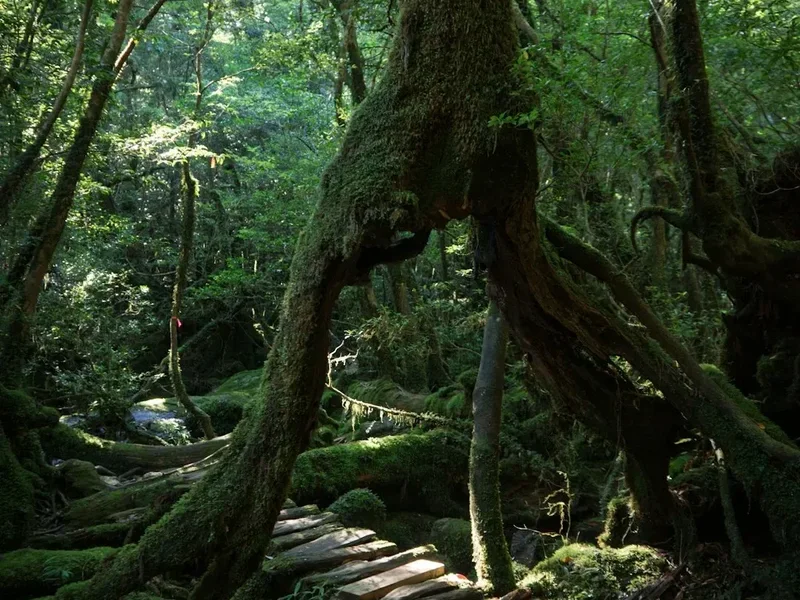
The Okutama Mukashi Michi Trail, like all natural environments, benefits greatly from responsible visitor behaviour. Adhering to Leave No Trace principles ensures that this beautiful and historic pathway remains pristine for future generations and that the local ecosystem is protected.
Plan Ahead and Prepare: Familiarise yourself with the trail, its conditions, and any potential hazards before you go. Pack appropriate gear and sufficient supplies to avoid needing to forage or rely on limited facilities.
Travel and Camp on Durable Surfaces: Stick to the marked trail at all times. Avoid walking on vegetation or creating new paths, as this can damage fragile plant life and lead to erosion. The designated trail is designed to withstand foot traffic.
Dispose of Waste Properly: Pack out everything you pack in. This includes all food scraps, wrappers, tissues, and any other litter. There are limited waste disposal facilities along the trail, so be prepared to carry your rubbish back to Okutama Station or your accommodation.
Leave What You Find: Resist the temptation to take natural souvenirs such as rocks, plants, or historical artefacts. These items are part of the natural and cultural heritage of the area and should be left for others to enjoy.
Minimise Campfire Impacts: As this is a day hike, campfires are not applicable. However, if you were to visit other areas, always use established fire rings and ensure fires are completely extinguished.
Respect Wildlife: Observe animals from a distance and never feed them. Feeding wildlife can alter their natural behaviours, make them dependent on human food, and potentially lead to conflicts.
Be Considerate of Other Visitors: Keep noise levels down, especially in quiet forest sections or near residential areas. Yield to other walkers when necessary, and be mindful of the shared enjoyment of the trail.
 Japan
Japan