
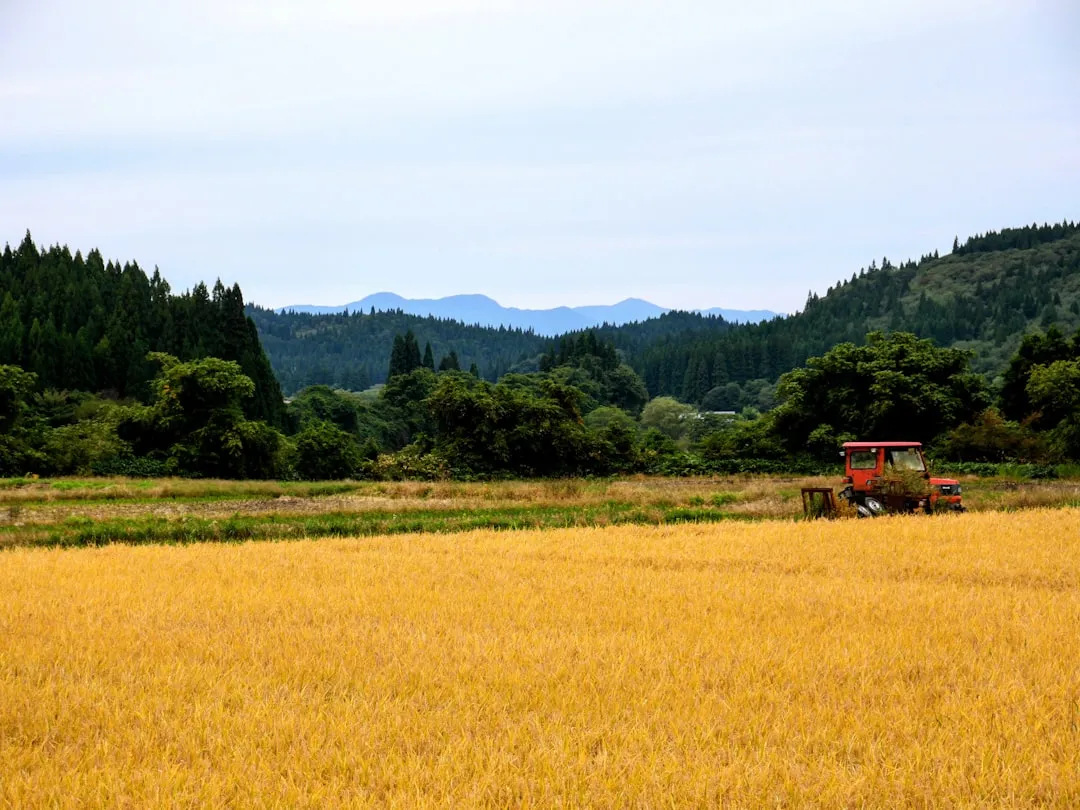
Oirase Gorge Trail - A Symphony of Water and Autumn Colours
The Oirase Gorge Trail (奥入瀬渓流, Oirase Keiryu) is a breathtakingly beautiful walking path that meanders alongside the Oirase River in the northern part of Japan's Towada-Hachimantai National Park. This relatively gentle, mostly flat trail is renowned for its stunning natural scenery, particularly its vibrant autumn foliage and the countless waterfalls that cascade down moss-covered rocks. It's a place where the air is crisp, the water is crystal clear, and the sounds of nature create a serene and immersive experience. Unlike more strenuous mountain treks, the Oirase Gorge offers an accessible yet profoundly beautiful journey through a pristine river valley, making it a popular destination for nature lovers of all ages and fitness levels.
- Distance: 14.2 km (main trail)
- Duration: 4-5 hours (walking time)
- Season: Best from late spring to early autumn (May-October); spectacular autumn colours from mid-October to early November.
- Accommodation: Various hotels and ryokans in the vicinity of Lake Towada and Yakeyama.
- Highest point: Minimal elevation gain, the trail follows the river's descent.
- Difficulty: Easy
- Direction: Generally walked from Lake Towada towards Yakeyama, but can be walked in either direction.
Overview
The Oirase Gorge is a 14.2-kilometre stretch of the Oirase River, flowing from the picturesque Lake Towada to the town of Yakeyama. The trail follows the river's course, offering an ever-changing panorama of natural beauty. The path is well-maintained, often paved or a clear gravel track, making it suitable for a wide range of visitors. What truly sets Oirase Gorge apart is its dynamic relationship with water. The river itself is a constant presence, its clear, cool waters tumbling over rocks, forming gentle rapids, and creating tranquil pools. Dotted along the gorge are over a dozen named waterfalls, each with its own unique charm, from the delicate Choshi-otaki (Great Waterfall) to the more intimate Kokeshi-otaki (Wooden Doll Waterfall). These waterfalls, combined with the lush green of the surrounding beech and maple forests, create a scene of unparalleled natural artistry.
The forest canopy provides a cool, shaded environment, especially welcome during warmer months. In autumn, however, this same canopy transforms into a riot of colour. The Japanese maples, beeches, and other deciduous trees ignite in shades of crimson, gold, and orange, reflecting brilliantly in the river and creating a spectacle that draws visitors from across Japan and the world. The air during this season is often crisp and invigorating, carrying the scent of damp earth and decaying leaves. The soundscape is dominated by the gentle murmur of the river, the rustling of leaves, and the occasional call of birds.
While the main trail is 14.2 km, the experience can be extended by exploring the shores of Lake Towada at the start or by venturing into the surrounding areas. The accessibility of the trail, coupled with its sheer natural beauty, makes it a must-visit destination for anyone travelling to the Tohoku region of Japan.
History and Cultural Context
The Oirase Gorge has long been appreciated for its natural beauty, deeply intertwined with the folklore and cultural heritage of the Aomori Prefecture. The area surrounding Lake Towada and the Oirase River has been considered a sacred place for centuries, associated with local deities and spiritual practices. The natural landscape has inspired countless artists, poets, and writers, who have sought to capture its essence in their works.
The development of the Oirase Gorge as a tourist destination began in earnest in the early 20th century. Efforts were made to preserve its pristine environment while making it accessible to visitors. The construction of the walking trail and the surrounding infrastructure, including roads and viewing platforms, aimed to balance conservation with tourism. The establishment of Towada-Hachimantai National Park in 1936 further solidified the commitment to protecting this unique natural treasure.
The name "Oirase" itself is believed to have Ainu origins, reflecting the ancient indigenous peoples who inhabited the region. The river's course, carving through volcanic rock and ancient forests, has remained largely unchanged, a testament to the enduring power of nature. The appreciation for the changing seasons, particularly the vibrant autumn colours, is a significant aspect of Japanese culture, and Oirase Gorge is considered one of the premier locations to witness this natural phenomenon. The local communities have a deep respect for the gorge, fostering a culture of preservation and sustainable tourism that ensures its beauty can be enjoyed for generations to come.
Seasonal Highlights and Weather Reality
The Oirase Gorge offers a distinct and captivating experience throughout its walking season, from late spring to early autumn. Each period presents its own unique charm and weather patterns.
Late Spring (May-June): As the snow melts and the last vestiges of winter recede, the gorge awakens with fresh greenery. The beech forests begin to unfurl their leaves, creating a vibrant, almost luminous green canopy. Wildflowers dot the forest floor, and the air is filled with the sounds of birdsong. The waterfalls are often at their most powerful due to snowmelt. Temperatures are mild, typically ranging from 10°C to 20°C, making for pleasant walking conditions. The crowds are generally smaller than during peak autumn season.
Summer (July-August): The gorge is at its lushest and greenest during the summer months. The dense foliage provides ample shade, making it a welcome escape from the heat. The river flows steadily, and the waterfalls continue to be a major attraction. However, summer can also bring higher humidity and occasional rainfall, characteristic of Japan's rainy season. Temperatures can range from 20°C to 30°C. While beautiful, this period can also see more sandflies and mosquitoes, so insect repellent is advisable.
Autumn (September-November): This is undoubtedly the most famous and visually spectacular season for the Oirase Gorge. From mid-October to early November, the deciduous trees erupt in a breathtaking display of autumn colours. The vibrant reds, oranges, and yellows of the maple and beech leaves create a stunning contrast against the deep green of the conifers and the clear, flowing water of the river. The air becomes crisp and cool, with temperatures typically ranging from 5°C to 15°C. This is peak season for visitors, so expect larger crowds, especially on weekends and during the height of the foliage. The weather can be unpredictable, with clear, sunny days interspersed with rain or fog, which can add a mystical atmosphere to the gorge.
Weather Reality: While the gorge is beautiful year-round, the walking trail is primarily accessible and enjoyable from May to October. Outside of this period, particularly in winter, the gorge can be covered in snow and ice, making walking hazardous or impossible. Even during the walking season, rainfall is common in the Tohoku region. Visitors should always be prepared for changing weather conditions, especially during the shoulder seasons and autumn. Carrying a waterproof jacket and layers is essential, regardless of the forecast.
Recommended Itinerary
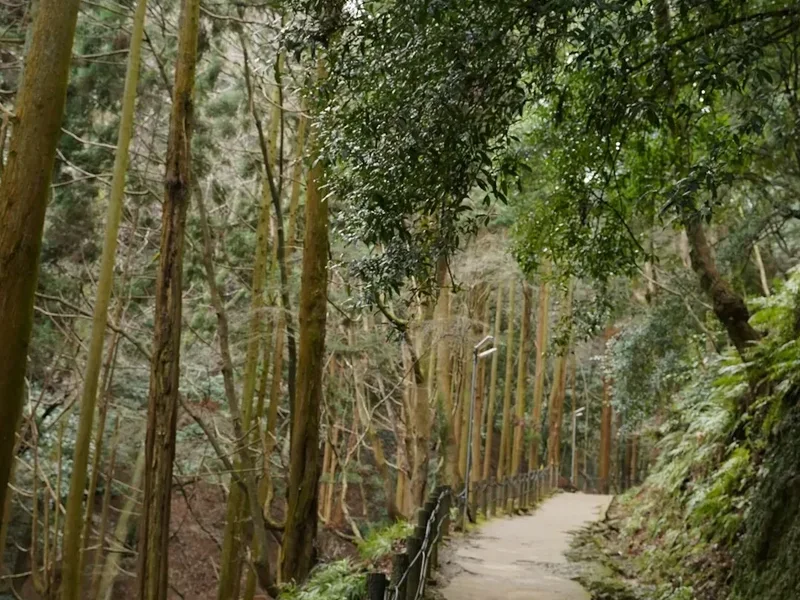
Oirase Gorge Trail - Day Walk Itinerary
Start: Lake Towada (Oide Park or Nenokuchi)
- Early Morning (approx. 8:00 AM - 9:00 AM): Arrive at Lake Towada. If starting from the western end, begin at Oide Park or Nenokuchi, the point where the Oirase River flows out of the lake. Enjoy the serene morning views of Lake Towada.
- Morning (approx. 9:00 AM - 12:00 PM): Begin the walk along the Oirase Gorge trail. The initial section from Nenokuchi is particularly scenic, with the river widening and flowing gently.
- Key Waypoints:
- Nenokuchi ( Nenokuchi Bus Stop)
- Choshi-otaki (Great Waterfall) - a powerful, wide waterfall, often the first major sight.
- Kashiwaba-bashi Bridge
- The path is generally flat and well-maintained, often a paved walkway or a clear gravel path.
Midday (approx. 12:00 PM - 1:30 PM): Continue along the trail, enjoying the changing scenery. This is a good time for a picnic lunch at one of the designated rest areas or by the river.
- Key Waypoints:
- Kokeshi-otaki (Wooden Doll Waterfall) - a smaller, more delicate waterfall named for its resemblance to traditional wooden dolls.
- Kuyō-no-taki (Waterfall of Lamentation)
- Observe the diverse flora and fauna, and listen to the sounds of the river and forest.
Afternoon (approx. 1:30 PM - 4:00 PM): The trail continues deeper into the gorge, with more waterfalls and scenic viewpoints. The forest becomes denser, and the river may narrow or widen depending on the terrain.
- Key Waypoints:
- Tamano-o-taki (Waterfall of the Jewel's Tail)
- Ashura-no-taki (Waterfall of Ashura)
- Kannon-bashi Bridge
- The path remains easy to follow, with clear signage indicating distances to the end point.
Late Afternoon (approx. 4:00 PM onwards): Arrive at Yakeyama, the end point of the main Oirase Gorge trail. Yakeyama offers facilities such as bus stops, restaurants, and souvenir shops.
- Key Waypoints:
- Yakeyama (Yakeyama Bus Stop) - the terminus for many bus routes.
- From Yakeyama, you can catch a bus back to Lake Towada or continue to other destinations.
Alternative Itinerary (Bus Assisted):
- Visitors can also utilise the Oirase Keiryu Liner bus service, which runs frequently between Lake Towada and Yakeyama during the walking season. This allows for a more flexible experience, where you can hop on and off the bus at various points of interest, walking shorter sections of the gorge.
- For example, you could take the bus to Choshi-otaki, walk to a mid-point like Kokeshi-otaki, and then catch another bus to Yakeyama.
Important Notes:
- The trail is well-marked and easy to navigate.
- Restrooms are available at various points along the trail and at major viewpoints.
- Wear comfortable walking shoes.
- Carry water and snacks, although there are some vending machines and small shops at key locations.
- Be prepared for changing weather, especially during autumn.
Planning and Bookings
Book Your Trip
Everything you need to plan your journey
Accommodation
Find places to stay near Towada
Flights
Search flights to Towada
Essential Preparation
The Oirase Gorge is located within Towada-Hachimantai National Park, a region easily accessible by public transport and car. The closest major city is Aomori. From Aomori Airport (AOJ), visitors can take a limousine bus to Aomori Station, and then transfer to a JR bus bound for Lake Towada or Yakeyama. The journey from Aomori Airport to Lake Towada typically takes around 2.5 to 3 hours.
Driving is also a convenient option. The gorge is approximately a 2-hour drive from Aomori city. Parking is available at various points, including near Lake Towada (Oide Park) and at Yakeyama. Road conditions are generally good, but can be affected by snow during winter months. It is advisable to check road conditions if travelling outside the main walking season.
Accommodation options are concentrated around Lake Towada and in the Yakeyama area. These range from modern hotels to traditional Japanese inns (ryokans), many offering onsen (hot springs) facilities. Booking accommodation in advance is highly recommended, especially during the peak autumn foliage season (mid-October to early November), as the area becomes very popular.
Trail Accommodation
This is a day hike requiring no overnight accommodation on the trail itself. Visitors typically stay in hotels or ryokans located in the vicinity of Lake Towada or Yakeyama before or after their walk. These establishments offer a range of amenities, including comfortable rooms, dining, and often access to hot springs.
Accommodation Options:
- Hotels: Modern hotels are available around Lake Towada, offering various levels of comfort and services.
- Ryokans: Traditional Japanese inns provide a cultural experience, often featuring tatami mat rooms, futon bedding, and communal onsen baths. Many ryokans also offer exquisite multi-course Japanese dinners (kaiseki) and breakfasts.
- Guesthouses/Minshuku: More budget-friendly options are also available.
Booking Requirements:
- Advance booking is essential, particularly during peak seasons (summer holidays, autumn foliage).
- Popular ryokans and hotels can be fully booked months in advance for autumn.
- Check cancellation policies carefully when booking.
Facilities Provided: Varies by establishment, but typically includes private rooms, bedding, dining services, and onsen facilities.
What's NOT Provided: No specific trail accommodation is provided. All lodging is external to the walking trail.
Seasonal Availability: Most hotels and ryokans operate year-round, but some may have reduced services or closures during the off-season (winter). The walking trail itself is best enjoyed from late spring to early autumn.
Costs: Prices vary significantly based on the type of accommodation, season, and amenities. Expect to pay anywhere from ¥8,000 to ¥30,000+ per person per night for hotels and ryokans.
Required Gear
- Comfortable walking shoes: Sturdy, broken-in walking shoes or trainers with good grip are essential. The trail is mostly flat but can be uneven in places.
- Waterproof jacket: Essential for protection against rain, which is common in the region. A lightweight, breathable jacket is ideal.
- Layers of clothing: Temperatures can fluctuate, especially between morning and afternoon, and with changes in elevation or proximity to water. Pack a base layer, a mid-layer (fleece or light jumper), and an outer shell.
- Hat: A sun hat for protection during sunny days, and a warm hat for cooler mornings or evenings, especially in autumn.
- Insect repellent: Recommended, particularly during summer months, to ward off mosquitoes and sandflies.
- Small backpack: To carry water, snacks, camera, and personal items.
What to Bring
- Water: Carry at least 1-2 litres of water per person. Vending machines are available at key points, but it's wise to start with sufficient supply.
- Snacks: Energy bars, fruit, or other portable snacks are useful for maintaining energy levels during the walk.
- Camera: The Oirase Gorge is incredibly photogenic, especially during autumn.
- Small towel: Useful if you plan to use public restrooms or if you get caught in unexpected rain.
- Cash: While many larger establishments accept credit cards, smaller shops, vending machines, and some bus fares may require cash (Japanese Yen).
- Map of the area: Although the trail is well-marked, a map can be helpful for planning your route and identifying points of interest.
- Personal toiletries: Including sunscreen, hand sanitiser, and any personal medications.
- Plastic bags: For carrying out any rubbish.
Permits
No permits are required to walk the Oirase Gorge Trail. The trail is part of Towada-Hachimantai National Park and is open to the public free of charge. Access to the walking path and viewing the waterfalls does not require any special passes or reservations.
However, it is important to note that while the trail itself is free, there are associated costs for transportation (buses, taxis), accommodation, and any activities or services you might use in the surrounding area. For instance, the Oirase Keiryu Liner bus service, which is a convenient way to access different parts of the gorge or to travel between Lake Towada and Yakeyama, requires a fare. Parking fees may also apply at designated parking areas.
Key points regarding access:
- Free Access: The Oirase Gorge walking trail is open to everyone without charge.
- National Park Regulations: Visitors are expected to adhere to the rules and regulations of Towada-Hachimantai National Park, which focus on conservation and responsible tourism. This includes staying on marked trails, not littering, and respecting wildlife.
- Transportation Costs: Budget for bus fares or fuel and parking if driving.
- Accommodation and Food: These costs are separate and depend on your choices.
Given the popularity of the gorge, especially during autumn, it is advisable to plan your visit and book accommodation and transportation in advance to ensure a smooth and enjoyable experience.
Other Activities in the Area
The Oirase Gorge is part of the larger Towada-Hachimantai National Park, offering a wealth of activities beyond the main walking trail:
- Lake Towada Exploration: At the start of the gorge, Lake Towada is a stunning caldera lake. Visitors can enjoy boat cruises across the lake, offering panoramic views of the surrounding mountains and shoreline. Kayaking and paddleboarding are also popular activities during warmer months.
- Towada Shrine: Located on the shores of Lake Towada, this serene shrine offers a peaceful retreat and a glimpse into local spiritual traditions.
- Mount Hakkoda: A short drive or bus ride from the Oirase Gorge area, Mount Hakkoda is a popular destination for hiking and, in winter, skiing. The Hakkoda Ropeway offers spectacular views of the volcanic landscape and, in autumn, breathtaking foliage.
- Sukayu Onsen: Famous for its large, mixed-gender communal bath (Senjinsō), Sukayu Onsen is a historic hot spring resort nestled in the mountains. It's a unique experience for those seeking traditional Japanese onsen culture.
- Aomori City Attractions: If based in Aomori, consider visiting the Nebuta Museum WA RASSE, which showcases the vibrant floats from the famous Nebuta Matsuri festival, or the Aomori Museum of Art.
- Local Cuisine: Sample regional delicacies such as fresh seafood from the Sea of Japan, Hakkoda beef, and local sake.
- Autumn Foliage Viewing: Beyond the gorge itself, numerous other spots in the surrounding Tohoku region offer spectacular autumn colours, including the Hakkoda Mountains and various scenic drives.
Safety and Conditions
Trail Conditions: The Oirase Gorge trail is generally well-maintained, paved, or a clear gravel path. It is mostly flat with minimal elevation changes, making it safe and accessible for most walkers. However, after heavy rain, sections of the path may become slippery, especially near waterfalls and riverbanks. Always exercise caution and wear appropriate footwear.
Weather: The weather in the Oirase Gorge can change rapidly. While summers are generally warm, autumn can bring cooler temperatures and rain. It is advisable to check the weather forecast before your visit and be prepared for all conditions. Carrying a waterproof jacket and layers is recommended year-round.
Water Safety: The Oirase River is a natural waterway with currents and varying depths. While the trail keeps you at a safe distance, it is important to supervise children closely if they are near the water's edge. Do not attempt to swim in the river, as currents can be strong and unpredictable.
Wildlife: The gorge is home to various wildlife, including birds, small mammals, and insects. While encounters with large or dangerous animals are rare, it is always wise to maintain a respectful distance and avoid feeding any wildlife. Insect repellent is recommended during warmer months to protect against mosquitoes and sandflies.
Emergency Services: In case of an emergency, mobile phone reception is generally available in most parts of the gorge, though it may be intermittent in some secluded areas. Look for emergency contact information posted at trailheads or information centres. The nearest medical facilities would be in the towns of Towada or Aomori.
Navigation: The trail is clearly marked and follows the river, making it difficult to get lost. However, carrying a map of the area is always a good precaution, especially if you plan to explore any side paths or venture beyond the main gorge trail.
Side Trips and Points of Interest
The Oirase Gorge itself is a continuous series of natural wonders, but several specific points are particularly noteworthy:
Choshi-otaki (銚子滝): Often the first major waterfall encountered when starting from Nenokuchi, Choshi-otaki is one of the most impressive in the gorge. It's a wide, powerful cascade that plunges into a clear pool below. The sheer volume of water and the surrounding lush greenery make it a spectacular sight, especially after rainfall.
Kokeshi-otaki (こけし滝): Named for its resemblance to traditional Kokeshi wooden dolls, this waterfall is smaller and more delicate than Choshi-otaki. It's a charming and picturesque spot, often framed by moss-covered rocks and vibrant foliage, offering a different kind of beauty.
Tamano-o-taki (玉簾の滝): This waterfall is known for its elegant, curtain-like appearance as the water cascades down a series of rock steps. It's a serene and beautiful spot, perfect for quiet contemplation and photography.
Ashura-no-taki (あぐらの滝): Another beautiful cascade, Ashura-no-taki is named after the Buddhist deity Ashura. Its unique rock formations and the way the water flows create an almost sculptural effect.
Kannon-bashi Bridge (観音橋): This bridge offers a fantastic vantage point for viewing several waterfalls and the surrounding gorge. It's a popular spot for photographers and offers a broad perspective of the Oirase River's journey.
Lake Towada Shoreline: Before or after your walk, spending time along the shores of Lake Towada is highly recommended. The views of the lake, especially at sunrise or sunset, are breathtaking. Various points along the shore offer different perspectives and photo opportunities.
Oirase Stream Observation Deck: Located at various points, these decks provide elevated views of the river and waterfalls, allowing visitors to appreciate the scale and beauty of the gorge from a different angle.
Leave No Trace
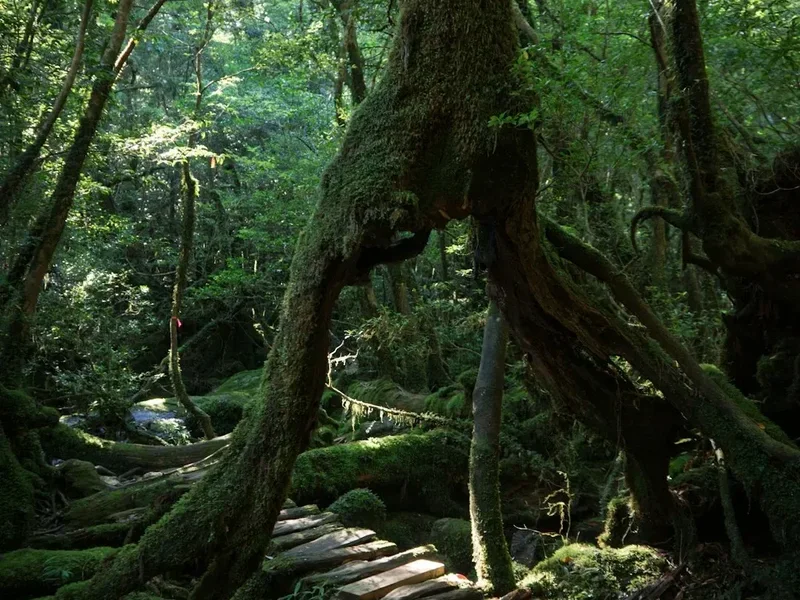
The Oirase Gorge is a precious natural environment within Towada-Hachimantai National Park, and visitors are expected to practice Leave No Trace principles to help preserve its beauty for future generations. Adhering to these guidelines ensures that the delicate ecosystem remains intact and that the experience for all visitors is positive.
Your responsibility as a walker:
- Pack it in, Pack it out: Carry out all litter, including food scraps, wrappers, and any other waste you generate. Do not bury or burn trash.
- Stay on Marked Trails: The designated paths are designed to protect the fragile vegetation and soil. Venturing off-trail can cause erosion and damage delicate plant life.
- Respect Wildlife: Observe animals from a distance and never feed them. Feeding wildlife can alter their natural behaviour and diet, and can be harmful to their health.
- Dispose of Waste Properly: Use designated restrooms along the trail. If no facilities are available, dig a cathole at least 70 metres away from water sources, trails, and campsites. Pack out all toilet paper.
- Leave What You Find: Do not take rocks, plants, or any other natural objects from the gorge. Leave them for others to enjoy and for the ecosystem to thrive.
- Minimise Campfire Impacts: Campfires are generally not permitted within the Oirase Gorge trail area. If camping is permitted in designated areas outside the gorge, use established fire rings and ensure fires are completely extinguished.
- Be Considerate of Other Visitors: Keep noise levels down to allow everyone to enjoy the natural sounds of the gorge. Yield to other walkers and be courteous.
By following these principles, you contribute to the ongoing preservation of the Oirase Gorge's pristine beauty and ensure a memorable experience for yourself and others.
 Japan
Japan