
Obersteinberg Hike - A Swiss Alpine Gem
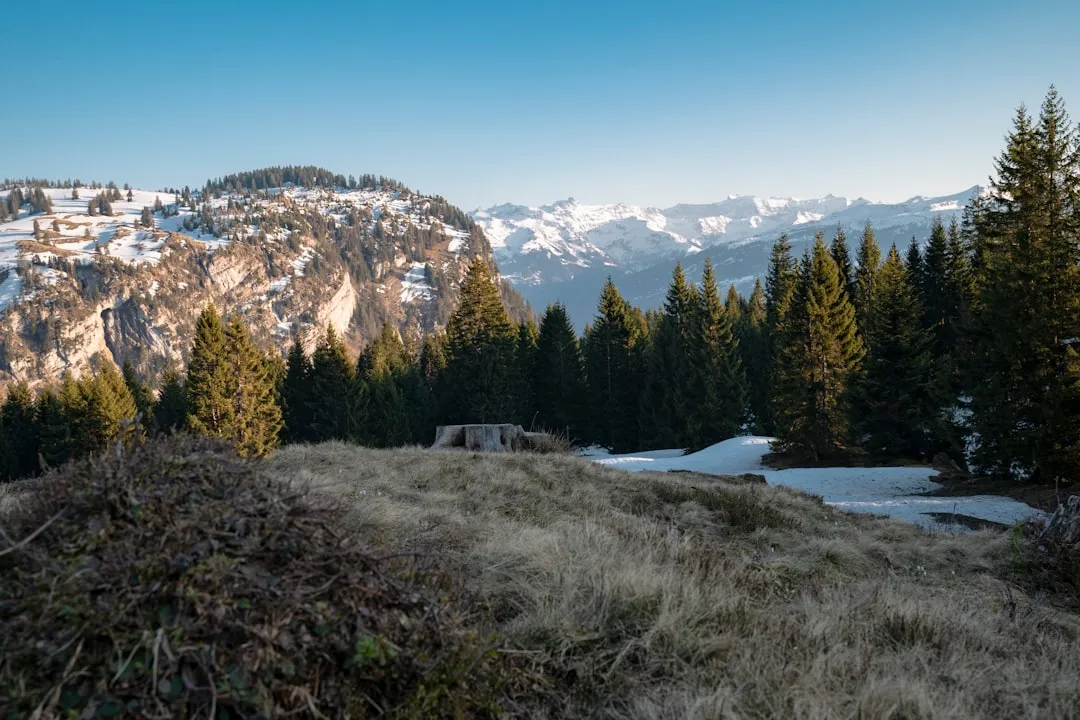
The Obersteinberg Hike is a spectacular day walk nestled deep within the Bernese Alps of Switzerland, offering a quintessential alpine experience without the commitment of multi-day trekking. This route ascends from the picturesque valley floor near Stechelberg, a charming hamlet in the Lauterbrunnen Valley, to the remote and historic Berghaus Obersteinberg, a mountain guesthouse that feels like a step back in time. The trail winds through verdant alpine meadows, past cascading waterfalls, and offers increasingly dramatic views of the surrounding glaciated peaks, including the iconic Eiger, Mönch, and Jungfrau. It's a journey that rewards with breathtaking scenery, a sense of wildness, and the unique charm of a traditional Swiss mountain inn.
- Distance: 12.0 km one-way
- Elevation gain: 865 m
- Duration: 4-7 hours (round trip)
- Season: June to September (when trails are clear of snow)
- Difficulty: Moderate
- Closest City: Interlaken
- Trailhead Access: Stechelberg, Lauterbrunnen Valley
- No permits required for day hiking
Overview
The Obersteinberg Hike is a moderately challenging day walk that delivers an immense scenic payoff. Starting from the valley floor at Stechelberg, the trail immediately begins its steady ascent, a consistent climb that builds both fitness and anticipation. The initial stages meander through lush pastures and alongside the roaring Trütschelbach waterfall, a powerful reminder of the glacial forces that have shaped this landscape. As you gain altitude, the dense forests gradually give way to more open alpine terrain, revealing panoramic vistas that expand with every metre gained.
The true magic of Obersteinberg lies in its remoteness and the stunning natural beauty it encapsulates. The trail leads to the Berghaus Obersteinberg, a rustic mountain guesthouse that has been serving hikers for generations. This historic building, often referred to as the "last bastion of the old alpine spirit," offers a welcome respite and a chance to soak in the atmosphere of a bygone era. From the guesthouse, the views are simply extraordinary. The imposing massif of the Eiger, Mönch, and Jungfrau dominates the skyline, their snow-capped summits piercing the blue sky. Glaciers cling to their flanks, and the sheer scale of the mountains is humbling.
The return journey offers a different perspective on the valley, allowing you to appreciate the descent and the changing light on the peaks. The sound of cowbells often accompanies hikers, a charming soundtrack to the alpine experience. While the climb is significant, the well-maintained path and the sheer beauty of the surroundings make it an incredibly rewarding endeavour for those seeking a genuine taste of the Swiss Alps.
History and Cultural Context
The history of the Obersteinberg area is intrinsically linked to the development of tourism in the Swiss Alps. For centuries, the high alpine pastures were used for seasonal grazing by local farmers, a practice that continues to this day. The construction of the Berghaus Obersteinberg in the late 19th century marked a turning point, transforming the area into a destination for intrepid travellers seeking the raw beauty of the mountains.
The Berghaus itself is a testament to this history. Built with traditional materials and designed to blend into the alpine environment, it has remained largely unchanged for decades. It represents a commitment to preserving the authentic alpine experience, eschewing modern conveniences for a more rustic and immersive encounter with nature. The guesthouse has hosted generations of hikers, climbers, and nature lovers, becoming a beloved landmark and a symbol of the enduring appeal of the Swiss Alps.
The Lauterbrunnen Valley, from which the hike originates, has a rich history of human settlement and agricultural use. Its dramatic U-shaped glacial valley, carved by ancient ice flows, is dotted with charming villages like Stechelberg and Wengen, each with its own unique character and traditions. The valley's accessibility, particularly with the advent of railways and cable cars, has made it a popular tourist destination, yet areas like Obersteinberg retain a sense of wildness and seclusion, offering a glimpse into a more traditional alpine way of life.
Seasonal Highlights and Weather Reality
The Obersteinberg Hike is best undertaken during the summer months, typically from June to September. During this period, the trails are generally free of snow, and the weather is most favourable for hiking.
Spring (May): While the lower parts of the trail may be accessible, higher sections can still be snow-covered and potentially hazardous. Waterfalls are often at their most powerful due to snowmelt, offering spectacular sights, but caution is advised.
Summer (June to August): This is the prime season. Wildflowers carpet the alpine meadows, creating a vibrant tapestry of colour. The days are long, providing ample time for hiking and enjoying the views. The Berghaus Obersteinberg is fully operational, offering refreshments and accommodation. However, summer can also bring afternoon thunderstorms, so starting early is always recommended. Sandflies are generally not a significant issue in this region of Switzerland.
Autumn (September to October): The autumn colours can be stunning, with the larch trees turning golden. The air is crisp, and the crowds tend to thin out. However, the weather can become more unpredictable, with a higher chance of early snowfalls, especially at higher elevations. The Berghaus may have reduced operating hours or close for the season towards the end of October.
Winter (November to April): The trail is impassable due to heavy snow and avalanche risk. This period is strictly for experienced winter mountaineers with appropriate gear and knowledge.
Weather Considerations: Alpine weather is notoriously changeable. Even in summer, conditions can shift rapidly. Be prepared for sunshine, rain, wind, and cooler temperatures, especially at higher altitudes. Always check the local weather forecast before setting out.
Recommended Itinerary
Obersteinberg Hike - Day Walk Itinerary
Early Morning: Arrival at Stechelberg
- Travel to Stechelberg, the starting point of the hike. This can be reached by public transport (bus from Lauterbrunnen) or by car (parking available, fee applies).
- GPS coordinates for Stechelberg: 46.5440, 7.9033.
- Take a moment to admire the dramatic valley and the imposing waterfalls, including the Trütschelbach waterfall.
Morning: Ascent to Obersteinberg
- Distance: Approximately 6.0 km
- Elevation gain: Approximately 865 m
- Time: 2.5–3.5 hours
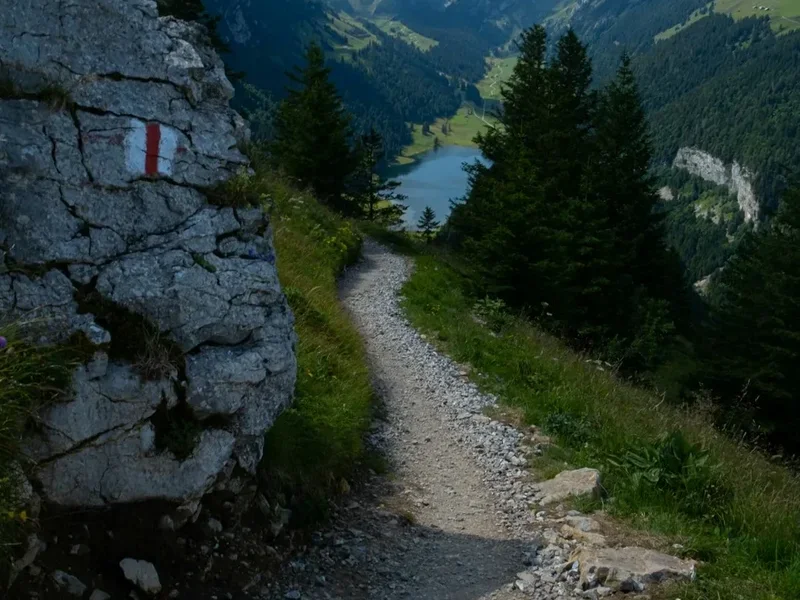
- Begin the steady climb from Stechelberg. The trail is well-marked and generally follows a clear path.
- The initial section passes through meadows and alongside the Trütschelbach waterfall.
- As you ascend, the forest thins, and the views of the Lauterbrunnen Valley and surrounding peaks begin to open up.
- The path can be steep in places, requiring a moderate level of fitness.
- Pass smaller alpine huts and grazing areas.
Midday: Arrival at Berghaus Obersteinberg & Lunch
- Distance: 0 km (at the guesthouse)
- Elevation: 1,778 m
- Time: 1–2 hours
- Arrive at the historic Berghaus Obersteinberg.
- Enjoy a well-deserved break. You can purchase refreshments, a traditional Swiss lunch, or enjoy a packed lunch you've brought with you.
- Take time to absorb the magnificent panoramic views of the Eiger, Mönch, and Jungfrau.
- Explore the immediate surroundings of the guesthouse and the high alpine pastures.
Afternoon: Descent to Stechelberg
- Distance: Approximately 6.0 km
- Elevation loss: Approximately 865 m
- Time: 2–3 hours
- Begin the descent back towards Stechelberg.
- The descent offers a different perspective on the valley and the waterfalls.
- The path is generally well-maintained but can be steep and rocky in sections, so watch your footing.
- You may encounter grazing cattle on the lower pastures.
Late Afternoon: Departure from Stechelberg
- Arrive back in Stechelberg.
- Option to visit the nearby Trümmelbach Falls (accessible by bus or a short walk from Stechelberg) for a different perspective on glacial erosion.
- Continue your journey from Stechelberg via public transport or your vehicle.
Important Notes:
- This is a day hike; no overnight accommodation is required on the trail itself.
- The Berghaus Obersteinberg offers basic accommodation for those wishing to stay overnight, but this requires separate booking.
- Carry sufficient water, especially during warmer months, although water sources are available along the route.
- Wear sturdy hiking boots with good ankle support.
- Be prepared for changing weather conditions.
Planning and Bookings
Book Your Trip
Everything you need to plan your journey
Accommodation
Find places to stay near Interlaken
Flights
Search flights to Interlaken
Essential Preparation
The Obersteinberg Hike is a day walk, simplifying some aspects of planning compared to multi-day treks. However, thorough preparation is still crucial for a safe and enjoyable experience. The closest major transport hub is Interlaken. From Interlaken Ost, take a train to Lauterbrunnen, and then a bus (line 141) to Stechelberg. If travelling by car, you can drive directly to Stechelberg, where parking is available (a fee applies). Ensure your vehicle is suitable for mountain roads if driving.
It is advisable to check the weather forecast for the Lauterbrunnen Valley and the higher altitudes of Obersteinberg immediately before your hike. The Berghaus Obersteinberg is a key point of interest and a potential place for a meal or rest, so checking its operating status and opening hours, especially outside the peak summer season, is recommended. While no specific permits are required for this day hike, always be aware of local regulations and respect the natural environment.
Trail Accommodation
This is a day hike requiring no overnight accommodation on the trail itself. However, the historic Berghaus Obersteinberg offers traditional mountain guesthouse accommodation for those wishing to extend their stay or experience a night in the high Alps. If you intend to stay at the Berghaus, booking well in advance is essential, particularly during the peak summer season. The guesthouse provides basic but comfortable rooms, often with shared bathroom facilities, and serves hearty Swiss cuisine. Facilities at the Berghaus include a restaurant, bar, and sleeping rooms. It is a rustic experience, reflecting its remote alpine location.
Required Gear
- Sturdy hiking boots: Waterproof and with good ankle support are essential for the uneven terrain.
- Backpack: A comfortable daypack (20-30 litres) to carry essentials.
- Waterproof jacket and trousers: Essential for protection against sudden rain showers and wind.
- Warm layers: Including a fleece or insulated jacket, as temperatures can drop significantly at higher altitudes, even in summer.
- Hat and gloves: For warmth and sun protection.
- Sun protection: High SPF sunscreen, sunglasses, and a sun hat. The alpine sun can be intense.
- Navigation: A map of the area and a compass, or a reliable GPS device/smartphone with offline maps. While the trail is generally well-marked, it's always wise to be prepared.
- First-aid kit: Including blister treatment, pain relievers, and any personal medications.
- Head torch: With spare batteries, in case of unexpected delays or early starts/late finishes.
What to Bring
- Food: Plenty of water (at least 1.5-2 litres per person) and high-energy snacks. You can purchase food and drinks at the Berghaus Obersteinberg, but bringing your own ensures you have sustenance throughout the hike.
- Water treatment: While water sources are available, carrying a water filter or purification tablets is a good precaution.
- Toiletries: Personal items, including hand sanitiser.
- Camera: To capture the stunning scenery.
- Cash: For purchases at the Berghaus Obersteinberg, as card payment facilities may be limited or unavailable.
- Trekking poles: Optional, but can be very helpful for the steep ascents and descents, reducing strain on knees.
Permits
No specific permits are required for day hiking the Obersteinberg trail. Access to the trail and the surrounding alpine areas is generally open to the public. However, it is always advisable to be aware of any local regulations or restrictions that may be in place, particularly concerning environmental protection or access to private land. The primary considerations for this hike are logistical and weather-related rather than permit-based.
Key considerations:
- Parking: If arriving by car, ensure you are aware of parking regulations and fees at Stechelberg.
- Public Transport: If using public transport, purchase appropriate tickets in advance or ensure you have a valid travel pass.
- Berghaus Obersteinberg: If planning to stay overnight at the Berghaus, advance booking is essential. Contact the guesthouse directly for their booking procedures and availability.
Other Activities in the Area
The Lauterbrunnen Valley and its surroundings offer a wealth of activities for visitors:
- Trümmelbach Falls: Located near Stechelberg, these are a series of ten powerful glacial waterfalls inside the mountain, made accessible by tunnel lift. They are a spectacular display of nature's power.
- Schilthorn: Accessible via cable car from Stechelberg, the Schilthorn offers panoramic views and the Piz Gloria revolving restaurant, famous from the James Bond film "On Her Majesty's Secret Service."
- Lauterbrunnen Valley Exploration: Explore the valley floor by foot or bicycle, visiting charming villages like Lauterbrunnen and Wengen, and admiring the 72 waterfalls that cascade down the valley's sheer cliffs.
- Jungfraujoch – Top of Europe: A train journey to the highest railway station in Europe, offering access to glaciers, ice palaces, and stunning alpine vistas. This is a full-day excursion from Interlaken.
- Hiking in the Jungfrau Region: Numerous other hiking trails exist in the region, ranging from easy valley walks to challenging high-alpine routes.
- Adventure Sports: The region is a hub for paragliding, hang gliding, canyoning, and other adventure activities.
Safety and Conditions
Weather: Alpine weather can change rapidly. Always check the forecast before you go and be prepared for all conditions, including rain, wind, and cooler temperatures at higher altitudes. Hypothermia is a risk even in summer if you get wet and cold.
Trail Conditions: The trail to Obersteinberg is generally well-maintained but can be steep and rocky in places. Wear appropriate footwear with good ankle support. During wet periods, sections of the trail may become slippery.
Altitude: While not extremely high, the altitude at Obersteinberg (1,778 m) can affect some individuals. Ascend gradually and stay hydrated. If you experience symptoms of altitude sickness (headache, nausea, dizziness), descend to a lower elevation.
Navigation: The trail is usually well-marked, but it is always advisable to carry a map and compass or a GPS device. Ensure your phone is fully charged and consider a portable power bank.
Water: Carry sufficient water for your hike. While there are water sources along the way, it is recommended to treat any water from natural sources before drinking.
Berghaus Obersteinberg: If you plan to visit the Berghaus, check its opening hours and consider making a reservation, especially for meals or overnight stays. They are a remote mountain establishment, and services may be limited outside peak hours or seasons.
Emergency Contacts: In case of an emergency, contact Swiss Rescue on 144. It is also advisable to inform someone of your hiking plans and expected return time.
Side Trips and Points of Interest
Trütschelbach Waterfall: Located near the start of the hike in Stechelberg, this powerful waterfall is a dramatic introduction to the alpine landscape. It's a great spot for photos and to feel the raw power of glacial meltwater.
Berghaus Obersteinberg: The destination itself is a point of interest. This historic mountain guesthouse offers a unique glimpse into traditional alpine hospitality. Its remote location and rustic charm make it a special place to rest and enjoy the views. The surrounding high alpine pastures are often dotted with wildflowers in summer and offer excellent opportunities for photography.
Panoramic Views: The entire ascent to Obersteinberg provides increasingly spectacular views. Key viewpoints include:
- Lower valley views: As you climb out of Stechelberg, you gain perspective on the U-shaped Lauterbrunnen Valley and the sheer cliff faces.
- Eiger, Mönch, and Jungfrau massif: From the vicinity of the Berghaus, these iconic peaks are in full view, offering a breathtaking panorama. The scale of these mountains is truly awe-inspiring.
- Glacier views: Depending on the season and cloud cover, you may catch glimpses of glaciers clinging to the higher slopes of the surrounding mountains.
Alpine Flora and Fauna: During the summer months, the alpine meadows around Obersteinberg are often carpeted with a variety of wildflowers. Keep an eye out for local wildlife, such as marmots or chamois, though sightings are not guaranteed.
Leave No Trace
The Obersteinberg Hike traverses a pristine alpine environment. Practicing Leave No Trace principles is crucial to preserving its natural beauty and ecological integrity for future visitors.
- Plan Ahead and Prepare: Familiarise yourself with the trail, weather conditions, and any local regulations before you go. Pack appropriately for the conditions.
- Travel and Camp on Durable Surfaces: Stick to the marked trail. Avoid cutting switchbacks or walking on fragile vegetation, which can take years to recover.
- Dispose of Waste Properly: Pack out everything you pack in, including all food scraps, wrappers, and any other litter. Use designated toilet facilities where available, or follow proper backcountry waste disposal guidelines if no facilities are present (e.g., catholes dug at least 60 metres from water sources, trails, and campsites).
- Leave What You Find: Do not remove or disturb natural objects, plants, or cultural artifacts. Take only photographs and memories.
- Minimise Campfire Impacts: Campfires are generally not permitted on this day hike. If you are staying overnight at the Berghaus, inquire about their policies.
- Respect Wildlife: Observe wildlife from a distance. Do not feed animals, as this can disrupt their natural behaviours and diets.
- Be Considerate of Other Visitors: Keep noise levels down, yield to uphill hikers, and be mindful of others enjoying the natural environment.
By adhering to these principles, you help ensure that the Obersteinberg Hike remains a beautiful and wild place for everyone to enjoy.
 Switzerland