
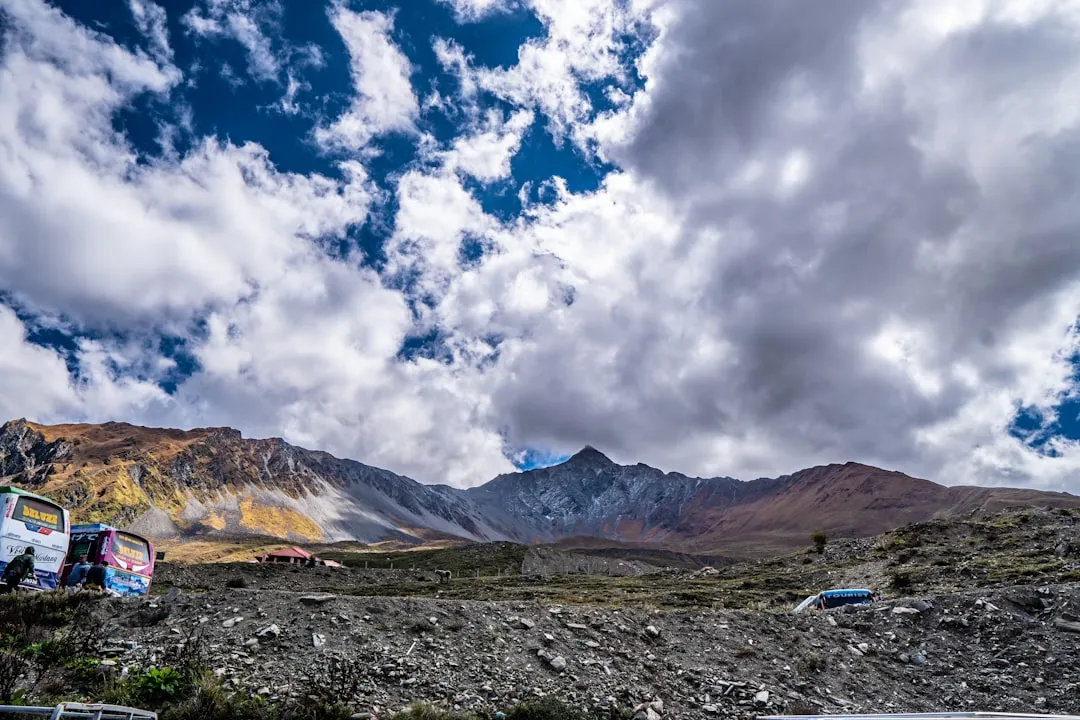
Numbur Cheese Circuit - A Himalayan Trek
The Numbur Cheese Circuit is a challenging multi-day trek in the heart of Nepal's Rolwaling Valley, offering a profound immersion into Sherpa culture and dramatic Himalayan landscapes. This 48-kilometre journey traverses high mountain passes, remote villages, and pristine alpine environments, culminating in breathtaking views of some of the world's highest peaks. Unlike more commercialised routes, the Numbur Cheese Circuit provides a more authentic and less crowded trekking experience, allowing for genuine connection with the local communities and the raw beauty of the region. It is a trek that demands physical resilience and rewards with unparalleled vistas and cultural insights.
- Distance: 48.0 km
- Duration: 6–9 days
- Season: October–November (autumn) or March–May (spring)
- Difficulty: Challenging
- Highest point: Numbur Peak Base Camp (approx. 4,500 m)
- Closest City: Kathmandu
- Permits needed: Gaurishankar Conservation Area Permit
Overview
The Numbur Cheese Circuit is a trek that truly lives up to its "challenging" rating, weaving through a landscape of stark beauty and cultural richness. Starting from the accessible town of Shivalaya, the trail gradually ascends through rhododendron forests and terraced fields, offering glimpses of traditional Sherpa life. As you climb higher, the vegetation thins, giving way to alpine meadows and rocky terrain, with the majestic peaks of the Gaurishankar Himal range dominating the horizon. The circuit's namesake, Numbur Peak (6,959 m), stands as a formidable sentinel, its snow-capped summit a constant reminder of the high-altitude environment.
The trek is characterised by significant elevation gains and descents, with several passes exceeding 4,000 metres. The journey involves navigating through remote valleys, crossing glacial streams, and camping in high-altitude locations. The remoteness of the circuit means that trekkers must be self-sufficient, carrying all necessary supplies and equipment. This self-reliance, combined with the challenging terrain, fosters a deep sense of accomplishment and connection with the natural world.
Culturally, the Numbur Cheese Circuit offers a unique opportunity to interact with the Sherpa people, renowned for their resilience and deep spiritual connection to the mountains. Visiting remote villages like Basa, Gongar, and Beding provides insights into their traditional way of life, their Buddhist faith, and their enduring relationship with the Himalayas. The circuit's name itself hints at the region's agricultural heritage, with cheese production being a traditional practice in some of the higher pastures.
History and Cultural Context
The region surrounding the Numbur Cheese Circuit has a long and rich history intertwined with the Sherpa people and their spiritual connection to the Himalayas. For centuries, these valleys have been home to Sherpa communities who have adapted to life at high altitudes, developing unique cultural practices and a profound respect for the mountains, which they consider sacred. The Numbur massif itself, along with neighbouring peaks like Gaurishankar, holds significant religious importance in both Buddhist and Hindu traditions, often revered as deities.
Historically, these valleys served as important trade routes, connecting Tibet to the lower regions of Nepal. Sherpa traders, known for their endurance and knowledge of the mountain passes, facilitated the exchange of goods, including salt, wool, and agricultural products. The "Cheese Circuit" aspect of the name likely refers to the traditional practice of herding yaks and dzopkyos (a hybrid of yak and cow) in the high pastures, where cheese was produced as a vital source of sustenance and trade.
While the Numbur Cheese Circuit is not as historically documented as some of Nepal's more famous trekking routes, its existence is a testament to the enduring human presence in these remote alpine environments. The development of trekking tourism in Nepal has brought increased interaction with the outside world, but the circuit retains a sense of untouched wilderness and authentic cultural experience, largely due to its challenging nature and less developed infrastructure compared to more popular trails.
Seasonal Highlights and Weather Reality
The Numbur Cheese Circuit is best experienced during two distinct seasons, each offering a unique perspective on the Himalayan landscape.
Autumn (October–November): This is widely considered the prime trekking season in Nepal. The monsoon rains have receded, leaving the skies clear and offering excellent visibility of the towering peaks. The air is crisp and cool, making for comfortable trekking conditions. Temperatures are generally moderate during the day, though nights can become quite cold, especially at higher altitudes. The rhododendron forests, which bloom in spring, are less vibrant, but the clear mountain views are unparalleled. This season offers the highest probability of stable weather and unobstructed vistas.
Spring (March–May): Spring is another excellent time to trek the Numbur Cheese Circuit. The snow from winter begins to melt, and the landscape comes alive with vibrant colours. The rhododendron forests, in particular, are a spectacular sight, with their blossoms painting the hillsides in shades of red, pink, and white. The weather is generally pleasant, with increasing temperatures as the season progresses. However, spring can also bring occasional afternoon thunderstorms, and visibility might be slightly reduced compared to autumn due to increased atmospheric haze. The higher passes may still hold some snow in early spring.
Monsoon (June–September): This season is generally not recommended for trekking the Numbur Cheese Circuit. Heavy rainfall can lead to landslides, making the trails treacherous and potentially impassable. Visibility is severely limited by clouds and fog, obscuring the mountain views. The trails can become muddy and slippery, increasing the risk of accidents. While some hardy trekkers might attempt it for a more solitary experience and lush green scenery, the risks and lack of views generally outweigh the benefits.
Winter (December–February): While possible for experienced mountaineers with appropriate gear, winter trekking on the Numbur Cheese Circuit is challenging and potentially dangerous. High passes can be snow-covered and prone to avalanches. Temperatures will be extremely cold, requiring specialised winter clothing and equipment. Huts and teahouses may be closed or have limited services. This season is best avoided by most trekkers.
Recommended Itinerary
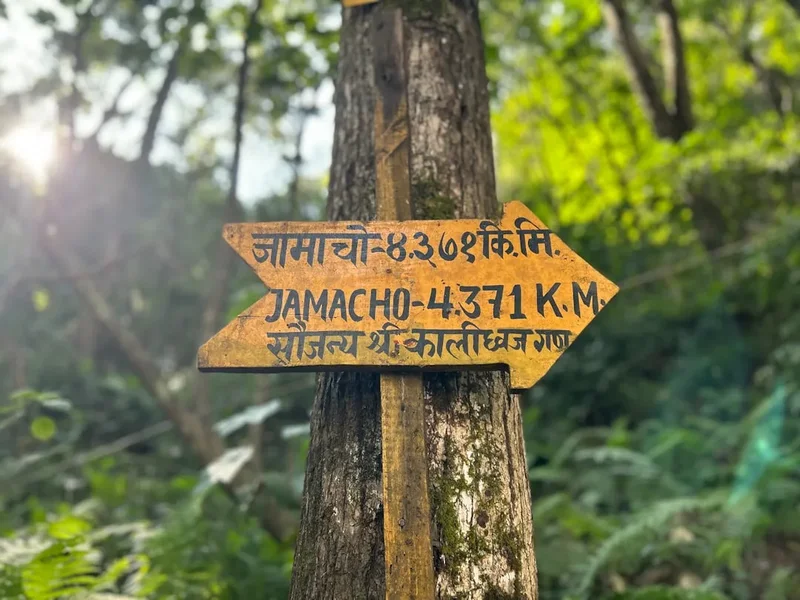
6-Day Numbur Cheese Circuit Itinerary (Challenging Pace)
Day 1: Kathmandu to Shivalaya
- Distance: N/A (Travel Day)
- Elevation: Kathmandu (1,400 m) to Shivalaya (1,760 m)
- Time: Approx. 6–7 hours by local bus/jeep
- Begin your journey from Kathmandu, the bustling capital of Nepal.
- Take a local bus or jeep from Kathmandu to Shivalaya. The road conditions can be rough, especially during the monsoon season.
- This is a travel day to reach the trailhead and acclimatise to a slightly higher altitude.
- Settle into your accommodation in Shivalaya, a small village that marks the beginning of your trek.
- Prepare your gear and mentally get ready for the days ahead.
Day 2: Shivalaya to Basa
- Distance: Approx. 12 km
- Elevation gain: Approx. 1,000 m
- Time: 6–7 hours
- Begin trekking from Shivalaya, gradually ascending through terraced fields and rhododendron forests.
- Pass through small Sherpa villages, observing local life and agricultural practices.
- The trail involves a steady climb, offering initial views of the surrounding hills.
- Reach Basa (approx. 2,760 m), a charming Sherpa settlement.
- Overnight in a local teahouse or lodge in Basa.
Day 3: Basa to Gongar
- Distance: Approx. 10 km
- Elevation gain: Approx. 800 m
- Time: 5–6 hours
- Continue your ascent from Basa, the trail becoming steeper and more remote.
- The landscape transitions from forests to more open alpine terrain.
- You will likely encounter yaks and their herders in the higher pastures.
- Reach Gongar (approx. 3,560 m), a high-altitude settlement.
- Overnight in a teahouse or lodge in Gongar.
Day 4: Gongar to Numbur Peak Base Camp (or nearby campsite)
- Distance: Approx. 8 km
- Elevation gain: Approx. 940 m
- Time: 6–7 hours
- This is a challenging day as you push towards the base camp area.
- The trail becomes more rugged, with potential for snow and ice depending on the season.
- You will be trekking at high altitudes, so pace yourself and stay hydrated.
- Reach Numbur Peak Base Camp (approx. 4,500 m) or a suitable campsite nearby.
- Enjoy spectacular panoramic views of Numbur Peak and surrounding mountains.
- Overnight camping or in a basic shelter if available.
Day 5: Numbur Peak Base Camp to Khembalung
- Distance: Approx. 10 km
- Elevation loss: Approx. 1,200 m
- Time: 6–7 hours
- Begin your descent from the high camp.
- The trail will lead you down towards the Khembalung valley.
- This descent can be steep and requires careful footing.
- Reach Khembalung (approx. 3,300 m), a significant Sherpa village known for its monastery.
- Overnight in a teahouse or lodge in Khembalung.
Day 6: Khembalung to Shivalaya and return to Kathmandu
- Distance: Approx. 8 km to Shivalaya
- Elevation loss: Approx. 1,540 m
- Time: 4–5 hours trekking + travel back to Kathmandu
- Trek downhill from Khembalung back to Shivalaya.
- The trail follows the river for much of the way.
- Upon reaching Shivalaya, you will catch a local bus or jeep back to Kathmandu.
- This is a long travel day, but you will have completed the Numbur Cheese Circuit.
Note: This is a sample itinerary and can be extended to 7-9 days for a more relaxed pace, allowing for acclimatisation days or exploration of side valleys. The itinerary assumes camping at Numbur Peak Base Camp, which is common for this trek. If teahouses are available at higher altitudes, camping might be optional.
Planning and Bookings
Book Your Trip
Everything you need to plan your journey
Accommodation
Find places to stay near Kathmandu
Flights
Search flights to Kathmandu
Essential Preparation
The Numbur Cheese Circuit is a challenging trek that requires thorough preparation. Given its remote nature and the lack of extensive tourist infrastructure, self-sufficiency is key. It is highly recommended to trek with a registered local guide and porter, who will not only assist with navigation and logistics but also provide invaluable cultural insights and ensure your safety.
Fitness: This trek involves significant daily ascents and descents, often at high altitudes. A good level of cardiovascular fitness is essential. Regular hiking, running, or cycling in the months leading up to your trip will be beneficial. Practice hiking with a weighted backpack to simulate trek conditions.
Logistics: The closest major city is Kathmandu. From Kathmandu, you will need to arrange transport to Shivalaya, the trailhead. This typically involves a local bus or jeep, which can take 6-7 hours over rough roads. It is advisable to spend at least one night in Kathmandu before and after your trek to finalise arrangements and recover.
Base Town/City Information: Kathmandu is the primary gateway for most treks in Nepal. It offers a wide range of accommodation, from budget guesthouses to luxury hotels. You can find trekking gear shops, currency exchange facilities, and medical services. Shivalaya is a small village and the starting point of the trek. Accommodation here is basic, typically in local teahouses or lodges.
Trail Accommodation
Accommodation along the Numbur Cheese Circuit is primarily in local teahouses or lodges in the villages. At higher altitudes, particularly near Numbur Peak Base Camp, camping is the standard option.
Teahouses/Lodges:
- Villages: Shivalaya, Basa, Gongar, Khembalung typically have basic teahouses or lodges.
- Facilities: Rooms usually consist of twin beds with mattresses. Blankets may be provided, but a warm sleeping bag is highly recommended. Common dining areas offer a place to eat and socialise. Toilets are usually squat-style and may be shared. Showers, if available, are often solar-heated and may incur an extra charge.
- What's NOT provided: Personal toiletries, towels, sleeping bags (highly recommended), and all food and drinks.
- Seasonal Availability: Generally available year-round, though services might be reduced during the monsoon season.
- Costs: Room costs are usually nominal (e.g., US$5-10 per night), with the expectation that you will purchase meals and drinks from the teahouse.
Camping:
- Location: Near Numbur Peak Base Camp, camping is the most common form of accommodation. Designated campsites may exist, or you will set up camp in a suitable flat area.
- Facilities: You will need to bring your own tent, sleeping bag, sleeping mat, cooking equipment, and food.
- What's NOT provided: Everything. This is a self-sufficient camping experience.
- Seasonal Availability: Possible during the trekking seasons (spring and autumn).
- Costs: No direct cost for the campsite itself, but you bear all the expenses of your camping gear and supplies.
Required Gear
- Footwear: Sturdy, waterproof trekking boots with good ankle support. Broken-in boots are essential to prevent blisters.
- Clothing:
- Layering system: moisture-wicking base layers (merino wool or synthetic), insulating mid-layers (fleece or down jacket), and a waterproof/windproof outer shell.
- Trekking trousers (quick-drying, comfortable).
- Warm hat (beanie) and gloves.
- Sun hat or cap.
- Backpack: A comfortable trekking backpack (45-65 litres) with a rain cover. A smaller daypack for essentials if you have porters.
- Sleeping Bag: A warm sleeping bag rated to at least -10°C to -15°C (-17°C to -15°C) is highly recommended, especially for higher altitudes and camping.
- Navigation: Map of the Numbur Cheese Circuit, compass, and GPS device or smartphone with offline maps. Your guide will be the primary navigator.
- Safety Gear:
- First-aid kit: including personal medications, blister treatment, pain relievers, antiseptic wipes, bandages, and any specific items recommended by your doctor.
- Headlamp or torch with spare batteries.
- Sunscreen (SPF 50+).
- Sunglasses (UV protection).
- Water purification tablets or a water filter.
- Emergency whistle.
What to Bring
- Food and Water:
- High-energy snacks: nuts, dried fruit, energy bars, chocolate.
- While teahouses provide meals, it's wise to carry some personal snacks.
- Water bottles or hydration reservoir.
- Water purification method (tablets or filter).
- Toiletries:
- Biodegradable soap and shampoo.
- Toothbrush and toothpaste.
- Toilet paper (carry your own, as it's not always provided).
- Hand sanitiser.
- Wet wipes.
- Personal Items:
- Camera and spare batteries/power bank.
- Book or journal for downtime.
- Trekking poles (highly recommended for ascents and descents).
- Small towel.
- Cash (Nepalese Rupees) for teahouse expenses, tips, and souvenirs. ATMs are not available on the trek.
- Personal identification and copies of permits.
- Optional: Gaiters (useful for snow or muddy conditions), small padlock for your backpack or room door.
Permits
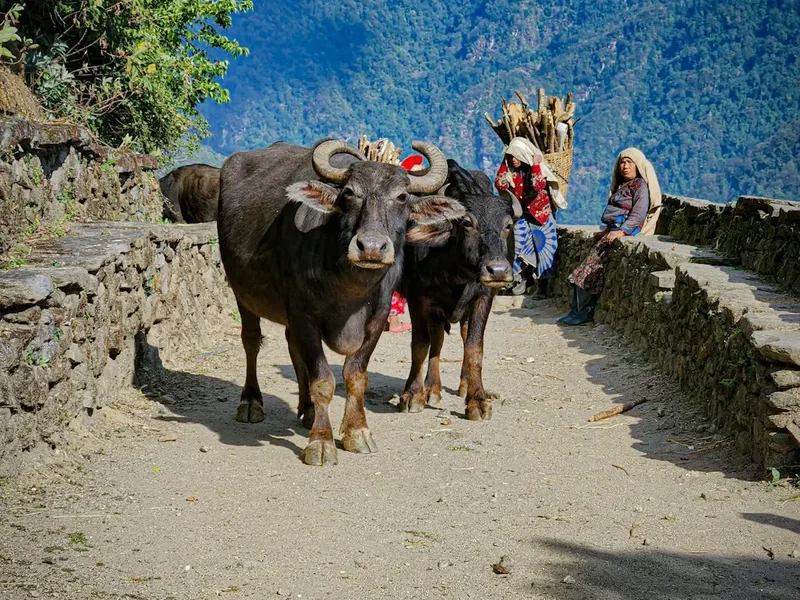
To trek the Numbur Cheese Circuit, you will need to obtain the following permits:
Gaurishankar Conservation Area Permit (GCAP): This permit is mandatory for all trekkers entering the Gaurishankar Conservation Area, which encompasses the Numbur Cheese Circuit. The permit helps fund conservation efforts and local community development projects within the area.
TIMS Card (Trekkers' Information Management System): While not always strictly enforced for this specific route, it is generally recommended to obtain a TIMS card. This card helps track trekkers for safety purposes and contributes to the overall management of trekking in Nepal.
How to Obtain Permits:
- In Kathmandu: The easiest way to obtain these permits is through your trekking agency in Kathmandu. They will handle the application process for you, which usually requires your passport details and passport-sized photographs.
- At the Trailhead (Less Common): In some cases, permits might be obtainable at entry points to the conservation area, but this is less reliable and can cause delays. It is strongly advised to secure them in Kathmandu before your departure.
Costs:
- GCAP: Approximately NPR 2,000 per person.
- TIMS Card: Approximately NPR 2,000 per person (for individual trekkers) or NPR 1,000 per person (if organised through an agency).
Always check the latest permit fees and regulations with your trekking agency or the relevant government offices in Kathmandu, as these can change.
Other Activities in the Area
While the Numbur Cheese Circuit is primarily a trekking experience, there are opportunities to engage with the local culture and environment:
- Village Exploration: Spend time in villages like Basa, Gongar, and Khembalung. Observe daily life, visit local monasteries (Gompas), and interact with the Sherpa communities.
- Cultural Immersion: If your timing aligns, you might witness local festivals or ceremonies. Engaging respectfully with locals can offer deep cultural insights.
- Photography: The landscapes and cultural scenes offer abundant photographic opportunities. Capture the majestic peaks, the vibrant prayer flags, and the daily lives of the Sherpa people.
- Stargazing: At higher altitudes with minimal light pollution, the night sky is often spectacular.
- Yak Herding Observation: In the higher pastures, you may encounter yak herders and their animals. Understanding their way of life is a unique aspect of this region.
- Monastery Visits: Many Sherpa villages have ancient Buddhist monasteries. Visiting these serene places of worship can be a profound experience.
Safety and Conditions
Altitude Sickness (Acute Mountain Sickness - AMS): This is the most significant risk on the Numbur Cheese Circuit due to the high altitudes reached. Symptoms include headache, nausea, dizziness, and fatigue. To mitigate risk:
- Ascend Gradually: Follow a sensible itinerary with adequate acclimatisation days.
- Hydrate: Drink plenty of water (3-4 litres per day).
- Avoid Alcohol and Smoking: These can exacerbate AMS symptoms.
- Listen to Your Body: If you experience AMS symptoms, do not ascend further. Rest, hydrate, and if symptoms worsen, descend immediately.
- Consult Your Doctor: Discuss Diamox (acetazolamide) as a preventative medication with your doctor before your trip.
Trail Conditions:
- Terrain: The trail varies from well-trodden paths to steep, rocky, and potentially slippery sections.
- Weather: Weather can change rapidly in the mountains. Be prepared for sun, rain, wind, and cold, even within the same day. Snowfall is possible at higher elevations, especially in spring and autumn.
- River Crossings: You may encounter glacial streams that require careful crossing. Your guide will assist with this.
General Safety:
- Guides and Porters: Always trek with a reputable local guide and porter. They are experienced in the terrain, weather patterns, and local customs, and are crucial for your safety.
- Communication: Mobile phone reception is unreliable and often non-existent on the trek. Consider carrying a satellite phone or personal locator beacon (PLB) for emergencies.
- First Aid: Carry a comprehensive first-aid kit and know how to use its contents.
- Emergency Evacuation: Ensure you have adequate travel insurance that covers emergency helicopter evacuation from remote areas.
- Respect Local Customs: Dress modestly when visiting villages and monasteries. Ask permission before taking photographs of people.
Side Trips and Points of Interest
Numbur Peak Base Camp Views: The primary objective for many on this trek is reaching the vicinity of Numbur Peak. While summiting Numbur Peak itself requires advanced mountaineering skills and permits, reaching its base camp offers unparalleled, close-up views of this magnificent mountain. The panoramic vistas from this altitude are truly breathtaking, encompassing a vast expanse of the Gaurishankar Himal range.
Rolwaling Valley Exploration: Depending on your itinerary and time, you can explore further into the Rolwaling Valley. This region is less frequented by tourists and offers a more pristine wilderness experience. Side valleys may lead to remote pastures or glacial lakes.
Local Monasteries: Villages like Khembalung are home to ancient Buddhist monasteries (Gompas). These are centres of spiritual life for the Sherpa community and offer a glimpse into Tibetan Buddhism. Admire the intricate thangkas (scroll paintings), prayer wheels, and serene atmosphere.
Traditional Sherpa Villages: The villages along the route, such as Basa and Gongar, are not just stops but destinations in themselves. Observing the traditional stone houses, terraced farming, and the daily routines of the Sherpa people provides a rich cultural experience.
Rhododendron Forests: During the spring season (March-May), the lower and mid-altitude sections of the trail are adorned with vibrant rhododendron blooms. These forests are a spectacular sight and add a splash of colour to the trekking experience.
Leave No Trace
The Numbur Cheese Circuit traverses pristine natural environments and passes through remote villages where the impact of tourism can be significant. Adhering to Leave No Trace principles is crucial to preserving the beauty and integrity of this region for future generations and for the well-being of the local communities.
Plan Ahead and Prepare: Understand the conditions, pack appropriately, and be prepared to be self-sufficient. This includes carrying out all your waste.
Travel and Camp on Durable Surfaces: Stick to established trails to avoid damaging fragile vegetation. When camping, use designated sites or areas that are already impacted. Avoid camping near water sources.
Dispose of Waste Properly: Pack out everything you pack in, including all food scraps, wrappers, and toilet paper. Do not burn or bury waste. Use designated toilet facilities in villages, and if camping, dig catholes at least 60 metres away from water sources, trails, and campsites.
Leave What You Find: Do not remove natural objects or cultural artefacts. Respect the environment and the local culture.
Minimise Campfire Impacts: Campfires are generally not permitted on this trek due to the risk of wildfires and the availability of cooking fuel (gas stoves). Use a portable stove for cooking.
Respect Wildlife: Observe wildlife from a distance and do not feed animals. Feeding them can disrupt their natural behaviours and diets.
Be Considerate of Other Visitors: Keep noise levels down, especially in villages and at campsites. Respect the local culture and traditions.
 Nepal
Nepal