
North West Circuit - Fiordland's Wilderness Heart
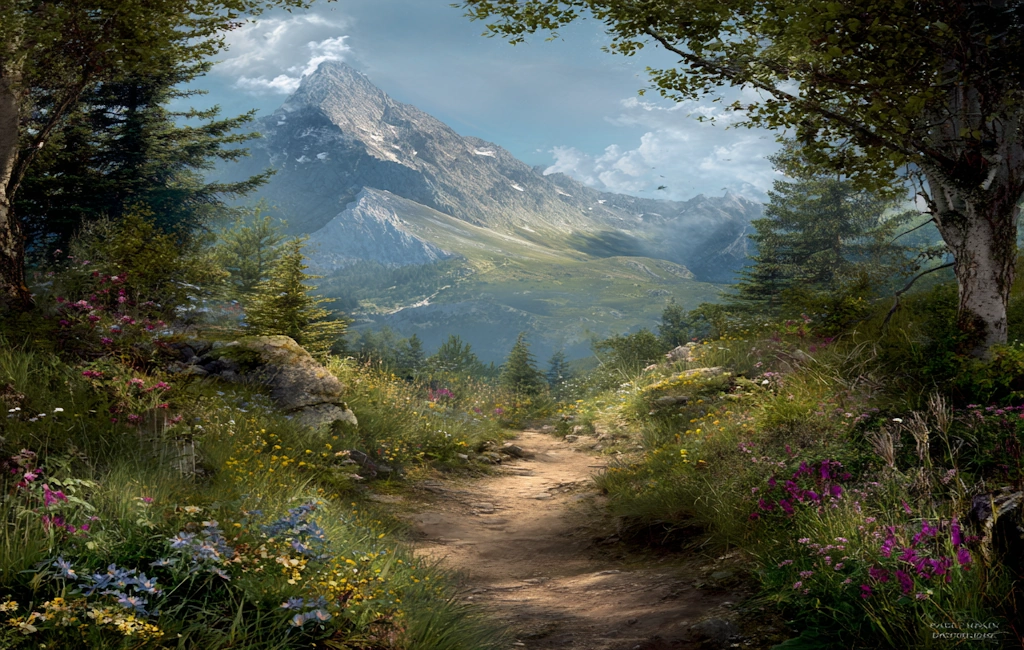
The North West Circuit is a challenging and remote multi-day tramp in the heart of Fiordland National Park, New Zealand. This 125 km loop offers an immersive experience into some of the country's most rugged and pristine wilderness, traversing alpine passes, dense rainforests, and remote valleys. Unlike the more famous Great Walks, the North West Circuit is less frequented, demanding a higher level of self-sufficiency, navigation skill, and preparedness. It is a true test of endurance and a profound reward for those seeking solitude and raw natural beauty far from the beaten path.
- Distance: 125.0 km
- Duration: 5–9 days
- Season: November to April (summer months)
- Huts: Basic backcountry huts and shelters (booking not required, first-come, first-served)
- Highest point: Approximately 1,200 m (unmarked passes)
- Daily walkers: Variable, but significantly lower than Great Walks
- Direction: Loop track, can be walked in either direction
Overview
The North West Circuit is a true wilderness experience, a demanding loop that circumnavigates the remote mountains and valleys north of the Kepler Track. It is a journey that requires careful planning, robust navigation skills, and a high degree of self-reliance. The track is not a well-trodden path; it is a route that demands respect for the formidable Fiordland environment. Expect to encounter challenging terrain, including steep ascents and descents, boggy sections, river crossings, and potentially snow on higher passes even in summer.
The circuit begins and ends near the Kepler Track, typically accessed from the Rainbow Reach car park. The route takes walkers through a diverse range of Fiordland landscapes. Initial sections might follow established tracks before venturing into more remote, less-maintained areas. You will traverse dense, moss-laden beech forests, cross open alpine tussock lands, and navigate through valleys carved by ancient glaciers. The elevation gain of 4,700 metres over 125 kilometres highlights the significant climbs and descents involved, with several unmarked passes requiring careful route-finding.
This circuit is best suited for experienced trampers who are comfortable with backcountry conditions, including navigating off-track sections, managing river crossings, and camping in remote locations. The reward for this effort is unparalleled solitude, breathtaking alpine vistas, and the chance to witness Fiordland's raw, untamed beauty. The weather in Fiordland is notoriously unpredictable, with heavy rain, strong winds, and rapid temperature changes being common. Therefore, thorough preparation and a flexible mindset are crucial for a successful and safe journey on the North West Circuit.
History and Cultural Context
The North West Circuit, like much of Fiordland, has a deep and ancient history tied to Māori exploration and resource gathering. For centuries, Māori, particularly Ngāi Tahu, traversed these rugged landscapes, utilising seasonal routes for hunting, fishing, and accessing valuable resources like pounamu (greenstone). The valleys and mountains of Fiordland hold significant cultural and spiritual importance, with many place names reflecting this deep connection to the land and its ancestral stories.
The development of the North West Circuit as a defined walking route is a more recent phenomenon, largely driven by the efforts of the New Zealand Department of Conservation (DOC) and dedicated trampers. Unlike the meticulously maintained Great Walks, sections of the North West Circuit are less developed, often consisting of marked routes rather than constructed tracks. This reflects a philosophy of preserving the wild character of the area, allowing for a more authentic wilderness experience.
The area north of the Kepler Track has historically been less explored by recreational trampers compared to the Kepler, Milford, or Routeburn Tracks. Its remoteness and challenging terrain meant it was primarily the domain of experienced hunters and mountaineers. Over time, the desire for a challenging, multi-day loop that offered true solitude led to the consolidation of existing routes and the marking of new ones to form the North West Circuit. The establishment of basic huts and shelters along the route has made it more accessible to fit and prepared trampers, though it remains a significant undertaking.
The naming of features along the circuit often reflects the early European surveyors and explorers who mapped the region, alongside the enduring Māori place names. Understanding the cultural significance of this land is an integral part of appreciating the North West Circuit, recognising it not just as a physical challenge but as a place of deep historical and spiritual value.
Seasonal Highlights and Weather Reality
The North West Circuit is primarily a summer walk, with the season generally considered to be from November to April. Outside of these months, the track becomes significantly more hazardous due to snow, ice, and extreme weather conditions, requiring advanced alpine skills and equipment.
Summer (November to April): This is the optimal period for tackling the North West Circuit. The days are longer, and while snow can still be present on higher passes, it is generally less extensive and more manageable than in winter. The vegetation is at its most vibrant, and the alpine meadows may be in bloom. However, summer in Fiordland is synonymous with rain. Expect frequent downpours, which can lead to swollen rivers and boggy conditions. Sandflies are also at their most prevalent and aggressive during the warmer months, making effective repellent essential.
Spring (November): Early spring can still bring significant snow and ice, particularly at higher elevations. River levels may be high due to snowmelt. While the days are lengthening, the weather can be highly unpredictable, with a higher chance of winter-like conditions. This is a time for caution and thorough checking of conditions.
Autumn (March to April): The shoulder months of autumn can offer crisp, clear days and stunning autumnal colours in the beech forests. The sandfly numbers typically decrease. However, the risk of early snowfalls on the passes increases as winter approaches. The weather can change rapidly, and daylight hours shorten, requiring careful planning for shorter days.
Winter (May to October): The North West Circuit is generally considered impassable and extremely dangerous during winter. Heavy snow, ice, avalanche risk, and extreme weather make it a route for highly experienced mountaineers only, equipped with specialised winter gear and knowledge. River crossings become treacherous, and navigation is severely compromised. It is strongly advised to avoid this circuit during the winter months unless you possess advanced winter backcountry expertise.
Recommended Itinerary
5-9 Day North West Circuit Itinerary Example
This is a sample itinerary and should be adapted based on fitness, weather, and personal preference. The North West Circuit is a loop, and can be walked in either direction. This example starts and ends at Rainbow Reach, heading anti-clockwise.
Day 1: Rainbow Reach to Iris Burn Hut
- Distance: 12.0 km
- Elevation gain: 400 m
- Time: 4–5 hours
- Start at Rainbow Reach car park
- Follow the Kepler Track for a short distance
- Turn off onto the North West Circuit route
- Walk through beech forest, with some open sections
- Arrive at Iris Burn Hut (basic, 10 bunks)
- This is a relatively straightforward start to acclimatise
Day 2: Iris Burn Hut to Upper Iris Burn Shelter
- Distance: 10.0 km
- Elevation gain: 600 m
- Time: 4–6 hours
- The track becomes less defined and more challenging
- Ascend through beech forest and into alpine tussock
- Cross the Iris Burn valley
- Arrive at Upper Iris Burn Shelter (basic, 4 bunks)
- This section involves more significant elevation gain and potentially boggy terrain
Day 3: Upper Iris Burn Shelter to Cascade Creek Hut
- Distance: 15.0 km
- Elevation gain: 700 m (including pass)
- Time: 6–8 hours
- Cross an unmarked alpine pass (approx. 1,200 m)
- Steep descent into the Cascade Creek valley
- Navigate through dense bush and potentially boggy areas
- Arrive at Cascade Creek Hut (basic, 6 bunks)
- This is a challenging day requiring good navigation skills
Day 4: Cascade Creek Hut to Loch Vale Hut
- Distance: 18.0 km
- Elevation gain: 500 m
- Time: 6–8 hours
- Follow the Cascade Creek valley
- Potential for river crossings depending on water levels
- Enter the Loch Vale area
- Arrive at Loch Vale Hut (basic, 6 bunks)
- A longer day with varied terrain
Day 5: Loch Vale Hut to Speargrass Hut
- Distance: 20.0 km
- Elevation gain: 600 m (including pass)
- Time: 7–9 hours
- Ascend to another unmarked alpine pass
- Descend into the Speargrass Creek valley
- This is a significant day with a substantial climb and descent
- Arrive at Speargrass Hut (basic, 10 bunks)
- Requires careful route-finding and stamina
Day 6: Speargrass Hut to Red Hills Hut
- Distance: 16.0 km
- Elevation gain: 400 m
- Time: 5–7 hours
- Follow the Speargrass Creek valley
- Terrain can be boggy and rough
- Arrive at Red Hills Hut (basic, 6 bunks)
- A more moderate day in terms of elevation, but still challenging terrain
Day 7: Red Hills Hut to Rainbow Reach
- Distance: 24.0 km
- Elevation gain: 300 m
- Time: 7–9 hours
- Continue through forest and open country
- Potential for river crossings
- Rejoin the Kepler Track near Rainbow Reach
- Arrive back at Rainbow Reach car park
- A long final day to complete the circuit
Variations:
- This circuit can be extended to 8 or 9 days by taking more leisurely paces, exploring side valleys, or building in buffer days for weather.
- Some trampers may opt to camp at designated or suitable spots rather than using huts, requiring full camping gear.
- The direction can be reversed, starting with the longer descent on Day 7.
Planning and Bookings
Book Your Trip
Everything you need to plan your journey
Accommodation
Find places to stay near Te Anau
Flights
Search flights to Te Anau
Essential Preparation
The North West Circuit is a serious undertaking that demands meticulous planning and a high level of self-sufficiency. Unlike the Great Walks, there are no booking systems for huts or campsites; they are first-come, first-served. This means you must be prepared to camp if huts are full, which is a distinct possibility given the limited capacity and the unpredictable nature of the track.
Fitness: This circuit is graded as challenging for a reason. You must have a high level of cardiovascular fitness and muscular endurance. The 4,700 metres of elevation gain spread over 125 km, combined with rough terrain, boggy sections, and potential river crossings, requires significant physical conditioning. Train with a weighted pack on steep, uneven terrain.
Navigation: This is paramount. While some sections are marked, there are significant portions of the circuit, particularly the unmarked passes, that require advanced map and compass skills, and potentially GPS navigation. Do not rely solely on GPS; always carry a physical map and compass and know how to use them. Familiarise yourself with the route and potential hazards before you depart.
Logistics: The primary access point is Rainbow Reach car park, located about 30 minutes drive from Te Anau. Te Anau is the closest town and the essential hub for all pre-trip preparations. It offers supermarkets for food supplies, outdoor gear shops for last-minute purchases, and accommodation. Ensure your vehicle is secure at Rainbow Reach, as it is a remote location.
Base Town: Te Anau is your gateway to the North West Circuit. It provides all necessary amenities for stocking up on food, hiring or purchasing gear, and obtaining the latest weather and track condition reports from the Department of Conservation (DOC) visitor centre. Plan to spend at least one night in Te Anau before and after your tramp.
Trail Accommodation
The North West Circuit features a network of basic backcountry huts and shelters. These are managed by the Department of Conservation (DOC) and are generally first-come, first-served. There are no booking requirements for these huts.
Hut Facilities:
- Basic sleeping platforms or bunks (no mattresses provided in most shelters)
- Wood-burning stove for heating (fuel may be provided, but is not guaranteed)
- Composting toilets
- Rainwater collection or proximity to streams (water treatment is essential)
- No electricity, running water, or cooking facilities (apart from the stove)
- No wardens are present on this circuit
What's NOT Provided:
- Food or cooking equipment
- Sleeping bags, mattresses, or pillows
- Cooking fuel (unless specified for a particular hut)
- Dishes, cutlery, or cleaning supplies
- Heating beyond the wood stove
- Cell phone signal or WiFi
Seasonal Availability: Huts are generally accessible year-round, but conditions can be extreme outside of summer. Snow can block access to huts and make them difficult to find in winter and spring.
Costs: There is typically a user fee for DOC huts, which is significantly lower than for Great Walks. Expect approximately NZ$15–$20 per person per night. Payment is usually via a self-registration system at the hut, or can sometimes be paid in advance at a DOC visitor centre.
Camping: Camping is permitted in the vicinity of huts or at designated campsites. If huts are full, or if you prefer to camp, ensure you have appropriate lightweight camping gear. Be aware of potential boggy ground and insect activity.
Required Gear
- Tramping Boots: Sturdy, waterproof, and well broken-in boots with good ankle support are essential.
- Waterproof Jacket and Overtrousers: High-quality, breathable waterproofs are non-negotiable. Fiordland weather is notoriously wet and unpredictable.
- Sleeping Bag: A warm, 3-season sleeping bag (rated to at least 0°C comfort) is required, as huts are unheated and often damp.
- Tramping Pack: A comfortable, well-fitting pack of 60-75 litres capacity, with a rain cover.
- Navigation Tools: Topographic map of the area, compass, and a GPS device or smartphone with offline mapping capabilities. Ensure you know how to use them.
- Head Torch: With spare batteries. Essential for navigating in huts and for early morning or late evening travel.
- First Aid Kit: Comprehensive kit including blister treatment, pain relief, bandages, antiseptic wipes, and any personal medications.
- Sun Protection: High SPF sunscreen, sunglasses, and a wide-brimmed hat. The sun can be intense at higher altitudes, even on cloudy days.
- Insect Repellent: A strong, DEET-based repellent (minimum 20% DEET) is crucial for managing sandflies.
- Emergency Shelter: A lightweight emergency bivy bag or space blanket.
- Trekking Poles: Highly recommended for stability on uneven terrain and for river crossings.
What to Bring
- Food: Sufficient lightweight, high-energy food for the duration of your trip, plus at least one extra day's supply in case of delays. Plan for breakfast, lunch, dinner, and snacks.
- Cooking Gear: A lightweight camping stove, fuel, pot, mug, bowl, and utensils. Huts have stoves but no cookware.
- Water Treatment: A water filter, purification tablets, or a UV steriliser. While water sources are plentiful, they should always be treated.
- Clothing Layers:
- Base layers (merino wool or synthetic)
- Mid-layers (fleece or down jacket)
- Warm hat and gloves
- Spare socks (plenty of them!)
- Toiletries: Biodegradable soap, toothbrush, toothpaste, toilet paper, hand sanitiser.
- Repair Kit: Duct tape, cordage, safety pins, needle and thread for gear repairs.
- Personal Items: Camera, book, journal, power bank for electronics.
- Cash: For hut fees if paying on-site, or for any unexpected needs in Te Anau.
- Whistle: For emergency signalling.
Permits
The North West Circuit does not require advance bookings or permits for hut use. Huts are operated on a first-come, first-served basis. However, it is essential to register your trip with the Department of Conservation (DOC) before you depart. This allows them to know who is in the backcountry in case of an emergency.
Registration:
- Visit the Te Anau DOC Visitor Centre to register your trip. Provide your intended route, expected duration, and contact details.
- You will receive important information on current track conditions, weather forecasts, and any hazards.
- Ensure you de-register upon your return.
Hut Fees:
- A user fee is payable for using the DOC huts on the North West Circuit. This fee contributes to the maintenance and upkeep of the huts and tracks.
- The current fee is approximately NZ$15–$20 per person, per night.
- Payment is typically made via a self-registration system at each hut. Ensure you have sufficient cash to cover the fees for your entire trip.
- It is advisable to confirm the current fee structure with the Te Anau DOC Visitor Centre before your departure.
Camping: Camping is permitted in the vicinity of huts or at designated spots. No specific permits are required for camping, but campers are expected to follow Leave No Trace principles and be respectful of hut users.
Conservation Pass: While not a specific permit for the North West Circuit itself, it's worth noting that for access to some areas within Fiordland National Park, a Conservation Pass might be required for vehicle parking. Check with DOC regarding parking regulations at Rainbow Reach.
Other Activities in the Area
While the North West Circuit is a significant undertaking, the surrounding Fiordland region offers a wealth of other activities for those looking to extend their stay or explore before or after their tramp:
- Kepler Track: A portion of the North West Circuit overlaps with the Kepler Track. You could choose to walk a section of the Kepler Track as a day trip or a shorter overnight tramp from Rainbow Reach or Control Gates.
- Te Anau Glowworm Caves: A popular tourist attraction accessible by boat from Te Anau. This unique experience takes you into a subterranean world illuminated by thousands of glowworms.
- Milford Sound and Doubtful Sound: While not directly accessible from the North West Circuit without significant travel, these iconic fiords are the jewels of Fiordland. Day trips or overnight cruises are available from Te Anau or Manapouri, offering spectacular scenery, waterfalls, and wildlife viewing.
- Lake Te Anau and Lake Manapouri: Enjoy kayaking, fishing, or scenic boat cruises on these beautiful glacial lakes.
- Fiordland National Park Visitor Centre: Located in Te Anau, this centre provides invaluable information on all tracks, weather conditions, and local flora and fauna. It's an excellent resource for planning and preparation.
- Hunting and Fishing: For those with the appropriate licenses and experience, Fiordland offers opportunities for hunting and fishing in its remote backcountry.
- Scenic Flights: Experience the grandeur of Fiordland from the air with helicopter or fixed-wing scenic flights departing from Te Anau or Queenstown. These offer unparalleled views of the mountains, glaciers, and fiords.
Safety and Conditions
Weather: Fiordland is renowned for its extreme and rapidly changing weather. Be prepared for heavy rain, strong winds, fog, and cold temperatures, even in summer. Snow can fall on higher passes at any time of year. Always check the latest MetService mountain forecast for Fiordland before and during your trip.
River Crossings: River levels can rise dramatically after heavy rain, making crossings dangerous or impossible. Assess each crossing carefully. If in doubt, wait for conditions to improve or turn back. Trekking poles are invaluable for stability.
Navigation: This is a challenging circuit with unmarked sections. Carry a map and compass and know how to use them. A GPS device or smartphone with offline maps is a useful backup but should not be relied upon solely. Inform someone of your plans and expected return time.
Sandflies: Sandflies are a significant nuisance in Fiordland, especially during warmer months. They are aggressive biters and can make being outdoors unpleasant. Use a strong insect repellent (20% DEET or higher), wear long sleeves and trousers, and consider a head net.
Hypothermia: The combination of cold temperatures, wind, and rain poses a risk of hypothermia. Wear appropriate layers of non-cotton clothing, carry extra warm clothing, and be prepared to stop and warm up if you feel yourself getting cold.
Avalanches: While less common on this specific circuit than on more exposed alpine routes, avalanche risk can exist on higher passes, particularly in spring and autumn. Be aware of recent snowfall and avalanche warnings.
Communication: Mobile phone coverage is virtually non-existent on the North West Circuit. Consider carrying a personal locator beacon (PLB) or satellite phone for emergencies.
Hut Etiquette: Huts are basic and shared facilities. Be considerate of other trampers. Keep noise to a minimum, clean up after yourself, and ensure everyone has a place to sleep. If huts are full, campers should set up their tents a reasonable distance from the huts.
Emergency Contact: Always inform a reliable person of your detailed itinerary and expected return date. The Te Anau DOC Visitor Centre is the primary point of contact for emergency services in the region.
Side Trips and Points of Interest
The North West Circuit offers opportunities for exploration beyond the main route, rewarding those with extra time and energy.
Unmarked Passes: The circuit traverses several unmarked alpine passes. While these are part of the main route, they offer significant points of interest. The views from these high points can be spectacular, providing panoramic vistas of the surrounding Fiordland wilderness. Take time to appreciate the scale and remoteness of the landscape.
Valley Exploration: The valleys leading to and from the passes, such as Iris Burn, Cascade Creek, and Speargrass Creek, are themselves beautiful and worth exploring. If time and conditions permit, short detours up these valleys can reveal hidden waterfalls, unique flora, and a deeper sense of immersion in the Fiordland environment.
Alpine Flora and Fauna: Keep an eye out for the unique plant life adapted to the harsh alpine conditions, including various tussock species, alpine daisies, and hardy shrubs. Birdlife may include the endemic kea (though less common in these remote areas than on the Milford Track), bellbirds, and fantails in the forest sections.
Remote Campsites: For those who prefer camping, there are numerous potential backcountry camping spots along the circuit, offering a truly wild experience. These are not designated campsites but areas where camping is permitted, provided Leave No Trace principles are strictly followed.
Views of the Kepler Range: While the circuit doesn't directly traverse the main Kepler Track, sections of the route offer glimpses and perspectives of the imposing Kepler Range to the east, a constant reminder of the vastness of Fiordland.
Leave No Trace
The North West Circuit traverses some of New Zealand's most pristine and fragile wilderness. Adhering to Leave No Trace principles is not just recommended; it is essential for preserving this environment for future generations. The lack of heavy infrastructure means the impact of each visitor is magnified.
Plan Ahead and Prepare: Thoroughly research the route, understand the conditions, and pack appropriately. Inform someone of your plans and expected return. Be prepared for all weather conditions.
Travel and Camp on Durable Surfaces: Stick to the marked track where it exists. When camping, choose established sites or durable surfaces like rock or gravel. Avoid camping on fragile vegetation, especially in alpine areas.
Dispose of Waste Properly: Pack out everything you pack in, including all food scraps, wrappers, and toilet paper. Use designated toilet facilities where available. If no facilities exist, dig a cathole at least 100 metres from water sources and campsites.
Leave What You Find: Do not remove or disturb natural objects, plants, or cultural artefacts. Take only photographs and memories.
Minimise Campfire Impacts: Campfires are generally discouraged and often prohibited in Fiordland National Park due to the risk of wildfire and environmental damage. Use a lightweight stove for cooking.
Respect Wildlife: Observe wildlife from a distance. Never feed animals, as this can disrupt their natural behaviours and diets. Store food securely to prevent attracting pests.
Be Considerate of Other Visitors: Keep noise levels down, especially in huts and at campsites. Yield to others on the track. Respect the solitude and wilderness experience of others.
The North West Circuit is a privilege to walk. By practising Leave No Trace principles, you help ensure its wild character is maintained.
 New Zealand