
Norikura Kogen Trails - Japan's Alpine Highland
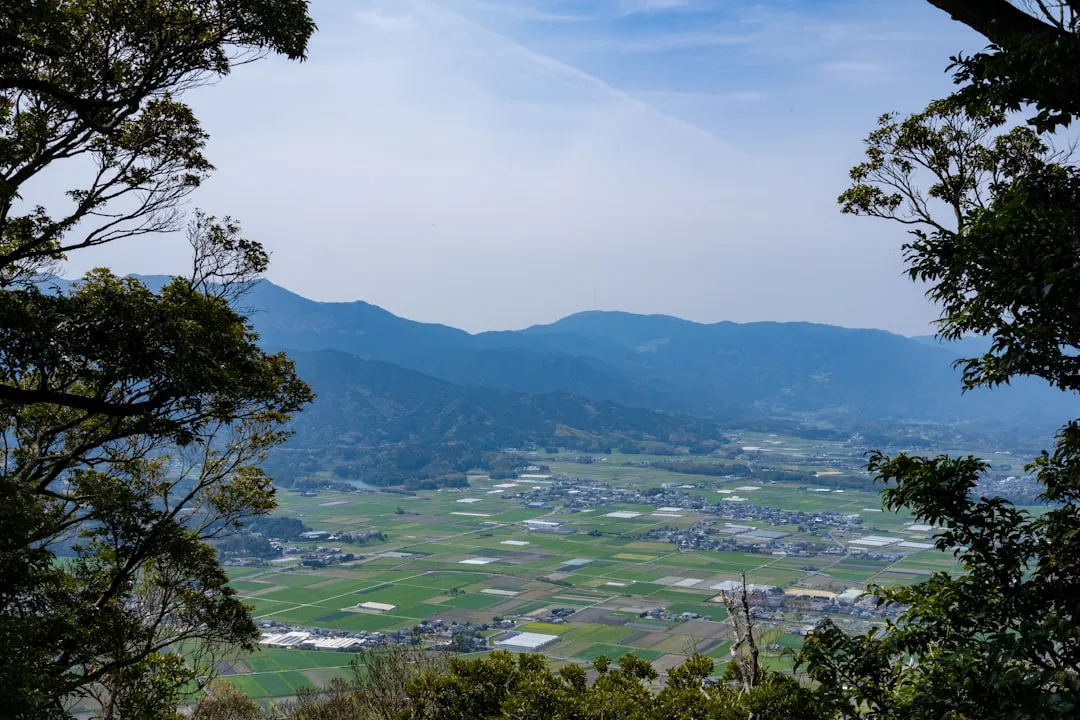
The Norikura Kogen Trails offer a captivating day walk experience amidst the stunning alpine scenery of Japan's Chubu Sangaku National Park. Located on the northern slopes of the majestic Mount Norikura, one of Japan's highest peaks, this area is renowned for its pristine natural beauty, diverse flora, and the unique geological formations shaped by volcanic activity. The trails wind through ancient forests, past crystal-clear lakes and ponds, and offer breathtaking views of the surrounding mountains. It's a place where the raw power of nature is evident, yet accessible for a rewarding day of exploration.
- Category: Day Walk
- Distance: 10.0 km
- Elevation Gain: 400 m
- Duration: 3-5 hours
- Difficulty: Moderate
- Best Time: Late spring to early autumn (May-October)
- Closest City: Takayama
- Trailhead Access: Nearest: Matsumoto Airport (MMJ). From Matsumoto, take the Alpico Kotsu bus to Norikura Kogen Tourist centre (approx. 2 hours). Limited taxi service available. By car: Route 158 to Route 39. Road conditions generally good, but check in winter. Parking available at Tourist centre. No permits required for this trail.
- Coordinates: 36.1167, 137.5667
Overview
The Norikura Kogen Trails are a testament to the dramatic beauty of Japan's volcanic highlands. This network of paths provides a moderate challenge, suitable for most walkers with a reasonable level of fitness. The primary route, often referred to as the "Kusasenri" or "Green Grassland" course, is a loop that showcases the diverse landscapes of the Norikura Kogen plateau. Starting from the Norikura Kogen Tourist centre, the trail ascends through dense, moss-covered forests, where sunlight filters through the canopy, creating an ethereal atmosphere. The air is crisp and clean, carrying the scent of pine and damp earth.
As you gain elevation, the forest gradually gives way to more open terrain, revealing panoramic vistas of the surrounding peaks, including the imposing presence of Mount Norikura itself. The highlight of the walk is undoubtedly the series of volcanic ponds and lakes, such as Sanbondaki Pond and Mikurigaike Pond, whose still waters reflect the dramatic mountain scenery like mirrors. These bodies of water are often surrounded by vibrant alpine meadows, especially in summer, bursting with wildflowers. The trail's moderate elevation gain of 400 metres over 10 kilometres means that while there are sustained uphill sections, they are generally well-graded and interspersed with flatter or downhill segments, making the overall experience enjoyable rather than exhausting.
The Norikura Kogen area is a geologically active region, and evidence of its volcanic past is visible in the unique rock formations and the very landscape itself. The trails are well-maintained and clearly marked, providing a sense of security for those exploring this remote alpine environment. The duration of 3-5 hours allows ample time to soak in the scenery, take photographs, and enjoy a picnic lunch amidst nature. The accessibility from Takayama and the presence of a dedicated tourist centre further enhance the appeal of this trail for both domestic and international visitors seeking an authentic Japanese mountain experience.
History and Cultural Context
The Norikura Kogen region, situated on the northern flank of Mount Norikura, has a long and rich history intertwined with the spiritual and practical lives of the Japanese people. Mount Norikura (3,026 metres) is considered one of Japan's sacred mountains, a place of pilgrimage and reverence for centuries. Its accessibility, relative to other major peaks, has made it a popular destination for ascetics and worshippers seeking spiritual purification and connection with the divine.
Historically, the trails that now form the Norikura Kogen walking routes were likely used by local communities for gathering resources, hunting, and as part of pilgrimage routes leading to the higher volcanic summits. The presence of numerous clear springs and ponds in the Kogen (highland) area would have been vital for travellers and for sustaining life in this alpine environment. The volcanic nature of the region has also influenced its development, with hot springs (onsen) being a significant draw for visitors seeking therapeutic benefits.
In the modern era, with the development of transportation infrastructure, particularly the Norikura Skyline road, the area became more accessible to a wider public. This facilitated the growth of tourism and the establishment of facilities like the Norikura Kogen Tourist centre. The trails were formalised and maintained to cater to hikers and nature enthusiasts, preserving the natural beauty while allowing for safe exploration. The area's designation as part of the Chubu Sangaku National Park further underscores its importance in terms of conservation and natural heritage, ensuring that its unique geological and ecological features are protected for future generations.
Seasonal Highlights and Weather Reality
The Norikura Kogen Trails are best enjoyed during the warmer months, from late spring to early autumn. Each season offers a distinct experience, shaped by the alpine climate and the vibrant natural cycles of the region.
Late Spring (May-June): This is a time of awakening. Snow begins to melt, revealing the first signs of green. Alpine flowers start to bloom, painting the meadows with delicate colours. The air is cool and refreshing, and the trails are generally clear of snow, though higher elevations might still retain patches. The waterfalls are often at their most powerful due to snowmelt. The weather can be unpredictable, with a possibility of late snowfalls or sudden temperature drops.
Summer (July-August): This is the peak season for hiking. The landscape is lush and vibrant, with wildflowers in full bloom. The weather is typically warmer, though still pleasant at this altitude. The Norikura Skyline road is fully open, making access easy. However, this is also the season when sandflies can be present, though generally less problematic than in some other alpine regions. Afternoon thunderstorms are a possibility, so starting early is advisable. The long daylight hours allow for extended exploration.
Early Autumn (September-October): This is arguably the most spectacular season. The forests transform into a breathtaking tapestry of autumn colours, with fiery reds, vibrant oranges, and golden yellows dominating the landscape. The air becomes crisp and clear, offering excellent visibility and stunning photographic opportunities. The crowds thin out compared to summer, providing a more serene experience. However, temperatures begin to drop significantly, and frost is common in the mornings. Snow can begin to fall at higher elevations towards the end of October.
Weather Reality: The alpine environment of Norikura Kogen is subject to rapid weather changes. Even in summer, temperatures can drop significantly, especially at higher elevations or in the evenings. Rain is common, and fog can descend quickly, reducing visibility to near zero. It is crucial to be prepared for all conditions, regardless of the season. Always check the weather forecast before setting out and carry appropriate layers, including waterproof and windproof clothing.
Recommended Itinerary
Norikura Kogen Day Walk Itinerary
Early Morning (Approx. 8:00 AM - 9:00 AM): Arrival and Preparation
- Arrive at Norikura Kogen Tourist centre.
- Utilise parking facilities if travelling by car.
- Gather information from the Tourist centre staff regarding current trail conditions and weather.
- Use restroom facilities and prepare your daypack.
- Ensure you have adequate water and snacks.
Morning (Approx. 9:00 AM - 12:00 PM): Forest Ascent and First Views
- Begin the walk from the Norikura Kogen Tourist centre.
- Follow the well-marked trail heading towards the higher plateau.
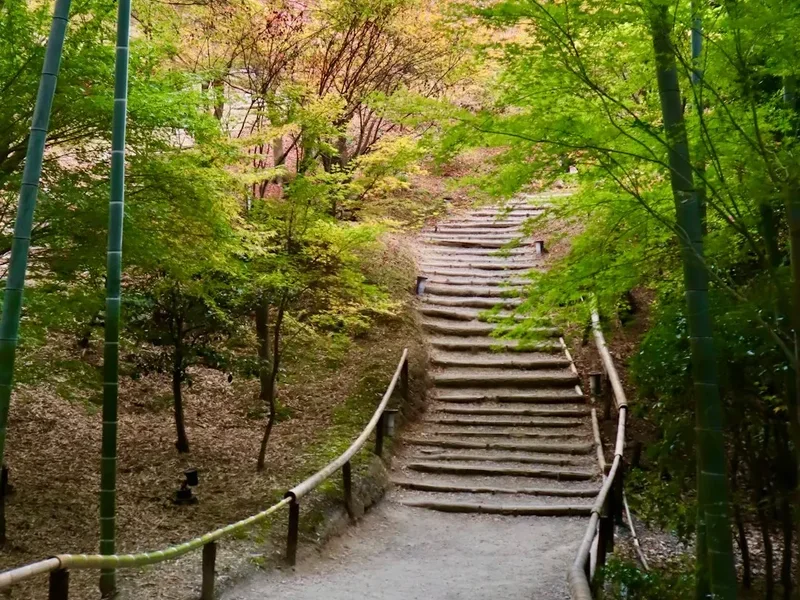
- The initial section winds through dense, temperate forest, characterised by moss-covered trees and a rich undergrowth of ferns and shrubs.
- Listen to the sounds of the forest – birdsong, rustling leaves, and the distant murmur of streams.
- As you ascend, the forest canopy begins to thin, offering glimpses of the surrounding mountain ranges.
- Reach viewpoints that provide increasingly expansive panoramas of the Norikura Kogen plateau and the distant peaks.
- The trail gradient is moderate, allowing for a steady pace and acclimatisation.
Midday (Approx. 12:00 PM - 1:30 PM): Alpine Ponds and Picnic Lunch
- Arrive at the area featuring the volcanic ponds and lakes, such as Sanbondaki Pond or Mikurigaike Pond.
- These serene bodies of water are often surrounded by alpine meadows, which can be vibrant with wildflowers in summer.
- Take time to admire the reflections of the mountains in the still water.
- Find a suitable spot for a picnic lunch, enjoying the tranquil atmosphere and the stunning natural surroundings.
- Observe the unique geological features of the area, evidence of its volcanic origins.
Afternoon (Approx. 1:30 PM - 3:30 PM): Plateau Exploration and Descent
- Continue exploring the plateau, following the loop trail.
- The terrain becomes more open, offering unobstructed views of Mount Norikura and the surrounding alpine landscape.
- The trail may involve some gentle ups and downs as it traverses the undulating terrain.
- Begin the descent back towards the Norikura Kogen Tourist centre.
- The descent offers a different perspective on the landscape, with new angles and light on the mountains.
- The forest sections on the way down provide a cool and shaded environment.
Late Afternoon (Approx. 3:30 PM onwards): Return and Departure
- Arrive back at the Norikura Kogen Tourist centre.
- Utilise facilities for rest and refreshment.
- If travelling by bus, proceed to the bus stop for your onward journey.
- If travelling by car, return to your vehicle.
- Consider visiting any local shops or cafes for souvenirs or a final taste of the region.
Important Notes:
- This is a day hike; no overnight accommodation is required on the trail itself.
- The trail is generally well-marked, but carrying a map or using a navigation app is recommended.
- Weather can change rapidly; always be prepared for rain and cooler temperatures.
- Wear sturdy, comfortable walking shoes or hiking boots.
- Carry sufficient water and high-energy snacks.
- Respect the natural environment and follow Leave No Trace principles.
Planning and Bookings
Book Your Trip
Everything you need to plan your journey
Accommodation
Find places to stay near Takayama
Flights
Search flights to Takayama
Essential Preparation
The Norikura Kogen Trails are a popular day hike, and while no advance bookings are strictly required for the trail itself, planning your travel and understanding the logistics is key to a smooth experience. The closest major transport hub is Matsumoto, from which you can access the Norikura Kogen area via public bus. If travelling by car, the Norikura Skyline road offers direct access, though it is a toll road and may have seasonal closures. It's advisable to check road conditions and bus schedules in advance, especially if travelling outside the peak summer months. The Norikura Kogen Tourist centre is your primary point of contact for information, facilities, and local advice. Consider basing yourself in Takayama or Matsumoto for easier access to the region.
Trail Accommodation
This is a day hike requiring no overnight accommodation.
Required Gear
- Hiking boots or sturdy walking shoes with good grip.
- Comfortable, moisture-wicking clothing layers (e.g., synthetic or merino wool).
- Waterproof and windproof jacket (essential due to unpredictable alpine weather).
- Waterproof overtrousers (recommended).
- Daypack (20-30 litre capacity) to carry essentials.
- Sun protection: hat, sunglasses, and high SPF sunscreen (alpine sun can be intense).
- Insect repellent (especially for summer months).
- Basic first-aid kit including blister treatment.
- Navigation tools: map of the area and a compass, or a reliable GPS device/smartphone with offline maps.
- Head torch with spare batteries (in case of unexpected delays).
What to Bring
- Sufficient water (at least 1-2 litres per person, depending on weather and exertion).
- High-energy snacks and a packed lunch.
- Camera to capture the stunning scenery.
- Personal toiletries and hand sanitiser.
- Small towel (useful after visiting any onsen facilities in the area).
- Cash for bus fares, tolls, or any purchases at the Tourist centre or local shops.
- Mobile phone (though reception may be limited in some areas).
Permits
No specific permits are required to walk the Norikura Kogen Trails. The area is part of the Chubu Sangaku National Park, and general access is free. However, if you plan to drive your own vehicle, you will need to pay the toll for the Norikura Skyline road. Parking is available at the Norikura Kogen Tourist centre and other designated areas, which may incur a fee.
Important Considerations:
- Norikura Skyline Toll: If travelling by car, be aware of the toll charges for the Norikura Skyline road. These fees contribute to the maintenance of the road and surrounding park infrastructure.
- Parking Fees: Parking at the Tourist centre or other popular trailheads may have associated fees.
- Seasonal Road Closures: The Norikura Skyline road is typically closed to private vehicles during winter and early spring due to heavy snowfall. Access during these periods is usually limited to specific shuttle buses. Always check the latest road status before your visit.
Other Activities in the Area
The Norikura Kogen region offers a variety of activities beyond the main hiking trails, making it a well-rounded destination for nature lovers and adventurers:
- Mount Norikura Summit Ascent: For experienced hikers with appropriate gear and acclimatisation, the ascent to the summit of Mount Norikura (3,026 m) is a challenging but rewarding undertaking. The summit can be reached via bus to the Tatami-daira plateau, followed by a hike. This requires a full day and good weather conditions.
- Onsen (Hot Springs): The Norikura Kogen area is dotted with natural hot springs. After a day of hiking, relaxing in a traditional Japanese onsen is a perfect way to soothe tired muscles and experience local culture. Several ryokans (traditional inns) and public bathhouses offer this amenity.
- Cycling: The Norikura Skyline road is a famous cycling route, known for its challenging climbs and spectacular views. It's a popular destination for road cyclists, though caution is advised due to traffic.
- Photography: The diverse landscapes, from dense forests and alpine meadows to volcanic ponds and panoramic mountain vistas, offer endless opportunities for photography, especially during the autumn foliage season.
- Birdwatching and Flora Observation: The rich biodiversity of the national park makes it an excellent location for observing various bird species and identifying alpine flora.
- Visiting Local Villages: Explore nearby villages to experience traditional Japanese rural life, sample local cuisine, and perhaps find unique handicrafts.
Safety and Conditions
Pre-Departure Checks:
- Weather Forecast: Always check the latest weather forecast for the Norikura Kogen area and Mount Norikura specifically. Alpine weather can change rapidly and dramatically. Websites like the Japan Meteorological Agency (JMA) provide detailed forecasts.
- Trail Conditions: While the main trails are generally well-maintained, it's wise to inquire at the Norikura Kogen Tourist centre about any recent advisories, closures, or specific conditions (e.g., snow patches, muddy sections).
- Road Status: If travelling by car, confirm the status of the Norikura Skyline road, as it is subject to seasonal closures due to snow.
On the Trail:
- Navigation: Although the trails are marked, it is essential to carry a map and compass or a reliable GPS device. Fog can descend quickly, severely reducing visibility.
- Footwear: Wear sturdy hiking boots with good ankle support and excellent grip. Trails can be uneven, rocky, and slippery, especially after rain.
- Hydration and Nutrition: Carry more water than you think you will need, as dehydration can occur quickly at altitude. High-energy snacks are crucial for maintaining stamina.
- Clothing: Dress in layers. Even on a warm day, temperatures can drop significantly at higher elevations or if the weather turns. Always pack a waterproof and windproof outer layer.
- Sun Protection: The sun's rays are stronger at higher altitudes. Use sunscreen, wear a hat, and sunglasses.
- Insect Repellent: During the summer months, be prepared for insects, particularly mosquitoes and midges.
- Emergency Preparedness: Carry a basic first-aid kit. Know how to contact emergency services in Japan (110 for police, 119 for fire and ambulance). Mobile phone reception can be intermittent in mountainous areas.
- Respect Wildlife: Observe wildlife from a distance and do not feed any animals.
Altitude Considerations: While this is a day hike, the elevation can still affect some individuals. If you experience symptoms of altitude sickness (headache, nausea, dizziness), descend to a lower elevation. Take your time and allow your body to acclimatise.
Side Trips and Points of Interest
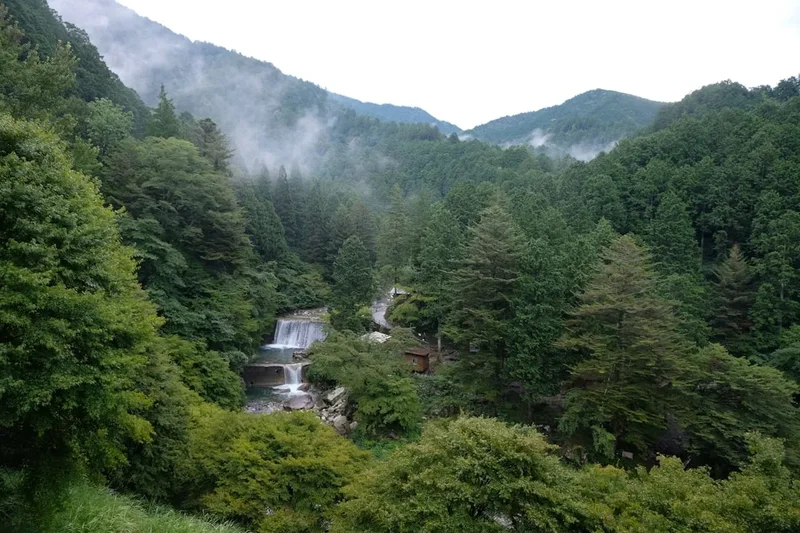
Sanbondaki Pond (三本滝): A series of three beautiful waterfalls cascading down moss-covered rocks. This is often one of the first major natural attractions encountered on the trails, offering a serene and picturesque spot for a break and photography. The sound of the falling water is a soothing accompaniment to the hike.
Mikurigaike Pond (御嶽池): A stunning volcanic pond located at a higher elevation, often considered a highlight of the Norikura Kogen trails. The pond's clear, still waters perfectly reflect the surrounding alpine scenery, including the imposing presence of Mount Norikura. It's an ideal location for quiet contemplation and capturing iconic landscape photographs.
Kusasenri (Green Grassland): This term often refers to the open, rolling alpine meadows characteristic of the Norikura Kogen plateau. In summer, these areas are carpeted with vibrant green grasses and dotted with a profusion of alpine wildflowers, creating a picturesque scene. The open nature of Kusasenri provides expansive views of the surrounding mountains.
Volcanic Rock Formations: Throughout the trails, you will encounter various rock formations and geological features that are remnants of the area's volcanic past. These can include lava flows, pumice deposits, and uniquely shaped boulders, offering a glimpse into the powerful geological forces that shaped the landscape.
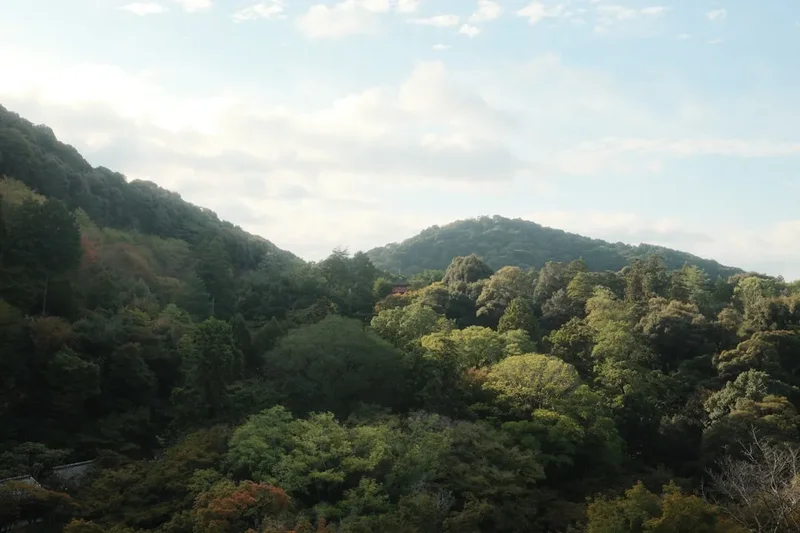
Forest Sections: The trails pass through sections of ancient temperate forest, characterised by tall trees, dense undergrowth, and a thick carpet of moss. These sections offer a cool, shaded, and atmospheric walking experience, with the sounds and smells of the forest creating a sense of immersion in nature.
Leave No Trace
The Norikura Kogen Trails traverse a sensitive alpine environment within a national park. Adhering to Leave No Trace principles is crucial to preserving its natural beauty and ecological integrity for future visitors and for the health of the ecosystem itself.
Your responsibility as a walker:
- Pack It In, Pack It Out: Carry out all litter, including food scraps, wrappers, and any other waste you generate. Do not bury or burn trash.
- Stay on Marked Trails: Stick to the designated paths to avoid damaging fragile alpine vegetation, which can take many years to recover from trampling. This also helps prevent erosion.
- Respect Wildlife: Observe animals from a distance and never feed them. Feeding wildlife can alter their natural behaviour, diet, and health, and can make them more vulnerable to predators or human interference.
- Dispose of Waste Properly: Use designated toilets where available. If caught in an emergency situation without facilities, dig a cathole at least 70 metres away from water sources, trails, and campsites. Pack out all toilet paper.
- Leave What You Find: Do not take any natural objects, such as rocks, plants, or flowers, from the park. Leave them for others to enjoy and for the ecosystem to thrive.
- Minimise Campfire Impacts: Campfires are generally not permitted on day hikes and are highly discouraged in alpine environments due to their potential for damage. If permitted in designated areas (which is unlikely for this day hike), use existing fire rings and ensure fires are completely extinguished.
- Be Considerate of Other Visitors: Keep noise levels down, yield to other hikers, and be mindful of the shared experience of enjoying nature.
By following these principles, you help ensure that the Norikura Kogen Trails remain a pristine and enjoyable destination for everyone.
 Japan
Japan