
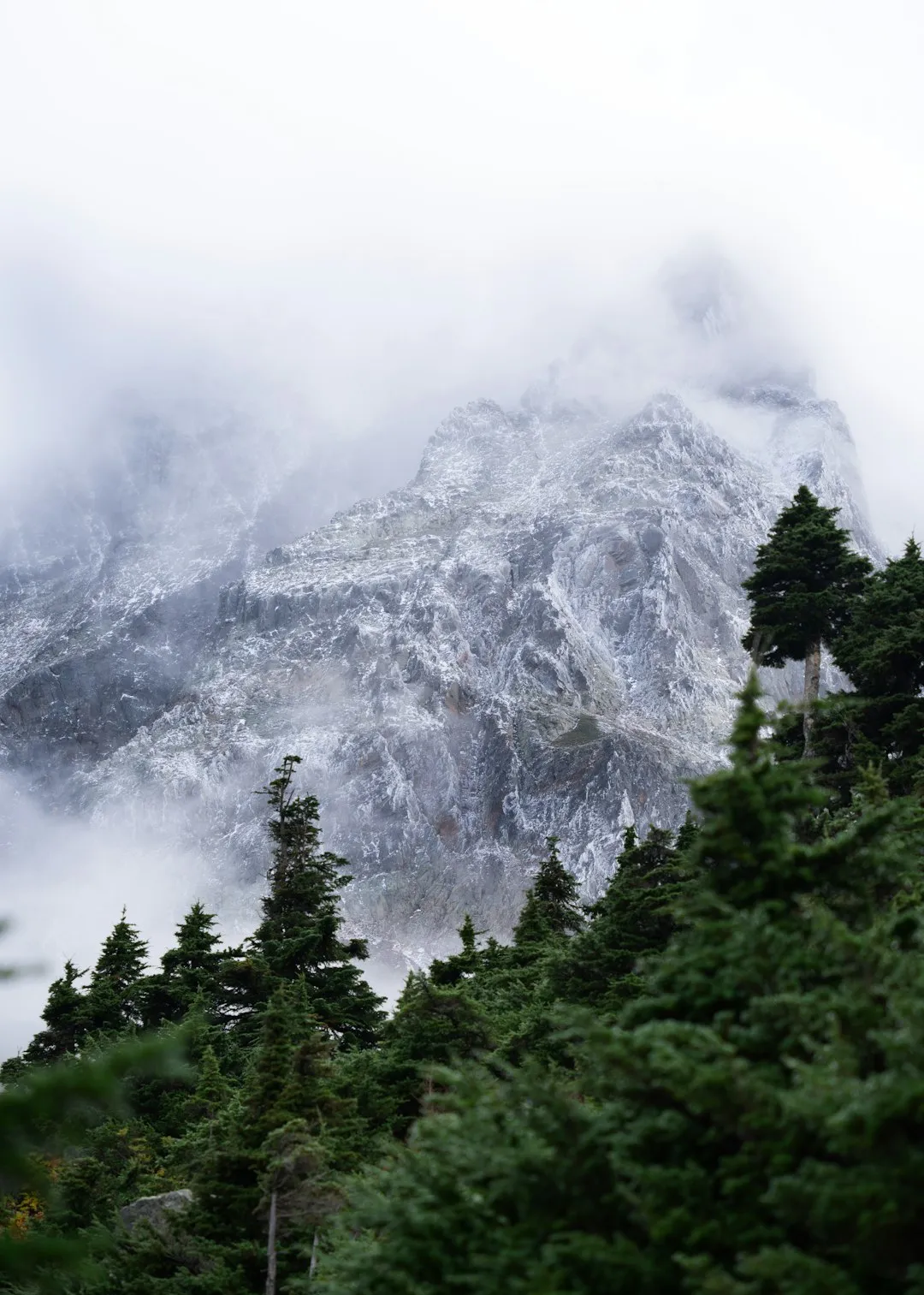
The Narrows Bottom-Up Trail
The Narrows Bottom-Up is a world-renowned day hike located within Zion National Park, Utah, USA. This iconic trail offers a unique and immersive experience as it follows the Virgin River upstream into a spectacular slot canyon, where towering sandstone walls rise thousands of feet on either side, often narrowing to just twenty to thirty feet wide. The hike is celebrated for its dramatic scenery, the challenge of navigating the river, and the sense of adventure it provides. Unlike its more strenuous "Top-Down" counterpart, the Bottom-Up route allows hikers to venture as far as they wish into the canyon before turning back, making it accessible to a wider range of abilities and offering flexibility in duration and difficulty.
- Distance: 26.0 km (round trip)
- Elevation Gain: 500 m
- Duration: 8-12 hours (depending on how far you go)
- Difficulty: Moderate to Strenuous (depending on distance and water levels)
- Best Time: May to October (warmer months, when water temperatures are more comfortable)
- Closest City: Springdale, Utah
- Trailhead Access: Via Zion Canyon Shuttle System
- Permits: Not required for day hiking (but required for overnight trips)
Overview
The Narrows Bottom-Up trail is a quintessential Zion National Park experience, offering a journey into one of the most dramatic slot canyons in the world. The adventure begins at the Temple of Sinawava, the last stop on the Zion Canyon Shuttle. From here, a paved, accessible Riverside Walk leads for 1.6 km to the actual start of the Narrows, where the pavement ends and the Virgin River becomes the trail. Hikers then wade into the cool, flowing water, navigating upstream between colossal sandstone cliffs that soar up to 1,000 metres (914 m) high. The canyon walls are sculpted by millennia of water erosion, displaying a breathtaking palette of reds, oranges, and creams, often with hanging gardens of ferns and wildflowers clinging to damp crevices.
The further one ventures into the Narrows, the narrower and more spectacular the canyon becomes. At certain points, the river may be only 20-9 m wide, with sheer, smooth walls rising vertically on both sides. Sunlight filters down from above, creating an ethereal glow and illuminating the water's surface. The experience is profoundly sensory: the sound of the flowing river, the feel of the water against your legs, the cool air within the canyon, and the overwhelming visual spectacle of the immense rock formations. The trail is entirely within the riverbed, meaning hikers must be prepared to walk, wade, and sometimes swim through varying depths of water, which can range from ankle-deep to chest-deep or even deeper during high flow periods. The return journey follows the same path, offering a different perspective as the light changes and the canyon's features are revealed anew.
This hike is a testament to the power of water and time, a geological masterpiece carved over millions of years. It demands a certain level of physical fitness and preparedness due to the uneven riverbed, potential for swift currents, and the need for appropriate gear. However, the reward is an unforgettable encounter with one of nature's most awe-inspiring creations, a true immersion in the heart of Zion's wilderness.
History and Cultural Context
The Virgin River and the canyon it carved have been a vital resource and a place of spiritual significance for indigenous peoples for thousands of years. Archaeological evidence suggests that the Ancestral Puebloans and later the Southern Paiute people inhabited and utilized the Zion area, including the Virgin River corridor, for shelter, water, and resources. The Narrows, with its consistent water source and protective walls, would have been a crucial area for these early inhabitants.
European-American exploration of Zion Canyon began in the mid-19th century. Mormon pioneers, seeking new settlements, arrived in the area in the 1860s. Isaac Behunin is credited with naming Zion, meaning "sanctuary" or "place of peace," in the 1860s. Early explorers and settlers recognised the immense beauty and unique geological formations of the canyon. However, the Narrows, with its challenging riverine environment, remained largely inaccessible and unexplored by the general public for many years.
The development of Zion National Park in the early 20th century, culminating in its designation as a national park in 1919, brought increased attention to its natural wonders. The construction of the Zion Canyon Scenic Drive (now served by the shuttle system) opened up the main canyon to visitors. The Narrows, however, continued to be a more rugged and adventurous destination. Early hikers and adventurers, often equipped with little more than sturdy boots and determination, began to explore the canyon, documenting its beauty and challenges. Over time, the Narrows gained international recognition as a premier slot canyon hike, attracting adventurers from around the globe.
The "Bottom-Up" approach, starting from the Temple of Sinawava, became the most popular way to experience the Narrows for day hikers. This route allows for flexibility, enabling individuals to hike as far as they feel comfortable before turning back, without the need for a permit for day use. The "Top-Down" route, a much longer and more strenuous multi-day trek requiring permits and significant preparation, was historically more challenging to access and navigate. Today, the Narrows is one of Zion's most iconic and sought-after experiences, a testament to its enduring natural beauty and the human desire to explore the wild.
Seasonal Highlights and Weather Reality
The Narrows is a seasonal hike, with the best conditions typically occurring during the warmer months. The primary factor influencing the hiking season is the water temperature and the risk of flash floods.
Spring (March-April): Snowmelt from the surrounding mountains can lead to high water levels and strong currents in the Virgin River. Water temperatures are cold, requiring significant thermal protection. Flash flood potential increases with warmer temperatures and potential thunderstorms. Hiking may be possible on some days, but conditions can be unpredictable and dangerous.
Summer (May-August): This is generally the most popular season for hiking the Narrows Bottom-Up. Water temperatures are at their warmest, making wading more comfortable. The risk of flash floods remains a significant concern, especially during monsoon season (July-August), when afternoon thunderstorms can cause rapid water level rises. Hikers must always check the flash flood potential forecast before entering the canyon. The canyon walls provide shade, making it a welcome escape from the desert heat, but temperatures can still be very warm outside the canyon.
Autumn (September-October): This is often considered the ideal time to hike the Narrows. The monsoon season has usually passed, reducing the risk of flash floods. Water temperatures are still relatively mild, and the air temperature is cooler and more pleasant for hiking. The autumn colours in the surrounding vegetation can add to the scenic beauty. Crowds may begin to thin after the summer peak.
Winter (November-February): Hiking the Narrows in winter is generally not recommended for most visitors. Water temperatures are extremely cold, posing a significant risk of hypothermia. Flash flood potential is lower, but ice can form on canyon walls and in shaded areas, creating hazardous conditions. The Zion Canyon Shuttle typically operates on a reduced schedule or is closed during winter months, requiring alternative access arrangements. Only highly experienced and properly equipped individuals with knowledge of winter canyoneering should consider attempting this hike during winter.
Weather Considerations: Zion National Park experiences a desert climate with hot summers and mild winters. However, the Narrows is a slot canyon, and conditions within it can differ significantly from the surrounding desert. Always check the National Weather Service forecast specifically for Zion National Park and the park's flash flood potential rating before your hike. Flash floods are a serious danger and can occur with little warning, even if it is not raining at the trailhead.
Recommended Itinerary
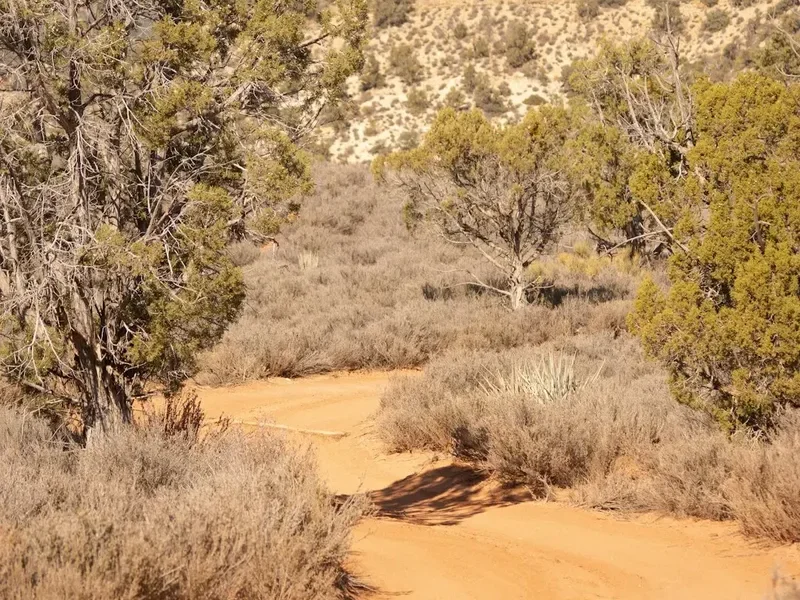
The Narrows Bottom-Up: A Flexible Day Hike
The Narrows Bottom-Up is a flexible hike, meaning you can turn around at any point. The following is a suggested progression for those aiming to experience a significant portion of the canyon.
Early Morning (Approx. 7:00 AM - 8:00 AM): Arrive at Zion National Park & Shuttle to Trailhead
- Arrive at the Zion Visitor centre. If visiting during peak season (typically March-November), private vehicles are not allowed on the Zion Canyon Scenic Drive. You must use the free Zion Canyon Shuttle.
- Board the shuttle and ride it to the last stop, the Temple of Sinawava (Shuttle Stop #9).
- Allow ample time for parking and shuttle queues, especially during busy periods.
Morning (Approx. 8:00 AM - 9:00 AM): Riverside Walk to Narrows Trailhead
- From the Temple of Sinawava shuttle stop, follow the paved, accessible Riverside Walk for 1.6 km (1.6 km).
- This scenic path follows the Virgin River and offers beautiful views of the canyon walls.
- The Riverside Walk ends where the pavement stops and the river begins – this is the official start of The Narrows.
- Take this time to put on your water shoes, adjust your gear, and mentally prepare for wading.
Late Morning (Approx. 9:00 AM - 12:00 PM): Initial Wading and Canyon Exploration
- Begin wading upstream into the Virgin River. The water depth will vary from ankle-deep to waist-deep, depending on recent rainfall and snowmelt.
- The canyon walls will immediately begin to close in, creating a dramatic and awe-inspiring environment.
- Navigate the riverbed, paying attention to the current and the stability of the rocks underfoot.
- Key landmarks to look for include the "Wall Street" section, where the canyon narrows significantly.
- Consider your pace and energy levels. This section is generally less strenuous but offers incredible views.
Midday (Approx. 12:00 PM - 2:00 PM): Deeper into the Canyon & Lunch Break
- Continue upstream, aiming for points like "Chamber of the Sun" or "Wall Street" if conditions permit and you feel comfortable.
- Find a suitable spot on a dry rock ledge or a shallow, calm section of the river to enjoy your packed lunch.
- Take this time to rest, rehydrate, and appreciate the immense scale and beauty of the slot canyon.
- Assess your energy levels and the time remaining in the day. Decide how much further you wish to proceed.
Afternoon (Approx. 2:00 PM - 4:00 PM): Return Journey Begins
- Begin your return journey downstream. Walking downstream can be easier in some ways, but requires careful footing to avoid slips on wet rocks.
- The changing light will offer new perspectives on the canyon walls.
- Continue to be mindful of water levels and currents.
Late Afternoon (Approx. 4:00 PM - 6:00 PM): Exit the Narrows & Return to Shuttle
- Reach the end of the paved Riverside Walk.
- Continue on the paved path back to the Temple of Sinawava shuttle stop.
- Board the shuttle back to the Zion Visitor centre or your accommodation.
Important Considerations:
- Flash Flood Potential: ALWAYS check the flash flood potential rating at the Zion Visitor centre or online before starting your hike. If there is any risk of flash floods (rated "low," "moderate," or "high"), do not enter the Narrows.
- Water Levels: Water levels can fluctuate significantly. If the water is above chest-deep or the current is too strong, turn back.
- Gear: Proper footwear (closed-toe, non-slip), a walking stick, and waterproof bags for electronics are essential. Consider renting gear in Springdale.
- Time: The longer you go, the longer the return trip. Plan to start your return journey with ample daylight remaining.
- Flexibility: This is a "hike as far as you want" trail. Do not feel pressured to reach a specific point. Your safety is paramount.
Planning and Bookings
Book Your Trip
Everything you need to plan your journey
Accommodation
Find places to stay near Springdale, Utah
Flights
Search flights to Springdale, Utah
Essential Preparation
The Narrows Bottom-Up is a day hike, but its unique environment requires careful planning. The primary logistical challenge is accessing the trailhead, which is served by the Zion Canyon Shuttle. During peak season (typically March through November), private vehicles are prohibited on the Zion Canyon Scenic Drive, making the shuttle mandatory. Ensure you understand the shuttle schedule and operating hours. Parking at the Zion Visitor centre can fill up very early, especially during peak season, so arriving early in the morning is highly recommended. If you plan to hike the Narrows, especially during warmer months, consider staying in or near Springdale, the gateway town to Zion, which offers various accommodation options, restaurants, and gear rental shops.
Key preparation steps:
- Check Park Alerts: Always consult the official Zion National Park website for current alerts, trail closures, shuttle status, and flash flood potential ratings.
- Gear Rental: For a more comfortable and safer experience, consider renting specialized gear in Springdale. This typically includes neoprene socks, canyoneering boots with good grip, and a sturdy walking stick. Waterproof bags for electronics and personal items are also highly recommended.
- Food and Water: Pack plenty of water (at least 3-4 litres per person) and high-energy snacks. While the Virgin River is a water source, it is not safe to drink without treatment due to potential contamination. Water filters or purification tablets are essential if you plan to rely on river water.
- Physical Fitness: While you can turn back at any point, hiking in the river requires a good level of fitness. You'll be walking on uneven, slippery surfaces, often against a current, and potentially in water up to your waist or chest.
Trail Accommodation
This is a day hike requiring no overnight accommodation. The Narrows Bottom-Up trail is accessed from the Temple of Sinawava, the final stop on the Zion Canyon Shuttle. Hikers typically stay in Springdale, Utah, the town adjacent to the park's south entrance, or in nearby towns like Hurricane or St. George. Springdale offers a range of lodging from motels and hotels to bed and breakfasts, as well as campgrounds. It is the most convenient base for accessing the park's shuttle system.
Required Gear
- Footwear: Sturdy, closed-toe, water-friendly shoes with excellent grip are paramount. Canyoneering boots or sturdy hiking boots that you don't mind getting wet are ideal. Avoid open-toed sandals or flimsy trainers. Neoprene socks are highly recommended to prevent blisters and provide insulation.
- Walking Stick: A sturdy walking stick or hiking pole is invaluable for balance and stability on the slippery riverbed. Many gear rental shops offer specialized Narrows sticks.
- Clothing: Wear quick-drying synthetic clothing. Avoid cotton, as it retains moisture and can lead to hypothermia, even in warmer weather. Layers are advisable, especially for early morning or late afternoon hikes. A lightweight, quick-drying jacket can be useful.
- Waterproof Bags: Dry bags or waterproof cases are essential for protecting electronics (phone, camera), wallet, keys, and any other items you need to keep dry.
- Sun Protection: A wide-brimmed hat, sunglasses, and sunscreen are important, even though much of the hike is in the shade. The sun can be intense when it does reach the canyon floor.
- First Aid Kit: A basic first aid kit with blister treatment, antiseptic wipes, bandages, and pain relievers is always a good idea.
What to Bring
- Water: Carry at least 3-4 litres of water per person. Hydration is critical in the desert environment.
- Food: High-energy, non-perishable snacks and a packed lunch. Think trail mix, energy bars, sandwiches, fruit. Avoid items that can get soggy or spoil easily.
- Water Treatment: A water filter or purification tablets if you intend to refill from the Virgin River.
- Navigation: While the Narrows Bottom-Up is generally straightforward (follow the river upstream), a map of the park and trail is advisable. Download offline maps to your phone.
- Headlamp/Torch: Essential if you plan to hike later in the day or if there's any chance of being out after dark.
- Toilet Paper & Trowel: For emergencies, pack out all used toilet paper. Follow Leave No Trace principles for human waste.
- Trash Bags: Pack out everything you pack in, including all food wrappers and waste.
- Change of Clothes: A dry set of clothes to change into after your hike is highly recommended.
Permits
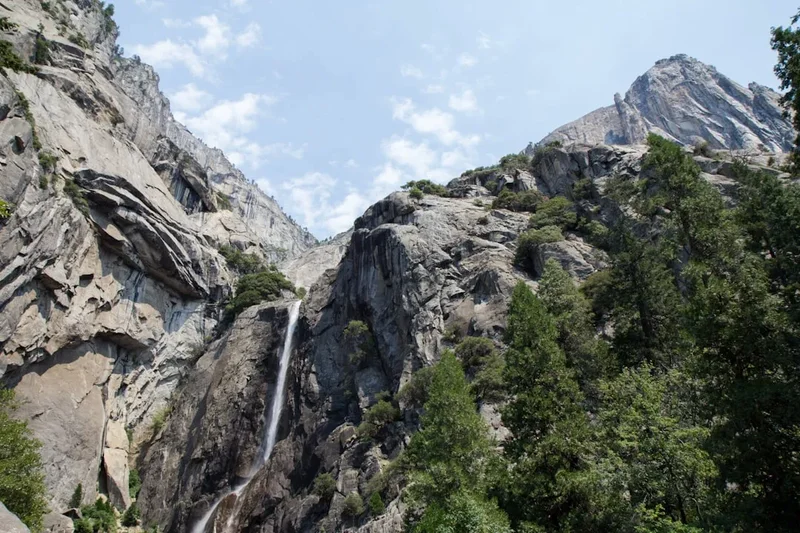
For the Narrows Bottom-Up day hike, no permit is required. This route allows hikers to enter the canyon from the Temple of Sinawava and hike upstream as far as they wish before turning back. This flexibility makes it accessible to a wide range of visitors.
However, if you intend to hike the Narrows Top-Down (a much longer, multi-day backpacking trip that requires hiking from the top of the canyon down to the Temple of Sinawava), a wilderness permit is mandatory. These permits are highly sought after and are typically issued through a lottery system or on a first-come, first-served basis via the Zion National Park website.
Key points regarding permits for the Narrows:
- Bottom-Up Day Hike: No permit required.
- Top-Down Overnight Hike: Wilderness permit required. Check the Zion National Park website for the most current permit application process, dates, and fees. Permits are limited and sell out well in advance.
- Flash Flood Potential: While no permit is needed for the Bottom-Up day hike, the park service strictly monitors flash flood potential. If conditions are deemed unsafe, the Narrows will be closed to all entry, regardless of whether a permit is held or not. Always check the daily flash flood forecast.
The park service uses a colour-coded rating system for flash flood potential:
- Green (Low): Conditions are generally safe, but caution is always advised.
- Yellow (Moderate): Conditions are potentially hazardous. Hikers should be aware of changing weather and be prepared to turn back.
- Red (High): The Narrows is CLOSED to all hikers. Do not enter the canyon under any circumstances.
Other Activities in the Area
Zion National Park offers a wealth of activities beyond hiking The Narrows, catering to various interests and fitness levels:
- Angels Landing Hike: A strenuous and iconic hike with chains bolted into the rock for support along narrow ledges. Requires a permit obtained via lottery.
- Emerald Pools Trails: A series of trails leading to lush pools and waterfalls, offering a different kind of beauty within the park. Accessible from the Zion Lodge shuttle stop.
- Canyon Overlook Trail: A relatively short but rewarding hike offering spectacular panoramic views of Zion Canyon. Located on the east side of the park, accessible from the Zion-Mount Carmel Highway.
- Pa'rus Trail: A paved, multi-use trail suitable for walking, cycling, and wheelchairs. It follows the Virgin River from the South Entrance to Canyon Junction, offering gentle scenery and accessibility.
- Zion Human History Museum: Located near the South Entrance, this museum provides insights into the park's natural and cultural history.
- Scenic Drive (Shuttle Access): Even if not hiking, the Zion Canyon Scenic Drive offers breathtaking views of iconic formations like The Watchman, Court of the Patriarchs, and The Great White Throne.
- Stargazing: Zion is an International Dark Sky Park, offering incredible opportunities for stargazing away from city lights.
- Rock Climbing and Canyoneering: For experienced individuals, Zion offers world-class opportunities for technical canyoneering and rock climbing.
- Photography: The park is a photographer's paradise, with dramatic light and landscapes changing throughout the day and seasons.
Safety and Conditions
Flash Flood Risk: This is the single most significant danger in The Narrows. Flash floods can occur with little warning, even if it's not raining at your location. Always check the park's flash flood potential rating before entering. If the rating is moderate or high, do not hike The Narrows. Be aware of the weather forecast for the entire watershed, not just the immediate area. If you hear thunder or see the water level rising rapidly, seek higher ground immediately (climb up the canyon walls if possible, but be aware of unstable terrain).
Water Levels and Currents: Water depth can vary from ankle-deep to chest-deep or even deeper. Currents can be strong, especially after rain. Always assess the water depth and current before proceeding. If the water is too deep or the current too strong for you to safely navigate, turn back.
Slippery Surfaces: The riverbed is covered in rocks, sand, and mud, which can be extremely slippery. Wear appropriate footwear with excellent grip and use a walking stick for balance. Take slow, deliberate steps.
Hypothermia: Even in summer, the water can be cold, and being wet for extended periods can lead to hypothermia. Wear quick-drying clothing and consider neoprene socks or wetsuit bottoms if hiking during cooler periods. If you start to shiver uncontrollably, it's time to get out of the water and warm up.
Dehydration and Heat Exhaustion: While the canyon offers shade, the desert climate is still a factor. Drink plenty of water and eat regularly to stay hydrated and energized. Be aware of the symptoms of heat exhaustion and heatstroke.
Navigation: While the Bottom-Up route is generally straightforward (follow the river), it's easy to get disoriented. Download offline maps and carry a compass. Be aware of your surroundings and landmarks.
Wildlife: Be aware of potential wildlife, including snakes and scorpions, though encounters are rare in the river itself. Do not feed any animals.
Communication: Cell phone service is unreliable to non-existent within The Narrows. Consider carrying a personal locator beacon (PLB) or satellite messenger for emergencies.
Park Rangers: If you have any doubts about conditions or safety, speak with a park ranger at the Visitor centre before you begin your hike.
Side Trips and Points of Interest
While The Narrows Bottom-Up is primarily about the journey upstream, several notable features and sections make the hike particularly memorable:
The Riverside Walk: The paved, accessible 1.6 km (1.6 km) trail leading from the Temple of Sinawava to the river's edge is a beautiful introduction to the canyon's grandeur. It offers stunning views of the Virgin River and the towering canyon walls, and is accessible for wheelchairs and strollers, making it a popular option for those unable to hike in the river.
"Wall Street": This is arguably the most iconic section of The Narrows. Here, the canyon walls narrow dramatically, often to only 20-9 m wide, while soaring up to 304 m (300 metres) high. Sunlight struggles to penetrate, creating a dramatic, almost cathedral-like atmosphere. The water depth here can be significant, often reaching waist or chest height, and the current can be strong.
"Chamber of the Sun" and "Chamber of the Moon": These are names given to sections of the canyon where the light plays a significant role. "Chamber of the Sun" is a wider area where sunlight can reach the canyon floor, illuminating the water and walls. "Chamber of the Moon" is a darker, more enclosed section, often deeper and narrower, where the light is more subdued.
Hanging Gardens: Look closely at the sheer sandstone walls, and you'll see vibrant green patches of ferns, mosses, and wildflowers clinging to damp crevices. These "hanging gardens" are a testament to the persistent life that thrives even in this seemingly harsh environment, sustained by seeping water.
Waterfalls and Seeps: After rain, temporary waterfalls can be seen cascading down the canyon walls, adding to the dynamic beauty of the environment. Even in drier periods, you'll notice water seeping from the rock faces.
The Virgin River: The river itself is a point of interest. Its constant flow has sculpted the canyon over millions of years, and navigating its currents and depths is an integral part of the Narrows experience. The colour and clarity of the water can change depending on recent rainfall and sediment load.
Leave No Trace
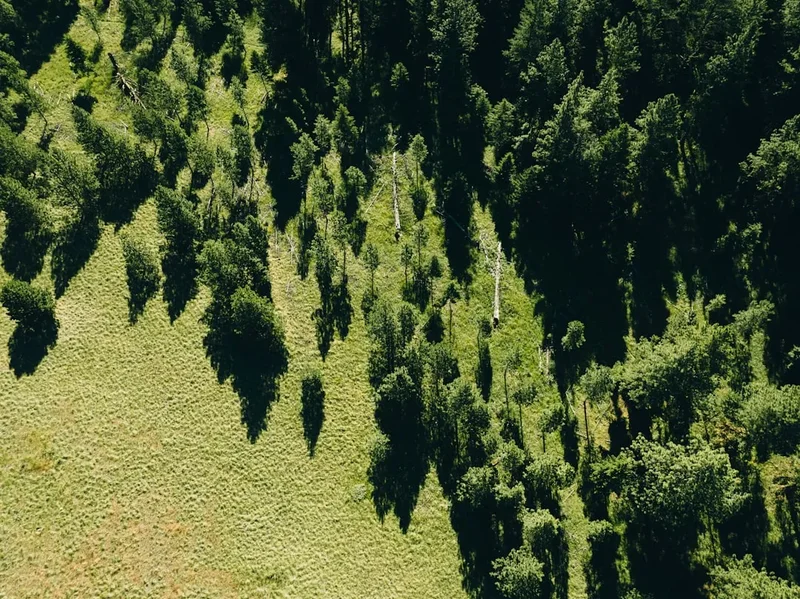
The Narrows is a fragile desert environment and a vital part of Zion National Park's ecosystem. Adhering to Leave No Trace principles is crucial to preserving its beauty and integrity for future visitors and for the health of the environment.
1. Plan Ahead and Prepare: Understand the risks, check weather and flash flood forecasts, know your limits, and pack appropriate gear. This includes understanding shuttle schedules and park regulations.
2. Travel and Camp on Durable Surfaces: For The Narrows, this means staying within the riverbed as much as possible. Avoid trampling vegetation on the banks. If you need to rest or eat, find a large rock or a section of the riverbed that is already well-trodden.
3. Dispose of Waste Properly: Pack it in, pack it out. This includes all food scraps, wrappers, and any other trash you generate. There are no trash receptacles within The Narrows. Use designated restrooms at the trailhead and visitor centre. If caught in an emergency situation where you must urinate, do so in the river, away from any water sources you might drink from. For solid waste, pack it out using a wag bag or similar system.
4. Leave What You Find: Do not take rocks, plants, or any other natural objects from the canyon. Do not carve or deface the canyon walls. Leave the environment as you found it.
5. Minimize Campfire Impacts: Campfires are not permitted in The Narrows or on the paved Riverside Walk. Stick to using camp stoves if camping overnight (which requires a permit and is not part of the Bottom-Up day hike).
6. Respect Wildlife: Observe wildlife from a distance. Never feed animals, as it can harm their health, alter their natural behaviours, and expose them to human-related diseases. Store food securely if you are camping overnight.
7. Be Considerate of Other Visitors: Keep noise levels down, especially in the narrower sections of the canyon where sound travels. Yield to others when necessary, particularly on narrow sections or when passing.
By following these principles, you help ensure that The Narrows remains a spectacular and wild place for generations to come.
 USA
USA