
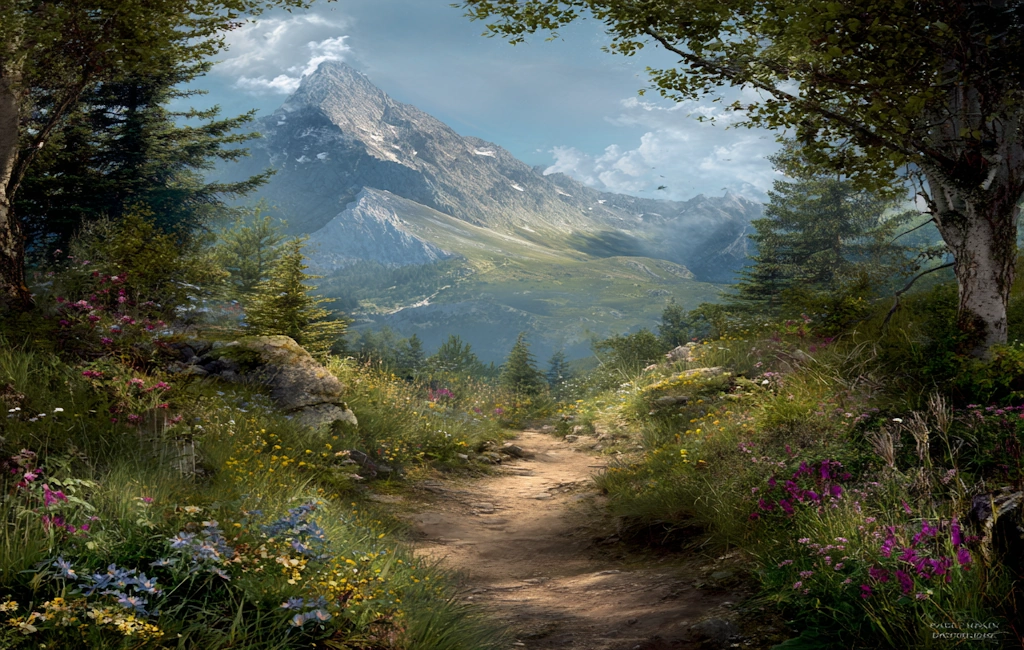
Nar Phu Valley Trek - Nepal's Hidden Gem
The Nar Phu Valley Trek is an extraordinary journey into one of Nepal's most remote and culturally preserved regions, nestled in the rain shadow of the Annapurna massif. This challenging trek offers a profound immersion into Tibetan Buddhist culture, ancient monasteries, and breathtaking Himalayan landscapes that remain largely untouched by mass tourism. The trail winds through dramatic canyons, across high mountain passes, and into secluded valleys, revealing a side of Nepal rarely seen by outsiders. It's a trek for those seeking genuine adventure, cultural authenticity, and unparalleled mountain vistas, far from the well-trodden paths.
- Distance: Approximately 65 km (main loop)
- Duration: 10–14 days
- Season: October–November (Autumn) and April–May (Spring)
- Difficulty: Challenging
- Highest point: Kang La Pass (5,240 m) or Thorong La Pass (5,416 m) depending on route
- Closest City: Kathmandu
- Permits Required: Restricted Area Permit (RAP), Annapurna Conservation Area Permit (ACAP)
Overview
The Nar Phu Valley Trek is a captivating expedition that takes you through a landscape of stark beauty and deep cultural resonance. Unlike many popular Himalayan treks, Nar Phu remains a restricted area, meaning access is controlled and requires special permits, ensuring a more exclusive and authentic experience. The journey begins with a drive from Kathmandu to Koto, the gateway to the valley. From Koto, the trail gradually ascends through rhododendron and pine forests, following the Nar Khola river. The initial days are characterised by dramatic, narrow canyons, where the path is carved into sheer rock faces, offering a thrilling introduction to the remoteness of the region.
As you progress deeper into the valley, the landscape opens up to reveal vast, arid plateaus and towering peaks. The villages of Nar and Phu are the heart of this trek. Nar, perched at 4,110 metres, and Phu, at 4,200 metres, are living relics of traditional Tibetan culture. Here, you'll find ancient monasteries, prayer flags fluttering in the wind, and a way of life that has remained unchanged for centuries. The warmth and hospitality of the local people, known as Narpa, are a highlight of the trek. They are descendants of Tibetan nomads and have maintained their unique customs and language.
The trek culminates with a crossing of a high mountain pass, typically Kang La Pass (5,240 m) or, for a longer circuit, Thorong La Pass (5,416 m) as part of the Annapurna Circuit. These passes offer spectacular panoramic views of the surrounding Himalayan giants, including Annapurna I, Dhaulagiri, Manaslu, and Gangapurna. The descent from the pass leads you back towards more populated areas, but the memories of the serene, untouched beauty of Nar Phu Valley will linger long after the trek concludes.
This trek is not for the faint-hearted. It demands good physical fitness, acclimatisation to high altitudes, and a spirit of adventure. The rewards, however, are immense: a chance to witness a truly unique culture, explore pristine wilderness, and stand in awe of some of the world's highest mountains.
History and Cultural Context
The Nar Phu Valley has a rich and secluded history, deeply intertwined with Tibetan Buddhism and the nomadic traditions of its inhabitants. For centuries, the valley remained isolated from the outside world, preserving its unique cultural heritage. The Narpa people are believed to have migrated from the Tibetan plateau, bringing with them their distinct language, customs, and religious practices. Their lives have historically been shaped by subsistence farming, yak herding, and trade routes that connected them to Tibet.
The Nar and Phu villages themselves are ancient settlements. Phu, in particular, is said to have been inhabited for over 1,000 years. Its strategic location and natural defences allowed it to remain relatively untouched. The monasteries in Nar and Phu, such as the Tashi Lhakhang Monastery in Nar and the Samdu Choling Monastery in Phu, are vital centres of spiritual life and repositories of ancient Buddhist scriptures and art.
The valley was officially opened to trekkers only in 2002, making it one of Nepal's newest trekking destinations. This late opening is the primary reason for its pristine condition and the preservation of its cultural integrity. Before this, access was restricted by the Nepalese government due to its proximity to the Tibetan border and its strategic importance. The opening of the valley has allowed for controlled tourism, providing economic opportunities for the local communities while aiming to protect their unique way of life.
The trek often incorporates parts of the Annapurna Circuit, a route that has a longer history of trekking. However, the Nar Phu section offers a distinct experience, focusing on the remote high-altitude valleys and their distinct cultural flavour. The Narpa people have a strong connection to their land, and their traditions reflect a deep respect for nature and spiritual beliefs, passed down through generations.
Seasonal Highlights and Weather Reality
The Nar Phu Valley Trek is best undertaken during the post-monsoon autumn months (October–November) and the pre-monsoon spring months (April–May). These periods offer the most favourable weather conditions for high-altitude trekking in Nepal.
Autumn (October–November): This is considered the prime trekking season. The skies are typically clear, offering excellent visibility of the towering Himalayan peaks. The temperatures are cool and pleasant during the day, making for comfortable hiking. Nights can be cold, especially at higher altitudes, but generally manageable with appropriate gear. The autumn colours, though less vibrant than in some other regions, add a subtle beauty to the landscape. This season also sees the lowest chance of rain and snow, making it ideal for crossing high passes.
Spring (April–May): Spring is another excellent time to trek in Nar Phu. The weather is generally stable, with increasing temperatures as summer approaches. The rhododendrons, Nepal's national flower, are in bloom, adding splashes of vibrant colour to the lower-altitude forests. This season also offers good visibility, though there can be a slightly higher chance of afternoon cloud build-up compared to autumn. The higher passes may still have some snow, but they are generally passable with caution and proper equipment.
Monsoon (June–September): This season is generally not recommended for trekking in Nar Phu. Heavy rainfall can lead to landslides, making the trails treacherous and potentially impassable. Visibility is often poor due to clouds and fog, obscuring the magnificent mountain views. The trails can become muddy and slippery, increasing the risk of accidents. While some hardy trekkers might venture out, the experience is significantly compromised.
Winter (December–March): Winter trekking in Nar Phu is possible but extremely challenging. The temperatures drop significantly, and heavy snowfall can block high passes, making them impassable without advanced mountaineering skills and equipment. The villages are often covered in snow, and daily life becomes more difficult. While the clear, crisp air can offer stunning mountain views, the extreme cold and potential for blizzards make this season suitable only for experienced winter trekkers with specialised gear and support.
Recommended Itinerary
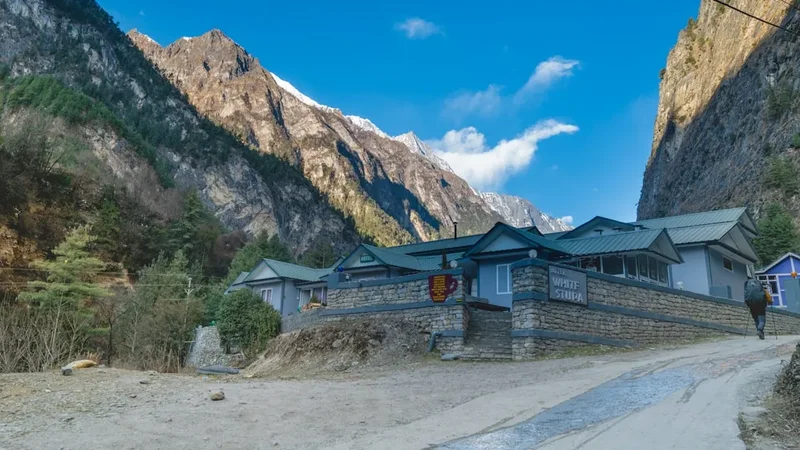
Nar Phu Valley Trek - Sample Itinerary (12 Days)
Day 1: Arrival in Kathmandu (1,400 m)
- Arrive at Tribhuvan International Airport (KTM)
- Transfer to your hotel in Kathmandu
- Rest and prepare for the trek
- Obtain necessary permits (RAP, ACAP) and finalise gear
Day 2: Kathmandu to Besisahar (760 m) to Koto (2,600 m)
- Morning drive from Kathmandu to Besisahar (approx. 6–8 hours)
- Continue by local jeep to Koto (approx. 4 hours)
- Road conditions are rough, especially after Besisahar
- Overnight in a teahouse in Koto
Day 3: Koto to Dharmasala (3,200 m)
- Begin the trek, entering the Nar Phu region
- Follow the Nar Khola river through dense forests
- Pass through dramatic canyons with carved trails
- Ascend gradually towards Dharmasala
- Distance: Approx. 10 km
- Time: 5–6 hours
Day 4: Dharmasala to Kyang (3,800 m)
- Continue ascending along the Nar Khola
- The valley widens, offering more open views
- Pass through sparse vegetation and rocky terrain
- Arrive at Kyang, a small settlement with basic facilities
- Distance: Approx. 8 km
- Time: 4–5 hours
Day 5: Kyang to Phu (4,200 m)
- A challenging day with significant ascent
- Cross suspension bridges and navigate rocky paths
- The landscape becomes increasingly arid and alpine
- Reach the ancient village of Phu, with its distinctive Tibetan architecture
- Explore the village and its monasteries
- Distance: Approx. 7 km
- Time: 5–6 hours
Day 6: Acclimatisation and Exploration in Phu
- Rest day for acclimatisation
- Explore Phu village, visit the Tashi Lhakhang Monastery and Samdu Choling Monastery
- Hike to nearby viewpoints for stunning mountain vistas
- Optional short hikes to Himlung Base Camp or other surrounding areas
Day 7: Phu to Nar (4,110 m) via Kang La Pass (5,240 m)
- The most challenging day of the trek
- Early start to cross Kang La Pass
- Steep, sustained ascent to the pass
- Spectacular panoramic views from the summit
- Descend steeply towards Nar village
- Distance: Approx. 12 km
- Time: 7–9 hours
Day 8: Nar Village Exploration
- Rest day in Nar village
- Explore the village, visit the local monastery
- Interact with the Narpa people and learn about their culture
- Enjoy the serene mountain surroundings
Day 9: Nar to Ngawal (3,600 m)
- Descend from Nar, rejoining the Annapurna Circuit trail
- Pass through beautiful alpine meadows and forests
- Arrive at Ngawal, a picturesque village with traditional houses
- Distance: Approx. 10 km
- Time: 4–5 hours
Day 10: Ngawal to Manang (3,540 m)
- Continue along the Annapurna Circuit trail
- Enjoy views of Gangapurna and Annapurna III
- Arrive in Manang, a large village and a popular stop for trekkers
- Distance: Approx. 8 km
- Time: 3–4 hours
Day 11: Manang to Yak Kharka (4,050 m)
- Ascend gradually towards higher altitudes
- Pass through sparse vegetation and rocky terrain
- Look out for yaks grazing in the meadows
- Distance: Approx. 7 km
- Time: 3–4 hours
Day 12: Yak Kharka to Thorong Phedi (4,450 m)
- Continue the ascent towards Thorong Phedi, the base camp for Thorong La Pass
- The landscape becomes increasingly barren and alpine
- Prepare for an early start the next day to cross Thorong La
- Distance: Approx. 5 km
- Time: 3–4 hours
Day 13: Thorong Phedi to Muktinath (3,710 m) via Thorong La Pass (5,416 m)
- The final major challenge of the trek
- Early morning start (around 3–4 AM) to cross Thorong La Pass
- Steep, sustained climb to the pass
- Spectacular sunrise views from the summit
- Long, steep descent to Muktinath, a sacred pilgrimage site
- Distance: Approx. 16 km
- Time: 8–10 hours
Day 14: Muktinath to Jomsom (2,720 m) and Fly to Pokhara
- Explore Muktinath temple and its surrounding holy sites
- Descend to Jomsom, a larger town with an airport
- Take a scenic flight from Jomsom to Pokhara
- Overnight in Pokhara
Note: This is a sample itinerary and can be adjusted based on your fitness, time, and desired pace. Some itineraries may choose to descend from Nar via a different route or extend the stay in Nar Phu.
Planning and Bookings
Book Your Trip
Everything you need to plan your journey
Accommodation
Find places to stay near Kathmandu
Flights
Search flights to Kathmandu
Essential Preparation
The Nar Phu Valley Trek is a remote and challenging expedition that requires meticulous planning. Given its restricted status and high altitude, thorough preparation is paramount. Start by consulting with a reputable trekking agency that specialises in Nepal's remote regions. They can assist with permit acquisition, guide and porter arrangements, and logistical planning, including transportation from Kathmandu to Koto and back.
Fitness: This trek involves long days of walking at high altitudes, often on uneven terrain. A high level of cardiovascular fitness is essential. Engage in regular aerobic exercise, including hiking with a weighted backpack, for at least 2–3 months prior to your trip. Strength training, particularly for your legs and core, will also be beneficial. Altitude acclimatisation is crucial; the itinerary should include gradual ascents and rest days to minimise the risk of altitude sickness.
Logistics: The journey to Koto, the trailhead, is an adventure in itself. It typically involves a drive from Kathmandu to Besisahar, followed by a rough jeep ride to Koto. This road can be challenging, especially after Besisahar, and is prone to delays due to weather or road conditions. Allow ample buffer time for travel to and from the trekking region. Parking is available in Besisahar and Koto, but it's advisable to arrange this through your trekking agency.
Base Town/City: Kathmandu is the primary gateway for all international travellers. It's where you'll arrange permits, meet your guide, and purchase or rent any last-minute gear. Besisahar is the last major town before the rougher road section to Koto, offering basic amenities. Koto is a small village and the official entry point to the Nar Phu restricted area.
Trail Accommodation
Accommodation along the Nar Phu Valley Trek primarily consists of basic teahouses and lodges. These offer a simple but comfortable place to rest and refuel. In the more remote sections, especially within Nar and Phu valleys, accommodation is even more basic, often provided by local families or community-run lodges.
Teahouses/Lodges:
- Facilities Provided: Typically offer a bed with a mattress and pillow, a common dining area with a stove for heating, and basic toilet facilities (often squat toilets). Some may have charging facilities for a small fee.
- What's NOT Provided: Sleeping bags (you must bring your own), toiletries, hot showers (often available for an extra charge, but may be limited at higher altitudes), and food (meals are ordered from a menu, usually a mix of Nepali and Western dishes).
- Seasonal Availability: Generally available year-round, but services can be reduced during the monsoon season. During peak seasons (autumn and spring), they can be busy, so booking ahead through your agency is recommended.
- Costs: Room rates are usually very affordable (around $5–$15 USD per night), but the cost of meals and drinks can add up significantly.
Within Nar and Phu Valleys:
- Accommodation here is more rudimentary. You might stay in rooms within local homes or in very basic community lodges. Expect shared facilities and a more intimate cultural experience.
- Booking is essential and should be arranged well in advance through your trekking agency.
Campsites: While not the primary mode of accommodation, camping might be an option in very remote areas if arranged with your guide, but it requires carrying all camping equipment and supplies.
Required Gear
- Footwear: Sturdy, waterproof trekking boots with good ankle support. Ensure they are well broken-in to prevent blisters.
- Clothing:
- Layering system is key:
- Base layers (merino wool or synthetic)
- Mid-layers (fleece jacket or down vest)
- Outer layer (waterproof and windproof jacket and trousers)
- Warm hat (beanie) and gloves
- Sun hat or cap
- Sleeping Bag: A warm sleeping bag rated to at least -10°C to -15°C is essential, as teahouse rooms are unheated.
- Backpack: A comfortable trekking backpack (45–65 litres) with a rain cover. A smaller daypack for essentials during daily hikes.
- Head Torch: With spare batteries, as power is often limited.
- Navigation: While guides are essential, a map and compass or GPS device can be useful for personal reference.
- Safety Gear:
- Personal First Aid Kit: Including blister treatment, pain relievers, antiseptic wipes, bandages, and any personal medications.
- Water purification tablets or a filter: Essential for safe drinking water.
- Sunscreen: High SPF (50+).
- Sunglasses: With UV protection.
- Lip balm with SPF.
What to Bring
- Food: While teahouses offer meals, carrying high-energy snacks like nuts, dried fruit, energy bars, and chocolate is highly recommended for during the day's trek.
- Water Treatment: Water bottles and a reliable method for purifying water (tablets or filter).
- Toiletries: Biodegradable soap, toothbrush, toothpaste, hand sanitiser, wet wipes, and toilet paper (often not provided in teahouses).
- Personal Items: Camera, power bank for charging electronics, book or journal, trekking poles (highly recommended for descents and ascents), small towel.
- Documents: Passport, visa, permits, travel insurance details, cash (Nepali Rupees) for expenses.
- Medications: Any personal prescription medications. Diamox (acetazolamide) for altitude sickness prevention, if recommended by your doctor.
- Duffel Bag: For porters to carry your main gear (usually around 10-15 kg limit per porter).
Permits
The Nar Phu Valley is a restricted area, and trekkers require special permits to enter. These permits are typically arranged by your trekking agency in Kathmandu. It is not possible to obtain these permits independently in the region.
Required Permits:
- Restricted Area Permit (RAP): This permit is mandatory for entering the Nar Phu Valley. The cost and validity period can change, but typically it is valid for 10 days and costs approximately $100 USD per person. If you plan to stay longer than 10 days, additional fees may apply.
- Annapurna Conservation Area Permit (ACAP): This permit is required for all trekking within the Annapurna region. The cost is approximately $30 USD per person.
- TIMS Card (Trekkers' Information Management System): While sometimes waived for those with a RAP, it's advisable to confirm if a TIMS card is also required. The cost is approximately $20 USD.
How to Obtain Permits:
- Through a Trekking Agency: The most straightforward method is to have your registered trekking agency handle the permit acquisition. They will require copies of your passport, visa, and passport-sized photographs.
- In Kathmandu: Permits are issued by the Nepal Department of Immigration and the Nepal Tourism Board in Kathmandu. Your agency will manage this process.
Important Considerations:
- Minimum Group Size: For the Restricted Area Permit, you generally need to trek in a group of at least two people. Solo trekkers may need to join a group or pay a higher permit fee.
- Validity: Ensure your permits are valid for the entire duration of your trek.
- Carrying Permits: Always carry your permits with you, as they will be checked at various checkpoints along the route.
Other Activities in the Area
While the Nar Phu Valley Trek is the primary draw, the surrounding Annapurna region offers several other enriching experiences:
- Annapurna Circuit Extension: For those with more time and energy, the Nar Phu Valley can be incorporated as a spectacular detour within the classic Annapurna Circuit. This allows you to experience a wider range of landscapes and cultures.
- Thorong La Pass Crossing: If your itinerary doesn't include it, the crossing of Thorong La Pass (5,416 m) is a significant achievement in itself, offering unparalleled Himalayan views.
- Muktinath Temple: A sacred pilgrimage site for both Hindus and Buddhists, Muktinath is a place of spiritual significance with a unique temple complex and 108 water spouts.
- Jomsom and Marpha: Jomsom is a bustling town in the Kali Gandaki Gorge, known for its apple orchards and brandy production. Marpha, a nearby village, is famous for its apple products and traditional Thakali culture.
- Poon Hill Sunrise View: While a detour from the main Annapurna Circuit, a side trip to Poon Hill offers one of the most iconic sunrise views over the Annapurna and Dhaulagiri ranges.
- Pokhara Exploration: After completing the trek, spend time in Pokhara, a beautiful lakeside city offering boating on Phewa Lake, paragliding, zip-lining, and exploring the World Peace Pagoda.
Safety and Conditions
Altitude Sickness (Acute Mountain Sickness - AMS): This is the most significant risk on the Nar Phu Valley Trek. Symptoms can include headache, nausea, dizziness, fatigue, and shortness of breath. Prevention is key: ascend gradually, stay well-hydrated, avoid alcohol and smoking, and consider Diamox (acetazolamide) if recommended by your doctor. If symptoms appear, do not ascend further; rest, hydrate, and if symptoms worsen, descend immediately.
Trail Conditions: The trails in Nar Phu can be challenging. They range from well-trodden paths to narrow tracks carved into cliff faces, suspension bridges, and steep, rocky ascents and descents. Loose scree and uneven terrain are common, especially near high passes. Be prepared for varied conditions, particularly after rain or snow.
Weather: Mountain weather is unpredictable and can change rapidly. Be prepared for cold temperatures, strong winds, and potential snowfall, even during the trekking season. Always check the weather forecast before setting out each day and carry appropriate gear for all conditions.
Remoteness and Communication: Nar Phu Valley is remote, and communication is limited. Mobile phone reception is scarce, and there is no internet access in most villages. In case of an emergency, evacuation may be difficult and expensive. Carrying a satellite phone or a Personal Locator Beacon (PLB) is highly recommended.
Guides and Porters: Hiring a local, experienced guide is crucial for safety. They are knowledgeable about the terrain, weather, and local culture, and can assist in emergencies. Porters are invaluable for carrying your main pack, allowing you to focus on the trek and acclimatisation.
Health and Hygiene: Drink only purified or boiled water. Eat well-cooked food. Maintain good personal hygiene to prevent gastrointestinal issues. Carry a comprehensive first-aid kit and know how to use its contents.
Travel Insurance: Ensure your travel insurance covers high-altitude trekking (up to the maximum altitude of your trek) and emergency helicopter evacuation. This is non-negotiable for a trek of this nature.
Side Trips and Points of Interest
Phu Village Exploration: Phu is a highlight of the trek, a remarkably preserved Tibetan village clinging to a mountainside. Explore its narrow alleys, ancient chortens, and the impressive Samdu Choling Monastery. The views from Phu are spectacular, offering a glimpse into a way of life that has endured for centuries.
Nar Village Exploration: Similar to Phu, Nar offers a deep dive into Tibetan Buddhist culture. Visit the Tashi Lhakhang Monastery, interact with the friendly Narpa people, and soak in the serene atmosphere of this high-altitude settlement.
Kang La Pass (5,240 m): This is the highest point on many Nar Phu itineraries. The ascent is challenging but rewards trekkers with breathtaking panoramic views of the Annapurna and Manaslu ranges. The descent into Nar village is steep and requires careful footing.
Himlung Base Camp (Optional): For those seeking an extra challenge and more remote exploration, a side trip to Himlung Base Camp (approx. 4,900 m) can be arranged from Phu. This offers a closer perspective of the surrounding peaks and a true sense of wilderness.
Ancient Monasteries: The monasteries in Nar and Phu are not just religious sites but also cultural centres. They house ancient scriptures, thangkas (scroll paintings), and statues, offering insights into the region's spiritual heritage.
Nar Phu Khola Canyon: The initial section of the trek through the Nar Phu Khola canyon is a unique experience. The trail is often carved directly into the rock face, with sheer drops to the river below, creating a dramatic and thrilling passage.
Leave No Trace
The Nar Phu Valley is a pristine and fragile environment, home to unique flora, fauna, and a deeply rooted culture. Practising Leave No Trace principles is essential to preserve this special region for future generations and to show respect to the local communities.
Plan Ahead and Prepare: Understand the regulations and special concerns for the Nar Phu Valley. Arrange for a reputable guide and porter service. Pack appropriately for the conditions and altitude.
Travel and Camp on Durable Surfaces: Stick to established trails and campsites. Avoid walking on fragile vegetation, especially in the alpine meadows. In Nar and Phu, respect the villages and their surroundings; do not wander into private areas.
Dispose of Waste Properly: Pack out everything you pack in, including all food scraps, wrappers, and toilet paper. Use designated toilets where available. If no toilets are available, dig a cathole at least 60 metres away from water sources, trails, and campsites. Pack out all toilet paper.
Leave What You Find: Do not take any natural objects (rocks, plants) or cultural artefacts. Respect the local culture and traditions; ask permission before taking photographs of people.
Minimise Campfire Impacts: Campfires are generally not permitted in this region due to the risk of wildfires and the scarcity of firewood. Use a portable stove for cooking.
Respect Wildlife: Observe wildlife from a distance. Do not feed any animals, as this can disrupt their natural behaviours and diets. Be mindful of yaks and other livestock.
Be Considerate of Other Visitors: While Nar Phu is remote, you will encounter other trekkers and locals. Keep noise levels down, especially in villages and at campsites. Respect the local culture and traditions; dress modestly when in villages and monasteries.
By adhering to these principles, you contribute to the conservation of the Nar Phu Valley's natural beauty and cultural heritage, ensuring a positive experience for both yourself and the local communities.
 Nepal
Nepal