
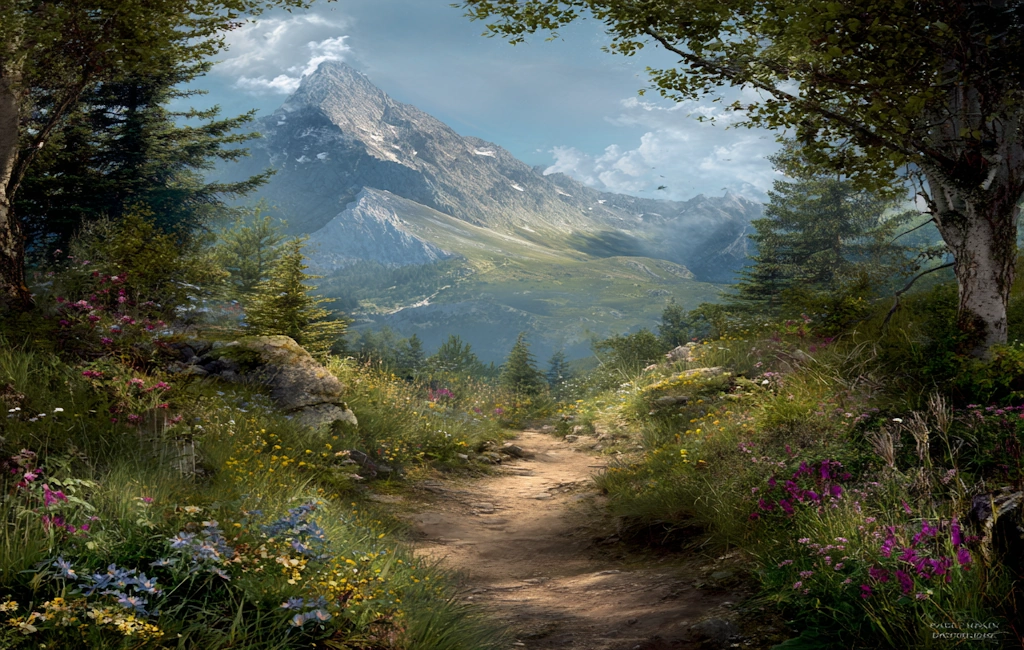
Nakasendo Trail (Magome to Tsumago) - A Glimpse into Old Japan
The Nakasendo Trail, meaning "road through the mountains," was one of the five major routes of the Edo period (1603–1868) connecting Kyoto and Edo (modern-day Tokyo). While the full route spanned over 500 kilometres, the most popular and best-preserved section for modern walkers is the 8-kilometre stretch between the post towns of Magome and Tsumago in the Kiso Valley. This segment offers a captivating journey back in time, traversing ancient stone paths, through dense cedar forests, and past picturesque rural landscapes. It's a relatively short but incredibly rewarding walk, allowing visitors to experience the atmosphere of feudal Japan, where samurai, merchants, and pilgrims once travelled.
- Distance: 8.0 km one-way
- Duration: 3-4 hours
- Season: Spring (April-May) or Autumn (October-November)
- Difficulty: Moderate
- Elevation Gain: Approximately 400 m
- Closest City: Nagoya
- Trailhead Access: JR Chuo Line to Nakatsugawa Station, then bus to Magome
- Permits: Not required
Overview
The Magome to Tsumago section of the Nakasendo Trail is a quintessential Japanese walking experience. It begins in Magome, a charming post town perched on a steep hillside, and descends towards Tsumago, another beautifully preserved town nestled in a valley. The trail itself is a mix of well-maintained stone paths, gravel tracks, and occasional paved sections, winding through serene forests and alongside babbling brooks. Along the way, you'll encounter small shrines, ancient cedar trees, and remnants of the old post towns, offering a tangible connection to Japan's historical past.
The walk is characterised by its gentle but persistent descent from Magome, with a notable climb towards the end as you approach Tsumago. The elevation gain of approximately 400 metres is spread across the 8 kilometres, making it a moderate challenge suitable for most fitness levels. The surrounding Kiso Valley is known for its natural beauty, with lush forests providing shade and a tranquil atmosphere, especially during the spring and autumn months when the weather is pleasant and the foliage is at its most vibrant.
What makes this walk particularly special is the preservation of the post towns themselves. Magome and Tsumago have meticulously maintained their Edo-period architecture, with traditional wooden buildings, paper lanterns, and narrow streets. Walking between them feels like stepping onto a historical film set, offering a unique cultural immersion alongside the physical activity. The absence of modern development within the core of these towns enhances the illusion of travelling back centuries.
History and Cultural Context
The Nakasendo Trail was one of the five major highways established during the Edo period by the Tokugawa shogunate. Its primary purpose was to facilitate communication and troop movement between the capital, Edo (Tokyo), and the imperial capital, Kyoto. The route traversed the mountainous interior of Japan, hence its name, "road through the mountains," distinguishing it from the coastal Tokaido road. This mountainous path was considered safer for travel by the shogunate, as it was less susceptible to coastal storms and pirate attacks.
Along the Nakasendo, sixty-nine post towns (shukuba) were established to provide lodging, food, and supplies for travellers. These towns served as vital resting points and administrative centres. Magome and Tsumago were two of these important post towns, thriving on the constant flow of travellers, including samurai officials, merchants, pilgrims, and even royalty. The towns were regulated, with strict rules governing their appearance and function to ensure efficient travel and maintain order.
During the Meiji Restoration in the late 19th century, with the advent of railways and modern infrastructure, the Nakasendo Trail gradually fell into disuse. However, in the mid-20th century, a concerted effort was made to preserve and restore the most historically significant sections, particularly the Magome-Tsumago segment. This preservation work has been remarkably successful, allowing visitors today to walk the same stone paths and experience the same atmosphere that travellers did over 300 years ago. The towns have been designated as Important Preservation Districts for Groups of Traditional Buildings by the Japanese government, ensuring their historical character is maintained.
Seasonal Highlights and Weather Reality
The Nakasendo Trail between Magome and Tsumago is a year-round destination, but certain seasons offer a more pleasant and visually appealing experience.
Spring (April-May): This is arguably the most beautiful time to walk the trail. The weather is generally mild and pleasant, with average temperatures ranging from 10°C to 20°C. Cherry blossoms (sakura) may still be in bloom in early spring, adding a spectacular display of pink and white to the landscape. The forests begin to turn a vibrant green, and the air is fresh. This season is popular, so expect more fellow walkers.
Summer (June-August): Summers in the Kiso Valley can be hot and humid, with average temperatures often exceeding 25°C and sometimes reaching into the 30s. Rainfall is also more frequent during the rainy season (tsuyu) in June and July. While the lush greenery is at its peak, the heat and humidity can make the walk more challenging. Early morning or late afternoon walks are recommended to avoid the midday sun.
Autumn (October-November): Another prime season for walking the Nakasendo. The weather is typically crisp and clear, with cooler temperatures averaging between 10°C and 18°C. The autumn foliage (koyo) is breathtaking, with the surrounding mountains and forests ablaze in shades of red, orange, and yellow. This season offers excellent visibility and comfortable walking conditions, though it can also be quite popular.
Winter (December-March): While the trail is still accessible, winter brings colder temperatures, with averages around 0°C to 8°C. Snowfall is possible, especially at higher elevations, which can make sections of the trail slippery or impassable without appropriate winter gear. The landscape takes on a stark beauty, and you'll likely encounter very few other walkers, offering a sense of solitude. However, some facilities in the post towns might have reduced hours or be closed.
Recommended Itinerary
Magome to Tsumago Day Walk
This is a single-day walk, typically completed in one direction from Magome to Tsumago due to the overall descent.
Early Morning (Approx. 8:00 AM - 9:00 AM): Travel to Magome
- Depart from your accommodation in a nearby city like Nagoya or Matsumoto.
- Take the JR Chuo Line to Nakatsugawa Station (approx. 1.5 hours from Nagoya).
- From Nakatsugawa Station, take a local bus to Magome (approx. 25 minutes). Buses are frequent but check schedules in advance.
- Arrive in Magome, a picturesque post town situated on a steep hillside.
- Spend a short time exploring Magome's charming streets, browse local craft shops, and perhaps enjoy a local snack like gohei mochi.
Morning (Approx. 9:30 AM - 12:00 PM): Begin the Walk from Magome
- Locate the start of the Nakasendo Trail at the upper end of Magome.
- The initial section is paved and steep, leading out of the town and into the surrounding countryside.
- You'll pass through agricultural fields and then enter the forest.
- The path becomes a more traditional stone-paved trail, often with steps.
- Key Waypoints:
- Magome Checkpoint (Magome-juku)
- Ochiai-juku (a small, almost vanished post town, marked by a stone monument)
- Various small shrines and rest stops along the way
- Enjoy the gradual descent and the serene forest environment.
Midday (Approx. 12:00 PM - 1:30 PM): Mid-Walk and Lunch Break
- The trail continues through mixed forest and rural scenery.
- You'll encounter more stone paths and occasional wooden bridges.
- Consider stopping at one of the small rest areas or finding a scenic spot for a picnic lunch.
- Key Waypoints:
- Waterfalls and streams
- Ancient cedar trees
- Views of the surrounding Kiso Valley
- The path remains mostly downhill or relatively flat during this section.
Afternoon (Approx. 1:30 PM - 3:30 PM): Approaching Tsumago
- The terrain may become slightly more undulating as you get closer to Tsumago.
- You'll pass through more rural landscapes and small hamlets.
- The final approach to Tsumago involves a short, steeper climb before descending into the town itself.
- Key Waypoints:
- Waki-honjin Okuya (a former secondary inn, now a museum)
- Tsumago Checkpoint (Tsumago-juku)
- Arrive in Tsumago, another beautifully preserved post town.
Late Afternoon (Approx. 3:30 PM onwards): Explore Tsumago and Depart
- Spend time exploring Tsumago's historic streets, visit the local museums (like the Waki-honjin Okuya), and browse the souvenir shops.
- From Tsumago, you can take a local bus back to Nakatsugawa Station (approx. 40 minutes) to catch your train onwards.
- Alternatively, some visitors arrange for luggage forwarding services to send their main bags from Magome to Tsumago, allowing them to walk with just a daypack.
Important Notes:
- Wear comfortable, sturdy walking shoes.
- Carry water and snacks, as facilities along the trail itself are limited.
- Check bus schedules in advance, especially for the return journey from Tsumago.
- The trail is well-marked, but a map or GPS device is always recommended.
- Consider the direction: Magome to Tsumago is generally preferred due to the overall descent.
Planning and Bookings
Book Your Trip
Everything you need to plan your journey
Accommodation
Find places to stay near Nagoya
Flights
Search flights to Nagoya
Essential Preparation
The Magome to Tsumago walk is a relatively straightforward day hike, but proper preparation ensures a more enjoyable experience. The closest major city with good transport links is Nagoya. From Nagoya, you'll take the JR Chuo Line to Nakatsugawa Station. From Nakatsugawa, a local bus service connects to both Magome and Tsumago. It's advisable to check train and bus timetables in advance, especially if travelling on weekends or public holidays, as services can be less frequent.
Accommodation options are available in Magome and Tsumago, ranging from traditional ryokans (Japanese inns) and minshuku (family-run guesthouses) to more modern hotels in nearby towns like Nakatsugawa. Booking accommodation in advance is highly recommended, particularly during peak seasons (spring and autumn) and weekends, as these historic towns have limited lodging capacity.
Luggage forwarding services (takkyubin) are popular for this walk. You can arrange for your main luggage to be sent from your accommodation in one town to your accommodation in the other, allowing you to complete the walk with just a light daypack. This service is efficient and widely available through hotels and convenience stores.
Trail Accommodation
This is a day hike requiring no overnight accommodation on the trail itself. However, accommodation is available in the post towns of Magome and Tsumago, as well as in nearby towns like Nakatsugawa.
Types of Accommodation:
- Ryokan: Traditional Japanese inns offering tatami mat rooms, futon bedding, communal baths (onsen or sento), and often elaborate multi-course meals (kaiseki).
- Minshuku: Similar to ryokans but typically smaller, family-run, and more casual.
- Hotels: Available in larger towns like Nakatsugawa, offering Western-style rooms and amenities.
Booking Requirements: Advance booking is strongly recommended, especially for ryokans and minshuku in Magome and Tsumago, as they have limited capacity and are very popular. Bookings can often be made online through travel websites or directly with the establishments.
Facilities Provided: Varies by establishment but generally includes bedding, bathing facilities, and meals (if booked). Rooms are typically Japanese-style with tatami floors and futons.
What's NOT Provided: Specific amenities vary, but expect standard hotel services like Wi-Fi (may be limited in traditional inns), air conditioning/heating, and private bathrooms (though some rooms may have en-suite facilities).
Seasonal Availability: Accommodation is generally available year-round, but demand is highest during spring and autumn. Some smaller establishments might have reduced hours or closures during the winter off-season.
Costs: Prices vary significantly. Minshuku can range from ¥8,000-¥15,000 per person per night (including meals), while ryokans can be ¥15,000-¥30,000+ per person per night. Hotels in Nakatsugawa might be more budget-friendly.
Required Gear
- Walking Shoes: Comfortable, broken-in walking shoes or sturdy trainers with good grip are essential. The trail includes stone paths, gravel, and some uneven terrain.
- Waterproof Jacket: Lightweight and breathable, suitable for potential rain showers, especially during spring and summer.
- Layers of Clothing: Depending on the season, bring layers that can be added or removed. A t-shirt, a long-sleeved shirt, and a fleece or light jacket are usually sufficient for spring and autumn.
- Backpack: A small daypack (15-25 litres) is ideal for carrying essentials like water, snacks, a camera, and a light jacket. If not using a luggage forwarding service, ensure your pack is comfortable for carrying your belongings for the duration of the walk.
- Sun Protection: A hat, sunglasses, and sunscreen are recommended, particularly during summer months, as sections of the trail are exposed.
- Navigation: While the trail is well-marked, a map of the Nakasendo Trail or a GPS device/app on your smartphone is advisable.
What to Bring
- Water: Carry at least 1-1.5 litres of water per person. Refill stations are scarce along the trail itself, though you can often find water in the post towns.
- Food/Snacks: Pack energy-rich snacks such as fruit, nuts, energy bars, or a packed lunch. There are limited opportunities to purchase food directly on the trail between Magome and Tsumago.
- Toiletries: Include personal items, hand sanitiser, and any necessary medications. Biodegradable wet wipes can be useful for freshening up.
- Camera: To capture the beautiful scenery and historic towns.
- Cash: While credit cards are accepted in larger towns and some shops, smaller establishments, bus fares, and some entrance fees may require cash (Japanese Yen).
- Small Towel: Useful for wiping sweat or if you encounter a public restroom without paper towels.
- Insect Repellent: Particularly useful during summer months to ward off mosquitoes and other biting insects.
- Plastic Bags: For carrying out any rubbish you generate.
Permits
No permits are required to walk the Nakasendo Trail between Magome and Tsumago. This section is part of the public domain and is freely accessible to all visitors. The preservation of the towns and the trail is managed by local communities and government initiatives, rather than through a permit system.
While no permits are needed for the walk itself, if you plan to stay overnight in the traditional inns (ryokans or minshuku) in Magome or Tsumago, advance booking is essential. These accommodations have limited capacity and are highly sought after, especially during peak seasons. It is advisable to book your lodging several weeks or even months in advance to secure your preferred dates and establishment.
For those interested in visiting the museums within the post towns (e.g., Waki-honjin Okuya in Tsumago), there may be small entrance fees. These are typically paid on-site and do not require pre-booking.
Other Activities in the Area
Beyond the Magome to Tsumago walk, the Kiso Valley and surrounding areas offer several other attractions and activities:
- Explore Magome and Tsumago: Dedicate ample time to wander through the preserved streets of both post towns. Visit the local museums, browse craft shops selling traditional items like wooden combs and lacquerware, and soak in the Edo-period atmosphere.
- Stay in a Traditional Ryokan: Experience Japanese hospitality by staying overnight in a ryokan. Enjoy a kaiseki dinner, relax in an onsen (hot spring bath), and sleep on a futon on tatami mats.
- Visit Narai-juku: Another beautifully preserved post town on the Nakasendo, located further north in the Kiso Valley. It's known for its exceptionally long and well-maintained main street.
- Hiking in the Kiso Mountains: The Kiso Valley is surrounded by mountains offering various hiking opportunities beyond the Nakasendo. Trails range from gentle forest walks to more challenging mountain ascents.
- Local Cuisine: Sample regional specialties such as Kiso soba noodles, gohei mochi (grilled rice cakes with sweet miso paste), and local sake.
- Craft Workshops: Some towns offer opportunities to participate in traditional craft workshops, such as wood carving or lacquerware painting.
- Cycling: Rent a bicycle and explore the scenic rural roads and valleys surrounding the post towns.
Safety and Conditions
The Nakasendo Trail between Magome and Tsumago is generally considered safe and well-maintained. However, as with any outdoor activity, it's important to be aware of potential risks and take necessary precautions.
Trail Conditions: The path is mostly clear and well-marked. However, it can be uneven, with stone steps, gravel, and occasional muddy sections, especially after rain. Wear appropriate footwear to prevent slips and falls.
Weather: Weather can change, particularly in the mountains. Always check the forecast before you set out. Spring and autumn offer pleasant conditions, but be prepared for cooler temperatures and potential rain. Summers can be hot and humid, requiring adequate hydration. Winters can bring snow and ice, making the trail slippery and potentially hazardous.
Hydration and Nutrition: Carry sufficient water and snacks. While there are facilities in Magome and Tsumago, there are very few, if any, places to buy refreshments directly on the trail between the towns. Dehydration can be a risk, especially during warmer months.
Getting Lost: The trail is generally well-signposted with Japanese and English markers. However, it's always wise to have a map or use a GPS device/app as a backup, especially if you are unfamiliar with the area.
Emergency Contacts: In case of an emergency, note down the local emergency numbers. In Japan, the general emergency number is 110 for police and 119 for fire and ambulance. Your accommodation provider can also assist in case of an emergency.
Health: If you have any pre-existing medical conditions, consult your doctor before your trip. Ensure you have any personal medications you may need. Basic first-aid supplies in your daypack are also recommended.
Respect Local Customs: Be mindful of local customs and etiquette, especially when visiting temples, shrines, or staying in traditional accommodations.
Side Trips and Points of Interest
Magome Post Town: Begin your journey in Magome, a beautifully preserved post town that clings to a steep mountainside. Wander its cobblestone streets lined with traditional wooden buildings, visit the Magome-juku Honjin (main inn) and Wakihonjin (secondary inn) for a glimpse into the past, and enjoy the panoramic views of the Kiso Valley. The town's steep incline makes for a dramatic start to the walk.
Ochiai-juku: About 1.5 km from Magome, you'll pass the remnants of Ochiai-juku, a smaller post town that has largely disappeared. A stone monument marks its former location, offering a poignant reminder of the transient nature of these historical settlements.
Forest Sections: The trail winds through serene cedar and cypress forests. These sections offer a welcome respite from the sun and a chance to immerse yourself in the natural beauty of the Kiso Valley. Listen to the sounds of the forest and enjoy the fresh, clean air.
Ancient Cedar Trees: Keep an eye out for ancient, towering cedar trees along the path. These magnificent trees have stood for centuries and add to the mystical atmosphere of the trail.
Tsumago Post Town: Arrive in Tsumago, another exceptionally well-preserved post town. Tsumago has a more level layout than Magome and is renowned for its strict preservation efforts, with a ban on overhead power lines and a commitment to maintaining its Edo-period appearance. Explore its charming streets, visit the Tsumago-juku Honjin and Wakihonjin Okuya (now a museum), and experience the tranquil ambiance.
Waki-honjin Okuya (Tsumago): This former secondary inn in Tsumago is now a museum that provides fascinating insights into the lives of travellers and the workings of a post town during the Edo period. It's a must-visit for understanding the historical context of the Nakasendo.
Leave No Trace
The Nakasendo Trail, particularly the Magome to Tsumago section, is a testament to Japan's commitment to preserving its cultural and natural heritage. As visitors, it is our responsibility to tread lightly and ensure this historical pathway remains pristine for future generations.
Plan Ahead and Prepare: Familiarise yourself with the trail and local customs. Pack appropriately for the weather and carry out all your rubbish. Understand that facilities are limited between the towns.
Travel and Camp on Durable Surfaces: Stick to the marked paths. The stone-paved sections and established trails are designed to withstand foot traffic. Avoid venturing off-trail, as this can damage fragile vegetation and soil.
Dispose of Waste Properly: Pack out everything you pack in. This includes food scraps, wrappers, and any other waste. There are bins available in Magome and Tsumago, but not along the trail itself. Use designated toilet facilities in the towns.
Leave What You Find: Do not take any natural items (stones, plants, etc.) or historical artefacts from the trail or the post towns. Appreciate the beauty and history without disturbing it.
Minimise Campfire Impacts: Not applicable for this day hike, as camping is not permitted on the trail.
Respect Wildlife: Observe any wildlife from a distance and do not feed animals. While large wildlife is uncommon on this specific section, maintaining a respectful distance is always good practice.
Be Considerate of Other Visitors: The Nakasendo is a popular route. Keep noise levels down, especially in the quiet post towns, and be courteous to fellow walkers. Allow faster walkers to pass easily.
By adhering to these principles, you help preserve the unique charm and historical integrity of the Nakasendo Trail and its post towns.
 Japan
Japan