
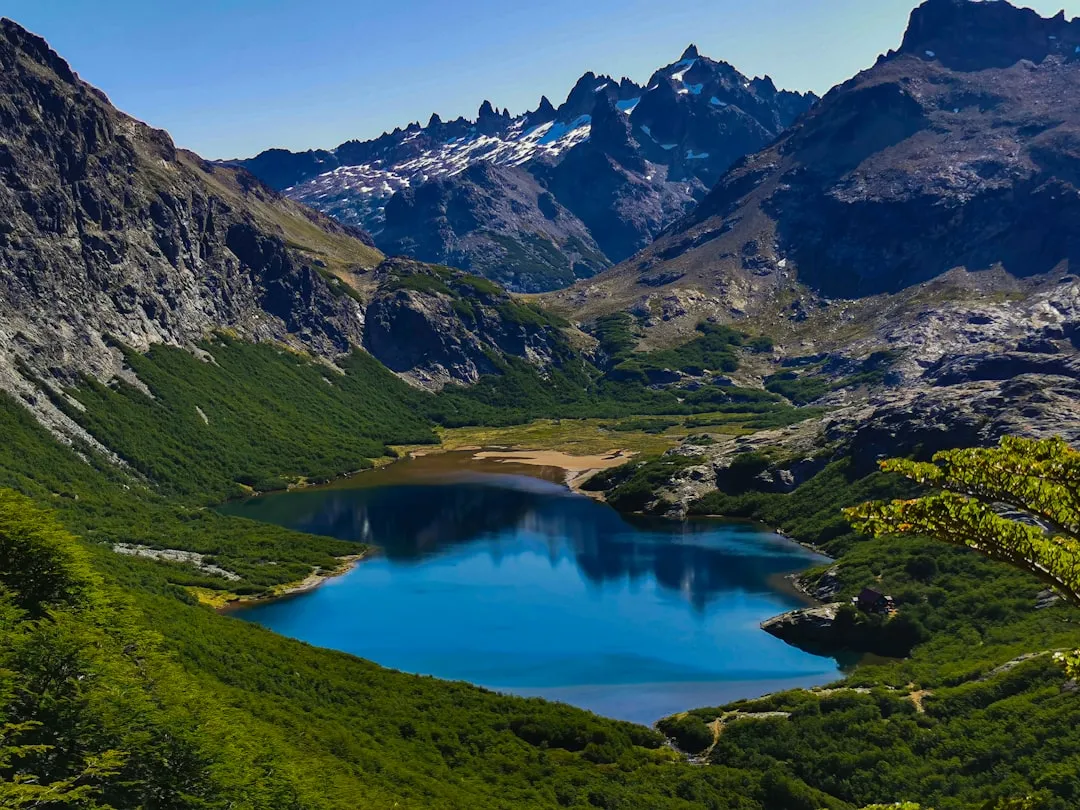
Nahuel Huapi Traverse
The Nahuel Huapi Traverse is a spectacular multi-day trek through the heart of Argentina's Nahuel Huapi National Park, a vast wilderness of jagged peaks, glacial lakes, and ancient forests in Patagonia. This challenging route connects some of the park's most iconic landscapes, offering a true Patagonian alpine experience. It winds through diverse terrain, from dense Lenga forests and open alpine meadows to rugged scree slopes and high mountain passes, all set against the dramatic backdrop of the Andes. The traverse is renowned for its breathtaking vistas, challenging ascents, and the opportunity to immerse oneself in the raw, untamed beauty of one of South America's premier national parks. While not as formally regulated as some international "Great Walks," it demands careful planning, self-sufficiency, and a good level of fitness due to its demanding nature and remote sections.
- Distance: Approximately 45.0 km
- Duration: 4-5 days
- Season: November to April (Patagonian summer)
- Huts: Refugios and campsites available
- Highest point: Varies, but passes can exceed 2,000 metres
- Difficulty: Challenging
- Closest City: San Carlos de Bariloche
Overview
The Nahuel Huapi Traverse offers a profound journey through the diverse ecosystems of Nahuel Huapi National Park. Starting from the vicinity of Villa Catedral, a popular ski resort town near San Carlos de Bariloche, the trail gradually ascends into the Andean foothills. The initial days are often characterised by walking through dense, ancient Lenga forests, their gnarled branches creating a sense of timelessness. As the elevation increases, the forest gives way to more open alpine meadows, dotted with wildflowers during the summer months, and eventually to rocky, exposed terrain. The route typically involves crossing several high mountain passes, each offering panoramic views of the surrounding peaks, turquoise lakes, and vast glacial valleys.
Key highlights include the stunning vistas from passes like Cerro Catedral or those leading towards Refugio Frey and Refugio Jakob. The trail is not a single, clearly defined path but rather a network of interconnected trails that can be combined to create various routes. A common approach involves linking popular refugios (mountain huts) such as Refugio Frey, Refugio Jakob, and potentially others, depending on the chosen itinerary and desired difficulty. These refugios provide essential resting points, basic accommodation, and a communal atmosphere for trekkers. The landscape is sculpted by glaciers, evident in the U-shaped valleys, moraines, and the crystal-clear, often vibrantly coloured, glacial lakes that punctuate the scenery.
The weather in Patagonia is notoriously unpredictable. Trekkers must be prepared for all conditions, from brilliant sunshine and warm temperatures to sudden snowstorms, high winds, and heavy rain, even in the height of summer. This variability adds to the adventure but also underscores the importance of thorough preparation and robust gear. The Nahuel Huapi Traverse is an excellent choice for experienced hikers seeking a challenging and visually rewarding Patagonian trekking experience, offering a deep connection with the wild beauty of Argentina's Andean frontier.
History and Cultural Context
The Nahuel Huapi region has a rich history, deeply intertwined with the indigenous Mapuche people who inhabited these lands for centuries. Their connection to the mountains, lakes, and forests was spiritual and practical, utilising the natural resources for sustenance and travel. The name "Nahuel Huapi" itself is of Mapuche origin, likely derived from "Nahuel" (jaguar) and "Huapi" (island), referring to the island of the same name in the lake, which holds significant cultural importance.
European exploration and settlement began in the late 19th and early 20th centuries. The establishment of San Carlos de Bariloche as a town and the subsequent development of tourism and mountaineering activities led to the creation and marking of many of the trails that form the basis of the Nahuel Huapi Traverse. Pioneers like Francisco "Perito" Moreno, a renowned Argentine explorer and scientist, played a crucial role in documenting and advocating for the preservation of this stunning natural area, leading to the establishment of Nahuel Huapi National Park in 1934, one of Argentina's first national parks.
The network of refugios, many of which were built by the Club Andino Bariloche (CAB), a prominent mountaineering club, has been instrumental in making these high-mountain routes accessible to a wider range of hikers. These huts, often built with local materials and designed to blend into the landscape, have provided shelter and a sense of community for generations of trekkers. The history of the traverse is, therefore, a story of indigenous heritage, pioneering exploration, and the enduring human desire to explore and connect with wild mountain environments.
Seasonal Highlights and Weather Reality
The primary trekking season for the Nahuel Huapi Traverse is during the Southern Hemisphere's summer, from November to April. This period offers the most favourable weather conditions, with longer daylight hours and generally milder temperatures, though still highly variable.
November and December (Spring): The landscape begins to awaken after winter. Snowmelt is still significant at higher elevations, and some higher passes may still be snow-covered in early November. Wildflowers start to bloom in the lower and mid-altitudes, adding vibrant colours to the meadows. Days are getting longer, providing ample time for hiking. Temperatures can be cool, especially at night and at altitude.
January and February (Peak Summer): This is the warmest period with the longest daylight hours. Snow has generally receded from most commonly used trails, making them more accessible. Wildflower displays are at their peak. However, this is also the period when winds can be strongest, and sudden thunderstorms are common. Sandflies can be present, though typically less of an issue than in some New Zealand locations.
March and April (Autumn): The landscape transforms into a spectacle of autumn colours, with the Lenga forests turning brilliant shades of red, orange, and yellow. This is a visually stunning time to hike. Temperatures begin to drop, and the days shorten. Snowfall becomes more likely at higher elevations towards the end of April. The winds may still be strong, but generally, the weather can be more stable than in mid-summer, with fewer crowds.
Winter (May to October): The Nahuel Huapi Traverse is generally not recommended for hiking during winter due to heavy snowfall, extreme cold, high winds, and avalanche risk. Trails become impassable, and refugios may be closed or operate with limited services. This period is for experienced winter mountaineers with appropriate gear and skills.
Weather Reality: Regardless of the season, Patagonian weather is famously fickle. Trekkers must be prepared for rapid changes. Sunshine can quickly turn to driving rain, hail, or even snow, often accompanied by strong winds. Hypothermia is a risk even in summer at higher altitudes. Always check forecasts before setting out and be ready to adapt your plans.
Recommended Itinerary
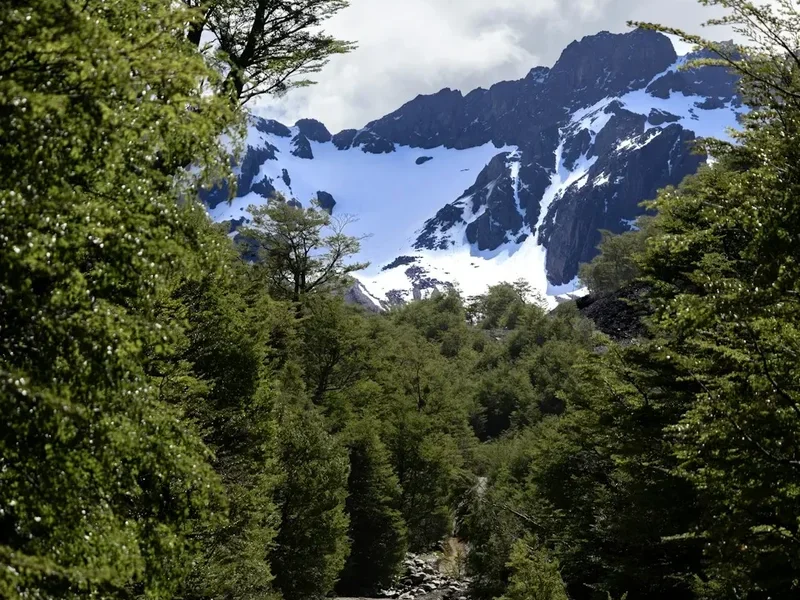
4-Day Nahuel Huapi Traverse Itinerary (Example)
Day 1: Villa Catedral to Refugio Frey
- Distance: Approximately 10 km
- Elevation gain: 800 m
- Time: 4–5 hours
- Start from Villa Catedral, a popular ski resort town near Bariloche.
- Follow well-marked trails ascending through dense Lenga forests.
- The trail gradually steepens, offering glimpses of the surrounding peaks.
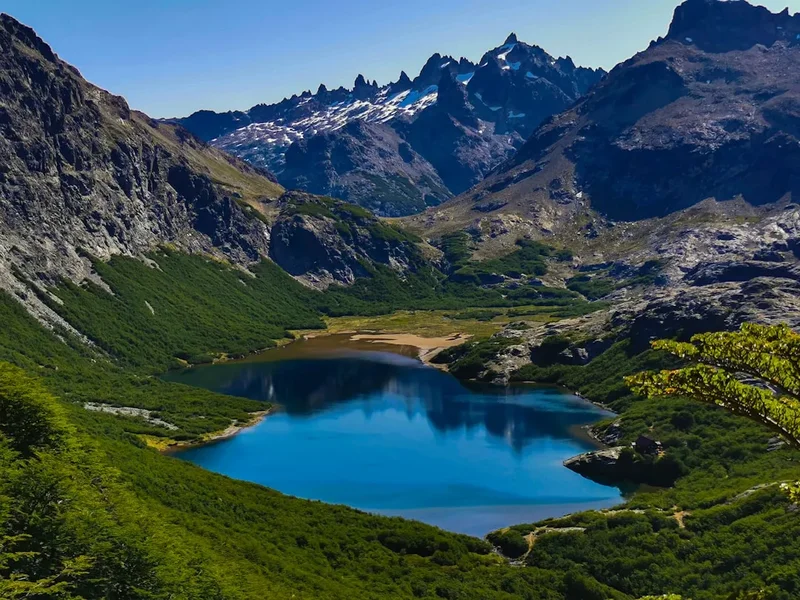
- Arrive at Refugio Frey, a picturesque stone hut nestled beside Laguna Toncek, with the dramatic spires of Cerro Catedral as a backdrop.
- Settle in, enjoy the views, and prepare for the days ahead.
Day 2: Refugio Frey to Refugio Jakob
- Distance: Approximately 12 km
- Elevation gain: 700 m, then 500 m descent
- Time: 6–7 hours
- Depart Refugio Frey, continuing the ascent towards higher passes.
- The terrain becomes more open and rocky, with expansive views opening up.
- Cross a significant mountain pass (e.g., the pass towards Refugio Jakob), offering panoramic vistas of glacial valleys and distant peaks.
- Descend towards Refugio Jakob, another charming hut located in a beautiful alpine setting near Laguna Jakob.
- This day involves significant elevation changes and exposure to the elements.
Day 3: Refugio Jakob to Refugio Neumeyer (or similar)
- Distance: Approximately 15 km
- Elevation gain: 600 m, then 400 m descent
- Time: 6–8 hours
- Continue the traverse, potentially heading towards another refugio like Neumeyer or exploring a different section of the park.
- The route may involve traversing alpine meadows, scree slopes, and potentially crossing smaller passes.
- Enjoy the changing landscapes as you move through different valleys and mountain cirques.
- Arrive at your designated refugio for the night, allowing time to rest and refuel.
Day 4: Refugio Neumeyer to Villa Catedral (or alternative exit)
- Distance: Approximately 8 km
- Elevation loss: 700 m
- Time: 3–4 hours
- Begin the descent back towards the starting point or an alternative exit.
- The trail will likely lead you through forests and open terrain, offering final views of the Andean landscape.
- Arrive back at Villa Catedral or your pre-arranged transport point.
- Celebrate the completion of your Nahuel Huapi Traverse!
Important Notes:
- This is a sample itinerary; routes can be modified based on fitness, time, and preference.
- Refugios often require booking, especially during peak season. Check with Club Andino Bariloche (CAB) for current policies.
- Carry sufficient food and water, as services at refugios can be basic.
- Be prepared for all weather conditions.
- Navigation skills are essential, as trails can be indistinct in places.
Planning and Bookings
Book Your Trip
Everything you need to plan your journey
Accommodation
Find places to stay near San Carlos de Bariloche
Flights
Search flights to San Carlos de Bariloche
Essential Preparation
The Nahuel Huapi Traverse requires significant preparation due to its challenging nature and the remoteness of some sections. San Carlos de Bariloche is the primary gateway city, offering all necessary amenities for pre-trek preparations. It's crucial to have a solid understanding of the route, weather patterns, and your own physical capabilities. Booking accommodation at refugios in advance is highly recommended, especially during the peak summer months (January-February), as they can fill up quickly. Ensure you have a reliable way to get to and from the trailhead at Villa Catedral. Consider purchasing detailed topographic maps of the area and familiarising yourself with navigation techniques. A good level of cardiovascular fitness and strength is essential, as the trek involves sustained ascents and descents over multiple days, often on uneven terrain.
Trail Accommodation
The Nahuel Huapi Traverse primarily utilises a network of mountain refugios (huts) managed by the Club Andino Bariloche (CAB) and some private operators. These refugios offer basic accommodation, typically in dormitory-style rooms with bunk beds. Some may also have designated camping areas nearby.
Refugio Facilities:
- Bunk beds with mattresses (sleeping bags are essential; no bedding provided).
- Common areas for dining and socialising.
- Basic cooking facilities (stoves, sometimes limited utensils). Some refugios sell simple meals or snacks.
- Access to water (often from streams; treatment is recommended).
- Toilets (may be pit toilets or basic flush systems).
- Some refugios have limited supplies for sale (e.g., gas canisters, basic food items).
What's NOT Provided:
- Food (unless specified as available for purchase).
- Cooking equipment (pots, pans, cutlery, plates).
- Sleeping bags, pillows, or personal toiletries.
- Electricity for charging devices (rare).
- Hot showers (usually not available).
Booking Requirements:
- Advance booking is strongly advised, especially for popular refugios like Frey and Jakob during peak season. Contact Club Andino Bariloche (CAB) or the specific refugio operator.
- Payment is typically required at the time of booking or upon arrival.
- Camping is often permitted near refugios for a fee, but check local regulations.
- Seasonal availability: Refugios are generally open from November to April. Some may have reduced services or be closed outside this period.
- Costs: Prices vary but expect approximately ARS 10,000 - 30,000 per person per night for dormitory beds (prices are subject to change and currency fluctuations). Camping fees are usually lower.
This is a multi-day hike requiring overnight accommodation in refugios or tents.
Required Gear
- Sturdy, waterproof hiking boots: Well broken-in with good ankle support.
- Waterproof and windproof jacket and trousers: Essential for unpredictable Patagonian weather.
- Warm layers: Fleece or down jacket, thermal base layers (merino wool recommended).
- Sleeping bag: Rated for sub-zero temperatures (0°C to -5°C comfort rating is advisable).
- Backpack: 50-70 litre capacity, with a rain cover.
- Navigation tools: Topographic maps of the area, compass, and a GPS device or smartphone with offline maps.
- Headlamp or torch: With spare batteries.
- First-aid kit: Comprehensive, including blister treatment, pain relievers, and any personal medications.
- Sun protection: High SPF sunscreen, sunglasses, and a wide-brimmed hat.
- Insect repellent: Especially for warmer months.
- Trekking poles: Highly recommended for steep ascents and descents.
What to Bring
- Food: Sufficient non-perishable food for all meals and snacks for the duration of the trek. Refugios may offer some food for purchase, but it's not guaranteed and can be expensive.
- Water bottles or hydration reservoir: Capacity for at least 2 litres per person.
- Water purification method: Filter, purification tablets, or UV steriliser.
- Cooking equipment: Lightweight stove, fuel, pot, utensils, mug, plate/bowl.
- Toiletries: Biodegradable soap, toothbrush, toothpaste, toilet paper, hand sanitiser.
- Personal items: Camera, power bank for electronics, book or journal.
- Cash: Argentinian Pesos (ARS) for refugio fees, food, and any emergency purchases. Credit card acceptance is limited in remote areas.
- Emergency whistle.
- Duct tape and repair kit for gear.
Permits
Unlike some highly regulated international trails, the Nahuel Huapi Traverse does not typically require a formal permit for independent hikers to access the trails themselves. However, access to and use of the mountain refugios (huts) managed by the Club Andino Bariloche (CAB) or other operators usually requires advance booking and payment. It is crucial to confirm the booking requirements and fees directly with CAB or the specific refugio you intend to stay in, as policies can change.
Key points regarding permits and bookings:
- Refugio Bookings: Essential, especially during the peak season (December to February). Bookings can often be made online through the CAB website or by contacting them directly. Some refugios may have limited online booking and require phone reservations.
- Fees: Expect to pay a nightly fee for dormitory beds. Prices vary significantly based on the refugio and season. Camping near refugios usually incurs a separate, lower fee.
- National Park Entry: While Nahuel Huapi National Park itself does not typically charge an entry fee for day hikers or those using the trail network, regulations can change. It's always wise to check the official park website or with local authorities in Bariloche for the most current information.
- Group Size: There are generally no strict limits on the number of independent hikers per day, but it's good practice to inform the refugios of your expected arrival, especially if you are part of a larger group.
- Seasonal Operations: Ensure the refugios you plan to use are open during your intended travel dates. Many operate primarily between November and April.
It is highly recommended to visit the Club Andino Bariloche website or contact their office in Bariloche for the most up-to-date information on refugio availability, booking procedures, and any associated fees.
Other Activities in the Area
San Carlos de Bariloche and the surrounding Nahuel Huapi National Park offer a wealth of activities beyond the traverse:
- Cerro Catedral Ski Resort: Even outside of winter, the area around Cerro Catedral offers hiking opportunities and stunning views. Cable car access can shorten some approaches to the refugios.
- Lake Nahuel Huapi Cruises: Explore the vast lake by boat, visiting islands like Isla Victoria and the Arrayanes Forest (a unique forest of cinnamon-coloured trees).
- Kayaking and Paddleboarding: Enjoy the pristine waters of the many lakes in the region.
- Horseback Riding: Experience the Patagonian landscape on horseback, with various tours available from estancias and tour operators.
- Cerro Llao Llao: A relatively easy hike offering panoramic views of the Llao Llao peninsula and surrounding lakes.
- Patagonia Chocolate and Craft Beer Scene: Bariloche is famous for its artisanal chocolate shops and burgeoning craft beer breweries – a perfect way to relax after a trek.
- Day Hikes: Numerous shorter trails exist within the national park, such as the hike to Refugio Otto Meiling (for glacier views) or trails around the Llao Llao peninsula.
- Fly Fishing: The rivers and lakes of the region are renowned for their excellent fly fishing opportunities.
Safety and Conditions
Weather Preparedness: The most significant safety concern in the Nahuel Huapi region is the unpredictable and often extreme weather. Be prepared for rapid changes, including strong winds, heavy rain, hail, and snow, even in summer. Always check the weather forecast before setting out and be willing to alter your plans if conditions are dangerous. Hypothermia is a real risk at higher altitudes.
Navigation: While many trails are marked, they can be indistinct in places, especially in poor visibility or after heavy snowfall. Carry detailed topographic maps, a compass, and a GPS device or smartphone with offline maps. Familiarise yourself with navigation techniques before your trip. Inform someone of your itinerary and expected return time.
Refugio Safety: Refugios provide shelter, but they are basic. Ensure you have a warm sleeping bag, as they are unheated. Be mindful of fire safety if stoves are used. Respect the rules and the other hikers. If camping, choose a safe, established site away from potential rockfall or flood zones.
Water Sources: Water is generally abundant from streams and lakes. However, it is always recommended to treat water (filter, boil, or use purification tablets) to avoid waterborne illnesses, especially downstream from refugios or grazing areas.
Wildlife: While large dangerous animals are rare, be aware of your surroundings. Dogs accompanying hikers should be kept under control. The native wildlife, including birds and smaller mammals, should not be fed.
Physical Fitness: The Nahuel Huapi Traverse is a challenging trek. Ensure you have a good level of cardiovascular fitness and strength. Be aware of your limits and do not push yourself beyond them, especially in remote areas.
Emergency Contacts: Have the contact numbers for the Club Andino Bariloche and local emergency services readily available. Consider carrying a personal locator beacon (PLB) for remote sections.
Trail Conditions: Trails can be rocky, uneven, and steep. Be cautious of loose scree, slippery roots, and stream crossings. Snow can linger on high passes well into summer.
Side Trips and Points of Interest
Refugio Frey and Laguna Toncek: The iconic Refugio Frey, with its distinctive stone architecture, sits beside the stunning Laguna Toncek. The surrounding granite spires of Cerro Catedral are a magnet for climbers and offer incredible photographic opportunities. A short walk around the lake provides different perspectives.
Laguna Jakob: Located near Refugio Jakob, this glacial lake is another picturesque spot. The surrounding amphitheatre of peaks offers a dramatic backdrop and potential for further exploration of higher alpine terrain.
Cerro Catedral Summit: While the traverse may not go directly over the summit, the area around Cerro Catedral offers numerous viewpoints and opportunities for short ascents to gain spectacular panoramas of the surrounding mountain ranges and lakes.
Refugio Otto Meiling: Although often a separate trek, a detour towards Refugio Otto Meiling offers incredible views of the massive Cerro Tronador and its glaciers, including the Ventisquero Negro (Black Glacier). This is a significant side trip but highly rewarding for glacier enthusiasts.
Alpine Meadows and Wildflowers: During the summer months, the alpine meadows along the traverse burst into colour with a variety of wildflowers. These areas are beautiful to explore and photograph.
Ancient Lenga Forests: The dense, ancient Lenga forests are a significant feature of the lower and mid-altitude sections of the traverse. Their unique twisted forms and moss-covered branches create a magical atmosphere.
Leave No Trace
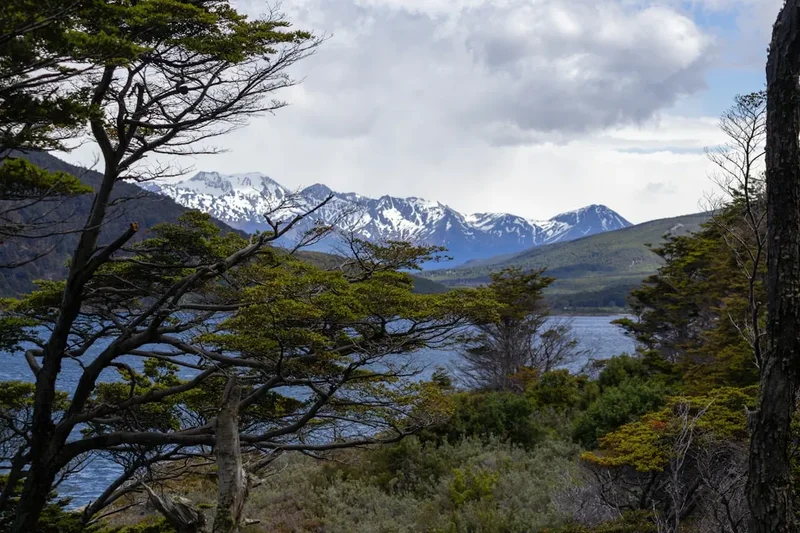
The Nahuel Huapi National Park is a pristine wilderness area, and it is essential for all visitors to practice Leave No Trace principles to preserve its natural beauty and ecological integrity for future generations. The popularity of the region means that responsible behaviour is paramount.
Plan Ahead and Prepare: Research your route, understand the conditions, and pack appropriately. Inform someone of your plans.
Travel and Camp on Durable Surfaces: Stick to marked trails to avoid damaging vegetation. Use designated campsites or durable surfaces near refugios. Avoid creating new campsites.
Dispose of Waste Properly: Pack out everything you pack in, including all food scraps, wrappers, and toilet paper. Use designated toilets at refugios. If no facilities are available, dig catholes at least 60 metres away from water sources, trails, and campsites.
Leave What You Find: Do not remove plants, rocks, or any natural objects. Respect cultural heritage sites.
Minimise Campfire Impacts: Campfires are often prohibited in national parks due to fire risk and impact on vegetation. Use a lightweight stove for cooking instead.
Respect Wildlife: Observe wildlife from a distance. Never feed animals, as it can harm their health and alter their natural behaviours.
Be Considerate of Other Visitors: Keep noise levels down, yield to others on the trail, and maintain a respectful attitude towards fellow hikers and locals.
 Argentina