
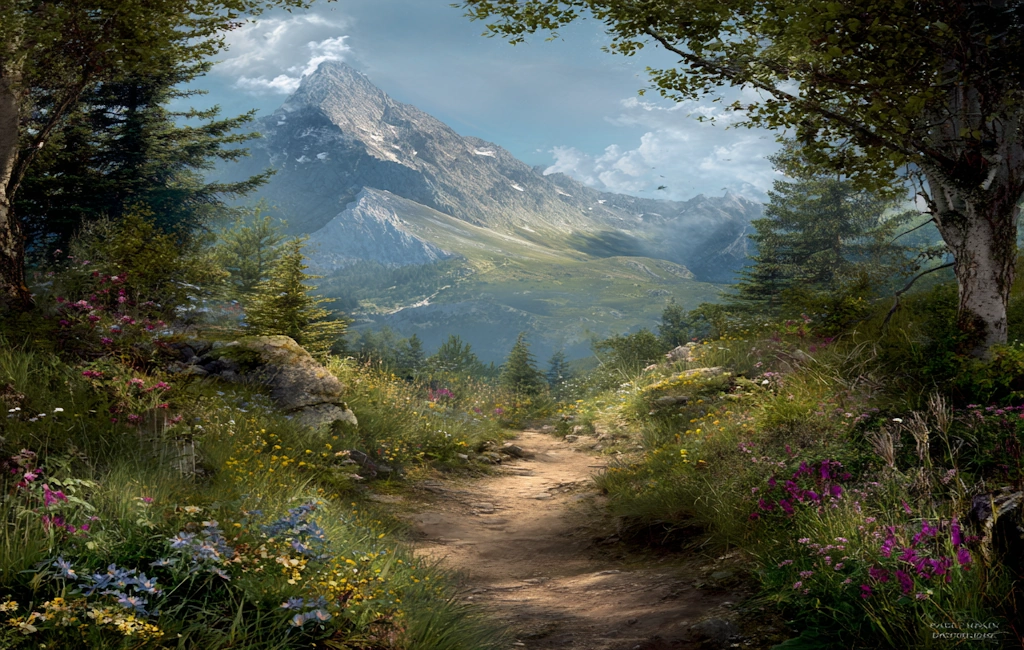
Nagarkot to Dhulikhel Hike
The Nagarkot to Dhulikhel Hike is a captivating day walk offering a profound immersion into the rural heart of Nepal's Kathmandu Valley. This trail winds through terraced fields, traditional Tamang and Newari villages, and offers breathtaking panoramic views of the Himalayas, including Mount Everest on a clear day. It's a journey that balances cultural discovery with natural beauty, providing a serene escape from the bustling city life of Kathmandu.
- Category: Day Walk
- Distance: 30.0 km
- Elevation Gain: 800 m
- Duration: 6-8 hours
- Difficulty: Moderate
- Best Time: October to April (dry season)
- Closest City: Kathmandu
- Trailhead Access: Nearest airport: Tribhuvan International Airport (KTM) in Kathmandu. Take a taxi or pre-booked car to Nagarkot (approx. 1.5-2 hours, variable road conditions). Limited parking available in Nagarkot. No permits needed for this hike.
Overview
This hike is a quintessential experience for those seeking to understand the cultural and natural tapestry of the Kathmandu Valley beyond its urban centres. Starting from the popular hill station of Nagarkot, renowned for its sunrise views, the trail descends and then gradually ascends through a landscape that has been shaped by centuries of agriculture and human settlement. The path meanders through vibrant green rice paddies, past mustard fields in bloom during the cooler months, and through small, welcoming villages where daily life unfolds at a gentle pace.
The route is not a single, well-trodden path but rather a network of local trails and rural roads that connect the villages. This allows for a more authentic experience, offering glimpses into the lives of the local communities. You'll encounter farmers tending their fields, children playing, and perhaps be invited for a cup of tea. The constant backdrop to this human activity is the majestic Himalayan range, which, on clear days, provides an awe-inspiring panorama that stretches from the Annapurna massif in the west to Kanchenjunga in the east.
The hike is classified as moderate due to its length and the cumulative elevation gain. While there are no extreme technical challenges, the sustained walking and ascents require a reasonable level of fitness. The descent from Nagarkot can be steep in places, and the subsequent climb towards Dhulikhel involves undulating terrain. The dry season, from October to April, offers the most stable weather conditions, with clear skies and pleasant temperatures, making it the ideal time to undertake this journey.
History and Cultural Context
The region surrounding Nagarkot and Dhulikhel has a rich history deeply intertwined with the ancient kingdoms of the Kathmandu Valley. For centuries, these hills have served as strategic vantage points and agricultural heartlands. The Newar people, indigenous to the Kathmandu Valley, have cultivated these lands for generations, developing sophisticated terracing techniques that have shaped the very contours of the landscape.
Dhulikhel, in particular, has a long history as a trading post and a royal town. Its strategic location on the ancient trade route between Nepal and Tibet meant it was a prosperous centre for commerce. The town retains much of its traditional Newari architecture, with intricately carved wooden windows and temples that speak of its prosperous past. The Newar culture, with its unique language, art, and festivals, is a significant part of the valley's heritage, and this hike offers an opportunity to witness it firsthand.
Nagarkot, while more recently developed as a tourist destination, has long been recognised for its spectacular mountain views. Its elevation made it a natural lookout point, and its proximity to Kathmandu has made it a popular retreat for centuries. The development of tourism in recent decades has brought modern amenities, but the surrounding rural areas remain largely untouched by the rapid urbanisation seen in the capital.
The Tamang people, another significant ethnic group in Nepal, also inhabit many of the villages along this route. Their distinct culture, language, and traditions add another layer to the rich cultural mosaic of the region. The interaction between these different communities, their shared agricultural practices, and their distinct spiritual beliefs have shaped the unique character of this Himalayan foothills landscape.
Seasonal Highlights and Weather Reality
The best time to undertake the Nagarkot to Dhulikhel hike is during the dry season, which spans from October to April. This period offers the most favourable weather conditions for trekking in the region.
Autumn (October to November): This is arguably the prime season. The monsoon rains have ceased, leaving the air crisp and clean. Visibility is typically excellent, offering the most spectacular Himalayan panoramas. The terraced fields are often a vibrant green, and the temperatures are pleasantly cool, making for comfortable walking. The post-monsoon period also means fewer dust particles in the air, enhancing the clarity of the mountain views.
Winter (December to February): While colder, winter also provides excellent visibility. Mornings can be frosty, and temperatures can drop close to freezing, especially at higher elevations like Nagarkot. However, the days are usually sunny and clear, making for enjoyable hiking. This season is also less crowded than autumn. The landscape takes on a more subdued, earthy tone, with occasional frost adding a delicate beauty to the fields.
Spring (March to April): Spring brings warmer temperatures and the blooming of various wildflowers, adding colour to the hillsides. Visibility can still be very good, though it may start to decrease slightly towards the end of April as the pre-monsoon haze begins to build. The landscape becomes lush and green as the vegetation revives after the dry winter. This is also a popular time for local festivals.
Monsoon (May to September): This season is generally not recommended for this hike. Heavy rainfall can make the trails muddy and slippery, and visibility of the Himalayas is severely limited by cloud cover and fog. While the landscape becomes incredibly verdant and lush during the monsoon, the primary draw of this hike—the mountain views—is largely obscured. Landslides can also pose a risk on rural roads and trails during this period.
Recommended Itinerary
Nagarkot to Dhulikhel Day Hike Itinerary
Early Morning (Approx. 5:00 AM - 6:00 AM): Sunrise at Nagarkot
- Arrive in Nagarkot (pre-arranged transport from Kathmandu).
- Walk to one of the designated viewpoints or hotel rooftops for sunrise.
- Witness the spectacular sunrise over the Himalayan range, with potential views of Everest, Lhotse, Makalu, Cho Oyu, and Manaslu on exceptionally clear days.
- Enjoy breakfast at a local teahouse or hotel in Nagarkot.
Morning (Approx. 7:00 AM - 10:00 AM): Descent from Nagarkot towards Telkot
- Begin the hike from Nagarkot. The initial section involves descending from the ridge.
- The trail is often a mix of paved paths, dirt tracks, and rural roads.
- Pass through small settlements and agricultural land.
- The path gradually leads you down towards the village of Telkot.
- Enjoy the changing perspectives of the valley and distant mountains as you lose elevation.
Midday (Approx. 10:00 AM - 1:00 PM): Trekking through Villages and Terraced Fields
- From Telkot, the trail begins to undulate, with sections of ascent and descent.
- You will pass through several traditional Tamang and Newari villages.
- Observe local life, including farming activities, children going to school, and daily chores.
- The landscape is dominated by meticulously maintained terraced fields, showcasing traditional agricultural practices.
- Stop for a local lunch or snacks at a teahouse in one of the villages.
Afternoon (Approx. 1:00 PM - 4:00 PM): Ascent towards Dhulikhel
- The trail continues to ascend gradually towards Dhulikhel.
- This section offers more expansive views of the surrounding hills and, on clear days, the Himalayas.
- You may encounter more Newari architecture as you approach Dhulikhel town.
- The final approach to Dhulikhel involves walking along rural roads and paths leading into the town centre.
Late Afternoon (Approx. 4:00 PM onwards): Arrival in Dhulikhel and Departure
- Arrive in Dhulikhel. Explore the ancient town, visit temples like Bhagwati Temple or Narayan Temple.
- Enjoy the panoramic views from Dhulikhel's viewpoints, which are also excellent for sunset.
- Arrange for pre-booked transport from Dhulikhel back to Kathmandu (approx. 1.5-2 hours).
Important Notes:
- This itinerary is a guideline; actual timings can vary based on walking pace, stops, and road conditions.
- The route is not always clearly marked; hiring a local guide is highly recommended for navigation and cultural insights.
- Carry sufficient water and snacks, as facilities can be sparse between villages.
- Wear sturdy, comfortable walking shoes.
- Be prepared for varying weather conditions, even within a single day.
Planning and Bookings
Book Your Trip
Everything you need to plan your journey
Accommodation
Find places to stay near Kathmandu
Flights
Search flights to Kathmandu
Essential Preparation
This hike is a day trip, meaning no overnight accommodation is required on the trail itself. The primary logistical consideration is transportation to and from the trailhead and endpoint. Kathmandu is the closest major city and the usual starting point for arranging transport. It is highly recommended to pre-book your transportation for both the start (Nagarkot) and end (Dhulikhel) points. This can be done through your hotel, a local travel agency, or by hiring a private taxi. Negotiate the price for the entire day's service, including waiting time, before you depart.
For those wishing to experience the sunrise at Nagarkot, an overnight stay in Nagarkot is an option. This allows for a more relaxed start to the hike. If you choose to do this, ensure your accommodation is booked in advance, especially during peak season. Dhulikhel also offers accommodation options if you wish to extend your stay and explore the town further.
A local guide is invaluable for this hike. While the route is generally straightforward, it involves a network of local paths and rural roads. A guide will not only ensure you stay on the correct path but will also provide rich cultural context, introduce you to local people, and help you understand the nuances of village life. Guides can be hired in Kathmandu or directly in Nagarkot.
Trail Accommodation
This is a day hike requiring no overnight accommodation on the trail itself. However, if you wish to experience the sunrise from Nagarkot, overnight accommodation is available in Nagarkot. Options range from budget guesthouses to more comfortable hotels, many of which offer excellent mountain views. Similarly, Dhulikhel offers a range of accommodation, from traditional Newari guesthouses to modern hotels, should you wish to stay and explore the town further after your hike.
Required Gear
- Sturdy walking shoes: Well-broken-in hiking boots or trail running shoes with good grip are essential.
- Comfortable clothing: Layers are key. Lightweight, breathable trousers and tops are recommended.
- Waterproof jacket: A lightweight, packable waterproof jacket is advisable, as weather can change unexpectedly.
- Sun protection: A wide-brimmed hat, sunglasses, and high-SPF sunscreen are crucial, especially during the dry season when the sun is intense.
- Backpack: A small daypack (20-30 litres) to carry essentials like water, snacks, camera, and extra layers.
- Navigation: While a guide is recommended, a map or GPS device with offline maps of the area can be a useful backup.
- First-aid kit: A basic kit including plasters, antiseptic wipes, pain relievers, and any personal medications.
What to Bring
- Water: Carry at least 2-3 litres of water per person. Water refill stations are scarce, though you may be able to purchase bottled water in villages. Consider a water filter or purification tablets as a backup.
- Food: Pack plenty of high-energy snacks such as nuts, dried fruit, energy bars, and biscuits. You will have opportunities to buy local snacks or have lunch at teahouses along the route, but it's wise to be self-sufficient.
- Camera: Essential for capturing the stunning mountain vistas and village life. Ensure you have spare batteries or a power bank.
- Cash: Nepali Rupees (NPR) are essential for purchasing food, drinks, and any souvenirs in the villages. ATMs are not available along the trail.
- Hand sanitiser: For hygiene, especially before eating.
- Insect repellent: While not as prevalent as in the Terai, mosquitoes can be present, especially in warmer months.
- Walking poles: Optional, but can be helpful for stability on descents and ascents.
Permits
No specific permits are required for the Nagarkot to Dhulikhel hike. This is a public trail network used by local communities for daily life and agriculture. Entry into Nagarkot itself may involve a small entrance fee for vehicles or individuals at designated points, depending on current local regulations, but this is typically nominal and collected by local authorities, not a formal trekking permit.
The primary "requirement" is to be respectful of the local culture and environment. Always ask permission before taking photographs of people, especially children, and be mindful of noise levels in villages. Supporting local businesses by purchasing snacks or meals at teahouses is a good way to contribute to the local economy.
Other Activities in the Area
Beyond the hike itself, the Nagarkot and Dhulikhel regions offer several other attractions and activities:
- Sunrise and Sunset Views: Both Nagarkot and Dhulikhel are famous for their panoramic mountain views. Nagarkot is particularly renowned for its sunrise, while Dhulikhel offers spectacular sunset vistas.
- Exploring Dhulikhel Town: Wander through the ancient Newari town of Dhulikhel. Visit its historic temples, such as the Bhagwati Temple and Narayan Temple, and admire the traditional architecture with its intricate wood carvings.
- Bhaktapur Durbar Square: A UNESCO World Heritage Site, Bhaktapur is a beautifully preserved medieval city located between Kathmandu and Dhulikhel. It's a must-visit for its stunning palaces, temples, and vibrant artisan culture.
- Panauti: A charming, ancient Newari town located near Dhulikhel, known for its confluence of rivers and its well-preserved temples, including the Indreshwar Mahadev Temple.
- Local Markets: Experience the bustling local markets in Dhulikhel or Nagarkot, where you can find local handicrafts, produce, and traditional goods.
- Cultural Immersion: Engage with local communities. Many villages along the hiking route offer opportunities to interact with residents, learn about their way of life, and perhaps even share a cup of traditional Nepali tea.
- Yoga and Meditation Retreats: Dhulikhel has become a popular destination for wellness retreats, offering a peaceful environment for yoga and meditation amidst the Himalayan foothills.
Safety and Conditions
Trail Conditions: The trail is a mix of well-trodden paths, rural roads, and agricultural tracks. Sections can be dusty in the dry season and muddy and slippery during and immediately after the monsoon. The terrain is undulating, with ascents and descents that require a moderate level of fitness. There are no technical climbing sections.
Weather: While the dry season (October-April) offers the best chance of clear mountain views, weather can change rapidly. Mornings are often cool to cold, especially at Nagarkot, while afternoons can be warm. Always be prepared for sudden changes, including rain or strong winds, even outside the monsoon season.
Altitude: Nagarkot is at an elevation of approximately 2,175 metres, and Dhulikhel is around 1,550 metres. While this is not considered high altitude, it's advisable to stay hydrated and listen to your body. If you are coming directly from sea level, you might feel some mild effects of the altitude initially.
Health: Ensure you have adequate travel insurance that covers medical emergencies and evacuation. Carry a personal first-aid kit with essentials for blisters, minor cuts, and pain relief. Drink only purified or bottled water to avoid stomach upsets.
Navigation: While the route is generally logical, it is highly recommended to hire a local guide. They are familiar with the network of paths and can ensure you stay on track, especially in areas where trails may be less defined or merge with local access routes. If hiking independently, use a reliable GPS device or offline map application.
Cultural Sensitivity: Dress modestly when passing through villages. Avoid loud behaviour and always ask for permission before taking photographs of people. Respect local customs and traditions.
Emergency Contacts: Have the contact details for your transport provider, your hotel in Kathmandu or Dhulikhel, and local emergency services readily available.
Side Trips and Points of Interest
Nagarkot View Tower: A short walk from the main village, this tower offers an elevated 360-degree panoramic view of the Himalayas and the surrounding valleys. It's an excellent spot for sunrise and sunset photography.
Tamang Villages: The trail passes through several traditional Tamang villages. These offer a glimpse into the unique culture, architecture, and daily life of the Tamang people. Look for their distinctive houses and prayer flags.
Newari Settlements: As you approach Dhulikhel, you will encounter Newari settlements. These villages often feature ancient temples, intricately carved wooden windows, and traditional courtyards, showcasing the rich artistic heritage of the Newar community.
Terraced Farmland: The landscape is dominated by extensive terraced fields, a testament to centuries of agricultural ingenuity. Depending on the season, these fields will be planted with rice, maize, millet, or mustard, creating a vibrant patchwork of colours.
Local Teahouses: Small, family-run teahouses (known as 'bhatti' or 'chiya pasal') are scattered along the route. These offer a welcome opportunity to rest, enjoy a cup of sweet Nepali tea (chiya), and sample local snacks like 'sel roti' (a sweet rice doughnut) or 'momo' (dumplings).
Dhulikhel's Old Town: The historic centre of Dhulikhel is a point of interest in itself, with its ancient temples, traditional Newari houses, and narrow, winding streets. The main squares and temples are worth exploring before or after your hike.
Leave No Trace
The Nagarkot to Dhulikhel hike traverses a landscape that is both ecologically sensitive and culturally significant. Practising Leave No Trace principles ensures that this beautiful region remains pristine for future generations and that the local communities are respected.
Plan Ahead and Prepare: Understand the trail conditions, weather, and local customs before you go. Hiring a local guide is part of responsible planning.
Travel and Camp on Durable Surfaces: Stick to established paths and roads. Avoid cutting across fields or disturbing vegetation, especially on slopes where erosion can occur.
Dispose of Waste Properly: Pack out everything you pack in. This includes all food wrappers, plastic bottles, and any other litter. Use designated waste bins if available in villages or carry your rubbish back to Kathmandu. Do not bury or burn waste.
Leave What You Find: Do not take souvenirs from villages or natural areas. Leave rocks, plants, and other natural objects as you find them.
Minimize Campfire Impacts: This is a day hike, so campfires are not applicable. However, if you were to stay overnight in a village guesthouse, be mindful of fuel usage.
Respect Wildlife: Observe wildlife from a distance and do not feed any animals, including stray dogs. Their diets are often not suited to human food, and it can lead to health problems.
Be Considerate of Other Visitors: While this hike offers solitude, you will encounter local villagers and potentially other hikers. Keep noise levels down, especially when passing through residential areas. Be patient and courteous.
Respect Local Culture: Dress modestly when passing through villages. Always ask permission before taking photographs of people. Be mindful of religious sites and customs.
 Nepal
Nepal