
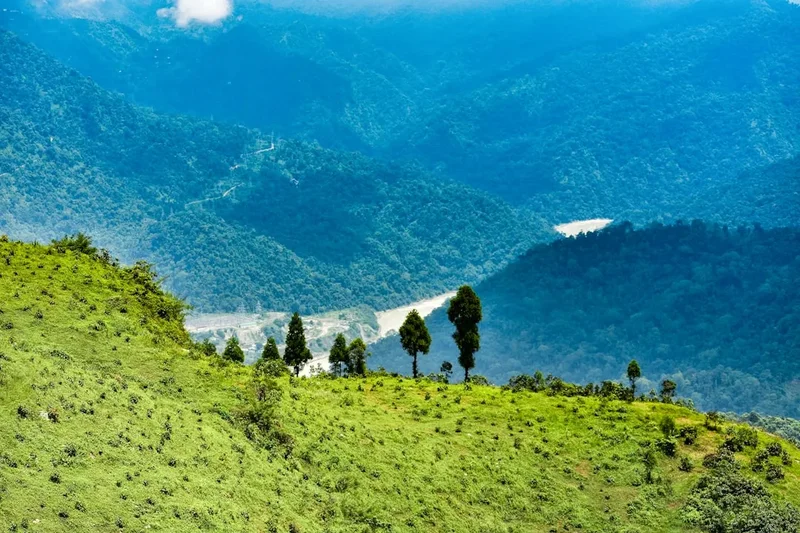
Nag Tibba Trek - The Serpent's Peak
The Nag Tibba Trek, often referred to as the "Serpent's Peak," is a captivating mountain trail located in the Garhwal Himalayan region of Uttarakhand, India. It is renowned for its moderate difficulty, stunning panoramic views, and accessibility from major cities like Dehradun and Mussoorie. The trek leads to the summit of Nag Tibba, which at approximately 3,022 metres (3,022 m), is the highest peak in the lower Himalayas of the region. This trail offers a quintessential Himalayan experience, weaving through dense oak and deodar forests, traversing rolling meadows, and culminating in a rewarding summit vista that encompasses the snow-capped peaks of the Garhwal Himalayas, including Bandarpoonch, Swargarohini, and Kalanag.
The trek is typically completed over two days, making it an ideal weekend getaway for trekkers of all levels, from beginners seeking their first taste of the mountains to seasoned hikers looking for a scenic and less strenuous adventure. The journey is not just about reaching the summit; it's about immersing oneself in the tranquility of the forests, the crisp mountain air, and the vibrant local culture. The trail is well-defined for most parts, with clear signage and occasional shepherd trails, ensuring a relatively straightforward navigation experience. The presence of basic campsites and the option for overnight stays in rustic mountain huts add to the charm and convenience of the trek.
- Distance: 8.0 km (one-way from Pantwari to summit and back to Pantwari via campsite)
- Duration: 2 days / 1 night
- Season: October to April (best during spring and autumn)
- Huts/Campsites: Basic campsites near Nag Tibba base, optional basic huts/homestays in Pantwari
- Highest point: Nag Tibba Summit (3,022 m)
- Difficulty: Moderate
- Closest City: Dehradun
- Trailhead Access: Pantwari village
Overview
The Nag Tibba trek is a delightful journey that encapsulates the essence of the lower Himalayas. It begins from the quaint village of Pantwari, a small settlement nestled amidst rolling hills and agricultural terraces. From Pantwari, the trail ascends gradually through a dense forest of oak, pine, and deodar trees. The initial part of the trek is characterised by its serene beauty, with sunlight filtering through the canopy and the sounds of nature providing a soothing soundtrack. The path is well-trodden, often used by local shepherds and villagers, making it easy to follow.
As you gain altitude, the forest begins to open up into expansive meadows, offering the first glimpses of the majestic Himalayan range. The trek culminates at the summit of Nag Tibba, a broad, windswept plateau that provides a breathtaking 360-degree panorama. On a clear day, the view is simply spectacular, with the prominent peaks of Bandarpoonch, Swargarohini, Kalanag, and the Gangotri range stretching across the horizon. The summit itself is marked by a small temple dedicated to Nag Devta (the Serpent God), from which the peak derives its name. The descent follows a similar path, offering a different perspective of the landscape and a chance to reflect on the journey.
The trek is particularly popular during the winter months when the higher reaches can be dusted with snow, adding a magical charm to the landscape. However, the trail remains accessible and enjoyable throughout the autumn and spring seasons, offering pleasant weather and clear skies. The moderate difficulty level makes it suitable for families and novice trekkers, while the stunning scenery and the sense of accomplishment upon reaching the summit provide ample reward for all who undertake this journey.
History and Cultural Context
The name "Nag Tibba" translates to "Serpent's Peak," a name deeply rooted in local folklore and the spiritual beliefs of the region. The peak is believed to be the abode of Nag Devta, the serpent god, who is worshipped by the local villagers for protection and prosperity. The small temple at the summit serves as a testament to this ancient tradition, where devotees often offer prayers and seek blessings. The practice of worshipping serpent deities is prevalent in many parts of India, particularly in rural and mountainous areas, reflecting a deep-seated reverence for nature and its powerful forces.
Historically, the trails around Nag Tibba have been used by local communities for centuries, primarily for grazing livestock and as routes for trade and communication between villages. The dense forests provided essential resources, and the meadows offered sustenance for their animals. The simplicity of life in these remote villages has remained largely unchanged, and the Nag Tibba trek offers a glimpse into this traditional way of life. The villages like Pantwari, which serve as the starting point for the trek, are home to people who have lived in harmony with the mountains for generations, their lives intrinsically linked to the rhythms of nature.
While there isn't a grand historical narrative associated with Nag Tibba in the same vein as some of the more famous Himalayan treks, its significance lies in its cultural relevance to the local populace and its role as a gateway to the pristine beauty of the Garhwal Himalayas. The trek provides an opportunity to connect with the spiritual heritage of the region and appreciate the enduring relationship between humans and the natural world.
Seasonal Highlights and Weather Reality
The Nag Tibba trek is a year-round destination, but its charm and experience vary significantly with the seasons. Each period offers a unique perspective and set of challenges.
Autumn (October to November): This is arguably the best time to undertake the Nag Tibba trek. The monsoon rains have subsided, leaving the air crisp and clear. The skies are generally cloudless, offering excellent visibility of the surrounding Himalayan peaks. The daytime temperatures are pleasant, making for comfortable trekking, while the nights can be cool, requiring warm layers. The forests are vibrant, and the meadows are lush, providing a picturesque setting for the trek.
Winter (December to February): Nag Tibba transforms into a winter wonderland during these months. The higher reaches of the trail, including the summit, are often covered in a blanket of snow, creating a magical and serene landscape. The views of the snow-capped peaks are particularly stunning. However, winter trekking requires appropriate gear for cold temperatures and snow conditions, including warm clothing, waterproof boots, and potentially microspikes or snowshoes for better traction. Daytime temperatures can be cold, and nights are freezing. The snow can also make the trail more challenging, especially for beginners.
Spring (March to April): As winter recedes, spring brings a refreshing change to the landscape. The snow melts, and the forests begin to bloom with rhododendrons and other wildflowers, painting the hillsides with vibrant colours. The weather becomes milder, with pleasant daytime temperatures and cool evenings. This is another excellent season for trekking, offering clear skies and comfortable trekking conditions. The greenery starts to return, making the meadows come alive.
Monsoon (July to September): While the monsoon season brings lush greenery and dramatic cloud formations, it is generally not the ideal time for trekking in this region. Heavy rainfall can lead to slippery trails, landslides, and reduced visibility, making the trek more hazardous and less enjoyable. The views of the peaks are often obscured by clouds and mist.
Weather Reality: Even during the best seasons, mountain weather can be unpredictable. It is crucial to be prepared for sudden changes, including rain, fog, and temperature drops, especially at higher altitudes. Always check the weather forecast before you embark on the trek and carry appropriate gear for all conditions.
Recommended Itinerary
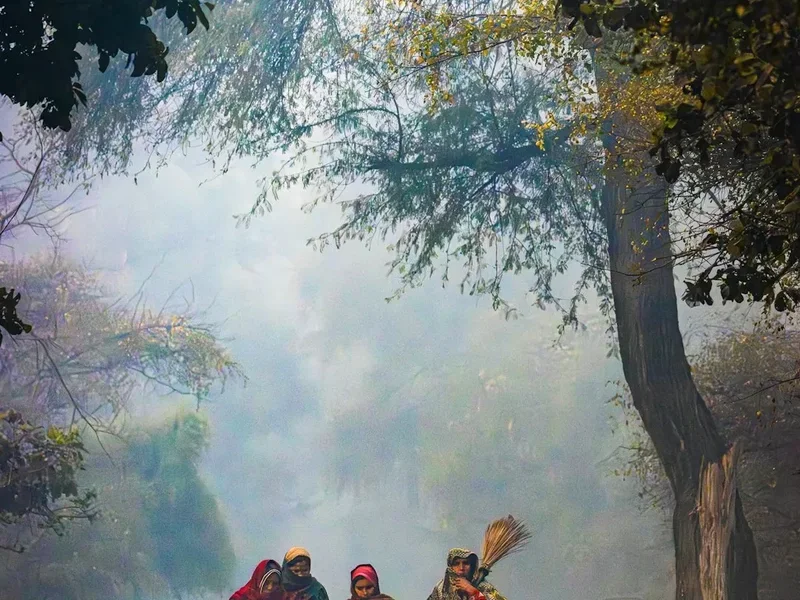
2-Day Nag Tibba Trek Itinerary
Day 1: Pantwari Village to Nag Tibba Base Camp
- Distance: Approximately 4.0 km
- Elevation Gain: Approximately 500 m
- Time: 3–4 hours
- Morning: Arrive at Pantwari village (approx. 4 hours from Dehradun). Complete necessary preparations and begin the trek.
- Mid-morning: Ascend through dense oak and deodar forests. The trail is well-defined and offers occasional clearings with views of the surrounding valleys.
- Afternoon: Reach the Nag Tibba Base Camp, a scenic meadow area. Set up camp or check into a basic hut if pre-arranged.
- Late Afternoon: Explore the vicinity of the base camp, enjoy the sunset, and acclimatise to the altitude.
- Evening: Dinner at the campsite/hut. Stargazing is exceptional due to minimal light pollution.
Day 2: Nag Tibba Base Camp to Nag Tibba Summit and Return to Pantwari
- Distance: Approximately 4.0 km to summit and 4.0 km back to Pantwari (total 8.0 km)
- Elevation Gain: Approximately 522 m to summit; descent of approximately 1022 m back to Pantwari
- Time: 5–7 hours (including descent)
- Early Morning: Wake up early for a sunrise view. After breakfast, begin the ascent to the Nag Tibba summit.
- Morning: The trail to the summit is steeper than the previous day but well-marked. It passes through more open meadows and rocky patches.
- Late Morning: Reach the Nag Tibba summit (3,022 m). Enjoy the panoramic views of the Garhwal Himalayas. Spend time at the Nag Devta temple.
- Midday: Begin the descent back to the base camp.
- Afternoon: From the base camp, continue the descent back to Pantwari village.
- Late Afternoon: Arrive back at Pantwari. Conclude the trek and begin your journey back to Dehradun.
Alternative Itinerary (Shorter Day 1):
- Day 1: Pantwari Village to Nag Tibba Base Camp (Shorter Hike)
- Distance: Approximately 2.0 km
- Elevation Gain: Approximately 200 m
- Time: 1.5–2 hours
- Morning: Arrive at Pantwari village.
- Late Morning: Begin a shorter, more leisurely trek to a campsite closer to Pantwari, allowing more time for village exploration or rest.
- Afternoon: Set up camp and relax.
- Day 2: Campsite to Nag Tibba Summit and Return to Pantwari
- Distance: Approximately 6.0 km to summit and 6.0 km back to Pantwari (total 12.0 km)
- Elevation Gain: Approximately 822 m to summit; descent of approximately 1222 m back to Pantwari
- Time: 6–8 hours
- This variation allows for a more relaxed first day and a longer, more challenging second day, covering the full ascent and descent.
Important Notes:
- Accommodation at the base camp is typically in tents, though basic huts or homestays might be available in Pantwari village. Booking in advance is recommended, especially during peak season.
- Carry sufficient water or a water filter, as water sources can be scarce on the trail, especially during drier months.
- The summit can be cold and windy, even during pleasant weather. Carry warm layers.
- Mobile network connectivity is limited to non-existent on most parts of the trek.
Planning and Bookings
Book Your Trip
Everything you need to plan your journey
Accommodation
Find places to stay near Dehradun
Flights
Search flights to Dehradun
Essential Preparation
The Nag Tibba trek is a popular choice for weekend adventurers, and its accessibility makes it relatively straightforward to plan. The closest major city and transportation hub is Dehradun. From Dehradun, one can hire a taxi or take a local bus to Pantwari village, the starting point of the trek. The road journey to Pantwari takes approximately 4 to 5 hours and can be winding and bumpy in places, especially the last stretch. It is advisable to start early from Dehradun to reach Pantwari by midday, allowing ample time to set up camp or settle into accommodation before nightfall.
For those planning to camp, arranging for tents, sleeping bags, and camping gear in advance is crucial. Local guides and porters can be hired in Pantwari village, which can significantly enhance the trekking experience, especially for those unfamiliar with the terrain or carrying heavy loads. It is also wise to inform someone about your trekking plans, including your itinerary and expected return date.
Given the moderate difficulty, physical fitness is important but not excessively demanding. Regular walking, jogging, or hiking for a few weeks prior to the trek will ensure you are well-prepared for the ascents and descents. Carrying a basic first-aid kit is always recommended for any trek.
Trail Accommodation
Accommodation options for the Nag Tibba trek are primarily concentrated at the base camp and in Pantwari village.
Pantwari Village:
- Type: Basic homestays or guesthouses.
- Facilities: Simple rooms, often with shared bathrooms. Basic meals are usually provided. These offer a glimpse into local village life.
- Booking Requirements: It is advisable to book in advance, especially during peak trekking seasons, to ensure availability. Contact local tour operators or guesthouses directly.
- What's NOT Provided: Modern amenities, en-suite bathrooms, luxury services.
- Seasonal Availability: Available year-round, though access might be slightly challenging during heavy snowfall.
- Costs: Generally very affordable, typically ranging from ₹800 to ₹2,000 per night per person, including meals.
Nag Tibba Base Camp:
- Type: Tented accommodation.
- Facilities: Tents are usually pitched in a scenic meadow. Basic camping facilities are provided, which may include sleeping bags and mats. Sometimes, a common dining tent is set up.
- Booking Requirements: Essential to book in advance through local trekking agencies or guides. They will arrange for tent setup, meals, and sometimes even a portable toilet.
- What's NOT Provided: Running water, electricity, private bathrooms, cooked meals (unless arranged with the agency).
- Seasonal Availability: Available from spring to autumn. During winter, camping might be possible but requires specialised cold-weather gear and experienced guides due to snow and extreme cold.
- Costs: Varies depending on the package, but typically ranges from ₹2,500 to ₹4,000 per person per night, often including meals and basic camping equipment.
Note: This is a trek requiring overnight accommodation. There are no formal huts managed by a government body like in some other famous treks. The accommodation is rustic and geared towards trekkers.
Required Gear
- Trekking Boots: Sturdy, waterproof, and well-broken-in trekking boots with good ankle support are essential for navigating uneven terrain and preventing injuries.
- Backpack: A comfortable daypack (20-30 litres) for carrying essentials during the day hike from base camp to the summit, and a larger backpack (40-50 litres) if carrying camping gear for an overnight stay.
- Waterproof Jacket and Trousers: Essential for protection against rain and wind, especially at higher altitudes where weather can change rapidly.
- Warm Layers: Fleece jackets, thermal innerwear, and a down jacket are crucial for cold evenings and mornings, particularly during winter and shoulder seasons.
- Headlamp/Torch: With extra batteries, for navigating in the dark, especially during early morning starts or if camping.
- First-Aid Kit: Including personal medications, blister treatment, antiseptic wipes, bandages, pain relievers, and any specific items for altitude sickness.
- Navigation Tools: A map of the area and a compass are recommended, although the trail is generally well-marked. A GPS device or smartphone with offline maps can also be useful.
- Sun Protection: Sunglasses, sunscreen (SPF 30+), and a wide-brimmed hat or cap to protect against strong UV rays, especially at higher altitudes.
What to Bring
- Food and Snacks: High-energy snacks like nuts, dried fruits, energy bars, and chocolates are vital for maintaining energy levels during the trek. Carry packed lunches for the trekking days.
- Water Bottles/Hydration Pack: Carry at least 2 litres of water per person. Water sources are available but may require purification.
- Water Purification Tablets or Filter: Essential for treating water from natural sources to make it safe for drinking.
- Toiletries: Biodegradable soap, toothbrush, toothpaste, toilet paper, hand sanitiser, and any personal hygiene items.
- Insect Repellent: Especially important during warmer months to protect against mosquitoes and other insects.
- Camera: To capture the stunning landscapes and memories of your trek.
- Power Bank: For charging electronic devices, as charging facilities are limited.
- Personal Documents: Identification (ID card/passport), permits (if any), and emergency contact information.
- Cash: Carry sufficient Indian Rupees for local expenses, hiring guides, purchasing snacks, and any unforeseen costs, as ATMs are not available on the trail.
Permits
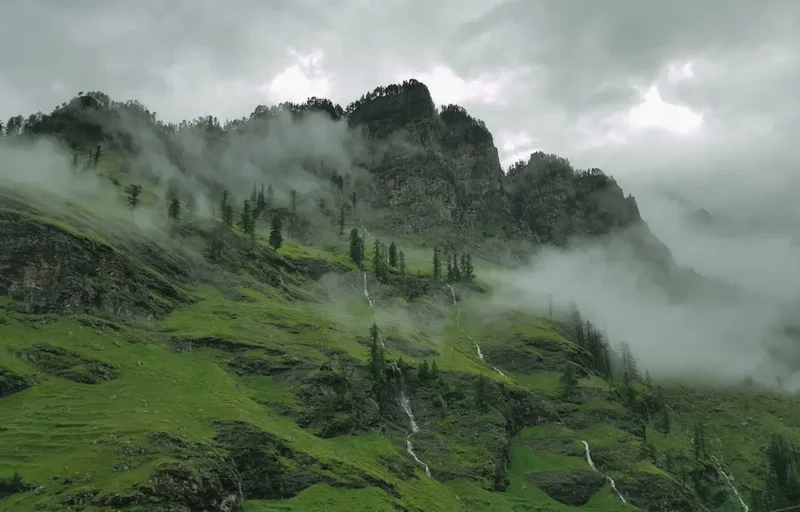
The Nag Tibba trek is generally considered an open trek, meaning that for most of the year, no specific permits are required for Indian nationals to trek to the summit. The trail passes through forests and meadows that are part of the local community's domain or are within protected forest areas where general trekking access is permitted.
However, it is always advisable to check with local authorities or trekking agencies in Dehradun or Mussoorie for any recent changes in regulations, especially if you plan to trek during sensitive periods or if there are any specific conservation efforts underway. Sometimes, during peak seasons or for organised group treks, local forest department permissions might be indirectly managed by the trekking operators.
Key Points Regarding Permits:
- No Formal Entry Fee: Typically, there is no entry fee to access the trail or the summit for individual trekkers.
- Local Guide/Porter Fees: While not a permit, hiring a local guide or porter is highly recommended and often involves a fee paid directly to them or through a trekking agency. This supports the local economy and ensures a safer, more informed trek.
- Camping: If you plan to camp at the designated base camp, it's good practice to inform the local village headman or the trekking agency you are using. They can guide you on designated camping spots and any local guidelines.
- Environmental Regulations: While no specific permit is usually needed, trekkers are expected to adhere to environmental regulations, such as not littering, not disturbing wildlife, and not making fires in restricted areas.
- Peak Season Considerations: During peak tourist seasons, local authorities might have increased vigilance. It's always best to have your identification with you.
For international trekkers, while specific permits are not usually mandated for Nag Tibba itself, it's prudent to ensure all necessary travel documents and visa requirements are in order. Local trekking agencies can provide the most up-to-date information regarding any potential requirements.
Other Activities in the Area
While the Nag Tibba trek is the primary attraction, the surrounding region offers several other activities and points of interest for visitors looking to extend their stay or explore more of the Garhwal Himalayas:
- Mussoorie Exploration: The popular hill station of Mussoorie is relatively close to the Nag Tibba region. Visitors can explore its famous Mall Road, visit Kempty Falls, Gun Hill for panoramic views, or enjoy the serene ambiance of the Company Garden.
- Lakeside Relaxation at Mussoorie: Enjoy boating or simply relax by the serene waters of the Mussoorie Lake, a man-made reservoir offering beautiful views and recreational activities.
- Surkanda Devi Temple: Located near Dhanaulti, this ancient temple dedicated to Goddess Parvati is perched on a hilltop and offers stunning views of the surrounding valleys and snow-capped peaks. It can be reached via a short, steep trek.
- Dhanaulti Eco-Park: A tranquil spot known for its deodar forests and eco-friendly initiatives. It's a great place for a peaceful walk and to enjoy nature.
- Local Village Immersion: Spend time in Pantwari village or other nearby hamlets to experience the authentic rural lifestyle of the Garhwal region. Interact with locals, learn about their culture, and savour traditional cuisine.
- Adventure Sports in Mussoorie: For the more adventurous, Mussoorie offers activities like paragliding, zip-lining, and rock climbing, providing an adrenaline rush amidst the scenic beauty.
- Photography Tours: The region is a paradise for photographers, with its diverse landscapes, vibrant flora, and majestic mountain vistas. Early mornings and late afternoons offer the best light for capturing stunning shots.
Safety and Conditions
Pre-Trek Preparation:
- Physical Fitness: Ensure you are adequately fit for a moderate trek. Regular cardiovascular exercise and strength training will be beneficial.
- Acclimatisation: While Nag Tibba is at a moderate altitude, it's wise to spend a day in Dehradun or Mussoorie before starting the trek to acclimatise.
- Weather Check: Always check the weather forecast for the region before you depart. Mountain weather can be highly unpredictable.
- Inform Someone: Let your family or friends know your trekking plans, including your itinerary and expected return time.
On the Trail:
- Stay on Marked Trails: The trails are generally well-defined, but it's crucial to stick to them to avoid getting lost and to minimise environmental impact.
- Hydration: Drink plenty of water throughout the trek. Carry a water filter or purification tablets as natural water sources may not always be safe to drink directly.
- Pace Yourself: Trek at a comfortable pace. Take breaks when needed and listen to your body.
- Altitude Sickness: While Nag Tibba is not at a very high altitude, be aware of the symptoms of Acute Mountain Sickness (AMS), such as headache, nausea, dizziness, and fatigue. If symptoms worsen, descend immediately.
- Wildlife: The forests are home to various animals. Maintain a safe distance and do not feed them. Be aware of your surroundings.
- Emergency Contacts: Keep a list of emergency contact numbers, including local police, ambulance services, and your trekking agency.
Specific Conditions:
- Winter Trekking: If trekking during winter, be prepared for snow and ice. Carry appropriate gear like microspikes or crampons for traction, warm clothing, and ensure you have an experienced guide. The trail can become challenging and potentially hazardous due to snow accumulation.
- Monsoon Season: Avoid trekking during the peak monsoon months (July-September) due to the risk of landslides and slippery trails.
- Connectivity: Mobile network coverage is very limited or non-existent on most parts of the trek. Relying solely on your phone for communication is not advisable. Consider carrying a satellite phone or a Personal Locator Beacon (PLB) for emergencies if trekking in remote areas or during off-season.
Travel Insurance: It is highly recommended to have travel insurance that covers trekking and emergency evacuation, especially if you are an international visitor or trekking during challenging seasons.
Side Trips and Points of Interest
Nag Devta Temple: Located at the summit, this small temple is dedicated to the serpent god, Nag Devta. It is a significant spiritual site for the local communities and offers a focal point for reflection and prayer at the peak. The temple is simple but holds deep cultural importance.
Panoramic Summit Views: The primary "side trip" is simply spending ample time at the summit to soak in the breathtaking 360-degree views. On a clear day, the vista includes prominent peaks like Bandarpoonch, Swargarohini, Kalanag, and the Gangotri range. The expansive meadows leading to the summit also offer excellent opportunities for photography and enjoying the serene mountain landscape.
Shepherd Huts and Villages: While trekking from Pantwari to the base camp, you will pass by small shepherd huts and agricultural terraces. These offer a glimpse into the traditional rural life of the region. Interacting with the local shepherds (if encountered) can provide insights into their way of life and the mountain ecosystem.
Forest Trails: The trek itself is a journey through diverse forest types, including oak, deodar, and rhododendron. Exploring the immediate vicinity of the base camp can lead to smaller, informal trails that offer different perspectives of the forest flora and fauna. However, it's advisable to stick to known paths or go with a guide to avoid getting lost.
Sunrise and Sunset Views: The base camp and the summit offer spectacular opportunities for capturing sunrise and sunset. The changing colours of the sky and the way light plays on the mountain peaks create a magical spectacle that is a highlight for many trekkers.
Leave No Trace
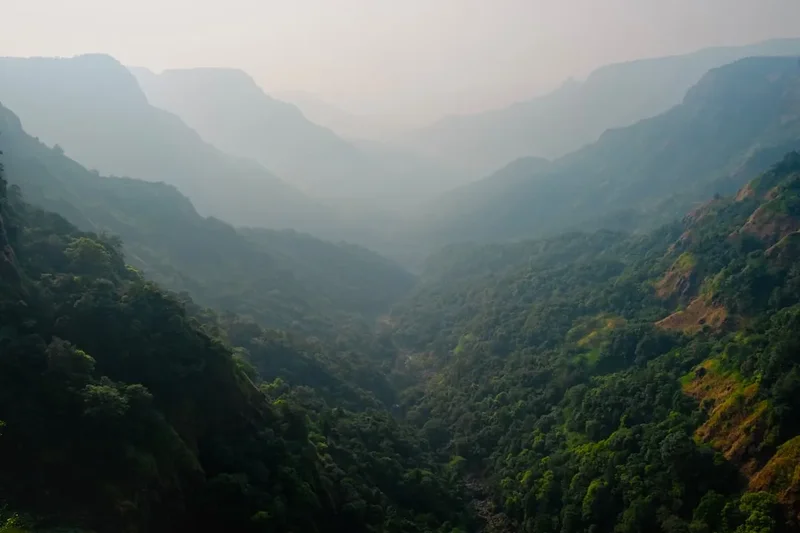
The Nag Tibba trek, like all natural environments, requires responsible stewardship to preserve its beauty and ecological integrity. Adhering to Leave No Trace principles ensures that future generations can also experience the pristine nature of this Himalayan gem.
Plan Ahead and Prepare:
- Research the trail, weather, and local conditions before you go.
- Pack appropriately to avoid needing to buy or discard items on the trail.
- Organise your group and food supplies to minimise waste.
Travel and Camp on Durable Surfaces:
- Stick to the established trails to avoid damaging vegetation and soil.
- Camp in designated areas or on durable surfaces like rock, gravel, dry grass, or snow. Avoid camping on fragile meadows or near water sources.
Dispose of Waste Properly:
- Pack it in, pack it out. Carry all your trash, including food scraps, wrappers, and toilet paper, back with you.
- Use designated toilets where available. If not, dig a cathole 6-8 inches deep, at least 60 m (70 steps) from water, trails, and campsites. Pack out all toilet paper.
Leave What You Find:
- Preserve the natural and cultural heritage of the area. Do not take rocks, plants, or cultural artefacts.
- Avoid carving or marking trees or rocks.
Minimise Campfire Impacts:
- Campfires are often restricted or prohibited in sensitive mountain environments. Check local regulations.
- If permitted and safe, use established fire rings and keep fires small. Ensure fires are completely extinguished before leaving.
Respect Wildlife:
- Observe wildlife from a distance. Do not follow or approach them.
- Never feed wild animals, as it alters their natural behaviour and diet, and can be harmful to their health.
Be Considerate of Other Visitors:
- Respect the peace and tranquility of the natural environment. Avoid loud noises and loud music.
- Yield to other hikers on the trail.
By following these principles, you contribute to the conservation of the Nag Tibba trek and its surrounding natural beauty.