

Murramarang Coast Walk
The Murramarang Coast Walk is a captivating multi-day coastal journey through the heart of the New South Wales South Coast, offering a blend of pristine beaches, ancient rainforest, and rugged headlands. This 44-kilometre trail winds its way through the stunning Murramarang National Park, showcasing a diverse array of natural beauty and abundant wildlife. From the moment you step onto the path, you are immersed in a world of salty air, the rhythmic sound of waves, and the vibrant colours of the coastal environment. The walk is designed to be accessible yet rewarding, providing a genuine wilderness experience without requiring extreme mountaineering skills. It’s a chance to disconnect from the everyday and reconnect with the raw, untamed spirit of the Australian coastline.
- Distance: 44.0 km one-way
- Duration: 2-3 days
- Season: Autumn and Spring (March-May & September-November)
- Difficulty: Moderate
- Closest City: Batemans Bay
- Trailhead Access: Depot Beach (North) to Pretty Beach (South)
- Accommodation: Campgrounds along the route
- Permits: Camping permits required for overnight stays
Overview
The Murramarang Coast Walk is a coastal gem, a 44-kilometre expedition that traverses some of the most picturesque and ecologically significant stretches of the New South Wales South Coast. This trail is a celebration of coastal biodiversity, weaving through diverse habitats that range from dense littoral rainforests, where ancient fig trees and ferns create a cool, shaded canopy, to open eucalypt woodlands that offer sweeping ocean vistas. The walk is characterised by its varied terrain: sandy beaches that invite barefoot strolls, rocky headlands that demand careful footing, and well-formed walking tracks that lead you through coastal heath and sheltered coves.
One of the walk's most compelling features is its rich wildlife. Murramarang National Park is a haven for kangaroos, wallabies, and an astonishing array of birdlife, including the endangered glossy black-cockatoo. Dolphins are frequently spotted playing in the surf, and during whale migration seasons (May to November), the headlands offer prime vantage points for observing these magnificent creatures. The walk is structured to allow for a gradual immersion into this environment, with each day offering new discoveries and breathtaking scenery.
The moderate difficulty rating reflects the undulating terrain and the need for a reasonable level of fitness, particularly for carrying a pack over multiple days. However, the rewards are immense: secluded beaches perfect for a refreshing swim, panoramic views that stretch to the horizon, and the profound sense of peace that comes from being surrounded by nature. The walk is typically completed over two to three days, allowing ample time to appreciate the natural wonders and enjoy the coastal camping experience.
History and Cultural Context
The Murramarang Coast has been the ancestral home of the Yuin people for tens of thousands of years. This land, rich in resources and spiritual significance, has sustained generations of Indigenous Australians. The name "Murramarang" itself is believed to derive from the local Aboriginal language, possibly referring to the abundance of shellfish or the coastal landscape. Evidence of this long and deep connection can be found in shell middens and other archaeological sites scattered throughout the park, silent testaments to a way of life intrinsically linked to the rhythms of the coast.
European settlement in the region began in the mid-19th century, with timber-getters and farmers gradually making their mark on the landscape. The coastal areas, while beautiful, presented challenges for early settlers due to the rugged terrain and the sometimes-treacherous waters. Over time, the unique natural values of the Murramarang coastline were recognised, leading to the establishment of national parks and reserves to protect its fragile ecosystems and significant cultural heritage. The development of walking tracks, including the Murramarang Coast Walk, has allowed for greater appreciation and access to these areas, while also emphasising the importance of conservation and respect for the land's Indigenous custodians.
Today, the park is managed by the National Parks and Wildlife Service (NPWS) of NSW, with a focus on preserving the natural and cultural integrity of the Murramarang Coast for future generations. The walk itself follows routes that have been trodden for millennia, connecting ancient pathways with modern recreational opportunities, offering a tangible link to the past and a profound appreciation for the enduring spirit of this coastal land.
Seasonal Highlights and Weather Reality
The Murramarang Coast Walk is a year-round destination, but certain seasons offer distinct advantages and experiences. The best times to undertake this walk are generally during Autumn (March to May) and Spring (September to November).
Autumn (March-May): This period is often considered ideal. The summer heat has subsided, leaving behind pleasant temperatures perfect for walking. The humidity is lower, and the risk of rain is reduced compared to summer. The ocean is still warm enough for swimming, and the coastal heath may still be in bloom. Wildlife is active, and the sunsets can be spectacular over the ocean.
Spring (September-November): Spring brings a resurgence of life to the coast. Wildflowers begin to bloom, adding vibrant colours to the landscape. Birdlife is particularly active, with many species nesting and calling. The weather is generally mild and sunny, though occasional showers are possible. This is also a prime time for whale watching as the southern migration passes the coast.
Summer (December-February): Summers on the South Coast can be hot and humid, with temperatures often exceeding 30°C. While the ocean offers a welcome respite, walking during the hottest parts of the day can be challenging. This season also sees the highest chance of thunderstorms and heavy rainfall, which can impact track conditions and camping. Sandflies can also be more prevalent during warmer months.
Winter (June-August): Winter offers a quieter experience with fewer crowds. The temperatures are cooler, typically ranging from 8°C to 18°C, making for comfortable walking conditions. However, this is the wettest season, and strong southerly winds can bring cold fronts and rough seas. Despite the potential for rain, winter can offer dramatic coastal scenery and excellent opportunities for whale watching.
Weather Considerations: Regardless of the season, coastal weather can be unpredictable. Always be prepared for changes, including sudden rain, strong winds, and cooler temperatures, especially when exposed on headlands or beaches. Check the forecast before you depart and be ready to adapt your plans if necessary.
Recommended Itinerary
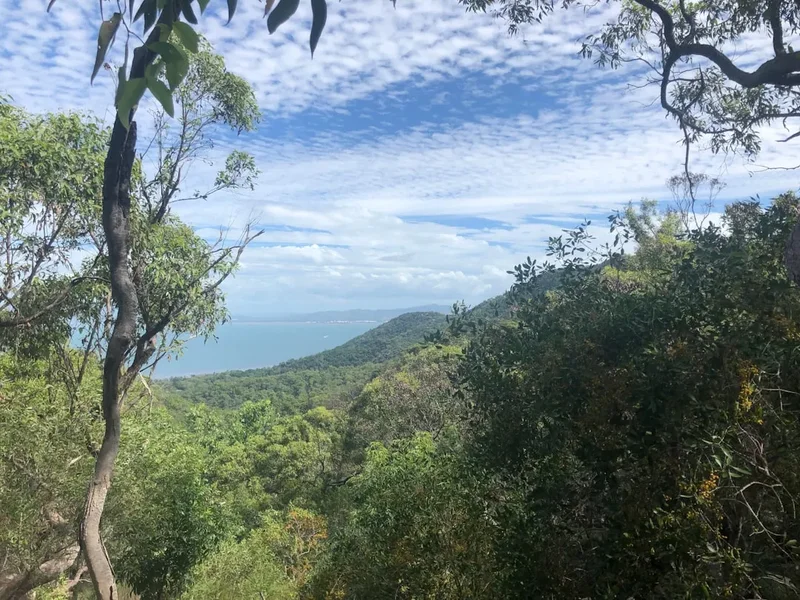
2-Day Murramarang Coast Walk Itinerary
Day 1: Depot Beach to O'Hara Campground
- Distance: 20 km
- Elevation gain: Approximately 200 m
- Time: 6–7 hours
- Start at Depot Beach, a picturesque cove with excellent facilities.
- Follow the coastal track north, passing through coastal heath and open woodlands.
- Enjoy views of the ocean and opportunities to spot kangaroos grazing near the track.
- Pass through several smaller beaches and coves, including Pebbly Beach, known for its resident kangaroos.
- The terrain is undulating, with some sandy sections and rocky outcrops.
- Arrive at O'Hara Campground, a well-equipped campsite with basic facilities.
- Set up camp and enjoy the evening by the ocean.
Day 2: O'Hara Campground to Pretty Beach
- Distance: 24 km
- Elevation gain: Approximately 300 m
- Time: 7–8 hours
- Depart O'Hara Campground and continue south along the coast.
- The track becomes more rugged in places, with steeper ascents and descents over headlands.
- Pass through sections of littoral rainforest, offering a stark contrast to the open coast.
- Discover hidden beaches and secluded bays, perfect for a mid-walk break.
- Keep an eye out for dolphins and seals offshore.
- The final stretch leads to Pretty Beach, a beautiful, sheltered bay with a campground and amenities.
- The walk concludes at Pretty Beach, where you can relax and reflect on your coastal journey.
3-Day Murramarang Coast Walk Itinerary (Extended)
Day 1: Depot Beach to Pebbly Beach Campground
- Distance: 10 km
- Elevation gain: Approximately 100 m
- Time: 3–4 hours
- A shorter first day allows for a relaxed start and more time to explore Depot Beach.
- The walk is relatively easy, following well-maintained tracks and beach sections.
- Arrive at Pebbly Beach Campground, famous for its friendly kangaroos that often come down to the beach.
- Spend the afternoon relaxing on the beach or exploring the immediate surroundings.
Day 2: Pebbly Beach Campground to O'Hara Campground
- Distance: 10 km
- Elevation gain: Approximately 100 m
- Time: 3–4 hours
- Continue south from Pebbly Beach.
- The terrain remains moderate, with a mix of beach walking and track sections.
- Pass through diverse coastal vegetation.
- Arrive at O'Hara Campground, a scenic spot for your second night.
Day 3: O'Hara Campground to Pretty Beach
- Distance: 24 km
- Elevation gain: Approximately 300 m
- Time: 7–8 hours
- This is the longest day, covering the most varied terrain.
- The walk includes rugged headlands, rainforest sections, and beautiful beaches.
- Conclude the walk at Pretty Beach.
Important Notes:
- Camping permits are essential and must be booked in advance.
- Water sources are limited; carry sufficient water or a reliable water treatment method.
- Mobile phone reception can be patchy along the route.
- Be aware of tides when walking on beaches; plan accordingly to avoid being cut off.
- The track can be rough in places; sturdy footwear is recommended.
Planning and Bookings
Book Your Trip
Everything you need to plan your journey
Accommodation
Find places to stay near Batemans Bay
Flights
Search flights to Batemans Bay
Essential Preparation
The Murramarang Coast Walk is a multi-day adventure that requires careful planning to ensure a safe and enjoyable experience. The primary logistical consideration is booking your campsites in advance, as popular campgrounds can fill up, especially during peak seasons and school holidays. You will need to arrange transport to the trailhead (Depot Beach) and from the endpoint (Pretty Beach). Many walkers opt to leave a car at each end or arrange a shuttle service. Given the moderate difficulty and the need to carry camping gear, a good level of fitness is recommended. Familiarise yourself with the route, potential hazards, and essential gear. Batemans Bay is the closest major town and offers comprehensive services, including supermarkets, outdoor gear stores, accommodation, and transport options.
Trail Accommodation
Accommodation along the Murramarang Coast Walk consists of designated campgrounds managed by the National Parks and Wildlife Service (NPWS). These campgrounds offer a basic but comfortable base for your overnight stays.
Campgrounds:
- Depot Beach Campground: Located at the northern trailhead. Offers toilets, picnic tables, and BBQ facilities. No potable water is available, so you must bring your own or treat water from nearby sources.
- Pebbly Beach Campground: Famous for its resident kangaroos. Facilities include toilets, picnic tables, and BBQ facilities. Potable water is usually available, but it's always wise to confirm and carry a treatment method.
- O'Hara Campground: Situated further south, offering a more secluded camping experience. Facilities typically include toilets and picnic tables. Water availability should be confirmed, and treatment is recommended.
- Pretty Beach Campground: Located at the southern endpoint. Offers toilets, picnic tables, and BBQ facilities. Potable water is usually available.
Booking Requirements:
- All campgrounds require advance booking, especially during weekends, school holidays, and the peak summer season. Bookings can be made through the NSW National Parks and Wildlife Service website.
- Fees apply per night per person or per campsite.
- Campgrounds are generally unpowered.
Facilities Provided:
- Toilets (pit or flush, depending on the campground)
- Picnic tables
- BBQ facilities (gas or wood-fired, check availability)
What's NOT Provided:
- Showers
- Electricity
- Cooking equipment (pots, pans, utensils)
- Food
- Sleeping bags, mats, or tents
- Potable water at all locations (always treat water from natural sources)
Seasonal Availability: Campgrounds are generally open year-round, but booking availability varies significantly. Summer and holiday periods are the busiest.
Costs: Camping fees vary but are typically in the range of AUD $10-20 per person per night.
Required Gear
- Sturdy hiking boots: Waterproof and well broken-in, with good ankle support for varied terrain.
- Backpack: 50-70 litre capacity, with a comfortable harness and hip belt for carrying camping gear. A rain cover is essential.
- Tent: Lightweight and waterproof, suitable for coastal conditions.
- Sleeping bag: Rated for the expected overnight temperatures (consider 0-10°C comfort rating).
- Sleeping mat: For insulation and comfort.
- Waterproof jacket: Breathable and fully waterproof, with taped seams.
- Waterproof overtrousers: Essential for protection against rain and wind.
- Warm layers: Fleece or down jacket, thermal base layers (merino wool is ideal).
- Sun protection: Wide-brimmed hat, sunglasses, high SPF sunscreen.
- Navigation tools: Map of the Murramarang Coast Walk, compass, and a GPS device or smartphone with offline maps.
- First-aid kit: Comprehensive kit including blister treatment, pain relievers, antiseptic wipes, bandages, and any personal medications.
- Head torch: With spare batteries, for use around camp and in case of late arrivals.
- Insect repellent: Especially for sandflies and mosquitoes, particularly during warmer months.
What to Bring
- Food: Lightweight, non-perishable meals and snacks for the duration of the walk. Plan for at least two breakfasts, three lunches, and two dinners.
- Water bottles or hydration reservoir: Capacity for at least 3-4 litres per person per day.
- Water treatment system: Water filter, purification tablets, or a UV steriliser. Natural water sources should always be treated.
- Cooking stove and fuel: Lightweight camping stove with sufficient fuel.
- Cookware: Pot, mug, bowl, and eating utensils.
- Toiletries: Biodegradable soap, toothbrush, toothpaste, small towel, toilet paper, hand sanitiser.
- Rubbish bags: To pack out all waste.
- Personal items: Camera, book, journal, power bank for electronics.
- Trekking poles: Optional, but can aid stability and reduce strain on knees, especially on descents.
- Camp shoes: Lightweight sandals or comfortable shoes for around the campsite.
- Small daypack: For shorter excursions from camp or for carrying essentials during the day if not carrying a full pack.
Permits
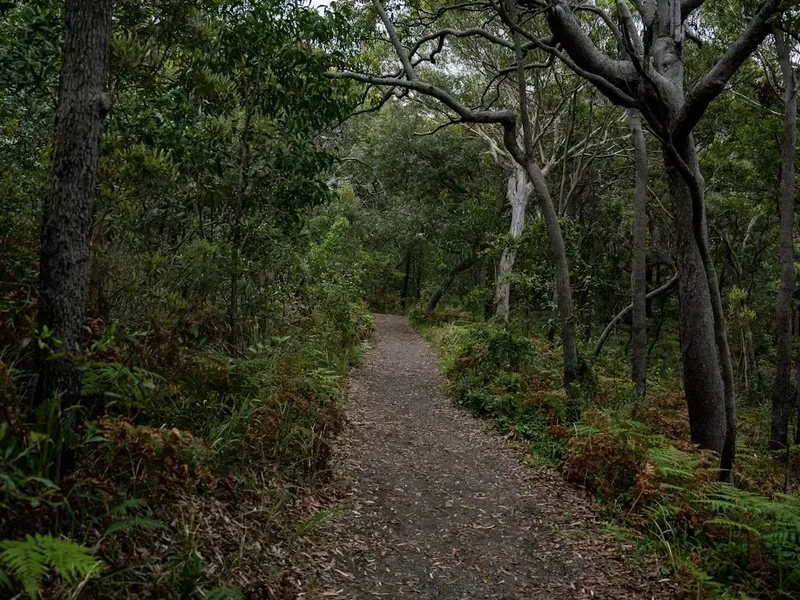
To undertake the Murramarang Coast Walk and stay overnight in the designated campgrounds, you are required to obtain camping permits and pay associated fees. These permits are managed by the NSW National Parks and Wildlife Service (NPWS) and can be booked online through their official website.
Booking Process:
- Online Booking: The most convenient method is to book your campsites online via the NSW National Parks and Wildlife Service website. You will need to select your desired campgrounds and dates.
- Advance Booking Recommended: Popular campgrounds, particularly Pebbly Beach and Pretty Beach, can book out well in advance, especially during weekends, school holidays, and the summer months. It is highly advisable to book your permits as early as possible, ideally several weeks or even months ahead for peak periods.
- Campground Selection: Decide on your itinerary and the campgrounds you wish to stay at (e.g., Depot Beach to Pebbly Beach, then to O'Hara, and finally Pretty Beach).
- Fees: Camping fees are charged per person, per night. The exact cost can vary depending on the campground and the season, but typically ranges from AUD $10 to $20 per person per night.
- Confirmation: Once your booking is confirmed and payment is processed, you will receive a booking confirmation and permit. It is essential to carry a copy of your permit with you during the walk, as park rangers may inspect it.
Important Considerations:
- No Walk-up Sites: For the Murramarang Coast Walk, it is generally not possible to secure camping spots on arrival. All overnight stays must be pre-booked.
- NPWS Website: Always refer to the official NSW National Parks and Wildlife Service website for the most up-to-date information on booking procedures, fees, campground facilities, and any alerts or closures affecting the park.
- Park Entry Fees: While camping fees cover your overnight stays, there may be separate day-use fees for accessing certain areas of the national park if you are not camping. However, for the purpose of the walk, your camping permit usually covers your access to the trail and campgrounds.
Other Activities in the Area
Beyond the multi-day trek, the Murramarang National Park and its surrounds offer a wealth of activities for visitors:
- Day Hikes: Numerous shorter walking tracks exist within Murramarang National Park, allowing for exploration of different sections of the coastline and hinterland. Tracks like the Durras Lake Discovery Trail or shorter walks around Depot Beach provide excellent opportunities for a few hours of exploration.
- Beachcombing and Swimming: The numerous beaches along the coast, such as Depot Beach, Pebbly Beach, and Pretty Beach, are ideal for relaxing, swimming, and exploring the shoreline.
- Wildlife Spotting: The park is renowned for its abundant wildlife. Beyond kangaroos and wallabies, look for diverse birdlife, including kookaburras, rosellas, and the endangered glossy black-cockatoo. Dolphin and whale watching (during migration season) are also popular activities.
- Surfing and Fishing: Many of the beaches offer excellent conditions for surfing, while fishing is permitted in designated areas.
- Photography: The dramatic coastal scenery, diverse flora and fauna, and stunning sunrises and sunsets provide endless photographic opportunities.
- Exploring Batemans Bay: The nearby town of Batemans Bay offers a wider range of amenities, including restaurants, cafes, shops, and a marine rescue centre. It's a good base for day trips or for stocking up on supplies.
- Kayaking and Paddleboarding: Sheltered coves and calmer sections of the coast can be ideal for kayaking or paddleboarding, offering a unique perspective of the coastline.
Safety and Conditions
Pre-Departure Checks:
- Weather Forecast: Always check the latest weather forecast from the Bureau of Meteorology (BOM) for the South Coast region before you depart and monitor it throughout your walk. Coastal weather can change rapidly.
- Tidal Information: Familiarise yourself with tide times for the duration of your walk. Some sections of the track may be impassable or more challenging at high tide.
- Track Conditions: While generally well-maintained, sections of the track can be affected by recent rainfall, fallen trees, or erosion. Check the NSW National Parks and Wildlife Service website for any alerts or closures.
- Water Availability: Natural water sources can be unreliable, especially during dry periods. Always carry sufficient water and a reliable water treatment method.
On the Trail:
- Navigation: Carry a map and compass and know how to use them. While the track is generally well-marked, it's easy to stray, especially on beach sections or in dense vegetation. A GPS device or smartphone with offline maps is highly recommended.
- Communication: Mobile phone reception is often patchy or non-existent along the coast. Consider carrying a personal locator beacon (PLB) or satellite phone for emergencies. Inform someone of your itinerary and expected return time.
- Wildlife Encounters: Kangaroos are common and generally harmless, but maintain a respectful distance. Never feed wildlife, as it can alter their behaviour and health. Be aware of snakes, especially during warmer months, and give them a wide berth.
- Coastal Hazards: Be cautious on rocky headlands, especially when wet. Avoid walking on beaches during rough seas or high tides.
- Sandflies and Insects: Sandflies and mosquitoes can be prevalent, particularly at dawn and dusk and in sheltered, humid areas. Use insect repellent and wear long, loose-fitting clothing.
- First Aid: Be prepared to administer basic first aid. Know how to treat common injuries such as blisters, sprains, and cuts.
- Emergency Contacts: Know the emergency number (000 in Australia) and have the contact details for the local NPWS office and any emergency services.
Campground Safety: Secure your food properly at campgrounds to avoid attracting wildlife. Be mindful of fire restrictions and use designated BBQ facilities only.
Side Trips and Points of Interest
Pebbly Beach Kangaroos: Pebbly Beach is famous for its resident mob of kangaroos that frequently come down to graze on the sand and in the campground area. Observing these marsupials in their natural coastal habitat is a unique and memorable experience, though it's crucial to maintain a respectful distance and never feed them.
Littoral Rainforest Sections: The walk passes through pockets of littoral rainforest, a rare and fragile ecosystem that thrives in the coastal zone. These sections offer a dramatic contrast to the open beaches, with towering trees, dense undergrowth, and a cool, shaded atmosphere. Keep an eye out for epiphytic ferns and orchids.
Rocky Headlands and Coves: The trail frequently traverses rugged headlands that provide spectacular vantage points over the ocean. These areas often conceal hidden coves and small, secluded beaches, perfect for a quiet break or a refreshing dip. Be mindful of the terrain underfoot on these sections.
Dolphin and Whale Watching: The waters off the Murramarang Coast are a vital corridor for marine life. Keep a constant watch on the ocean for pods of dolphins playing in the surf. During the migration season (May to November), the headlands offer excellent opportunities to spot migrating whales, particularly humpbacks.
Shell Middens and Indigenous Heritage: While not always signposted, evidence of the area's Indigenous history can be found. Look for subtle signs of past human activity, such as shell middens, and remember to treat any such sites with the utmost respect.
Sunrises and Sunsets: The eastern-facing coastline provides incredible opportunities for capturing stunning sunrises over the Pacific Ocean. Sunsets can also be dramatic, casting a warm glow over the beaches and headlands.
Leave No Trace
The Murramarang Coast Walk traverses a sensitive coastal environment that is home to diverse flora and fauna and holds cultural significance. Adhering to Leave No Trace principles is paramount to preserving this beautiful landscape for future generations.
Your responsibility as a walker:
- Pack It In, Pack It Out: Carry out all rubbish, including food scraps, wrappers, and any other waste you generate. Do not bury or burn rubbish.
- Stay on the Track: Stick to the marked trails and designated paths. This minimises erosion and protects fragile vegetation, especially in dune systems and coastal heath.
- Dispose of Waste Properly: Use designated toilet facilities at campgrounds. If no facilities are available, dig a cathole at least 10 metres away from water sources, trails, and campsites, and bury human waste. Pack out all toilet paper.
- Leave What You Find: Do not remove any natural objects, such as shells, rocks, or plants. Take only photographs and memories.
- Minimise Campfire Impacts: Use designated fire rings or BBQs where available. If fires are permitted, keep them small and ensure they are completely extinguished before leaving. Be aware of fire bans.
- Respect Wildlife: Observe wildlife from a distance. Never feed animals, as this can disrupt their natural behaviours and diets.
- Be Considerate of Others: Keep noise levels down, especially at campgrounds, and respect the experience of other walkers.
- Protect Water Sources: Wash yourself, dishes, and clothing at least 10 metres away from streams, lakes, and the ocean. Use biodegradable soaps sparingly.
By following these principles, you help ensure that the Murramarang Coast Walk remains a pristine and enjoyable experience for everyone.
 Australia