
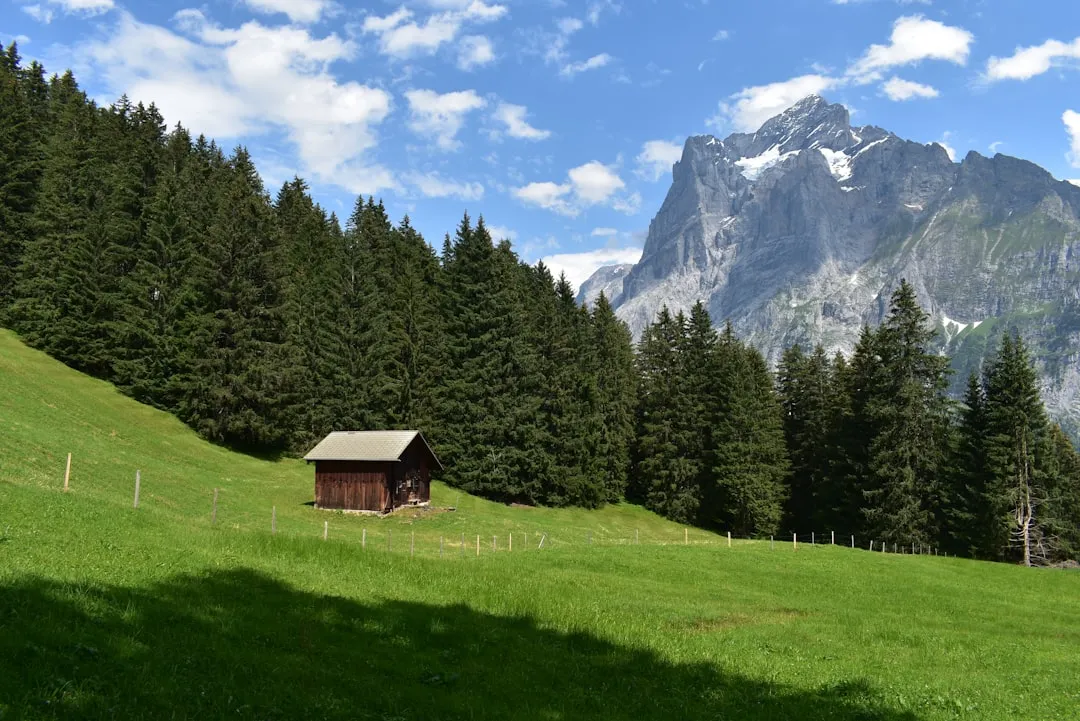
Muottas Muragl to Alp Languard Panorama Trail
The Muottas Muragl to Alp Languard Panorama Trail is a relatively short but incredibly rewarding day walk located in the Engadin Valley of Switzerland. This trail offers breathtaking, expansive views of the Upper Engadin lake district, the Bernina Massif, and the surrounding alpine peaks. It is renowned for its accessibility, well-maintained path, and the sheer visual spectacle it provides, making it a popular choice for hikers of all abilities seeking iconic Swiss mountain scenery without an arduous climb.
- Distance: 6.0 km
- Elevation Gain: 300 m
- Duration: 2-3 hours
- Difficulty: Moderate
- Best Time: June to October
- Closest City: Samedan
- Trailhead Access: Nearest airport: Zurich (ZRH). Take a train to Samedan, then bus #3 to Punt Muragl Talstation. Take the funicular to Muottas Muragl. Driving: Follow signs to Punt Muragl, park at the funicular station. Limited parking. No permits needed.
- Coordinates: 46.5237, 9.9007
Overview
This panoramic trail is a true highlight of the Engadin region, offering a continuous spectacle of alpine grandeur. Starting from the summit station of the Muottas Muragl funicular, the path immediately immerses you in a landscape of dramatic contrasts. To one side, the deep blue of the Upper Engadin lakes—including Lej da Staz, Lej da Champfèr, and Lej da Silvaplana—shimmer under the sun, framed by the majestic, snow-capped peaks of the Bernina Range. To the other, rolling alpine meadows dotted with wildflowers in summer give way to rugged mountain slopes.
The trail itself is generally well-maintained and wide, making it accessible for most hikers. While classified as moderate, the elevation gain of 300 metres over 6 kilometres means there are some sustained uphill sections, particularly in the initial part of the walk. However, the effort is consistently rewarded with ever-expanding vistas. The path winds through a mix of open terrain and sparse pine forests, offering varied scenery and opportunities for photography at every turn. The air is crisp and clean, carrying the scent of pine and alpine flora, and the silence is broken only by the gentle chime of cowbells or the call of a distant bird.
The destination, Alp Languard, is a charming alpine pasture that offers a delightful place to rest, enjoy refreshments at its mountain restaurant, and soak in the final, sweeping panoramas before descending. The descent from Alp Languard is typically via a chairlift or a well-trodden path back towards Pontresina, offering a different perspective on the landscape. This walk is an ideal introduction to the Engadin's natural beauty, providing a high-impact scenic experience with manageable physical demands.
History and Cultural Context
The Engadin Valley, where the Muottas Muragl to Alp Languard trail is situated, has a rich history deeply intertwined with its dramatic alpine environment. For centuries, this high-altitude valley has been a vital transit route, connecting the northern and southern sides of the Alps. Its strategic location meant it was traversed by traders, pilgrims, and armies, shaping its cultural development.
The development of tourism in the Engadin began in the 19th century, with the construction of grand hotels and the advent of mountain railways and funiculars. The Muottas Muragl funicular itself, opened in 1907, was a pioneering feat of engineering, designed to bring visitors to this spectacular vantage point with ease. This allowed people from all walks of life to experience the breathtaking alpine scenery that had previously only been accessible to seasoned mountaineers. The funicular transformed Muottas Muragl into a popular destination for day-trippers and a starting point for scenic walks.
Alp Languard, the trail's endpoint, has long been a traditional alpine pasture (Alp), where cattle have grazed during the summer months for generations. This practice has shaped the landscape, maintaining the open meadows that are so characteristic of the region. The presence of the mountain restaurant at Alp Languard signifies the long-standing tradition of hospitality in the Engadin, catering to travellers and locals alike.
The trail connecting Muottas Muragl and Alp Languard, while not a historic trade route, represents the evolution of the Engadin as a premier tourist destination. It showcases how modern infrastructure has been integrated with the natural landscape to provide accessible access to some of Switzerland's most iconic mountain views, preserving the charm and beauty of the region for visitors.
Seasonal Highlights and Weather Reality
The Muottas Muragl to Alp Languard Panorama Trail is a seasonal walk, primarily accessible and enjoyable during the warmer months when the snow has melted and the mountain infrastructure is operational.
Summer (June to August): This is the peak season for the trail. The alpine meadows are typically carpeted with vibrant wildflowers, creating a stunning contrast with the rugged grey of the mountains and the deep blue of the lakes. The weather is generally warm and pleasant, with long daylight hours perfect for hiking. However, summer in the Alps can also bring unpredictable thunderstorms, often developing in the afternoon. It is crucial to start your hike early in the day to avoid these. The funicular and chairlift services are fully operational during this period.
Autumn (September to October): Autumn offers a different kind of beauty. The larch trees in the Engadin turn a spectacular golden-yellow, creating a breathtaking spectacle against the evergreen pines and the increasingly snow-dusted peaks. The air is crisp and clear, offering excellent visibility. The crowds of summer begin to thin, providing a more tranquil experience. However, temperatures start to drop, and early snowfalls are possible, especially later in October. It is essential to check the operating times of the funicular and chairlift, as they may reduce their schedules or close for the season towards the end of October.
Spring (May): While the lower slopes might be clear of snow, the higher sections of the trail, including the path from Muottas Muragl, are likely to be snow-covered and impassable in early May. The funicular and chairlift typically do not open until June. Therefore, spring is generally not a suitable time for this particular walk.
Winter (November to April): The trail is completely inaccessible during winter due to heavy snowfall. The funicular and chairlift are closed, and the area is transformed into a winter wonderland for skiing and other snow sports. The focus shifts entirely to winter activities, and hiking is not possible.
Weather Considerations: Regardless of the season, mountain weather can change rapidly. Always check the local forecast before you set out. Temperatures can be significantly cooler at higher altitudes, and wind can make it feel much colder. Even on a sunny day, it is advisable to carry layers of warm clothing, including a waterproof and windproof jacket.
Recommended Itinerary
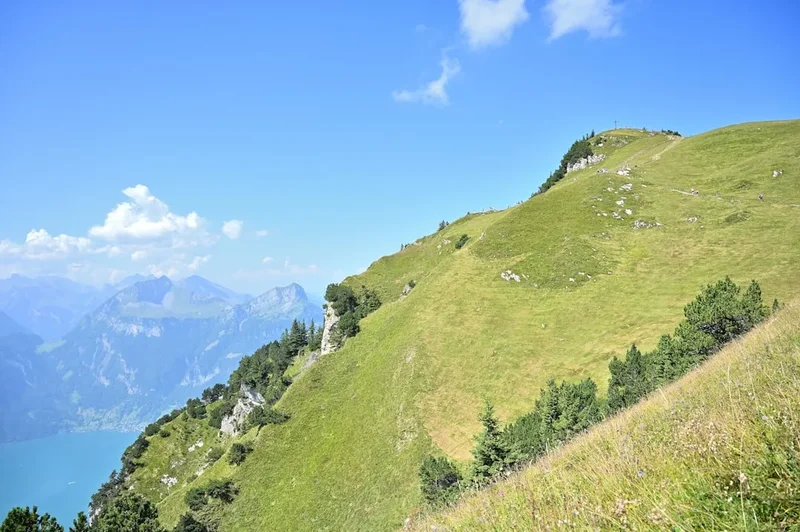
Muottas Muragl to Alp Languard Panorama Trail
Morning: Ascent to Muottas Muragl
- Access: Travel to Punt Muragl Talstation via train to Samedan and then bus #3, or by car.
- Funicular: Take the Muottas Muragl funicular from Punt Muragl Talstation to Muottas Muragl (2,456 m). This journey offers initial glimpses of the valley and surrounding peaks.
- Arrival: Arrive at the Muottas Muragl summit station. Take a moment to absorb the panoramic views from the terrace.
Late Morning: The Panorama Trail Begins
- Trailhead: Locate the clearly marked start of the panorama trail (Panoramaweg) heading towards Alp Languard.
- Initial Section: The trail begins with a gentle descent or relatively flat section, offering immediate and spectacular views of the Upper Engadin lakes and the Bernina Massif.
- Terrain: The path is well-maintained, wide, and mostly gravel or packed earth.
- Scenery: Expect continuous vistas of the lakes, mountains, and the characteristic Engadin landscape.
Midday: Hiking Towards Alp Languard
- Distance Covered: Approximately 3-4 km.
- Elevation Change: Gradual descent interspersed with some short uphill sections. The total elevation gain from the start of the hike to Alp Languard is approximately 300 metres.
- Key Waypoints: The trail is well-signposted, guiding you towards Alp Languard. You will pass through open alpine meadows and occasional stands of pine trees.
- Points of Interest: Numerous viewpoints along the way are perfect for rest stops and photography. Keep an eye out for local flora and fauna.
Early Afternoon: Arrival at Alp Languard
- Distance: Approximately 6.0 km from Muottas Muragl.
- Time: 2-3 hours of walking time.
- Destination: Arrive at Alp Languard (approx. 2,250 m).
- Facilities: Alp Languard features a mountain restaurant offering refreshments and meals, providing a perfect opportunity to relax and enjoy the views.
- Views: The views from Alp Languard are expansive, looking down towards Pontresina and across the valley.
Afternoon: Descent and Departure
- Option 1 (Chairlift): Take the Alp Languard chairlift down to Pontresina. This offers a different perspective on the landscape during the descent.
- Option 2 (Walking): A well-marked hiking path also leads down to Pontresina. This is a steeper descent and takes approximately 1-1.5 hours.
- Pontresina: From Pontresina, you can easily catch a bus or train back to Samedan or your accommodation.
Important Notes:
- Check the operating times for the Muottas Muragl funicular and the Alp Languard chairlift before your visit, as these can vary seasonally.
- Wear sturdy walking shoes or hiking boots.
- Carry water, snacks, sunscreen, and a hat, even on cloudy days.
- Be prepared for changing mountain weather; a waterproof and windproof jacket is recommended.
- The trail is well-marked, but carrying a map or using a navigation app is always advisable.
Planning and Bookings
Book Your Trip
Everything you need to plan your journey
Accommodation
Find places to stay near Samedan
Flights
Search flights to Samedan
Essential Preparation
The Muottas Muragl to Alp Languard Panorama Trail is a day walk, meaning no overnight accommodation is required. Preparation primarily involves understanding the access logistics and checking the operational status of the mountain transport. The closest major town and transport hub is Samedan. From Samedan, you can take a local bus (line #3) directly to the Punt Muragl Talstation, which is the base station for the Muottas Muragl funicular. Alternatively, if driving, follow signs towards Punt Muragl; there is parking available at the Talstation, though it can be limited during peak times.
It is crucial to check the operating schedules for both the Muottas Muragl funicular and the Alp Languard chairlift. These services are seasonal and have specific operating hours that vary throughout the year. Websites for the Engadin mountain railways (e.g., Engadin St. Moritz) are the best source for up-to-date information on timetables and any potential closures due to maintenance or weather.
Given the trail's popularity, especially during summer and autumn, arriving earlier in the day is recommended to avoid crowds and secure parking if driving. The trail itself is well-maintained and clearly signposted, making navigation straightforward. However, as with any mountain excursion, it's wise to be prepared for varying weather conditions.
Trail Accommodation
This is a day hike requiring no overnight accommodation.
Required Gear
- Hiking Boots: Sturdy, comfortable hiking boots with good ankle support are recommended, especially for the sections with uneven terrain or potential for slippery conditions.
- Clothing Layers: Due to the variable mountain weather, dressing in layers is essential. This should include a moisture-wicking base layer, an insulating mid-layer (fleece or down jacket), and a waterproof and windproof outer shell.
- Headwear: A sun hat or cap is important for protection against the strong alpine sun, and a warm hat (beanie) is advisable for cooler temperatures, especially at higher altitudes or in the early morning/late afternoon.
- Gloves: Lightweight gloves can be useful for cooler conditions.
- Backpack: A small daypack (15-25 litres) is sufficient to carry essentials like water, snacks, extra clothing, and a camera.
- Navigation: While the trail is well-marked, a map of the area or a reliable GPS device/app on your smartphone is always a good precaution. Ensure your phone is fully charged.
- First-aid Kit: A basic first-aid kit including plasters, antiseptic wipes, pain relievers, and any personal medications is recommended.
- Sunglasses: Essential for protecting your eyes from the bright alpine sun, which can be intense even on cloudy days.
What to Bring
- Water: Carry at least 1-1.5 litres of water per person. Refill points may be available at the mountain restaurants, but it's best to start with sufficient supply.
- Food: Pack high-energy snacks such as trail mix, energy bars, fruit, and sandwiches. The mountain restaurant at Alp Languard offers food, but having your own supplies ensures you can eat when you need to and provides a backup.
- Sunscreen: A high SPF sunscreen is crucial, as the sun's rays are stronger at altitude.
- Lip Balm: With SPF protection.
- Camera: To capture the stunning panoramic views.
- Insect Repellent: While not usually a major issue on this trail, it can be useful to have some on hand, especially during warmer months.
- Cash: While many places accept cards, it's always wise to have some Swiss Francs (CHF) for smaller purchases or in case of card machine issues, particularly at mountain huts or smaller establishments.
- Walking Poles (Optional): These can be helpful for stability, especially on descents, and can reduce strain on the knees.
Permits
No specific permits are required to hike the Muottas Muragl to Alp Languard Panorama Trail. This is a public hiking route accessible to all. However, you will need to purchase tickets for the Muottas Muragl funicular and, if you choose to use it for the descent, the Alp Languard chairlift. These are standard transport tickets and can be purchased at the respective valley stations.
Funicular and Chairlift Tickets:
- Muottas Muragl Funicular: Tickets can be purchased at the Punt Muragl Talstation. Return tickets are available, or you can purchase a one-way ticket if you plan to hike down from Muottas Muragl.
- Alp Languard Chairlift: Tickets for the descent from Alp Languard to Pontresina can be purchased at the top station of the chairlift. Again, one-way or return options may be available depending on your plans.
Pricing: Ticket prices vary depending on the season and whether you purchase a single journey or a return ticket. It is advisable to check the official website of the Engadin St. Moritz mountain railways for the most current pricing information. Discounts may be available for children, seniors, or holders of certain regional travel passes (e.g., Swiss Travel Pass, Engadin Card).
Booking: For the funicular and chairlift, advance booking is generally not necessary unless you are part of a very large group. Tickets can typically be purchased on the day of travel at the ticket offices. However, during peak season, it's wise to arrive a little early to avoid queues.
Important Note: While no hiking permit is needed, ensure you are aware of the operating hours for the funicular and chairlift. Missing the last service could mean a longer walk down than anticipated.
Other Activities in the Area
The Engadin Valley is a paradise for outdoor enthusiasts, offering a wealth of activities beyond the Muottas Muragl to Alp Languard trail:
- Lake Exploration: The Upper Engadin is dotted with stunning lakes such as Lej da Staz, Lej da Champfèr, Lej da Silvaplana, and Lej da Sils. Enjoy swimming, sailing, windsurfing, kitesurfing (especially on Silvaplana), or simply strolling along their shores.
- Hiking and Trekking: Numerous other hiking trails crisscross the region, ranging from gentle valley walks to challenging high-alpine routes. Popular options include the trails around Piz Nair, the hike to the Morteratsch Glacier, and the scenic paths connecting the various lakes.
- Mountain Biking: The Engadin offers a vast network of dedicated mountain bike trails and routes, catering to all skill levels. Bike rentals are readily available in towns like St. Moritz and Pontresina.
- Via Ferrata: For the more adventurous, there are several via ferrata routes in the area, offering thrilling climbs with secured cables and ladders, providing access to spectacular viewpoints.
- Winter Sports: During the winter months, the Engadin transforms into a world-class destination for skiing, snowboarding, cross-country skiing, and winter hiking. St. Moritz is particularly famous for its luxury ski resorts.
- Cultural Attractions: Explore the charming towns of St. Moritz, Pontresina, and Samedan, with their traditional Engadin architecture, museums (such as the Engadin Museum in St. Moritz), and art galleries.
- Wellness and Spas: St. Moritz and other resorts offer excellent spa facilities for relaxation and rejuvenation after a day of outdoor activities.
- Scenic Drives: The Engadin is accessible via several stunning mountain passes, such as the Julier Pass, Bernina Pass, and Albula Pass, offering breathtaking drives with numerous viewpoints.
Safety and Conditions
Trail Conditions: The Muottas Muragl to Alp Languard Panorama Trail is generally well-maintained and clearly signposted. However, conditions can vary:
- Snow: In early summer (June) and late autumn (October), there may still be patches of snow, especially on shaded sections. Check local conditions before setting out.
- Mud: After rain, some sections may become muddy and slippery.
- Uneven Terrain: While mostly smooth, there are sections with rocks and roots.
Weather: Mountain weather is notoriously unpredictable. Be prepared for rapid changes:
- Temperature: Even in summer, temperatures at Muottas Muragl (2,456 m) can be cool, especially in the morning and evening. Wind chill can make it feel significantly colder.
- Sun: The sun's rays are intense at altitude. Use high SPF sunscreen, wear a hat, and sunglasses.
- Rain and Thunderstorms: Afternoon thunderstorms are common in summer. Start your hike early to avoid them. If you hear thunder or see lightning, descend immediately to a lower altitude or seek shelter in a mountain restaurant or the funicular/chairlift station.
- Wind: Strong winds can occur, especially on exposed ridges.
Personal Safety:
- Footwear: Wear sturdy, broken-in hiking boots with good grip.
- Clothing: Dress in layers and carry waterproof and windproof outer gear.
- Hydration and Nutrition: Carry sufficient water and high-energy snacks. Dehydration and fatigue can impair judgment.
- Navigation: While the trail is well-marked, carry a map or use a GPS device/app. Inform someone of your hiking plans.
- Emergency: In case of emergency, call the Swiss emergency number: 144 (ambulance) or 112 (general European emergency number). Mobile phone reception can be patchy in mountainous areas, so be prepared for this.
- Altitude: While this is a day hike, be aware of potential altitude effects if you are not accustomed to it. Take it easy on your first day at altitude.
Mountain Transport: Always check the operating times for the Muottas Muragl funicular and Alp Languard chairlift. Missing the last service could result in a long walk down.
Side Trips and Points of Interest
Muottas Muragl Viewpoint: Before starting the hike, take time to explore the immediate surroundings of the Muottas Muragl summit station. The panoramic terrace offers an unparalleled 360-degree view of the Engadin landscape, including the Bernina Range, the Upper Engadin lakes, and the surrounding valleys. It's an excellent spot for initial orientation and photography.
Alpine Flora and Fauna: As you walk the trail, keep an eye out for the diverse alpine flora. Depending on the season, you might see gentians, edelweiss (though rare), alpine roses, and various wildflowers. Birdlife is also present, and if you are lucky, you might spot marmots or chamois in the more remote areas.
The Lakes of the Upper Engadin: While the trail offers views of the lakes from above, consider dedicating time before or after your hike to explore them more closely. Lej da Staz, for instance, is a beautiful, smaller lake with a charming forest setting and a popular bathing spot in summer. Lej da Silvaplana and Lej da Sils are larger and renowned for water sports.
Alp Languard Restaurant: The destination itself, Alp Languard, is a point of interest. This traditional alpine pasture offers a rustic mountain restaurant where you can enjoy local Engadin specialities, such as Pizokel or Capuns, along with refreshing drinks. It's a perfect place to rest your legs and soak in the atmosphere.
The Descent Options: The choice between taking the chairlift or walking down to Pontresina offers different experiences. The chairlift provides a swift and scenic descent, while the walking path allows for a more immersive experience of the lower alpine terrain and forest.
Leave No Trace
The Muottas Muragl to Alp Languard Panorama Trail traverses a pristine alpine environment. Adhering to Leave No Trace principles is crucial to preserve its natural beauty and ecological integrity for future visitors and the local wildlife.
Plan Ahead and Prepare: Familiarise yourself with the trail, weather forecasts, and the operating times of mountain transport. Pack appropriately for the conditions.
Travel and Camp on Durable Surfaces: Stick to the marked trails. The alpine meadows are fragile ecosystems; straying from the path can damage vegetation that takes years to recover. Avoid walking on moss or delicate plants.
Dispose of Waste Properly: Pack out everything you pack in. This includes all food wrappers, fruit peels, and any other litter. There are bins at the mountain stations, but it's best practice to carry your rubbish with you until you reach a proper disposal point.
Leave What You Find: Do not pick wildflowers or remove any natural objects. Take only photographs and memories.
Minimise Campfire Impacts: Not applicable for this day hike, as camping is not permitted along the trail.
Respect Wildlife: Observe wildlife from a distance. Do not feed any animals, as this can disrupt their natural diet and behaviour, and can be harmful to their health. Keep dogs under control if you bring them.
Be Considerate of Other Visitors: Keep noise levels down, especially in natural settings. Yield to others on the trail, particularly when ascending or descending narrow sections.
By following these principles, you help ensure that the stunning panoramas and natural beauty of the Engadin remain for generations to come.
 Switzerland