
Mt. Kosciuszko Summit Walk - Standing on the Roof of Australia
The Mt. Kosciuszko Summit Walk is Australia’s ultimate high-country pilgrimage—a journey to the highest point on the lowest, flattest, and driest continent on Earth. Located within the pristine expanse of Kosciuszko National Park in the Snowy Mountains of New South Wales, this 18.5-kilometre return journey from Charlotte Pass offers walkers an unparalleled opportunity to traverse ancient glacial landscapes, cross the headwaters of the legendary Snowy River, and stand atop the 2,228-metre summit. Unlike many of the world’s "Seven Summits," Kosciuszko is an accessible peak, yet it retains a profound sense of alpine majesty. The trail winds through a UNESCO-recognised Biosphere Reserve, home to rare alpine flora and fauna found nowhere else on the planet. From the vibrant displays of summer wildflowers to the stark, weathered granite tors that define the skyline, the walk is a masterclass in sub-alpine and alpine ecology. It is a journey that combines physical achievement with deep immersion in a landscape that has remained culturally and spiritually significant for thousands of years.
- Distance: 18.5 km return
- Duration: 5–6 hours
- Season: November to May (summer and shoulder seasons; winter requires specialist alpine equipment)
- Highest point: Mt. Kosciuszko Summit (2,228 m)
- Elevation Gain: 441 m
- Difficulty: Moderate (well-formed track, steady gradients)
- Trailhead: Charlotte Pass (end of Kosciuszko Road)
- Closest City: Jindabyne (approx. 40 km from trailhead)
Overview
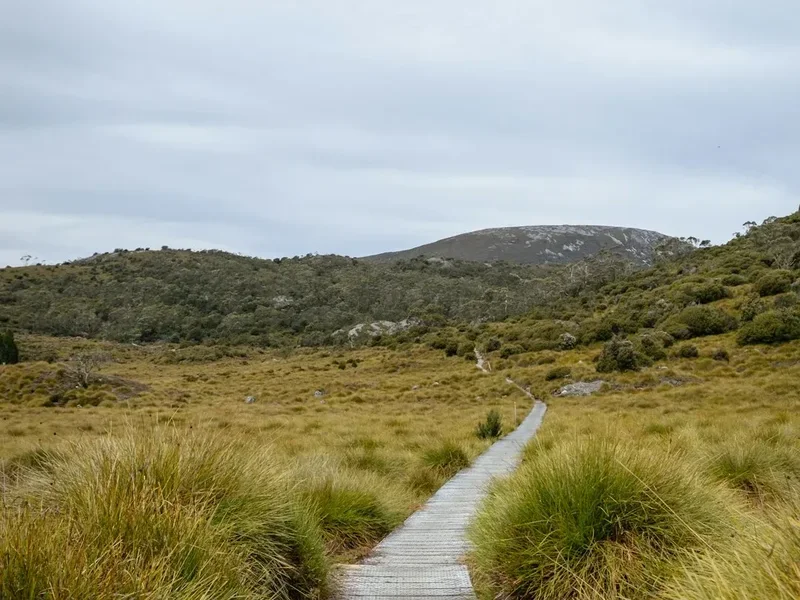
The Mt. Kosciuszko Summit Walk is more than just a hike; it is an exploration of Australia’s most significant alpine environment. Starting from the historic trailhead at Charlotte Pass, the route follows the old Kosciuszko Road, which was once open to vehicular traffic but is now a dedicated walking and cycling path. This wide, well-maintained trail ensures that the ascent is steady and manageable, allowing walkers to focus their attention on the staggering views of the Main Range and the unique biological diversity of the Australian Alps.
The landscape here is defined by its geological antiquity. The granite that forms the backbone of the Snowy Mountains was intruded into the Earth's crust over 400 million years ago, subsequently uplifted and sculpted by the forces of wind, water, and ice. As you ascend, the silver beech and snow gums of the lower elevations give way to a treeless alpine herbfield. This is a world of "fellfields"—stony slopes where only the hardiest plants can survive the extreme cold and desiccating winds. In the height of summer (January and February), these fields erupt in a spectacular carpet of colour. Silver snow daisies, yellow billy buttons, and purple eyebrights create a vibrant tapestry against the grey granite boulders. This floral display is one of the most concentrated and diverse alpine flower shows in the Southern Hemisphere.
The walk also provides a rare glimpse into Australia’s glacial past. Kosciuszko National Park contains the only glaciated landscapes on the Australian mainland. From the trail, walkers can look across to the dramatic cirques and moraines of the Main Range, where glaciers once carved deep bowls into the mountainside. The Snowy River, which you cross early in the walk, begins its long journey here as a modest, crystal-clear stream fed by melting snowdrifts. The air at this altitude is noticeably thinner and crisper, and the light has a crystalline quality that makes the distant peaks of the Victorian Alps appear deceptively close. Reaching the summit provides a 360-degree panorama that encompasses the rugged wilderness of the Jagungal Wilderness to the north and the rolling high plains to the south. It is a place of immense scale and quietude, where the only sound is often the wind whistling through the granite crevices.
History and Cultural Context
The cultural history of Mt. Kosciuszko is as layered as its geology. For the Ngarigo people, the traditional custodians of this land, the mountains are a sacred landscape. For thousands of years, Aboriginal groups from across south-eastern Australia would travel to the high country during the summer months. These gatherings were significant times for ceremony, trade, and the strengthening of social ties. A primary focus of these seasonal migrations was the Bogong moth (Agrotis infusa), which migrates to the cool granite crevices of the peaks in vast numbers to aestivate. The moths provided a rich, protein-heavy food source, and the annual harvest was a cornerstone of the region's cultural economy. Today, the Ngarigo people maintain a deep and ongoing connection to the mountains, and walkers are encouraged to move through this landscape with the respect due to an ancient and living culture.
The European history of the peak began in February 1840, when the Polish explorer and geologist Count Paul Edmund de Strzelecki became the first European to record an ascent of the mountain. Strzelecki named the peak after Tadeusz Kościuszko, a Polish-Lithuanian hero of the American Revolutionary War and a champion of democratic freedom. Strzelecki chose the name because the mountain’s rounded profile reminded him of the Kościuszko Mound in Kraków. Interestingly, subsequent surveys revealed that the neighbouring peak, Mt. Townsend, was actually slightly higher than the one Strzelecki had named. To ensure that the name "Kosciuszko" remained attached to the highest point in Australia, the New South Wales government officially swapped the names of the two peaks in 1892.
In the late 19th and early 20th centuries, the area became a hub for the grazing industry. High-country "stockmen" would drive cattle and sheep up to the alpine pastures for summer grazing, a practice immortalised in A.B. "Banjo" Paterson’s legendary poem, The Man from Snowy River. However, the environmental impact of grazing on the fragile alpine soils led to the cessation of the practice and the eventual gazettal of the Kosciuszko State Park in 1944. The mid-20th century saw the arrival of the Snowy Mountains Hydro-electric Scheme, one of the most complex engineering projects in the world. The scheme transformed the region’s hydrology and brought a wave of post-war European migration that fundamentally shaped the modern Australian identity. Today, the summit walk follows a portion of the road built to service the early surveying and construction efforts of the scheme, serving as a physical link to Australia’s industrial and social history.
Want more background? Read extended notes on history and cultural context → Learn more
Seasonal Highlights and Weather Reality
The Mt. Kosciuszko Summit Walk is a seasonal experience, with the character of the landscape changing dramatically throughout the year. Because of its elevation, the mountain creates its own weather patterns, and conditions can shift from benign to life-threatening in a matter of minutes.
Summer (December to February): This is the peak walking season. The snow has usually retreated from the main track, and the alpine wildflowers are in full bloom. Temperatures on the summit typically range from 10°C to 20°C, though the wind chill can make it feel much colder. This is the best time for photography and for those who want to enjoy the views without the challenge of snow travel. However, summer also brings the highest UV levels in Australia; the thin atmosphere provides little protection, and sunburn can occur in less than 15 minutes.
Autumn (March to May): The shoulder season offers stable weather and crisp, clear days. The summer crowds begin to thin, and the light takes on a golden hue. Early morning frosts are common, and the first dustings of snow can appear as early as April. This is an excellent time for experienced walkers who enjoy solitude and cooler hiking temperatures. The "turning of the fagus" (Australia's only deciduous tree) occurs in other parts of the highlands, but on the Kosciuszko walk, the highlight is the deep red and orange hues of the alpine shrubs.
Winter (June to October): During the winter months, the Mt. Kosciuszko Summit Walk is transformed into a serious alpine expedition. The track is buried under several metres of snow, and the route is marked only by snow poles. This is not a walk for the casual hiker; it requires snowshoes, cross-country skis, or alpine touring gear. Blizzards are frequent, and visibility can drop to zero in "whiteout" conditions. Only those with advanced navigation skills and winter survival equipment should attempt the summit in winter. The temperature frequently drops well below -10°C, and the wind speeds can exceed 100 km/h.
Spring (November): As the snow begins to melt, the mountains come alive with the sound of rushing water. The Snowy River swells with snowmelt, and the first wildflowers begin to poke through the receding drifts. Large snow patches often remain on the track until late November, requiring walkers to navigate slippery sections. This is a beautiful but wet season, and waterproof footwear is essential.
Recommended Itinerary
Mt. Kosciuszko Summit Walk (Charlotte Pass Return)
Early Morning: Departure from Charlotte Pass
- Distance: 0 km
- Elevation: 1,840 m
- Time: 8:00 AM – 8:30 AM
- Start at the Charlotte Pass trailhead, located at the very end of Kosciuszko Road.
- Ensure you have registered your trip if required and checked the latest weather forecast at the NPWS visitor centre in Jindabyne.
- The trail begins with a gentle descent toward the Snowy River.
- Take a moment to look across the valley toward the Main Range; the summit of Kosciuszko is visible in the distance, often capped with a lingering snow patch.
Morning: The Snowy River Crossing and Ascent
- Distance: 4.5 km
- Elevation: 1,900 m
- Time: 9:30 AM – 10:30 AM
- Cross the Snowy River via the stepping stones or the small bridge. This is the lowest point of the walk after the initial descent.
- The trail begins a steady, winding ascent along the old road. The gradient is consistent and never overly steep.
- Pass through groves of ancient, twisted snow gums. Notice how the trees become shorter and more stunted as you gain elevation.
- Keep an eye out for the "Billy Buttons"—bright yellow spherical flowers that line the track in mid-summer.
Midday: Seaman’s Hut and Rawson Pass
- Distance: 7 km – 8 km
- Elevation: 2,030 m – 2,100 m
- Time: 11:00 AM – 12:30 PM
- Arrive at Seaman’s Hut, a historic stone shelter built in 1929. This is an ideal spot for a rest and a snack.
- Continue the ascent toward Rawson Pass. The views to the west open up, revealing the rugged western fall of the Main Range.
- Reach Rawson Pass (2,100 m), where the trail from Charlotte Pass meets the metal walkway from Thredbo.
- Rawson Pass features the highest public toilets in Australia—an essential stop before the final summit push.
- The final 1.5 km to the summit is a circular loop that spirals gently around the peak.
Afternoon: The Summit and Return Journey
- Distance: 9.25 km (Summit) to 18.5 km (Finish)
- Elevation: 2,228 m (Summit)
- Time: 1:00 PM – 4:00 PM
- Stand on the summit of Mt. Kosciuszko. Take photos with the stone cairn and enjoy the 360-degree views.
- On a clear day, you can see the Victorian Alps to the south and the Monaro Plains to the east.
- Begin the return journey via the same route. The descent is easy on the knees due to the gentle gradient of the old road.
- The afternoon light often highlights the textures of the granite tors and the silver leaves of the snow daisies.
- Arrive back at Charlotte Pass by late afternoon, allowing plenty of time to drive back to Jindabyne before dusk (to avoid wildlife on the roads).
Important Notes:
- There is no water available on the trail; you must carry at least 2–3 litres per person.
- The trail is shared with mountain bikers; stay to the left and be aware of riders descending.
- Mobile phone reception is patchy and should not be relied upon for navigation or emergencies.
- The weather can change in minutes; always carry a waterproof jacket, even if the sky is blue at the start.
Planning and Bookings
Book Your Trip
Everything you need to plan your journey
Accommodation
Find places to stay near Jindabyne
Flights
Search flights to Jindabyne
Essential Preparation
While the Mt. Kosciuszko Summit Walk is technically straightforward, it requires careful logistical planning due to its alpine location. The primary base for the walk is the town of Jindabyne, located approximately 40 kilometres (a 45-minute drive) from the trailhead at Charlotte Pass. Jindabyne offers a full range of services, including supermarkets, outdoor gear hire, and medical facilities. It is highly recommended to spend at least one night in Jindabyne or the nearby Perisher Valley to acclimatise to the altitude before starting the walk.
Fitness requirements are moderate. Anyone with a basic level of walking fitness can complete the 18.5-kilometre return journey, provided they allow enough time. The most significant challenge is the exposure to the elements—sun, wind, and cold—rather than the steepness of the terrain. Before leaving Jindabyne, you must check the Bureau of Meteorology (BOM) "Snowy Mountains" forecast. If a "Severe Weather Warning" or "Blizzard Warning" is in place, do not attempt the walk.
Transport to the trailhead is via Kosciuszko Road. During the summer months, you can drive all the way to Charlotte Pass, but parking is extremely limited. It is often better to use the shuttle services that operate from Perisher or Jindabyne during the peak season. Note that a National Parks entry fee is required for all vehicles entering Kosciuszko National Park.
Trail Accommodation
This is a day hike requiring no overnight accommodation on the trail itself. Camping is strictly prohibited within the catchment area of the alpine lakes and on the summit of Mt. Kosciuszko to protect the fragile environment and water quality.
Nearby Options:
- Charlotte Pass Snow Resort: Located at the trailhead, the resort offers lodge-style accommodation during the summer months. This is the most convenient option but requires advance booking.
- Perisher Valley: Located 8 km from the trailhead, Perisher has numerous lodges and hotels that operate in the summer.
- Jindabyne: The largest service town, offering everything from caravan parks and hostels to luxury apartments.
- Camping: There are several designated National Park campgrounds along the Alpine Way and Kosciuszko Road (e.g., Island Bend, Thredbo Diggings). These must be booked in advance via the NSW National Parks website.
Emergency Shelter: Seaman’s Hut is located on the trail but is for emergency use only. It is not a hiking hut for planned overnight stays. It provides a vital refuge during sudden blizzards or for injured walkers awaiting rescue.
Required Gear
- Footwear: Sturdy walking shoes or hiking boots with good grip. The track is gravel and rock; sandals or flip-flops are not suitable.
- Clothing Layers: A moisture-wicking base layer (merino or synthetic), an insulating mid-layer (fleece or down), and a high-quality waterproof and windproof outer shell.
- Sun Protection: A broad-brimmed hat, high-SPF sunscreen, and UV-rated sunglasses. The sun at 2,000 metres is exceptionally harsh.
- Navigation: A physical map of the Kosciuszko Main Range and a compass, or a GPS device with offline maps. Do not rely solely on Google Maps.
- Backpack: A 20–30 litre daypack with a rain cover.
- Emergency Kit: A basic first aid kit (including blister pads), a whistle, and a space blanket.
What to Bring
- Water: Minimum 2–3 litres per person. There are no potable water stations on the trail. While there are streams, the water must be treated (boiled or filtered) due to the presence of pathogens.
- Food: High-energy snacks (nuts, chocolate, dried fruit) and a substantial lunch. There are no food outlets past Charlotte Pass.
- Personal Items: Tissues, hand sanitiser, and a small bag for carrying out all rubbish (including organic waste like orange peels).
- Communication: A fully charged mobile phone (kept in flight mode to save battery) and, ideally, a Personal Locator Beacon (PLB), which can be hired from the NPWS visitor centre in Jindabyne.
- Camera: Spare batteries or a power bank, as cold temperatures can drain phone and camera batteries quickly.
Permits
No specific walking permit is required to hike to the summit of Mt. Kosciuszko. However, all visitors entering Kosciuszko National Park by vehicle must pay a daily park entry fee. This fee contributes to the maintenance of the trails, toilets, and visitor facilities within the park.
Vehicle Entry Fees:
- Summer (October long weekend to June long weekend): Approximately $17 per vehicle per day.
- Winter (June long weekend to October long weekend): Approximately $29 per vehicle per day (due to the cost of snow clearing and increased services).
- Annual Passes: If you plan to visit multiple NSW National Parks, an "All Parks" annual pass (approx. $190) is often better value.
How to Pay: Fees can be paid at the park entry stations (on Kosciuszko Road or the Alpine Way), at the Snowy Region Visitor Centre in Jindabyne, or via the NSW National Parks digital payment system. Ensure your pass is clearly displayed on your dashboard.
Group Bookings: Large organised groups (e.g., school groups or commercial tour operators) may require a separate "Consent for a Public Capacity" permit. Check with the NPWS Jindabyne office if you are organising a group of more than 20 people.
Other Activities in the Area
The Snowy Mountains offer a wealth of activities for those looking to extend their stay beyond the summit walk:
- Thredbo Village: Take the Kosciuszko Express Chairlift for a different perspective on the mountains. Thredbo is also a world-class destination for mountain biking and alpine bobsledding.
- Main Range Track: For experienced hikers, this 22-kilometre loop offers a more challenging and scenic alternative to the summit walk, passing by Blue Lake and several other glacial cirques.
- Yarrangobilly Caves: Located in the northern part of the park, these spectacular limestone caves feature a thermal pool that remains at a constant 27°C year-round.
- Fishing: The Snowy River and Lake Jindabyne are famous for trout fishing. Local guides are available for fly-fishing lessons.
- Horse Riding: Experience the "Man from Snowy River" lifestyle with a guided horse trek through the sub-alpine bushland.
- Mountain Biking: The Lower Thredbo Valley Track (TVT) offers a beautiful, flowing ride through the forest alongside the Thredbo River.
Safety and Conditions
Weather Awareness: The single greatest danger on Mt. Kosciuszko is the weather. Even in mid-summer, temperatures can drop below freezing, and snow can fall. High winds are common and can make walking difficult and significantly increase the risk of hypothermia. Always check the "Snowy Mountains" forecast on the BOM website before starting. If you see dark clouds gathering or feel the wind increasing significantly, turn back immediately.
Altitude Sickness: While 2,228 metres is not high by global standards, some people may experience mild altitude symptoms such as headaches or shortness of breath. Move at a steady pace, stay hydrated, and descend if symptoms become severe.
UV Exposure: The Australian alpine sun is incredibly intense. Sunburn can occur even on cloudy days. Apply SPF 50+ sunscreen every two hours and wear a hat and sunglasses. Do not underestimate the "cool breeze"—it masks the burning power of the sun.
Wildlife: You may encounter Eastern Grey Kangaroos, Wallabies, and occasionally Dingoes. Do not feed or approach wildlife. Be particularly careful when driving at dawn or dusk, as kangaroos are frequently on the roads and cause many accidents.
Emergency Contacts: In an emergency, dial 000. Note that mobile reception is unreliable. Carrying a PLB is the most effective way to signal for help in areas without phone coverage.
Side Trips and Points of Interest
Seaman’s Hut: This iconic stone hut was built in 1929 by the family of Laurie Seaman, who perished in a blizzard while skiing on the mountain. The hut is a memorial and a vital emergency shelter. It is constructed from local granite and provides a fascinating glimpse into the early history of alpine exploration in Australia. It is a perfect spot for a mid-walk break.
The Snowy River: The crossing of the Snowy River near the start of the walk is a place of great literary and historical significance. While it is a small stream here, it represents the headwaters of one of Australia’s most famous rivers. The water is incredibly pure and cold, and the granite boulders in the riverbed are millions of years old.
Rawson Pass: At 2,100 metres, this is the highest "pass" in Australia. It serves as the junction for several trails and features the highest public toilets in the country. The views from the pass toward the western wilderness are some of the most rugged in the park.
Etheridge Range: As you approach the summit, the trail passes beneath the Etheridge Range. Look for the massive granite tors—huge, weathered boulders that look like they were balanced there by giants. These are classic features of the Australian alpine landscape.
Leave No Trace
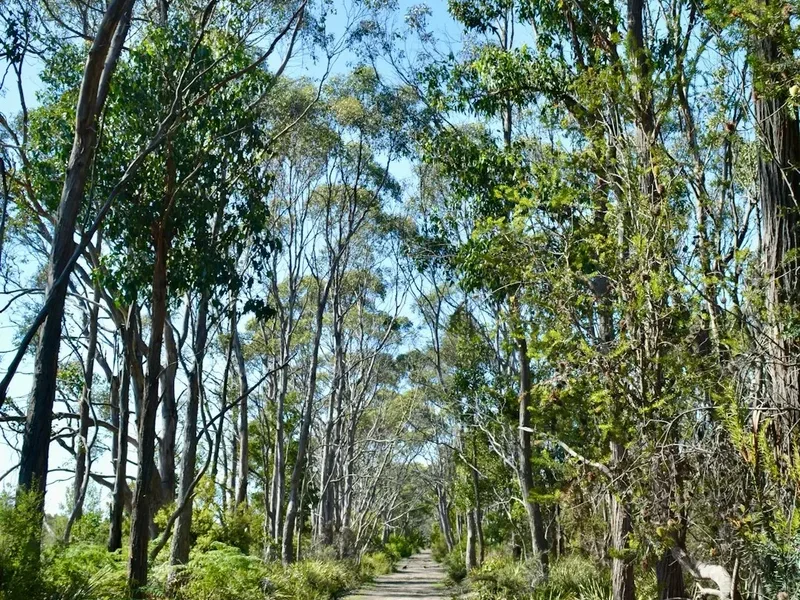
The alpine environment of Kosciuszko National Park is one of the most fragile in Australia. The plants here grow extremely slowly due to the short growing season, and a single footstep off the track can destroy vegetation that has taken decades to establish. As a UNESCO Biosphere Reserve, the park is a sanctuary for rare species like the Mountain Pygmy-possum and the Corroboree Frog.
Principles for the Summit Walk:
- Stay on the Track: The old road and the metal walkways are designed to protect the soil and plants. Never take shortcuts, especially on the zig-zags near the summit.
- Carry Out All Trash: This includes "biodegradable" items like apple cores and banana peels, which do not break down quickly in the cold climate and can harm native wildlife.
- Respect the Water: Do not wash in the streams or lakes. The alpine water catchments provide drinking water for the regions below.
- No Camping: Observe the "No Camping" zones around the summit and lakes to prevent soil compaction and pollution.
- Leave What You Find: Do not pick wildflowers or remove rocks. Leave the landscape exactly as you found it for others to enjoy.
 Australia