
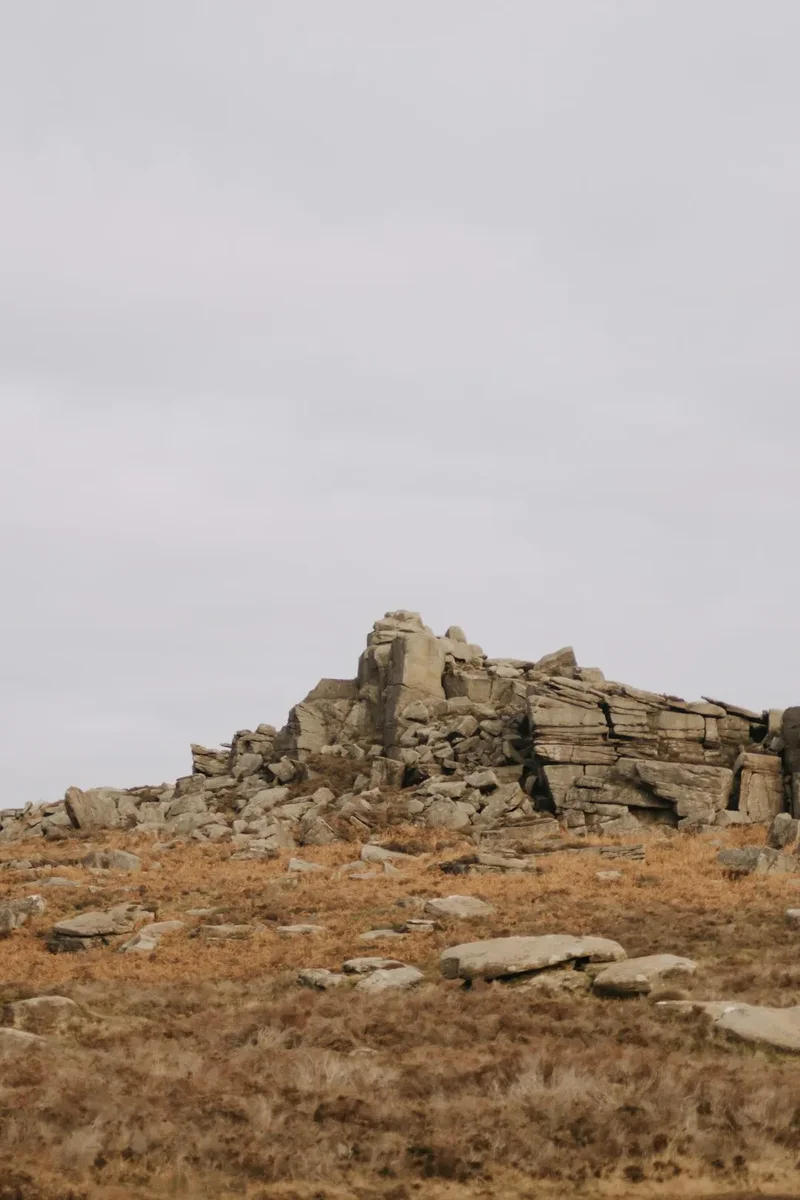
Mourne Wall Challenge - A Rugged Traverse of Northern Ireland's Backbone
The Mourne Wall Challenge is a demanding, self-supported thru-hike that traverses the iconic Mourne Mountains in County Down, Northern Ireland. This route follows the historic Mourne Wall, a 35-kilometre dry-stone structure built between 1904 and 1922 to enclose the catchment area for Silent Valley Reservoir. The challenge lies not just in the distance, but in the significant elevation gain and loss, the often-treacherous terrain, and the unpredictable mountain weather. This is a true test of endurance, navigation, and mental fortitude, offering unparalleled views across the rugged landscape of the Mourne range.
- Distance: 35.0 km one-way
- Duration: 2 days / 1 night (recommended)
- Season: April–October (best conditions)
- Accommodation: Wild camping or basic shelters (no official huts)
- Highest point: Slieve Donard (850 m)
- Difficulty: Challenging
- Start Point: Carrick Little Car Park
- End Point: Silent Valley Reservoir
Overview
The Mourne Wall is a remarkable feat of dry-stone engineering, stretching across the highest peaks of the Mourne Mountains. The challenge of walking its entire length is a rite of passage for many seasoned hikers in Northern Ireland. The route is not a clearly defined path in many sections, often requiring navigation across open moorland, bog, and scree, with the wall itself serving as the primary navigational aid. The terrain is relentlessly undulating, with significant ascents and descents that test leg strength and cardiovascular fitness. Each day presents a substantial physical and mental challenge, demanding careful planning and preparation.
Day 1 typically involves ascending some of the highest peaks, including Slieve Beg, Slieve Muck, and the imposing Slieve Donard, the highest point in the range. The views from these summits, on a clear day, are breathtaking, stretching across the Irish Sea towards Scotland and the Isle of Man, and inland over the rolling drumlins of County Down. The descent from the higher peaks often leads to more boggy and exposed terrain, requiring careful footing. The second day continues the traverse, often involving a descent towards the Silent Valley Reservoir, the ultimate destination for this challenge.
The Mourne Mountains are known for their dramatic weather. Sunshine can quickly give way to thick fog, driving rain, and strong winds, significantly impacting visibility and making navigation more difficult. This unpredictability is a key element of the Mourne Wall Challenge, demanding respect for the mountain environment and a high level of self-reliance. The wall itself, while a guide, can be broken in places or difficult to follow across boggy sections, requiring keen observation and map-reading skills.
History and Construction of the Mourne Wall
The construction of the Mourne Wall is a fascinating chapter in the industrial and engineering history of Northern Ireland. The project was initiated by the Belfast Water Commissioners in the early 20th century, with the primary aim of creating a reservoir to supply water to Belfast and the surrounding industrial areas. The chosen site was the Silent Valley, a natural basin within the Mourne Mountains. To protect the water source from contamination and ensure its purity, the decision was made to build a substantial wall to enclose the entire catchment area.
Construction began in 1904 and took a staggering 18 years to complete, finally finishing in 1922. This was a monumental undertaking, involving hundreds of labourers who worked in often harsh and remote conditions. The wall is constructed entirely from local granite, quarried from the mountains themselves. It is a dry-stone wall, meaning no mortar was used in its construction. This technique requires immense skill, with each stone carefully selected and placed to create a stable and durable structure. The wall stands approximately 1.5 metres high and 0.6 metres wide, a testament to the craftsmanship and perseverance of the builders.
The route of the wall was carefully chosen to encompass the highest peaks of the Mourne range, including Slieve Donard, Slieve Commedagh, Slieve Muck, and Slieve Beg. This ensured that all significant water sources within the catchment flowed into the Silent Valley. The construction process was arduous, with materials often transported by horse and cart, and in some cases, carried by hand up steep mountain slopes. The wall's completion marked a significant achievement in civil engineering and fundamentally altered the landscape of the Mourne Mountains, creating the iconic feature that today forms the basis of the Mourne Wall Challenge.
Seasonal Considerations and Weather Patterns
The Mourne Mountains experience a temperate maritime climate, with weather that can change rapidly and dramatically throughout the year. The Mourne Wall Challenge is best undertaken during the spring and autumn months, when conditions are generally more stable and the landscape offers its most spectacular colours.
Spring (April–May): This is an excellent time to attempt the challenge. The days are lengthening, and the heather and gorse begin to bloom, adding vibrant colours to the landscape. Snow is unlikely to persist on the higher peaks, and the boggy ground, while still wet, may be firmer than in winter. However, spring can also bring unpredictable weather, with cold snaps and strong winds still a possibility.
Summer (June–August): Summer offers the longest daylight hours, which is advantageous for a multi-day hike. The weather can be warm and pleasant, with clear skies offering excellent visibility. However, summer also brings the highest risk of cloud cover and fog, particularly in the afternoons, which can obscure the wall and make navigation difficult. Sandflies can also be a nuisance in damper areas. The ground may be drier, but some boggy sections can remain saturated.
Autumn (September–October): Autumn is arguably the most beautiful season for the Mourne Wall Challenge. The heather turns a rich purple, and the bracken takes on golden hues, creating a stunning visual spectacle. The weather can be crisp and clear, offering excellent views. However, autumn also brings shorter daylight hours and an increased chance of heavy rain and strong winds as winter approaches. The ground can become very wet and boggy.
Winter (November–March): Winter is generally not recommended for the Mourne Wall Challenge unless you possess advanced winter mountaineering skills and equipment. Snow and ice can make the wall impassable or extremely dangerous, particularly on the higher peaks. Visibility can be severely reduced by fog and blizzards, and the days are very short. The boggy terrain can become treacherous when frozen or waterlogged.
General Weather Advice: Regardless of the season, always check the mountain weather forecast before setting out and be prepared for all conditions. The Mourne Mountains are notorious for their changeable weather, and it is not uncommon to experience sunshine, rain, and fog all within a single day.
Recommended Itinerary
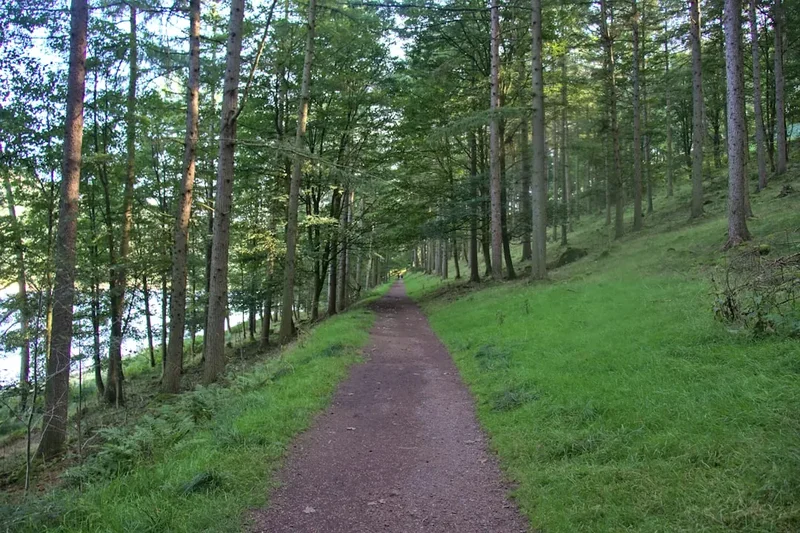
2-Day Mourne Wall Challenge Itinerary
Day 1: Carrick Little Car Park to near Slieve Muck (Wild Camp)
- Distance: Approximately 18 km
- Elevation Gain: Approximately 1500 m
- Time: 7–9 hours
- Start at Carrick Little Car Park, heading towards the foothills of Slieve Beg.
- Follow the Mourne Wall upwards, a steady but challenging ascent.
- Pass over Slieve Beg (534 m) and continue towards Slieve Muck (674 m).
- The terrain is a mix of rough grass, bog, and stone.
- Navigate across the exposed saddle between Slieve Beg and Slieve Muck.
- Continue along the wall towards Slieve Donard (850 m), the highest peak.
- Ascend Slieve Donard, taking time to enjoy the panoramic views if weather permits.
- Descend from Slieve Donard towards the saddle between Slieve Donard and Slieve Commedagh.
- Continue along the wall, aiming for a suitable wild camping spot in the vicinity of Slieve Muck, ensuring you are well away from water sources and respecting the environment.
- This day is physically demanding, with significant climbing and often exposed conditions.
Day 2: Near Slieve Muck to Silent Valley Reservoir
- Distance: Approximately 17 km
- Elevation Gain: Approximately 1000 m (including ascents and descents)
- Time: 6–8 hours
- Depart from your wild camp, rejoining the Mourne Wall.
- Continue the traverse, potentially passing over Slieve Commedagh (767 m) if the wall route dictates.
- The wall will guide you down towards the Silent Valley Reservoir.
- The descent can be steep and challenging, with sections of scree and bog.
- Navigate carefully through the lower slopes and valleys.
- The final section will lead you to the Silent Valley Reservoir, marking the end of the challenge.
- This day involves further significant elevation changes and requires careful navigation as the wall may be less distinct in places.
- The terrain can be very wet and boggy, especially in the lower sections.
Important Notes:
- This itinerary is a guideline; actual routes may vary based on weather, ground conditions, and personal preference.
- Wild camping is permitted in designated areas of the Mourne Mountains, but always follow Leave No Trace principles.
- No official huts are available; self-sufficiency is paramount.
- Navigation skills are essential, as the wall is not always a clear path.
- Always check the weather forecast and be prepared for rapid changes.
- Carry sufficient food, water, and emergency supplies.
Planning and Bookings
Book Your Trip
Everything you need to plan your journey
Accommodation
Find places to stay near Newcastle
Flights
Search flights to Newcastle
Essential Preparation
The Mourne Wall Challenge is a serious undertaking that requires thorough preparation. Given the lack of official accommodation and the often-challenging terrain, self-sufficiency is key. Before embarking on this hike, ensure you have a high level of fitness, particularly in your legs and cardiovascular system, as the constant ascents and descents are demanding. Familiarise yourself with the route using detailed maps and GPS devices, and practice your navigation skills in similar terrain. The closest major city with comprehensive amenities is Belfast, approximately an hour's drive away. For local amenities, the town of Newcastle at the foot of the Mourne Mountains offers accommodation, shops, and outdoor gear retailers. Parking is available at Carrick Little Car Park, which serves as a common starting point for this challenge; a fee may apply.
Trail Accommodation
This is a self-supported hike with no official huts or designated campsites along the route of the Mourne Wall itself. Wild camping is the primary option for overnight accommodation. It is crucial to be aware of the guidelines and best practices for wild camping in the Mourne Mountains. Campers should aim to be as discreet as possible, set up camp late and leave early, and ensure they are well away from water sources and any sensitive ecological areas. Leave No Trace principles must be strictly adhered to. Some basic shelters or overhangs might be found, but these are not guaranteed and should not be relied upon. Hikers must be prepared to carry all necessary camping equipment, including a tent, sleeping bag, and cooking gear.
Wild Camping Considerations:
- Location: Choose a site that is well-drained, sheltered from the wind, and away from any watercourses or protected habitats. Avoid areas with signs of previous camping.
- Facilities: None provided. You must carry in and out everything you need.
- Booking: No booking required for wild camping, but always check local regulations and guidelines.
- Seasonal Availability: Possible year-round, but conditions are significantly more challenging and potentially dangerous in winter.
- Costs: Free, but requires adherence to Leave No Trace principles.
Required Gear
- Sturdy Hiking Boots: Waterproof, with good ankle support and a well-worn sole. Essential for navigating rough, uneven, and potentially boggy terrain.
- Waterproof Jacket and Trousers: Breathable and fully waterproof (e.g., Gore-Tex). The Mourne Mountains are known for their unpredictable weather, and you will likely encounter rain.
- Warm Layers: Multiple synthetic or wool layers (base layer, mid-layer fleece or insulated jacket). Avoid cotton, which loses its insulating properties when wet.
- Hat and Gloves: Even in summer, the higher altitudes can be cold, especially with wind chill.
- Backpack: A comfortable, well-fitting backpack (45-65 litres) with a rain cover.
- Navigation Tools: Ordnance Survey (OS) maps of the Mourne Mountains (Explorer Series OL24), a compass, and a GPS device or smartphone with offline mapping capabilities. Knowledge of how to use them is vital.
- Head Torch: With spare batteries. Essential for early starts, late finishes, or in case of unexpected delays.
- First-Aid Kit: Comprehensive kit including blister treatment, pain relievers, antiseptic wipes, bandages, and any personal medications.
- Emergency Shelter: A lightweight emergency bivvy bag or survival blanket.
- Whistle: For signalling in an emergency.
What to Bring
- Food: High-energy, lightweight food for two days, including breakfast, lunch, dinner, and plenty of snacks. Plan for more than you think you'll need in case of delays.
- Water: Water bottles or a hydration reservoir with a capacity of at least 2-3 litres per person.
- Water Treatment: A water filter or purification tablets. While streams are plentiful, it's always best practice to treat water.
- Camping Gear: Lightweight tent, sleeping bag (rated for expected temperatures), sleeping mat.
- Cooking Gear: Lightweight camping stove, fuel, pot, mug, bowl, and utensils.
- Toiletries: Biodegradable soap, toothbrush, toothpaste, toilet paper, hand sanitiser. A trowel for burying human waste if not using designated facilities (though none exist on the wall route).
- Sun Protection: Sunscreen, sunglasses, and a sun hat, even on cloudy days, as UV rays can be strong at altitude.
- Trekking Poles: Highly recommended for stability on descents and ascents, and for reducing strain on knees.
- Mobile Phone: Fully charged, with a power bank. Signal can be intermittent, but it's essential for emergencies.
- Duct Tape and Cordage: Useful for repairs.
Permits
No specific permits are required to walk the Mourne Wall or to wild camp in the Mourne Mountains. However, it is essential to be aware of and adhere to the guidelines set by the National Trust and local authorities regarding access and responsible outdoor recreation. The Mourne Mountains are a working landscape, and you may encounter farmers and their livestock. Always ensure gates are closed behind you and that you do not disturb livestock.
Access to Carrick Little Car Park: A fee may apply for parking at Carrick Little Car Park. It is advisable to check current parking charges before your visit. The car park can become busy, especially on weekends and during peak season, so arriving early is recommended.
Silent Valley Reservoir Access: While the Mourne Wall Challenge typically ends at the Silent Valley Reservoir, access to the reservoir itself and the surrounding facilities is managed by Northern Ireland Water. Hikers should be aware of any specific access restrictions or opening times for visitor areas around the reservoir. The reservoir is a critical water source, and respecting its integrity is paramount.
Wild Camping Guidelines: While not strictly regulated by permits, responsible wild camping is crucial. The general principle is to "leave no trace." This means camping away from roads, paths, and water sources, keeping your stay brief, minimising your impact, and taking all litter with you. It is advisable to consult the National Trust's guidelines for responsible access in the Mourne Mountains.
Other Activities in the Area
The Mourne Mountains and surrounding areas offer a wealth of activities for those looking to extend their stay or explore beyond the Mourne Wall Challenge:
- Slieve Donard Ascent (Day Hike): For those who don't wish to undertake the full wall challenge, a day hike to the summit of Slieve Donard from Newcastle is a popular option. Various routes exist, offering different levels of difficulty.
- Tollymore Forest Park: Located at the foot of the Mourne Mountains, this beautiful forest park offers a network of walking trails through ancient woodland, along rivers, and past impressive natural features. It's also a popular spot for mountain biking.
- Castlewellan Forest Park: Another excellent forest park with extensive walking and cycling trails, including a challenging mountain bike trail. It also features the impressive Peace Maze, one of the world's largest permanent hedge mazes.
- Newcastle Promenade: The seaside town of Newcastle offers a pleasant promenade for a stroll, with views out to sea and towards the mountains. It's a good place to relax and enjoy local seafood.
- Mourne Coastal Route: Explore the scenic coastline of County Down, with charming villages, sandy beaches, and dramatic cliffs.
- Silent Valley Visitor Centre: Learn about the history and engineering of the Silent Valley Reservoir and the surrounding landscape.
- Rock Climbing and Bouldering: The Mourne Mountains offer opportunities for experienced climbers and boulderers, with various crags and boulder problems scattered throughout the range.
Safety and Conditions
Weather: The Mourne Mountains are notorious for their rapidly changing weather. Fog can descend quickly, reducing visibility to a few metres, and strong winds can make exposed sections of the wall treacherous. Always check the mountain weather forecast (e.g., Met Éireann or Met Office) before and during your hike. Be prepared for rain, wind, and cold temperatures, even in summer.
Navigation: While the Mourne Wall is a prominent feature, it is not always continuous or easy to follow, especially in poor visibility or across boggy terrain. Carry a map and compass and know how to use them. A GPS device or smartphone with offline maps is a valuable backup. Do not rely solely on the wall for navigation.
Terrain: The terrain is varied and challenging, including rough grass, bog, scree, and rock. Sturdy, waterproof hiking boots with good ankle support are essential. Be mindful of boggy areas, which can be deep and waterlogged. Sections of the wall can be unstable; exercise caution when walking on or near it.
Water Sources: Streams are plentiful, but water should always be treated before drinking. Carry enough water to start your hike and know where you can refill and treat water along the route.
Emergency Procedures: Inform someone of your planned route and expected return time. Carry a fully charged mobile phone and a power bank. In case of emergency, dial 999 or 112 and ask for Mountain Rescue. Be prepared to give your exact location, the nature of the emergency, and the number of people involved.
Livestock: You will likely encounter sheep and cattle. Keep a safe distance, do not disturb them, and ensure gates are closed behind you.
Fitness: The Mourne Wall Challenge is physically demanding. Ensure you have a good level of fitness and are accustomed to carrying a heavy pack over uneven terrain for extended periods.
Side Trips and Points of Interest
Slieve Donard Summit: The highest peak in the Mourne Mountains at 850 metres. The summit offers spectacular panoramic views on a clear day, stretching across the Irish Sea to Scotland and the Isle of Man, and inland over the rolling countryside. The stone structure at the summit is a relic of a former lookout post.
Slieve Commedagh: The second-highest peak, often considered more rugged and wild than Slieve Donard. It offers excellent views and a sense of wildness.
The Brandy Pad: A historic route that runs below the main peaks, offering a slightly less demanding alternative to following the wall directly over the summits. It can be a useful option in poor weather or for those seeking a slightly easier traverse.
The Silent Valley Reservoir: The destination of the challenge, this impressive reservoir is a feat of engineering. The visitor centre provides information about its construction and the surrounding landscape.
Tollymore Forest Park: While not directly on the wall route, a detour into Tollymore Forest Park offers a different landscape with ancient woodland, rivers, and follies. It's a great place for a rest day or an alternative walk.
The Pigeon Rock: A distinctive rock formation often encountered on routes approaching the higher peaks, serving as a landmark for navigation.
Leave No Trace
The Mourne Mountains are a precious natural environment, and it is vital that all visitors practice Leave No Trace principles to minimise their impact. The Mourne Wall itself is a historic monument, and the surrounding landscape is ecologically sensitive.
Plan Ahead and Prepare: Research your route, check the weather, and be prepared for all conditions. Know the local regulations regarding camping and fires.
Travel and Camp on Durable Surfaces: Stick to established paths where possible. When wild camping, choose a site that is well-drained and has been used before, or is otherwise resistant to damage. Avoid camping on fragile vegetation.
Dispose of Waste Properly: Pack out everything you pack in, including all food scraps, wrappers, and toilet paper. Use designated toilets where available, or bury human waste at least 100 metres away from water sources, trails, and campsites. Ensure the cathole is properly concealed.
Leave What You Find: Do not remove or disturb natural objects, rocks, or historical artefacts. Take only photographs and memories.
Minimise Campfire Impacts: Campfires are generally discouraged in the Mourne Mountains due to the risk of wildfire and damage to vegetation. If you must use a stove, use a lightweight camping stove and ensure it is used on a stable, non-flammable surface.
Respect Wildlife: Observe wildlife from a distance and never feed animals. They are wild and have specific dietary needs. Disturbing them can be harmful.
Be Considerate of Other Visitors: Keep noise levels down, especially when camping. Yield to other hikers on narrow paths. Respect the local community and their property.