
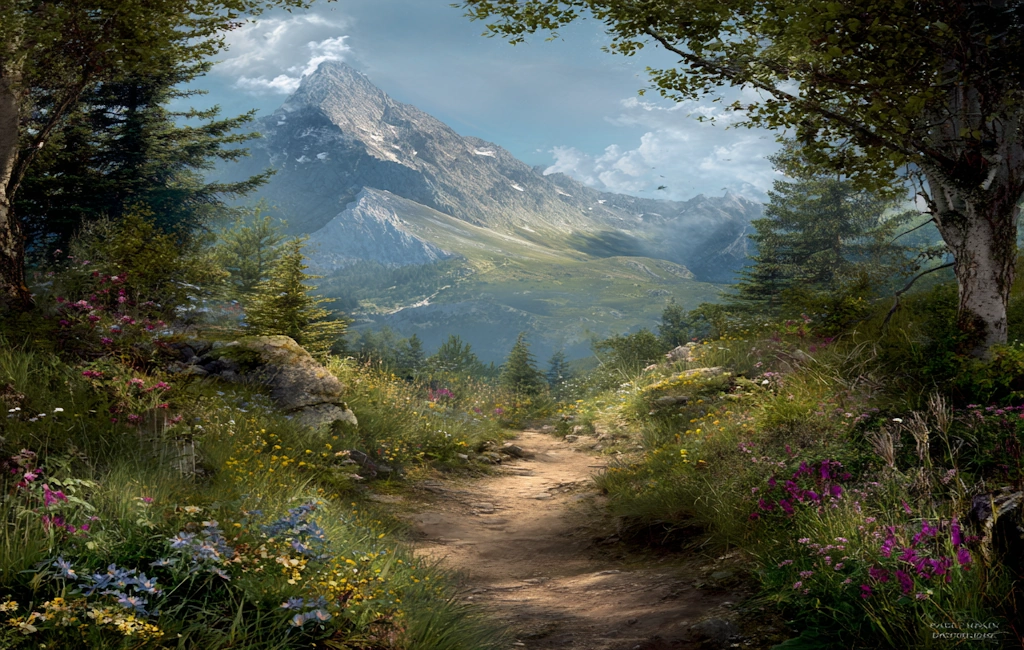
Mount Zero to Halls Gap (Grampians Peak Trail)
The Grampians Peak Trail is Victoria's premier multi-day walking experience, a challenging and rewarding 160-kilometre journey that traverses the rugged heart of the Grampians National Park. This epic trek connects the park's northern reaches, starting at Mount Zero, to the popular tourist hub of Halls Gap in the south. Designed for experienced hikers, the trail offers an immersive exploration of the park's iconic sandstone peaks, ancient Aboriginal rock art sites, diverse flora and fauna, and breathtaking panoramic vistas. It is a true test of endurance and navigation, weaving through remote wilderness, ascending steep ascents, and descending into secluded valleys. The Grampians Peak Trail is not merely a walk; it is an expedition into one of Australia's most geologically and culturally significant landscapes, offering a profound connection with nature and a deep appreciation for the ancient stories held within the land.
- Distance: 160 km one-way
- Duration: 12–13 days
- Season: April to November (autumn to spring)
- Accommodation: Huts and campsites (booking essential)
- Highest point: Mount Difficult (800 m)
- Daily walkers: No daily limit, but accommodation capacity is limited
- Direction: North to south (Mount Zero to Halls Gap)
Overview
The Grampians Peak Trail is a significant undertaking, a 160-kilometre expedition that demands a high level of fitness, self-sufficiency, and navigational skill. Unlike more manicured national park walks, this trail often follows faint tracks, requires scrambling over rocky terrain, and traverses remote areas where assistance is distant. The reward for this effort is an unparalleled immersion into the Grampians' wild character. The trail begins in the relatively less-visited northern section, near Mount Zero, and gradually winds its way south, culminating in the more accessible and dramatic landscapes surrounding Halls Gap.
The journey is a constant interplay of ascent and descent. Hikers will tackle numerous peaks, each offering a unique perspective of the surrounding ranges, vast plains, and distant horizons. Expect to climb over 7,500 metres of elevation gain throughout the trek, a figure that underscores its challenging nature. The terrain is predominantly rocky, with sections of loose scree, steep boulder fields, and narrow, exposed ridges. The vegetation shifts from dry, open woodlands in the north to denser, more temperate forests as you move south, with pockets of cool temperate rainforest in sheltered gullies. The park's unique geology, characterised by ancient sandstone formations, is evident everywhere, from the towering escarpments to the intricate rock shelters that bear witness to millennia of Aboriginal occupation.
Wildlife encounters are common, with kangaroos, wallabies, emus, and a dazzling array of birdlife frequently observed. The Grampians are also home to a rich diversity of plant life, including numerous endemic species that bloom spectacularly in spring. The trail is designed to showcase the park's most spectacular natural features, including iconic lookouts, hidden waterfalls, and significant cultural sites. It is a journey that tests physical limits while simultaneously offering profound moments of connection with a landscape that is both ancient and alive.
History and Cultural Context
The Grampians region, known as Gariwerd to the Aboriginal people, is a landscape steeped in thousands of years of human history and cultural significance. For over 20,000 years, Aboriginal people have lived in and cared for this land, leaving behind an extraordinary legacy of rock art in sheltered overhangs and caves. These sites, such as those at Bunjil's Shelter and the Gariwerd rock art sites, are among the most important and extensive in Australia, providing invaluable insights into the beliefs, practices, and daily lives of the region's traditional custodians, primarily the Djab Wurrung and Jardwadjali peoples.
European exploration of the Grampians began in the early 19th century. Surveyor Major Thomas Mitchell is credited with the first European traverse in 1836, naming the ranges after the Grampian Mountains in Scotland. Following Mitchell's expedition, pastoralists began to move into the region, leading to conflict with the Aboriginal inhabitants. The establishment of Halls Gap as a tourist centre in the early 20th century marked a shift towards the Grampians becoming a destination for recreation and nature appreciation.
The development of the Grampians Peak Trail is a more recent chapter in the region's history. Conceived as a way to connect the park's diverse landscapes and provide a challenging, long-distance hiking experience, its planning and construction have involved extensive consultation with Traditional Owners to ensure cultural heritage is respected and protected. The trail aims to offer walkers a deeper understanding of the Grampians' natural beauty, its geological wonders, and its profound cultural heritage, encouraging a mindful and respectful approach to this ancient land.
Seasonal Highlights and Weather Reality
The Grampians Peak Trail is best experienced during the cooler months, from April to November. This period offers milder temperatures, reducing the risk of heatstroke and making strenuous ascents more manageable.
Autumn (April–May): This is arguably the most idyllic season. Temperatures are cool and pleasant, the risk of bushfires is low, and the landscape begins to take on autumnal hues. The air is crisp, and the light is often soft and beautiful, ideal for photography. Water sources are generally reliable after winter rains.
Winter (June–August): While cooler, winter can bring rain and occasional frost or even light snow at higher elevations. However, the trails are often less crowded, and the dramatic, moody weather can add to the sense of wilderness. Waterfalls are at their most impressive during this period. Be prepared for cold nights and potentially challenging conditions on exposed ridges.
Spring (September–November): This is a spectacular time for wildflowers, with the Grampians bursting into colour. Temperatures are warming, but can still be unpredictable, with potential for both warm days and cool, wet spells. The risk of bushfires begins to increase towards the end of spring.
Summer (December–March): Summer is generally too hot for comfortable multi-day trekking on the Grampians Peak Trail. Daytime temperatures can regularly exceed 35°C, and the risk of severe bushfires is high. Water sources can become unreliable. While day trips are possible in summer, overnight hiking is strongly discouraged and may be restricted due to fire danger.
Weather Considerations: The Grampians are known for their rapidly changing weather. Exposed ridges can be buffeted by strong winds, and rain can arrive suddenly. Always check the forecast before you depart and be prepared for a range of conditions, regardless of the season.
Recommended Itinerary
12-Day Grampians Peak Trail Itinerary
Day 1: Mount Zero to Werndoo Campground
- Distance: 15 km
- Elevation gain: 400 m
- Time: 5–6 hours
- Start at Mount Zero trailhead
- Follow the trail north, gradually ascending through open woodland
- Pass through the Mount Zero picnic area
- Camp at Werndoo Campground (basic facilities)
- This day introduces the northern Grampians' rugged beauty and the start of the trail's elevation gain
Day 2: Werndoo Campground to Red Man Campground
- Distance: 18 km
- Elevation gain: 650 m
- Time: 6–7 hours
- Continue north, tackling steeper ascents
- Pass through diverse vegetation zones
- Camp at Red Man Campground (basic facilities)
- A challenging day with significant elevation gain, offering expansive views as you climb
Day 3: Red Man Campground to Briggs Campground
- Distance: 16 km
- Elevation gain: 550 m
- Time: 5–6 hours
- Traverse more rugged terrain, potentially including some scrambling
- Pass through areas of significant rock formations
- Camp at Briggs Campground (basic facilities)
- The trail continues its demanding nature, with opportunities to explore side ridges
Day 4: Briggs Campground to Hollow Mountain Campground
- Distance: 14 km
- Elevation gain: 500 m
- Time: 4–5 hours
- Descend into a valley before ascending towards Hollow Mountain
- Explore the area around Hollow Mountain, known for its unique geological features
- Camp at Hollow Mountain Campground (basic facilities)
- A shorter day allowing for exploration of the Hollow Mountain area
Day 5: Hollow Mountain Campground to Zumstein Campground
- Distance: 17 km
- Elevation gain: 450 m
- Time: 5–6 hours
- Descend from Hollow Mountain and head towards the Zumstein area
- Pass through varied bushland
- Camp at Zumstein Campground (more developed facilities)
- Transitioning towards the more central Grampians, with better facilities at Zumstein
Day 6: Zumstein Campground to Durd Durd Campground
- Distance: 15 km
- Elevation gain: 600 m
- Time: 5–6 hours
- Ascend towards the Durd Durd area, potentially via Mount Difficult or similar peaks
- Experience significant elevation changes and rocky terrain
- Camp at Durd Durd Campground (basic facilities)
- A demanding day with substantial climbing and rugged terrain
Day 7: Durd Durd Campground to Barigar Campground
- Distance: 13 km
- Elevation gain: 500 m
- Time: 4–5 hours
- Continue traversing the park's ridgelines
- Enjoy panoramic views from various vantage points
- Camp at Barigar Campground (basic facilities)
- A day focused on ridge walking and enjoying the expansive Grampians scenery
Day 8: Barigar Campground to Wannon Campground
- Distance: 16 km
- Elevation gain: 400 m
- Time: 5–6 hours
- Descend from higher elevations towards the Wannon area
- Pass through different ecological zones
- Camp at Wannon Campground (basic facilities)
- A day of descent and varied landscapes as you move south
Day 9: Wannon Campground to Rose Creek Campground
- Distance: 14 km
- Elevation gain: 350 m
- Time: 4–5 hours
- Continue south, with less dramatic elevation changes
- The trail may follow creek beds or lower ridges
- Camp at Rose Creek Campground (basic facilities)
- A more moderate day, allowing for recovery and enjoyment of the surroundings
Day 10: Rose Creek Campground to Mount Difficult Campground
- Distance: 12 km
- Elevation gain: 550 m
- Time: 4–5 hours
- Ascend towards the Mount Difficult range
- Experience significant climbing to reach the campground
- Camp at Mount Difficult Campground (basic facilities)
- A challenging climb to a significant landmark area
Day 11: Mount Difficult Campground to Wonderland Campground
- Distance: 15 km
- Elevation gain: 450 m
- Time: 5–6 hours
- Traverse the Mount Difficult range, potentially passing iconic lookouts
- Descend towards the Wonderland area, closer to Halls Gap
- Camp at Wonderland Campground (well-developed facilities)
- A day of iconic Grampians scenery and proximity to Halls Gap
Day 12: Wonderland Campground to Halls Gap
- Distance: 10 km
- Elevation gain: 200 m
- Time: 3–4 hours
- Final section of the trail, mostly downhill or flat
- Arrive in Halls Gap, completing the Grampians Peak Trail
- Celebrate your achievement in Halls Gap, with its amenities and transport options
Important Notes:
- This itinerary is a guideline; actual times and distances may vary based on conditions and individual pace.
- Water availability can be highly variable; always carry sufficient water and know your refill points.
- Campground facilities are generally basic, often consisting of pit toilets and picnic tables. Some may have water, but this is not guaranteed.
- Bookings for campgrounds are essential, especially during peak seasons.
- Navigation is critical; carry maps, a compass, and a GPS device, and know how to use them.
- Be prepared for steep ascents, descents, and rocky, uneven terrain.
Planning and Bookings
Book Your Trip
Everything you need to plan your journey
Accommodation
Find places to stay near Halls Gap
Flights
Search flights to Halls Gap
Essential Preparation
The Grampians Peak Trail is a serious undertaking requiring meticulous planning. Given its length, remoteness, and challenging terrain, comprehensive preparation is paramount. This includes developing a high level of physical fitness, acquiring essential navigation skills, and ensuring you have appropriate gear. Base town information is crucial; Halls Gap is the primary service centre for the Grampians, offering accommodation, food supplies, outdoor gear shops, and visitor information. Other smaller towns like Dunkeld and Ararat are also within reasonable driving distance and may offer alternative services. Pre-trip logistics should include arranging transport to the Mount Zero trailhead and from Halls Gap, as well as planning for resupply points if necessary, although the trail is designed to be completed with a single pack.
Trail Accommodation
The Grampians Peak Trail utilises a network of designated campgrounds along its route. These campgrounds are managed by Parks Victoria and require advance booking. Facilities are generally basic, typically including pit toilets and picnic tables. Some campgrounds may have a water supply, but this is not guaranteed and can be seasonal or unreliable. Hikers must be prepared to carry sufficient water or have reliable water treatment methods.
Hut/Campground Details:
- Types: Primarily designated campgrounds with limited facilities. No formal huts or lodges are available on the main trail route.
- Booking Requirements: All campgrounds must be booked in advance through the Parks Victoria website. Bookings are essential, especially during school holidays, weekends, and the peak hiking seasons (autumn and spring).
- Facilities Provided: Typically include pit toilets, picnic tables, and sometimes a basic water supply (check Parks Victoria for specifics on each campground). Some may have designated fire pits (check fire restrictions).
- What's NOT Provided: No sleeping accommodation (tents are required), no cooking facilities (stoves are essential), no electricity, no showers, no rubbish disposal (pack it in, pack it out).
- Seasonal Availability: Campgrounds are generally open year-round, but access may be restricted during periods of high fire danger.
- Costs: Fees vary per campground and per night, typically ranging from AUD $10 to $20 per person per night.
Note: This is a multi-day hike requiring overnight camping. No specific trail accommodation exists beyond designated campgrounds.
Required Gear
- Footwear: Sturdy, broken-in hiking boots with good ankle support and aggressive tread.
- Backpack: A comfortable, well-fitting backpack (60-75 litres) with a rain cover.
- Shelter: A lightweight, durable tent suitable for Australian conditions.
- Sleeping System: A warm sleeping bag (rated to at least 0°C comfort) and a sleeping mat.
- Clothing:
- Moisture-wicking base layers (merino wool or synthetic)
- Insulating mid-layers (fleece or down jacket)
- Waterproof and windproof outer shell jacket and trousers
- Hiking trousers and shorts
- Warm hat and gloves
- Sun hat
- Navigation:
- Topographic maps of the Grampians National Park (covering the entire trail route)
- Compass
- GPS device or smartphone with reliable GPS and offline mapping capabilities (e.g., Gaia GPS, AllTrails)
- Power bank for electronic devices
- Safety Gear:
- Comprehensive first-aid kit, including blister treatment
- Head torch with spare batteries
- Emergency shelter (e.g., bivvy bag or space blanket)
- Whistle
- Personal Locator Beacon (PLB) or satellite messenger (highly recommended for remote sections)
- Sunscreen (SPF 50+) and sunglasses
- Insect repellent
What to Bring
- Food: Sufficient non-perishable food for 12-13 days, including breakfast, lunch, dinner, and snacks. Plan for high-energy meals. Consider lightweight, dehydrated options.
- Water: Water bottles or hydration reservoir (minimum 3-4 litres capacity per person). Water treatment system (filter, purification tablets, or UV steriliser). Know the locations of reliable water sources along the trail.
- Cooking: Lightweight camping stove, fuel, cooking pot, utensils, mug, plate/bowl.
- Toiletries: Biodegradable soap, toothbrush, toothpaste, toilet paper, trowel (for burying human waste where toilets are not available), hand sanitiser.
- Repair Kit: Duct tape, cordage, safety pins, multi-tool.
- Personal Items: Prescription medications, camera, book, trekking poles (highly recommended for stability and reducing joint strain).
- Trash Bags: For packing out all rubbish.
Permits
All overnight stays in Grampians National Park campgrounds require advance booking and payment through the Parks Victoria website. This applies to all campgrounds along the Grampians Peak Trail route. Popular campgrounds, especially those near Halls Gap or with more facilities, can book out months in advance, particularly during peak seasons (school holidays, long weekends, autumn and spring). It is crucial to secure your campground bookings before finalising your hiking plans.
Booking Process:
- Visit the Parks Victoria website (www.parks.vic.gov.au).
- Navigate to the Grampians National Park section and search for campground bookings.
- Select your desired campgrounds and dates.
- Complete the online booking and payment process.
- Print or save digital copies of your booking confirmations.
Fees: Campground fees are generally modest, typically ranging from AUD $10 to $20 per person per night. Prices can vary depending on the campground's facilities and location.
Fire Restrictions: Be aware of current fire restrictions. Campfires may be prohibited entirely or restricted to designated fire pits at certain campgrounds. Always check the Parks Victoria website for the latest fire danger ratings and restrictions before your trip. Gas stoves are mandatory for cooking.
National Park Entry: There is no entry fee for the Grampians National Park itself.
Permit Considerations: While no specific "trail permit" is required beyond campground bookings, it is essential to adhere to all Parks Victoria regulations regarding camping, fire use, waste disposal, and protection of cultural heritage sites.
Other Activities in the Area
The Grampians region offers a wealth of activities beyond the multi-day trek, making it an excellent destination for a longer stay:
- Day Hikes: Numerous shorter walks explore iconic lookouts like The Balconies, Reeds Lookout, Boronia Peak, and Mount Abrupt. These offer stunning vistas without the commitment of a multi-day trek.
- Rock Climbing and Abseiling: The Grampians are a world-renowned destination for rock climbers, with a vast array of routes for all skill levels. Guided tours are available for beginners.
- Aboriginal Rock Art Sites: Visit significant cultural sites such as Bunjil's Shelter and the Gariwerd rock art sites to learn about the ancient history and spiritual connection of the Traditional Owners to the land. Respectful behaviour is paramount.
- Wildlife Spotting: The park is teeming with wildlife. Keep an eye out for kangaroos, wallabies, emus, echidnas, and a diverse range of birdlife, including the elusive peregrine falcon.
- Scenic Drives: Explore the Grampians by car, taking in the panoramic views from the Mount Victory Road and stopping at various lookouts and picnic areas.
- Halls Gap Zoo: A popular attraction offering a chance to see native Australian animals up close.
- Wineries: The nearby Pyrenees region is known for its excellent wineries, offering wine tasting and cellar door experiences.
- Brambuk – The National Park & Cultural Centre: Located in Halls Gap, this centre provides valuable information about the park's natural and cultural heritage, including displays on Aboriginal culture and history.
Safety and Conditions
Pre-Trip Checks:
- Weather Forecast: Always check the latest weather forecast for the Grampians region from the Bureau of Meteorology (BOM) before and during your hike. Be prepared for rapid changes.
- Fire Danger: Monitor the Country Fire Authority (CFA) website for fire danger ratings and total fire bans. The Grampians can experience severe bushfires, and sections of the trail may be closed.
- Track Conditions: Check the Parks Victoria website for any alerts or track closures.
- Water Availability: Research the reliability of water sources along your planned route. Carry a water filter or purification tablets and sufficient water.
On-Trail Safety:
- Navigation: The Grampians Peak Trail is not always well-marked, especially in its more remote sections. Carry and know how to use a map, compass, and GPS device. Do not rely solely on mobile phone reception, which is often unreliable.
- Terrain: Be prepared for steep, rocky, and uneven terrain. Some sections may involve scrambling over boulders or navigating loose scree. Trekking poles are highly recommended to aid stability and reduce strain on joints.
- Wildlife: While generally not aggressive, maintain a safe distance from all wildlife. Be aware of snakes, especially during warmer months. Never feed native animals.
- Communication: Mobile phone reception is patchy to non-existent in many parts of the park. A Personal Locator Beacon (PLB) or satellite messenger is strongly recommended for emergency communication. Inform someone of your itinerary and expected return time.
- First Aid: Carry a comprehensive first-aid kit and know how to use it. Be prepared to treat common hiking injuries such as blisters, sprains, and cuts.
- Hypothermia: Even in warmer months, temperatures can drop significantly at night or in exposed alpine areas. Carry adequate warm clothing and be prepared for sudden weather changes.
- Bushfires: If a fire is detected or a total fire ban is in place, do not enter the park. If caught in a fire, seek immediate shelter in a safe, cleared area away from vegetation.
Emergency Contact: In case of emergency, call 000 (Triple Zero) if you have reception. If no reception, activate your PLB or satellite messenger.
Side Trips and Points of Interest
The Grampians Peak Trail passes through or near numerous significant landmarks and offers opportunities for rewarding side trips:
Mount Difficult (800 m): The highest point on the trail, offering spectacular panoramic views of the surrounding ranges, including Mount Abrupt and the Victoria Valley. The ascent and descent can be challenging but are well worth the effort for the expansive vistas.
The Pinnacle: While not directly on the main trail route, a detour to The Pinnacle lookout is highly recommended. It provides one of the most iconic views in the Grampians, overlooking Halls Gap and the surrounding peaks. Access is typically via a well-maintained track from the Wonderland car park.
Reeds Lookout and The Balconies: These popular lookouts offer stunning views over the Victoria Valley and the vast sandstone formations. They are easily accessible and provide excellent photographic opportunities. The trail may pass close to these areas, allowing for a short detour.
Boronia Peak: A challenging but rewarding climb offering 360-degree views. The trail to Boronia Peak is steep and rocky, showcasing the rugged beauty of the Grampians.
Aboriginal Rock Art Sites: The Grampians are home to numerous significant Aboriginal rock art sites. While some are protected and require guided tours, others are accessible to the public. Respectful observation and adherence to signage are crucial to preserve these ancient cultural treasures.
Victoria Valley: A large, fertile valley that offers a different perspective of the Grampians, with rolling farmland contrasting with the dramatic mountain ranges. The trail may traverse sections of the valley or offer views into it.
Mount Abrupt: A prominent peak near Halls Gap, offering a strenuous but rewarding climb with commanding views. It's a popular day hike and can be incorporated as a side trip or an alternative route if conditions allow.
Leave No Trace
The Grampians Peak Trail traverses a landscape of immense natural and cultural value. Adhering to Leave No Trace principles is not just a recommendation; it is a fundamental responsibility to protect this fragile environment for future generations and to show respect for the Traditional Owners, the Djab Wurrung and Jardwadjali peoples, who have cared for this land for millennia.
Your responsibilities include:
- Plan Ahead and Prepare: Research the trail, understand its challenges, and be prepared for all conditions. Know the regulations regarding camping, fires, and waste disposal.
- Travel and Camp on Durable Surfaces: Stick to marked trails and camp in designated campgrounds. Avoid walking on fragile vegetation, especially mosses and wildflowers, which can take years to recover.
- Dispose of Waste Properly: Pack out everything you pack in, including all food scraps, packaging, and toilet paper. Use designated toilets where available. If no toilets are present, dig catholes at least 10 metres away from water sources, trails, and campsites, and bury human waste and toilet paper.
- Leave What You Find: Do not remove rocks, plants, or any other natural objects. Do not disturb cultural heritage sites. Take only photographs and memories.
- Minimise Campfire Impacts: Campfires are often prohibited in the Grampians due to high bushfire risk. Use a lightweight camping stove for cooking. If fires are permitted in designated areas, use existing fire rings and ensure fires are completely extinguished before leaving.
- Respect Wildlife: Observe wildlife from a distance. Never feed animals, as this can disrupt their natural behaviours and diets, and can be harmful to their health.
- Be Considerate of Other Visitors: Keep noise levels down, especially in campgrounds and at lookouts. Yield to other hikers on narrow sections of the trail.
By practising these principles, you help preserve the Grampians Peak Trail as a wild and beautiful place for everyone to enjoy.
 Australia