
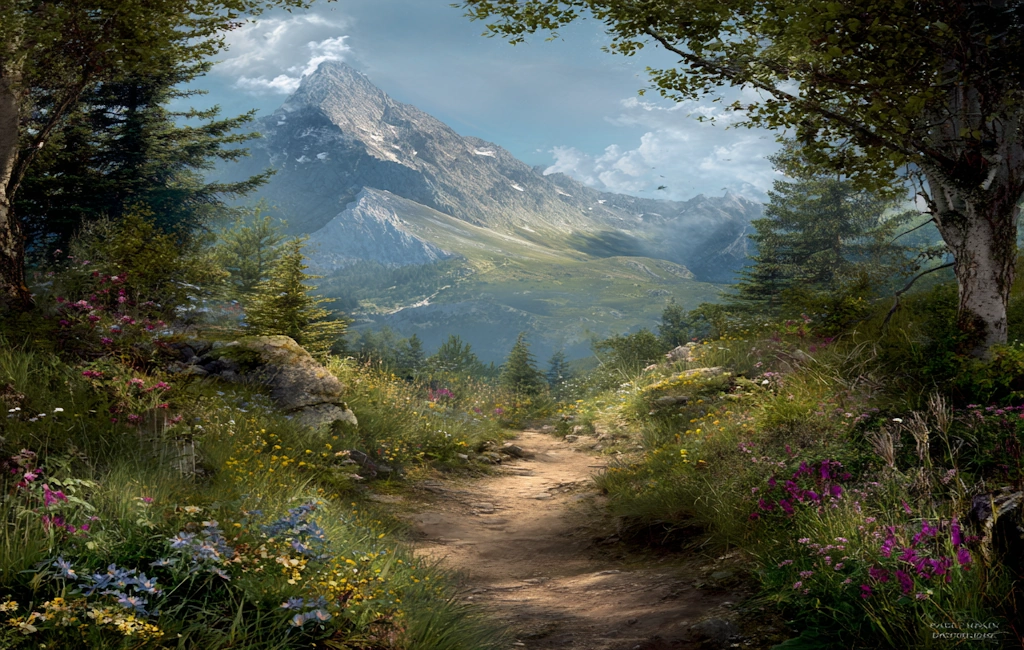
Mount Whitney Trail - The Roof of the Contiguous United States
The Mount Whitney Trail is the ultimate pilgrimage for mountain trekkers in North America. Rising to a staggering 4,421 metres above sea level, Mount Whitney stands as the highest point in the United States outside of Alaska. Located in the heart of the Sierra Nevada mountains of California, this 35.4-kilometre round-trip journey is a test of physical endurance, mental fortitude, and physiological adaptation. The trail begins at Whitney Portal, nestled in a lush canyon of Jeffrey pines and granite spires, and ascends through a dramatic vertical landscape of subalpine lakes, stark glacial cirques, and razor-sharp ridges before culminating at the iconic stone summit hut. This is not merely a hike; it is an ascent into the "High Sierra," a realm of thin air and ancient stone that has inspired naturalists and explorers for centuries.
- Distance: 35.4 km return (out-and-back)
- Duration: 1–3 days (most commonly 2 days)
- Season: July to September (snow-free window; permits required year-round)
- Elevation Gain: 1,950 m
- Highest Point: 4,421 m (Summit of Mount Whitney)
- Difficulty: Very Challenging (due to altitude and sustained ascent)
- Permit System: Strict lottery-based system (February–March application)
- Trailhead: Whitney Portal (2,550 m elevation)
Overview
The Mount Whitney Trail is a masterclass in mountain engineering and natural grandeur. While the peak itself is a formidable granite monolith, the trail is remarkably well-graded, designed originally to allow pack animals to reach the summit. However, do not let the quality of the path deceive you; the sheer volume of elevation gain combined with the effects of high altitude makes this one of the most physically demanding treks in the country. The journey begins at 2,550 metres, already higher than many mountain peaks in other regions, and climbs relentlessly for nearly two vertical kilometres. For many, the challenge is not the terrain—which is largely non-technical—but the physiological battle against Acute Mountain Sickness (AMS) as the oxygen levels drop significantly above the 3,000-metre mark.
The landscape transition is one of the trail's most rewarding features. The lower sections wind through a vibrant riparian corridor where Lone Pine Creek thunders over granite boulders, shaded by towering pines and incense cedars. As you ascend, the forest thins, giving way to the subalpine beauty of Lone Pine Lake and Mirror Lake, where the reflection of the "Needles"—the jagged granite spires flanking Whitney—creates a scene of profound serenity. Above the treeline, the environment becomes increasingly lunar. Trail Camp, the primary overnight site at 3,650 metres, sits in a massive glacial basin surrounded by sheer walls of grey granite. From here, the infamous "99 Switchbacks" lead trekkers up to Trail Crest, a narrow notch in the ridge that offers the first breathtaking view westward into Sequoia National Park and the vast wilderness of the Great Western Divide.
The final 3 kilometres along the ridge are perhaps the most spectacular in the Sierra Nevada. The trail skirts the western side of the pinnacles, offering "windows" through the granite where you can look straight down 1,000-metre drops back toward the Owens Valley. Reaching the summit provides a 360-degree panorama of the jagged Sierra crest, the arid depths of Death Valley to the east, and the endless waves of peaks to the north and south. It is a place of immense scale, where the silence is broken only by the wind and the occasional call of a Clark's nutcracker. Whether completed as a grueling single-day "ultra" hike or a more measured multi-day expedition, the Mount Whitney Trail remains the gold standard for high-altitude trekking in the lower 48 states.
History and Cultural Context
The human history of Mount Whitney is as layered as the granite it is composed of. Long before European explorers set eyes on the peak, the indigenous Numu (Northern Paiute) and Newe (Western Shoshone) peoples lived in the Owens Valley. To the Paiute, the mountain is known as Tumanguya, meaning "The Very Old Man." It holds deep spiritual significance, regarded as a place of power and ancestral connection. While there is no formal record of indigenous ascents to the very summit, the high passes of the Sierra were frequently used for trade and seasonal travel between the valley and the western slopes.
The mountain was "discovered" by Western surveyors in 1864 during the California Geological Survey. It was named after Josiah Whitney, the State Geologist of California and a primary benefactor of the survey. Interestingly, the first recorded ascent in 1873 was not achieved by the elite surveyors, but by three local men from Lone Pine: Charles Begole, Nicholas Johnson, and John Lucas. They were affectionately known as the "Fishermen," and their route—now known as the Mountaineer's Route—was a more direct, technical scramble than the modern hiking trail. This ascent sparked a minor controversy, as Clarence King, a famous geologist of the era, had previously climbed nearby Mount Langley believing it to be the highest peak, only to realise his mistake and rush back to climb Whitney shortly after the Fishermen had already claimed the prize.
The modern Mount Whitney Trail was constructed in the early 20th century, with significant improvements made by the Smithsonian Institution in 1909 to facilitate the building of the summit shelter. This small stone hut, which still stands today, was designed to house scientists conducting astronomical and meteorological observations in the thin, clear air of the summit. During the Great Depression, the Civilian Conservation Corps (CCC) performed extensive work on the trail, refining the switchbacks and ensuring the path could withstand the increasing number of visitors. Today, the trail is part of the John Muir Wilderness and serves as the southern terminus for the world-renowned John Muir Trail (JMT), linking the highest point in the contiguous US with the granite cathedrals of Yosemite Valley.
Want more background? Read extended notes on history and cultural context → Learn more
Seasonal Highlights and Weather Reality
The window for a "standard" hike on the Mount Whitney Trail is remarkably short, typically spanning from July through September. During these months, the trail is usually free of significant snow and ice, allowing trekkers to reach the summit without specialised mountaineering equipment. However, even in the height of summer, the High Sierra is a land of extremes. Snow can fall during any month of the year, and temperatures at the summit can hover near freezing even when the Owens Valley below is sweltering in 40°C heat.
Summer (July and August) is the most popular time, but it brings the risk of afternoon thunderstorms. These "monsoonal" patterns can see clouds build rapidly by midday, leading to violent lightning strikes, hail, and torrential rain. On the exposed ridges of Mount Whitney, lightning is a lethal threat; the general rule is to be off the summit and descending by noon if clouds are forming. September is often considered the "golden month," offering more stable weather, fewer mosquitoes, and the beginning of the autumn colours in the lower canyons, though the days are shorter and the nights significantly colder.
The "shoulder" seasons of June and October are highly unpredictable. In June, the "99 Switchbacks" are often buried under steep, dangerous snow slopes, requiring ice axes, crampons, and the skills to use them. October can bring the first major winter storms, which can trap unprepared hikers in sub-zero temperatures. From November through May, the Mount Whitney Trail is a serious winter mountaineering undertaking. The road to Whitney Portal is often closed by snow, adding several kilometres to the journey, and the trail itself disappears under metres of snow. During this time, the route is prone to avalanches, and only those with extensive winter alpine experience should attempt the ascent.
Recommended Itinerary
2-Day Mount Whitney Expedition
Day 1: Whitney Portal to Trail Camp
- Distance: 9.7 km
- Elevation gain: 1,100 m
- Time: 5–7 hours
- Start at Whitney Portal (2,550 m) following the well-marked trail up the canyon
- Pass through the "Carillon Creek" crossing and enter the John Muir Wilderness
- Reach Lone Pine Lake (2,950 m) – a popular spot for a rest and the last point where no permit is required for day hikers
- Continue climbing to Outpost Camp (3,150 m), a lush meadow area with a waterfall
- Ascend the rocky steps past Mirror Lake and enter the high alpine zone
- Arrive at Trail Camp (3,650 m), a stark, rocky basin situated next to Consultation Lake
- Set up camp, filter water, and focus on hydration and acclimatisation for the following day
Day 2: Trail Camp to Summit and Return to Portal
- Distance: 16 km (return from camp) plus 9.7 km descent to Portal
- Elevation: 770 m gain to summit, 1,870 m total descent
- Time: 10–14 hours
- Alpine start (typically 3:00 AM or 4:00 AM) to ensure a midday descent
- Ascend the "99 Switchbacks" – a relentless series of zigzags gaining 500 m of elevation
- Reach Trail Crest (4,150 m), the junction with the John Muir Trail and the first view west
- Traverse the final 3 km along the ridge, passing the "Windows" and the back of the Needles
- Final push to the Summit (4,421 m) and the Smithsonian Hut
- Spend time at the summit (weather permitting) before beginning the long descent
- Return to Trail Camp to pack up gear, then continue the final 9.7 km descent to Whitney Portal
- Celebrate with a "Whitney Burger" at the Portal Store
3-Day "Acclimatisation" Itinerary
Day 1: Whitney Portal to Outpost Camp
- Distance: 6.1 km
- Elevation gain: 600 m
- Time: 3–4 hours
- A shorter first day to allow the body to adjust to the 3,000 m+ environment
- Camp at Outpost Camp (3,150 m) in the trees, which offers better protection from wind than Trail Camp
Day 2: Outpost Camp to Trail Camp
- Distance: 3.6 km
- Elevation gain: 500 m
- Time: 2–3 hours
- Move camp to the higher Trail Camp (3,650 m)
- Use the afternoon for a "climb high, sleep low" acclimatisation walk partway up the switchbacks
Day 3: Trail Camp to Summit and Descent to Portal
- Distance: 25.7 km total for the day
- Elevation: 770 m gain, 1,870 m descent
- Time: 12–15 hours
- The same summit push as the 2-day itinerary, but with better-rested legs and better acclimatisation
Important Notes:
- Day hiking the entire 35.4 km in a single day is common but requires exceptional fitness and an extremely early start (midnight to 2:00 AM)
- Water is plentiful up to Trail Camp but non-existent between Trail Camp and the summit
- The "99 Switchbacks" often have a small cable section that can be icy in early summer
- Always carry a head torch, even on a day hike, as many hikers finish after dark
Planning and Bookings
Book Your Trip
Everything you need to plan your journey
Accommodation
Find places to stay near Lone Pine
Flights
Search flights to Lone Pine
Essential Preparation
Preparation for Mount Whitney begins months before you set foot on the trail. The primary hurdle is the permit lottery, but physical conditioning is equally vital. You should focus on cardiovascular endurance and leg strength, ideally training on hills or stairs with a weighted pack. If possible, spend 2–3 nights at altitude (above 2,500 metres) in the week preceding your hike to help your body produce more red blood cells. Lone Pine, the base town, sits at 1,130 metres; while it is a convenient place to stay, it is not high enough for significant acclimatisation.
Logistically, you must coordinate your permit dates with accommodation in Lone Pine or at the Whitney Portal Campground. The Portal Store is a legendary resource for hikers, offering last-minute gear, bear canister rentals, and the famous post-hike meals. Ensure your transport is sorted; while the road to the portal is paved, parking is notoriously difficult during the peak season, and you may need to be dropped off or arrive very early in the morning.
Trail Accommodation
Accommodation on the Mount Whitney Trail is limited to designated wilderness campsites for overnight permit holders. There are no huts or permanent shelters available for public sleeping (the summit hut is for emergency use only and is often filled with snow or lightning-prone).
Campsite Facilities:
- Outpost Camp (3,150 m): Located in a subalpine meadow. Offers some protection from wind due to surrounding trees and granite walls. Solar toilets are sometimes available, but hikers should be prepared to use WAG bags.
- Trail Camp (3,650 m): A high-altitude, rocky basin. Very exposed to wind and cold. This is the most popular overnight spot but offers no natural shelter. It is situated near Consultation Lake for water access.
- Whitney Portal Campground: Located at the trailhead. This is a front-country campground with fire rings, picnic tables, and bear boxes. It requires a separate booking via Recreation.gov and is highly recommended for the night before your hike.
What is NOT Provided:
- No bedding, mattresses, or shelters of any kind on the trail
- No treated water (all water must be filtered or boiled)
- No trash collection (all waste, including human waste, must be packed out)
- No food storage facilities at wilderness camps (bear canisters are mandatory)
Required Gear
- Bear Canister: Mandatory for all overnight hikers. Must be an approved hard-sided container to protect food from black bears and marmots.
- WAG Bag (Waste Alleviation and Gelling): Mandatory for all hikers (day and overnight). You must pack out all human waste from the mountain to protect the fragile high-alpine watershed.
- Footwear: Sturdy, broken-in hiking boots or trail runners with excellent traction. The terrain is very rocky and abrasive.
- Water Filter: A reliable filtration system (pump, squeeze, or UV) is essential.
- Clothing Layers: A moisture-wicking base layer, an insulating mid-layer (fleece or down), and a high-quality waterproof/windproof shell.
- Sun Protection: High-SPF sunscreen, lip balm with SPF, polarised sunglasses, and a wide-brimmed hat. The UV radiation at 4,000 metres is intense.
- Navigation: A detailed topographic map and compass, or a GPS device with offline maps. The trail is well-defined but can be obscured by snow or in darkness.
What to Bring
- High-Calorie Food: You will burn significantly more calories than usual. Bring nutrient-dense snacks like nuts, dried fruit, energy bars, and electrolyte powders.
- Water Storage: Capacity to carry at least 3–4 litres of water, especially for the dry stretch above Trail Camp.
- First Aid Kit: Include blister treatments (moleskin or Leukotape), ibuprofen (for altitude headaches), and any personal medications.
- Head Torch: With extra batteries. Essential for alpine starts and late finishes.
- Emergency Shelter: A lightweight bivy or space blanket, even for day hikers.
- Personal Items: Biodegradable wet wipes, hand sanitiser, and a small trowel (though WAG bags are the primary waste method).
Permits
The permit system for Mount Whitney is one of the most strictly regulated in the United States. To protect the wilderness character and fragile ecosystem of the mountain, the US Forest Service limits the number of hikers to 100 day-hikers and 60 overnight hikers per day during the "quota season" (May 1 to November 1).
The Lottery Process:
- Applications are submitted via Recreation.gov between February 1 and March 15 each year.
- Results are typically announced in late March.
- You must choose between a "Day Use" permit (valid for one calendar day, midnight to midnight) or an "Overnight" permit (valid for a specific number of nights).
- The application fee is non-refundable (approximately US$6), and if successful, a per-person fee (approximately US$15) is required to claim the permit.
Unclaimed and Cancelled Permits: If you are unsuccessful in the lottery, do not lose hope. Any permits not claimed by the April deadline are released back into the system on a specific date (usually in late April) for "first-come, first-served" online booking. Additionally, cancellations occur throughout the season. Checking the Recreation.gov website frequently—sometimes multiple times a day—can often result in securing a last-minute permit due to someone else's change of plans.
Permit Pickup: Permits must be "checked in" online or at the Eastern Sierra Visitor Centre in Lone Pine before your hike. Failure to do so will result in your permit being cancelled and released to walk-in hikers. You must carry your signed permit on your person at all times while on the trail; rangers frequently patrol the route and will issue heavy fines for hiking without a valid permit.
Other Activities in the Area
The Owens Valley and the Eastern Sierra offer a wealth of activities for those looking to extend their stay or for companions not attempting the summit:
- Alabama Hills: Located just outside Lone Pine, these rounded rock formations and natural arches have been the backdrop for hundreds of Hollywood Westerns. It is a fantastic place for photography, bouldering, and easy walks.
- Manzanar National Historic Site: A sobering and educational visit to the site of one of ten camps where Japanese American citizens were incarcerated during World War II. It is located about 15 minutes north of Lone Pine.
- Ancient Bristlecone Pine Forest: Drive into the White Mountains to the east to see the oldest living trees on Earth, some of which are over 4,000 years old.
- Mount Langley: For those who want a 4,000-metre peak experience with fewer crowds and a less competitive permit system, Mount Langley is a nearby "14er" accessible from Horseshoe Meadow.
- Lone Pine Film Museum: Explore the rich cinematic history of the region, featuring memorabilia from films like Gunga Din, Tremors, and Gladiator.
- Fishing: The Owens River and the various high-alpine lakes (outside the Whitney permit zone) offer world-class trout fishing.
Safety and Conditions
Altitude Sickness (AMS): This is the single greatest threat on Mount Whitney. AMS can affect anyone, regardless of fitness level. Symptoms include severe headache, nausea, dizziness, and fatigue. The only cure is descent. If symptoms progress to confusion or shortness of breath at rest (signs of HAPE or HACE), it is a life-threatening emergency. Hydrate aggressively, eat small frequent meals, and monitor your companions closely.
Weather Hazards: As mentioned, lightning is a significant danger. If you hear thunder or see "towering cumulus" clouds, you should not be on the summit or the exposed ridge. Additionally, the "99 Switchbacks" can hold ice late into the summer; a slip on an icy patch can be fatal. Always check the specific "Mount Whitney Higher Elevations" forecast on the National Weather Service website before starting.
Dehydration and Nutrition: The dry mountain air and physical exertion will dehydrate you rapidly. You may not feel thirsty due to the altitude, but you must drink consistently. Hyponatremia (low blood salt) is also a risk if you drink large amounts of water without replacing electrolytes; ensure you are consuming salty snacks or using electrolyte tabs.
Wildlife: While black bears are present, the more common "nuisance" animals are marmots and plague-carrying ground squirrels. Marmots are notorious for chewing through backpacks and tents to reach food. Never leave your pack unattended at Trail Camp or the summit. Use your bear canister for all scented items, including toiletries.
Emergency Services: Cell phone service is extremely spotty and should not be relied upon. Carrying a Satellite Messenger (like a Garmin inReach or Zoleo) is highly recommended. Search and Rescue (SAR) operations on Whitney are frequent but can be delayed by weather or nightfall. You are responsible for your own safety.
Side Trips and Points of Interest
Lone Pine Lake: Located 4.5 km from the trailhead, this beautiful lake is the boundary of the permit zone. It is an excellent destination for those who want a taste of the Whitney Trail without the full commitment of a summit bid. The granite cliffs reflecting in the still water at sunrise are spectacular.
Consultation Lake: Situated just below Trail Camp, this large alpine lake is often overlooked by hikers focused on the summit. It offers a more tranquil setting than the main camp and is the primary water source for the high-altitude section of the trek.
The "Windows": Along the final ridge traverse, there are several narrow gaps in the granite crest. These "windows" provide dizzying views straight down the sheer eastern face of the mountain, looking thousands of metres down toward the Owens Valley. They are iconic photo spots but require caution in high winds.
Mount Muir: For experienced scramblers, Mount Muir (4,273 m) is a small peak located just off the main trail along the ridge. It requires a short but exposed Class 3 scramble to reach the summit. It is named after John Muir and is one of the official California 14ers.
The Smithsonian Institution Shelter: While not a "side trip," the hut at the summit is a historic landmark. Built in 1909, it serves as a testament to early scientific endeavour. Note that it is not a bunkhouse; it is a cramped, dark stone room intended for emergency shelter only.
Leave No Trace
The Mount Whitney Trail is one of the most heavily used wilderness paths in the world. Without strict adherence to Leave No Trace (LNT) principles, the area would quickly become degraded. The high-alpine environment is extremely slow to recover; a footstep on fragile alpine tundra can destroy plants that took decades to grow.
The WAG Bag Requirement: Because the ground is mostly solid granite and the cold temperatures prevent the breakdown of organic matter, human waste does not decompose on Mount Whitney. It is mandatory to use a WAG bag for all solid human waste. These bags contain a gelling agent and are sealable and puncture-resistant. You must carry your used bags out with you and dispose of them in the specially marked bins at the trailhead. Leaving waste on the mountain is a serious environmental hazard and a violation of federal law.
Other LNT Responsibilities:
- Pack it in, Pack it out: This includes all micro-trash, such as orange peels, nut shells, and cigarette butts.
- Respect Wildlife: Never feed marmots or birds. Store all food in bear canisters.
- Stay on the Trail: Do not cut switchbacks. Cutting switchbacks causes massive erosion and destroys the trail's structural integrity.
- Camp on Durable Surfaces: At Trail Camp and Outpost Camp, use established tent sites rather than clearing new ground.
- Water Protection: Do not use soap (even biodegradable) in lakes or streams. Carry water 60 metres away from the source for washing.
 USA
USA