
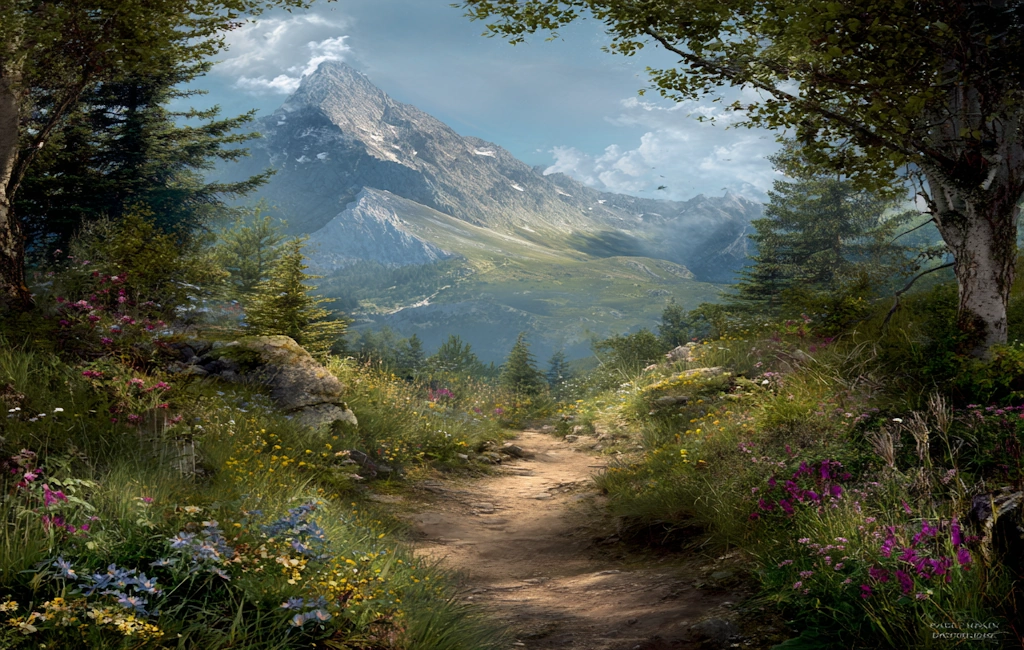
Mount Tsurumi Trail - Beppu's Majestic Peak
The Mount Tsurumi Trail offers a rewarding day hike with panoramic views over Beppu Bay and the surrounding Oita Prefecture. This relatively short but steep ascent is known for its accessibility from the city and its stunning vistas, particularly during spring and autumn when the weather is mild and the foliage is vibrant. While the distance is modest, the significant elevation gain makes it a good workout, suitable for those with a moderate level of fitness. The trail culminates at the summit of Mount Tsurumi, a prominent landmark that provides a dramatic contrast to the urban landscape below. It's a popular choice for both locals and visitors seeking a natural escape and breathtaking scenery without venturing too far from Beppu's famous hot springs.
- Distance: 4.5 km one-way
- Elevation gain: 800 m
- Duration: 3-4 hours (round trip)
- Season: Spring (March-May) and Autumn (September-November)
- Difficulty: Moderate
- Closest City: Beppu
- Trailhead Access: Tsurumi Ropeway Sanjo Station
- Permits: Not required
Overview
Mount Tsurumi, standing at 1,375 metres, is a sentinel overlooking the bustling city of Beppu and the tranquil waters of Beppu Bay. The trail to its summit is a testament to the dramatic geological features of the region, offering a steep but manageable climb through diverse vegetation. The journey begins near the upper station of the Tsurumi Ropeway, providing immediate access to the wilderness. As you ascend, the urban sprawl of Beppu gradually recedes, replaced by the serene beauty of the mountainside. The path is well-maintained for the most part, though its steep gradient demands consistent effort. Along the way, you'll encounter pockets of dense forest, interspersed with open areas that offer glimpses of the expanding panorama. The summit itself is a relatively broad plateau, providing ample space to soak in the 360-degree views. On a clear day, the vista stretches across the bay to the islands of Shikoku and Honshu, a truly spectacular reward for your efforts. The descent offers a different perspective, allowing you to appreciate the scale of the landscape you've just conquered.
The trail's popularity stems from its excellent accessibility and the significant payoff in terms of views. Unlike many mountain hikes that require extensive travel to reach a trailhead, Mount Tsurumi is easily reachable via public transport and the convenient Tsurumi Ropeway. This makes it an ideal option for a half-day excursion, allowing visitors to combine their hike with other attractions in Beppu, such as its renowned onsen (hot springs) or the Hells of Beppu. The moderate difficulty level means it's accessible to a wide range of hikers, provided they are prepared for the sustained climb. The changing seasons offer distinct experiences: spring brings a flush of new green and blooming wildflowers, while autumn paints the mountainside in hues of red, orange, and gold. Both seasons offer pleasant temperatures for hiking, avoiding the heat and humidity of summer and the potential snow and ice of winter.
History and Cultural Context
Mount Tsurumi has long been a significant natural landmark for the people of Beppu and the surrounding Oita Prefecture. Its volcanic origins are part of the larger geological narrative of the Kyushu region, an area shaped by intense volcanic activity over millennia. While not as historically prominent as some of Japan's more famous sacred mountains, Mount Tsurumi has served as a natural boundary, a source of local pride, and a place for recreation and contemplation for generations.
The development of the Tsurumi Ropeway in the mid-20th century significantly enhanced the mountain's accessibility, transforming it from a challenging trek for dedicated hikers into a destination for a broader audience. The ropeway, one of the longest in Western Japan, was constructed to allow easier access to the summit, making the panoramic views available to a wider range of visitors, including families and those with limited mobility. This infrastructure project democratised the experience of reaching the mountain's peak, allowing more people to appreciate its natural beauty and the expansive views it offers.
Historically, mountains in Japan have often held spiritual significance, serving as homes for kami (deities) or as sites for ascetic practices. While Mount Tsurumi may not have the same deep-rooted religious history as Mount Fuji or Mount Koya, its presence has undoubtedly influenced local folklore and the daily lives of those living in its shadow. The mountain's volcanic nature also connects it to the broader geothermal activity that defines Beppu, a city built upon the bounty of its hot springs. The trail itself, while not an ancient pilgrimage route, represents a modern engagement with the natural landscape, a continuation of the human desire to explore and connect with the elevated terrain that defines our world.
Seasonal Highlights and Weather Reality
The Mount Tsurumi Trail is best enjoyed during the spring and autumn months. These seasons offer the most favourable weather conditions for hiking, with mild temperatures and lower humidity, making the sustained climb more comfortable.
Spring (March-May): This is a particularly beautiful time to hike Mount Tsurumi. The mountain awakens from winter with a vibrant display of new greenery. Wildflowers begin to bloom along the trails, adding splashes of colour to the landscape. The air is fresh, and the temperatures are generally pleasant, ranging from 10°C to 20°C. The views over Beppu Bay are often clear, offering excellent visibility. However, spring can also bring unpredictable weather, including occasional rain showers, so it's wise to be prepared.
Summer (June-August): Summer on Mount Tsurumi can be hot and humid, with temperatures often exceeding 30°C. The high humidity can make the steep ascent feel more strenuous. While the vegetation is lush and green, the heat can be a significant deterrent for hikers. Afternoon thunderstorms are also common, so starting early in the morning is highly recommended if hiking during this period. Visibility can also be reduced by haze.
Autumn (September-November): Autumn is arguably the most spectacular season for hiking Mount Tsurumi. The weather is typically stable, with cool, crisp air and clear skies. The highlight of autumn is the vibrant foliage. The deciduous trees transform into a breathtaking tapestry of reds, oranges, and yellows, creating a stunning contrast with the evergreen conifers. Temperatures are comfortable, usually ranging from 15°C to 25°C. The panoramic views from the summit are often at their best during this season due to the clear air.
Winter (December-February): Winter can bring colder temperatures, with daytime highs often around 5°C to 10°C. While snow is not extremely common at the lower elevations of the trail, the summit can experience frost and occasional light snow. The trail may become icy in shaded areas, requiring caution. The views can be exceptionally clear on cold, crisp days, but the overall experience is less vibrant than in spring or autumn due to the lack of foliage and flowers. The Tsurumi Ropeway may operate with reduced services or close during severe weather.
Recommended Itinerary
Mount Tsurumi Day Hike Itinerary
Early Morning (Approx. 8:00 AM): Travel to Trailhead
- Depart from your accommodation in Beppu.
- Take a local bus or taxi to the base station of the Tsurumi Ropeway.
- Alternatively, drive and utilise the parking facilities at the ropeway base.
Morning (Approx. 9:00 AM): Ascend via Ropeway
- Board the Tsurumi Ropeway.
- Enjoy the scenic 10-minute ride up to Tsurumi Sanjo Station (trailhead).
- The ropeway offers initial views of the surrounding landscape and the path ahead.
Mid-Morning (Approx. 9:30 AM): Begin Hike to Summit
- From Tsurumi Sanjo Station, locate the clearly marked trailhead for Mount Tsurumi.
- Begin the ascent. The trail is steep and well-defined, with some sections featuring stone steps or paved paths.
- Pace yourself, taking short breaks as needed to admire the changing scenery and catch your breath.
- Approximate distance to summit: 2.25 km.
- Approximate elevation gain: 800 m.
- Estimated hiking time: 1.5–2 hours.
Late Morning (Approx. 11:30 AM): Summit Arrival and Exploration
- Reach the summit of Mount Tsurumi (1,375 m).
- Spend time enjoying the panoramic 360-degree views of Beppu Bay, the city of Beppu, and the surrounding mountains.
- Identify key landmarks from the viewing platforms.
- Take photographs and relax.
- There are often small amenities or viewing decks at the summit.
Midday (Approx. 12:30 PM): Begin Descent
- Start your descent back towards Tsurumi Sanjo Station.
- The descent will likely be quicker than the ascent, but requires careful footing due to the steep gradient.
- Estimated hiking time: 1–1.5 hours.
Afternoon (Approx. 1:30 PM): Return via Ropeway and Explore Beppu
- Arrive back at Tsurumi Sanjo Station.
- Board the Tsurumi Ropeway for the descent back to the base station.
- From here, you can return to your accommodation or explore other attractions in Beppu, such as the hot springs or local cuisine.
Important Notes:
- Wear sturdy, comfortable walking shoes or hiking boots.
- Carry sufficient water, especially during warmer months.
- Sun protection (hat, sunscreen) is recommended, as exposed sections offer little shade.
- Check the weather forecast before you go; conditions can change rapidly.
- The Tsurumi Ropeway operates daily, but hours may vary seasonally. Check their schedule in advance.
Planning and Bookings
Book Your Trip
Everything you need to plan your journey
Accommodation
Find places to stay near Beppu
Flights
Search flights to Beppu
Essential Preparation
Mount Tsurumi is a day hike, meaning no overnight accommodation is required. The primary logistical consideration is reaching the trailhead, which is conveniently located at the upper station of the Tsurumi Ropeway. Beppu city serves as the main base for accessing the mountain. Beppu offers a wide range of accommodation options, from budget-friendly hostels and guesthouses to mid-range hotels and traditional ryokans. It also has excellent public transport links, including a major train station and bus network, making it easy to reach from other parts of Japan. For those arriving by air, Oita Airport (OIT) is the closest major airport, with regular bus services connecting it to Beppu Station. It is advisable to check the operating hours and any potential closures of the Tsurumi Ropeway in advance, especially if travelling during off-peak seasons or public holidays.
Trail Accommodation
This is a day hike requiring no overnight accommodation.
Required Gear
- Footwear: Sturdy, closed-toe walking shoes or hiking boots with good grip are essential. The trail is steep and can be uneven in places.
- Clothing: Wear comfortable, breathable clothing suitable for the season. Layers are recommended, as temperatures can vary between the base and the summit, and with changing weather.
- Outerwear: A lightweight, waterproof and windproof jacket is advisable, even in milder weather, as mountain conditions can be unpredictable.
- Navigation: While the trail is generally well-marked, a basic map or a reliable navigation app on your phone is useful. Ensure your phone is fully charged.
- Safety Gear: A basic first-aid kit including plasters, antiseptic wipes, and pain relievers is recommended. A whistle can be useful in emergencies.
What to Bring
- Water: Carry at least 1-1.5 litres of water per person, especially during warmer months. There are no water sources or facilities on the trail itself.
- Food: Pack snacks such as energy bars, fruit, or nuts to keep your energy levels up during the hike. A packed lunch is optional if you plan to spend a significant amount of time at the summit.
- Sun Protection: A wide-brimmed hat, sunglasses, and high-SPF sunscreen are crucial, as there is limited shade on much of the trail, particularly near the summit.
- Insect Repellent: Depending on the season, insect repellent may be useful, particularly for mosquitoes or other biting insects.
- Camera: To capture the stunning panoramic views from the summit.
- Small Backpack: To carry your water, snacks, and other essentials comfortably.
- Cash: For the ropeway fare and any small purchases in Beppu.
Permits
No permits are required to hike the Mount Tsurumi Trail. Access to the trail is free of charge. The primary cost associated with reaching the trailhead is the fare for the Tsurumi Ropeway, which is operated by a private company. Visitors should check the official website of the Tsurumi Ropeway for current ticket prices, operating hours, and any seasonal adjustments or temporary closures. The ropeway is the most common and convenient way to access the starting point of the hike, though it is possible to hike from the base of the mountain, which would significantly increase the duration and difficulty of the trek.
Other Activities in the Area
Beppu offers a wealth of attractions and activities that can complement your Mount Tsurumi hike:
- Beppu Onsen (Hot Springs): Beppu is world-famous for its numerous hot springs, known as "Jigoku" or "Hells." You can experience a variety of onsen baths, from public bathhouses to private rooms in hotels and ryokans. The "Hells of Beppu" are a series of spectacular, colourful hot springs that are viewed rather than bathed in, offering a unique visual spectacle.
- Beppu Ropeway: Even if you don't hike the mountain, the ropeway itself offers stunning views and is a popular attraction. The journey up provides a different perspective of the landscape.
- Kamegawa Onsen: A quieter onsen district within Beppu, offering a more traditional and relaxed atmosphere.
- Beppu Art Museum: Showcasing local and regional art, providing a cultural interlude.
- Mount Gōra Park: Located near Beppu, this park offers beautiful gardens and walking paths, with views of the surrounding mountains and bay.
- Local Cuisine: Beppu is known for its fresh seafood, particularly from the nearby bay. Enjoy local specialities like "hebos" (a type of sea bream) and "jidori" (local free-range chicken).
- Beppu Beach: Relax by the sea or try some of the water sports available during the warmer months.
Safety and Conditions
Trail Conditions: The Mount Tsurumi Trail is generally well-maintained and clearly marked, especially the section starting from the Tsurumi Ropeway Sanjo Station. However, as it is a mountain trail, conditions can vary. Be prepared for uneven terrain, loose gravel, and potentially slippery surfaces, particularly after rain. The steep gradient requires careful footing throughout the ascent and descent.
Weather: Mountain weather can change rapidly. Always check the local weather forecast for Beppu and the mountain summit before you set out. Be prepared for sudden shifts in temperature, wind, and precipitation. Hypothermia is a risk even in milder seasons if you get wet and cold, especially at higher elevations.
Fitness Level: The trail involves a significant elevation gain of 800 metres over a relatively short distance. While classified as moderate, it requires a reasonable level of cardiovascular fitness and leg strength. If you are not accustomed to steep climbs, take your time, use trekking poles if you have them, and take frequent breaks.
Hydration and Nutrition: Carry ample water, as there are no water sources or facilities on the trail. Dehydration can lead to fatigue and affect judgment. Pack energy-rich snacks to maintain your stamina.
Sun Protection: The summit area and exposed sections of the trail offer little shade. Protect yourself from the sun with a hat, sunglasses, and sunscreen, even on cloudy days.
Emergency Contacts: In case of an emergency, your mobile phone may have signal near the summit or at the ropeway stations. Know the local emergency number (110 for police, 119 for fire and ambulance in Japan). It is also advisable to inform someone of your hiking plans, including your intended route and estimated return time.
Ropeway Safety: If using the Tsurumi Ropeway, follow all safety instructions provided by the operators. Be aware of the operating hours and any potential disruptions due to weather or maintenance.
Side Trips and Points of Interest
While the Mount Tsurumi Trail is primarily a direct ascent to the summit, the surrounding area and the journey itself offer several points of interest:
Tsurumi Sanjo Station Views: Even before you begin your hike, the upper station of the Tsurumi Ropeway offers impressive initial views over Beppu Bay and the surrounding landscape. This is a good spot to orient yourself and appreciate the scale of the journey ahead.
Summit Panorama: The primary point of interest is the summit itself. The 1,375-metre peak provides a breathtaking 360-degree panoramic view. On clear days, you can see:
- Beppu Bay: Stretching out to the horizon, dotted with islands.
- Beppu City: The urban landscape below, with its distinctive steam plumes from the hot springs.
- Mount Yufu: A distinctive twin-peaked mountain visible to the west.
- Shikoku and Honshu Islands: On exceptionally clear days, the distant islands of Shikoku and Honshu can be seen across the Seto Inland Sea.
There are often viewing platforms and signage at the summit to help you identify landmarks.
Vegetation Changes: As you ascend, you will notice changes in the vegetation. The lower slopes are often covered in deciduous trees that provide shade, while the higher reaches may feature more hardy, alpine-style flora. The seasonal changes in foliage, particularly the autumn colours, are a significant point of interest.
Ropeway Journey: The Tsurumi Ropeway itself is an experience. The 10-minute ride offers a unique perspective of the mountain and the landscape, showcasing the dramatic elevation gain you will undertake on foot.
Leave No Trace
The Mount Tsurumi Trail, while a popular day hike, traverses a natural environment that deserves respect. Adhering to Leave No Trace principles ensures that this beautiful area remains pristine for future visitors and for the health of the local ecosystem.
Plan Ahead and Prepare: Familiarise yourself with the trail, weather conditions, and any specific regulations before you go. Pack appropriately for the conditions and carry sufficient supplies.
Travel and Camp on Durable Surfaces: Stick to the marked trail. Avoid cutting switchbacks or walking on fragile vegetation, as this can lead to erosion and damage plant life. The trail itself is the designated durable surface.
Dispose of Waste Properly: Pack out everything you pack in. This includes all food wrappers, fruit peels, and any other litter. There are no waste bins on the trail or at the summit. Use the facilities at the ropeway stations or in Beppu city for disposal.
Leave What You Find: Do not take any natural objects, such as rocks, plants, or flowers, from the mountain. Leave them for others to enjoy and for the ecosystem to thrive.
Minimise Campfire Impacts: Campfires are not permitted on this trail or at the summit, as it is a day-use area and the environment is not suited for them. Use a portable stove if you plan to cook, though packing no-cook snacks is recommended for a day hike.
Respect Wildlife: Observe wildlife from a distance and never feed them. Feeding wild animals can disrupt their natural behaviours and diets, and can make them dependent on human food.
Be Considerate of Other Visitors: Keep noise levels down, especially at the summit, to allow everyone to enjoy the peace and quiet of the natural environment. Yield to uphill hikers when possible.
Useful Links
- Tsurumi Ropeway Official Website
- <a href="https://www.visit-oita.jp/en/spot/detail/1000000000000000000000000000000000000000000000000000000000000000000000000000000000000000000000000000000000000000000000000000000000000000000000000000000000000000000000000000000000000000000000000000000000000000000000000000000000000000000000000000000000000000000000000000000000000000000000000000000000000000000000000000000000000000000000000000000000000000000000000000000000000000000000000000000000000000000000000000000000000000000000000000000000000000000000000000000000000000000000000000000000000000000000000000000000000000000000000000000000000000000000000000000000000000000000000000000000000000000000000000000000000000000000000000000000000000000000000000000000000000000000000000000000000000000000000000000000000000000000000000000000000000000000000000000000000000000000000000000000000000000000000000000000000000000000000000000000000000000000000000000000000000000000000000000000000000000000000000000000000000000000000000000000000000000000000000000000000000000000000000000000000000000000000000000000000000000000000000000000000000000000000000000000000000000000000000000000000000000000000000000000000000000000000000000000000000000000000000000000000000000000000000000000000000000000000000000000000000000000000000000000000000000000000000000000000000000000000000000000000000000000000000000000000000000000000000000000000000000000000000000000000000000000000000000000000000000000000000000000000000000000000000000000000000000000000000000000000000000000000000000000000000000000000000000000000000000000000000000000000000000000000000000000000000000000000000000000000000000000000000000000000000000000000000000000000000000000000000000000000000000000000000000000000000000000000000000000000000000000000000000000000000000000000000000000000000000000000000000000000000000000000000000000000000000000000000000000000000000000000000000000000000000000000000000000000000000000000000000000000000000000000000000000000000000000000000000000000000000000000000000000000000000000000000000000000000000000000000000000000000000000000000000000000000000000000000000000000000000000000000000000000000000000000000000000000000000000000000000000000000000000000000000000000000000000000000000000000000000000000000000000000000000000000000000000000000000000000000000000000000000000000000000000000000000000000000000000000000000000000000000000000000000000000000000000000000000000000000000000000000000000000000000000000000000000000000000000000000000000000000000000000000000000000000000000000000000000000000000000000000000000000000000000000000000000000000000000000000000000000000000000000000000000000000000000000000000000000000000000000000000000000000000000000000000000000000000000000000000000000000000000000000000000000000000000000000000000000000000000000000000000000000000000000000000000000000000000000000000000000000000000000000000000000000000000000000000000000000000000000000000000000000000000000000000000000000000000000000000000000000000000000000000000000000000000000000000000000000000000000000000000000000000000000000000000000000000000000000000000000000000000000000000000000000000000000000000000000000000000000000000000000000000000000000000000000000000000000000000000000000000000000000000000000000000000000000000000000000000000000000000000000000000000000000000000000000000000000000000000000000000000000000000000000000000000000000000000000000000000000000000000000000000000000000000000000000000000000000000000000000000000000000000000000000000000000000000000000000000000000000000000000000000000000000000000000000000000000000000000000000000000000000000000000000000000000000000000000000000000000000000000000000000000000000000000000000000000000000000000000000000000000000000000000000000000000000000000000000000000000000000000000000000000000000000000000000000000000000000000000000000000000000000000000000000000000000000000000000000000000000000000000000000000000000000000000000000000000000000000000000000000000000000000000000000000000000000000000000000000000000000000000000000000000000000000000000000000000000000000000000000000000000000000000000000000000000000000000000000000000000000000000000000000000000000000000000000000000000000000000000000000000000000000000000000000000000000000000000000000000000000000000000000000000000000000000000000000000000000000000000000000000000000000000000000000000000000000000000000000000000000000000000000000000000000000000000000000000000000000000000000000000000000000000000000000000000000000000000000000000000000000000000000000000000000000000000000000000000000000000000000000000000000000000000000000000000000000000000000000000000000000000000000000000000000000000000000000000000000000000000000000000000000000000000000000000000000000000000000000000000000000000000000000000000000000000000000000000000000000000000000000000000000000000000000000000000000000000000000000000000000000000000000000000000000000000000000000000000000000000000000000000000000000000000000000000000000000000000000000000000000000000000000000000000000000000000000000000000000000000000000000000000000000000000000000000000000000000000000000000000000000000000000000000000000000000000000000000000000000000000000000000000000000000000000000000000000000000000000000000000000000000000000000000000000000000000000000000000000000000000000000000000000000000000000000000000000000000000000000000000000000000000000000000000000000000000000000000000000000000000000000000000000000000000000000000000000000000000000000000000000000000000000000000000000000000000000000000000000000000000000000000000000000000000000000000000000000000000000000000000000000000000000000000000000000000000000000000000000000000000000000000000000000000000000000000000000000000000000000000000000000000000000000000000000000000000000000000000000000000000000000000000000000000000000000000000000000000000000000000000000000000000000000000000000000000000000000000000000000000000000000000000000000000000000000000000000000000000000000000000000000000000000000000000000000000000000000000000000000000000000000000000000000000000000000000000000000000000000000000000000000000000000000000000000000000000000000000000000000000000000000000000000000000000000000000000000000000000000000000000000000000000000000000000000000000000000000000000000000000000000000000000000000000000000000000000000000000000000000000000000000000000000000000000000000000000000000000000000000000000000000000000000000000000000000000000000000000000000000000000000000000000000000000000000001000000000000000000000000000000000000000000000000000000000000000000000000000000000000000000000000000000000000000000000000000000000000000000000000000000000000000000000000000000000000000000000000000000000000000000000000000000000000000000000000000000000000000000000000000000000000000000000000000000000000000000000000000000000000000000000000000000000000000000000000000000000000000000000000000000000000000000000000000000000000000000000000000000000000000000000000000000000000000000000000000000000000000000000000000000000000000000000000000000000000000000000000000000000000000000000000000000000000000000000000000000000000000000000000000000000000000000000000000000000000000000000000000000000000000000000000000000000000000000000000000000000000000000000000000000000000000000000000000000000000000000000000000000000000000000000000000000000000000000000000000000000000000000000000000000000000000000000000000000000000000000000000000000000000000000000000000000000000000000000000000000000000000000000000000000000000000000000000000000000000000000000000000000000000000000000000000000000000000000000000000000000000000000000000000000000000000000000000000000000000000000000000000000000000000000000000000000000000000000000000000000000000000000000000000000000000000000000000000000000000000000000000000000000000000000000000000000000000000000000000000000000000000000000000000000000000000000000000000000000000000000000000000000000000000000000000000000000000000000000000000000000000000000000000000000000000000000000000000000000000000000000000000000000000000000000000000000000000000000000000000000000000000000000000000000000000000000000000000000000000000000000000000000000000000000000000000000000000000000000000000000000000000000000000000000000000000000000000000000000000000000000000000000000000000000000000000000000000000000000000000000000000000000000000000000000000000000000000000000000000000000000000000000000000000000000000000000000000000000000000000000000000000000000000000000000000000000000000000000000000000000000000000000000000000000000000000000000000000000000000000000000000000000000000000000000000000000000000000000000000000000000000000000000000000000000000000000000000000000000000000000000000000000000000000000000000000000000000000000000000000000000000000000000000000000000000000000000000000000000000000000000000000000000000000000000000000000000000000000000000000000000000000000000000000000000000000000000000000000000000000000000000000000000000000000000000000000000000000000000000000000000000000000000000000000000000000000000000000000000000000000000000000000000000000000000000000000000000000000000000000000000000000000000000000000000000000000000000000000000000000000000000000000000000000000000000000000000000000000000000000000000000000000000000000000000000000000000000000000000000000000000000000000000000000000000000000000000000000000000000000000000000000000000000000000000000000000000000000000000000000000000000000000000000000000000000000000000000000000000000000000000000000000000000000000000000000000000000000000000000000000000000000000000000000000000000000000000000000000000000000000000000000000000000000000000000000000000000000000000000000000000000000000000000000000000000000000000000000000000000000000000000000000000000000000000000000000000000000000000000000000000000000000000000000000000000000000000000000000000000000000000000000000000000000000000000000000000000000000000000000000000000000000000000000000000000000000000000000000000000000000000000000000000000000000000000000000000000000000000000000000000000000000000000000000000000000000000000000000000000000000000000000000000000000000000000000000000000000000000000000000000000000000000000000000000000000000000000000000000000000000000000000000000000000000000000000000000000000000000000000000000000000000000000000000000000000000000000000000000000000000000000000000000000000000000000000000000000000000000000000000000000000000000000000000000000000000000000000000000000000000000000000000000000000000000000000000000000000000000000000000000000000000000000000000000000000000000000000000000000000000000000000000000000000000000000000000000000000000000000000000000000000000000000000000000000000000000000000000000000000000000000000000000000000000000000000000000000000000000000000000000000000000000000000000000000000000000000000000000000000000000000000000000000000000000000000000000000000000000000000000000000000000000000000000000000000000000000000000000000000000000000000000000000000000000000000000000000000000000000000000000000000000000000000000000000000000000000000000000000000000000000000000000000000000000000000000000000000000000000000000000000000000000000000000000000000000000000000000000000000000000000000000000000000000000000000000000000000000000000000000000000000000000000000000000000000000000000000000000000000000000000000000000000