
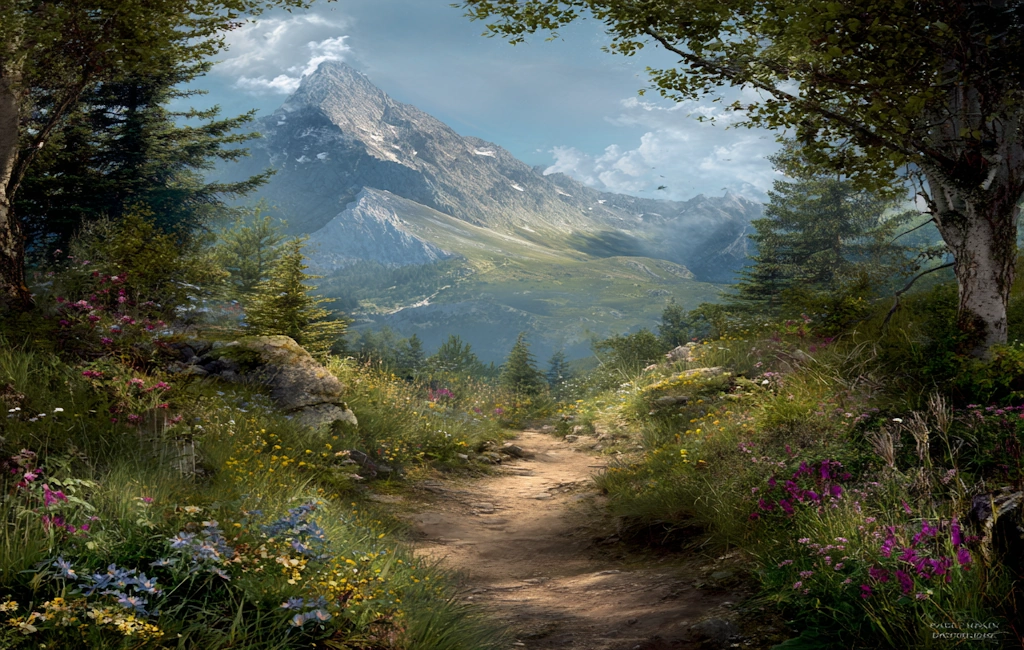
Mount Tsurugi Trail - The Roof of Shikoku
Mount Tsurugi, standing at 1,955 metres, is the highest peak on the island of Shikoku, Japan, and a renowned destination for hikers seeking challenging ascents and breathtaking alpine scenery. This demanding day walk offers a significant elevation gain over a relatively short distance, rewarding determined trekkers with panoramic views that stretch across the island and, on exceptionally clear days, to the distant mainland of Honshu. The trail winds through diverse ecosystems, from dense forests to open alpine meadows, showcasing the rugged beauty of the Tsurugi-san National Park. Its accessibility from the nearby city of Mima makes it a popular, albeit strenuous, objective for both local and international hikers during the warmer months.
- Distance: 5.5 km (one-way to summit)
- Elevation Gain: 1,400 m
- Duration: 6–8 hours (return)
- Difficulty: Challenging
- Best Time: July to September
- Closest City: Mima, Tokushima Prefecture
- Trailhead Access: Via Mima City, then a narrow, winding mountain road to the trailhead parking area. Limited public transport; private vehicle or taxi recommended.
- Permits: Not required for general hiking.
Overview
The Mount Tsurugi Trail is a testament to the dramatic topography of Shikoku's interior. Unlike many longer, multi-day treks, this route is a concentrated burst of vertical ascent, packing a formidable 1,400 metres of elevation gain into just 5.5 kilometres. This translates to an average gradient of nearly 25%, a figure that immediately signals the strenuous nature of the hike. The journey begins in the lower forested slopes, where the air is thick with the scent of pine and damp earth. As the trail ascends, the vegetation gradually changes, transitioning from dense woodland to more open scrub and eventually to the alpine meadows that characterise the summit region.
The ascent is relentless. Hikers will encounter steep, rocky sections, numerous switchbacks designed to mitigate the gradient, and sections where the path is little more than a scramble over boulders. The physical exertion is significant, demanding a high level of fitness and mental fortitude. However, the rewards are equally substantial. At various points along the climb, and most spectacularly from the summit, the views open up to reveal a breathtaking panorama. The rolling green mountains of Shikoku stretch out in every direction, a sea of undulating peaks and valleys. On clear days, the Seto Inland Sea and even the distant mountains of Honshu can be visible, offering a profound sense of scale and accomplishment.
The summit itself is a broad, windswept plateau, often dotted with hardy alpine flora. The iconic weather station and a small shrine add to the sense of reaching a significant landmark. The descent, while often quicker, is equally demanding on the legs and knees, requiring careful foot placement and concentration. The Mount Tsurugi Trail is not for the faint-hearted; it is a true test of endurance that offers an unparalleled alpine experience within the heart of Shikoku.
History and Cultural Context
Mount Tsurugi has long held spiritual significance for the people of Shikoku. For centuries, it has been considered a sacred mountain, a place of worship and pilgrimage. Its imposing height and often cloud-shrouded summit have contributed to its mystique, leading to beliefs that it is home to deities or spirits. The mountain is associated with Shugendō, a syncretic Japanese religion that combines elements of Buddhism, Shintoism, and folk beliefs, and its practitioners, the Yamabushi (mountain ascetics), have historically undertaken arduous pilgrimages to its peak.
The trails that lead to the summit have evolved over time, from ancient pilgrimage routes trodden by ascetics to more defined paths used by local villagers and, more recently, by recreational hikers. The development of the mountain as a hiking destination gained momentum in the 20th century, particularly with the establishment of national parks and improved access roads. The construction of the weather station on the summit in the mid-20th century also marked a significant point in its modern history, providing vital meteorological data and further solidifying its status as a prominent peak.
The cultural landscape around Mount Tsurugi is rich. The nearby city of Mima and the surrounding valleys are known for their traditional crafts, agriculture, and a slower pace of life that contrasts sharply with the demanding ascent of the mountain. The mountain itself remains a symbol of natural power and spiritual resilience, a place where the ancient traditions of Japan's spiritual landscape meet the modern pursuit of outdoor adventure.
Seasonal Highlights and Weather Reality
The hiking season for Mount Tsurugi is relatively short due to its high altitude and the harsh winter conditions it experiences. The primary window for safe and enjoyable hiking is from July to September.
Summer (July–August): This is the peak hiking season. The weather is generally warmer, and the trails are typically free of snow. Alpine meadows are in bloom, offering vibrant displays of wildflowers. However, summer can also bring thunderstorms, particularly in the afternoons. Hikers should be prepared for sudden changes in weather, including heavy rain and strong winds. Sandflies can also be present, though generally less problematic than in some coastal or humid regions.
Early Autumn (September): September often offers some of the clearest weather and most stable conditions for hiking. The air is crisp, and the autumn colours begin to appear on the slopes, adding another layer of beauty to the landscape. Visibility is often at its best during this month, providing exceptional panoramic views. However, temperatures begin to drop, especially at higher elevations, and early snowfalls are possible towards the end of the month.
Late Autumn, Winter, and Spring (October–June): During these months, Mount Tsurugi is typically covered in snow and ice. The trails become treacherous, and the summit region is exposed to severe alpine conditions. Hiking is generally not recommended or possible without advanced mountaineering skills, specialised equipment (ice axe, crampons), and extensive experience in winter conditions. Avalanche risk is also a significant concern during the winter months.
Weather Considerations: Regardless of the season, the weather on Mount Tsurugi can change rapidly. The summit is exposed, and conditions can shift from clear and calm to stormy and hazardous within a short period. Hikers must always check the latest weather forecast before setting out and be prepared for a wide range of conditions, including cold temperatures, strong winds, and heavy precipitation, even during the summer months.
Recommended Itinerary
Mount Tsurugi Day Hike Itinerary
Early Morning (Approx. 6:00 AM - 7:00 AM): Departure from Mima
- Begin your journey from Mima City.
- Drive or take a taxi towards the Mount Tsurugi trailhead. The road is narrow and winding, so allow ample time for travel.
- The drive to the trailhead parking area can take approximately 1 to 1.5 hours from Mima.
Morning (Approx. 8:00 AM - 9:00 AM): Trailhead Arrival and Preparation
- Arrive at the Mount Tsurugi trailhead parking area.
- Final gear check, ensure you have sufficient water and snacks.
- Begin the ascent. The initial section of the trail is often through dense forest.
Late Morning to Midday (Approx. 9:00 AM - 12:00 PM): Ascent and Elevation Gain
- The trail is steep and demanding, featuring numerous switchbacks and rocky sections.
- Pace yourself, taking short breaks as needed.
- Observe the changing vegetation as you gain altitude, moving from forest to alpine scrub.
- Enjoy intermittent views of the surrounding valleys and mountains.
Midday (Approx. 12:00 PM - 1:00 PM): Summit Arrival and Lunch
- Reach the summit of Mount Tsurugi (1,955 m).
- Take time to appreciate the 360-degree panoramic views.
- Have your packed lunch and rehydrate.
- Explore the summit area, including the weather station and shrine.
Afternoon (Approx. 1:00 PM - 4:00 PM): Descent
- Begin the descent back to the trailhead.
- The descent is also challenging, requiring careful footing to avoid slips and falls, especially on steep or rocky sections.
- Continue to monitor weather conditions.
Late Afternoon (Approx. 4:00 PM - 5:00 PM): Return to Trailhead and Departure
- Arrive back at the trailhead parking area.
- Pack up and begin your journey back to Mima City.
Important Notes:
- This is a strenuous day hike; a high level of fitness is essential.
- Carry sufficient water (at least 2-3 litres per person) as there are no reliable water sources on the upper parts of the trail.
- Pack a substantial lunch and high-energy snacks.
- The weather can change rapidly; be prepared for all conditions.
- Start early to allow ample time and avoid afternoon thunderstorms.
- Inform someone of your hiking plans and expected return time.
Planning and Bookings
Book Your Trip
Everything you need to plan your journey
Accommodation
Find places to stay near Mima
Flights
Search flights to Mima
Essential Preparation
Mount Tsurugi is a challenging day hike that requires careful planning. The most crucial aspect is assessing your physical fitness. The 1,400-metre elevation gain over 5.5 kilometres is a significant undertaking, comparable to climbing a substantial mountain in a single push. Ensure you are well-conditioned for sustained uphill effort and steep descents. The closest major city providing comprehensive services is Mima in Tokushima Prefecture. From Mima, you will need to arrange transport to the trailhead. Public transport options are extremely limited and infrequent, making a private vehicle (rental car) or a pre-booked taxi the most practical choices. The road to the trailhead is paved but narrow and winding, requiring careful driving. Parking at the trailhead is available but can be limited during peak season, so arriving early is advisable.
Trail Accommodation
This is a day hike requiring no overnight accommodation.
Required Gear
- Sturdy hiking boots: Waterproof and with good ankle support are essential for the steep, rocky terrain. Ensure they are well broken-in to prevent blisters.
- Waterproof and windproof jacket: Essential for protection against sudden weather changes, rain, and strong summit winds.
- Waterproof overtrousers: To complement the jacket and keep legs dry during downpours.
- Layered clothing: Base layers (synthetic or merino wool), insulating mid-layers (fleece or down jacket), and an outer shell. Avoid cotton.
- Hat: A warm hat for the summit and a sun hat for protection during the ascent.
- Gloves: Lightweight gloves can be useful for warmth and grip on rocky sections.
- Backpack: A comfortable daypack (25-35 litres) to carry essentials.
- Navigation tools: A reliable map of the area, a compass, and a GPS device or smartphone with offline maps downloaded. Mobile signal can be unreliable.
- Head torch: With spare batteries, in case of unexpected delays or an early start/late finish.
- First-aid kit: Including blister treatment, pain relievers, antiseptic wipes, bandages, and any personal medications.
- Sun protection: High SPF sunscreen, sunglasses, and lip balm. The sun can be intense at higher altitudes.
What to Bring
- Food: High-energy, non-perishable food for the entire day. This includes breakfast, a substantial lunch, and plenty of snacks (energy bars, nuts, dried fruit). There are no facilities to purchase food on the trail.
- Water: Carry at least 2-3 litres of water per person. There are no reliable water sources on the upper sections of the trail, and treating water from lower streams is not recommended due to potential contamination.
- Water treatment (optional): If you plan to refill from lower streams, carry a water filter or purification tablets, but this is not advised for the main ascent.
- Toiletries: Small personal items such as toothbrush, toothpaste, hand sanitiser, and biodegradable wet wipes.
- Trekking poles: Highly recommended to reduce strain on knees during the steep ascent and descent.
- Insect repellent: Especially important during summer months.
- Camera: To capture the stunning scenery.
- Small towel: For wiping sweat or drying off.
- Trash bags: To pack out all your waste.
Permits
No specific permits are required for general hiking on the Mount Tsurugi Trail. The mountain is located within the Tsurugi-san National Park, and access for recreational hiking is permitted without the need for advance booking or special permits, provided you adhere to national park regulations.
However, it is crucial to be aware of any seasonal restrictions or advisories issued by the local authorities or the Japan National Park Service. While not a formal permit system, these advisories might relate to fire bans, trail closures due to weather conditions, or specific regulations concerning camping (though camping is generally not permitted on the summit itself and discouraged on the main trail due to its steepness and limited space).
Important Considerations:
- National Park Regulations: Always familiarise yourself with the general rules and regulations of Tsurugi-san National Park. This typically includes guidelines on waste disposal, respecting wildlife, and staying on marked trails.
- Weather Advisories: Pay close attention to local weather forecasts and any warnings issued by meteorological agencies. The mountain's exposed summit is susceptible to rapid and severe weather changes.
- Trail Conditions: While no permits are needed, it is wise to check for any temporary trail closures or advisories, especially outside the main hiking season or after severe weather events. Information may be available through local tourism offices or national park information centres.
The absence of a permit system simplifies the planning process, but it does not diminish the responsibility of the hiker to be well-prepared, informed, and respectful of the natural environment.
Other Activities in the Area
While Mount Tsurugi is the primary draw, the surrounding region offers several other attractions and activities for visitors:
- Tsurugi-san Ropeway: For those seeking a less strenuous experience or a different perspective, the Tsurugi-san Ropeway offers a scenic ride up the mountain, providing access to some of the higher alpine areas without the arduous climb. It's a popular option for families or those with limited time.
- Tsurugi-san National Park Exploration: Beyond the main summit trail, the national park offers other hiking routes and natural points of interest. Exploring the lower slopes and surrounding valleys can reveal diverse flora and fauna, as well as smaller peaks and scenic viewpoints.
- Mima City and Local Culture: Mima City itself is worth exploring. It is known for its traditional thatched-roof houses in the "Mima Traditional Houses" area (Mima no Machinami), offering a glimpse into historical Japanese rural life.
- Awa Odori Dance Museum: Mima is also associated with the Awa Odori dance, a famous traditional festival dance. The museum provides insights into its history and performance.
- Local Cuisine: Sample local Tokushima Prefecture specialities, such as Sudachi (a type of citrus fruit) flavoured dishes, and local ramen.
- Onsen (Hot Springs): Several hot spring facilities are located in the Mima region, offering a relaxing way to unwind after a challenging hike.
- Cycling and River Activities: The Yoshino River flows through the region and offers opportunities for cycling along its banks or, in some sections, water sports during warmer months.
Safety and Conditions
Pre-Departure Checks:
- Weather Forecast: Always check the most up-to-date weather forecast for the Mount Tsurugi summit area (e.g., from the Japan Meteorological Agency or local weather services) before you depart. Be prepared for rapid changes.
- Trail Conditions: While official trail closure notices are rare outside of severe weather, be aware that conditions can deteriorate quickly. If there has been recent heavy rain or snow, or if strong winds are forecast, reconsider your plans.
- Road Conditions: Ensure the road to the trailhead is accessible. In winter, it may be closed due to snow.
- Inform Someone: Let a friend, family member, or your accommodation provider know your hiking plans, including your intended route, start time, and expected return time.
Summit Hazards:
- Altitude: While not extremely high, the 1,955-metre summit can affect some individuals. Ascend at a steady pace and stay hydrated.
- Weather Extremes: The summit is exposed and can experience strong winds, heavy rain, fog, and even snow (early or late season) with little warning. Hypothermia is a risk even in summer if you become wet and cold.
- Steep Terrain: The trail is consistently steep and can be rocky and slippery, especially when wet. Falls are a significant risk.
- Visibility: Fog can descend rapidly, reducing visibility to mere metres. In such conditions, it is crucial to stay on the marked path and use navigation tools.
General Safety:
- Hydration and Nutrition: Carry more water and food than you think you will need. Dehydration and low energy levels can impair judgment and physical ability.
- Footwear: Proper hiking boots are non-negotiable.
- Navigation: Do not rely solely on mobile phone signal. Carry a physical map and compass and know how to use them.
- Emergency Contact: While mobile signal is unreliable, carry your phone fully charged. Consider a personal locator beacon (PLB) if hiking solo or in remote areas.
- Pace Yourself: The steep gradient requires a steady, sustainable pace. Pushing too hard too early can lead to exhaustion and increase the risk of injury.
Travel insurance is recommended for any hiking trip, covering potential medical emergencies or evacuation costs.
Side Trips and Points of Interest
While the Mount Tsurugi Trail is primarily a direct ascent to the summit, the summit area itself and the journey there offer several points of interest:
Mount Tsurugi Summit (1,955 m): The ultimate destination. The summit plateau offers expansive 360-degree views across Shikoku. On exceptionally clear days, you can see the Seto Inland Sea, the Kii Peninsula, and even the peaks of Honshu. The summit is marked by a weather station and a small, serene shrine, adding to the spiritual atmosphere of the peak.
Alpine Meadows and Flora: As you ascend, particularly in the upper sections, you will pass through alpine meadows. During the summer months (July-August), these meadows are often carpeted with a variety of wildflowers, adding vibrant colours to the landscape. The hardy alpine vegetation is adapted to the harsh conditions of the high altitude.
Tsurugi-san Ropeway Terminus: If you opt to use the ropeway for part of your journey, the upper terminus offers a different perspective of the mountain and its surroundings. It provides access to trails that connect to the summit, albeit with less elevation gain than the main trailhead route.
Scenic Viewpoints along the Trail: Although the trail is steep and focused on ascent, there are numerous points where the dense forest opens up, offering glimpses and increasingly expansive views of the valleys below and the surrounding mountain ranges. These are excellent spots for short breaks and to appreciate the scale of the landscape.
The "Tsurugi-san Weather Station": This functional structure on the summit is a landmark and a testament to the challenging conditions that prevail at this altitude. It serves as a reminder of the importance of meteorological monitoring in such an exposed environment.
Leave No Trace
The Mount Tsurugi Trail traverses a sensitive alpine environment within Tsurugi-san National Park. Adhering to Leave No Trace principles is paramount to preserving its natural beauty and ecological integrity for future visitors.
Your responsibility as a hiker:
- Pack It In, Pack It Out: Carry out all your litter, including food scraps, wrappers, and any other waste. Do not bury or burn trash.
- Stay on the Trail: Stick to the marked path to prevent erosion and protect fragile alpine vegetation. Off-trail travel can cause significant damage that takes years to recover.
- Respect Wildlife: Observe animals from a distance and never feed them. Feeding wildlife can alter their natural behaviour and diet, leading to health problems and dependency.
- Dispose of Waste Properly: Use designated toilet facilities where available. If not, dig a cathole at least 70 metres away from water sources, trails, and campsites, and bury human waste. Pack out all toilet paper.
- Minimise Campfire Impacts: Campfires are generally not permitted on the trail or summit of Mount Tsurugi. If permitted in designated areas (which is unlikely for this day hike), use existing fire rings and keep fires small.
- Leave What You Find: Do not take rocks, plants, or other natural objects. Leave them for others to enjoy and for the ecosystem to thrive.
- Be Considerate of Other Visitors: Keep noise levels down, yield to uphill hikers, and maintain a respectful attitude towards fellow hikers and the natural environment.
By following these principles, you help ensure that the rugged beauty and ecological health of Mount Tsurugi are maintained.
 Japan
Japan