
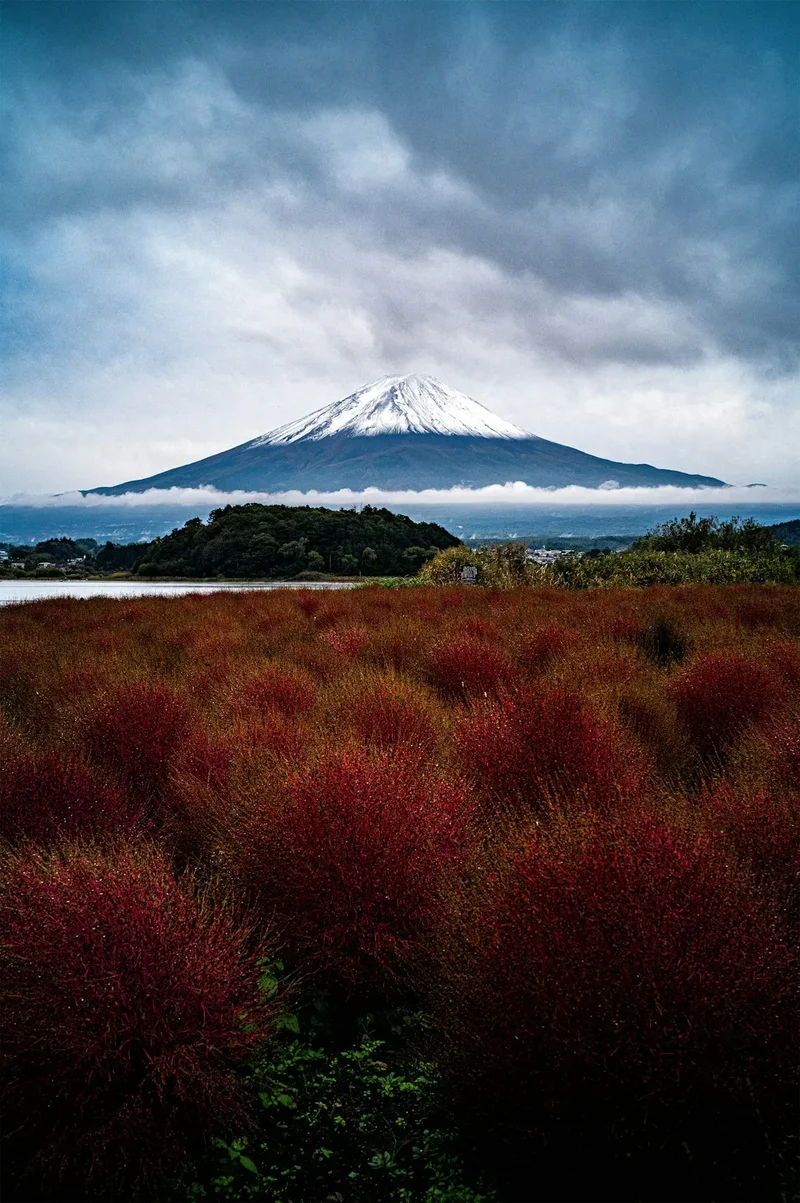
Mount Tsukuba Trail - A Majestic Day Hike Near Tokyo
Mount Tsukuba, a majestic twin-peaked mountain located in Ibaraki Prefecture, Japan, offers a rewarding day hike with stunning panoramic views, especially of the Kanto Plain and, on clear days, even Mount Fuji. Known for its distinct beauty in different seasons, from vibrant autumn foliage to delicate spring blossoms, Tsukuba is a popular destination for both locals and tourists seeking a natural escape close to the bustling metropolis of Tokyo. The mountain is easily accessible, making it an ideal choice for a day trip, and its trails cater to a range of fitness levels, from gentle paths to more challenging ascents.
- Distance: 6.0 km (main ascent route)
- Elevation gain: 871 m
- Duration: 3-5 hours (round trip)
- Difficulty: Moderate
- Best Time: October to November (autumn colours), March to May (spring blossoms)
- Closest City: Tsukuba
- Trailhead Access: Nearest airport: Narita (NRT). Take the JR Narita Express to Tokyo Station, then the Tsukuba Express to Tsukuba Station. From Tsukuba Station, take a bus to Tsukubasan-guchi. Then transfer to another bus to Miyawaki (trailhead). Driving: Use Route 6 or Route 125. Parking available near Miyawaki. No permits are needed.
- Coordinates: 36.2142, 140.1031
Overview
Mount Tsukuba is not just a single peak but a mountain range with two prominent summits: Nyotai-san (Female Body Peak) at 871 metres and Nantai-san (Male Body Peak) at 877 metres. These peaks are connected by a ridge, allowing hikers to visit both. The mountain is steeped in mythology and is considered a sacred site, often referred to as "Tsukuba-san" with reverence. The ascent is typically made via the Miyawaki trailhead, which leads to the more popular Nyotai-san. The trail is well-maintained and marked, featuring a mix of paved paths, stone steps, and natural forest trails. Along the way, hikers will encounter numerous small shrines, ancient trees, and viewpoints offering increasingly expansive vistas.
The journey up Mount Tsukuba is a sensory experience. In spring, the mountain is adorned with cherry blossoms and azaleas, creating a picturesque landscape. Autumn transforms the slopes into a riot of red, orange, and yellow foliage, drawing crowds eager to witness the spectacle. Even in winter, the mountain can offer a serene beauty, sometimes dusted with snow, providing a stark contrast to the urban sprawl below. The summit area features observation decks and restaurants, allowing visitors to relax and soak in the views after their climb. The presence of a cable car and ropeway also makes the mountain accessible to those who prefer a less strenuous ascent or descent, though the hiking trails remain the most popular way to experience its natural charm.
The cultural significance of Mount Tsukuba is deeply intertwined with its natural beauty. It is believed to be the dwelling place of the deities Izanagi and Izanami, the primordial parents in Japanese mythology. This spiritual connection is evident in the numerous shrines scattered across the mountain, including the Tsukuba-san Shrine at the base and smaller shrines on the peaks. The mountain's dual peaks are often personified as a divine couple, adding another layer to its mystique and appeal. The combination of challenging yet accessible hiking, breathtaking scenery, and rich cultural heritage makes Mount Tsukuba a truly unique destination.
History and Cultural Context
Mount Tsukuba has been revered as a sacred mountain for centuries, its spiritual significance deeply embedded in Japanese folklore and Shinto traditions. Ancient texts, such as the Man'yōshū (Collection of Ten Thousand Leaves), a poetry anthology compiled in the 8th century, mention Mount Tsukuba, highlighting its long-standing presence in Japanese culture. The mountain is believed to be the abode of the deities Izanagi and Izanami, the creators of Japan and its people according to Shinto mythology. This belief has led to the mountain being a pilgrimage site for centuries, with people ascending to pray for good harvests, prosperity, and fertility.
The dual peaks, Nyotai-san (Female Body Peak) and Nantai-san (Male Body Peak), are often seen as representing the divine couple, further enhancing the mountain's sacred status. The Tsukuba-san Shrine, located at the mountain's base, is dedicated to these deities and is a focal point for worshippers. Throughout the mountain, smaller shrines and stone altars can be found, testament to its enduring spiritual importance. The practice of climbing the mountain for religious purposes, known as "yama-no-nobori" (mountain climbing), has been a significant part of local culture for generations.
In more recent history, Mount Tsukuba has also become a centre for scientific research. The University of Tsukuba, located in the city at the mountain's foot, has established research facilities on its slopes, particularly for atmospheric and space sciences, leveraging its relatively clear air and proximity to the university. This blend of ancient spiritual reverence and modern scientific inquiry gives Mount Tsukuba a unique character, making it a place where tradition and innovation coexist.
Seasonal Highlights and Weather Reality
Mount Tsukuba offers a distinct charm throughout the year, with each season presenting unique opportunities for visitors.
Spring (March to May): This is a particularly beautiful time to visit. The mountain slopes come alive with colour as cherry blossoms (sakura) bloom, typically from late March to early April. Following the cherry blossoms, azaleas and other wildflowers carpet the mountainside, creating a vibrant spectacle. The weather is generally mild and pleasant, making it ideal for hiking. However, spring can also bring unpredictable weather, including occasional rain showers and cooler temperatures at higher elevations.
Summer (June to August): Summer on Mount Tsukuba is characterised by warm to hot temperatures and high humidity. The mountain offers a welcome respite from the heat of the city, with cooler air at higher altitudes. The lush green foliage provides ample shade on the trails. However, this season also brings the highest chance of rainfall, with frequent afternoon thunderstorms. It is essential to be prepared for wet conditions and to start hikes early in the day to avoid the most intense heat and potential storms.
Autumn (September to November): Autumn is arguably the most popular season for visiting Mount Tsukuba, renowned for its spectacular autumn foliage (kōyō). From mid-October to late November, the leaves of the diverse tree species turn brilliant shades of red, orange, and yellow. The clear, crisp air of autumn provides excellent visibility, offering breathtaking panoramic views from the summit, often including Mount Fuji. The weather is typically stable and pleasant, making it perfect for hiking and enjoying the vibrant colours.
Winter (December to February): Winter on Mount Tsukuba is generally cold and dry, with less rainfall than other seasons. While snow is not as frequent or heavy as in mountainous regions further north, frost and occasional light snow can occur, especially at the summit. The bare trees create a stark, minimalist beauty, and on clear winter days, the views from the summit are exceptionally crisp and far-reaching. The mountain can be icy, so appropriate footwear and caution are advised. The cable car and ropeway operate year-round, providing access even in colder conditions.
Weather Considerations: Regardless of the season, mountain weather can change rapidly. It is crucial to check the forecast before your visit and be prepared for varying conditions. Temperatures at the summit can be significantly cooler than at the base, and wind can make it feel even colder. Always carry layers of clothing, waterproofs, and adequate water, even for a short day hike.
Recommended Itinerary
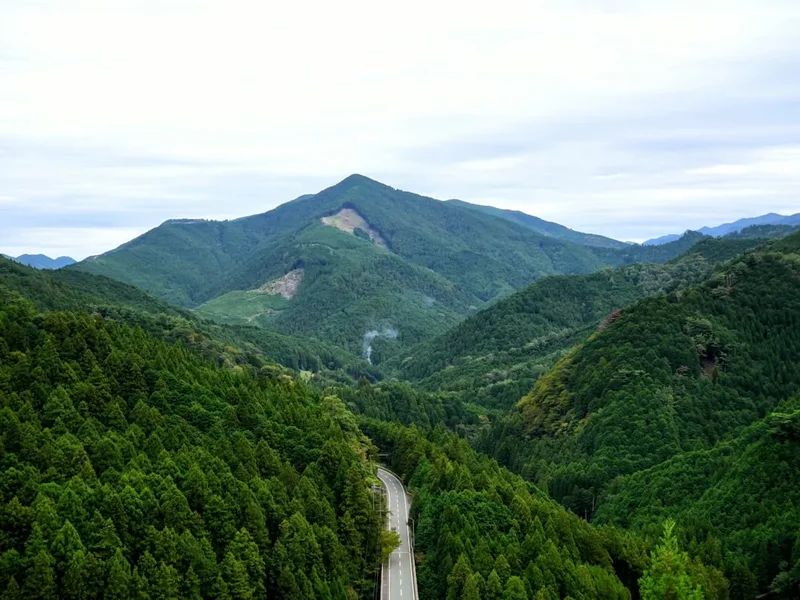
Mount Tsukuba Day Hike Itinerary (Miyawaki Trailhead)
Early Morning: Travel to Trailhead
- Depart from Tokyo (e.g., Shinjuku or Tokyo Station) via train.
- Take the Tsukuba Express line to Tsukuba Station (approx. 45-60 minutes).
- From Tsukuba Station, take a local bus (e.g., Tsukuba Kanko Bus) to the Tsukubasan-guchi bus stop (approx. 40-50 minutes).
- Transfer to another bus that goes directly to the Miyawaki trailhead (approx. 10-15 minutes).
- Alternatively, drive and park at the designated parking area near Miyawaki.
Morning: Ascent via Miyawaki Trail
- Begin your hike from the Miyawaki trailhead.
- The initial section of the trail is well-paved and passes through a forested area.
- You will encounter various small shrines and rest stops along the way.
- The trail gradually steepens, transitioning to stone steps and natural paths.
- Distance to summit: Approximately 3.0 km.
- Elevation gain: Approximately 871 m.
- Estimated hiking time: 2-3 hours (depending on pace and stops).
Midday: Summit and Exploration
- Reach the summit of Nyotai-san (871 m).
- Enjoy the panoramic views of the Kanto Plain, and on clear days, Mount Fuji.
- Visit the Nyotai-san summit shrine.
- Explore the summit area, which includes observation decks and small eateries.
- Optional: Walk along the ridge to Nantai-san (877 m), the higher peak (approx. 20-30 minutes one-way).
- Visit the Nantai-san summit shrine.
- Take a break for lunch or refreshments at one of the summit restaurants.
Afternoon: Descent and Return Journey
- Choose your descent method:
- Option 1 (Hiking): Descend via the same Miyawaki trail or opt for the slightly longer but less steep Omote-sando trail (which passes more shops and restaurants).
- Option 2 (Cable Car/Ropeway): Take the Tsukuba Ropeway from the summit of Nantai-san down to Tsutsujigaoka, then transfer to the Tsukuba Cable Car from near the summit of Nyotai-san down to Tsukubasan-guchi. This offers a different perspective and is quicker.
- From Tsukubasan-guchi, take the bus back to Tsukuba Station.
- From Tsukuba Station, take the Tsukuba Express back to Tokyo.
- Estimated descent time (hiking): 1.5-2 hours.
- Estimated descent time (cable car/ropeway): 30-45 minutes.
Important Notes:
- Wear comfortable, sturdy hiking shoes.
- Carry sufficient water and snacks, although facilities are available at the summit and base.
- Check the weather forecast before you go.
- Be aware of the operating hours for buses, cable cars, and ropeways if you plan to use them.
- The summit can be significantly cooler than the base; bring layers.
Planning and Bookings
Book Your Trip
Everything you need to plan your journey
Accommodation
Find places to stay near Tsukuba
Flights
Search flights to Tsukuba
Essential Preparation
Mount Tsukuba is a popular day-hike destination, easily accessible from Tokyo. The primary logistical hub is Tsukuba City. From Tokyo, the most efficient way to reach the mountain is via the Tsukuba Express line, which connects directly to Tsukuba Station. From Tsukuba Station, local buses provide access to the mountain's base, with the Miyawaki trailhead being a common starting point. If driving, Route 6 or Route 125 are the main access roads, and parking is available near the Miyawaki trailhead. It is advisable to check public transport schedules and road conditions, especially during peak seasons or holidays. Given it's a day hike, no specific accommodation bookings are required unless you plan to stay overnight in Tsukuba City.
Trail Accommodation
This is a day hike requiring no overnight accommodation.
Required Gear
- Hiking boots or sturdy walking shoes with good grip.
- Comfortable hiking socks.
- Layered clothing: moisture-wicking base layer, insulating mid-layer (fleece or down jacket), and a waterproof and windproof outer shell.
- Hat for sun protection and/or warmth.
- Gloves, especially for cooler seasons or higher elevations.
- Backpack (20-30 litre capacity is usually sufficient for a day hike).
- Navigation: While trails are well-marked, a map or GPS device is recommended, especially if exploring less common routes.
- First-aid kit: Including blister treatment, bandages, antiseptic wipes, and any personal medications.
- Sunscreen and sunglasses.
- Insect repellent (especially during warmer months).
What to Bring
- Water: At least 1-2 litres per person, depending on the season and exertion level. Refill stations may be available at the summit or base.
- Food: Packed lunch, snacks (energy bars, fruit, nuts) for the hike.
- Camera: To capture the stunning scenery.
- Cash: For bus fares, cable car/ropeway tickets, and purchases at summit shops or restaurants. Credit card acceptance may be limited.
- Mobile phone: For communication and emergencies. Ensure it is fully charged.
- Small towel or bandana: Useful for wiping sweat or drying hands.
- Trash bag: To pack out all your waste.
Permits
No permits are required to hike the trails on Mount Tsukuba. The mountain is part of a national park and is open to the public for day use. Access to the trails is free of charge. However, if you plan to use the Tsukuba Ropeway or Tsukuba Cable Car for ascent or descent, separate tickets must be purchased. These can be bought at the respective stations at the base of the mountain. It is advisable to check the current ticket prices and operating hours for the cable car and ropeway in advance, especially if you intend to use them.
Other Activities in the Area
Beyond hiking the trails, Mount Tsukuba and its surrounding area offer several other attractions and activities:
- Tsukuba Ropeway and Cable Car: For those seeking a less strenuous experience or a different perspective, the ropeway and cable car offer scenic rides to the summit area. The ropeway connects Nantai-san summit to Tsutsujigaoka, while the cable car runs from near Nyotai-san summit to Tsukubasan-guchi.
- Tsukuba-san Shrine: Located at the base of the mountain, this is the main shrine dedicated to the deities of Mount Tsukuba. It's a significant cultural site and a good starting point for understanding the mountain's spiritual importance.
- Mount Tsukuba Botanical Garden: Situated near the base, this garden showcases a variety of local flora, including many of the plants found on the mountain itself. It's particularly beautiful during spring and autumn.
- Tsukuba City: The city at the foot of the mountain is known as a centre for science and education, home to the University of Tsukuba and numerous research institutions. Visitors can explore science museums and the city's modern infrastructure.
- Observatories: The summit area offers excellent viewpoints. On exceptionally clear days, you can see Mount Fuji, Tokyo Skytree, and the vast Kanto Plain.
- Local Cuisine: Enjoy local specialties such as "Tsukuba-udon" (a type of noodle dish) and "Dodonko" (a local mushroom).
Safety and Conditions
Trail Conditions: The main trails, particularly the Miyawaki and Omote-sando routes, are generally well-maintained and clearly marked. However, sections can be steep and involve uneven terrain or stone steps, requiring careful footing. In wet weather, trails can become slippery.
Weather: Mountain weather is unpredictable. Be prepared for rapid changes in temperature, wind, and precipitation. Always check the weather forecast before your hike and carry appropriate clothing layers. The summit can be significantly colder and windier than the base.
Fitness Level: The hike to the summit involves a significant elevation gain (871 metres) over a relatively short distance. While moderate, it requires a reasonable level of fitness. If you are not accustomed to hiking, consider using the cable car or ropeway for part of the ascent or descent.
Hydration and Nutrition: Carry sufficient water and snacks. While there are facilities at the summit and base, it's always best to be self-sufficient, especially if hiking during off-peak hours or less busy seasons.
Emergency Contacts: In case of an emergency, dial 110 for police or 119 for fire and ambulance services. It is advisable to have a fully charged mobile phone. Note that mobile signal may be intermittent on some parts of the trail.
Wildlife: While Mount Tsukuba is not known for dangerous wildlife, be aware of your surroundings. Small insects and occasional snakes may be encountered. Do not feed any wild animals.
Respecting the Mountain: Mount Tsukuba is a sacred mountain. Please be respectful of the shrines and natural environment. Stay on marked trails to avoid damaging vegetation and to prevent getting lost.
Side Trips and Points of Interest
Nyotai-san Summit: The primary summit at 871 metres, featuring the main shrine and excellent panoramic views. This is the most common destination for day hikers.
Nantai-san Summit: The slightly higher peak at 877 metres, connected to Nyotai-san by a ridge. It offers a different perspective and is home to its own shrine. The walk between the two peaks is a pleasant ridge stroll.
Tsukuba Ropeway and Cable Car Stations: Even if you hike up, consider taking the cable car or ropeway down for a different experience and to enjoy the views from a different angle. The stations themselves are points of interest, often with small shops or viewing areas.
Various Shrines: Throughout the trails, you will encounter numerous small shrines and stone altars, each with its own significance. These are important cultural landmarks and offer moments for reflection.
Observation Decks: Located at the summit areas, these decks provide the best vantage points for photography and enjoying the expansive views of the Kanto Plain, Tokyo, and on clear days, Mount Fuji.
Omote-sando Trail: If descending via this route, you'll pass through an area with more shops, restaurants, and souvenir stalls, offering a more commercialised but lively experience compared to the quieter hiking trails.
Leave No Trace
Mount Tsukuba, like all natural environments, benefits greatly from visitors practicing Leave No Trace principles. By adhering to these guidelines, you help preserve the mountain's beauty and ecological integrity for future generations.
Plan Ahead and Prepare: Research the trails, check the weather, and be prepared for the conditions. Understand the local regulations and cultural significance of the mountain.
Travel and Camp on Durable Surfaces: Stick to marked trails. Avoid walking on vegetation or creating new paths, as this can cause erosion and damage fragile ecosystems.
Dispose of Waste Properly: Pack out everything you pack in. This includes all food scraps, wrappers, and any other litter. Use designated bins where available, but be prepared to carry your trash back down if bins are full or unavailable.
Leave What You Find: Do not take rocks, plants, or any natural or cultural artifacts from the mountain. Leave them for others to enjoy and to maintain the natural balance.
Minimize Campfire Impacts: Campfires are generally not permitted on Mount Tsukuba, especially on the trails or at the summit. If you are camping in designated areas (though this is a day hike), use established fire rings and keep fires small.
Respect Wildlife: Observe wildlife from a distance. Never feed animals, as this can disrupt their natural behaviours and diets, and can be harmful to their health.
Be Considerate of Other Visitors: Keep noise levels down, especially near shrines and rest areas. Yield to other hikers on the trail. Be respectful of the cultural and spiritual significance of the mountain.
 Japan
Japan