
Mount Takao Hike
Mount Takao, or Takao-san, is a beloved mountain located just outside Tokyo, Japan, offering a refreshing escape from the urban bustle. Renowned for its natural beauty, diverse hiking trails, and cultural significance, Takao-san is a popular destination for locals and tourists alike. It's particularly famous for its vibrant autumn foliage and cherry blossoms in spring, making it a year-round attraction. The mountain is easily accessible, making it an ideal day trip for those seeking a moderate hike with rewarding views and a touch of spiritual exploration.
- Distance: 8.0 km (approximate, depending on route)
- Elevation Gain: 400 m
- Duration: 3-5 hours (round trip, including stops)
- Difficulty: Moderate
- Best Time: Spring (April-May) for cherry blossoms and fresh greenery; Autumn (October-November) for spectacular fall colours
- Closest City: Tokyo
- Trailhead Access: Nearest city: Tokyo. Take the Keio Line from Shinjuku Station to Takaosanguchi Station (approx. 1 hour). Trailhead is a short walk from the station. Parking available near station (fee applies). No permits required.
- Coordinates: 35.6575, 139.2522
Overview
Mount Takao is a mountain of moderate elevation, standing at 599 metres, yet it offers a surprisingly diverse and engaging hiking experience. Its popularity stems from a combination of factors: its proximity to Tokyo, its well-maintained trail network catering to various fitness levels, and its rich cultural heritage, most notably the presence of Yakuōin Temple, a significant Buddhist site. The mountain is a popular pilgrimage destination, and its slopes are dotted with ancient trees, serene shrines, and picturesque viewpoints.
The ascent to the summit is typically completed within a few hours, allowing ample time for exploration and enjoyment. Hikers can choose from several distinct trails, each offering a unique perspective of the mountain's flora and fauna. Trail 1, the most popular and well-developed, features a paved path and is accessible by cable car or chair lift for those seeking a less strenuous ascent or descent. Other trails, such as Trail 4 and Trail 5, offer a more natural and challenging experience, winding through dense forests and along narrow ridges.
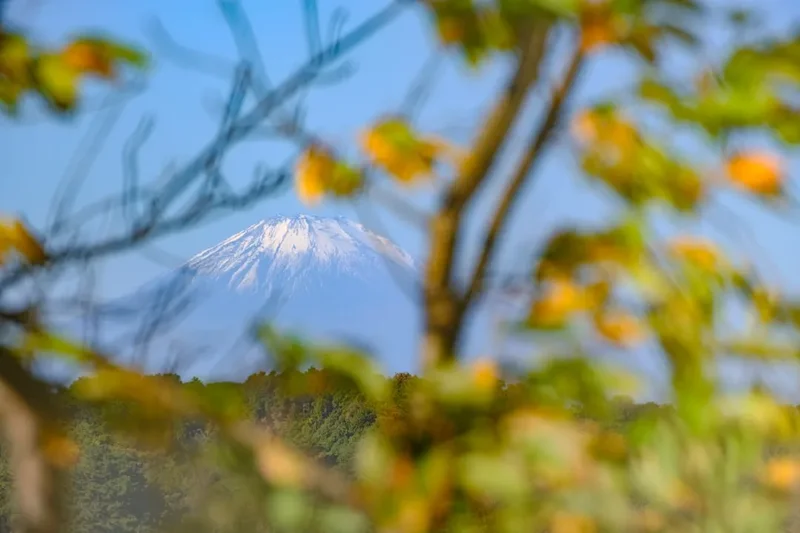
At the summit, visitors are rewarded with panoramic views that, on a clear day, can extend to Mount Fuji and the Tokyo skyline. The summit area also hosts a small observation deck and several eateries, providing a place to rest and refuel. The mountain's natural beauty is particularly striking during the spring, when cherry blossoms paint the slopes in delicate hues of pink and white, and in autumn, when the leaves transform into a vibrant tapestry of reds, oranges, and yellows. This seasonal spectacle draws large crowds, especially during peak foliage viewing periods.
Beyond its natural allure, Mount Takao holds deep cultural and spiritual significance. Yakuōin Temple, founded in 744 AD, is a prominent feature, dedicated to the mountain deity Takaosan Gongen. The temple complex, with its striking statues of Tengu (mythical bird-like beings), its main hall, and its pagodas, offers a glimpse into Japan's rich religious history. The journey to the summit is often seen as a spiritual pilgrimage, with many visitors seeking blessings or simply enjoying the tranquil atmosphere.
History and Cultural Context
Mount Takao has a history deeply intertwined with Japanese spirituality and culture, dating back over 1,200 years. Its significance as a sacred mountain was established in 744 AD when Emperor Shōmu, during the Nara period, ordered the construction of Yakuōin Temple. This temple was dedicated to the mountain deity Takaosan Gongen, a syncretic figure embodying Buddhist and Shinto beliefs, and became a centre for mountain worship and ascetic practices.
For centuries, Mount Takao was a popular destination for pilgrims seeking spiritual enlightenment and divine favour. The arduous journey up its slopes was considered a form of penance and purification. The temple's influence grew, and it became one of the most important religious sites in the Kantō region. The iconic figures of Tengu, often depicted with long noses or beaks and associated with martial arts and mountain spirits, became closely linked with Yakuōin Temple and Mount Takao, symbolising the mountain's mystical power and its role as a gateway to the spiritual realm.
During the Edo period (1603-1868), Mount Takao also gained popularity as a scenic spot for leisure and recreation among the samurai class and commoners alike. Its accessibility from Edo (modern-day Tokyo) made it an attractive destination for day trips and short excursions. The mountain's natural beauty, particularly its vibrant autumn foliage, was celebrated in art and literature, further cementing its status as a cherished natural landmark.
In the modern era, with the development of transportation networks, Mount Takao became even more accessible to the general public. The construction of the Keio Takao Line railway in 1927 and the subsequent introduction of the cable car and chair lift in the mid-20th century transformed the mountain into a major tourist attraction. Despite its increasing popularity and commercialisation, Mount Takao has managed to retain much of its natural charm and spiritual aura, continuing to serve as a vital sanctuary for both nature lovers and those seeking spiritual solace.
Seasonal Highlights and Weather Reality
Mount Takao offers a distinct charm throughout the year, with each season presenting unique natural spectacles and weather patterns.
Spring (April-May): This is a prime season for visiting Mount Takao, marked by the blooming of cherry blossoms and the emergence of fresh, vibrant green foliage. The mountain slopes are adorned with delicate pink and white flowers, creating a picturesque landscape. The weather is generally mild and pleasant, with average temperatures ranging from 10°C to 20°C, making it ideal for hiking. However, spring can also bring occasional rain showers, so carrying a light waterproof jacket is advisable.
Summer (June-August): Summer on Mount Takao is characterised by warm to hot temperatures and high humidity. Average temperatures can reach 25°C to 30°C, and the mountain can feel quite muggy, especially on the lower, more sheltered trails. June often marks the rainy season (tsuyu), with frequent rainfall, though it typically doesn't prevent hiking. July and August are generally sunnier but can be very hot. The dense forest canopy provides shade on many trails, offering some respite from the heat. It's essential to stay hydrated and wear light, breathable clothing.
Autumn (October-November): Autumn is arguably the most spectacular season to visit Mount Takao, renowned for its breathtaking autumn foliage (kōyō). The leaves of the diverse tree species turn into a stunning array of reds, oranges, and yellows, transforming the mountain into a vibrant canvas. The weather during autumn is typically crisp, cool, and sunny, with average temperatures between 10°C and 20°C. This season attracts a large number of visitors, so expect crowds, especially on weekends and during peak foliage periods.
Winter (December-February): Winter on Mount Takao is cold but generally dry and clear, offering excellent visibility for summit views, including potential glimpses of Mount Fuji. Average temperatures hover around 0°C to 10°C, and frost and occasional light snow can occur, particularly at higher elevations. While the mountain is less crowded in winter, the trails can become icy, especially on shaded sections and steeper inclines. Proper footwear with good grip is essential, and warm layers are a must. The cable car and chair lift continue to operate, providing access to higher points.
Weather Reality: While the summit elevation is only 599 metres, weather conditions can change rapidly. It is always advisable to check the local weather forecast before your visit and be prepared for variations in temperature and precipitation, especially if hiking during the shoulder seasons or in winter.
Recommended Itinerary
Mount Takao Day Hike Itinerary (Moderate Pace)
Early Morning (7:00 AM - 8:00 AM): Travel to Trailhead
- Depart from central Tokyo (e.g., Shinjuku Station) via the Keio Line.
- Enjoy a scenic approximately 1-hour train journey to Takaosanguchi Station.
- The trailhead is a short, easy walk from the station, clearly signposted.
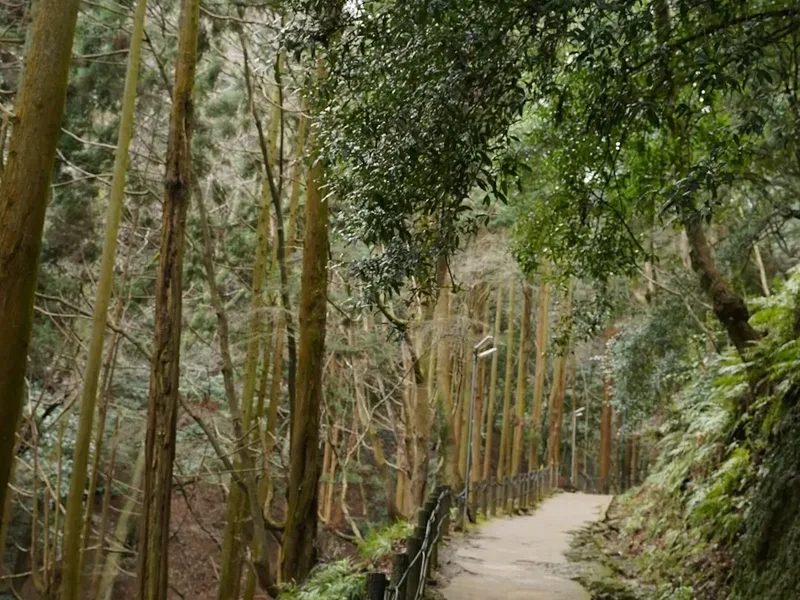
Morning (8:00 AM - 11:00 AM): Ascent via Trail 1 (Paved Path)
- Begin your hike on Trail 1, the most popular and well-maintained route.
- This trail is largely paved and offers a gradual incline, making it accessible for most fitness levels.
- Pass by the cable car and chair lift stations, offering an option to shorten the ascent if desired.
- Enjoy the surrounding forest scenery and the increasing sense of elevation.
- Mid-morning, you'll reach the mid-station area, where you can find restrooms and small shops.
- Continue upwards, passing the entrance to Yakuōin Temple.
Midday (11:00 AM - 1:00 PM): Summit Exploration and Lunch
- Arrive at the summit of Mount Takao (599 m).
- Take in the panoramic views of Tokyo and, on clear days, Mount Fuji.
- Explore the summit area, including the observation deck and the small shrine.
- Visit Yakuōin Temple, explore its grounds, and admire the statues of Tengu.
- Enjoy a packed lunch or purchase food from one of the summit restaurants or snack stalls.
- Rest and soak in the atmosphere of the mountaintop.
Afternoon (1:00 PM - 3:00 PM): Descent via Trail 4 (Suspension Bridge) and Trail 5 (Nature Trail)
- Begin your descent using a combination of trails for a varied experience.
- Descend via Trail 4, known for its charming suspension bridge and more natural forest path.
- This trail offers a slightly more adventurous feel than Trail 1.
- Connect to Trail 5, a narrow, winding nature trail that loops around the summit.
- Trail 5 is a beautiful, unpaved path that takes you through dense forest, offering a more immersive nature experience.
- This route provides a good contrast to the paved ascent and allows for a more relaxed descent.
Late Afternoon (3:00 PM - 4:00 PM): Return to Takaosanguchi Station
- Emerge from the trails near the base of the mountain.
- Walk back to Takaosanguchi Station.
- Option to visit souvenir shops or enjoy a local snack before boarding the train.
- Board the Keio Line train back to Shinjuku Station, Tokyo.
Alternative Descent Options:
- Cable Car/Chair Lift: For a quicker or less strenuous descent, you can use the cable car or chair lift from the mid-station back down to the base.
- Trail 1 (Descent): You can also descend via Trail 1, which is straightforward but can be busy.
Planning and Bookings
Book Your Trip
Everything you need to plan your journey
Accommodation
Find places to stay near Tokyo
Flights
Search flights to Tokyo
Essential Preparation
Mount Takao is a popular day-trip destination from Tokyo, and planning is straightforward. The primary consideration is transportation to the trailhead. The Keio Line from Shinjuku Station is the most convenient and direct route, taking approximately one hour to reach Takaosanguchi Station. It's advisable to purchase a round-trip ticket or a day pass if available. For those driving, parking is available near Takaosanguchi Station, but it can fill up quickly on weekends and holidays, and a fee applies. The mountain itself does not require any permits for hiking, and there are no booking requirements for accessing the trails or the summit.
It's beneficial to check the weather forecast for the Tokyo area and specifically for Mount Takao before your trip. While the mountain is not exceptionally high, conditions can vary, and being prepared for rain or cooler temperatures, especially outside of summer, is wise. Comfortable walking shoes are essential, and layers of clothing are recommended to adapt to changing temperatures as you ascend and descend.
For those interested in visiting Yakuōin Temple, it's worth noting that the temple has specific opening hours, though the grounds are generally accessible. The temple is an active place of worship, so maintaining a respectful demeanor is important.
Trail Accommodation
This is a day hike requiring no overnight accommodation.
Required Gear
- Footwear: Sturdy, comfortable walking shoes or hiking boots with good grip are essential. Trails can be paved, but also uneven, and can become slippery when wet or icy in winter.
- Clothing: Wear comfortable, breathable clothing suitable for the season. Layers are recommended, including a moisture-wicking base layer, an insulating mid-layer (fleece or light jacket), and a waterproof and windproof outer shell.
- Backpack: A small daypack (15-25 litres) is sufficient to carry essentials.
- Navigation: While the trails are generally well-marked, a trail map or a navigation app on your phone can be helpful, especially if you plan to explore less common routes.
- Safety Gear: A basic first-aid kit including plasters, antiseptic wipes, and pain relievers is advisable. A head torch or small flashlight can be useful if you plan to hike in low light conditions or if you encounter unexpected delays.
What to Bring
- Food and Water: Carry sufficient water (at least 1-1.5 litres per person) as water sources on the trail are limited, though some vending machines and small shops are available at the mid-station and summit. Pack snacks such as energy bars, fruit, or nuts. There are also restaurants and food stalls at the summit and mid-station if you prefer to purchase food.
- Toiletries: Hand sanitiser, tissues, and any personal medications.
- Sun Protection: Sunscreen, sunglasses, and a hat are recommended, especially during spring and summer, as exposed sections of the trail can be sunny.
- Insect Repellent: Particularly useful during the summer months to ward off mosquitoes and other biting insects.
- Camera: To capture the scenic views and cultural sites.
- Cash: While some vendors may accept cards, it's always wise to carry some Japanese Yen for smaller purchases, vending machines, or if you opt for the cable car/chair lift.
- Rain Gear: A compact umbrella or a lightweight waterproof jacket, as weather can change quickly.
Permits
No permits are required to hike Mount Takao. Access to the trails, summit, and Yakuōin Temple grounds is free and open to the public. The mountain is managed by the Keio Corporation and the Tokyo Metropolitan Government, and its accessibility is a key part of its appeal as a popular day-trip destination from Tokyo.
While no permits are needed for hiking, visitors should be aware of any specific regulations or guidelines posted at the trailhead or within the temple grounds. These typically relate to respecting the natural environment, maintaining quietude in sacred areas, and proper waste disposal.
The cable car and chair lift services operated by Keio Corporation do require tickets, which can be purchased at the respective stations. These are optional services for those who wish to shorten their ascent or descent.
Other Activities in the Area
Mount Takao offers a variety of activities beyond the main hiking trails, catering to different interests and energy levels:
- Cable Car and Chair Lift: For a more relaxed ascent or descent, visitors can utilise the Keio Takaosan Cable Car or the Takaosan Chair Lift. The cable car offers a scenic ride up the steeper sections of the mountain, while the chair lift provides an open-air experience with excellent views.
- Yakuōin Temple: This historic Buddhist temple is a major attraction. Visitors can explore its main hall, pagodas, and numerous sub-temples, and admire the distinctive statues of Tengu, the mountain spirits. The temple is an active place of worship and offers a glimpse into Japanese religious traditions.
- Mount Takao Beer Mount: Located near the summit, this is a popular spot during the summer months (typically June to September) where visitors can enjoy beer and food in an open-air setting with panoramic views.
- Takao 599 Museum: Situated near the base of the mountain, this modern museum showcases the natural history and biodiversity of Mount Takao through engaging exhibits and displays. It's a great place to learn more about the mountain's ecosystem.
- Nature Trails: Beyond the main hiking routes, several smaller nature trails wind through the forests, offering opportunities for birdwatching and appreciating the diverse flora.
- Souvenir Shopping: At the base of the mountain and near the summit, numerous shops sell local crafts, snacks, and souvenirs, including items related to Tengu and Mount Takao.
- Local Cuisine: Near Takaosanguchi Station, several restaurants offer local specialities, including soba noodles and dishes featuring mountain vegetables.
Safety and Conditions
Trail Conditions: Mount Takao's trails are generally well-maintained. Trail 1 is paved and wide, making it easy to navigate. Other trails, like Trail 4 and Trail 5, are unpaved and can be narrower, with some uneven terrain. In winter, sections of the trails, particularly shaded areas and steeper inclines, can become icy. It is crucial to wear appropriate footwear with good grip and to exercise caution during icy conditions. Check local weather reports for any advisories regarding ice or snow.
Weather: While Mount Takao is not a high-altitude mountain, weather can change rapidly. Be prepared for variations in temperature, especially between the base and the summit. Summer can be hot and humid, while winter can be cold with potential for frost and ice. Always check the weather forecast before your visit and dress in layers.
Crowds: Mount Takao is extremely popular, especially on weekends, public holidays, and during peak seasons (spring cherry blossoms and autumn foliage). Expect significant crowds, particularly on Trail 1 and at the summit. Arriving early in the morning is recommended to avoid the largest crowds.
Wildlife: While generally safe, you may encounter small wildlife such as monkeys or various bird species. It is important not to feed any wild animals, as this can disrupt their natural behaviour and diet, and may lead to them becoming habituated to humans, which can cause problems.
Emergency Services: In case of an emergency, there are information points and staff available at the cable car stations and the summit. For serious incidents, contact local emergency services. It is advisable to have a fully charged mobile phone.
Hydration and Nutrition: Carry sufficient water and snacks, especially if you plan to hike during warmer months or explore less-trafficked trails. Vending machines and small eateries are available at the mid-station and summit, but it's wise to have your own supplies.
Side Trips and Points of Interest
Yakuōin Temple Complex: While not strictly a "side trip," dedicating ample time to explore Yakuōin Temple is highly recommended. Beyond the main hall, discover the various sub-temples, the striking statues of Tengu (the mountain spirits), and the numerous smaller shrines scattered throughout the temple grounds. The temple's atmosphere is serene and offers a significant cultural and spiritual dimension to the hike.
Tengu Statues: Mount Takao is famously associated with Tengu. Keep an eye out for the various depictions of these mythical beings throughout the mountain, particularly around Yakuōin Temple. The large, imposing statues serve as powerful symbols of the mountain's spiritual significance.
Summit Views: The summit of Mount Takao (599 m) offers a rewarding panoramic vista. On clear days, you can see the sprawling metropolis of Tokyo laid out below, and on exceptionally clear days, the iconic silhouette of Mount Fuji is visible in the distance. There is an observation deck at the summit to enhance the viewing experience.
Nature Trails (Trail 5): For those seeking a more immersive natural experience, Trail 5 offers a beautiful, unpaved loop around the summit area. This trail winds through dense forest, providing a tranquil escape and a chance to appreciate the mountain's diverse flora and fauna away from the main crowds.
Takao 599 Museum: Located at the base of the mountain, this modern museum is an excellent stop before or after your hike. It features interactive exhibits detailing the natural history, ecology, and seasonal changes of Mount Takao, offering valuable context to your hiking experience.
Leave No Trace
Mount Takao, despite its proximity to a major city, is a precious natural and cultural resource that deserves respect. Adhering to Leave No Trace principles ensures its preservation for future generations of hikers and visitors.
Plan Ahead and Prepare: Familiarise yourself with the trails, check the weather forecast, and pack accordingly. Understand the local regulations and customs, especially regarding Yakuōin Temple.
Travel and Camp on Durable Surfaces: Stick to marked trails. Trail 1 is paved, but other trails can be narrow. Avoid stepping on vegetation or creating new paths, which can damage fragile ecosystems.
Dispose of Waste Properly: Pack out everything you pack in. This includes all food scraps, wrappers, and any other litter. There are bins available at the summit and base, but it's best practice to carry your waste with you until you can dispose of it properly.
Leave What You Find: Do not take any natural items, such as rocks, plants, or flowers, from the mountain. Respect the natural environment and leave it as you found it.
Minimise Campfire Impacts: Not applicable for this day hike, as campfires are not permitted.
Respect Wildlife: Observe wildlife from a distance and never feed them. Feeding animals can alter their behaviour and diet, potentially causing harm.
Be Considerate of Other Visitors: Mount Takao can be very crowded. Keep noise levels down, especially near Yakuōin Temple, and be mindful of other hikers on the trails. Yield to uphill hikers where appropriate.
 Japan
Japan