
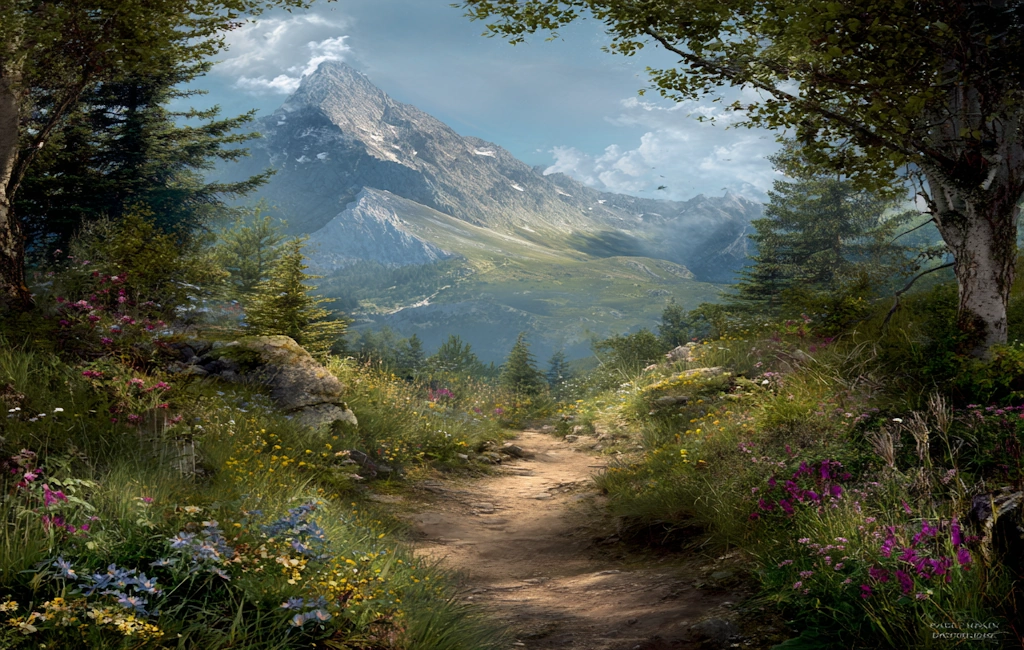
Mount Tabayoc Trail
Mount Tabayoc, located in Kabayan, Benguet, Philippines, offers a challenging yet rewarding trekking experience for adventurers seeking to explore the rugged beauty of the Cordillera region. This mountain is known for its distinct rock formations, panoramic views, and the unique cultural landscape of the surrounding area. The trail is a popular destination for both local and international hikers, providing a glimpse into the natural and cultural heritage of the Philippines.
- Distance: 10.0 km (one-way)
- Elevation Gain: 700 m
- Duration: 6-8 hours (round trip)
- Difficulty: Challenging
- Best Time: November to May (dry season)
- Closest City: Baguio
- Trailhead Access: From Baguio, take a bus or taxi to Kabayan, Benguet. The road is paved but can be winding. Travel time is approximately 4-5 hours. From Kabayan town proper, jeepneys or tricycles can take you to the Mount Tabayoc trailhead. Register and secure permits at the Kabayan Municipal Tourism Office before proceeding. Parking is limited at the trailhead.
- Coordinates: 16.7333, 120.8333
Overview
The Mount Tabayoc Trail is a testament to the raw, untamed beauty of the Philippine Cordillera. This trek is not for the faint of heart, demanding a good level of physical fitness and a spirit of adventure. The trail winds through diverse terrains, from lush, verdant forests to exposed, rocky ridges, culminating in breathtaking vistas that make every step worthwhile.
The journey begins with a gradual ascent through agricultural terraces and local villages, offering a gentle introduction to the mountain's embrace. As you climb higher, the vegetation transitions into dense forest, alive with the sounds of nature. The air grows cooler, and the panoramic views begin to unfold, revealing the vastness of the surrounding landscape. The trail is characterised by its steep sections and uneven footing, requiring careful navigation and sturdy footwear.
One of the most striking features of Mount Tabayoc is its unique geological formations. The summit area is adorned with peculiar rock outcrops that have been shaped by centuries of erosion, creating a landscape that feels almost otherworldly. These formations provide natural vantage points from which to admire the sprawling valleys, distant mountain ranges, and the patchwork of rice terraces that dot the slopes.
The trek typically takes between six to eight hours to complete as a round trip, depending on the pace of the hikers and the time spent at the summit. The dry season, from November to May, is the ideal time to visit, offering clearer skies and more stable weather conditions. During this period, the views are at their most spectacular, with the surrounding mountains bathed in golden sunlight.
Beyond its natural allure, Mount Tabayoc is also steeped in local culture and folklore. The indigenous communities in the region have a deep connection to the mountain, viewing it with reverence and respect. Trekkers may have the opportunity to interact with locals, gaining insights into their traditional way of life and their harmonious relationship with the environment.
The challenging nature of the Mount Tabayoc Trail, combined with its stunning scenery and cultural richness, makes it a highly sought-after destination for those looking to experience the authentic spirit of Philippine mountain trekking.
History and Cultural Context
Mount Tabayoc, like many mountains in the Cordillera region, holds significant historical and cultural importance for the indigenous peoples who have inhabited these lands for generations. The name "Tabayoc" itself is believed to have indigenous roots, possibly referring to a local landmark or a characteristic of the mountain.
For centuries, the Igorot people, comprising various ethnolinguistic groups such as the Ibaloi and Kankanaey, have lived in the valleys and slopes surrounding Mount Tabayoc. Their lives have been intrinsically linked to the land, with traditional practices revolving around agriculture, particularly rice cultivation in the iconic terraces that adorn the mountainsides. These terraces, some of which are thousands of years old, are a UNESCO World Heritage site and stand as a testament to the ingenuity and perseverance of the Igorot people.
The mountain itself has likely served various purposes for these communities, including as a source of natural resources, a spiritual site, and a natural boundary. Local folklore and oral traditions often imbue mountains with spiritual significance, and it is probable that Mount Tabayoc is no exception, potentially being associated with ancestral spirits or deities.
In more recent history, Mount Tabayoc has become a popular destination for trekkers and mountaineers. The establishment of tourism infrastructure, albeit basic, has allowed more people to experience its beauty. However, the development of tourism has been managed with a conscious effort to respect the local culture and environment, often involving community-based tourism initiatives where local guides and services are prioritised.
The Kabayan Municipal Tourism Office plays a crucial role in managing visitor access, ensuring that trekkers register and obtain permits. This process helps to regulate the number of visitors, minimise environmental impact, and ensure that local communities benefit from tourism. The ongoing preservation of the cultural heritage, including the rice terraces and traditional practices, is a key aspect of the Mount Tabayoc experience.
Seasonal Highlights and Weather Reality
The weather on Mount Tabayoc, like in most mountainous regions of the Philippines, can be unpredictable. However, the dry season, spanning from November to May, is generally considered the best time for trekking. During these months, the chances of encountering heavy rainfall are significantly lower, and the skies are often clear, offering excellent visibility.
November to February (Cool Dry Season): This period is characterised by cooler temperatures, especially in the mornings and evenings. The air is crisp, and the humidity is relatively low. This is an ideal time for hiking, as the cooler weather makes the strenuous climbs more manageable. The views are often spectacular, with clear skies providing unobstructed panoramas of the surrounding mountain ranges and valleys. However, early mornings can be quite chilly, so warm layers are essential.
March to May (Hot Dry Season): As the dry season progresses, temperatures begin to rise. While still generally pleasant for trekking, the midday sun can be intense, particularly on exposed sections of the trail. It is crucial to stay hydrated and use sun protection. The landscape may appear drier during this period, but the clear skies continue to offer excellent photographic opportunities.
June to October (Wet Season): This is the monsoon season in the Philippines, and Mount Tabayoc is not exempt from its effects. Expect frequent and heavy rainfall, which can make the trails muddy, slippery, and potentially hazardous. The risk of landslides and flash floods increases significantly during this period. Visibility can be severely reduced by fog and clouds, often obscuring the much-anticipated views. While some trekkers may still attempt the hike during the wet season, it is generally not recommended due to safety concerns and the diminished scenic experience. If trekking during this time, extreme caution, proper rain gear, and a thorough understanding of the risks are paramount.
Weather Considerations: Regardless of the season, mountain weather can change rapidly. Sudden downpours, strong winds, and thick fog can occur even during the dry season. It is always advisable to check the weather forecast before your trek and be prepared for a variety of conditions. The summit of Mount Tabayoc can be significantly cooler than the base, so carrying layers of clothing is always recommended.
Recommended Itinerary
Mount Tabayoc Trail - Day Hike Itinerary
Early Morning (Approx. 4:00 AM - 5:00 AM): Travel to Trailhead
- Depart from Baguio City via bus or private vehicle.
- Travel time to Kabayan, Benguet is approximately 4-5 hours.
- The road is paved but can be winding and may require a 4x4 vehicle for the final stretch depending on road conditions.
Morning (Approx. 9:00 AM - 10:00 AM): Arrival and Registration
- Arrive in Kabayan town proper.
- Proceed to the Kabayan Municipal Tourism Office to register and secure necessary permits.
- Meet your local guide (highly recommended and often mandatory).
- Take a short jeepney or tricycle ride from Kabayan town to the Mount Tabayoc trailhead.
- Final preparations: check gear, hydrate, and have a light snack.
Late Morning (Approx. 10:00 AM - 1:00 PM): Ascent - Lower Slopes and Forest Trail
- Begin the trek from the trailhead.
- The initial part of the trail may pass through agricultural lands and small villages.
- The trail gradually ascends, entering forested areas.
- Terrain: Mix of dirt paths, occasional roots, and some rocky sections.
- Elevation gain: Approximately 300-400 metres.
- Key Waypoints: Local villages, transition from open fields to dense forest.
Midday (Approx. 1:00 PM - 3:00 PM): Ascent - Ridge and Rocky Sections
- The trail becomes steeper and more challenging.
- You will encounter more exposed sections with rocky terrain and significant elevation gain.
- The forest may thin out, offering glimpses of the surrounding landscape.
- Elevation gain: Approximately another 300-400 metres.
- Key Waypoints: Rocky outcrops, steeper ascents, potential viewpoints.
Afternoon (Approx. 3:00 PM - 4:00 PM): Summit and Exploration
- Reach the summit of Mount Tabayoc.
- Spend time exploring the unique rock formations and enjoying the panoramic views.
- Take photos and rest.
- Enjoy a packed lunch or snacks at the summit.
- Elevation: 700 m gain from trailhead.
- Key Waypoints: Summit marker, distinctive rock formations, 360-degree views.
Late Afternoon (Approx. 4:00 PM - 7:00 PM): Descent
- Begin the descent back to the trailhead.
- The descent can be as challenging as the ascent, especially on loose or slippery sections.
- Take care with footing.
- Key Waypoints: Trailhead.
Evening (Approx. 7:00 PM onwards): Return to Kabayan/Baguio
- Arrive back at the trailhead.
- Take a jeepney or tricycle back to Kabayan town.
- Optional: Have a late meal in Kabayan.
- Travel back to Baguio City.
Important Notes:
- This is a challenging day hike; ensure you have adequate fitness.
- Hiring a local guide is highly recommended for navigation and safety.
- Always register at the Municipal Tourism Office and secure permits.
- Carry sufficient water and food for the entire trek.
- Wear appropriate hiking attire and footwear.
- Be prepared for changing weather conditions.
Planning and Bookings
Book Your Trip
Everything you need to plan your journey
Accommodation
Find places to stay near Baguio
Flights
Search flights to Baguio
Essential Preparation
Mount Tabayoc is a significant undertaking that requires careful planning. The closest major city and transport hub is Baguio, often referred to as the "Summer Capital of the Philippines." From Baguio, you will need to travel to Kabayan, Benguet, which is approximately a 4-5 hour journey by bus or private vehicle. The roads leading to Kabayan are paved but can be winding and narrow, typical of mountain terrain. Upon arrival in Kabayan town proper, local transportation such as jeepneys or tricycles are available to take you to the Mount Tabayoc trailhead.
It is mandatory to register and secure permits at the Kabayan Municipal Tourism Office before commencing your trek. This ensures your safety and helps manage visitor numbers. Hiring a local guide is highly recommended, as they possess invaluable knowledge of the trail, local customs, and potential hazards. They can also assist with logistics and ensure a smoother experience. Ensure you have sufficient cash for permits, guides, transportation, and any purchases, as card facilities are scarce in this region.
Trail Accommodation
This is a day hike requiring no overnight accommodation.
Required Gear
- Hiking Boots: Sturdy, waterproof hiking boots with good ankle support are essential. The terrain is uneven, rocky, and can be slippery, especially after rain. Ensure they are well broken-in to prevent blisters.
- Backpack: A comfortable daypack (20-30 litres) is sufficient for carrying essentials. Ensure it has a good hip belt for stability.
- Rain Gear: A waterproof and windproof jacket is crucial, even during the dry season, as mountain weather can change rapidly. Waterproof overtrousers are also advisable.
- Headlamp/Torch: With spare batteries. Essential for early morning starts or if the trek extends beyond daylight hours.
- Navigation Tools: While a guide is recommended, carrying a map of the area and a compass or GPS device is a good safety measure. A reliable offline map application on your smartphone can also be useful.
- First-Aid Kit: A comprehensive kit including bandages, antiseptic wipes, pain relievers, blister treatment, personal medications, and any other necessary items.
- Sun Protection: High SPF sunscreen, sunglasses, and a wide-brimmed hat or cap are vital, especially for exposed sections and the summit.
- Insect Repellent: To protect against mosquitoes and other biting insects, particularly in forested areas.
What to Bring
- Food: Pack enough high-energy food for the entire day, including breakfast, lunch, and snacks. Energy bars, nuts, dried fruits, and sandwiches are good options.
- Water: Carry at least 2-3 litres of water per person. Water sources may be available along the trail, but it is essential to treat or purify any water collected from natural sources. Water purification tablets or a portable filter are recommended.
- Toiletries: Biodegradable soap, toothbrush, toothpaste, hand sanitiser, and toilet paper. Pack out all used toilet paper.
- Personal Items: Camera, power bank for electronics, identification, and any personal comfort items.
- Trash Bags: To pack out all your waste, including food wrappers and any other litter.
- Trekking Poles: Optional, but can be very helpful for stability on steep ascents and descents, reducing strain on knees.
- Change of Clothes: A dry set of clothes for the journey back, especially if you anticipate getting wet or sweaty.
Permits
Access to Mount Tabayoc is managed by the Kabayan Municipal Tourism Office. It is a mandatory requirement for all trekkers to register and obtain the necessary permits before starting their hike. This process is in place to ensure the safety of visitors, monitor the number of people on the trail, and contribute to the conservation efforts of the area.
Registration Process:
- Location: Kabayan Municipal Tourism Office, Kabayan, Benguet.
- Timing: It is advisable to arrive at the tourism office early in the morning, ideally before 9:00 AM, to allow ample time for registration, permit acquisition, and meeting your guide.
- Requirements: You will typically need to provide your personal details, trekking itinerary, and potentially proof of identification.
- Permit Fees: There are usually nominal fees associated with the trekking permit and potentially an environmental fee. These fees contribute to the maintenance of the trails and the local community.
- Guide Requirement: In many cases, hiring a local guide is mandatory for trekking Mount Tabayoc. The guides are registered with the tourism office, and their fees are usually separate from the permit costs.
Booking in Advance: While on-the-spot registration is common, for larger groups or during peak seasons (e.g., holidays, weekends), it is advisable to contact the Kabayan Municipal Tourism Office in advance to inquire about any specific booking procedures or to confirm availability, especially for guides.
Importance of Permits: Failure to obtain the required permits can result in being denied access to the trail or facing penalties. Adhering to the registration process ensures that your trek is legal, safe, and contributes positively to the local community and environment.
Other Activities in the Area
While Mount Tabayoc is a primary draw, the surrounding region of Kabayan and Benguet offers several other compelling activities and points of interest for visitors:
- Baguio City Exploration: As the closest major city, Baguio offers a wealth of attractions. Visit Burnham Park, Mines View Park, The Mansion, Camp John Hay, and the vibrant public market for local crafts and produce. Baguio is also known for its cool climate and culinary scene.
- Benguet Vegetable Terraces: Beyond the famous Banaue Rice Terraces, the province of Benguet itself features stunning agricultural landscapes. While not as grand as Banaue, the smaller-scale terraces in areas like Atok and Kibungan offer beautiful vistas and insights into traditional farming methods.
- Mount Pulag National Park: For experienced hikers, Mount Pulag, the highest peak in Luzon, is a must-visit. It's renowned for its "sea of clouds" phenomenon at sunrise and its diverse flora and fauna. It requires a separate permit and often an overnight stay.
- Local Indigenous Culture: Engage with the local Ibaloi and Kankanaey communities. Visit traditional villages, learn about their customs, and perhaps witness local crafts being made. The Kabayan area is also known for its mummified ancestors, though access to these sites is often restricted and requires special arrangements and respect.
- Strawberry Farms in La Trinidad: A short drive from Baguio, La Trinidad is famous for its strawberry farms. Visitors can pick their own strawberries during the season (typically November to May).
- Hot Springs and Natural Pools: Explore natural hot springs or cool mountain streams in the vicinity for relaxation after a strenuous hike. Local knowledge is key to finding these hidden gems.
- Local Cuisine: Sample Cordilleran delicacies. Try Pinikpikan (a traditional chicken dish), local coffee, and fresh produce from the mountain markets.
Safety and Conditions
Pre-Trek Preparation:
- Physical Fitness: Mount Tabayoc is a challenging hike. Ensure you have a good level of cardiovascular fitness and leg strength. Train by hiking regularly, including uphill climbs.
- Weather Check: Always check the weather forecast for Kabayan and the surrounding mountain areas before your trek. Be prepared for sudden changes, especially during the wet season.
- Trail Conditions: The trail can be muddy, slippery, and uneven, particularly after rainfall. Wear appropriate footwear and be cautious with your footing.
- Guide: Hiring a local guide is strongly recommended for navigation, safety, and to gain insights into the local culture and environment. They are familiar with the trail's nuances and potential hazards.
- Communication: Mobile phone signal can be intermittent or non-existent in many parts of the trail and at the summit. Inform someone of your trekking plans, including your expected return time. Consider carrying a personal locator beacon (PLB) if venturing into remote areas or during challenging conditions.
On the Trail:
- Stay on the Trail: Stick to marked paths to avoid getting lost and to minimise environmental impact. Straying from the trail can lead to dangerous situations and damage fragile vegetation.
- Hydration and Nutrition: Drink plenty of water throughout the hike, even if you don't feel thirsty. Carry enough food to maintain your energy levels.
- Pace Yourself: Ascend at a steady pace that suits your fitness level. Take breaks when needed, especially on steep sections.
- Respect Wildlife: Observe wildlife from a distance and do not feed any animals.
- Emergency Procedures: Know basic first-aid. In case of an emergency, stay calm, assess the situation, and contact your guide or emergency services if possible. If you have a PLB, activate it.
- Summit Conditions: The summit can be windy and cooler than the base. Be prepared for temperature drops and strong gusts.
Specific Hazards:
- Slippery Trails: Mud and loose rocks can make descents particularly treacherous.
- Sudden Weather Changes: Fog, rain, and strong winds can appear quickly, reducing visibility and increasing the risk of hypothermia.
- Dehydration and Heat Exhaustion: Especially during the hot dry season, it's crucial to stay hydrated.
- Insect Bites: Mosquitoes and other biting insects can be present, particularly in forested areas.
Travel Insurance: It is advisable to have travel insurance that covers trekking and potential medical emergencies.
Side Trips and Points of Interest
While the primary objective is the summit of Mount Tabayoc, the journey itself and the surrounding area offer several points of interest that enhance the trekking experience:
Kabayan Municipal Tourism Office: This is your first point of contact and a crucial stop for registration and permits. It also serves as a hub for local information and can connect you with registered guides. Understanding the local regulations and obtaining the necessary clearances here is paramount.
Agricultural Terraces: As you ascend from Kabayan town, you will likely pass through or near areas with traditional agricultural terraces. While not as extensive as those in Banaue, these terraces offer a glimpse into the sustainable farming practices of the indigenous communities and provide picturesque scenery. They are a testament to the harmonious relationship between the people and the land.
Local Villages: The trail may pass through or skirt the edges of small indigenous villages. These offer opportunities to observe local life, traditional housing, and the daily routines of the Ibaloi and Kankanaey people. Always be respectful of private property and local customs. Engaging with your guide can provide context and facilitate respectful interaction.
Unique Rock Formations at the Summit: The summit of Mount Tabayoc is renowned for its peculiar and striking rock formations. These natural sculptures, carved by wind and rain over millennia, create a unique landscape that is both visually intriguing and a fantastic backdrop for photographs. Exploring these formations at the summit is a key part of the experience.
Panoramic Views: The summit offers expansive 360-degree views of the surrounding Cordillera mountain range. On clear days, you can see distant peaks, deep valleys, and the intricate patterns of the landscape below, including the agricultural lands and forests. The changing light throughout the day, especially during sunrise and sunset (if you are able to time your trek accordingly), can offer spectacular photographic opportunities.
Forest Ecosystem: The trail passes through different types of forest, from lower montane forests to potentially higher montane vegetation as you gain altitude. Observing the diverse plant life, including various species of trees, ferns, and mosses, adds an ecological dimension to the trek. Your guide can often point out interesting flora and fauna.
Mummified Ancestors of Kabayan (Optional/Special Arrangement): Kabayan is famous for its "Fire Mummies" or "Ibaloi Mummies," ancient human remains preserved through a traditional process. Access to these burial caves is highly restricted and requires special permission, often arranged through the local tourism office and community elders. This is a significant cultural site but is not a standard part of the Mount Tabayoc trek and requires a separate, respectful approach.
Leave No Trace
The Mount Tabayoc Trail traverses a beautiful and ecologically sensitive area. Practicing Leave No Trace principles is crucial to preserving its natural beauty and cultural integrity for future generations. As a visitor, you play a vital role in ensuring the mountain remains pristine.
Plan Ahead and Prepare:
- Familiarise yourself with local regulations and any specific guidelines for Mount Tabayoc.
- Pack appropriately for the conditions to minimise the need for unexpected purchases that might create waste.
- Organise your food to minimise packaging.
Travel and Camp on Durable Surfaces:
- Stay on the marked trail at all times. Avoid cutting switchbacks or walking on fragile vegetation.
- The summit area, with its rocky terrain, is a durable surface. Avoid disturbing any vegetation that may grow in crevices.
Dispose of Waste Properly:
- Pack it in, pack it out. This includes all food scraps, wrappers, tissues, and any other litter.
- Use the designated toilet facilities at the trailhead or in Kabayan town. If no facilities are available, dig a cathole at least 60 metres (60 m) away from water sources, trails, and campsites, and bury human waste. Pack out used toilet paper.
Leave What You Find:
- Do not take any natural objects (rocks, plants, flowers) or cultural artefacts.
- Avoid carving or marking rocks or trees.
Minimise Campfire Impacts:
- Campfires are generally not permitted on day hikes and are not relevant for Mount Tabayoc. If camping were an option, use established fire rings and ensure fires are completely extinguished.
Respect Wildlife:
- Observe wildlife from a distance. Do not feed animals, as it can disrupt their natural behaviours and diets.
- Secure your food properly to prevent attracting animals.
Be Considerate of Other Visitors:
- Keep noise levels down. Avoid loud music or shouting.
- Yield to other hikers on the trail, especially on narrow sections.
- Be respectful of the local culture and traditions.
By adhering to these principles, you help ensure that Mount Tabayoc remains a treasured natural and cultural resource.