
Mount Speke Route - Rwenzori Mountains National Park
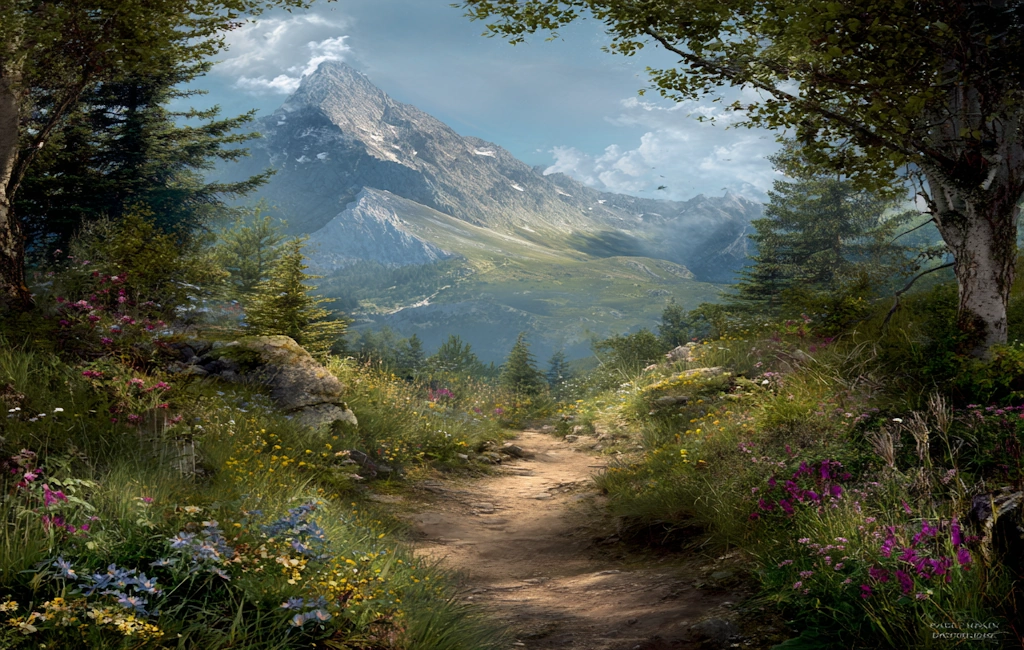
The Mount Speke Route is a challenging and rewarding trek within Uganda's Rwenzori Mountains National Park, a UNESCO World Heritage Site renowned for its dramatic glaciated peaks, unique Afro-alpine flora, and rich biodiversity. This route offers a strenuous but spectacular journey towards the summit of Mount Speke, one of the park's most iconic and technically demanding peaks. Unlike the more accessible trails, the Mount Speke Route requires a high level of fitness, mountaineering experience, and a commitment to navigating rugged terrain, often in harsh weather conditions. The trek ascends through distinct ecological zones, from montane forest to bamboo, heather, and finally the high-altitude moorland and glacial environments that characterise the Rwenzori "Mountains of the Moon." This is an expedition for seasoned adventurers seeking an authentic high-altitude wilderness experience in the heart of Africa.
- Distance: 10.0 km (one-way to summit camp)
- Duration: 2-3 days (typical expedition length)
- Season: December to February, June to August (dry seasons)
- Difficulty: Challenging / Technical
- Highest point: Mount Speke summit (4,890 m)
- Base town: Kasese
- Mandatory: Guide and porters
- Permits: Required from Uganda Wildlife Authority (UWA)
Overview
The Mount Speke Route is not for the faint-hearted. It is a serious mountaineering expedition that demands respect for the Rwenzori's formidable environment. The journey typically begins from Nyakalengija, the park's main entry point, and ascends steeply through dense montane forests, a habitat teeming with unique plant and animal life. As altitude increases, the vegetation transitions dramatically through bamboo zones, then into the ethereal landscape of giant heathers and groundsels, a signature of the Rwenzori's Afro-alpine zone. The final push towards the summit camp and the summit itself involves navigating scree slopes, rocky outcrops, and potentially snow and ice, depending on the season and recent weather patterns.
Mount Speke, with its multiple peaks, the highest being Vittorio Emanuele (4,890 m), presents a significant technical challenge. The route often involves scrambling and basic rock climbing, and reaching the summit requires acclimatisation and good weather. The views from the higher reaches are breathtaking, offering panoramic vistas of the surrounding Rwenzori massif, including neighbouring peaks like Mount Stanley and Mount Baker, and on clear days, the vast plains of Uganda stretching into the distance. The Rwenzori's reputation for unpredictable weather means that sunshine can quickly give way to mist, rain, or even snow, adding to the expedition's adventurous character.
This route is best suited for experienced hikers and climbers who are comfortable with high altitudes, steep ascents, and potentially challenging conditions. The presence of mandatory guides and porters is crucial for safety, navigation, and logistical support, ensuring that trekkers can focus on the incredible experience of conquering one of Africa's most majestic and least-visited mountain ranges.
History and Cultural Context
The Rwenzori Mountains, often referred to as the "Mountains of the Moon," have a long and fascinating history, shrouded in myth and mystery for centuries. Local communities, including the Batooro and Bakonjo peoples, have lived in the foothills of these mountains for generations, holding deep cultural and spiritual connections to the peaks. They have traditionally viewed the mountains as sacred, the home of their gods and ancestors, and have developed intricate knowledge of the lower slopes and their resources.
The first recorded European sighting of the Rwenzori Mountains was by the Greek geographer Ptolemy in the 2nd century AD, who described a range of snow-capped mountains in the heart of Africa, believed to be the source of the Nile. However, it was not until 1889 that the explorer Henry Morton Stanley, on his famous expedition to find Dr. Livingstone, definitively identified the range and mapped its extent. Stanley's accounts ignited European interest in the "Mountains of the Moon," leading to subsequent expeditions by explorers like Luigi Amedeo di Savoia, Duke of the Abruzzi, in 1906. The Duke's expedition was particularly significant, as it achieved the first ascents of several of the highest peaks, including Margherita Peak on Mount Stanley and Vittorio Emanuele on Mount Speke, meticulously documenting the flora, fauna, and geology of the region.
The establishment of the Rwenzori Mountains National Park in 1991, and its subsequent designation as a UNESCO World Heritage Site in 1994, underscored the global importance of this unique mountain ecosystem. The park protects not only the dramatic glaciated peaks but also the diverse Afro-alpine flora and fauna, which are found nowhere else on Earth. The Mount Speke Route, while less frequented than some other trails in the Rwenzori, is part of this legacy, offering a glimpse into the raw, untamed beauty that has captivated explorers for over a century.
Seasonal Highlights and Weather Reality
The Rwenzori Mountains are notorious for their unpredictable and often extreme weather. The "dry seasons" offer the best conditions for trekking and climbing, but even then, rain and mist are common. Understanding these seasons is crucial for planning a successful expedition.
December to February (Dry Season): This period generally offers the clearest skies and least rainfall, making it the most popular time for expeditions. Temperatures at higher altitudes can still be cold, especially at night, but the chances of reaching the summit are highest. Snowfall is possible, particularly on the higher peaks, but the lower slopes are usually more accessible. Sandflies can be present, though less aggressive than in wetter periods.
June to August (Dry Season): Similar to the December-February period, this season provides relatively drier conditions. The landscape can be lush after the preceding rains. Again, temperatures will be cold at altitude, and clear summit days are possible but not guaranteed. This is also a good time to avoid the heaviest rains.
March to May (Wet Season): This is the primary rainy season. Expect frequent and heavy downpours, which can lead to muddy trails, swollen rivers, and increased risk of landslides. Visibility can be severely reduced by mist and cloud, making navigation and summit attempts extremely difficult and dangerous. The trails can become very slippery and challenging.
September to November (Wet Season): While often considered a transition period, this can still bring significant rainfall. The trails may be wet and muddy, and summit success rates decrease due to poor weather. However, the landscape can be incredibly vibrant, and fewer trekkers mean a more solitary experience.
General Weather Conditions: Regardless of the season, expect rapid weather changes. Sunshine can quickly turn into heavy rain, mist, or even hail. Temperatures at higher altitudes (above 3,500 metres) will be cold, often dropping below freezing at night. The Rwenzori receives a significant amount of rainfall annually, contributing to its unique vegetation and glacial features.
Recommended Itinerary
Mount Speke Expedition (Typical 3-Day Itinerary)
Day 1: Nyakalengija (1,650 m) to Nyabitaba Camp (2,650 m)
- Distance: Approximately 8 km
- Elevation gain: 1,000 m
- Time: 5–7 hours
- Start at the Rwenzori Mountains National Park headquarters in Nyakalengija.
- Meet your guide and porters.
- Begin trekking through dense montane forest, rich with birdlife and vegetation.
- The trail is steep and can be muddy, especially after rain.
- Pass through areas with coffee plantations and local homesteads before entering the park boundary.
- Arrive at Nyabitaba Camp, a basic shelter offering good views and a chance to acclimatise.
- The camp is situated near a river, providing a pleasant natural setting.
Day 2: Nyabitaba Camp (2,650 m) to Speke Base Camp (4,200 m)
- Distance: Approximately 7 km
- Elevation gain: 1,550 m
- Time: 7–9 hours
- A challenging day involving a significant ascent through varied vegetation zones.
- The trail transitions from forest to bamboo, then into the heather and giant groundsels zone.
- Cross the Mubuku River via a suspension bridge.
- The terrain becomes increasingly rugged, with steep ascents and descents.
- Reach Speke Base Camp (also known as Margherita Camp or Speke Hut), a basic shelter at the foot of the higher peaks.
- This camp is crucial for acclimatisation before the summit attempt.
- Prepare gear for the summit push, which will likely start very early the next morning.
Day 3: Speke Base Camp (4,200 m) to Summit (Vittorio Emanuele Peak, 4,890 m) and return to Nyabitaba Camp (2,650 m)
- Distance: Approximately 14 km (round trip to summit)
- Elevation gain: 690 m to summit, then 2,240 m descent
- Time: 10–14 hours (including summit and descent)
- Very early start (e.g., 2:00 AM) to maximise chances of good weather and reach the summit in daylight.
- The ascent involves navigating rocky terrain, scree slopes, and potentially snow and ice.
- Ropes and crampons may be required depending on conditions; your guide will assess this.
- Reach Vittorio Emanuele Peak (4,890 m), the highest point on Mount Speke.
- Enjoy the panoramic views if weather permits.
- Begin the long descent back to Speke Base Camp.
- Continue descending all the way to Nyabitaba Camp for the night. This is a very long day.
- Alternatively, some itineraries may descend to a lower camp or even Nyakalengija if time and energy permit, but this is highly demanding.
Alternative/Extended Itinerary Notes:
- Some expeditions may opt for a more gradual ascent, spending an extra night at a mid-point camp to aid acclimatisation.
- The descent can be broken into two days, spending a night at Speke Base Camp before descending to Nyabitaba or even Nyakalengija.
- Summit success is highly dependent on weather conditions and individual acclimatisation.
- Always follow the advice of your guide.
Planning and Bookings
Book Your Trip
Everything you need to plan your journey
Accommodation
Find places to stay near Kasese
Flights
Search flights to Kasese
Essential Preparation
Embarking on the Mount Speke Route requires meticulous planning and preparation. Given its challenging nature and remote location, booking with a reputable local tour operator is highly recommended. These operators will handle permits, arrange guides and porters, and often provide essential equipment. Fitness is paramount; participants should be in excellent cardiovascular condition, accustomed to strenuous hiking with significant elevation gain, and ideally have experience with high-altitude trekking. Acclimatisation is key, and the itinerary should allow for gradual ascent. Base town logistics involve travelling to Kasese, the main gateway to the Rwenzori Mountains. From Kasese, transport (taxi or private vehicle) is needed to reach Nyakalengija village, the trailhead. The road to Nyakalengija can be rough, especially in the wet season, so a 4WD vehicle is advisable. Accommodation in Kasese ranges from basic guesthouses to more comfortable hotels.
Trail Accommodation
Accommodation on the Mount Speke Route is basic and consists of designated camping sites or simple mountain huts/shelters. These facilities are designed for functionality rather than comfort, reflecting the rugged environment.
Nyabitaba Camp (2,650 m):
- Type: Basic camp with a shelter or designated camping area.
- Facilities: May include a basic shelter with sleeping platforms, or simply designated tent pitches. Pit latrines are usually available. Water is sourced from nearby streams.
- What's NOT provided: No cooking facilities, no electricity, no running water beyond stream access, no bedding, no food.
- Seasonal Availability: Accessible year-round, but conditions can be challenging during the wet seasons.
- Costs: Typically included in tour operator packages; otherwise, park entry fees and camping fees apply.
Speke Base Camp (4,200 m):
- Type: Basic mountain hut or designated camping area. Often referred to as Margherita Camp or Speke Hut.
- Facilities: A rudimentary shelter providing protection from the elements, often with sleeping platforms. Pit latrines may be present. Water is from glacial melt streams or snowmelt.
- What's NOT provided: No cooking facilities, no electricity, no running water beyond stream access, no bedding, no food. This is a high-altitude environment with extreme cold.
- Seasonal Availability: Accessible year-round, but summit attempts are highly weather-dependent.
- Costs: Typically included in tour operator packages; otherwise, park entry fees and camping fees apply.
Note: This is a challenging expedition, and the accommodation is basic. Trekkers must be prepared to camp or sleep in simple shelters. All food and cooking equipment must be carried by the trekkers and porters.
Required Gear
- Mountaineering Boots: Sturdy, waterproof, insulated mountaineering boots with good ankle support are essential. Ensure they are well broken-in.
- Waterproof Outerwear: A high-quality waterproof and breathable jacket and trousers (e.g., Gore-Tex) are critical due to frequent rain and mist.
- Insulated Clothing: Multiple layers of warm clothing, including thermal base layers (merino wool or synthetic), fleece mid-layers, and a warm, insulated down or synthetic jacket for summit attempts.
- Headwear: A warm, insulated hat (beanie) that covers the ears, and a balaclava or neck gaiter for protection against wind and cold.
- Gloves: Warm, waterproof gloves or mittens, and liner gloves for dexterity.
- Socks: Several pairs of warm wool or synthetic hiking socks.
- Backpack: A robust trekking backpack (60-75 litres) with a rain cover. A smaller daypack might be useful for summit day if camping at base camp.
- Sleeping Bag: A 4-season sleeping bag rated to at least -10°C to -20°C is essential for high-altitude camps.
- Headlamp: A reliable headlamp with spare batteries for early morning starts and navigating in the dark.
- Navigation Tools: While guides are mandatory, carrying a map, compass, and GPS device is advisable for experienced trekkers.
- Safety Gear: Personal first-aid kit, including blister treatment, pain relievers, and any personal medications. A whistle and emergency blanket.
- Trekking Poles: Highly recommended for stability on steep and slippery terrain.
- Crampons and Ice Axe: May be required for summit attempts depending on snow and ice conditions. Your guide will advise and arrange these if necessary.
What to Bring
- Food: High-energy, lightweight food for the duration of the trek. This includes breakfast, lunch, dinner, and plenty of snacks. Porters will carry the bulk of this.
- Water Bottles/Hydration Reservoir: At least 2-3 litres capacity. Water sources are available but require treatment.
- Water Purification: Water filter, purification tablets, or UV steriliser.
- Sun Protection: High SPF sunscreen, sunglasses, and a wide-brimmed hat or cap. The sun at high altitudes is intense.
- Insect Repellent: Especially for lower forest sections.
- Toiletries: Biodegradable soap, toothbrush, toothpaste, toilet paper, hand sanitiser.
- Personal Items: Camera, power bank for electronics, book or journal for downtime.
- Dry Bags: To keep essential gear dry inside your backpack.
- Cash: For tips for guides and porters, and any personal expenses in Kasese.
- Passport and Visa: Ensure all travel documents are in order.
Permits
Access to the Rwenzori Mountains National Park and the Mount Speke Route requires permits issued by the Uganda Wildlife Authority (UWA). These permits cover park entrance fees and trekking rights. It is essential to arrange these well in advance, ideally through your chosen tour operator, as they are a mandatory requirement for all visitors.
Permit Costs:
- Park entrance fees are typically charged per person per day. For foreign non-residents, this is usually around USD 50 per day.
- Trekking permits for specific routes may also apply.
- Costs can vary, so it is best to confirm the latest fees with UWA or your tour operator.
Booking Process:
- Permits are usually secured by the tour operator as part of the expedition package.
- If arranging independently, contact the UWA headquarters in Kampala or the Rwenzori Mountains National Park headquarters in Kasese.
- Advance booking is highly recommended, especially during peak seasons (dry months), to ensure availability and avoid disappointment.
Mandatory Guide and Porter Services:
- The Uganda Wildlife Authority mandates that all trekkers must be accompanied by a UWA-licensed guide.
- Porters are also highly recommended and often required to carry camping equipment, food, and personal gear, making the trek more manageable.
- The costs for guides and porters are separate from park permits and are usually included in tour operator packages.
Important Considerations:
- Ensure your guide is officially licensed by UWA.
- Discuss the number of porters needed based on the amount of gear you will be carrying.
- Always carry a copy of your permits and identification with you during the trek.
Other Activities in the Area
While the Mount Speke Route is the primary focus for serious mountaineers, the Kasese region and the foothills of the Rwenzori offer several other attractions and activities:
- Trekking Other Rwenzori Routes: Explore less technical but equally beautiful trails within Rwenzori Mountains National Park, such as the Central Circuit (leading towards Mount Stanley's Margherita Peak, a more accessible but still challenging climb) or the Kilembe Trail (offering a different perspective and access to various peaks).
- Visit the Rwenzori Mountains National Park Headquarters: Learn more about the park's conservation efforts, biodiversity, and the history of exploration.
- Cultural Tours: Engage with the local Bakonzo communities in the foothills. Visit traditional homesteads, learn about their way of life, and understand their deep connection to the mountains. Some tours may include demonstrations of traditional crafts or music.
- Chimpanzee Trekking in Kibale Forest National Park: Located a few hours' drive from Kasese, Kibale is one of the best places in East Africa for chimpanzee tracking, offering an opportunity to see these fascinating primates in their natural habitat.
- Queen Elizabeth National Park: This renowned national park is also within driving distance and offers excellent wildlife viewing opportunities, including lions, elephants, hippos, and a variety of birdlife. Boat safaris on the Kazinga Channel are a highlight.
- Amabere Ga Nyina Mwiru Caves: Near Fort Portal (a town accessible from Kasese), these caves are steeped in local legend and feature stalactites and stalagmites, with a waterfall nearby.
- Lake Edward and Lake George: These lakes, part of Queen Elizabeth National Park, offer opportunities for birdwatching and scenic views.
Safety and Conditions
Pre-Trek Checks:
- Weather Forecast: Obtain the most up-to-date weather forecast for the Rwenzori Mountains. Be aware that forecasts for high-altitude mountain regions can be unreliable and change rapidly.
- Park Conditions: Check with the Rwenzori Mountains National Park headquarters in Kasese for any trail closures, advisories, or specific conditions on the Mount Speke Route.
- Health: Ensure you are up-to-date with vaccinations and have any necessary malaria prophylaxis. Consult your doctor about altitude sickness medication (e.g., Diamox) and discuss its use.
Altitude Sickness (Acute Mountain Sickness - AMS):
- AMS is a significant risk on the Mount Speke Route due to the rapid ascent to high altitudes (up to 4,890 m).
- Symptoms include headache, nausea, dizziness, fatigue, and shortness of breath.
- The best prevention is gradual acclimatisation. Follow your guide's advice on pacing and rest.
- If symptoms develop, do not ascend further. Descend immediately if symptoms worsen.
- Stay well-hydrated and avoid alcohol and strenuous activity on the first day.
Trail Conditions:
- Mud and Slippery Surfaces: The trails, especially in the forest and bamboo zones, can be extremely muddy and slippery, particularly during and after rainfall. Sturdy, waterproof boots with excellent grip are essential.
- Steep Ascents and Descents: The route involves significant elevation gain and loss, often on steep and uneven terrain. Trekking poles are highly recommended to reduce strain on knees and improve stability.
- River Crossings: Suspension bridges are used for major river crossings, but these can be precarious. During the wet season, rivers can swell rapidly, making crossings dangerous.
- Rock and Scree: Higher sections involve scrambling over rocks and navigating scree slopes, which can be unstable.
Weather Hazards:
- Rapid Weather Changes: Expect sudden shifts from sunshine to heavy rain, mist, hail, or even snow. Visibility can drop to near zero within minutes.
- Hypothermia: The combination of cold temperatures, wind, and wet conditions poses a significant risk of hypothermia. Always wear appropriate layers and waterproofs.
- Lightning: During thunderstorms, exposed ridges and summits are dangerous. Your guide will make decisions about continuing or turning back based on lightning risk.
Mandatory Guide and Porter Support:
- Your licensed guide is trained in mountain safety, navigation, and first aid. Trust their judgment implicitly.
- Porters are not just for carrying gear; they often have invaluable local knowledge of the trails and conditions.
Communication: Mobile phone signal is non-existent on most of the route. Satellite phones or personal locator beacons (PLBs) are recommended for emergencies, especially for independent trekkers (though independent trekking is generally not permitted without a guide).
Travel Insurance: Comprehensive travel insurance covering high-altitude trekking, medical evacuation, and trip cancellation is strongly advised.
Side Trips and Points of Interest
While the Mount Speke Route is primarily focused on reaching the summit, the journey itself is punctuated by numerous points of interest and opportunities for exploration:
Afro-alpine Flora: The higher reaches of the trail are a botanist's dream. Look out for the unique giant groundsels (Senecio species) and giant heathers (Erica species), which grow to remarkable sizes in the Rwenzori's cool, moist climate. These plants create an otherworldly landscape, especially when shrouded in mist.
Bamboo Forest: The transition zone from montane forest to the alpine zone features dense bamboo forests. These areas can be atmospheric and offer a different visual and auditory experience, with the wind rustling through the tall stalks.
Mubuku River and Suspension Bridges: The Mubuku River is a significant watercourse on the route. Crossing it via the suspension bridges provides a sense of adventure and offers views of the powerful river below. These bridges are often the only way to traverse the river safely.
Vittorio Emanuele Peak (4,890 m): The summit of Mount Speke, named after the Italian explorer. Reaching this point is the culmination of the expedition and offers unparalleled views of the surrounding Rwenzori peaks, including Mount Stanley (with Margherita Peak) and Mount Baker, on clear days.
Glacial Features: As you ascend towards the summit, you will encounter glacial moraines and potentially small glaciers, remnants of the ice age that shaped these mountains. These features highlight the unique high-altitude environment.
Panoramic Views: On clear days, the views from the higher sections of the Mount Speke Route are spectacular. You can see across vast mountain ranges, valleys, and potentially as far as the plains of Uganda. These vistas are a significant reward for the strenuous effort.
Wildlife Spotting: While large mammals are rare at higher altitudes, keep an eye out for unique bird species adapted to the mountain environment, such as the Rwenzori Turaco or various sunbirds. You might also spot smaller mammals like hyraxes or various rodents.
Leave No Trace
The Rwenzori Mountains National Park is a fragile ecosystem, and adhering to Leave No Trace principles is paramount to preserving its unique beauty and biodiversity for future generations. As a visitor to this pristine environment, your actions have a direct impact.
Plan Ahead and Prepare: Understand the route, weather conditions, and any regulations. Book with reputable operators who adhere to LNT principles. Ensure you have the correct gear to prevent issues that could lead to environmental damage.
Travel and Camp on Durable Surfaces: Stick to established trails to avoid damaging vegetation. When camping, use designated sites or areas that are clearly established and can withstand impact. Avoid camping on fragile alpine meadows.
Dispose of Waste Properly: Pack out everything you pack in, including all food scraps, wrappers, and any other litter. Use designated pit latrines where available. If no facilities exist, dig catholes at least 60 metres (60 m) away from water sources, trails, and campsites.
Leave What You Find: Do not remove plants, rocks, or any natural or cultural artifacts. The Rwenzori's unique flora is delicate and slow-growing. Respect the natural and cultural heritage of the mountains.
Minimize Campfire Impacts: Campfires are generally not permitted or are highly discouraged in the Rwenzori Mountains due to the risk of environmental damage and the availability of cooking stoves. Use a portable stove for cooking.
Respect Wildlife: Observe wildlife from a distance. Never feed animals, as this can disrupt their natural behaviours and diets, and can be harmful to their health. Store food securely to prevent attracting animals.
Be Considerate of Other Visitors: Keep noise levels down, especially in camps and on trails. Yield to other trekkers and porters. Respect the local culture and traditions of the communities living in the foothills.
By following these principles, you help ensure that the Rwenzori Mountains remain a wild and inspiring place for all.
Useful Links
- Uganda Wildlife Authority - Rwenzori Mountains National Park
- UNESCO World Heritage Centre - Rwenzori Mountains National Park
- Kasese District Local Government
- MetService Mountain Forecasts (General - check for African mountain regions if available)
- Rwenzori Trekking Information (example of tour operator resources)