
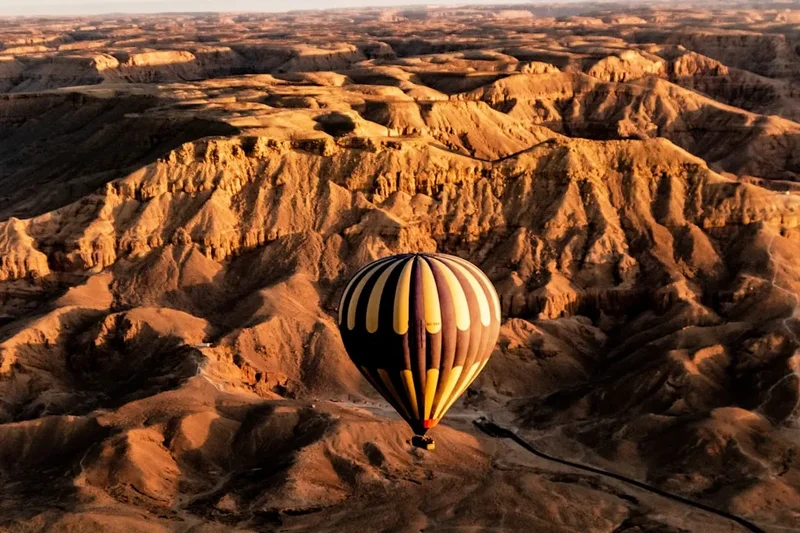
Mount Sinai Sunrise Hike
The Mount Sinai Sunrise Hike is an iconic pilgrimage, a journey to the summit of one of the world's most historically and spiritually significant mountains. Located in the rugged Sinai Peninsula of Egypt, this hike offers not just a physical challenge but a profound connection to ancient history and breathtaking natural beauty. The ascent, typically undertaken under the cloak of darkness, culminates in a spectacular sunrise viewed from the summit, a moment that has inspired travellers for millennia. The trail winds through stark, arid landscapes, passing by ancient monasteries and Bedouin settlements, offering glimpses into a way of life that has endured for centuries. This is more than just a hike; it's an experience that resonates with the soul, a chance to stand where prophets and pilgrims have stood for thousands of years.
- Distance: 7.0 km (one-way to summit)
- Elevation gain: 750 m
- Duration: 4-6 hours (ascent and descent)
- Difficulty: Moderate
- Best Time: October to April (cooler months)
- Closest City: Saint Catherine
- Trailhead Access: Nearest airport: Sharm el-Sheikh International Airport (SSH). Ground transport: Taxi or pre-booked transfer to Saint Catherine. From Saint Catherine, taxis available to the trailhead. Road is paved. Parking available. No permits needed, but security check at the monastery entrance.
- Coordinates: 28.5283, 33.9767
Overview
The Mount Sinai Sunrise Hike is a journey of approximately 7.0 kilometres to the summit, with a significant elevation gain of 750 metres. The trail is best undertaken during the cooler months, from October to April, to avoid the extreme desert heat. The hike typically begins in the late evening or pre-dawn hours, allowing hikers to reach the summit in time for the awe-inspiring sunrise. The path itself is a mix of well-trodden routes and steeper, rockier sections, often navigated by the light of headlamps. Along the way, you'll encounter small Bedouin tea houses offering warm drinks and a chance to rest, as well as the ancient Monastery of Saint Catherine, a UNESCO World Heritage site, nestled at the mountain's base.
The ascent is often described as moderate in difficulty, but the combination of darkness, elevation, and the need to maintain a steady pace to reach the summit for sunrise can make it challenging. The final approach to the summit involves a steep climb of around 750 steps, known as the "steps of penitence," which can be demanding. However, the reward is unparalleled: a panoramic vista of the surrounding desert landscape bathed in the golden hues of dawn. The descent offers a different perspective, revealing the stark beauty of the Sinai mountains and the historical significance of the region in daylight.
The closest major town is Saint Catherine, which serves as the primary base for most visitors. From Sharm el-Sheikh International Airport, it's a drive of approximately 2-3 hours to Saint Catherine. The journey to the trailhead is straightforward, with paved roads leading to the vicinity of the monastery, where parking is available. While no specific permits are required for the hike itself, visitors will undergo a security check upon entering the monastery grounds, which is the starting point for many ascents.
History and Cultural Context
Mount Sinai, also known as Mount Horeb, holds immense religious and historical significance, particularly within Judaism, Christianity, and Islam. According to the Hebrew Bible, it is the mountain where Moses received the Ten Commandments from God. This event is central to the Abrahamic faiths and has made Mount Sinai a pilgrimage destination for thousands of years. The mountain is also believed to be the site of the burning bush encounter between Moses and God.
The Monastery of Saint Catherine, located at the foot of Mount Sinai, is one of the oldest continuously inhabited Christian monasteries in the world. Founded in the 6th century AD by order of the Byzantine Emperor Justinian I, it was built around the traditional site of the burning bush. The monastery houses an extraordinary collection of ancient manuscripts, icons, and religious artefacts, including the Codex Sinaiticus, one of the most important biblical manuscripts in existence. Its strategic location and historical importance have made it a focal point for religious devotion and scholarly study throughout history.
The surrounding region has been inhabited by Bedouin tribes for centuries. These indigenous communities have a deep connection to the land and have traditionally served as guides and hosts to pilgrims and travellers. Their knowledge of the mountain paths, water sources, and the desert environment is invaluable. The Bedouin culture, with its traditions of hospitality and resilience, is an integral part of the Mount Sinai experience. The hike itself often involves interactions with Bedouin guides and stops at their small tea houses, offering a glimpse into their way of life.
Seasonal Highlights and Weather Reality
The best time to undertake the Mount Sinai Sunrise Hike is during the cooler months, from October to April. During this period, daytime temperatures are more pleasant for hiking, and the nights, while cool, are manageable with appropriate gear. The desert climate means that even in the cooler months, temperatures can vary significantly between day and night, and at higher altitudes.
Autumn (October–November): This is an ideal time to visit. The weather is generally stable, with warm days and cool, crisp nights. The landscape is still recovering from the summer heat, and the skies are often clear, offering excellent visibility for both the hike and the sunrise.
Winter (December–February): While the days are mild, winter nights can be very cold, with temperatures potentially dropping below freezing, especially at the summit. Snowfall is rare but not impossible at higher elevations. Hikers must be prepared for colder conditions, including wind chill, and pack warm layers accordingly. The clear winter skies often provide spectacular stargazing opportunities.
Spring (March–April): Spring offers a transition period with gradually warming temperatures. Days can become quite warm, but mornings and evenings remain cool and pleasant for hiking. This is also a popular time for visitors, so expect more crowds, particularly around the Easter period.
Summer (May–September): Summer is generally too hot for comfortable hiking. Daytime temperatures can soar well above 40 degrees Celsius, making the ascent extremely arduous and potentially dangerous. While sunrise hikes are still possible, the heat during the descent and the overall experience can be significantly diminished. It is strongly advised to avoid this period for the sunrise hike.
Weather Considerations: Regardless of the season, desert weather can be unpredictable. Strong winds can occur, and dust storms are possible. Always check the local weather forecast before your hike and be prepared for changing conditions. The summit of Mount Sinai is exposed, and wind chill can make it feel significantly colder than the actual temperature.
Recommended Itinerary
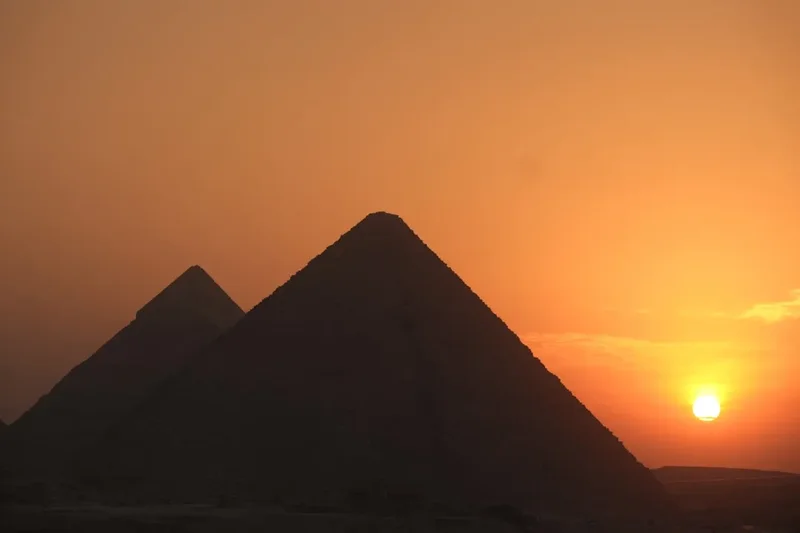
Mount Sinai Sunrise Hike Itinerary
Pre-Hike Evening: Arrival in Saint Catherine
- Arrive in Saint Catherine town.
- Check into your accommodation (hotel or guesthouse).
- Arrange for a guide and transportation to the trailhead if not already booked.
- Have an early dinner and rest.
- Prepare your gear for the night hike.
Late Evening/Early Morning: Ascent to Summit
- Approximately 11:00 PM - 1:00 AM: Depart from the trailhead near the Monastery of Saint Catherine.
- The initial part of the trail is a paved path leading towards the monastery.
- After passing the monastery, the trail becomes a rocky, ascending path.
- Approximately 2-3 hours into the hike: Reach the first set of Bedouin tea houses.
- Option to rest, purchase warm drinks (tea, coffee), and use basic facilities.
- Continue the ascent, the path becoming steeper and more rugged.
- Approximately 3-4 hours into the hike: Reach the base of the "steps of penitence."
- These are approximately 750 steep steps carved into the rock, leading directly to the summit area.
- The final approach requires careful footing and steady effort.
Sunrise: Summit Experience
- Approximately 4:00 AM - 5:00 AM: Arrive at the summit of Mount Sinai.
- Find a vantage point to watch the sunrise.
- The summit area has a small chapel and a mosque, and a few more Bedouin stalls selling refreshments.
- Witness the spectacular sunrise over the Sinai Peninsula, a truly unforgettable moment.
- Spend time at the summit, taking in the views and the atmosphere.
Morning: Descent and Monastery Visit
- Approximately 6:00 AM - 7:00 AM: Begin the descent.
- The descent offers a different perspective of the landscape in daylight.
- Approximately 8:00 AM - 9:00 AM: Arrive back at the base of the mountain.
- Visit the Monastery of Saint Catherine (check opening hours, typically opens around 9:00 AM).
- Explore the monastery's historical and religious significance, its library, and the burning bush site (if accessible).
- Return to Saint Catherine town for breakfast and rest.
Important Notes:
- Guides are highly recommended, especially for first-time visitors or those unfamiliar with the area. They can assist with navigation, safety, and cultural insights.
- Book your guide and transport in advance, particularly during peak season.
- Carry sufficient water (at least 2-3 litres per person) and snacks.
- Wear sturdy, broken-in hiking boots.
- Dress in layers, as temperatures can change significantly from the base to the summit and between night and day.
- Bring a headlamp with spare batteries; a powerful one is essential for the dark ascent.
- A warm jacket, hat, and gloves are crucial for the summit, especially during cooler months.
- Be prepared for basic toilet facilities at the tea houses.
Planning and Bookings
Book Your Trip
Everything you need to plan your journey
Accommodation
Find places to stay near Saint Catherine
Flights
Search flights to Saint Catherine
Essential Preparation
The Mount Sinai Sunrise Hike requires careful planning to ensure a safe and enjoyable experience. The primary logistical hub is the town of Saint Catherine, located at the foot of Mount Sinai. The nearest major airport is Sharm el-Sheikh International Airport (SSH), approximately a 2-3 hour drive away. From Sharm el-Sheikh, you can arrange private transfers, taxis, or join organised tours to Saint Catherine. It is advisable to book your transport in advance, especially if travelling during peak tourist seasons.
Accommodation in Saint Catherine ranges from basic guesthouses to more comfortable hotels. Booking your accommodation in advance is recommended. Upon arrival in Saint Catherine, you will need to arrange for a local Bedouin guide. While it is possible to hike independently, a guide is highly recommended for navigation, safety, and to gain cultural insights. Guides can often be arranged through your accommodation or local tour operators. Ensure your guide is reputable and that the terms of the hike (duration, cost, inclusions) are clearly agreed upon beforehand.
The hike itself is typically undertaken at night to reach the summit for sunrise. This means preparing for a nocturnal ascent, which requires specific gear and a good level of fitness. The trail is moderately challenging due to the elevation gain and the rocky terrain, so a reasonable level of physical fitness is essential. It is also important to be aware of the cultural context of the region; dress modestly, especially when visiting the Monastery of Saint Catherine.
Trail Accommodation
This is a day hike requiring no overnight accommodation on the trail itself. Hikers typically stay in Saint Catherine town the night before the hike to begin their ascent in the late evening or pre-dawn hours. Accommodation options in Saint Catherine include:
- Hotels: Several hotels offer comfortable rooms with amenities, often including breakfast. These provide a good base for preparation and recovery.
- Guesthouses: More basic but often more affordable, guesthouses offer a simpler lodging experience, often run by local families.
- Bedouin Camps: Some organised tours may include stays in Bedouin camps, offering a more immersive cultural experience.
While there are no official huts or campsites on the trail to the summit, Bedouin tea houses are strategically located along the ascent. These offer basic shelter, hot drinks (tea, coffee), and a place to rest for a short period. They are not accommodation facilities but rather resting points during the hike.
Required Gear
- Hiking Boots: Sturdy, waterproof, and well-broken-in hiking boots with good ankle support are essential for the rocky and uneven terrain.
- Headlamp: A powerful headlamp with fresh batteries and a spare set is crucial for navigating the trail in darkness.
- Warm Layers: Even in cooler months, the summit can be cold due to altitude and wind chill. Pack a fleece jacket, thermal base layers, and a warm hat and gloves.
- Waterproof Jacket: A lightweight, waterproof and windproof jacket is advisable to protect against potential wind and any unexpected precipitation.
- Backpack: A comfortable daypack (20-30 litres) to carry essentials like water, snacks, extra layers, and a first-aid kit.
- First-Aid Kit: A basic kit including plasters, antiseptic wipes, pain relievers, and any personal medications.
- Sun Protection: Even for a sunrise hike, sunglasses and sunscreen are recommended for the descent, as the desert sun can be intense.
- Walking Poles (Optional): Can provide extra stability and reduce strain on knees during the descent.
What to Bring
- Water: Carry at least 2-3 litres of water per person. Hydration is critical in the desert environment.
- Food/Snacks: High-energy snacks such as nuts, dried fruit, energy bars, and chocolate are recommended to maintain energy levels during the hike.
- Camera: To capture the stunning sunrise and the surrounding landscapes. Ensure you have spare batteries or a power bank.
- Mobile Phone: For emergencies, though signal can be intermittent. Ensure it is fully charged.
- Cash: Small denominations of Egyptian Pounds are useful for purchasing drinks and snacks at Bedouin tea houses and for tipping your guide.
- Toilet Paper and Hand Sanitiser: For use at the basic facilities along the trail.
- Identification: Carry your passport or a copy for security checks.
- Small Towel: Useful for wiping sweat or for use after washing hands.
Permits
No specific hiking permits are required to ascend Mount Sinai. The trail is generally open to the public, and access is facilitated through local guides and the proximity to the Monastery of Saint Catherine.
However, visitors will need to pass through a security checkpoint when entering the area around the Monastery of Saint Catherine, which is the common starting point for the hike. This is a standard procedure for ensuring the safety and security of the site and its visitors. You will likely be asked to present your passport or identification at this checkpoint.
While no permits are needed for the hike itself, it is highly recommended to hire a local Bedouin guide. These guides are essential for navigating the trail, especially during the night ascent, and for providing cultural context and ensuring your safety. Guides can often be arranged through your accommodation in Saint Catherine or through local tour operators. The cost of a guide is typically negotiated beforehand and may vary depending on the season and group size.
The Monastery of Saint Catherine itself has specific opening hours for visitors wishing to explore its historical and religious significance. These hours can vary, so it is advisable to check them in advance if you plan to visit the monastery after your sunrise hike. Access to certain parts of the monastery, such as the library or the burning bush site, may be restricted or require special arrangements.
Other Activities in the Area
Beyond the iconic sunrise hike, the Saint Catherine region offers a wealth of experiences for visitors:
- Monastery of Saint Catherine: A UNESCO World Heritage site, this ancient monastery is a must-visit. Explore its rich history, stunning religious art, the library containing invaluable manuscripts, and the traditional site of the burning bush. Allow ample time to absorb its spiritual and historical significance.
- Mount Moses (Jebel Musa) Hike: While Mount Sinai is the primary destination, the adjacent Mount Moses offers a shorter, less strenuous hike with its own historical and religious connections. It's a good option for those seeking a less demanding climb or an alternative perspective.
- Dahab and the Red Sea: For those looking to relax after their desert adventure, the coastal town of Dahab is a popular destination on the Red Sea, known for its excellent diving, snorkelling, and laid-back atmosphere. It's approximately a 1.5-2 hour drive from Saint Catherine.
- Colourful Canyon: Located not far from Saint Catherine, this natural geological wonder features narrow, winding canyons with walls of vibrant sandstone. It's a fantastic spot for photography and a short, scenic hike.
- Bedouin Cultural Experiences: Engage with the local Bedouin communities. Many offer opportunities to learn about their traditional way of life, enjoy local cuisine, and experience their renowned hospitality. This can range from simple tea breaks at their mountain stalls to more organised cultural visits.
- Stargazing: The clear desert skies away from light pollution offer exceptional opportunities for stargazing. On a clear night, the Milky Way is often visible in stunning detail.
- Hiking in the Sinai Mountains: The region offers numerous other hiking trails and opportunities for exploration beyond the main summit routes, catering to various fitness levels and interests.
Safety and Conditions
Pre-Hike Checks:
- Weather Forecast: Always check the local weather forecast for Saint Catherine and the summit of Mount Sinai before your hike. Be prepared for significant temperature drops at night and potential wind.
- Guide Arrangement: Ensure you have a reliable and experienced local guide. They are invaluable for navigation, safety, and understanding local conditions. Confirm their credentials and agree on the hike plan.
- Physical Fitness: The hike involves a significant elevation gain and is undertaken in the dark. Ensure you have a good level of cardiovascular fitness and are comfortable with sustained uphill walking.
- Hydration and Nutrition: Carry ample water (at least 2-3 litres per person) and high-energy snacks. Dehydration and fatigue can be serious risks in the desert environment.
On the Trail:
- Navigation: Stick to the marked paths and follow your guide closely. The trail can be disorienting in the dark.
- Footwear: Wear sturdy, supportive hiking boots. Loose rocks and uneven terrain can lead to slips and sprains.
- Clothing: Dress in layers. The temperature at the summit can be significantly colder than at the base, especially with wind chill. A warm jacket, hat, and gloves are essential.
- Headlamp: Ensure your headlamp is powerful and has fresh batteries. A backup light source is also advisable.
- Pace Yourself: Maintain a steady pace and take breaks as needed. Do not overexert yourself, especially during the night ascent.
- Respect the Environment: Stay on marked trails to avoid damaging fragile desert vegetation and to prevent getting lost.
- Cultural Sensitivity: Dress modestly, particularly when passing the Monastery of Saint Catherine. Be respectful of local customs and traditions.
Emergency Preparedness:
- Mobile Signal: Mobile phone signal can be intermittent on the mountain. Inform someone of your hiking plans and expected return time.
- Emergency Contacts: Have local emergency numbers readily available. Your guide should also be equipped to handle minor emergencies.
- First-Aid: Carry a basic first-aid kit and know how to use it for common hiking injuries like blisters, cuts, and sprains.
The Mount Sinai hike is generally safe when proper precautions are taken. The primary risks are related to weather, physical exertion, and navigation in the dark. By preparing adequately and hiring a local guide, you can significantly mitigate these risks and ensure a memorable and safe experience.
Side Trips and Points of Interest
Monastery of Saint Catherine: While not strictly a side trip, a thorough visit to the Monastery of Saint Catherine is a crucial part of the Mount Sinai experience. Located at the mountain's base, this ancient monastery is a UNESCO World Heritage site and one of the oldest continuously functioning Christian monasteries in the world. Its historical and religious significance is immense. Key points of interest within the monastery include:
- The Burning Bush Site: The traditional location where Moses encountered God in the burning bush.
- The Library: Home to one of the world's most important collections of early manuscripts and religious texts, including the Codex Sinaiticus. Access may be restricted.
- The Church of the Transfiguration: The main church of the monastery, adorned with stunning Byzantine mosaics and icons.
- The Ossuary: A chamber containing the skeletal remains of monks who lived and died at the monastery over centuries.
Visiting the monastery after the sunrise hike provides a different perspective and a deeper understanding of the spiritual context of Mount Sinai.
The "Steps of Penitence": These are approximately 750 steep, carved steps leading from the vicinity of the monastery up to the summit plateau. While part of the main ascent, they represent a distinct and challenging section of the hike. The sheer effort involved in climbing these steps is often referred to as a form of penance, adding to the spiritual dimension of the journey for many pilgrims.
Bedouin Tea Houses: Scattered along the trail, these small, rustic stalls are run by local Bedouin families. They offer a welcome respite, providing hot beverages like traditional Bedouin tea (often spiced with herbs) and coffee, as well as snacks. They are excellent places to rest, acclimatise, and interact with the local community. Some also offer blankets for rent for those feeling the cold at higher altitudes.
Summit Views: Beyond the sunrise itself, the summit plateau offers breathtaking panoramic views of the surrounding Sinai Peninsula. In daylight, the stark beauty of the desert landscape, the rugged mountain ranges, and the vast expanse of the arid terrain are revealed in stunning detail. The views are particularly impressive during the descent, as the full scale of the landscape becomes apparent.
Leave No Trace
The Mount Sinai region is a place of profound natural beauty and immense cultural and religious significance. As visitors, it is our responsibility to tread lightly and preserve this sacred landscape for future generations. Adhering to Leave No Trace principles is paramount:
- Pack It In, Pack It Out: Carry out all litter, including food scraps, wrappers, and any other waste you generate. Do not leave anything behind on the trail or at the summit.
- Stay on Marked Trails: The desert environment is fragile. Staying on the designated paths prevents erosion and protects delicate plant life and the natural habitat. Straying from the trail can also lead to getting lost.
- Respect Wildlife: Observe any wildlife from a distance and do not feed the animals. Feeding them can disrupt their natural behaviours and diets, and can be harmful.
- Dispose of Waste Properly: Use the designated toilet facilities where available. If no facilities are present, dig a cathole at least 70 metres away from water sources, trails, and campsites, and bury human waste. Pack out all toilet paper.
- Leave What You Find: Do not take rocks, plants, or any natural or historical artefacts from the site. The goal is to leave the environment as you found it.
- Minimise Campfire Impacts: Campfires are generally not permitted on this hike due to the arid environment and safety concerns. If camping were permitted, use established fire rings and ensure fires are completely extinguished.
- Be Considerate of Other Visitors: Keep noise levels down, especially during the night ascent and at the summit. Respect the quiet and contemplative atmosphere that many seek on this pilgrimage.
By following these principles, you contribute to the preservation of Mount Sinai's unique environment and its spiritual heritage, ensuring that its majesty can be appreciated by all who follow.