
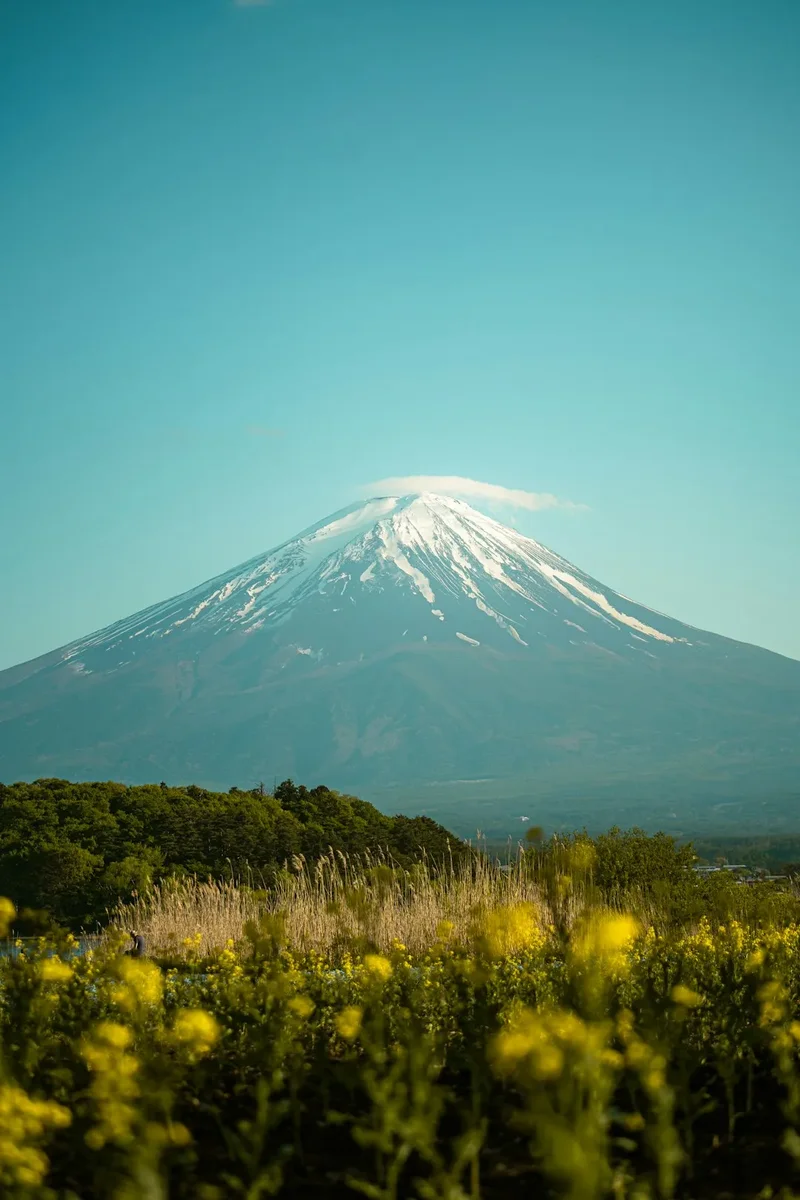
Mount Rokko Traverse
The Mount Rokko Traverse is a rewarding day walk that offers a diverse experience of Japan's natural beauty, blending urban accessibility with serene mountain landscapes. Situated just outside the bustling city of Kobe, Mount Rokko provides a refreshing escape for hikers of all levels. This traverse typically begins in the historic city of Takarazuka and concludes in the vibrant port city of Kobe, offering a journey through varied terrain, from dense forests to open alpine meadows, culminating in panoramic views of Osaka Bay and the surrounding Kansai region. It's a popular route for both locals and tourists seeking a moderate challenge and spectacular scenery, particularly during the vibrant autumn foliage season or the pleasant spring bloom.
- Distance: 15.0 km one-way
- Duration: 6–8 hours
- Season: March–May (spring), October–November (autumn)
- Difficulty: Moderate
- Highest point: Mount Rokko (931 m)
- Start: Takarazuka
- End: Kobe (various access points)
- Permits: Not required
Overview
The Mount Rokko Traverse is a classic day hike that showcases the accessible yet stunning natural beauty of the Kansai region. This route is celebrated for its accessibility from major urban centres like Kobe and Osaka, making it a popular choice for a day trip. The journey typically starts in Takarazuka, a city known for its hot springs and theatre, and winds its way up through forested slopes towards the summit of Mount Rokko. As you ascend, the environment gradually shifts from urban fringe to dense woodland, eventually opening up to more exposed ridges and alpine-like meadows near the summit plateau.
The trail is well-maintained and marked, making it suitable for hikers with moderate fitness. Along the way, you'll encounter a variety of flora, with cherry blossoms in spring and vibrant maple leaves in autumn providing spectacular seasonal displays. The summit area of Mount Rokko is a popular destination in itself, featuring several attractions including observation decks, gardens, and restaurants, offering a chance to rest and refuel while enjoying breathtaking vistas. The descent from Mount Rokko can be varied, with options leading towards different parts of Kobe, each offering unique perspectives and further exploration opportunities.
The true reward of the Mount Rokko Traverse lies in the panoramic views. From the summit and various viewpoints along the trail, you can gaze out over the sprawling urban landscape of Kobe and Osaka, stretching towards the shimmering waters of Osaka Bay. On clear days, the visibility extends to the distant islands and even Mount Fuji on exceptionally rare occasions. This combination of accessible nature, cultural points of interest, and stunning vistas makes the Mount Rokko Traverse a highly recommended experience for anyone visiting the region.
History and Cultural Context
Mount Rokko has a long history of human interaction, serving as a natural boundary and a place of spiritual significance for centuries. Historically, the mountain served as a natural barrier between the Settsu Province (modern-day Hyogo Prefecture) and the Tanba Province. Its slopes were likely used for hunting and gathering by early inhabitants, and its higher reaches may have held religious importance, a common characteristic of prominent mountains in Japanese culture.
The modern development of Mount Rokko as a recreational area began in the late 19th and early 20th centuries, particularly during the Meiji and Taisho periods, when Japan opened to the West and adopted Western recreational pursuits. British consul-general Sir Ernest Satow is credited with promoting the area as a summer resort for foreigners living in Kobe, drawn by its cooler temperatures compared to the humid coastal plains. This led to the development of infrastructure, including walking paths and eventually the Rokko Cable Car, which opened in 1932, making the summit more accessible.
The area around the summit became a popular destination for picnics, hiking, and enjoying the views. The establishment of the Rokko Garden (now Rokko Alpine Botanical Garden) in 1933 further enhanced its appeal as a place of natural beauty and scientific interest. Over time, the mountain has evolved from a natural wilderness to a managed recreational space, balancing conservation with public access. The trails themselves, while often paved or well-trodden, follow routes that have been used for generations, connecting the urban centres with the serene mountain environment.
Seasonal Highlights and Weather Reality
The Mount Rokko Traverse is a year-round destination, but it truly shines during the spring and autumn months, offering distinct and beautiful experiences.
Spring (March to May): This is a vibrant time to hike Mount Rokko. The mountain awakens from winter with a burst of colour. Cherry blossoms (sakura) typically bloom from late March to early April, painting the lower slopes and parks in delicate shades of pink and white. As spring progresses, azaleas and other wildflowers begin to appear, adding further colour to the landscape. The weather is generally mild and pleasant, with average temperatures ranging from 10°C to 20°C. However, spring can also bring unpredictable weather, including occasional rain showers and cooler days, especially at higher elevations.
Summer (June to August): Summer on Mount Rokko can be hot and humid, with temperatures often exceeding 30°C. The rainy season (tsuyu) typically occurs in June and early July, bringing frequent rainfall. While hiking is still possible, it requires careful planning and appropriate rain gear. The lush green foliage offers shade, and the higher altitude provides a slight respite from the heat compared to the cities below. However, thunderstorms are also a possibility during this season.
Autumn (October to November): Autumn is arguably the most spectacular season for the Mount Rokko Traverse. The mountain transforms into a breathtaking tapestry of vibrant reds, oranges, and yellows as the maple leaves (momiji) and other deciduous trees change colour. This period, known as koyo, attracts many visitors. The weather is typically crisp, cool, and dry, with clear skies offering excellent visibility for the panoramic views. Average temperatures range from 10°C to 20°C. This is an ideal time for hiking, with comfortable conditions and stunning scenery.
Winter (December to February): Winter on Mount Rokko is cold, with average temperatures ranging from 0°C to 10°C. Snowfall is possible, especially at higher elevations, and can transform the landscape into a serene winter wonderland. While the trails may become icy or snow-covered, making them more challenging, the views can be exceptionally clear and dramatic. Some facilities on the summit may have reduced operating hours or be closed during the winter months.
Recommended Itinerary
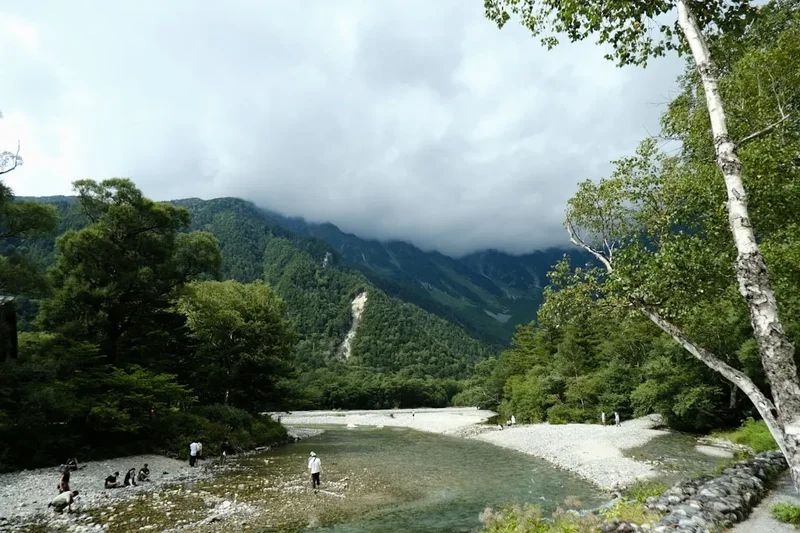
Mount Rokko Traverse: Takarazuka to Kobe (Day Hike)
This itinerary outlines a typical progression for the Mount Rokko Traverse, assuming a start in Takarazuka and a finish in Kobe. The exact end point in Kobe can be adjusted based on preference and available transport.
Early Morning (7:00 AM - 8:00 AM): Arrival in Takarazuka & Trailhead Access
- Arrive at Takarazuka Station (Hankyu or JR).
- Briefly explore the area around the station, perhaps a quick visit to the Takarazuka Revue Theatre exterior or a local shrine.
- Walk or take a short taxi ride to the trailhead, often located near the base of Mount Rokko or accessible via local bus routes.
- Ensure you have all necessary gear, water, and snacks.
Morning (8:00 AM - 12:00 PM): Ascent through Forested Slopes
- Begin the ascent from Takarazuka. The initial part of the trail is often well-defined, passing through residential areas before entering forested terrain.
- The path gradually steepens, winding through dense woodlands of cedar and broadleaf trees.
- Enjoy the changing sounds and smells of the forest. Keep an eye out for local birdlife.
- The trail may feature sections with steps or natural earth paths.
- Occasional clearings might offer glimpses of the urban sprawl below, a reminder of your proximity to the city.
Midday (12:00 PM - 1:30 PM): Summit Area & Lunch Break
- Reach the summit plateau of Mount Rokko. This area is more developed and offers several amenities.
- Lunch: Find a suitable spot for a picnic lunch at one of the designated rest areas or enjoy a meal at one of the summit restaurants (e.g., Rokko Garden Terrace, Rokko Shokudo).
- Exploration: Visit the Rokko Alpine Botanical Garden (requires separate entry fee) to see a diverse collection of alpine plants.
- Take in the panoramic views from the observation decks. On a clear day, you can see Kobe, Osaka Bay, and the surrounding prefectures.
Afternoon (1:30 PM - 5:00 PM): Descent towards Kobe
- Begin the descent from Mount Rokko. There are multiple trail options leading down towards different parts of Kobe.
- A common route descends towards the Rokko Cable Car station (Rokko-Arima Station) or continues further down towards the Shin-Kobe area.
- The descent can be steep in places, so take care with your footing.
- The scenery may change again, with more open views or different types of forest.
- Consider stopping at viewpoints along the descent for final photo opportunities.
Late Afternoon (5:00 PM onwards): Arrival in Kobe & Departure
- Reach your chosen endpoint in Kobe (e.g., near a cable car station, bus stop, or train station).
- From here, you can access public transport (trains, buses, subways) to explore Kobe city or return to your accommodation.
- Options include visiting the Kobe Port Tower, exploring the Kitano Ijinkan district, or enjoying local cuisine.
Alternative Endpoints: Depending on your chosen descent route, you might end up near:
- Rokko Cable Car Station (Rokko-Arima): Connects to Arima Onsen (a famous hot spring town) or back down towards Kobe.
- Shin-Kobe Station: Offers direct access to the Shinkansen (bullet train) and local transport.
- Various bus routes: Leading to different neighbourhoods within Kobe.
Planning and Bookings
Book Your Trip
Everything you need to plan your journey
Accommodation
Find places to stay near Kobe
Flights
Search flights to Kobe
Essential Preparation
The Mount Rokko Traverse is a day hike, meaning no overnight accommodation is required. However, thorough preparation is still essential for a safe and enjoyable experience. Begin by checking the weather forecast for Mount Rokko, as conditions can change rapidly, especially at higher elevations. Ensure you have a reliable way to access the trailhead in Takarazuka and a clear plan for your descent and onward travel from Kobe. Familiarise yourself with the public transport options in both cities, as they are crucial for logistics. Consider purchasing a local transport pass if you plan to use buses and trains extensively.
Base Town/City Information:
- Takarazuka: A city in Hyogo Prefecture, known for its hot springs (onsen) and the famous Takarazuka Revue. It is easily accessible by train from Osaka and Kobe.
- Kobe: A major port city and the capital of Hyogo Prefecture. It offers a wide range of accommodation, dining, and cultural attractions. Kobe is well-connected by Shinkansen, local trains, and has its own international airport (Kobe Airport - UKB), with major international hubs at Osaka's Kansai International Airport (KIX) and Itami Airport (ITM).
Trail Accommodation
This is a day hike requiring no overnight accommodation.
Required Gear
- Hiking Boots/Shoes: Sturdy, comfortable footwear with good grip is essential. Trail runners may suffice for drier conditions, but hiking boots offer better ankle support on uneven terrain.
- Backpack: A daypack (20-30 litres) to carry essentials.
- Waterproof Jacket: Lightweight and breathable, suitable for sudden rain showers.
- Warm Layers: A fleece or insulating jacket, especially for cooler spring or autumn days, or if planning to stay for sunset.
- Headwear: A hat for sun protection and a beanie for cooler temperatures.
- Navigation: A map of the Mount Rokko area, a compass, or a GPS device/smartphone with offline maps. While trails are generally well-marked, it's wise to be prepared.
- First-Aid Kit: Including plasters, antiseptic wipes, pain relievers, and any personal medications.
- Sun Protection: Sunscreen, sunglasses.
What to Bring
- Water: At least 1.5-2 litres per person. Refill points may be available at summit facilities, but it's best to start with ample supply.
- Food: Packed lunch, snacks (energy bars, fruit, nuts) for sustained energy throughout the hike.
- Toiletries: Hand sanitiser, tissues, any personal hygiene items.
- Camera: To capture the stunning scenery.
- Mobile Phone: Fully charged, with a portable power bank if possible.
- Cash: For potential purchases at summit facilities, cable cars, or local transport, as not all vendors may accept cards.
- Insect Repellent: Particularly useful during warmer months to ward off mosquitoes or other biting insects.
Permits
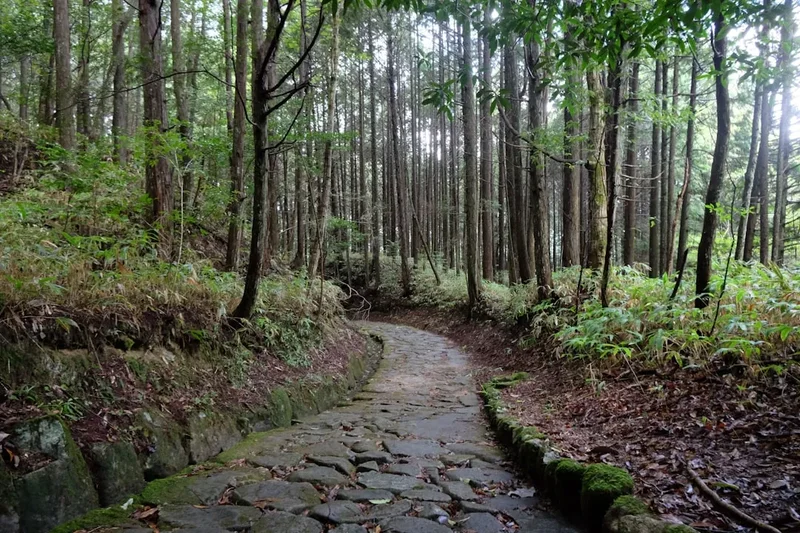
No permits are required for hiking the Mount Rokko Traverse. The trails are part of the public domain and are freely accessible. However, if you plan to use specific facilities like the Rokko Alpine Botanical Garden or the Rokko Cable Car, separate entrance fees or tickets will apply. It is advisable to check the operating hours and admission fees for any attractions you intend to visit on the summit.
Other Activities in the Area
The Mount Rokko area offers a variety of activities beyond the traverse itself, making it a destination for a full day or even a weekend trip:
- Rokko Alpine Botanical Garden: Explore a diverse collection of alpine plants from around the world, beautifully displayed in naturalistic settings. It's particularly stunning during spring and autumn.
- Rokko Garden Terrace & Observation Deck: Enjoy panoramic views of Kobe and Osaka Bay from this popular viewpoint. The terrace also features cafes and shops.
- Rokko Ski Resort: In winter, Mount Rokko transforms into a popular ski destination, offering slopes suitable for beginners and families.
- Rokko International Musical Box Museum: Discover a fascinating collection of antique musical boxes and enjoy their enchanting melodies.
- Arima Onsen: A short journey from the Rokko Cable Car station, Arima Onsen is one of Japan's oldest and most famous hot spring resorts, perfect for a relaxing soak after a hike.
- Kobe City Exploration: After descending, explore Kobe's attractions, including the historic Kitano Ijinkan foreign residences, the vibrant Nankinmachi Chinatown, and the scenic Meriken Park with its iconic Port Tower.
- Mount Maya: Another prominent mountain in the vicinity, offering different hiking routes and spectacular night views of Kobe.
Safety and Conditions
Weather: Mount Rokko's weather can change rapidly. Always check the forecast before you go. Be prepared for cooler temperatures, wind, and rain, especially at higher elevations. Hypothermia is a risk even in milder seasons if you get wet and cold.
Trail Conditions: The trails are generally well-maintained, but can be steep and slippery, particularly after rain. Wear appropriate footwear with good grip. Be mindful of loose rocks and uneven surfaces.
Navigation: While the main trails are well-marked, it's wise to carry a map or use a reliable offline navigation app. If you venture onto less-travelled paths, ensure you are confident in your navigation skills.
Water and Food: Carry sufficient water and snacks. While there are facilities on the summit, they can be crowded or have limited hours. Do not rely solely on summit facilities for hydration or sustenance.
Emergency Contacts: Save local emergency numbers on your phone. In Japan, the emergency number for police is 110 and for ambulance/fire is 119.
Wildlife: While large wildlife is uncommon, be aware of smaller creatures and insects. Respect the natural environment and avoid disturbing wildlife.
Communication: Mobile phone reception is generally good on Mount Rokko, but can be patchy in some forested areas or deep valleys.
Side Trips and Points of Interest
Rokko Alpine Botanical Garden: Located near the summit, this garden is a delightful detour. It showcases a vast array of alpine plants from Japan and around the world, meticulously arranged in naturalistic settings. It's a peaceful oasis and a great place to learn about mountain flora. Allow at least 1-2 hours for a thorough visit.
Rokko Garden Terrace: This is a popular hub on the summit, offering stunning panoramic views from its observation decks. It's an ideal spot to rest, enjoy a coffee or meal, and soak in the expansive scenery of Kobe, Osaka Bay, and the surrounding landscape. The architecture of the terrace itself is also noteworthy.
Mount Rokko Summit Area: Beyond the main attractions, the summit plateau itself is a pleasant area to explore. There are various walking paths, small shrines, and open spaces that offer different perspectives of the surrounding mountains and the distant urban sprawl.
Rokko-Arima Cable Car: If you choose to descend towards the Rokko-Arima Cable Car station, the ride itself offers scenic views as you travel down the mountainside. This can be a convenient way to connect to Arima Onsen or other transport links.
Leave No Trace
The Mount Rokko Traverse, like any natural area, benefits greatly from the practice of Leave No Trace principles. These guidelines help preserve the beauty and ecological integrity of the mountain for all visitors and for future generations.
- Plan Ahead and Prepare: Familiarise yourself with the trail, weather conditions, and any specific regulations. Pack appropriately for the conditions.
- Travel and Camp on Durable Surfaces: Stick to marked trails to avoid damaging vegetation and soil. Avoid creating new paths.
- Dispose of Waste Properly: Pack out everything you pack in, including food scraps, wrappers, and any other litter. Use designated bins where available, but be prepared to carry waste out if bins are full or absent.
- Leave What You Find: Do not remove plants, rocks, or any natural objects. Take only photographs and memories.
- Minimise Campfire Impacts: Not applicable for this day hike, but a general principle for backcountry travel.
- Respect Wildlife: Observe wildlife from a distance and never feed animals. Feeding can alter their natural behaviour and diet, and can be harmful to their health.
- Be Considerate of Other Visitors: Keep noise levels down, yield to other hikers on narrow trails, and be mindful of others' enjoyment of the natural environment.
By adhering to these principles, you contribute to the preservation of Mount Rokko's natural charm and ensure a positive experience for everyone.
 Japan
Japan