
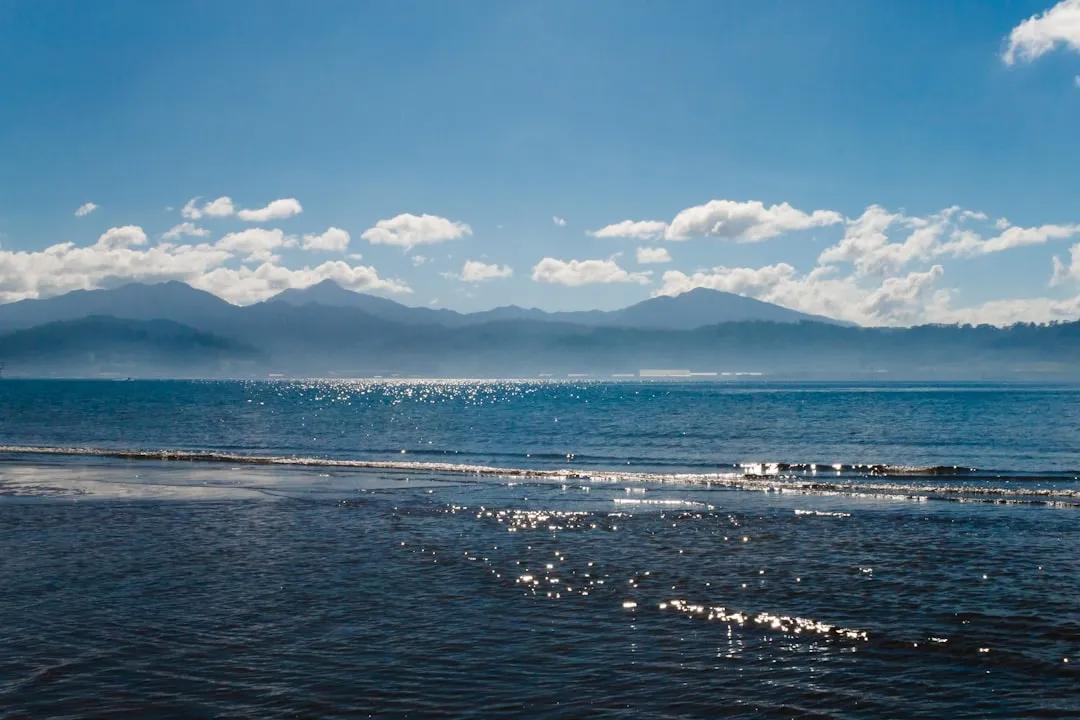
Mount Pinatubo Trek - A Journey to the Sky
The Mount Pinatubo Trek is a spectacular day-hike adventure in the Philippines, offering a unique opportunity to witness the aftermath of one of the 20th century's most significant volcanic eruptions. Located on the island of Luzon, Mount Pinatubo dramatically reshaped the landscape when it erupted in 1991, creating a vast caldera lake and leaving behind a surreal, moon-like terrain. This trek is not just a physical journey but a profound encounter with the raw power of nature and the resilience of the land.
The adventure typically begins with an early morning drive from Manila or Angeles City, leading to a thrilling 4x4 jeepney ride across the lahar fields—vast plains of volcanic ash and debris left by the eruption. This off-road journey is an experience in itself, navigating through riverbeds and rugged terrain that showcases the immense scale of the eruption's impact. The final ascent to the crater lake is a moderate hike, taking you through diverse landscapes that gradually reveal the stunning turquoise waters of the caldera lake. The trek culminates in a breathtaking panorama of the crater rim, a testament to nature's destructive and creative forces.
- Category: Day Walk
- Distance: 13.0 km (round trip from trailhead)
- Elevation Gain: 600 m
- Duration: 4-6 hours (hiking time)
- Difficulty: Moderate
- Best Time: November to May (dry season)
- Closest City: Angeles City
- Trailhead Access: Via Sitio Capas, Tarlac Province
Overview
The Mount Pinatubo Trek is a journey into a landscape dramatically sculpted by volcanic forces. The 1991 eruption of Mount Pinatubo was the second-largest terrestrial eruption of the 20th century, ejecting an estimated 5 cubic kilometres of material into the atmosphere. The immediate aftermath saw vast areas covered in thick layers of lahar, a destructive mudflow composed of volcanic ash, rock, and water. Today, these lahar fields form the unique and challenging terrain that hikers must traverse.
The trek typically starts from the tourism hub of Santa Juliana in Capas, Tarlac. From here, a pre-arranged 4x4 jeepney or similar all-terrain vehicle is essential for the initial leg of the journey. This exhilarating ride takes approximately 1.5 to 2 hours, transporting you across the expansive lahar fields. The jeepney will drop you off at a designated point, from where the hiking portion of the trek begins. The trail itself is a moderate ascent, winding through a landscape that is gradually being reclaimed by vegetation. You'll encounter river crossings, rocky paths, and open, exposed areas, all under the shadow of the dormant volcano.
The highlight of the trek is undoubtedly the arrival at the crater lake. The vibrant turquoise waters, nestled within the vast caldera, offer a stunning contrast to the surrounding grey and brown volcanic rock. The sheer scale of the crater is awe-inspiring, a constant reminder of the immense power unleashed during the eruption. The hike back down offers different perspectives of the landscape, and the return jeepney ride provides a final dose of adventure before heading back to civilisation.
The trek is best undertaken during the dry season, from November to May, when the weather is more predictable and the lahar fields are less prone to flash floods. During the wet season (June to October), heavy rains can make the lahar fields impassable and increase the risk of flash floods, leading to cancellations. The moderate difficulty level makes it accessible to most reasonably fit individuals, though the 4x4 ride and the hiking require a good level of stamina and a spirit of adventure.
History and Volcanic Context
Mount Pinatubo, a stratovolcano located on the island of Luzon in the Philippines, had been dormant for centuries before its cataclysmic eruption in June 1991. For over 500 years, the volcano was considered extinct, with local Aeta communities living in its foothills and slopes, unaware of the immense power slumbering beneath.
The eruption sequence began in April 1991 with a series of earthquakes and steam explosions, prompting the evacuation of nearby communities. However, the main event occurred on June 15, 1991. The eruption was colossal, ejecting vast quantities of ash, rock, and gas into the stratosphere. This eruption was the second-largest terrestrial eruption of the 20th century, surpassed only by the 1912 eruption of Novarupta in Alaska. The ash cloud spread globally, causing a temporary drop in global temperatures and spectacular sunsets for years afterwards.
The immediate aftermath was devastating. Pyroclastic flows—fast-moving currents of hot gas and volcanic matter—swept down the volcano's slopes, incinerating everything in their path. More significantly, the eruption triggered massive lahars. These volcanic mudflows, composed of ash, debris, and rainwater, inundated vast areas, burying villages, destroying infrastructure, and displacing hundreds of thousands of people. The town of Angeles City, a major hub near the volcano, and the US Clark Air Base were severely affected.
In the years following the eruption, the landscape around Mount Pinatubo was dramatically altered. The once-lush slopes were covered in thick layers of lahar, creating a stark, alien terrain. The eruption also created a large caldera at the summit. Over time, this caldera filled with rainwater, forming the stunning turquoise crater lake that is the primary destination for today's trekkers. The lake's colour can change depending on the angle of the sun and the mineral content of the water.
The Mount Pinatubo trek has become a popular way for visitors to witness the scale of the eruption's impact and the subsequent natural recovery. It offers a tangible connection to a significant geological event and showcases the resilience of both nature and the local communities who have adapted to living in this dynamic environment. The Aeta people, indigenous to the region, were particularly hard-hit by the eruption but have since played a vital role in guiding visitors and sharing their knowledge of the land.
Seasonal Considerations and Weather
The best time to undertake the Mount Pinatubo trek is during the dry season, which generally runs from November to May. This period offers the most favourable weather conditions for both the 4x4 journey and the hike to the crater lake.
Dry Season (November to May):
- November to February: These months are typically the coolest and driest. Temperatures are pleasant, making hiking more comfortable. The skies are often clear, offering excellent visibility for the surrounding landscape and the crater lake. This is considered the peak season for trekking.
- March to May: Temperatures begin to rise during these months, and it can become quite hot, especially during midday. However, rainfall remains minimal, and the trails are generally dry and accessible. It's advisable to start the trek early in the morning to avoid the peak heat.
Wet Season (June to October):
- The wet season brings significant rainfall to the region. While the lushness of the vegetation can be appealing, the risks associated with trekking increase considerably.
- Lahar Field Hazards: Heavy rains can cause flash floods in the lahar fields and riverbeds. The 4x4 journey can become dangerous or impossible, and trails can be washed out.
- Trail Conditions: The hiking trails can become muddy, slippery, and more challenging to navigate.
- Cancellations: Due to safety concerns, treks are frequently cancelled during periods of heavy rainfall.
Weather Specifics:
- Temperature: Daytime temperatures can range from 25°C to 35°C, with higher temperatures experienced during the hotter months of March to May. Evenings can be cooler, especially at higher elevations.
- Rainfall: While the dry season has minimal rain, sudden tropical showers can still occur. It's always wise to be prepared for unexpected rain, even outside the wet season.
- Sun Exposure: The trek involves significant exposure to the sun, particularly during the 4x4 ride and the hike across the lahar fields. Sun protection is crucial.
Recommendation: For the safest and most enjoyable experience, plan your Mount Pinatubo trek between November and May. If travelling during the wet season, maintain flexibility in your plans and be prepared for potential cancellations.
Recommended Itinerary
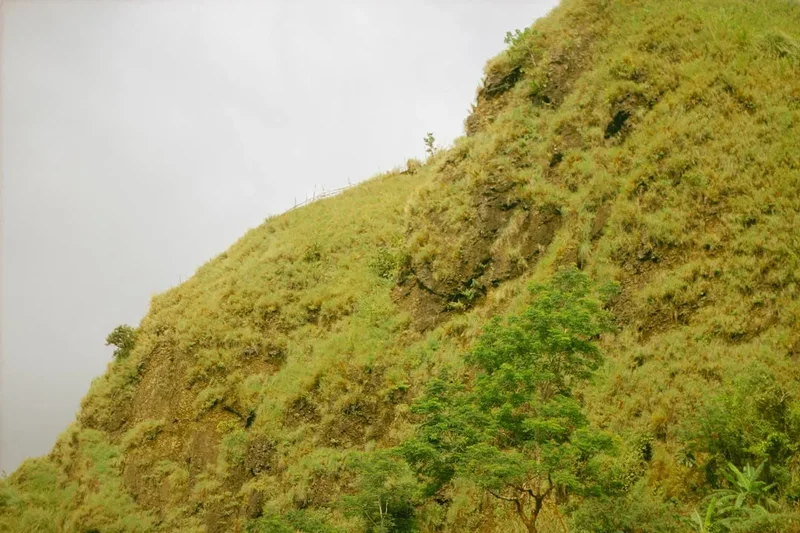
Mount Pinatubo Day Trek Itinerary
Early Morning (Approx. 4:00 AM - 5:00 AM): Departure from Manila/Angeles City
- Pick-up from your accommodation in Manila or Angeles City.
- Travel to Santa Juliana, Capas, Tarlac (approx. 2-3 hours from Manila, 1-1.5 hours from Angeles City).
- Briefing and registration at the tourism office in Santa Juliana.
- Payment of necessary fees (environmental fees, registration fees).
Morning (Approx. 7:00 AM - 9:00 AM): 4x4 Jeepney Ride to Trailhead
- Board your pre-arranged 4x4 all-terrain vehicle (jeepney).
- Embark on an adventurous 1.5 to 2-hour ride across the lahar fields.
- Experience the rugged terrain, river crossings, and unique volcanic landscape.
- The ride offers stunning views of the surrounding mountains and the vast expanse of volcanic ash.
- Arrival at the jump-off point for the trek to the crater lake.
Late Morning (Approx. 9:00 AM - 12:00 PM): Trek to Mount Pinatubo Crater Lake
- Begin the hike towards the crater lake.
- Distance: Approximately 6.5 km one-way (13 km round trip).
- Elevation Gain: Approximately 600 metres.
- Time: 2-3 hours hiking time one-way.
- The trail is a mix of rocky paths, sandy volcanic soil, and some ascents.
- Pass through diverse vegetation as the landscape gradually changes.
- Enjoy panoramic views of the volcanic terrain and the surrounding mountains.
- Reach the rim of the crater and descend a short, steep path to the lake's edge.
Midday (Approx. 12:00 PM - 1:30 PM): Exploration and Lunch at the Crater Lake
- Spend time admiring the breathtaking turquoise waters of the crater lake.
- Take photos and soak in the unique atmosphere of this natural wonder.
- Enjoy a packed lunch provided by your tour operator or brought from home.
- Relax and appreciate the scale of the caldera and the power of nature.
Afternoon (Approx. 1:30 PM - 4:30 PM): Return Trek and 4x4 Ride
- Begin the hike back to the 4x4 jeepney pick-up point.
- Time: 1.5-2 hours hiking time.
- Board the 4x4 for the return journey across the lahar fields.
- Time: 1.5-2 hours 4x4 ride.
- Return to Santa Juliana, Capas, Tarlac.
Late Afternoon/Evening (Approx. 4:30 PM onwards): Return to Manila/Angeles City
- Depart from Santa Juliana.
- Travel back to your accommodation in Angeles City or Manila.
- Estimated arrival time depends on traffic conditions.
Important Notes:
- This is a strenuous day trip requiring good physical fitness.
- The 4x4 ride can be bumpy and exhilarating.
- The hike involves uneven terrain and ascents/descents.
- Always follow the guidance of your local guides.
- Carry sufficient water and wear appropriate gear.
Planning and Bookings
Book Your Trip
Everything you need to plan your journey
Accommodation
Find places to stay near Angeles City
Flights
Search flights to Angeles City
Essential Preparation
Planning your Mount Pinatubo trek involves coordinating transport, booking with a reputable tour operator, and ensuring you have the necessary gear and physical readiness. Given that it's a day trip, logistics are simpler than multi-day treks, but early booking is still recommended, especially during peak season (November to May).
Base Town/City: Angeles City is the most convenient base for accessing Mount Pinatubo. It offers a wide range of accommodation options, from budget guesthouses to luxury hotels, and numerous tour operators that can arrange the entire trek package. Manila is also a viable starting point, though it involves a longer travel time to the jump-off point.
Tour Operators: It is highly recommended to book your trek through a registered tour operator. They will handle the 4x4 vehicle arrangements, permits, guides, and often provide packed lunches and bottled water. Research operators online, read reviews, and compare packages. Ensure they are licensed and have a good safety record.
Logistics: Most tours include pick-up and drop-off from your accommodation in Angeles City or Manila. If you are travelling independently, you will need to arrange transport to Santa Juliana, Capas, Tarlac. From there, you will connect with the 4x4 jeepney service. Parking is available at the tourism office in Santa Juliana.
Fitness Requirements: The trek is rated as moderate. It involves a 4-6 hour hiking duration with significant elevation gain (600 metres) and uneven terrain. A reasonable level of cardiovascular fitness and leg strength is required. Regular walking, hiking, or cardio exercises in the weeks leading up to your trek will be beneficial.
Trail Accommodation
This is a day hike requiring no overnight accommodation.
Required Gear
- Hiking Boots: Sturdy, broken-in hiking boots with good ankle support are essential. The terrain is uneven, rocky, and can be slippery.
- Comfortable Clothing: Lightweight, breathable clothing suitable for warm weather. Long sleeves and trousers are recommended to protect against the sun and potential scratches from vegetation.
- Rain Gear: A lightweight, waterproof jacket or poncho is advisable, as sudden rain showers can occur even during the dry season.
- Sun Protection: Wide-brimmed hat, sunglasses, and high SPF sunscreen are crucial due to intense sun exposure.
- Backpack: A small to medium-sized daypack (20-30 litres) to carry your essentials.
- Headlamp/Torch: Essential for early morning starts or if your trek extends beyond daylight hours, though unlikely for a standard day trip.
- Insect Repellent: Particularly useful for the forested areas and around the lake.
- First-Aid Kit: A basic personal kit including blister treatment, pain relievers, antiseptic wipes, and any personal medications.
What to Bring
- Water: Carry at least 2-3 litres of water per person. Hydration is critical, especially in the tropical climate. Tour operators often provide some bottled water.
- Food: A packed lunch and snacks are essential. While some tours include lunch, it's wise to bring extra energy bars, fruits, or trail mix.
- Camera: To capture the stunning landscapes and the crater lake. Ensure it's protected from dust and moisture.
- Power Bank: For recharging your phone or camera, as there are no charging facilities on the trail.
- Cash: For registration fees, environmental fees, tips for guides and drivers, and any souvenirs. ATMs are not available at the trailhead.
- Personal Hygiene Items: Hand sanitiser, wet wipes, and any personal toiletries.
- Small Towel: Useful for wiping sweat or if you get splashed.
Permits and Fees
To trek to Mount Pinatubo, you will need to secure the necessary permits and pay associated fees. These are typically handled by your chosen tour operator, but it's good to be aware of them.
Registration and Environmental Fees:
- Upon arrival at the tourism office in Santa Juliana, Capas, Tarlac, all visitors must register.
- An environmental fee is usually collected per person. This fee contributes to the conservation and maintenance of the Mount Pinatubo area.
- The exact amounts can vary, but expect to pay approximately PHP 1,000 - PHP 1,500 per person for the combined registration and environmental fees. Your tour operator will usually include this in their package price.
4x4 Jeepney Fee:
- The cost of the 4x4 jeepney ride is a significant part of the overall trek expense. This fee covers the vehicle, driver, and fuel for the journey across the lahar fields.
- This fee is typically shared among the passengers in the jeepney, with a maximum capacity of 4-5 people per vehicle.
- The cost can range from PHP 2,500 to PHP 3,500 per jeepney, which is then divided among the occupants. If you are a solo traveller or in a small group, you might be paired with other trekkers.
Guide Fees:
- Local guides are mandatory for the trek to the crater lake. They are knowledgeable about the terrain, safety procedures, and the history of the volcano.
- A fee for the guide is usually included in the tour package or collected separately. Tipping your guide is customary if you are satisfied with their service.
Booking in Advance:
- While permits can sometimes be arranged on the day, it is highly recommended to book your trek with a tour operator at least a few days in advance, especially during peak season (November to May). This ensures availability of 4x4 vehicles, guides, and smooth processing of permits.
- Tour operators will confirm the exact fees and what is included in their package.
Important Note: Always confirm the current fee structure and inclusions with your chosen tour operator before your trek date.
Other Activities in the Area
While the Mount Pinatubo trek is the primary draw, the surrounding region offers other points of interest and activities:
- Explore Angeles City: Known for its vibrant nightlife and diverse culinary scene, Angeles City offers a range of dining options, from local Filipino cuisine to international fare. It also has historical sites and museums related to its past as a US military base.
- Visit Clark Museum and 4D Theatre: Located in Clark Freeport Zone, this museum showcases the history of the area, including its role as a US Air Force base and its transformation after the 1991 eruption. The 4D theatre provides an immersive experience of the eruption.
- Aqua Planet: A large water park in Clark, offering a fun way to cool down and enjoy water slides and wave pools, especially suitable for families.
- Puning Hot Spring Resort: Located closer to the volcano, this resort offers a unique experience with its volcanic ash spa treatments and hot spring pools, providing a relaxing end to a day of trekking.
- Mount Pinatubo Crater Lake Kayaking/Boating: While not always officially offered or guaranteed, some local operators might arrange for basic kayaking or boating on the crater lake, providing a different perspective of its vastness. Enquire with your tour provider.
- Cultural Immersion with Aeta Communities: Some tours may include opportunities to visit nearby Aeta villages, offering insights into their traditional way of life, crafts, and their relationship with the volcano.
Safety and Conditions
Pre-Trek Checks:
- Weather Forecast: Always check the weather forecast for Capas, Tarlac, and the Mount Pinatubo region before your trek. Heavy rainfall can lead to cancellations due to flash flood risks in the lahar fields and on the trails.
- Tour Operator Communication: Stay in touch with your tour operator. They will be monitoring weather conditions and will inform you of any necessary changes or cancellations.
- Road Conditions: The access road to Santa Juliana can be rough, and the 4x4 journey is inherently adventurous. Ensure your transport is reliable.
Trail Hazards:
- Lahar Fields: The primary hazard is the unpredictable nature of the lahar fields, especially during the wet season. Flash floods can occur rapidly, making the 4x4 journey dangerous. Always follow the instructions of your 4x4 driver and guides.
- Uneven Terrain: The hiking trail to the crater lake is uneven, with loose rocks, sand, and steep sections. Proper footwear is crucial to prevent slips and falls.
- Sun Exposure: The trek is largely exposed, with limited shade. Heatstroke and sunburn are risks. Stay hydrated and use sun protection diligently.
- River Crossings: You will likely encounter shallow river crossings. Be prepared to get your feet wet. Your guides will assist in finding the safest points to cross.
- Volcanic Activity: While Mount Pinatubo is currently dormant, it is a volcano. Monitor official advisories regarding any seismic activity, though this is highly unlikely to affect a day trek.
Health and First Aid:
- Hydration: Carry ample water. Dehydration is a significant risk in the tropical climate.
- Heat: Pace yourself, take breaks in shaded areas when possible, and wear light, breathable clothing.
- First Aid: Ensure you have a personal first-aid kit for minor injuries like blisters, cuts, or scrapes. Tour operators will have basic first-aid supplies.
- Emergency Evacuation: In case of a serious medical emergency, evacuation from the trailhead can be challenging and time-consuming. Ensure you have adequate travel insurance that covers medical evacuation.
Guides: Always stay with your assigned local guide. They are experienced in navigating the terrain and are aware of potential hazards. Do not venture off the marked trails.
Side Trips and Points of Interest
The 4x4 Lahar Field Adventure: The journey to the Mount Pinatubo trailhead is an adventure in itself. The 4x4 ride across the vast, undulating lahar fields is a unique experience. You'll traverse riverbeds, navigate sandy plains, and witness the dramatic, almost lunar landscape created by the 1991 eruption. The sheer scale of the debris is awe-inspiring, and the bumpy ride is an exhilarating part of the overall experience.
The Crater Lake Viewpoint: Upon reaching the rim of the caldera, the first view of the turquoise crater lake is a breathtaking reward. The vibrant colour of the water, set against the grey volcanic rock, is a stunning contrast. Take your time to absorb the panoramic views and appreciate the immense geological forces that shaped this landscape.
The Descent to the Lake: A short, steep path leads from the crater rim down to the edge of the lake. This descent offers closer views of the lake's unique colour and texture. You can often find local vendors selling refreshments and souvenirs near the lake, adding a touch of local commerce to this remote location.
The Return Journey: The trek back down offers different perspectives of the volcanic terrain. The changing light throughout the day can alter the appearance of the lahar fields, making the return journey equally scenic. The final 4x4 ride back to Santa Juliana provides a last chance to reflect on the day's adventure.
Leave No Trace
The Mount Pinatubo trek takes you through a fragile ecosystem that is still recovering from a major volcanic event. Practising Leave No Trace principles is crucial to preserve its natural beauty and ensure a sustainable experience for future visitors.
Pack It In, Pack It Out: This is the golden rule. Carry out everything you carry in, including all food wrappers, plastic bottles, and any other waste. There are no waste disposal facilities at the trailhead or on the trail. Ensure your daypack is large enough to accommodate your rubbish.
Stay on the Trail: Stick to the designated paths and 4x4 routes. Venturing off-trail can damage fragile vegetation, disturb wildlife, and increase erosion, especially in the delicate lahar fields.
Respect Wildlife: Observe any wildlife from a distance. Do not feed the animals, as this can disrupt their natural behaviour and diet. While wildlife is not abundant on the immediate trek route, the surrounding areas are home to various species.
Dispose of Waste Properly: All waste, including organic matter like fruit peels, should be packed out. Use designated toilets at the Santa Juliana tourism office before and after your trek. If nature calls on the trail, dig a cathole at least 60 metres away from water sources, trails, and campsites, and bury your waste.
Leave What You Find: Do not take any natural souvenirs, such as rocks, plants, or flowers. Leave the landscape as you found it for others to enjoy.
Be Considerate of Other Visitors: Keep noise levels down, especially during the trek and at the crater lake. Respect the peace and tranquility of the natural environment. Share the trail and the 4x4 experience courteously.
Minimise Campfire Impacts: As this is a day trek, campfires are not applicable. However, if you were to camp in the wider region, always use established fire rings and ensure fires are completely extinguished.
By adhering to these principles, you help protect the unique environment of Mount Pinatubo and ensure that its awe-inspiring beauty can be appreciated for generations to come.