
Mount Pico Summit - Standing Atop Portugal's Volcanic Giant
Rising majestically from the deep azure waters of the Atlantic Ocean, Mount Pico (Montanha do Pico) is not merely a mountain; it is a colossal stratovolcano that serves as the literal and figurative high point of Portugal. Reaching an elevation of 2,351 metres, this towering peak dominates the landscape of Pico Island in the Azores archipelago. The climb to the summit is a rite of passage for hikers visiting the "Green Islands," offering a raw, primordial experience that transitions from lush endemic forests to a stark, lunar-like volcanic landscape. Unlike many continental peaks, Mount Pico’s prominence is absolute—you begin your journey near sea level and ascend a cone that rises directly from the ocean floor, making it one of the highest island mountains in the world when measured from its submarine base.
- Distance: 7.6 km return
- Duration: 6–8 hours
- Elevation Gain: 1,100 metres
- Difficulty: Challenging (steep, uneven volcanic terrain)
- Highest Point: 2,351 metres (Piquinho)
- Location: Pico Island, Azores, Portugal
- Trailhead: Casa da Montanha (1,200 metres)
- Access: Registration and GPS tracker mandatory
Overview
The Mount Pico Summit hike is a demanding vertical odyssey that tests both physical endurance and mental focus. The trail begins at the Casa da Montanha, situated at 1,200 metres, meaning hikers must conquer over 1,100 metres of vertical gain in just under 4 kilometres of ascent. This is not a groomed gravel path; it is a rugged, waymarked route over ancient lava flows, loose scree, and jagged basaltic rock. The terrain is notoriously unforgiving on the knees and ankles, requiring constant attention to foot placement. The path is marked by 45 numbered wooden poles, which serve as vital navigational aids, especially when the infamous Azorean mist rolls in, reducing visibility to a few metres within seconds.
The ascent is divided into three distinct phases. The initial third winds through high-altitude shrubland, where the scent of endemic Azorean heather (Erica azorica) fills the air. As you climb higher, the vegetation thins, replaced by a stark landscape of reddish-brown volcanic soil and black basalt. The final push involves entering the massive main crater, inside which sits "Piquinho"—a smaller, 70-metre-high volcanic cone that forms the true summit. Reaching the top of Piquinho requires a short, hands-on scramble, rewarded by a 360-degree panorama that, on clear days, encompasses the neighbouring islands of Faial, São Jorge, Terceira, and Graciosa. The sensation of standing on a narrow pinnacle in the middle of the Atlantic, with nothing but clouds and ocean beneath you, is unparalleled in European hiking.
Weather is the defining factor of the Pico experience. The mountain creates its own microclimate, and it is common to experience four seasons in a single afternoon. Hikers may start in warm sunshine, climb through a layer of thick cloud, and emerge into the brilliant light of the "sea of clouds" (mar de nuvens) at the summit. Conversely, sudden rain and high winds can turn the volcanic rock into a slippery, hazardous surface. Because of these challenges, the mountain is strictly managed by the Atlantic Nature Reserve, with a daily limit on the number of hikers allowed on the slopes at any one time.
History and Cultural Context
Mount Pico is a relatively young volcano, with its current form shaped by eruptions over the last 250,000 years. The most recent significant flank eruption occurred in 1718, leaving behind extensive lava fields known as "mistérios" (mysteries) that still define the island's coastline. For the people of Pico, the mountain has always been a looming presence—a source of both fertility, through its rich volcanic soil, and potential destruction. Historically, the mountain served as a vital navigational landmark for early Portuguese explorers and later for the American whalers who frequented these waters in the 18th and 19th centuries.
The cultural significance of the mountain extends to its base, where the "Landscape of the Pico Island Vineyard Culture" is designated as a UNESCO World Heritage site. Here, the volcanic rock was painstakingly organised into thousands of small, walled enclosures called "currais" to protect grapevines from the salt spray and wind. This unique viticulture is a testament to the human spirit's ability to adapt to a volcanic environment. The mountain itself was first formally surveyed in the late 19th century, though local shepherds and hunters likely reached the crater long before then. Today, the climb is the centrepiece of Azorean adventure tourism, representing the wild, untamed nature of the archipelago.
In local folklore, the mountain is often shrouded in myth, with the frequent cap of clouds (known as the "mountain's hat") used by locals to predict the weather. If the mountain "puts on its hat," rain is almost certainly on the way. The preservation of the mountain's ecology is a modern priority, with the creation of the Pico Island Natural Park ensuring that the unique high-altitude flora and geological features are protected from the increasing pressure of international tourism.
Want more background? Read extended notes on history and cultural context → Learn more
Seasonal Highlights and Weather Reality
The window for a successful and enjoyable ascent of Mount Pico is relatively narrow. While the trail is technically open year-round, the conditions vary dramatically between the seasons, and the mountain can be closed at any time due to safety concerns.
Summer (June to September): This is the peak season and the best time for most hikers. The weather is more stable, and the probability of clear views from the summit is at its highest. However, this is also when the mountain is most crowded, and booking your climbing slot weeks in advance is essential. Temperatures at the base can be 25°C, but the summit can still be chilly, especially with wind chill. The sun is exceptionally strong at high altitudes, and there is zero shade on the mountain.
Shoulder Seasons (May and October): These months offer a quieter experience but come with increased weather volatility. You may encounter beautiful, crisp days, but the risk of heavy rain and high winds is significantly higher. Fog is a frequent visitor during these months, often obscuring the markers and making navigation difficult without the provided GPS tracker.
Winter (November to April): Climbing Pico in winter is a serious undertaking. The summit is frequently covered in snow and ice, requiring crampons, ice axes, and advanced mountaineering skills. The Casa da Montanha may stop issuing permits to recreational hikers if conditions are deemed too dangerous. High winds are common, often exceeding 100 km/h, which can make standing on the exposed ridges impossible. Only experienced alpine climbers should attempt the peak during this period.
Regardless of the season, hikers must check the mountain-specific forecast provided by the Portuguese Institute for the Sea and Atmosphere (IPMA). A clear sky in the town of Madalena does not guarantee a clear sky on the mountain.
Recommended Itinerary
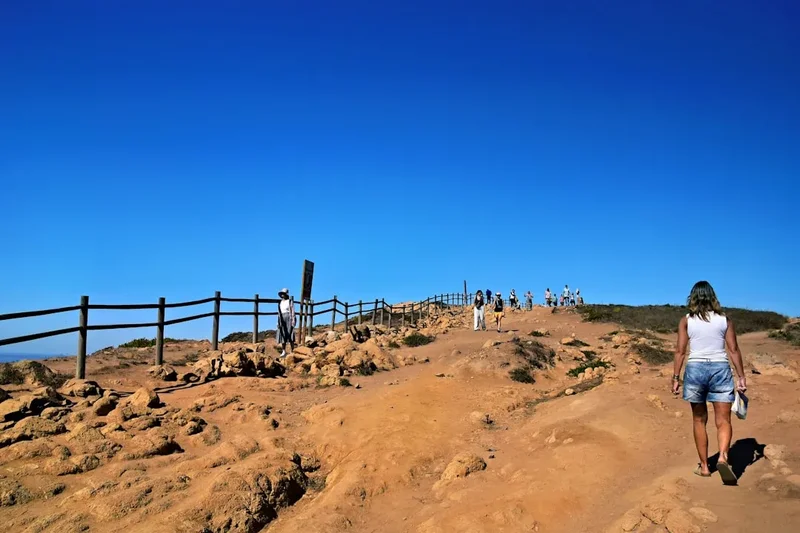
Mount Pico Summit Route Progression
Phase 1: Casa da Montanha to Marker 15 (The Lower Slopes)
- Distance: ~1.2 km
- Elevation: 1,200 m to 1,500 m
- Time: 1–1.5 hours
- Check-in at Casa da Montanha, receive safety briefing and GPS tracker.
- The trail begins on a relatively clear path through endemic scrub.
- Pass through the "Gate of the Mountain" and begin the steady incline.
- The terrain is a mix of soil and small volcanic rocks.
- Views of the coastline and the neighbouring island of Faial begin to open up.
Phase 2: Marker 16 to Marker 40 (The Steep Ascent)
- Distance: ~1.8 km
- Elevation: 1,500 m to 2,200 m
- Time: 2–2.5 hours
- The gradient increases significantly; this is the most physically demanding section.
- Vegetation disappears, replaced by large basalt boulders and loose "lapilli" (volcanic pebbles).
- The path becomes less defined; hikers must follow the numbered wooden poles closely.
- Frequent use of hands may be required for balance on larger rock steps.
- The air becomes noticeably thinner, and temperatures drop.
Phase 3: The Main Crater and Piquinho (The Summit)
- Distance: ~0.8 km
- Elevation: 2,200 m to 2,351 m
- Time: 1 hour
- Reach the rim of the massive main crater (Cratera do Pico).
- The trail levels out briefly as you cross the crater floor toward the base of Piquinho.
- Observe active fumaroles (steam vents) emitting volcanic gases and heat.
- Final scramble up the 70-metre Piquinho cone; this is steep and requires care.
- Arrive at the summit marker for 360-degree Atlantic views.
Phase 4: The Descent
- Distance: 3.8 km
- Elevation: 2,351 m to 1,200 m
- Time: 3–4 hours
- The descent is often more taxing than the ascent due to the impact on knees.
- Loose rock makes the path slippery; trekking poles are highly recommended.
- Retrace the route exactly using the numbered markers in descending order.
- Return the GPS tracker at Casa da Montanha and receive your climbing certificate.
Important Notes:
- The average total time is 7 hours, but fit hikers may finish in 5, while others may take 9.
- There is no water available on the trail; you must carry all supplies.
- The GPS tracker must be kept on and accessible at all times.
- If you feel unwell or the weather turns, descend immediately; do not wait for conditions to worsen.
Planning and Bookings
Book Your Trip
Everything you need to plan your journey
Accommodation
Find places to stay near Madalena
Flights
Search flights to Madalena
Essential Preparation
The Mount Pico climb is a high-demand activity with strict environmental controls. The most critical step is booking your climbing slot through the official Azores Parks website. During the summer months, slots can be fully booked weeks in advance. You must choose between a day climb, a night climb (to see the sunrise), or an overnight stay in the crater. Each has different quotas and fees.
Physical preparation is vital. While not a technical climb in summer, the 1,100-metre vertical gain over rough terrain is equivalent to climbing the stairs of the Empire State Building three times. Hikers should have good cardiovascular fitness and, more importantly, strong joints. If you have chronic knee or ankle issues, this trail will exacerbate them. Base yourself in the town of Madalena or São Roque; Madalena is closer to the trailhead (30-minute drive) and offers the most amenities, including supermarkets and outdoor gear shops.
Trail Accommodation
This is primarily a day hike requiring no overnight accommodation for the standard ascent. However, there are specific options for those wishing to experience the mountain at night:
Crater Camping:
- A maximum of 32 people per night are permitted to camp inside the main crater.
- You must book this specific "Overnight" slot well in advance.
- No facilities exist in the crater; you must carry your own tent, sleeping bag, and all supplies.
- Camping is only permitted in the designated area within the crater, not on the summit of Piquinho or the slopes.
- Temperatures at night often drop to near freezing, even in summer.
Base Accommodation:
- Most hikers stay in Madalena, which offers a range of hotels, hostels, and local "Turismo Rural" guesthouses.
- There is no accommodation at the trailhead (Casa da Montanha) itself, other than a small visitor centre with a waiting area.
Required Gear
- Hiking Boots: High-cut boots with excellent grip and ankle support are non-negotiable. The volcanic rock is sharp and unstable; trail runners are generally discouraged for the average hiker.
- Trekking Poles: Highly recommended for the descent to save your knees and provide stability on loose scree.
- Layered Clothing: A moisture-wicking base layer, an insulating mid-layer (fleece), and a high-quality waterproof/windproof outer shell.
- Head Torch: Essential for sunrise/sunset climbs, but recommended for all hikers in case of delays.
- Sun Protection: High SPF sunscreen, sunglasses, and a wide-brimmed hat. The UV radiation is intense at 2,300 metres.
- Small Backpack: 20–30 litres with a rain cover.
What to Bring
- Water: Minimum 3 litres per person. There is no water on the mountain, and the physical exertion combined with the dry volcanic air leads to rapid dehydration.
- Food: High-energy snacks (nuts, chocolate, energy bars) and a substantial lunch. You will burn a significant number of calories.
- Personal Identification: Required for the registration process at Casa da Montanha.
- Mobile Phone: Fully charged, with the local emergency numbers saved.
- Small First Aid Kit: Including blister plasters (Compeed), antiseptic wipes, and ibuprofen.
- Whistle: For emergency signalling in thick fog.
Permits
Access to Mount Pico is strictly regulated by the Regional Government of the Azores to ensure hiker safety and environmental preservation. You cannot simply show up and start climbing; you must register at the Casa da Montanha.
Booking and Fees:
- Online Reservation: It is highly recommended to book your slot online via the official Azores Parks portal. You will select a specific entry time.
- Standard Fee: The fee for climbing to the summit (including Piquinho) is approximately €25 for non-residents. Prices are lower if you only climb to the crater or if you are a resident of the Azores.
- GPS Tracker: Upon registration, every hiker or group is issued a GPS tracker. This allows the mountain wardens to monitor your position in real-time and ensures a rapid response in case of an emergency. The tracker must be returned at the end of the hike.
Capacity Limits:
- Only 160 people are allowed on the mountain at any one time.
- A maximum of 320 people are allowed to summit per day.
- If you arrive without a booking, you may have to wait several hours for a slot to open, or you may be denied entry entirely during peak season.
Guided vs. Independent: While you can climb independently, many visitors choose to hire a certified mountain guide. Guides provide valuable geological context, ensure you stay on the correct path in bad weather, and manage the registration logistics for you. For those nervous about the terrain or the weather, a guide is a worthwhile investment.
Other Activities in the Area
Pico Island is a haven for nature lovers and offers several world-class experiences beyond the mountain:
- Whale and Dolphin Watching: Pico is one of the best places in the world to see cetaceans. Tours depart from Madalena and Lajes do Pico, offering the chance to see sperm whales, blue whales, and various dolphin species.
- Vineyard Tours: Explore the UNESCO-listed vineyards in Criação Velha. Walk through the stone labyrinths and visit a local "adega" (winery) to taste the famous Verdelho wine.
- Gruta das Torres: Visit the longest lava tube in Portugal. This underground volcanic wonder features fascinating geological formations like lava stalactites and "benches." Guided tours are mandatory.
- Ocean Swimming: Relax in the natural volcanic rock pools (piscinas naturais) found along the coast, such as those in Varadouro or Criação Velha.
- Lajes do Pico: Visit the Whalers' Museum (Museu dos Baleeiros) to learn about the island's historical connection to the sea and the transition from whaling to whale watching.
- Island Hopping: Take the short 30-minute ferry to the neighbouring island of Faial to visit the Horta marina and the Capelinhos volcano.
Safety and Conditions
Navigational Hazards: The primary danger on Mount Pico is the weather. Fog can descend with incredible speed, rendering the wooden markers invisible. If you lose sight of the markers, stop immediately. Use your GPS tracker or a compass to reorient yourself. Never attempt to take a "shortcut" down the mountain; the slopes are riddled with hidden ravines and unstable cliffs.
Terrain Risks: The volcanic rock is abrasive and sharp. A simple trip can result in deep lacerations. Furthermore, the "lapilli" (small volcanic stones) act like ball bearings on steep sections, making slips common. Take your time on the descent, as this is when most accidents occur due to fatigue and gravity.
Volcanic Gases: Inside the crater and near the summit of Piquinho, you will encounter fumaroles. While generally safe in open air, avoid leaning directly over these vents, as the gases (including sulphur dioxide) can be irritating to the lungs and eyes. The ground near fumaroles can also be extremely hot.
Physical Strain: Altitude sickness is rare at 2,351 metres, but the rapid ascent can cause headaches or dizziness in some individuals. Dehydration and heat exhaustion are more common threats. Drink water regularly, even if you don't feel thirsty, and use high-factor sun protection.
Emergency Protocol: If you are injured or lost, use the SOS button on your GPS tracker. This alerts the Casa da Montanha wardens immediately. Stay where you are; it is much easier for rescuers to find a stationary target. Ensure you have a whistle and a space blanket in your pack for such scenarios.
Side Trips and Points of Interest
Piquinho (The Top of the Top): While the main crater is the destination for some, the true summit is the small cone of Piquinho. The climb up this 70-metre mini-mountain is the steepest part of the day. At the very top, there is a small iron marker. On a clear day, the view is arguably the best in the Atlantic, but even in the clouds, the heat from the rocks (heated by volcanic activity) provides a surreal experience.
The Main Crater (Cratera do Pico): The crater is approximately 500 metres in diameter and 30 metres deep. Walking across its floor feels like stepping onto another planet. The contrast between the black basalt and the occasional patches of green moss is striking. It is a place of profound silence, broken only by the hiss of steam from the fumaroles.
Furna do Abrigo: Located near the crater, this is a small lava cave that has historically been used as a shelter for hikers caught in bad weather. While not a place to stay by choice, it is an interesting geological feature that demonstrates the hollow nature of volcanic structures.
The "Sea of Clouds": This is a meteorological phenomenon rather than a physical landmark. Often, the island is covered in a low layer of cloud, but the summit of Pico rises above it. Standing at the top looking down on a flat, white expanse of clouds that stretches to the horizon is a highlight for many hikers.
Leave No Trace
Mount Pico is a fragile volcanic ecosystem. The high-altitude environment is home to specialised plants that grow extremely slowly due to the harsh conditions. Your impact as a hiker can last for decades.
Guidelines for Protection:
- Stay on the Route: Do not wander off the marked path between the poles. Stepping on the thin soil crust can destroy endemic mosses and lichens that take years to recover.
- No Rock Stacking: Building "cairns" or stacking rocks is strictly forbidden. It disturbs the natural habitat of insects and lizards and can mislead other hikers in foggy conditions.
- Pack It In, Pack It Out: This includes organic waste like banana peels or orange skins. In the dry, cool air of the summit, these items do not decompose quickly and are an eyesore.
- Respect the Fumaroles: Do not throw anything into the steam vents. This can block the vents and is considered vandalism of a protected geological site.
- No Smoking: The mountain is a smoke-free zone to prevent litter and the risk of fire in the lower shrublands.