
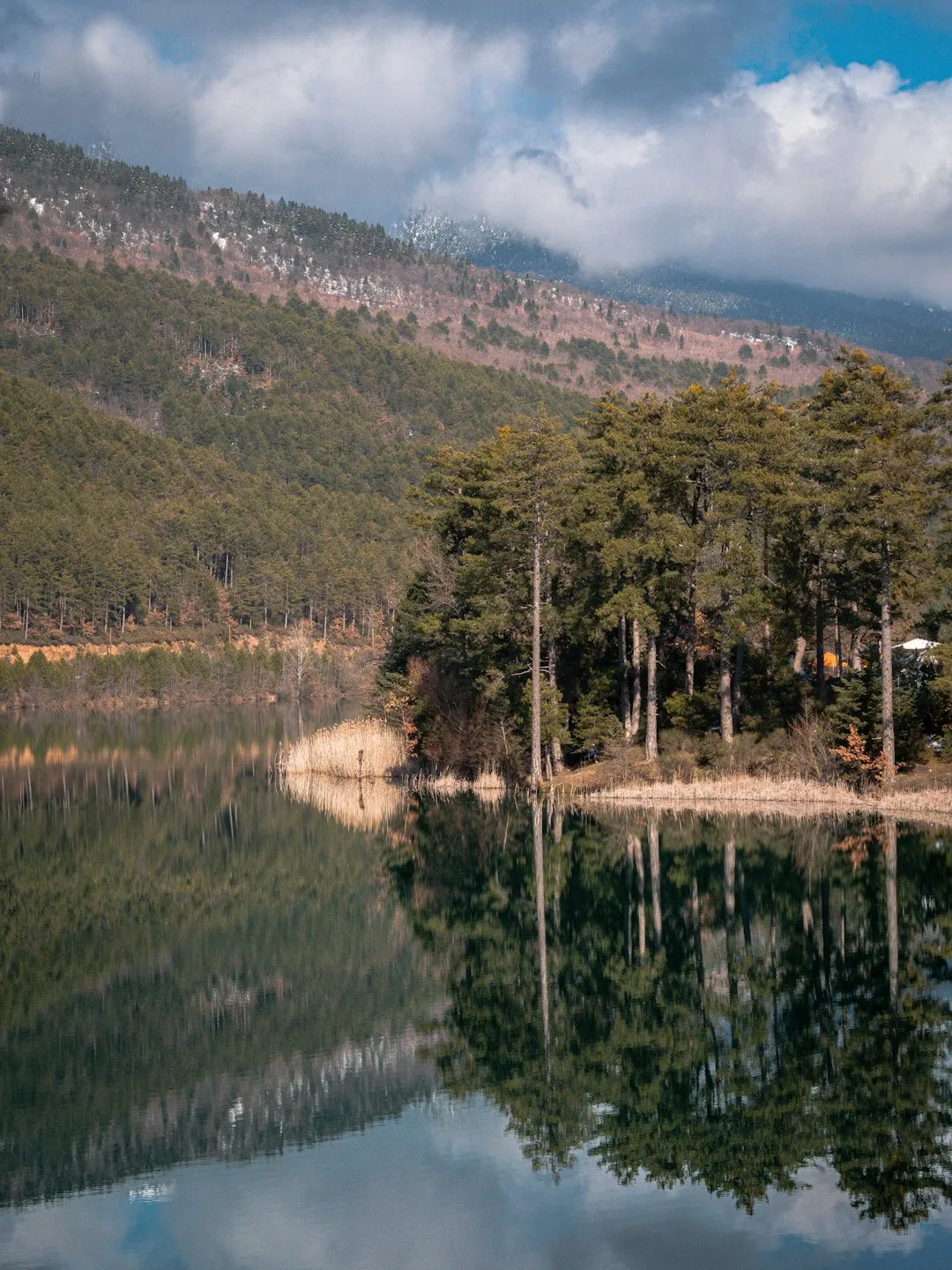
Mount Olympus Summit - The Throne of the Gods
Mount Olympus, the legendary home of the Greek gods, beckons adventurers to its formidable summit. This challenging mountain track in Greece offers a profound journey through rugged terrain, ancient landscapes, and breathtaking vistas. While not a single, continuous multi-day trek like some famous alpine routes, the ascent to Olympus's highest peaks, particularly Mytikas (2,918 m), is a multi-day expedition requiring careful planning, physical endurance, and a deep respect for the mountain's power. The most common approach involves a trek through the Enipeas Gorge, ascending to mountain refuges before the final push to the summit. This is a pilgrimage for those seeking to stand on the roof of Greece, a place steeped in mythology and natural grandeur.
- Distance: 21.0 km (approximate ascent to Mytikas from Prionia, with variations)
- Elevation Gain: 2700 m (cumulative from Litochoro to Mytikas)
- Duration: 2-3 days
- Difficulty: Challenging
- Best Time: June to September
- Closest City: Litochoro
- Trailhead Access: Nearest airport: Thessaloniki (SKG). Take a bus to Litochoro, then taxi to Prionia. Road to Prionia is paved but narrow. Driving time from Litochoro: ~30 mins. Parking available at Prionia. No permits required, but register at Refuge A.
- Highest point: Mytikas (2,918 m)
Overview
The ascent of Mount Olympus is a journey into the heart of Greek mythology and a test of physical and mental fortitude. The mountain's imposing presence dominates the landscape, its snow-capped peaks a constant reminder of its legendary status. The trek typically begins in the verdant Enipeas Gorge, a dramatic canyon carved by the Enipeas River, offering a lush and shaded introduction to the mountain's lower slopes. As you ascend, the landscape transforms from dense forest to rocky scree and alpine meadows, with the air growing thinner and the views expanding dramatically.
The route to the summit is not a single, well-defined path but rather a network of trails, with the most popular leading to the mountain refuges that serve as staging posts for the final ascent. The climb to Mytikas, the highest peak, is a scramble that requires sure-footedness and a head for heights, particularly the final section known as the "Staircase" (Skala). Reaching the summit offers unparalleled panoramic views across Greece, the Aegean Sea, and on clear days, even as far as the islands of the Cyclades. The sense of accomplishment is immense, a feeling of having conquered not just a mountain, but a place woven into the fabric of Western civilisation.
The mountain's weather is notoriously unpredictable. Sunshine can quickly give way to fierce winds, fog, and even snow, even in summer. This necessitates thorough preparation and a cautious approach. The experience is a blend of physical exertion, awe-inspiring natural beauty, and a connection to ancient history and legend, making it a truly unforgettable adventure.
History and Cultural Context
Mount Olympus is not merely a geological formation; it is a place of profound cultural and historical significance, revered for millennia as the mythical home of the Twelve Olympian Gods. In ancient Greek religion, it was the celestial dwelling place of Zeus, the king of the gods, and his pantheon, including Hera, Poseidon, Hades, Athena, Apollo, Artemis, Ares, Aphrodite, Hephaestus, Hermes, and Dionysus. The mountain's imposing height and often cloud-shrouded peaks lent themselves to the belief that it was a gateway to the heavens, a place where the divine resided.
Archaeological evidence suggests that humans have inhabited the slopes of Olympus since prehistoric times. Ancient sanctuaries and settlements have been discovered, indicating that the mountain was a place of worship and pilgrimage long before the classical Greek era. The cult of Zeus was particularly strong here, with rituals and offerings made to appease the sky god. The ancient Greeks believed that the gods held their councils on Olympus and that their lives and destinies were shaped by the whims of these powerful beings.
The modern exploration and mountaineering of Olympus began in the late 19th and early 20th centuries. Christos Kakalos, a local hunter and guide, is credited with making the first documented ascent to Mytikas in 1913. His knowledge of the mountain's terrain and weather was invaluable to early climbers. Today, the mountain is a national park, protected for its natural beauty and its cultural heritage. The trails and refuges are a testament to the ongoing human connection with this sacred peak, allowing modern-day pilgrims to follow in the footsteps of ancient worshippers and modern-day adventurers.
Seasonal Highlights and Weather Reality
The best time to climb Mount Olympus is generally from June to September. During these months, the weather is typically more stable, and the snow has largely receded from the higher trails, making the ascent to Mytikas feasible for experienced hikers.
Summer (June–August): This is the peak season. Days are long, and temperatures at lower altitudes are warm. However, the weather can still be unpredictable, with thunderstorms a common occurrence, especially in the afternoons. The higher altitudes remain cool, and snow can persist in shaded areas. The mountain refuges are fully operational and can be busy. Sandflies can be present at lower elevations, though less of an issue than in some other European mountain ranges.
Early Autumn (September): September offers a beautiful transition. The crowds thin out, the autumn colours begin to appear in the forests, and the weather can still be favourable. The air is crisp, and the views are often exceptionally clear. However, the days are shorter, and the risk of early snow increases towards the end of the month.
Late Autumn and Winter (October–May): Climbing Mount Olympus during these months is a serious undertaking, requiring advanced mountaineering skills, winter gear (ice axe, crampons), and extensive experience with alpine conditions. Snowfall is heavy, temperatures are well below freezing, and avalanches are a significant risk. The mountain refuges may be closed or operate with limited facilities. This period is strictly for experienced winter alpinists.
Spring (May): While spring can bring pleasant temperatures to the lower slopes, higher elevations may still be covered in significant snow. The Enipeas Gorge can be particularly beautiful with blooming wildflowers. However, the routes to the higher peaks may still be impassable or require winter gear.
Recommended Itinerary
2-Day Mount Olympus Ascent (Mytikas Summit)
Day 1: Litochoro to Refuge A (Spilios Agapitos)
- Distance: Approximately 10 km
- Elevation gain: Approximately 1700 m
- Time: 5–7 hours
- Start at Prionia (1100 m), accessible by car from Litochoro
- Follow the well-marked trail through the Enipeas Gorge, a stunning natural landscape with waterfalls and lush vegetation
- Pass the ruins of the Monastery of St. Dionysios
- The trail gradually steepens as you leave the gorge and ascend towards the alpine zone
- Arrive at Refuge A (Spilios Agapitos) at 2100 m
- Settle in, enjoy the views, and prepare for the summit push
- Dinner and overnight at the refuge
Day 2: Refuge A to Mytikas Summit and Descent to Prionia
- Distance: Approximately 11 km (to summit and back to Prionia)
- Elevation gain/loss: Approximately 818 m gain to Mytikas, then 2700 m descent to Prionia
- Time: 8–10 hours (including summit time)
- Early morning start (e.g., 4:00 AM) to catch the sunrise from the summit
- Ascend from Refuge A towards the summit plateau
- The final section to Mytikas involves a scramble over loose scree and rock, with some exposed sections requiring careful footing and a head for heights. This is often referred to as the "Skala" (Staircase).
- Reach Mytikas (2,918 m), the highest peak of Mount Olympus
- Enjoy the panoramic views (weather permitting)
- Descend back to Refuge A
- Continue the descent back down the Enipeas Gorge to Prionia
- From Prionia, take a taxi or pre-arranged transport back to Litochoro
Alternative Itinerary (3 Days):
A 3-day itinerary allows for a more relaxed pace, with an extra night at Refuge B (Christos Kakkalos) or exploring other peaks like Skolio.
Day 1: Litochoro to Refuge B (Christos Kakkalos)
- Distance: Approximately 12 km
- Elevation gain: Approximately 1900 m
- Time: 6–8 hours
- Start at Prionia (1100 m)
- Ascend towards Refuge B (2600 m), passing Refuge A en route
- This route offers a more direct ascent to the higher plateaus
- Overnight at Refuge B
Day 2: Refuge B to Mytikas Summit and return to Refuge A
- Distance: Approximately 8 km
- Elevation gain/loss: 318 m gain to Mytikas, then descent to Refuge A
- Time: 5–7 hours
- Summit Mytikas via the Skala
- Descend to Refuge A for the night
Day 3: Refuge A to Prionia
- Distance: Approximately 10 km
- Elevation loss: Approximately 1700 m
- Time: 3–4 hours
- Descend from Refuge A back to Prionia
Important Notes:
- Bookings for refuges are highly recommended, especially during peak season.
- Carry sufficient water or a water filter, as water sources can be scarce at higher altitudes.
- The final ascent to Mytikas is a scramble and not suitable for those with a fear of heights or without proper footwear.
- Weather can change rapidly; always check forecasts before and during your climb.
- Carry a head torch for early morning starts.
Planning and Bookings
Book Your Trip
Everything you need to plan your journey
Accommodation
Find places to stay near Litochoro
Flights
Search flights to Litochoro
Essential Preparation
Mount Olympus is a serious mountain, and preparation is key to a safe and enjoyable ascent. Physical fitness is paramount; you should be comfortable with sustained uphill hiking for several hours with a significant elevation gain. Training that includes hill walking with a weighted pack is highly recommended. Familiarise yourself with the route, especially the final scramble to Mytikas, which requires sure-footedness and a head for heights. The weather on Olympus can change dramatically and rapidly, so checking forecasts from reliable sources like MetService is crucial. Ensure you have appropriate gear for all conditions, including sun protection, rain gear, and warm layers, as temperatures can drop significantly at higher altitudes.
Litochoro is the primary gateway town to Mount Olympus. It offers a range of accommodation from budget guesthouses to more comfortable hotels, as well as restaurants, cafes, and outdoor gear shops. It's advisable to spend at least one night here before starting your ascent to finalise preparations and get a good rest. Transport to the trailhead at Prionia is typically by taxi or pre-arranged shuttle, as the road is paved but narrow and winding.
Trail Accommodation
Accommodation on Mount Olympus is primarily in mountain refuges. These are basic but essential facilities for multi-day ascents.
Refuge A (Spilios Agapitos):
- Location: 2100 m altitude
- Capacity: Approximately 60 people
- Facilities: Dormitory-style bunk beds with mattresses (bring your own sleeping bag), communal dining area, basic toilets, and sometimes a small shop selling drinks and snacks. No cooking facilities for guests.
- What's NOT provided: Bedding (sheets, blankets), cooking equipment, electricity for charging devices, hot showers.
- Seasonal Availability: Generally open from May to October.
- Booking Requirements: Highly recommended, especially during peak season (July-August). Bookings can often be made via phone or email.
- Costs: Approximately €20-€30 per person per night.
Refuge B (Christos Kakkalos):
- Location: 2600 m altitude
- Capacity: Approximately 20 people
- Facilities: Similar to Refuge A, with bunk beds, a communal area, and basic toilets. It is closer to the summit plateau.
- What's NOT provided: Bedding, cooking equipment, electricity, hot showers.
- Seasonal Availability: Generally open from June to September.
- Booking Requirements: Essential, as it is much smaller than Refuge A.
- Costs: Approximately €20-€30 per person per night.
Camping: Wild camping is generally discouraged and often prohibited within the national park boundaries, especially near the refuges and main trails. However, in designated areas at lower altitudes, it might be permissible with caution and adherence to park regulations.
Required Gear
- Sturdy hiking boots: Waterproof, with good ankle support and a well-worn sole.
- Backpack: 40-60 litre capacity, comfortable to carry for multi-day hikes, with a rain cover.
- Sleeping bag: A 3-season bag is recommended, rated for temperatures down to 0°C or slightly below, as nights at altitude can be cold.
- Waterproof jacket and trousers: Essential for protection against rain and wind.
- Warm layers: Fleece jacket or down vest, thermal base layers (merino wool or synthetic).
- Head torch: With spare batteries, crucial for early morning starts and navigating in the dark.
- First-aid kit: Including blister treatment, pain relievers, antiseptic wipes, bandages, and any personal medications.
- Sun protection: High SPF sunscreen, sunglasses, and a wide-brimmed hat.
- Navigation tools: Map of Mount Olympus, compass, and a GPS device or smartphone with offline maps.
- Trekking poles: Highly recommended for stability and reducing strain on knees during descents.
What to Bring
- Food: High-energy snacks (nuts, dried fruit, energy bars), and sufficient food for meals if you plan to self-cater at refuges (though most refuges offer meals).
- Water bottles or hydration reservoir: Capacity for at least 2-3 litres per person. Water sources can be found in the Enipeas Gorge, but at higher altitudes, water may be scarce or require purification.
- Water purification method: Filter or purification tablets as a backup.
- Toiletries: Biodegradable soap, toothbrush, toothpaste, toilet paper, hand sanitiser.
- Personal items: Camera, power bank for electronics, book or journal for downtime.
- Cash: For refuge fees, food, and drinks, as card payment facilities may be limited or unavailable.
- Identification: Passport or ID card.
Permits
For general hiking and climbing to the summit of Mount Olympus, no specific permits are required for individuals or small groups. The mountain is part of the Mount Olympus National Park, and access is generally free. However, it is always advisable to check the latest regulations with the park authorities or local tourist information centres in Litochoro before your trip, as rules can change.
Registration at Refuges: While not a formal permit system, it is mandatory to register your stay at the mountain refuges. This helps the refuge wardens manage capacity and ensures that they have an accurate record of who is on the mountain, which is important for safety. You will typically pay your accommodation fee upon arrival at the refuge.
Group and Commercial Activities: For larger organised groups, commercial expeditions, or research purposes, specific permissions or notifications might be necessary. It is best to contact the Mount Olympus National Park management directly in such cases.
Safety Registration: Some hikers choose to register their climbing plans with the local police or mountain rescue services in Litochoro. This is not mandatory but is a good safety practice, especially if you are climbing alone or in challenging conditions. You would provide your intended route, expected return time, and contact details.
Booking Refuges: As mentioned in the accommodation section, booking your stay at the refuges in advance is highly recommended, especially during the peak season (June to September). While not a permit, securing a booking is essential for guaranteeing a place to sleep.
Other Activities in the Area
Litochoro and the surrounding region offer a variety of activities beyond the direct ascent of Mount Olympus:
- Exploring Litochoro: Wander through the charming streets of this picturesque town, visit the Maritime Museum, and enjoy traditional Greek cuisine in local tavernas.
- Enipeas Gorge Hiking: Even if not ascending to the summit, the lower sections of the Enipeas Gorge offer beautiful day hikes with stunning scenery, waterfalls, and ancient ruins.
- Visiting the Monastery of St. Dionysios: Explore the historic ruins of this important monastery, located within the Enipeas Gorge, which played a significant role in the region's history.
- Beaches of the Thermaic Gulf: Relax on the sandy beaches near Litochoro, offering a refreshing contrast to the mountain environment.
- Archaeological Site of Dion: A short drive from Litochoro, Dion was an ancient Macedonian city and a major religious centre dedicated to Zeus. Its well-preserved ruins include a theatre, stadium, and numerous temples.
- Mount Olympus National Park Visitor Centre: Located in Litochoro, this centre provides valuable information about the park's flora, fauna, geology, and hiking routes.
- Exploring the Olympus Riviera: The coastal area offers opportunities for water sports, boat trips, and enjoying the Mediterranean lifestyle.
Safety and Conditions
Weather: The most significant hazard on Mount Olympus is its unpredictable weather. Be prepared for rapid changes, including strong winds, fog, rain, and even snow, especially at higher altitudes. Always check the mountain forecast before and during your climb. MetService provides reliable forecasts for the region.
Altitude Sickness: While not as high as some major peaks, altitude sickness can still affect individuals. Ascend gradually, stay hydrated, and be aware of symptoms such as headache, nausea, and dizziness. If symptoms persist, descend immediately.
Terrain: The trails vary from well-maintained paths in the gorge to steep, rocky, and scree-covered slopes higher up. The final ascent to Mytikas is a scramble requiring careful footing and a head for heights. Loose rocks are common, so wearing a helmet is advisable, especially for those climbing in groups or during busy periods.
Water: Carry sufficient water, especially for the higher sections where water sources are scarce. A water filter or purification tablets are recommended.
Navigation: While the main trails are generally well-marked, fog can reduce visibility to near zero. Carry a map, compass, and GPS device, and know how to use them. Inform someone of your planned route and expected return time.
Refuge Safety: Refuges provide shelter, but they are basic. Ensure you have a sleeping bag and adequate warm clothing. Wardens are usually experienced and can provide advice on conditions.
Emergency Contacts: In case of emergency, contact the local mountain rescue services or the Greek emergency number (112). It is advisable to have the contact numbers for the refuges as well.
Sandflies: While less prevalent than in some other regions, sandflies can be present at lower altitudes, particularly near water sources. Bring insect repellent.
Side Trips and Points of Interest
Mytikas Summit (2,918 m): The highest peak of Mount Olympus and the ultimate goal for many climbers. The final ascent involves a challenging scramble over loose scree and exposed rock, often referred to as the "Skala" (Staircase). Reaching the summit offers unparalleled views across Greece and the Aegean Sea.
Skolio Summit (2,911 m): The second-highest peak, often considered a more accessible alternative to Mytikas. The climb to Skolio is less technical and offers equally impressive panoramic views. Many hikers choose to summit Skolio and then traverse to Mytikas if conditions permit.
Refuge B (Christos Kakkalos): Located at 2600 m, this refuge is closer to the summit plateau and serves as an excellent base for reaching Mytikas and Skolio. It offers a different perspective of the mountain's upper reaches.
Enipeas Gorge: This stunning gorge offers a dramatic and beautiful hiking experience at the mountain's base. Trails wind alongside the Enipeas River, passing waterfalls, lush vegetation, and ancient ruins, including the Monastery of St. Dionysios.
Monastery of St. Dionysios: The ruins of this historic monastery, once a significant spiritual centre, are located within the Enipeas Gorge. It's a place of historical interest and offers a peaceful atmosphere.
The Plateau of the Muses (Muson Plateau): Situated at around 2600 m, this high-altitude plateau is a starkly beautiful landscape dotted with rocks and sparse vegetation. It's a transition zone to the higher peaks and offers a sense of remoteness.
The "Caves" of Zeus: While not actual caves, these are rock formations and overhangs on the mountain that have been associated with the mythical dwelling of Zeus. They offer a glimpse into the legends surrounding Olympus.
Leave No Trace
Mount Olympus, as a sacred mountain and a national park, demands the utmost respect from all visitors. Adhering to Leave No Trace principles is crucial for preserving its natural beauty and cultural heritage for future generations.
- Plan Ahead and Prepare: Research your route, understand the weather, and pack appropriately. Know the regulations of the national park.
- Travel and Camp on Durable Surfaces: Stick to marked trails to avoid damaging fragile vegetation. Avoid creating new paths. If camping is permitted in designated areas, use established sites.
- Dispose of Waste Properly: Pack out everything you pack in, including all food scraps, wrappers, and toilet paper. Use designated toilet facilities at refuges. If no facilities are available, dig a cathole at least 60 metres away from water sources, trails, and campsites.
- Leave What You Find: Do not remove rocks, plants, or any natural or historical artefacts. Take only photographs and memories.
- Minimise Campfire Impacts: Campfires are generally prohibited in national parks and on Mount Olympus due to fire risk and environmental impact. Use a portable stove for cooking.
- Respect Wildlife: Observe wildlife from a distance and never feed them. Feeding animals can alter their natural behaviour and diet, making them dependent on humans and potentially aggressive.
- Be Considerate of Other Visitors: Keep noise levels down, especially at refuges and during early mornings or late evenings. Respect the quiet and spiritual nature of the mountain.
By following these principles, you contribute to the ongoing preservation of Mount Olympus as a place of natural wonder and mythological significance.