
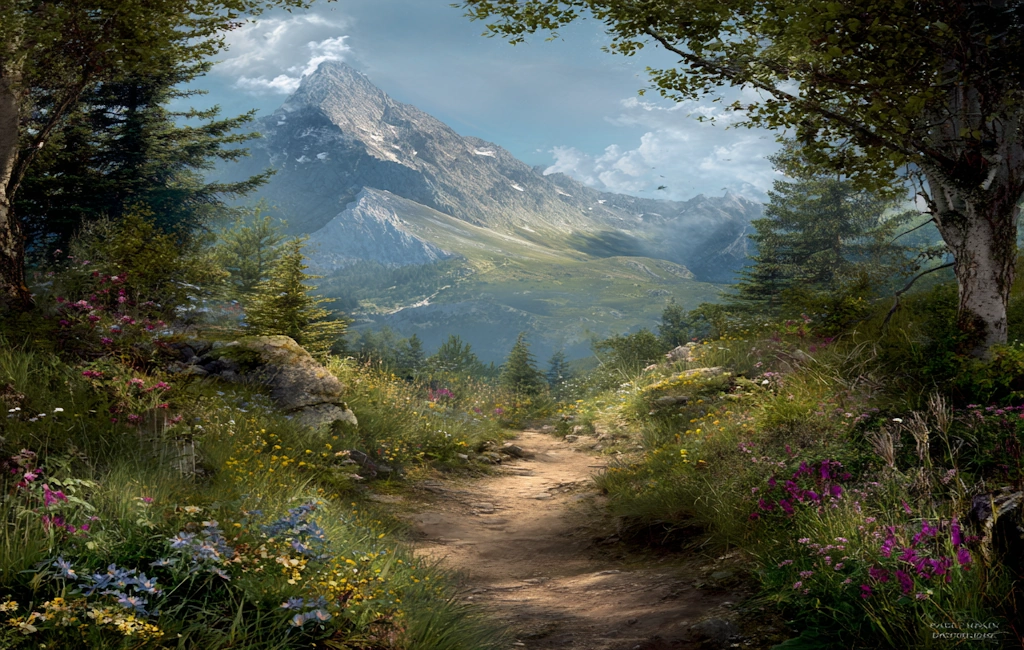
Cheile Turzii Gorge Trail
The Cheile Turzii Gorge Trail is a spectacular day walk located in the Apuseni Mountains of Romania, offering a dramatic introduction to the karst landscapes of the region. This well-defined path winds through a breathtaking gorge carved by the Hășdate River, featuring towering limestone cliffs, lush vegetation, and a series of impressive geological formations. It's a popular destination for hikers, climbers, and nature enthusiasts, providing a moderate challenge with significant scenic rewards. The trail's accessibility from Cluj-Napoca makes it an ideal day trip for those seeking to experience Romania's natural beauty.
- Category: Day Walk
- Distance: 10.0 km
- Elevation Gain: 300 m
- Duration: 4–6 hours
- Difficulty: Moderate
- Best Time: April to October
- Closest City: Cluj-Napoca
- Trailhead Access: Nearest airport: Cluj-Napoca (CLJ). From Cluj-Napoca, take bus 54 to Turda, then a local bus or taxi to Cheile Turzii. Driving: Follow DN1 to Turda, then DJ107L to Cheile Turzii. Road is paved. Drive time ~1 hour. Parking available at the trailhead. No permits required.
- Coordinates: 46.5667, 23.7667
Overview
Cheile Turzii (Turda Gorge) is one of the most important natural reserves in Romania, renowned for its dramatic limestone cliffs that soar up to 300 metres high. The trail itself is a journey through a vibrant ecosystem, showcasing a diverse range of flora and fauna adapted to the unique microclimate of the gorge. As you walk, you'll encounter numerous caves, sinkholes, and natural arches, testament to the powerful erosive forces of water over millennia. The path is generally well-maintained, though it can be uneven in places, requiring sturdy footwear. The gorge is a haven for various bird species, including raptors that nest on the cliff faces, and the surrounding forests are home to diverse plant life, with many rare and endemic species found here.
The trail offers a dynamic hiking experience. It begins with a relatively gentle ascent along the Hășdate River, gradually leading you deeper into the gorge. As you progress, the cliffs close in, creating a sense of awe and immersion in the natural grandeur. The route involves some steeper sections and rocky terrain, particularly as you navigate around obstacles and ascend to viewpoints overlooking the gorge. The moderate difficulty level makes it accessible to most reasonably fit individuals, but caution is advised on slippery sections, especially after rain.
The best time to visit is during the warmer months, from April to October, when the weather is most favourable for hiking and the natural scenery is at its most vibrant. Spring brings blooming wildflowers, while summer offers lush greenery. Autumn provides a beautiful display of changing foliage. The proximity to Turda and Cluj-Napoca makes Cheile Turzii an easily accessible natural escape, offering a substantial and memorable day hike without the need for overnight accommodation.
History and Cultural Context
The Cheile Turzii gorge has been a significant natural landmark for centuries, its dramatic landscape inspiring awe and wonder. While not a site of major historical battles or ancient settlements in the same vein as some other European landmarks, its geological history is profound. The gorge was formed over millions of years by the erosive power of the Hășdate River, which has carved its way through the Jurassic limestone bedrock. This process has created the towering cliffs, numerous caves, and unique geological formations that define the area today.
The region surrounding Turda has a rich history dating back to Roman times, with evidence of settlements and salt mining operations in the vicinity. The salt mines of Turda are a testament to the area's long-standing economic importance. While the gorge itself may not have been a primary focus of human settlement, its natural resources, such as water and shelter provided by caves, would have been known and utilised by local populations throughout history.
In more recent times, Cheile Turzii has been recognised for its exceptional ecological and geological value. It was declared a protected area and a nature reserve to preserve its unique biodiversity and geological features. This designation has helped to ensure that the gorge remains a pristine natural environment, accessible for recreation and scientific study. The area is also a popular spot for rock climbing, with routes established on the limestone cliffs, attracting climbers from across Romania and beyond. The trail itself has likely evolved from ancient paths used by shepherds and local inhabitants to access grazing lands or navigate the terrain, gradually becoming a more formalised hiking route as its recreational appeal grew.
Seasonal Highlights and Weather Reality
The Cheile Turzii Gorge Trail is best enjoyed during the spring, summer, and early autumn months. Each season offers a distinct experience, influenced by weather patterns and the natural cycles of the gorge's flora and fauna.
Spring (April to May): This is a beautiful time to visit, as the gorge comes alive with vibrant colours. Wildflowers bloom profusely on the slopes and in the meadows surrounding the gorge, creating a picturesque scene. The weather is generally mild, though occasional rain showers are possible. The Hășdate River may be fuller due to snowmelt, enhancing the sound of the water flowing through the gorge. Birdlife becomes more active, and the air is fresh and invigorating.
Summer (June to August): Summer offers the warmest temperatures and longest daylight hours, ideal for extended exploration. The vegetation is at its lushest, and the gorge provides welcome shade from the midday sun. However, this is also the peak season for visitors, and the trail can be busier. Sandflies and other insects can be present, so insect repellent is advisable. The river levels are typically lower during summer, making some of the riverbed crossings easier.
Autumn (September to October): Autumn transforms the landscape into a tapestry of warm colours. The deciduous trees along the gorge edges display stunning shades of red, orange, and yellow, creating a visually spectacular environment. The weather is often crisp and clear, with cooler temperatures perfect for hiking. The crowds thin out, offering a more tranquil experience. This is an excellent time for photography, with the golden light and colourful foliage.
Winter (November to March): While the gorge is technically accessible in winter, it is generally not recommended for casual hikers. Snow and ice can make the trails treacherous and impassable, especially on the steeper sections and cliff edges. The river may freeze in parts, and daylight hours are significantly shorter. For experienced winter mountaineers with appropriate gear and knowledge, it can offer a starkly beautiful, albeit challenging, experience. However, for most visitors, winter is best avoided.
Weather Reality: The weather in the Apuseni Mountains can be unpredictable. Even during summer, afternoon thunderstorms can occur, bringing heavy rain and a rapid drop in temperature. It is always advisable to check the local weather forecast before your visit and be prepared for changing conditions by carrying appropriate layers and waterproof gear.
Recommended Itinerary
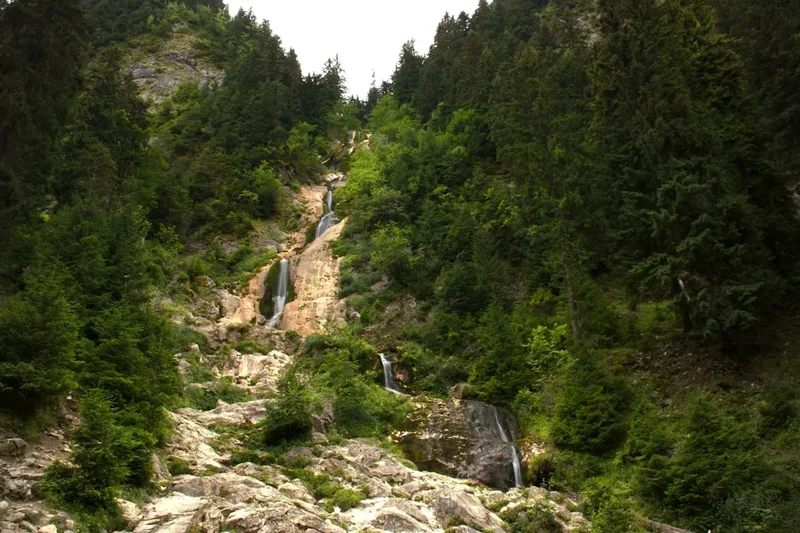
Cheile Turzii Gorge Trail - Day Walk Itinerary
This itinerary outlines a typical progression for a day hike through the Cheile Turzii Gorge. The timings are approximate and can be adjusted based on individual pace, time spent at points of interest, and breaks.
Early Morning (Approx. 8:00 AM - 9:00 AM): Arrival and Trailhead Start
- Arrive at the Cheile Turzii parking area.
- Final gear check and preparation.
- Begin the hike from the designated trailhead, typically near the entrance to the gorge.
- The initial section follows the Hășdate River, offering easy walking on a relatively flat path.
- Enjoy the first views of the towering limestone cliffs and the lush vegetation lining the riverbanks.
Morning (Approx. 9:00 AM - 12:00 PM): Deeper into the Gorge
- Continue along the river, gradually ascending into the heart of the gorge.
- The path may become more uneven, with some rocky sections and potential stream crossings.
- Observe the diverse flora and fauna; look for nesting birds on the cliff faces.
- Pass by several caves and sinkholes, geological features carved by water erosion.
- The cliffs will become more imposing, creating a dramatic and immersive atmosphere.
- Consider a short break to appreciate the scale of the gorge and the natural formations.
Midday (Approx. 12:00 PM - 1:30 PM): Ascending to Viewpoints
- The trail may involve steeper ascents to bypass obstacles or reach higher vantage points.
- This section offers opportunities for panoramic views looking back down the gorge or across to the opposite cliffs.
- Find a suitable spot for a picnic lunch, enjoying the scenery and the sounds of nature.
- The higher sections may reveal more of the surrounding Apuseni Mountains landscape.
Afternoon (Approx. 1:30 PM - 4:00 PM): Return Journey and Exploration
- Begin the return journey, which may follow a slightly different path or retrace parts of the outward route.
- Take time to revisit any particularly striking spots or explore smaller side paths if time and conditions permit.
- Be mindful of footing, especially if the trail is damp.
- The descent can be quicker, but still requires attention to avoid slips.
- As you approach the trailhead, reflect on the impressive geological and natural wonders encountered.
Late Afternoon (Approx. 4:00 PM onwards): Departure
- Arrive back at the trailhead and parking area.
- Allow time for stretching and rehydrating.
- Depart from Cheile Turzii, having experienced a memorable day of hiking in a unique natural environment.
Important Notes:
- Wear sturdy, broken-in hiking boots with good ankle support.
- Carry plenty of water and snacks, as facilities are limited within the gorge.
- Be prepared for variable weather conditions; pack layers and waterproofs.
- Insect repellent is recommended, especially during warmer months.
- Inform someone of your hiking plans and expected return time.
- Respect the natural environment and stay on marked trails.
Planning and Bookings
Book Your Trip
Everything you need to plan your journey
Accommodation
Find places to stay near Cluj-Napoca
Flights
Search flights to Cluj-Napoca
Essential Preparation
Cheile Turzii Gorge is a day hike, meaning no overnight accommodation is required. The primary preparation involves ensuring you have the correct gear, sufficient food and water, and an understanding of the trail's conditions. The closest major city is Cluj-Napoca, which serves as the main transport hub. From Cluj-Napoca, you can take a bus or train to Turda (approximately 1 hour). From Turda, local buses or taxis can take you directly to the Cheile Turzii entrance. Driving is also a convenient option, with a well-paved road (DJ107L) leading to the gorge, and ample parking available at the trailhead. It is advisable to check local transport schedules in advance, especially if relying on public transport, and to have a backup plan in case of delays.
Trail Accommodation
This is a day hike requiring no overnight accommodation.
Required Gear
- Hiking Boots: Sturdy, waterproof hiking boots with good ankle support are essential due to the uneven and rocky terrain.
- Clothing: Wear comfortable, moisture-wicking layers. Include a long-sleeved shirt and trousers to protect against the sun, insects, and minor abrasions.
- Waterproof Jacket: A lightweight, waterproof and windproof jacket is crucial, as weather can change rapidly in the mountains.
- Backpack: A daypack (20-30 litres) to carry essentials like water, food, first-aid kit, and extra clothing.
- Navigation: While the trail is generally well-marked, a map of the area or a GPS device/app on your phone is recommended, especially for exploring any minor detours. Ensure your phone is fully charged.
- Safety Gear: A basic first-aid kit including plasters, antiseptic wipes, pain relievers, and any personal medications. A whistle can be useful in emergencies.
- Sun Protection: Sunscreen (SPF 30+), sunglasses, and a wide-brimmed hat are important, especially during summer months.
What to Bring
- Food: Pack enough high-energy snacks and a substantial lunch. There are no food services within the gorge itself.
- Water: Carry at least 1.5-2 litres of water per person. Water sources within the gorge may not be potable without treatment.
- Toiletries: Hand sanitiser, biodegradable wet wipes, and any personal hygiene items.
- Insect Repellent: Especially important during warmer months to ward off sandflies and mosquitoes.
- Camera: To capture the stunning scenery and geological formations.
- Walking Poles (Optional): Can provide extra stability on steeper or uneven sections.
- Small Towel: Useful if you get wet from river spray or unexpected rain.
Permits
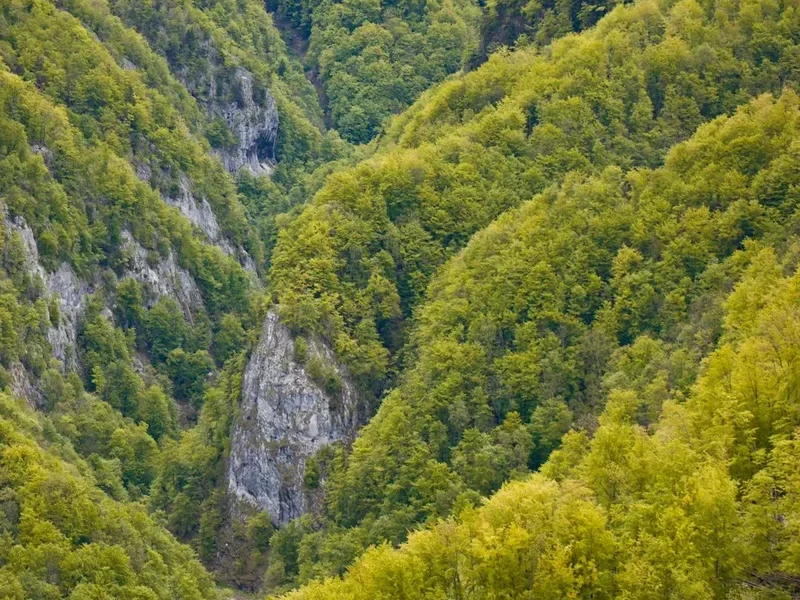
No specific permits are required to hike the Cheile Turzii Gorge Trail. As a nature reserve, it is open to the public for recreational use. However, it is important to be aware of and adhere to the regulations of the protected area, which typically include rules against littering, damaging flora and fauna, and making fires outside designated areas (though fires are generally not permitted within the gorge itself).
While no entry fee is charged for the trail itself, there may be a small parking fee at the designated trailhead if you are arriving by car. It is always advisable to check for any local advisories or minor charges that might be in place upon arrival, although these are uncommon for this particular trail.
The primary "requirement" for visiting Cheile Turzii is a commitment to responsible tourism and respecting the natural environment. This includes staying on marked paths, packing out all rubbish, and minimising your impact on the delicate ecosystem. The gorge is a valuable natural heritage site, and its preservation depends on the considerate behaviour of its visitors.
Other Activities in the Area
The region around Cheile Turzii offers several other attractions and activities for visitors:
- Turda Salt Mine (Salina Turda): A spectacular underground museum and amusement park located in a former salt mine. It features a vast cavern with an underground lake, Ferris wheel, and various recreational facilities. It's a unique and highly recommended visit, easily accessible from the gorge.
- Rock Climbing: Cheile Turzii is a renowned destination for rock climbing, with numerous routes catering to various skill levels on the sheer limestone cliffs. If you are an experienced climber or with a guided group, this can be an exhilarating way to experience the gorge.
- Caving: The gorge is riddled with caves, some of which are accessible to the public or can be explored with experienced guides. These offer a glimpse into the subterranean world shaped by millennia of geological processes.
- Hiking in the Apuseni Mountains: Cheile Turzii is part of the larger Apuseni Natural Park, which offers a network of other hiking trails and natural wonders, including more remote gorges, traditional villages, and karst landscapes.
- Exploring Turda: The town of Turda itself has historical sites, including the St. Nicholas Church and the Turda History Museum, offering insights into the local heritage.
- Photography: The dramatic cliffs, diverse vegetation, and geological formations make Cheile Turzii a paradise for photographers.
Safety and Conditions
Trail Conditions: The Cheile Turzii Gorge Trail is generally well-maintained, but it can be uneven, rocky, and slippery, especially after rain. Some sections involve steep ascents and descents. Always wear appropriate footwear and be mindful of your footing.
Weather: Mountain weather can change rapidly. Be prepared for sudden shifts in temperature, wind, and precipitation. Check the forecast before you go and carry layers of clothing, including waterproofs.
River Crossings: Depending on the season and recent rainfall, you may need to cross the Hășdate River. These crossings can be challenging if the water level is high. Assess the safety of any crossing before attempting it. If in doubt, do not cross.
Wildlife: While generally not dangerous, be aware of local wildlife. Respect their space and do not attempt to feed any animals. Snakes can be present in warmer months; watch where you step.
Caves: If exploring any of the caves, do so with extreme caution. Many are undeveloped and can be hazardous. It is advisable to go with an experienced guide and carry appropriate lighting.
Communication: Mobile phone signal can be intermittent within the gorge. Inform someone of your hiking plans, including your expected return time, and carry a fully charged phone. A personal locator beacon (PLB) is recommended for more remote hikes, though less critical for this popular day walk.
Emergency Contacts: In case of emergency, dial 112 (the European emergency number). Local emergency services are available in Turda.
General Safety Tips:
- Hike with a companion if possible.
- Stay on marked trails to avoid getting lost and to protect the environment.
- Carry a basic first-aid kit and know how to use it.
- Pace yourself and take regular breaks.
- Be aware of your surroundings at all times.
Side Trips and Points of Interest
Numerous Caves: The limestone cliffs of Cheile Turzii are riddled with caves, many of which are significant geological formations. While not all are accessible or safe for casual exploration, their presence adds to the dramatic character of the gorge. Some notable caves include Peștera Ungurească (Hungarian Cave) and Peștera Corbului (Raven's Cave). Always exercise extreme caution if attempting to explore any cave, and ideally do so with a guide.
Natural Arches and Formations: The relentless erosion by the Hășdate River has sculpted the limestone into a variety of fascinating shapes. Keep an eye out for natural arches, towering pinnacles, and unusual rock formations that dot the gorge walls and riverbed.
Diverse Flora: The gorge supports a rich variety of plant life, including many rare and endemic species. Look for orchids, various medicinal herbs, and unique mosses and lichens clinging to the damp rock faces. The contrast between the arid cliff tops and the lush river valley creates distinct ecological zones.
Birdwatching Opportunities: The cliffs provide nesting sites for various bird species, including birds of prey like kestrels and buzzards. With patience and a keen eye, you might spot these magnificent birds soaring above the gorge.
Panoramic Viewpoints: As the trail ascends, there are several points where you can pause to take in breathtaking panoramic views of the gorge stretching out below and the surrounding Apuseni Mountains. These viewpoints are ideal for photography and for appreciating the sheer scale of the landscape.
Leave No Trace
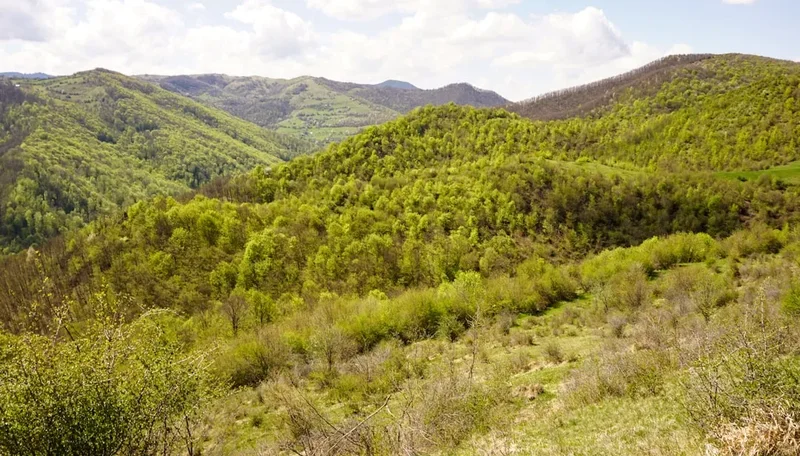
Cheile Turzii is a protected nature reserve, and it is crucial for all visitors to practice Leave No Trace principles to preserve its natural beauty and ecological integrity for future generations. The gorge is a fragile ecosystem, and even small impacts can have significant consequences.
Plan Ahead and Prepare: Understand the trail conditions, weather forecast, and any regulations before your visit. Pack appropriately to avoid needing to create impact on the trail (e.g., bringing enough food and water).
Travel and Camp on Durable Surfaces: Stay on the marked trails. Avoid walking on vegetation or creating new paths, as this can lead to erosion and damage delicate plant life. The main trail is designed to be the most sustainable route.
Dispose of Waste Properly: Pack out everything you pack in. This includes all food scraps, wrappers, and any other litter. Do not bury or burn trash, as it can attract animals and pollute the environment. Use designated bins if available at the trailhead, but be prepared to carry all waste back with you.
Leave What You Find: Do not remove any natural objects, such as rocks, plants, or flowers. These are part of the natural environment and should be left for others to enjoy and for the ecosystem to thrive.
Minimise Campfire Impacts: Campfires are generally not permitted within the gorge. If you are visiting an area where they are allowed (unlikely for this day hike), use established fire rings and ensure fires are completely extinguished before leaving.
Respect Wildlife: Observe wildlife from a distance. Never feed animals, as this can disrupt their natural behaviours and diets, and can make them dependent on human food. Secure your food properly.
Be Considerate of Other Visitors: Keep noise levels down, especially in natural settings. Yield to other hikers on narrow sections of the trail. Respect the peaceful enjoyment of nature for everyone.
By adhering to these principles, you help ensure that Cheile Turzii remains a pristine and awe-inspiring natural wonder.