
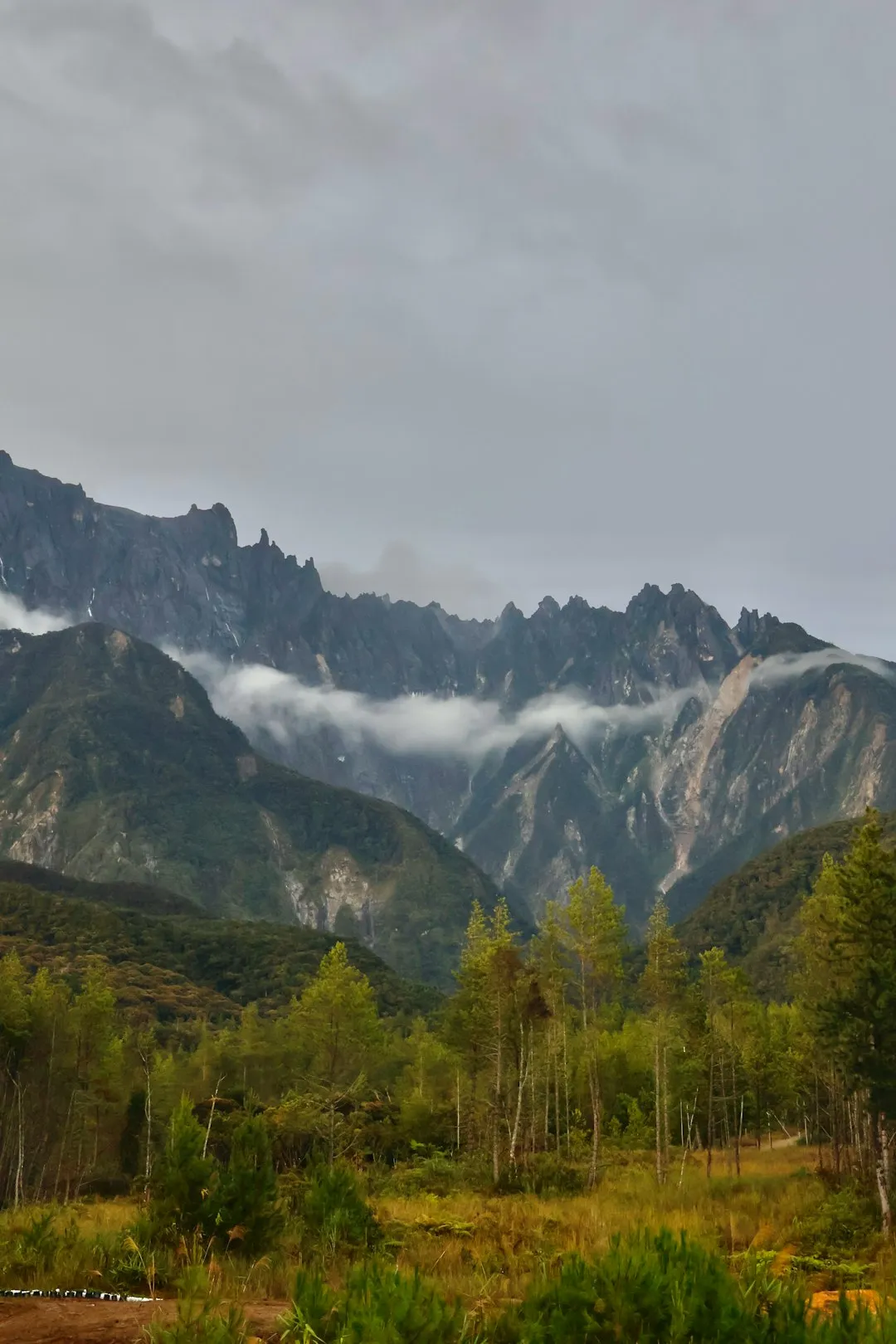
Mount Mulu Pinnacles Trail
The Mount Mulu Pinnacles Trail is a challenging and rewarding trek located within Gunung Mulu National Park, a UNESCO World Heritage Site in Sarawak, Borneo, Malaysia. This multi-day adventure takes hikers through dense primary rainforest, past unique geological formations, and culminates in a breathtaking ascent to the summit of Gunung Mulu, offering panoramic views of the surrounding jungle-clad mountains. The trail is renowned for its biodiversity, including a vast array of orchids, insects, and mammals, and for the iconic limestone pinnacles that give the park its name. It is a journey that tests physical endurance and offers a profound connection with one of the world's most biodiverse ecosystems.
- Distance: 24.0 km (return)
- Duration: 3 days / 2 nights
- Season: March to September (dry season is best for visibility and trail conditions)
- Huts (mandatory booking): Various basic shelters and campsites along the route
- Highest point: Gunung Mulu Summit (2,377 m)
- Daily walkers: Limited by accommodation availability
- Direction: Out and back route
Overview
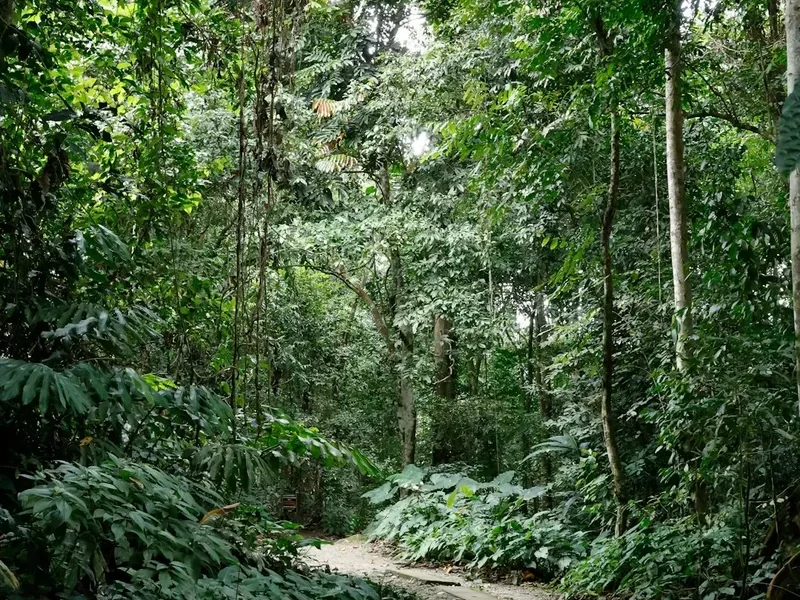
The Mount Mulu Pinnacles Trail is not for the faint of heart. It is a demanding expedition that requires a good level of fitness and mental fortitude. The journey begins at the Mulu National Park Headquarters, where hikers embark on a trek through the lowland rainforest, gradually ascending towards the higher altitudes of Gunung Mulu. The trail is a mix of well-trodden paths, steep ascents, and sections requiring careful navigation, especially during and after rain when the jungle floor can become slippery and muddy.
The park is famous for its karst landscape, dominated by limestone formations. While the Pinnacles themselves are a separate, albeit nearby, attraction, the Mulu summit trek traverses through areas that showcase the immense geological history of the region. Hikers will encounter a rich tapestry of flora and fauna, with opportunities to spot hornbills, gibbons, and a dazzling variety of plant life. The air is thick with humidity, and the sounds of the jungle are a constant companion.
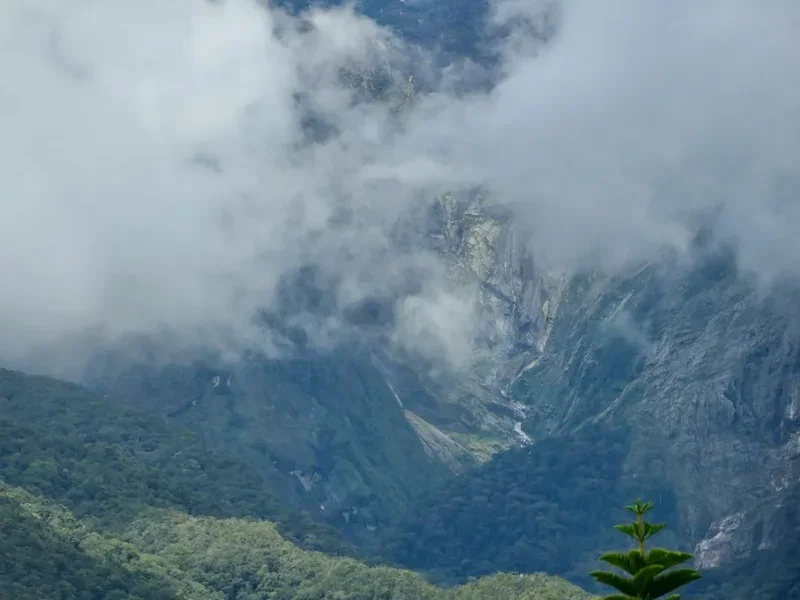
The ascent to Gunung Mulu's summit is a significant undertaking. The trail is steep, with sections that involve climbing over roots and rocks, and navigating narrow ridges. The final push to the summit is particularly challenging, often involving a series of steep wooden staircases and ladders that test both physical stamina and nerve. However, the reward for this effort is immense: unparalleled 360-degree views of the surrounding rainforest canopy, the distant peaks of Borneo, and, on clear days, the vast expanse of Sarawak. The descent offers a different perspective, allowing for a more relaxed appreciation of the jungle's intricate details.
This trek is typically undertaken over three days, allowing for a steady pace and time to appreciate the environment. The accommodation along the route is basic, consisting of shelters and campsites, which adds to the sense of adventure and immersion in the wilderness. The Mulu Pinnacles Trail is a true Borneo jungle experience, offering a challenging yet deeply rewarding adventure for experienced trekkers.
History and Cultural Context
Gunung Mulu National Park has a rich history intertwined with the indigenous communities of Sarawak, particularly the Penan and Berawan peoples, who have lived in and utilised the forest resources for generations. Their traditional knowledge of the jungle, its plants, and its animals is invaluable and forms a crucial part of the park's heritage. The park was gazetted in 1974, and its designation as a UNESCO World Heritage Site in 2000 recognised its outstanding universal value, particularly its exceptional karst features and extraordinary biodiversity.
The exploration and charting of Gunung Mulu itself have a more recent history, primarily driven by scientific interest and the burgeoning adventure tourism industry. Early expeditions in the 20th century began to document the park's unique geological formations and rich ecosystems. The development of the trekking routes, including the path to the summit and the famous Pinnacles trail, has been a gradual process, often involving local guides who possess intimate knowledge of the terrain and its challenges.
The park's name, Mulu, is believed to derive from a local word, possibly related to the sound of the wind or a specific plant found in the area. The limestone formations, particularly the dramatic Pinnacles, have long been a source of wonder and a significant attraction. The establishment of national park status and the subsequent UNESCO recognition have been instrumental in preserving this unique environment, balancing conservation efforts with controlled access for visitors who seek to experience its natural grandeur.
Seasonal Highlights and Weather Reality
The best time to undertake the Mount Mulu Pinnacles Trail is during the dry season, which typically runs from March to September. During these months, rainfall is generally lower, leading to more stable trail conditions and better visibility from the summit. The jungle is still lush and vibrant, but the risk of prolonged heavy downpours that can make the trails treacherous is reduced.
Dry Season (March - September):
- March to May: The early part of the dry season often sees pleasant temperatures and moderate rainfall. This is an excellent time to visit, with fewer crowds than the peak months.
- June to August: This is considered the peak dry season. Days can be hot and humid, with temperatures often reaching the high 20s to low 30s Celsius. While it's the driest period, occasional thunderstorms can still occur, especially in the afternoons. Visibility from the summit is usually at its best during these months.
- September: The tail end of the dry season. Conditions remain favourable, though there might be a slight increase in rainfall towards the end of the month as the wet season approaches.
Wet Season (October - February):
- Rainfall is significantly higher during this period, with frequent and intense downpours.
- Trails can become very muddy, slippery, and potentially hazardous. River crossings may become more difficult or impassable.
- Visibility from the summit is often poor due to cloud cover and heavy rain.
- While the jungle is incredibly lush and the sounds of the rainforest are amplified, trekking conditions are considerably more challenging and potentially dangerous.
- Some trails or sections might be temporarily closed by park authorities due to safety concerns.
General Weather Considerations: Regardless of the season, the Mulu region is a tropical rainforest. Expect high humidity and warm temperatures year-round. Even during the dry season, sudden, heavy rain showers are common. It is crucial to be prepared for all weather conditions, including rain, heat, and humidity, at any time of year.
Recommended Itinerary
3-Day Mount Mulu Pinnacles Itinerary
Day 1: Park HQ to Camp 5
- Distance: Approximately 10 km
- Elevation gain: Gradual ascent through lowland rainforest
- Time: 3–4 hours
- Start at Mulu National Park Headquarters.
- Follow the boardwalks and jungle trails towards the park's famous caves (Wind Cave and Clearwater Cave).
- Continue on the trail towards Camp 5, a basic jungle accommodation facility.
- The trail is relatively flat in the initial stages, becoming more undulating as you progress.
- Arrive at Camp 5, which offers basic dormitory-style accommodation and cooking facilities.
- Settle in, prepare dinner, and rest for the challenging days ahead.
- This day is primarily about acclimatisation and reaching the staging point for the more strenuous sections of the trek.
Day 2: Camp 5 to Gunung Mulu Summit (and return to Camp 5)
- Distance: Approximately 12 km (6 km up, 6 km down)
- Elevation gain: Significant ascent, over 1,200 m
- Time: 8–10 hours (round trip)
- Early morning start from Camp 5.
- The trail becomes significantly steeper and more challenging from this point onwards.
- Ascend through dense primary rainforest, with sections of steep inclines, root-covered paths, and rocky terrain.
- You will pass various jungle landmarks and experience the changing vegetation as you gain altitude.
- The final ascent to the summit involves a series of steep wooden staircases and ladders, requiring considerable effort and concentration.
- Reach the summit of Gunung Mulu (2,377 m). Enjoy the panoramic views if weather permits.
- Take a break for lunch and photos at the summit.
- Descend back to Camp 5, which can be as challenging as the ascent, especially on tired legs.
- Arrive back at Camp 5 in the late afternoon or early evening.
- This is the most physically demanding day of the trek.
Day 3: Camp 5 to Park HQ
- Distance: Approximately 10 km
- Elevation loss: Gradual descent
- Time: 2–3 hours
- Enjoy a final jungle breakfast at Camp 5.
- Trek back along the established trail towards Mulu National Park Headquarters.
- The return journey is generally quicker and less strenuous than the outward trek.
- Reflect on the incredible journey and the challenges overcome.
- Arrive back at Park HQ by late morning or midday.
- Option to visit the famous Deer Cave and Lang's Cave if not done on Day 1.
Important Notes:
- This itinerary is a guideline; actual timings may vary based on fitness levels and weather conditions.
- All accommodation (Camp 5 and any other designated shelters/campsites) must be booked in advance.
- A licensed guide is mandatory for trekking to the summit of Gunung Mulu.
- Carry sufficient water and food for each day, as facilities are limited.
- Be prepared for extreme humidity and potential rain at any time.
Planning and Bookings
Book Your Trip
Everything you need to plan your journey
Accommodation
Find places to stay near Miri
Flights
Search flights to Miri
Essential Preparation
Embarking on the Mount Mulu Pinnacles Trail requires meticulous planning. The closest major city is Miri, from which you will need to arrange transport to Mulu National Park. Flights are the most common method, with regular services from Miri to Mulu Airport (MZV). From Mulu Airport, a short boat ride or taxi will take you to the park headquarters, the starting point of your trek.
Accommodation within the park, particularly at Camp 5, is basic and must be booked well in advance, especially during peak seasons. Hiring a licensed guide is mandatory for summit treks, and this should also be arranged prior to your arrival or immediately upon check-in at the park headquarters. Ensure you have adequate travel insurance that covers trekking activities in remote areas.
Physical fitness is paramount. The trail involves significant elevation gain, steep ascents, and long hours of trekking through challenging jungle terrain. A good level of cardiovascular fitness, leg strength, and endurance is essential. Undertake regular hiking, hill training, and strength conditioning in the months leading up to your trip.
Trail Accommodation
Accommodation along the Mount Mulu Pinnacles Trail is basic and designed to support trekkers undertaking multi-day expeditions. The primary staging point for the summit trek is Camp 5.
Camp 5:
- Type: Basic jungle camp with dormitory-style accommodation.
- Facilities: Bunk beds with thin mattresses (sleeping bags and mats are essential), communal dining/rest area, basic cooking facilities (gas stoves, benches), shared bathrooms with cold water showers and toilets.
- What's NOT provided: Bedding (sheets, blankets, pillows), cooking utensils, food, electricity, charging facilities, heating.
- Booking Requirements: Mandatory booking through Mulu National Park Headquarters. Limited capacity, so book well in advance.
- Seasonal Availability: Open year-round, but conditions are best during the dry season.
- Costs: Typically around RM 50-100 per person per night, subject to change.
Other Shelters/Campsites: Depending on the specific route and duration, there may be other designated basic shelters or camping spots along the trail. These are even more rudimentary than Camp 5, often consisting of simple open-sided shelters with a raised platform. Availability and usage policies should be confirmed with park authorities.
Note: This is a challenging trek, and the accommodation reflects its remote jungle setting. Trekkers must be self-sufficient and prepared for basic amenities.
Required Gear
- Sturdy Hiking Boots: Waterproof, with good ankle support and aggressive tread for grip on slippery terrain. Ensure they are well broken-in to prevent blisters.
- Waterproof Jacket: Lightweight, breathable, and fully waterproof (e.g., Gore-Tex). Essential for sudden downpours.
- Waterproof Overtrousers: Full-length zips are highly recommended for ease of use over boots.
- Sleeping Bag: A 3-season sleeping bag is recommended, as nights can be cool at higher altitudes, and huts are unheated.
- Sleeping Mat: For added comfort and insulation at Camp 5 or other shelters.
- Backpack: A comfortable 40-60 litre backpack with a good hip belt and rain cover.
- Head Torch: With spare batteries. Essential for early morning starts, late finishes, and navigating in low light.
- First Aid Kit: Comprehensive kit including blister treatment, pain relievers, antiseptic wipes, bandages, and any personal medications.
- Insect Repellent: High DEET concentration (e.g., 50%+) is crucial for protection against mosquitoes and sandflies.
- Sun Protection: Sunscreen (SPF 30+), wide-brimmed hat, sunglasses.
- Navigation Tools: While guides are mandatory, a personal map, compass, or GPS device can be useful for reference.
- Trekking Poles: Highly recommended for stability on ascents and descents, and to reduce strain on knees.
What to Bring
- Food: Sufficient high-energy, non-perishable food for all meals and snacks for the duration of the trek. This includes breakfast, lunch, dinner, and plenty of trail snacks (nuts, dried fruit, energy bars).
- Water Bottles/Hydration Reservoir: Capacity for at least 2-3 litres per person.
- Water Purification: Water filter or purification tablets. While water sources exist, treating water is always recommended.
- Cooking Gear: Lightweight portable stove, fuel, cooking pot, utensils (spork or similar), mug, plate/bowl.
- Toiletries: Biodegradable soap, toothbrush, toothpaste, small quick-dry towel, hand sanitiser, toilet paper (pack out used paper).
- Clothing:
- Moisture-wicking base layers (synthetic or merino wool)
- Insulating mid-layer (fleece or down jacket)
- Trekking trousers (quick-drying, lightweight)
- Trekking shirts (short and long-sleeved)
- Plenty of socks (wool or synthetic)
- Camp clothes (comfortable, dry set for evenings)
- Personal Items: Camera, power bank for electronics, book or journal, small dry bag for valuables.
- Cash: For park fees, guide fees, and any small purchases at the park headquarters.
Permits
To trek the Mount Mulu Pinnacles Trail and ascend Gunung Mulu, several permits and fees are required:
- Park Entrance Fee: A daily entrance fee for Gunung Mulu National Park is required for all visitors. This can be paid at the park headquarters upon arrival.
- Trekking Permit: A permit is required for undertaking multi-day treks within the park, including the summit climb. This is usually arranged in conjunction with accommodation bookings.
- Accommodation Booking: As mentioned, booking accommodation at Camp 5 (or other designated shelters) is mandatory and must be done in advance. This booking often includes the trekking permit.
- Guide Fee: Hiring a licensed local guide is compulsory for the Gunung Mulu summit trek. The guide fee is separate from accommodation and park fees and is typically paid directly to the guide or arranged through the park headquarters.
Booking Process:
- Contact Mulu National Park Headquarters: It is highly recommended to contact the park headquarters well in advance of your planned trek to inquire about availability, fees, and the booking process. This can often be done via email or phone.
- Accommodation and Guide Arrangement: Book your accommodation at Camp 5 and arrange for a licensed guide. The park staff can assist with assigning a guide based on availability.
- Payment: Fees are typically paid in Malaysian Ringgit (MYR) at the park headquarters. It is advisable to carry sufficient cash, as card facilities may be limited or unreliable.
Important Considerations:
- Advance Booking: Due to the popularity of Gunung Mulu and the limited capacity of Camp 5, booking accommodation and guides well in advance is crucial, especially during peak travel seasons (June-August).
- Flexibility: While advance booking is essential, it's wise to have some flexibility in your dates, as weather conditions can sometimes necessitate changes to trekking plans.
- Park Regulations: Familiarise yourself with all park regulations regarding waste disposal, fire safety, and interaction with wildlife.
Other Activities in the Area
Beyond the challenging summit trek, Gunung Mulu National Park offers a wealth of other attractions and activities:
- The Pinnacles: While not part of the Mulu summit trek, the famous Pinnacles trail is a must-do. This steep, challenging day hike leads to a viewpoint overlooking a spectacular field of razor-sharp limestone karst formations. It requires an overnight stay at Camp 5 and an early morning start.
- Cave Exploration: Mulu is world-renowned for its extensive cave systems. Key caves accessible from the park headquarters include:
- Deer Cave (Gua Payau): One of the largest cave passages in the world, famous for its "Abraham Lincoln" profile and the exodus of millions of bats at dusk.
- Lang's Cave (Gua Lang): Known for its beautiful stalactites and stalagmites.
- Clearwater Cave (Gua Air Jernih): The longest cave system in Southeast Asia, featuring stunning underground rivers and formations.
- Wind Cave (Gua Angin): Connected to Clearwater Cave, it offers impressive geological features.
- Canopy Walkway: Experience the rainforest from a different perspective on the Mulu Canopy Walkway. This series of suspension bridges allows you to walk amongst the treetops, offering opportunities to spot arboreal wildlife and unique plant species.
- Night Walks: Guided night walks into the rainforest reveal a different world of nocturnal creatures, including insects, amphibians, and possibly larger mammals.
- Bird Watching: The park is a haven for birdwatchers, with numerous species of hornbills, pittas, broadbills, and other tropical birds.
- Botanical Gardens: Explore the diverse plant life of the rainforest, including a remarkable collection of orchids.
Safety and Conditions
Pre-Trek Briefing: Attend the mandatory pre-trek briefing at Mulu National Park Headquarters. This will cover trail conditions, weather forecasts, safety protocols, and emergency procedures.
Mandatory Guide: A licensed guide is compulsory for the Gunung Mulu summit trek. Guides are experienced in navigating the terrain, understanding weather patterns, and responding to emergencies.
Weather: Tropical rainforest weather is unpredictable. Be prepared for heavy rain, high humidity, and sudden temperature changes, especially at higher altitudes. Trails can become extremely slippery and hazardous after rain. Always check the latest weather forecast before setting out.
Trail Conditions: The trail to Gunung Mulu summit is steep and challenging. Expect muddy sections, exposed roots, loose rocks, and steep ascents/descents. The final summit push involves significant use of ladders and wooden staircases, which can be slippery when wet.
Hydration and Nutrition: Carry ample water and high-energy food. Dehydration and exhaustion are significant risks in the tropical heat and humidity. Replenish fluids and electrolytes regularly.
Wildlife: While encounters with large dangerous animals are rare, be aware of your surroundings. Do not feed any wildlife. Respect the natural habitat and maintain a safe distance.
Communication: Mobile phone signal is generally non-existent on the trail. Ensure your guide has a communication device (e.g., satellite phone) for emergencies. Consider carrying a Personal Locator Beacon (PLB) if trekking independently (though guides are mandatory for the summit).
First Aid: Carry a comprehensive first aid kit and know how to use it. Be prepared to treat common trekking injuries such as blisters, sprains, and cuts.
Emergency Procedures: Familiarise yourself with the park's emergency contact numbers and procedures. In case of an emergency, stay calm, assess the situation, and follow your guide's instructions.
Travel Insurance: Ensure your travel insurance policy covers trekking activities in remote jungle environments and includes emergency evacuation.
Side Trips and Points of Interest
Gunung Mulu Summit (2,377 m): The primary objective of this trek. The summit offers a rewarding 360-degree panorama of the surrounding Borneo landscape, including the vast rainforest canopy, distant mountain ranges, and the unique karst topography of the park. Reaching the summit requires significant physical exertion, particularly the final steep ascent via ladders and staircases.
The Pinnacles: Although a separate trek, the Pinnacles are a major geological highlight of Mulu National Park and are often combined with a visit to the park. This challenging day hike leads to a viewpoint overlooking a dramatic landscape of sharp, needle-like limestone formations that rise hundreds of metres from the jungle floor. The view is iconic and a photographer's dream.
Camp 5: This basic jungle camp serves as the gateway to the summit and the Pinnacles. It's a place to rest, refuel, and experience a night immersed in the sounds of the rainforest. The atmosphere at Camp 5 is communal, with trekkers sharing stories and preparing for their respective adventures.
Jungle Flora and Fauna: The entire trail is a living showcase of Borneo's incredible biodiversity. Keep an eye out for:
- Orchids: Mulu is home to a vast array of orchid species, many of which are endemic.
- Insects: From giant millipedes to colourful butterflies and fascinating beetles, the insect life is abundant.
- Birds: Various hornbill species, broadbills, pittas, and other tropical birds can be spotted.
- Mammals: While sightings are less common on the trail itself, gibbons, macaques, and various smaller mammals inhabit the park.
Changing Vegetation Zones: As you ascend Gunung Mulu, you will notice distinct changes in the vegetation. The lower altitudes are dominated by lowland dipterocarp forest, transitioning to montane forest and eventually to stunted, moss-laden vegetation near the summit, reflecting the increasing altitude and harsher conditions.
Leave No Trace
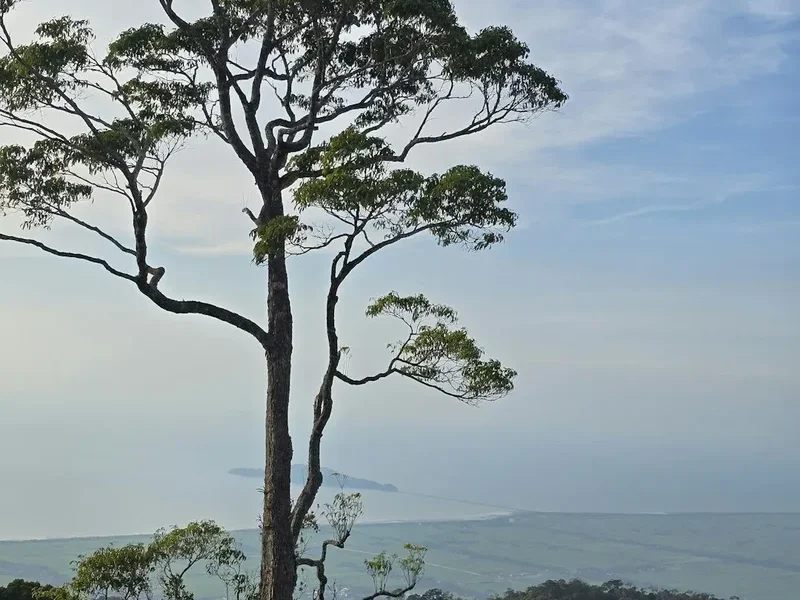
The Mount Mulu Pinnacles Trail traverses a pristine and ecologically sensitive area. Adhering to Leave No Trace principles is paramount to preserving this unique environment for future generations and ensuring the safety of all visitors.
- Plan Ahead and Prepare: Understand the trail, its challenges, and the regulations. Book accommodation and guides in advance. Pack appropriate gear and sufficient food and water.
- Travel and Camp on Durable Surfaces: Stick to marked trails to avoid damaging fragile vegetation. Camp only in designated areas (e.g., Camp 5). Avoid creating new campsites.
- Dispose of Waste Properly: Pack out everything you pack in, including all food scraps, wrappers, and any other refuse. Use designated toilet facilities at Camp 5. If nature calls elsewhere, dig a cathole at least 60 metres away from water sources and trails, and bury human waste. Pack out used toilet paper.
- Leave What You Find: Do not remove any natural objects, such as plants, rocks, or cultural artifacts. Take only photographs and memories.
- Minimise Campfire Impacts: Campfires are generally not permitted on this trek due to the risk of forest fires and the impact on the environment. Use a portable stove for cooking.
- Respect Wildlife: Observe wildlife from a distance. Never feed animals, as this can disrupt their natural behaviours and diets, and can be harmful to their health.
- Be Considerate of Other Visitors: Keep noise levels down, especially at Camp 5. Yield to other hikers on narrow sections of the trail. Respect the local culture and traditions.
By following these principles, you contribute to the conservation of Gunung Mulu National Park and ensure a positive experience for yourself and others.