
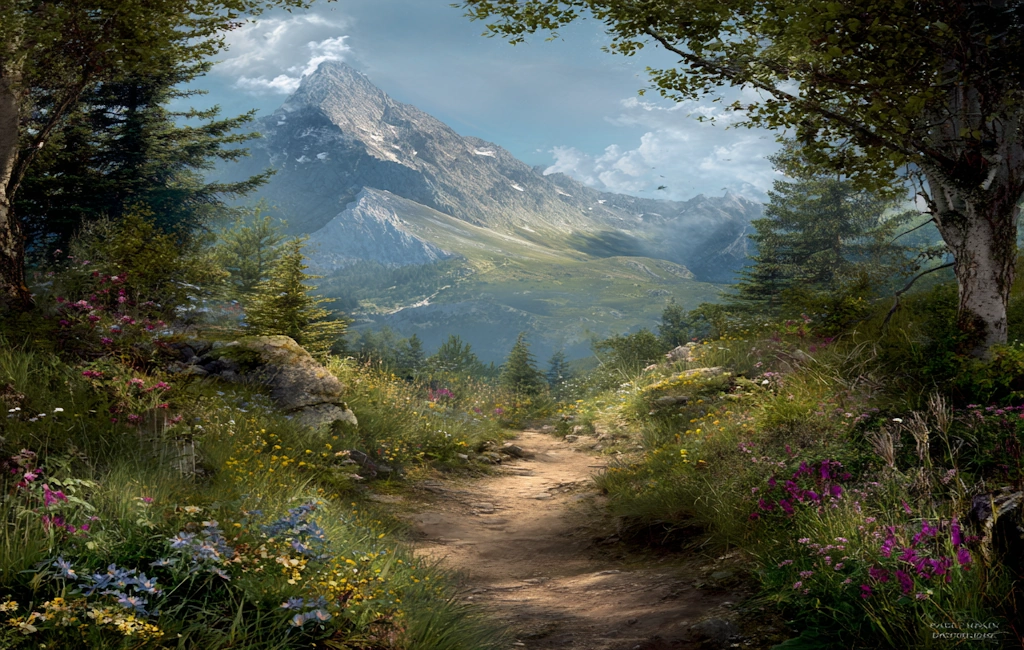
Mount Monadnock Loop
The Mount Monadnock Loop is a challenging yet rewarding day hike located within Monadnock State Park, New Hampshire, USA. This approximately 6.4-kilometre circuit offers a significant elevation gain of 535 metres, making it a strenuous climb that demands good physical fitness. The trail winds through diverse forest terrain, ascending towards the summit of Mount Monadnock, one of the most climbed mountains in the world. From its exposed granite summit, hikers are treated to spectacular panoramic views of the surrounding New England landscape, including lakes, rolling hills, and distant mountain ranges. The loop provides a comprehensive experience of the mountain's natural beauty, from its dense woodlands to its rugged, windswept peak. Due to its demanding nature and the potential for rapid weather changes, careful planning and preparation are essential for a safe and enjoyable ascent.
- Distance: 6.4 km loop
- Duration: 3–4 hours
- Season: Spring to Fall (May–October)
- Elevation Gain: 535 m
- Difficulty: Challenging
- Trailhead Access: Monadnock State Park Headquarters
- Closest City: Peterborough, New Hampshire
Overview
The Mount Monadnock Loop is a quintessential New England hiking experience, offering a concentrated dose of natural beauty and physical challenge. This route is designed to showcase the mountain's varied ecosystems and its iconic summit. The ascent begins in the lower elevations, where hikers are enveloped by a dense canopy of deciduous trees, including maple, oak, and birch. As the trail gains altitude, the forest transitions, becoming more sparse and rugged, with more exposed rock and hardy alpine vegetation. The final push to the summit involves navigating steep, rocky sections, often requiring the use of hands for balance and ascent. The summit itself is a vast expanse of bare granite, offering unobstructed 360-degree views. On a clear day, the vistas stretch for miles, encompassing the White Mountains to the north, the Green Mountains of Vermont to the west, and the Atlantic Ocean on the horizon to the east. The descent follows a different path, often featuring different geological formations and forest types, providing a varied perspective on the mountain's character.
The loop's design ensures that hikers experience a dynamic landscape. The initial stages might feel like a typical woodland walk, but the mountain quickly asserts its dominance with increasingly challenging terrain. The exposed summit is a stark contrast to the sheltered forest floor, highlighting the dramatic environmental shifts that occur with elevation. The loop's moderate distance (6.4 km) belies its significant elevation gain (535 m), which translates to a steep and sustained climb. This makes it a popular choice for those seeking a vigorous workout and a rewarding summit experience without committing to an overnight trek. The trail is well-marked, but its challenging nature means that hikers must remain vigilant, particularly on the descent where loose rocks and steep gradients can pose a risk.
The popularity of Mount Monadnock is a testament to its accessibility and its breathtaking summit views. It serves as a training ground for many, a cherished local landmark, and a destination for those seeking a profound connection with the natural world. The loop offers a complete, albeit demanding, journey to the top and back, encapsulating the essence of this beloved mountain.
History and Cultural Context
Mount Monadnock has a rich history, deeply intertwined with the cultural and natural heritage of New England. For centuries, indigenous peoples, including the Abenaki and Pennacook tribes, traversed the lands surrounding Mount Monadnock, utilising its resources and respecting its prominence in the landscape. The mountain's name itself is believed to derive from an Abenaki word, possibly meaning "place of the smooth rock" or "mountain that is a lone sentinel." These early inhabitants understood the mountain's significance as a landmark and a source of sustenance.
In the 18th and 19th centuries, as European settlers expanded westward, Mount Monadnock became a focal point for exploration and, eventually, tourism. Its distinctive silhouette and commanding presence drew artists, writers, and naturalists. Ralph Waldo Emerson, a prominent Transcendentalist philosopher, frequently visited the mountain and found inspiration in its wild beauty, often referencing it in his essays and poems. Henry David Thoreau also spent time exploring its slopes, further cementing its place in American literary history. The mountain's accessibility from major population centres like Boston made it an ideal destination for day trips and weekend excursions, contributing to its reputation as one of the most climbed mountains in the world.
The establishment of Monadnock State Park in the early 20th century helped to preserve the mountain's natural environment and manage the increasing visitor numbers. Early conservation efforts focused on protecting the forests from logging and preventing the erosion that threatened the delicate summit ecosystem. Today, the park continues to balance the needs of recreation with the imperative of conservation, ensuring that Mount Monadnock remains a vital natural resource and a source of inspiration for generations to come. The trails themselves, though often rugged, are a testament to the efforts of early trail builders and park managers who sought to make the mountain accessible while minimising its impact.
Seasonal Highlights and Weather Reality
The Mount Monadnock Loop is a year-round destination, but its character and the hiking experience vary significantly with the seasons. The most popular and generally safest time to hike the loop is from late spring through autumn.
Spring (May–June): As the snow melts, the forest floor awakens with wildflowers. The trails can be muddy and wet, especially in lower-lying areas. The trees begin to leaf out, offering a fresh, vibrant green landscape. Temperatures are generally mild, but late frosts are possible, and the summit can still experience cold winds. This is a good time to see the mountain in transition, with new life emerging.
Summer (July–August): This is peak hiking season, with warm temperatures and long daylight hours. The forest is in full leaf, providing shade on the lower sections of the trail. However, summer can also bring thunderstorms, which are particularly dangerous on the exposed summit. Hikers should always check the weather forecast before setting out and be prepared to turn back if conditions deteriorate. Sandflies and other biting insects can be prevalent during the warmer months.
Autumn (September–October): This is arguably the most spectacular season to hike the Mount Monadnock Loop. The deciduous forests erupt in a riot of colour, with vibrant reds, oranges, and yellows painting the landscape. The air is crisp and cool, and the risk of thunderstorms decreases. The summit views are often exceptionally clear during this period. However, temperatures can drop significantly, especially at higher elevations, and early snowfalls are possible by late October.
Winter (November–April): Hiking Mount Monadnock in winter is a serious undertaking requiring winter mountaineering experience, appropriate gear (crampons, ice axe), and a thorough understanding of avalanche risks. Trails can be covered in ice and snow, making them extremely treacherous. The summit is often windswept and frigid, with temperatures well below freezing. While beautiful, winter hiking on Monadnock is recommended only for experienced individuals with proper preparation and knowledge of winter conditions.
Weather Reality: Mount Monadnock is notorious for its rapidly changing weather. Even on a clear morning, conditions can deteriorate quickly, especially at the summit. Hikers must always be prepared for rain, wind, and a significant drop in temperature, regardless of the season. Checking the forecast immediately before starting and being willing to adapt plans are crucial for safety.
Recommended Itinerary
Mount Monadnock Loop - Day Hike Itinerary
Early Morning (Approx. 8:00 AM): Arrival and Preparation
- Arrive at Monadnock State Park Headquarters.
- Pay park entrance fee and obtain a trail map.
- Use restroom facilities and ensure all gear is packed and ready.
- Apply sunscreen and insect repellent.
- Briefly review the trail route and elevation profile.
Morning (Approx. 8:30 AM): Begin Ascent via White Dot Trail
- Start the hike from the trailhead near the park headquarters.
- Follow the White Dot Trail, marked with white blazes.
- The initial section is a moderate climb through dense forest, with occasional rocky outcrops.
- Distance covered: Approximately 2.5 km.
- Elevation gain: Approximately 250 m.
- Time taken: 1–1.5 hours.
- Key waypoints: Transition from forest to more open, rocky terrain.
Late Morning (Approx. 10:00 AM): Summit Approach and Exploration
- The White Dot Trail becomes steeper and more rugged, transitioning to the exposed granite slopes of the summit.
- Navigate sections requiring hand-over-hand climbing over large boulders.
- Reach the summit of Mount Monadnock (965 m).
- Spend time enjoying the panoramic views, taking photographs, and resting.
- Distance covered: Approximately 1.5 km (from start of summit approach).
- Elevation gain: Approximately 285 m.
- Time taken: 1–1.5 hours (including summit time).
- Key waypoints: Summit cairn, various viewpoints offering expansive vistas.
Midday (Approx. 11:30 AM): Begin Descent via White Cross Trail
- Descend from the summit using the White Cross Trail, marked with white crosses.
- This trail offers a different perspective on the mountain's geology and vegetation.
- The descent is steep and can be challenging on the knees; use caution.
- Distance covered: Approximately 2.4 km.
- Elevation loss: Approximately 535 m.
- Time taken: 1–1.5 hours.
- Key waypoints: Transition back into forested areas, different rock formations.
Afternoon (Approx. 1:00 PM): Return to Trailhead
- The White Cross Trail rejoins the vicinity of the park headquarters.
- Complete the final short section of the loop.
- Arrive back at the trailhead.
- Total distance: 6.4 km.
- Total time: 3–4 hours (including breaks and summit time).
Important Notes:
- This is a challenging day hike; ensure you are physically prepared.
- Always check the weather forecast before and during your hike.
- Carry sufficient water (at least 1.5–2 litres per person) and high-energy snacks.
- Wear sturdy hiking boots with good ankle support.
- Dress in layers, as temperatures can change rapidly.
- Stay on marked trails to prevent erosion and protect vegetation.
- Be aware of rapidly changing weather conditions, especially on the exposed summit.
- Inform someone of your hiking plans and expected return time.
Planning and Bookings
Book Your Trip
Everything you need to plan your journey
Accommodation
Find places to stay near Peterborough
Flights
Search flights to Peterborough
Essential Preparation
The Mount Monadnock Loop is a popular day hike, and while it doesn't require advance bookings for the trail itself, understanding the park's operational details is crucial. Monadnock State Park is managed by the New Hampshire Division of Parks and Recreation. During peak season (typically Memorial Day through Columbus Day), the park can reach capacity, especially on weekends and holidays. Arriving early in the morning is highly recommended to secure parking and avoid disappointment. The closest town offering comprehensive services is Peterborough, located approximately 15 minutes' drive from the park entrance. Peterborough provides a range of accommodation options, from budget-friendly motels to charming inns, as well as supermarkets for stocking up on supplies, outdoor gear shops, and various dining establishments. It's advisable to have cash on hand for park entrance fees, as card facilities may not always be available or reliable.
Trail Accommodation
This is a day hike requiring no overnight accommodation.
Required Gear
- Hiking Boots: Sturdy, broken-in hiking boots with good ankle support are essential for navigating the rocky and uneven terrain.
- Backpack: A comfortable daypack (20–30 litres) to carry essentials.
- Navigation: A trail map of Monadnock State Park and a compass or GPS device. While the trails are generally well-marked, it's wise to have backup navigation tools.
- Headlamp/Torch: With fresh batteries, in case of unexpected delays or if starting very early/finishing late.
- First-Aid Kit: Comprehensive kit including blister treatment, bandages, antiseptic wipes, pain relievers, and any personal medications.
- Sun Protection: High SPF sunscreen, sunglasses, and a wide-brimmed hat for protection against strong sun, especially on the exposed summit.
- Insect Repellent: Especially important during warmer months to ward off mosquitoes and black flies.
- Waterproof Outerwear: A waterproof and windproof jacket is crucial, as weather can change rapidly.
What to Bring
- Water: Carry at least 1.5 to 2 litres of water per person. Refill options are not available on the trail.
- Food: High-energy snacks such as trail mix, energy bars, fruit, and sandwiches for lunch.
- Clothing: Wear moisture-wicking base layers, an insulating mid-layer (fleece or down jacket), and sturdy hiking trousers. Avoid cotton, as it retains moisture and can lead to hypothermia.
- Trekking Poles: Optional but highly recommended for reducing strain on knees during the descent and providing stability on steep sections.
- Toilet Paper and Hand Sanitiser: For use in restrooms at the trailhead or in emergencies.
- Trash Bag: To pack out all litter, including food scraps.
- Camera: To capture the stunning summit views.
Permits
No specific permits are required for hiking the Mount Monadnock Loop as a day hike. However, Monadnock State Park charges an entrance fee per vehicle. This fee contributes to the maintenance and upkeep of the park's trails, facilities, and natural resources. It is advisable to check the official Monadnock State Park website or contact the park office for the most current fee structure and operating hours, especially if planning to visit during peak season or on a weekend. Payment is typically made at the park entrance station upon arrival. It is recommended to have cash available, as card payment options may be limited or unavailable, particularly during off-peak hours or at smaller entrance points.
Other Activities in the Area
Beyond the challenging Mount Monadnock Loop, the surrounding region offers a variety of activities for visitors:
- Exploring Peterborough: This charming New England town boasts a vibrant arts scene, independent shops, and excellent dining options. Visit the Peterborough Players Theatre for a live performance or browse the unique boutiques and galleries.
- Monadnock State Park Trails: The park offers numerous other hiking trails of varying difficulty, allowing for extended exploration of the mountain and its surroundings. These range from gentle woodland strolls to more strenuous climbs.
- Swimming and Picnicking: During warmer months, visitors can enjoy swimming at nearby lakes or designated swimming areas. Many scenic spots within the park and surrounding towns are ideal for picnics.
- Scenic Drives: The rural roads around Mount Monadnock offer picturesque drives through rolling hills, farmland, and charming villages, particularly stunning during the autumn foliage season.
- Cultural Attractions: Nearby towns may host local historical societies, museums, or craft centres that offer insights into the region's heritage.
- Stargazing: Away from city lights, the skies around Mount Monadnock can offer excellent opportunities for stargazing on clear nights.
Safety and Conditions
Weather Preparedness: Mount Monadnock is known for its unpredictable weather. Conditions can change rapidly, especially at the summit. Always check the forecast from a reliable source (e.g., MetService, local weather stations) immediately before your hike and be prepared for rain, wind, and a significant temperature drop, even on a warm day. Hypothermia is a risk, even in summer, due to wind chill at the exposed summit.
Trail Conditions: The trails are generally well-maintained but can be steep, rocky, and slippery, particularly after rain or during icy conditions in cooler months. Wear appropriate footwear with good grip. Be mindful of loose rocks and uneven surfaces, especially on the descent.
Summit Safety: The summit is a large, exposed granite dome. During thunderstorms, seek shelter immediately by descending the mountain. Avoid the summit during lightning activity. Be aware of your surroundings and stay on marked trails to prevent falls and protect fragile vegetation.
Hydration and Nutrition: Carry ample water (at least 1.5–2 litres per person) and high-energy snacks. There are no water sources or facilities on the trail. Dehydration and fatigue can impair judgment and increase the risk of accidents.
Wildlife: While large predators are rare, be aware of smaller wildlife such as snakes and ticks. Ticks can carry diseases like Lyme disease; take precautions by wearing long sleeves and trousers, using insect repellent, and checking yourself thoroughly after the hike.
Emergency Preparedness: Inform someone of your hiking plans, including your intended route and expected return time. Carry a fully charged mobile phone, though reception can be spotty on the mountain. Consider carrying a personal locator beacon (PLB) for remote areas or if hiking alone.
Park Regulations: Adhere to all park rules and regulations, including staying on marked trails, packing out all trash, and respecting wildlife. The park entrance fee is mandatory.
Side Trips and Points of Interest
Summit Views: The primary "point of interest" is the summit itself. The 360-degree panoramic views from the exposed granite are the main draw. On a clear day, you can see the White Mountains, the Green Mountains, the Berkshire Hills, and even the Atlantic Ocean. Spend ample time at the summit to appreciate the vastness of the landscape.
Forest Transitions: As you ascend and descend, observe the distinct changes in vegetation. The lower slopes are dominated by mature deciduous forests (maple, oak, birch), transitioning to more stunted, hardy trees and eventually to exposed rock and alpine scrub near the summit. This ecological gradient is a fascinating aspect of the hike.
Rock Formations: Mount Monadnock is composed of ancient metamorphic rock, primarily schist and quartzite. The trails often traverse impressive rock formations, including large boulders, sheer rock faces, and unique geological features shaped by glacial activity and erosion. The steep sections of the White Dot Trail, in particular, showcase these dramatic rock structures.
Historical Markers: While not extensive, keep an eye out for any subtle signs of historical use, such as old stone walls or remnants of past structures, which might hint at the mountain's long history of human interaction.
Leave No Trace
The Mount Monadnock Loop, like all natural areas, benefits immensely from adherence to Leave No Trace principles. These seven guidelines are designed to minimise human impact and preserve the natural environment for future visitors and for the health of the ecosystem itself.
1. Plan Ahead and Prepare: Understand the trail's difficulty, check weather forecasts, and pack appropriate gear and sufficient supplies. Know the park regulations and fees. Inform someone of your plans.
2. Travel and Camp on Durable Surfaces: Stick to the marked trails. The granite summit and established paths are durable surfaces. Avoid walking on fragile vegetation, mosses, or lichens, which can take years to recover.
3. Dispose of Waste Properly: Pack it in, pack it out. This includes all food scraps, wrappers, and any other litter. Use designated restrooms at the trailhead. Do not bury waste.
4. Leave What You Find: Do not take rocks, plants, or any natural objects. Leave them for others to enjoy and for the ecosystem to maintain.
5. Minimise Campfire Impacts: Not applicable for this day hike, as campfires are prohibited in Monadnock State Park.
6. Respect Wildlife: Observe wildlife from a distance. Do not feed animals, as human food can be harmful to their health and alter their natural behaviours. Be aware of ticks and take precautions.
7. Be Considerate of Other Visitors: Keep noise levels down, yield to uphill hikers, and be mindful of others enjoying the natural setting. The goal is to ensure everyone has a positive and respectful experience.
 USA
USA