
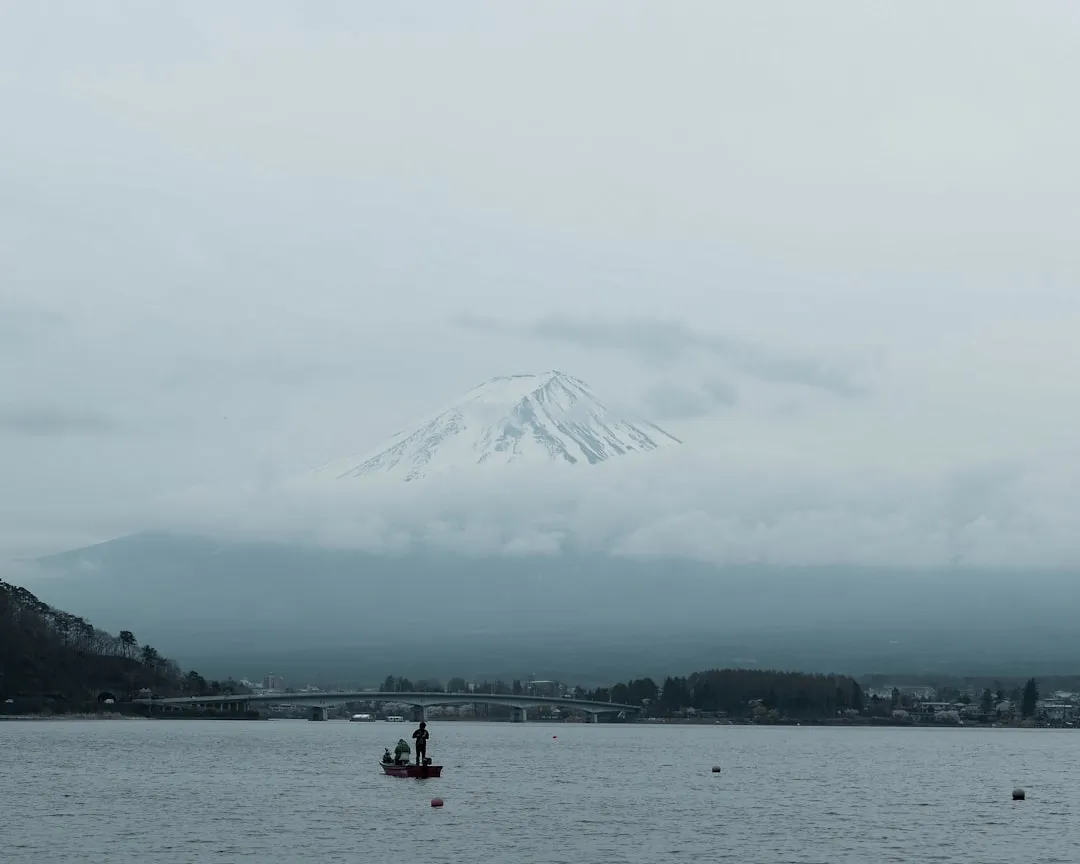
Mount Mitake Trail - A Sacred Mountain Escape Near Tokyo
Mount Mitake, nestled within the Chichibu-Tama-Kai National Park, offers a refreshing natural escape easily accessible from the bustling metropolis of Tokyo. This popular day hike is renowned for its spiritual significance, ancient cedar forests, and panoramic views, making it a cherished destination for both locals and visitors seeking a blend of nature, culture, and moderate physical activity. The trail leads to the summit of Mount Mitake, home to the revered Musashi Mitake Shrine, a sanctuary with a history stretching back over two millennia.
The journey to the summit is a sensory delight, beginning with a scenic cable car ride that ascends part of the mountain, followed by a well-maintained trail that winds through a landscape dotted with ancient trees, moss-covered stones, and smaller shrines. The air is crisp, often carrying the scent of pine and damp earth, and the sounds of the city are replaced by the rustling of leaves and the calls of birds. Reaching the summit offers not only a sense of accomplishment but also breathtaking vistas of the surrounding Kanto region, particularly on clear days when Mount Fuji may be visible in the distance.
Mount Mitake is not just a hike; it's a pilgrimage. The presence of Musashi Mitake Shrine, dedicated to the deity Izanagi-no-Mikoto, imbues the mountain with a profound sense of peace and spirituality. The shrine itself is a beautiful example of traditional Japanese architecture, and its grounds offer a tranquil space for reflection. The trail is suitable for a wide range of fitness levels, making it an ideal day trip for families, couples, and solo travellers alike. Its accessibility and diverse offerings ensure that Mount Mitake remains a consistently rewarding destination.
- Distance: 7.0 km (round trip from cable car station)
- Elevation Gain: 600 m (from Takimoto bus stop to summit)
- Duration: 3-4 hours (hiking time)
- Season: Spring (April-May) and Autumn (October-November) are ideal
- Closest City: Tokyo
- Trailhead Access: Takimoto Cable Car Station
- Difficulty: Moderate
- Permits: Not required
Overview
The Mount Mitake Trail is a quintessential Japanese mountain experience, offering a harmonious blend of natural beauty and cultural heritage. The hike is primarily a day walk, making it an accessible adventure for those staying in or visiting Tokyo. The total distance covered from the base of the cable car to the summit and back is manageable, yet the elevation gain of 600 metres provides a satisfying challenge, particularly for those unaccustomed to mountain terrain.
The trail's character shifts as you ascend. The initial stages from the Takimoto Cable Car station are often busy, leading towards the shrine. However, as you venture further, the path becomes more serene, winding through dense forests of ancient Japanese cedar (sugi) and cypress (hinoki) trees. These venerable trees, some centuries old, create a majestic canopy that filters the sunlight, casting dappled patterns on the forest floor. The air is cool and moist, and the atmosphere is one of profound tranquility.
A significant portion of the hike involves navigating stone steps, a common feature on sacred mountains in Japan. While these steps can be demanding, they are generally well-maintained and add to the unique character of the trail. Along the way, you'll encounter numerous smaller shrines, stone lanterns, and statues, each with its own story and significance, hinting at the mountain's long history as a place of worship and spiritual retreat.
The summit of Mount Mitake is crowned by the Musashi Mitake Shrine, a Shinto shrine that has been a centre of worship for over two thousand years. The shrine complex is impressive, featuring traditional architecture, a main hall, and various sub-shrines. The views from the shrine grounds and the summit are spectacular. On a clear day, you can see across the Kanto Plain, with Tokyo sprawling in the distance, and on exceptionally clear days, the iconic silhouette of Mount Fuji may be visible on the horizon. The summit area also offers several restaurants and rest stops, providing a welcome opportunity to refuel and soak in the atmosphere before descending.
The Mount Mitake Trail is particularly popular during the spring and autumn months. In spring, the mountain comes alive with fresh greenery and blooming wildflowers, while autumn paints the landscape in vibrant hues of red, orange, and yellow. These seasons offer pleasant hiking temperatures and stunning visual displays. The trail's moderate difficulty, combined with its rich cultural and natural attractions, makes it a highly recommended destination for anyone seeking an authentic Japanese mountain experience close to Tokyo.
History and Cultural Context
Mount Mitake has been a sacred mountain and a site of pilgrimage for centuries, deeply intertwined with the spiritual and cultural fabric of Japan. Its history is closely linked to Shintoism, the indigenous religion of Japan, which venerates kami (deities) residing in natural elements like mountains, trees, and rocks.
The most prominent spiritual landmark on Mount Mitake is the Musashi Mitake Shrine. While the exact origins are lost to antiquity, tradition dates the shrine's founding to the reign of Emperor Kōgen, over 2,000 years ago. It is dedicated to the deity Ōkuninushi-no-Mikoto, a significant figure in Japanese mythology, often associated with the creation of the land and the protection of the nation. The shrine also honours Izanagi-no-Mikoto, one of the creator deities in Shintoism. Over the centuries, the shrine has been patronised by various powerful figures, including samurai lords and imperial families, further cementing its importance.
During the Kamakura period (1185–1333), Mount Mitake gained particular prominence as a centre for mountain asceticism (shugendō) and as a place of prayer for warriors. The shrine's connection with the samurai class is evident in its legends and the presence of numerous votive tablets (ema) and armour offerings donated by warriors seeking divine protection and success in battle. The shrine's guardian deity is often depicted with a dog, and the shrine is known for its association with the Mitake breed of dog, a Japanese native breed. Many believe these dogs served as messengers of the gods and assisted pilgrims on the mountain.
In more recent history, Mount Mitake became more accessible to the general public with the development of transportation. The construction of the Mitake Cable Car in 1930 significantly eased the ascent, allowing a broader range of people to visit the shrine and enjoy the mountain's natural beauty. Despite increased accessibility, the mountain has retained its spiritual aura and its reputation as a place of healing and spiritual renewal.
Today, Mount Mitake continues to be a popular destination for both religious pilgrims and nature enthusiasts. The well-trodden paths, the ancient cedar forests, and the serene atmosphere of the Musashi Mitake Shrine all bear witness to its long and rich history as a sacred mountain, offering a tangible connection to Japan's ancient past.
Seasonal Highlights and Weather Reality
Mount Mitake offers distinct charms throughout the year, but certain seasons are particularly favoured by visitors due to weather and natural beauty.
Spring (April-May): This is arguably the most popular time to visit. The weather becomes mild and pleasant, with average temperatures ranging from 10°C to 20°C. The mountain awakens from winter, with fresh green foliage emerging and wildflowers beginning to bloom. The Japanese cherry blossoms (sakura) may still be visible in early spring, adding a touch of delicate beauty. The air is crisp, and the sunlight is gentle, making for ideal hiking conditions. The crowds can be significant, especially on weekends and during Golden Week (early May).
Summer (June-August): Summers on Mount Mitake can be warm and humid, with average temperatures ranging from 20°C to 30°C. While the lush greenery is at its peak, the humidity can make hiking feel more strenuous. Afternoon thunderstorms are also common, so it's advisable to start your hike early and be prepared for sudden rain showers. The higher elevation offers some respite from the heat of the city, but it is still essential to stay hydrated and protected from the sun.
Autumn (October-November): This season is another prime time to visit, rivaling spring in popularity. The weather is typically cool and dry, with average temperatures between 10°C and 20°C. The most striking feature of autumn is the spectacular foliage. The deciduous trees transform into a vibrant tapestry of reds, oranges, and yellows, creating breathtaking scenic vistas. The clear skies often provide excellent visibility for panoramic views from the summit. Like spring, weekends can be crowded.
Winter (December-March): Winters on Mount Mitake are cold, with average temperatures ranging from 0°C to 10°C. Snowfall is common, and the mountain can be covered in a blanket of white, transforming the landscape into a serene winter wonderland. While beautiful, winter hiking requires appropriate gear for cold and potentially icy conditions. The cable car usually operates, but some trails may be slippery or impassable due to snow and ice. The crowds are significantly smaller during winter, offering a more peaceful experience for those prepared for the cold.
Weather Considerations: Regardless of the season, mountain weather can change rapidly. It is crucial to check the weather forecast before your visit and be prepared for variations in temperature, wind, and precipitation. Waterproof and windproof layers are recommended year-round.
Recommended Itinerary
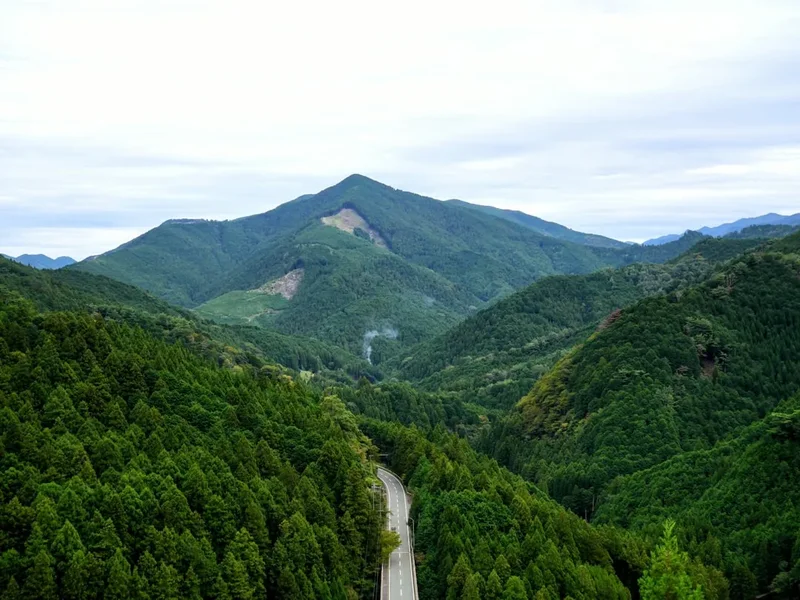
Day Hike: Mount Mitake Summit and Musashi Mitake Shrine
Early Morning (Approx. 8:00 AM - 9:00 AM): Travel to Mitake Station
- Depart from Tokyo (e.g., Shinjuku Station) via the JR Chuo Line (Rapid) to Tachikawa Station.
- Transfer to the JR Ome Line for Mitake Station. The total journey time from central Tokyo is approximately 1.5 to 2 hours.
- Alternatively, consider the Keio Line from Shinjuku to Takaosanguchi, then transfer to the JR Ome Line.
Morning (Approx. 9:00 AM - 10:00 AM): Mitake Station to Takimoto Cable Car Station
- Upon arrival at Mitake Station, follow signs for the Nishi-Tokyo Bus.
- Take bus route 10 or 11 towards "Takimoto" (滝本). The bus ride is approximately 10 minutes.
- Alternatively, taxis are available from Mitake Station.
- The bus or taxi will drop you at the base station of the Mitake Cable Car.
- Purchase your round-trip cable car tickets.
Late Morning (Approx. 10:00 AM - 10:30 AM): Cable Car Ascent
- Board the Mitake Cable Car for a scenic ride up the mountainside.
- The cable car journey takes approximately 5 minutes and covers a significant portion of the elevation gain.
- Enjoy the views of the surrounding forest as you ascend.
- Alight at the Mitake Cable Car Station at the top.
Midday (Approx. 10:30 AM - 12:30 PM): Hike to Musashi Mitake Shrine and Summit
- From the cable car station, follow the well-marked path towards Musashi Mitake Shrine.
- The path is paved with stone steps and generally well-maintained.
- The walk from the cable car station to the shrine takes approximately 15-20 minutes.
- Explore the grounds of Musashi Mitake Shrine, admire the traditional architecture, and take in the spiritual atmosphere.
- Continue past the shrine towards the summit of Mount Mitake. The summit is marked by a sign and offers panoramic views.
- The hike from the cable car station to the summit and back to the shrine area is approximately 2.0 km and takes about 1 hour.
Lunch (Approx. 12:30 PM - 1:30 PM): Lunch Break
- Enjoy a packed lunch amidst the scenic surroundings, or dine at one of the restaurants near the shrine.
- Several restaurants offer traditional Japanese cuisine, such as soba noodles and udon.
Afternoon (Approx. 1:30 PM - 3:00 PM): Explore and Descend
- Spend more time exploring the shrine complex or taking in the views from the summit.
- Consider a short detour to the nearby Nanayou Falls (Nanayou-no-Taki) if time and energy permit (adds approximately 30-45 minutes to the hike).
- Begin your descent back to the Mitake Cable Car Station.
Late Afternoon (Approx. 3:00 PM - 4:00 PM): Cable Car and Bus Return
- Take the Mitake Cable Car back down to Takimoto Station.
- Board the Nishi-Tokyo bus back to Mitake Station.
Evening (Approx. 4:00 PM onwards): Return to Tokyo
- Catch the JR Ome Line from Mitake Station back towards Tachikawa, and then transfer to the JR Chuo Line for your return journey to central Tokyo.
Important Notes:
- Wear comfortable walking shoes or hiking boots.
- Carry water and snacks, especially if you plan to hike beyond the main shrine area.
- Check the weather forecast before you go and dress in layers.
- The cable car operates on a schedule; check operating hours in advance.
- Be respectful of the sacred nature of the shrine.
Planning and Bookings
Book Your Trip
Everything you need to plan your journey
Accommodation
Find places to stay near Tokyo
Flights
Search flights to Tokyo
Essential Preparation
Mount Mitake is a popular day trip destination, and planning is straightforward. The primary logistical consideration is transportation from Tokyo to the trailhead. Given its proximity to the capital, most visitors opt for a day trip, meaning no overnight accommodation is required on the mountain itself. However, booking accommodation in Tokyo or a nearby city is essential if you plan to stay before or after your hike.
Transportation: The most common and efficient way to reach Mount Mitake is by public transport. The JR Ome Line is the primary rail link, connecting to Mitake Station. From there, local buses or taxis provide access to the Mitake Cable Car base station. Road conditions to the cable car station are generally good, and parking is available, though it can be limited and may incur a fee, especially during peak seasons.
Fitness Requirements: The hike from the cable car station to the summit is considered moderate. It involves a significant number of stone steps and some inclines. While not technically demanding, a reasonable level of fitness is recommended. The total elevation gain from the bus stop to the summit is approximately 600 metres. The hike can be completed in 3-4 hours, including time for exploration and rest.
Booking Coordination: For a day trip, no specific bookings are required for the trail itself. However, it is advisable to check the operating hours of the Mitake Cable Car, as these can vary seasonally or due to maintenance. If you plan to visit during peak seasons like spring cherry blossoms or autumn foliage, consider travelling on weekdays to avoid the largest crowds.
Base Town/City Information: Tokyo is the primary base city. Visitors can choose to stay in various districts within Tokyo, such as Shinjuku, Shibuya, or Tokyo Station, all of which offer excellent transport links to the JR Ome Line. Alternatively, staying in a city closer to the Ome Line, like Tachikawa, can shorten the morning commute. For those seeking a more rural experience, accommodation options can be found in towns closer to Mount Mitake, though these are more limited.
Trail Accommodation
This is a day hike requiring no overnight accommodation.
Required Gear
- Hiking Boots or Sturdy Walking Shoes: Essential for navigating the stone steps and uneven terrain. Ensure they are comfortable and well broken-in.
- Waterproof Jacket: Mountain weather can change quickly. A lightweight, waterproof and windproof jacket is advisable, especially outside of summer.
- Layers of Clothing: Dress in layers to adapt to changing temperatures. A base layer (e.g., moisture-wicking fabric), a mid-layer (e.g., fleece or down jacket), and an outer shell are recommended.
- Hat: A sun hat for protection during warmer months and a warm hat for cooler seasons.
- Gloves: Recommended for cooler months or early mornings.
- Backpack: A small to medium-sized daypack (20-30 litres) to carry essentials.
- Navigation: While the trail is well-marked, a map or a reliable navigation app on your phone is useful. GPS coordinates for the trailhead are 35.7928, 139.1536.
- First-aid Kit: A basic kit with plasters, antiseptic wipes, pain relievers, and any personal medications.
- Head Torch: Useful if you plan to start very early or finish late, though not strictly necessary for a standard day hike.
What to Bring
- Food: Pack sufficient snacks and a packed lunch. While there are restaurants near the shrine, they can be busy and expensive.
- Water: Carry at least 1-2 litres of water per person. Refill points may be available near the shrine, but it's best to start with enough.
- Toiletries: Hand sanitiser, tissues, and any personal hygiene items.
- Sun Protection: Sunscreen (SPF 30 or higher), sunglasses.
- Insect Repellent: Recommended during warmer months (summer) to ward off mosquitoes and other biting insects.
- Camera: To capture the scenic views and cultural sites.
- Cash: While some establishments may accept cards, it's advisable to carry some Japanese Yen for smaller purchases, bus fares, and potential entrance fees or donations.
- Portable Charger: For your mobile phone, especially if using it for navigation or photography.
Permits
No specific permits are required to hike the Mount Mitake Trail or to visit Musashi Mitake Shrine. The mountain and its trails are part of the Chichibu-Tama-Kai National Park, which is open to the public without entry fees or permits for day hiking activities.
Cable Car: While the trail itself is free, the Mitake Cable Car is a paid service. Round-trip tickets can be purchased at the Takimoto Station at the base of the mountain. Prices are subject to change, but typically range from ¥1,000 to ¥1,500 for an adult round trip. It is advisable to check the official website for current pricing and operating hours.
Shrine: Entry to the grounds of Musashi Mitake Shrine is free. However, there may be small fees for specific areas within the shrine complex or for optional activities like fortune-telling (omikuji) or purchasing amulets (omamori).
National Park Access: As part of a national park, visitors are expected to adhere to park regulations, which generally focus on preserving the natural environment and ensuring visitor safety. This includes staying on marked trails, not littering, and respecting wildlife.
Booking: No advance booking is necessary for the trail or the shrine. However, if you plan to visit during peak seasons (spring cherry blossoms, autumn foliage, Golden Week), expect larger crowds, and consider arriving early in the day to avoid the busiest times.
Other Activities in the Area
Beyond the main hike to the summit and shrine, the Mount Mitake area offers several other points of interest and activities:
- Musashi Mitake Shrine Exploration: Take ample time to explore the various buildings and sub-shrines within the main shrine complex. The architecture is traditional and impressive, and the atmosphere is deeply spiritual.
- Nanayou Falls (七代の滝): A beautiful waterfall located a short hike (approximately 30-45 minutes round trip) from the main shrine path. The trail to the falls is scenic and offers a different perspective of the mountain's natural beauty.
- Mitake Museum of Art and Natural History (御岳美術館・自然資料館): Located near the cable car station, this museum showcases local history, art, and the natural environment of the Mount Mitake region.
- Rock Climbing and Bouldering: The area around Mount Mitake is known for its excellent rock climbing and bouldering opportunities, attracting climbers from across Japan. Several climbing schools and guides operate in the vicinity.
- Onsen (Hot Springs): While not directly on Mount Mitake, there are onsen facilities in nearby towns like Okutama, offering a relaxing way to unwind after a day of hiking.
- Hiking to Mount Gozen (御前山): For those seeking a longer and more challenging hike, Mount Gozen is accessible from Mount Mitake. This requires more time and a good level of fitness.
- Seasonal Festivals: Check local event listings for any seasonal festivals or events held at Musashi Mitake Shrine, which can offer a unique cultural experience.
Safety and Conditions
Trail Conditions: The main trail from the Mitake Cable Car station to Musashi Mitake Shrine and the summit is generally well-maintained and clearly marked. It consists primarily of stone steps and paved paths. However, sections can be steep and slippery, especially after rain or during winter when ice may form.
Weather: Mountain weather is unpredictable. Always check the forecast before your visit. Be prepared for sudden changes in temperature, wind, and precipitation. In summer, humidity can be high, and afternoon thunderstorms are possible. In winter, snow and ice can make conditions hazardous.
Fitness: The hike is rated as moderate. While the distance is not extensive, the elevation gain and numerous steps require a reasonable level of fitness. If you have any concerns about your fitness, consider using the cable car for a significant portion of the ascent and descent.
Footwear: Sturdy hiking boots or shoes with good grip are essential. Avoid open-toed sandals or flimsy footwear, as they can lead to slips and injuries on the uneven terrain.
Hydration and Nutrition: Carry sufficient water and snacks. While there are food options near the shrine, they can be crowded and expensive. Staying hydrated is crucial, especially during warmer months.
Navigation: The main trails are well-signposted. However, if you plan to explore less-travelled paths or venture to other peaks, carrying a map and compass or using a reliable GPS device is recommended. The GPS coordinates for the trailhead (Takimoto Cable Car Station) are approximately 35.7928, 139.1536.
Emergency: In case of an emergency, contact local authorities. Mobile phone reception can be spotty on the mountain, so be prepared for this. It is advisable to inform someone of your hiking plans before you depart.
Respect for Sacred Site: Remember that Musashi Mitake Shrine is an active place of worship. Be respectful of the religious practices and the sanctity of the site. Avoid loud noises and dress appropriately.
Side Trips and Points of Interest
Musashi Mitake Shrine: The spiritual heart of Mount Mitake. This ancient Shinto shrine, with its impressive traditional architecture and serene atmosphere, is a must-visit. Explore the main hall, admire the intricate carvings, and learn about its long history. The shrine is dedicated to the deity Ōkuninushi-no-Mikoto and is known for its guardian dogs.
Summit Views: The summit of Mount Mitake offers panoramic views of the surrounding Kanto region. On clear days, you can see the sprawling cityscape of Tokyo, and on exceptionally good days, the majestic silhouette of Mount Fuji may be visible in the distance. This is an excellent spot for photography and reflection.
Nanayou Falls (七代の滝): A picturesque waterfall located a short hike from the main shrine path. The trail to the falls is scenic, winding through the forest. The falls themselves are beautiful and offer a tranquil spot to rest and enjoy nature. The detour adds approximately 30-45 minutes to your hike.
Ancient Cedar Forest: The trails leading to the summit are lined with ancient Japanese cedar (sugi) and cypress (hinoki) trees. These venerable trees, some centuries old, create a majestic and almost mystical atmosphere. The dappled sunlight filtering through the dense canopy adds to the enchanting ambiance.
Mitake Museum of Art and Natural History: Situated near the cable car station, this museum provides insights into the local history, culture, and natural environment of the Mount Mitake area. It's a good place to visit before or after your hike to gain a deeper understanding of the region.
Rock Formations and Smaller Shrines: As you ascend, you'll encounter various interesting rock formations and numerous smaller shrines and stone lanterns, each contributing to the mountain's spiritual and historical character.
Leave No Trace
Mount Mitake, as part of the Chichibu-Tama-Kai National Park, is a precious natural and cultural resource that requires responsible stewardship. Practising Leave No Trace principles ensures that this beautiful mountain remains pristine for future generations and that its spiritual significance is respected.
Plan Ahead and Prepare: Familiarise yourself with the trail, check weather forecasts, and pack appropriately. Knowing what to expect helps minimise your impact.
Travel and Camp on Durable Surfaces: Stick to marked trails and designated paths. Avoid walking on vegetation, especially moss and small plants, which are easily damaged and take a long time to recover. The stone steps are designed to protect the mountain's fragile ecosystem.
Dispose of Waste Properly: Pack out everything you pack in. This includes all food scraps, wrappers, and any other litter. There are bins at the cable car stations and near the shrine, but it's best practice to carry your rubbish with you until you can dispose of it properly in a city. Use the designated toilets and do not leave any waste behind.
Leave What You Find: Do not take any natural objects (rocks, plants, flowers) or cultural artefacts from the mountain. Leave them for others to enjoy and to maintain the natural and historical integrity of the site.
Minimise Campfire Impacts: This is a day hike, so campfires are not applicable. However, if you were to camp (which is not permitted on the main trails), always use established fire rings and ensure fires are completely extinguished.
Respect Wildlife: Observe wildlife from a distance and never feed them. Feeding animals can disrupt their natural behaviours and diets, and can lead to them becoming dependent on human food.
Be Considerate of Other Visitors: Keep noise levels down, especially near the shrine. Yield to others on the trail, particularly when descending. Respect the spiritual nature of Mount Mitake and the Musashi Mitake Shrine.
 Japan
Japan