
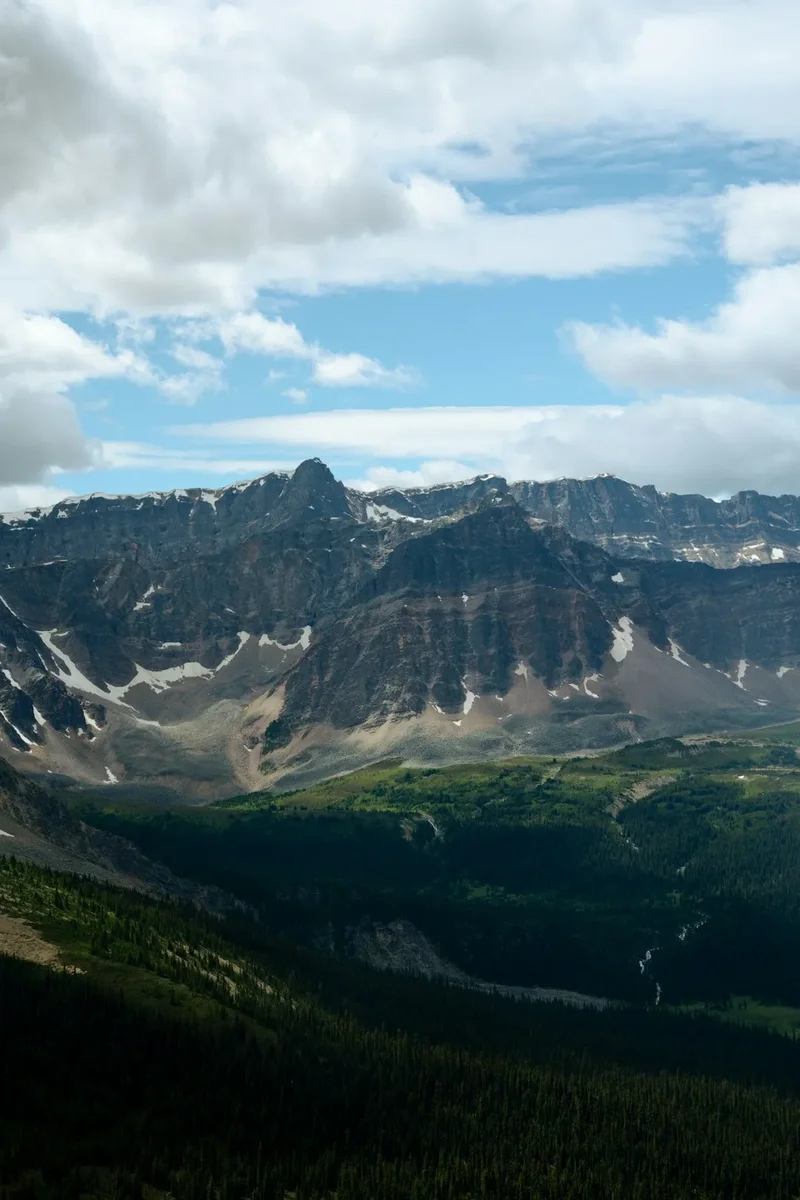
Mount Logan Trail - Canada's Remote Wilderness Challenge
The Mount Logan Trail is not a single, well-trodden path but rather a conceptual route leading towards the formidable Mount Logan, Canada's highest peak. This description outlines a challenging, multi-day trek into the remote wilderness of Kluane National Park and Reserve, offering an immersive experience in alpine environments, glacial landscapes, and the raw beauty of the Yukon. This is a journey for experienced, self-sufficient adventurers who are comfortable with off-trail navigation, wilderness survival, and the inherent risks of remote mountain travel. The "trail" itself is often a combination of faint game trails, scree slopes, and glacier travel, demanding a high level of fitness, technical skill, and preparedness. It is a true expedition into one of North America's most spectacular and unforgiving mountain ranges.
- Distance: Approximately 40.0 km (one-way to a designated base camp or advanced point)
- Elevation Gain: Approximately 2,500 m
- Duration: 7-10 days (highly variable based on route, conditions, and objectives)
- Difficulty: Very Challenging / Expeditionary
- Best Time: June to August (short summer window)
- Closest City: Whitehorse, Yukon
- Trailhead Access: Kluane National Park and Reserve, near Haines Junction
- Permits: Backcountry permit and park registration required
Overview
The Mount Logan Trail, as conceptualised here, is an expeditionary trek into the heart of Kluane National Park and Reserve, aiming to reach a significant vantage point or base camp from which the immense scale of Mount Logan (5,959 m) can be appreciated. This is not a marked trail in the conventional sense; it is a route that requires advanced navigation skills, including map and compass, GPS, and potentially glacier travel techniques. The journey typically begins from a trailhead accessible from the Alaska Highway, leading into rugged valleys, across alpine meadows, and eventually onto moraines and glacial ice.
The landscape is dominated by vast icefields, towering granite peaks, and deep glacial valleys. Expect to traverse scree slopes, boulder fields, and potentially snowfields even in summer. The weather is notoriously unpredictable and can change from clear and sunny to blizzard conditions within hours. Wildlife encounters are common, including grizzly bears, Dall sheep, and mountain goats, necessitating proper bear safety protocols.
This trek is designed for those seeking a profound wilderness experience, a test of endurance, and an intimate connection with a truly wild landscape. It is a journey that demands respect for the power of nature and a commitment to self-reliance. The rewards are immense: unparalleled solitude, breathtaking vistas of glaciated peaks, and the satisfaction of navigating a challenging and remote environment.
History and Cultural Context
The lands encompassing Kluane National Park and Reserve have been the traditional territory of the Champagne and Aishihik First Nations for millennia. These Indigenous peoples have a deep spiritual and cultural connection to the land, utilising its resources for hunting, fishing, and travel. The mountains, rivers, and valleys hold significant cultural importance, with stories and traditions passed down through generations.
Mount Logan itself was named in 1890 by geologist Israel Russell in honour of Sir William Edmond Logan, the first director of the Geological Survey of Canada. The first ascent of Mount Logan was achieved in 1925 by a Canadian expedition led by Albert H. MacCarthy, a monumental feat of mountaineering that took over a month to complete. Subsequent expeditions have explored various routes up the mountain, pushing the boundaries of alpine exploration.
The establishment of Kluane National Park and Reserve in 1972 was a significant step in preserving this vast wilderness. The park is part of the larger Kluane/Wrangell-St. Elias/Glacier Bay/Tatshenshini-Alsek UNESCO World Heritage Site, recognised for its outstanding natural beauty, significant geological processes, and unique ecosystems. The history of this region is one of exploration, survival, and a deep respect for the powerful forces of nature.
Seasonal Highlights and Weather Reality
The window for undertaking an expedition like the Mount Logan Trail is extremely narrow, typically confined to the brief Yukon summer. From June to August, the snowpack at lower elevations recedes, and the weather, while still unpredictable, offers the best chance of passable routes and manageable conditions.
June: Early June can still see significant snow cover at higher elevations, making travel difficult and potentially requiring snowshoes or skis. Rivers may be high due to snowmelt. Wildlife is active as they emerge from hibernation and begin to breed.
July: This is generally considered the prime month for high-altitude trekking and mountaineering in the region. Snowmelt continues, opening up more routes. Wildflowers bloom in alpine meadows, creating vibrant displays. However, July also brings the peak of the sandfly and mosquito season, requiring diligent insect protection.
August: The weather can begin to cool in late August, with the possibility of early snowfalls at higher elevations. The insect season starts to wane. Days are still long enough for significant travel, but the window of opportunity is closing.
Weather: The weather in Kluane National Park is extreme and highly variable. Expect temperatures to fluctuate significantly, with daytime highs potentially reaching 15-20°C in sheltered valleys during sunny periods, but dropping to near freezing or below at higher elevations, especially at night. Snow, rain, high winds, and fog are common, even in summer. Hypothermia is a serious risk, and all participants must be prepared for sub-zero temperatures and severe wind chill.
Recommended Itinerary
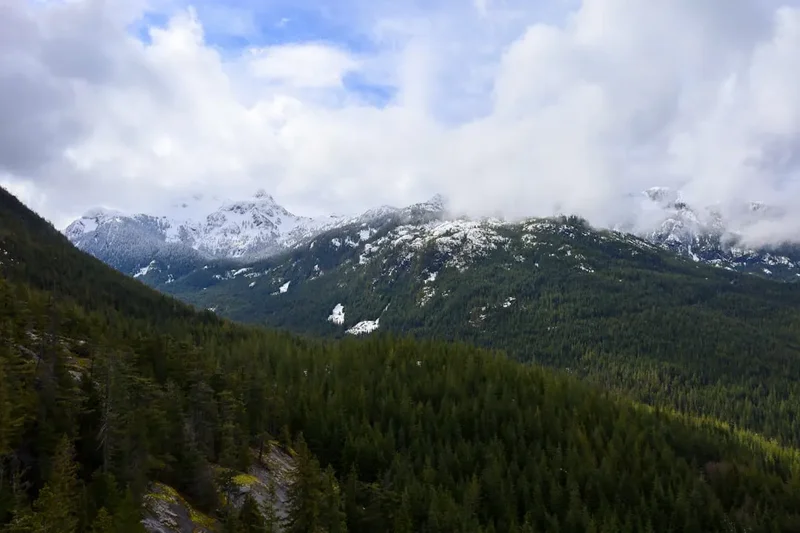
Expeditionary Itinerary: Mount Logan Base Camp Approach (Example)
Note: This is a conceptual itinerary for a challenging expedition. Actual routes and timings will vary significantly based on conditions, personal objectives, and group capabilities. This assumes a self-sufficient trek with camping.
Day 1: Arrival in Haines Junction & Park Registration
- Arrive in Haines Junction, the gateway to Kluane National Park
- Complete park registration and obtain backcountry permits at the Kluane National Park Visitor Centre
- Final gear check and food resupply
- Organise transportation to the trailhead (often requires a 4WD vehicle or shuttle service)
- Overnight in Haines Junction or at a designated trailhead campsite
Day 2: Trailhead to Lower Valley Camp
- Drive to the designated trailhead (e.g., near Kathleen Lake or a more remote access point depending on the chosen route)
- Begin trek into the valley, following a combination of faint trails, game trails, and open terrain
- Distance: 10-15 km
- Elevation gain: 300-500 m
- Time: 6-8 hours
- Establish first wilderness camp in a sheltered valley location
- Focus on acclimatisation and establishing a rhythm
Day 3: Lower Valley Camp to Alpine Meadow Camp
- Continue ascending through the valley, transitioning from forest to alpine meadows
- Navigate increasingly rugged terrain, including scree slopes and boulder fields
- Distance: 8-12 km
- Elevation gain: 500-700 m
- Time: 7-9 hours
- Camp in an alpine meadow with potential views of surrounding peaks
- Monitor weather closely
Day 4: Alpine Meadow Camp to Moraine Camp
- Ascend towards the glacial moraines
- This section may involve crossing streams and navigating more challenging, unstable terrain
- Distance: 7-10 km
- Elevation gain: 600-800 m
- Time: 8-10 hours
- Establish camp on or near the glacial moraine, offering a dramatic landscape
- Begin to feel the immense scale of the surrounding mountains
Day 5: Moraine Camp to Glacier Approach Camp
- The route now moves onto glacial terrain or its immediate approaches
- This may involve crossing glacial meltwater streams and navigating rocky, uneven ground
- Distance: 5-8 km
- Elevation gain: 400-600 m
- Time: 6-8 hours
- Camp at a strategic point before committing to glacier travel (if applicable to the chosen route)
- Requires careful route-finding and assessment of conditions
Day 6-8: Glacier Travel and Base Camp Exploration
- If the route involves glacier travel, this is where technical skills become paramount. This may include roped travel, crevasse rescue awareness, and ice axe/crampon use.
- Objective: Reach a designated base camp or advanced point from which Mount Logan is visible and accessible for further exploration or summit attempts (summit attempts are beyond the scope of this description).
- Distance: Highly variable, depending on glacier complexity and objective
- Elevation gain: Variable, potentially significant
- Time: Full days of travel
- Establish a base camp for exploration or acclimatisation
- Explore the immediate glacial environment and enjoy views of Mount Logan
Day 9-10: Descent and Return to Trailhead
- Begin the descent, retracing steps or following an alternative descent route
- Allow ample time for the return journey, as conditions can change
- Distance: 20-30 km (over multiple days)
- Elevation loss: Significant
- Time: 7-10 hours per day
- Return to the trailhead and arrange transport back to Haines Junction
Important Considerations:
- This itinerary is a template; actual routes are highly dependent on current conditions, personal objectives, and the specific area of Mount Logan being approached.
- Self-sufficiency is paramount. All food, shelter, navigation, and safety equipment must be carried.
- A high level of fitness and wilderness experience is essential.
- Always check current park regulations and obtain necessary permits.
- Be prepared for significant weather changes and potential delays.
Planning and Bookings
Book Your Trip
Everything you need to plan your journey
Accommodation
Find places to stay near Whitehorse
Flights
Search flights to Whitehorse
Essential Preparation
Undertaking an expedition to Mount Logan requires meticulous planning and preparation. This is not a casual hike; it is a serious undertaking that demands a high degree of self-sufficiency and wilderness competence. The closest major centre is Whitehorse, Yukon, which offers essential services, gear shops, and flight charter options. Haines Junction is the closest community to Kluane National Park and Reserve and serves as the primary gateway for park access and information.
Fitness: Participants must possess exceptional cardiovascular fitness and muscular endurance. Training should include long hikes with a heavy pack, elevation gain, and carrying significant weight. Experience with multi-day backpacking and carrying heavy loads (20-30 kg) is crucial.
Logistics: Access to the trailhead is often challenging. Many routes require 4WD vehicle access or the use of chartered aircraft for drop-offs and pick-ups in remote locations. Researching and booking transportation well in advance is essential. Consider hiring a local guide or outfitter if you lack experience in this specific environment.
Base Town/City Information:
- Whitehorse: The capital of Yukon, offering full services including airports (YXY), car rentals, extensive outdoor gear stores, supermarkets, and accommodation. It's the primary hub for logistical planning.
- Haines Junction: The closest community to Kluane National Park. It has a visitor centre, limited accommodation, and some basic services. It is the essential stop for park registration and obtaining current conditions.
Trail Accommodation
This is a wilderness expedition requiring self-sufficient camping. There are no established huts, lodges, or designated campsites along the conceptual Mount Logan Trail. All participants must carry their own tents, sleeping bags, and cooking equipment.
Accommodation:
- Tents: A robust, four-season tent capable of withstanding high winds and snow is essential.
- Sleeping Bags: A high-quality down or synthetic sleeping bag rated to at least -15°C to -20°C is recommended, as temperatures can drop significantly, especially at higher elevations and overnight.
- Sleeping Pads: Insulated sleeping pads are crucial for warmth and comfort.
Booking Requirements: While there are no specific accommodation bookings required for camping in the backcountry of Kluane National Park, a backcountry permit is mandatory. This permit outlines regulations and safety guidelines. It is obtained from the Parks Canada Visitor Centre in Haines Junction.
Facilities Provided: None. Participants must be entirely self-sufficient.
What's NOT Provided: All shelter, cooking facilities, food, water treatment, and waste disposal must be managed by the individual or group.
Seasonal Availability: Camping is generally permitted during the summer season (June-August) when the park is accessible. Winter camping is an entirely different, highly technical expedition requiring advanced skills and equipment.
Costs: Backcountry permit fees apply. These are typically nominal but essential for park access and safety management.
Required Gear
- Boots: Sturdy, waterproof, insulated mountaineering boots are essential. Ensure they are well broken-in.
- Clothing: Layering system is critical.
- Base layers (merino wool or synthetic)
- Mid-layers (fleece or down jacket)
- Insulated outer jacket (down or synthetic, waterproof/windproof)
- Waterproof and windproof overtrousers
- Warm hat (beanie) and gloves/mittens (multiple pairs)
- Gaiters
- Navigation:
- Map and compass (and proficiency in their use)
- GPS device with extra batteries or power bank
- Altimeter
- Safety Gear:
- First-aid kit (comprehensive, including blister treatment, pain relief, personal medications)
- Head torch with spare batteries
- Emergency shelter (bivvy bag or lightweight tent)
- Personal Locator Beacon (PLB) or satellite communication device (highly recommended)
- Bear spray and knowledge of its use
- Ice axe and crampons (if glacier travel is anticipated)
- Rope and glacier travel kit (if applicable)
- Backpack: A robust, expedition-style backpack (70-90 litres) with a comfortable harness and rain cover.
What to Bring
- Food: High-calorie, lightweight, non-perishable food for the entire duration of the trip, plus an extra 2-3 days' supply for emergencies. Dehydrated meals, energy bars, nuts, dried fruit, and jerky are good options.
- Water Treatment: Water filter or purification tablets. While water sources may appear clean, they can contain Giardia or other contaminants.
- Cooking: Lightweight camping stove, fuel, pot, utensils, mug, and a lighter/matches.
- Toiletries: Biodegradable soap, toothbrush, toothpaste, toilet paper, hand sanitiser, trowel for digging catholes.
- Sun Protection: High SPF sunscreen, lip balm with SPF, sunglasses, and a wide-brimmed hat. The sun's intensity is amplified at altitude and on snow/ice.
- Insect Protection: Strong insect repellent (DEET 50% or higher), head net.
- Repair Kit: Duct tape, cordage, needle and thread, gear repair patches.
- Personal Items: Camera, journal, book, binoculars.
Permits
Access to Kluane National Park and Reserve for backcountry travel requires a backcountry permit. This permit is essential for safety and park management, allowing Parks Canada to track who is in the wilderness and to provide essential information regarding conditions and regulations.
How to Obtain Permits:
- Visitor Centre: Permits are typically obtained in person at the Kluane National Park Visitor Centre in Haines Junction. It is highly recommended to visit the centre before heading into the backcountry to discuss your route, receive safety briefings, and obtain the most up-to-date information on trail conditions, wildlife activity, and any potential hazards.
- Online (Limited): Some backcountry permits may be available for online booking for specific, more popular areas, but for expeditionary routes like the Mount Logan approach, in-person registration is often mandatory or strongly advised. Check the Parks Canada website for the most current procedures.
Permit Requirements:
- Backcountry Registration: All individuals planning to camp overnight in the park's backcountry must register and obtain a permit.
- Route Planning: You will need to provide details of your intended route, including start and end points, expected duration, and camping locations.
- Safety Briefing: A safety briefing is usually part of the permit process, covering bear safety, weather hazards, and emergency procedures.
- Fees: There are fees associated with backcountry permits, which contribute to park management and conservation efforts.
Important Considerations:
- Advance Planning: While permits can often be obtained on arrival, it is wise to contact the Visitor Centre in advance, especially if you are planning a complex or remote expedition.
- Flexibility: Be prepared to adjust your route or dates based on the advice of park staff and current conditions.
- Group Size: There may be regulations regarding group size for backcountry travel in certain areas.
Other Activities in the Area
Kluane National Park and Reserve offers a wealth of activities for those interested in exploring this magnificent wilderness:
- Scenic Flights: Charter a flight for unparalleled aerial views of Mount Logan, the vast icefields, and the rugged mountain ranges. This is an excellent way to appreciate the scale of the landscape.
- Hiking and Day Treks: Numerous shorter trails exist around Kathleen Lake and other accessible areas, offering stunning scenery without the commitment of a multi-day expedition.
- Wildlife Viewing: Kluane is renowned for its abundant wildlife. Keep an eye out for grizzly bears, black bears, Dall sheep, mountain goats, moose, and a variety of bird species.
- Fishing: Angling is permitted in designated lakes and rivers, with appropriate licenses.
- Canoeing and Kayaking: Explore the calm waters of Kathleen Lake for a different perspective of the surrounding mountains.
- Photography: The dramatic landscapes, wildlife, and changing light conditions provide endless opportunities for photographers.
- Cultural Experiences: Learn about the history and traditions of the Champagne and Aishihik First Nations through interpretive programs and local cultural centres.
Safety and Conditions
Pre-Departure Checks:
- Weather Forecasts: Obtain the most current mountain weather forecasts for Kluane National Park from reliable sources like Environment Canada or local aviation weather services. Be aware that forecasts for remote alpine areas can be less precise.
- Park Alerts: Check the Parks Canada Kluane National Park website for any current alerts, closures, or advisories regarding wildlife activity, trail conditions, or hazards.
- Route Assessment: Thoroughly review your planned route with experienced individuals or park staff. Understand potential hazards such as river crossings, avalanche risk (even in summer on steep snow slopes), and glacier conditions.
- Communication: Inform a reliable contact person of your detailed itinerary, expected return date, and emergency procedures. Carry a Personal Locator Beacon (PLB) or satellite communication device for emergencies, as cell phone service is non-existent in the backcountry.
Wildlife Safety:
- Bear Awareness: Kluane is grizzly bear country. Carry bear spray and know how to use it. Make noise while hiking to avoid surprising bears. Store food securely in bear-resistant containers or hang it properly. Never feed wildlife.
- Other Wildlife: Be aware of other large animals like moose and Dall sheep, which can be dangerous if approached.
Environmental Hazards:
- Hypothermia: Rapid weather changes can lead to hypothermia. Always carry and wear appropriate layers, even on seemingly warm days.
- River Crossings: Meltwater rivers can be swift and dangerous, especially in early summer. Assess crossings carefully and be prepared to wait for conditions to improve.
- Glacier Travel: If your route involves glaciers, ensure you have the necessary technical skills, equipment (ropes, ice axes, crampons), and knowledge of crevasse hazards. Travel roped up with experienced partners.
- Navigation: Off-trail navigation is a significant challenge. Ensure you have excellent map and compass skills, and a reliable GPS device.
- Insects: Mosquitoes and sandflies can be intense during the summer months. Use repellent and head nets.
Emergency Procedures: Know how to signal for help and what information to provide to rescue services. Be prepared for self-rescue if necessary.
Travel Insurance: Ensure you have comprehensive travel insurance that covers remote wilderness travel and potential emergency evacuation.
Side Trips and Points of Interest
While the primary objective is the approach to Mount Logan, the journey itself offers numerous points of interest and potential side trips for those with the time and energy:
Kathleen Lake: A beautiful, accessible lake with a campground and day-use area. It offers stunning reflections of the surrounding mountains and is a good starting point for shorter hikes. The area provides excellent opportunities for wildlife viewing.
Alpine Meadows and Wildflower Displays: During July and August, the alpine meadows above the treeline burst into colour with a variety of wildflowers. These areas offer spectacular photographic opportunities and a chance to observe alpine flora and fauna.
Glacial Features: As you approach Mount Logan, you will encounter impressive glacial moraines, icefalls, and potentially active glaciers. These are stark reminders of the immense geological forces that have shaped the landscape.
Vistas of Mount Logan: The "trail" is designed to offer increasingly dramatic views of Mount Logan. Each day's progress reveals new perspectives of this colossal peak, its glaciers, and its formidable flanks. Reaching a designated base camp or advanced viewpoint provides a profound sense of scale and awe.
Wildlife Observation Points: Certain valleys and ridges are known for their wildlife populations. With patience and keen observation, you might spot Dall sheep on steep slopes, mountain goats, or even grizzly bears foraging in meadows. Always maintain a safe and respectful distance.
Leave No Trace
The Mount Logan Trail traverses a pristine and fragile wilderness. Adhering to Leave No Trace principles is not just a recommendation; it is a critical responsibility to preserve this environment for future generations and to ensure the safety of all who venture here.
Your responsibility as a trekker:
- Plan Ahead and Prepare: Understand the regulations, potential hazards, and your own capabilities. Be prepared for all weather conditions and carry appropriate gear.
- Travel and Camp on Durable Surfaces: Stick to established routes where they exist. When camping, choose sites that are already impacted or are highly resistant to damage, such as rock, gravel, dry grass, or snow. Avoid camping in meadows or on fragile vegetation.
- Dispose of Waste Properly: Pack out everything you pack in, including all food scraps, wrappers, and toilet paper. Use designated toilets where available, or dig catholes at least 70 metres away from water sources, trails, and campsites.
- Leave What You Find: Do not disturb or remove natural objects, cultural artifacts, or plants.
- Minimise Campfire Impacts: Campfires are generally discouraged in the backcountry due to their impact on the environment and the risk of wildfire. Use a lightweight stove for cooking. If a campfire is absolutely necessary and permitted, use existing fire rings and keep fires small. Ensure they are completely extinguished.
- Respect Wildlife: Observe wildlife from a distance. Never feed animals, as this can alter their natural behaviour and diet, and can be harmful to them. Store food securely to prevent attracting animals.
- Be Considerate of Other Visitors: While this is a remote trek, you may encounter other parties. Keep noise levels down and respect their experience of solitude and wilderness.
By practising these principles, you help to ensure that the wild beauty of Kluane National Park and the grandeur of Mount Logan remain intact.
 Canada