
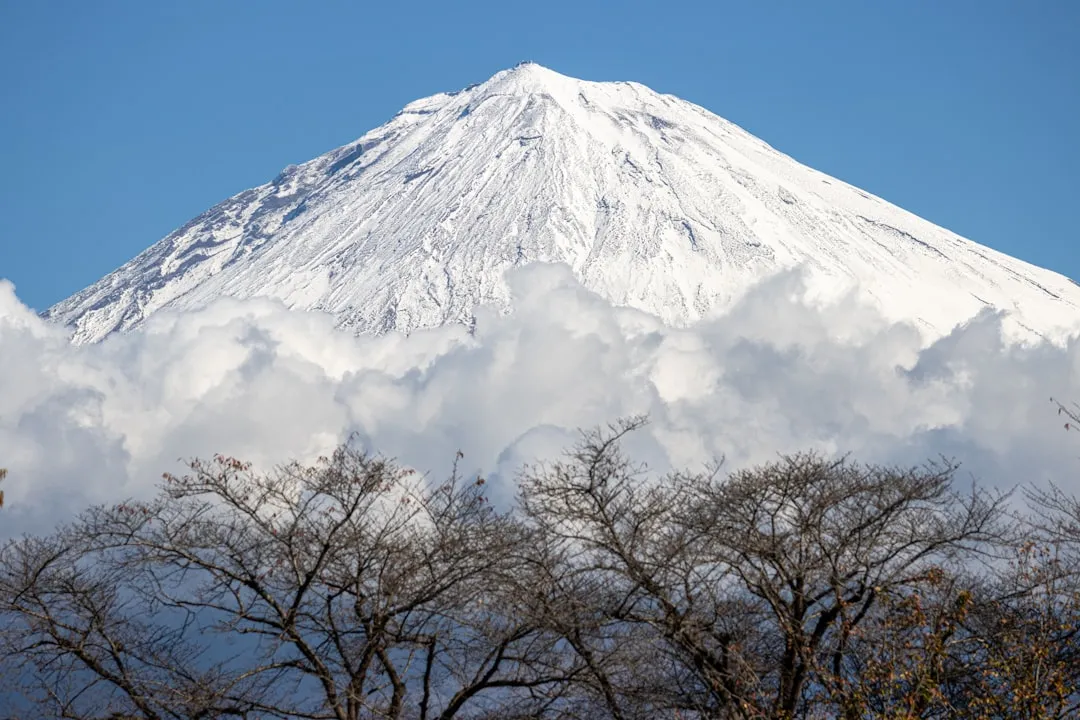
Mount Kumotori Trek - A Tokyo Escape
The Mount Kumotori Trek offers a compelling escape into Japan's mountainous heart, accessible yet profoundly wild. This challenging route, spanning approximately 37 kilometres with a significant elevation gain of 1,400 metres, typically unfolds over two to three days, culminating at the summit of Mount Kumotori, the highest peak in the Okutama region. It's a journey that rewards hikers with panoramic vistas, diverse forest ecosystems, and a genuine sense of accomplishment, all within a manageable distance from the bustling metropolis of Tokyo.
- Distance: 37.0 km one-way
- Elevation gain: 1,400 m
- Duration: 2–3 days
- Difficulty: Challenging
- Best Time: October to November (Autumn), April to May (Spring)
- Highest point: Mount Kumotori (2,017 m)
- Huts (mandatory booking during peak season): Kumotori Sanso
- Closest City: Tokyo
- Trailhead Access: Nearest airport: Narita (NRT) or Haneda (HND). From Tokyo, take the Seibu Line to Seibu-Chichibu Station, then a bus to Mitsumine Shrine (trailhead). Bus takes ~1.5 hours. Limited parking at Mitsumine Shrine. No permits needed for the trail itself.
Overview
Mount Kumotori, standing at 2,017 metres, is a significant peak in the Okutama region, often referred to as Tokyo's "backyard mountains." The trek to its summit is a journey through varied landscapes, beginning in dense forests and gradually ascending through alpine zones, offering a stark contrast to the urban sprawl of Tokyo. The trail is well-maintained but demanding, featuring steep ascents and descents that test a hiker's endurance and preparation.
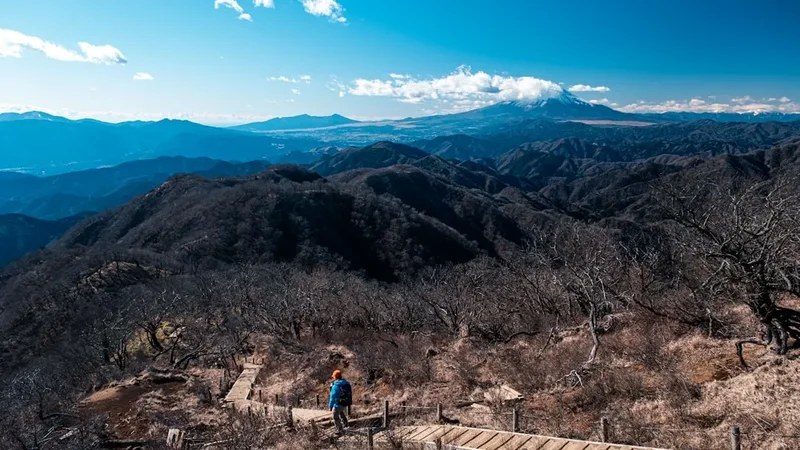
The appeal of Mount Kumotori lies in its accessibility and its wild character. Despite being relatively close to Tokyo, the mountain offers a true wilderness experience. The forests are rich with diverse flora, changing dramatically with elevation. In autumn, the mountainsides are ablaze with vibrant colours, making it a prime destination for leaf-peeping. Spring brings a fresh green flush and blooming wildflowers. The summit provides breathtaking 360-degree views, often encompassing Mount Fuji on clear days, and a vast expanse of the Kanto Plain and surrounding mountain ranges.
The trek is typically undertaken as a two-day, one-night journey, with an overnight stay at Kumotori Sanso, a mountain hut situated near the summit. This allows for an early morning start on the second day to catch the sunrise from the peak. Alternatively, a more leisurely three-day itinerary can be adopted, allowing for more exploration and a less strenuous pace. The trail's challenging nature means it is best suited for experienced hikers or those with a good level of fitness.
History and Cultural Context
Mount Kumotori and the surrounding Okutama region have a long history of human interaction, primarily linked to forestry and pilgrimage. For centuries, these mountains served as a vital source of timber for the growing populations of the Kanto region, including Edo (modern-day Tokyo). The dense forests provided lumber for construction, fuel, and charcoal production, shaping the local economy and landscape.
The summit of Mount Kumotori has also been a site of spiritual significance. While not as famous as some of Japan's more prominent pilgrimage mountains like Mount Fuji or Mount Tateyama, it has historically attracted ascetics and devotees seeking spiritual enlightenment amidst its remote and challenging terrain. The presence of mountain huts, such as Kumotori Sanso, reflects this tradition of providing shelter and sustenance to those undertaking arduous journeys to sacred peaks.
In more recent times, Mount Kumotori has become a popular destination for hikers and nature enthusiasts seeking to experience the natural beauty of the Okutama mountains. The development of the Seibu Railway line to the Okutama area in the early 20th century made these mountains more accessible, paving the way for their popularity as a recreational area. The establishment of national parks and protected areas has further helped to preserve the natural environment, ensuring that the mountain's forests and wildlife continue to thrive.
Seasonal Highlights and Weather Reality
The Mount Kumotori Trek is best enjoyed during two distinct seasons, each offering unique experiences and challenges.
Autumn (October to November): This is arguably the most popular time to hike Mount Kumotori. The deciduous forests transform into a spectacular display of vibrant colours, with reds, oranges, and yellows painting the mountainsides. The weather is generally stable, with clear skies and cool temperatures, making for comfortable hiking conditions. The summit views are often at their best during this period, with excellent visibility of Mount Fuji and the surrounding Kanto Plain. However, this popularity means that the Kumotori Sanso hut can be crowded, and booking in advance is highly recommended.
Spring (April to May): Spring offers a different kind of beauty. The snow melts, revealing new growth and wildflowers. The forests begin to turn green, and the air is fresh and invigorating. While the weather can be more unpredictable than in autumn, with occasional late snowfalls possible at higher elevations, it generally provides pleasant hiking conditions. The crowds are typically smaller than in autumn, offering a more tranquil experience. However, some higher sections of the trail may still hold snow in early spring, requiring caution and appropriate gear.
Summer (June to September): Summer in the Okutama region can be hot and humid, with frequent rainfall and the possibility of typhoons. While hiking is possible, conditions can be challenging due to heat, humidity, and reduced visibility. The rainy season (tsuyu) typically occurs in June and July, bringing persistent rain. August and September can be very hot and humid, with a higher risk of thunderstorms.
Winter (December to March): Winter on Mount Kumotori brings snow and ice, transforming the landscape into a winter wonderland. However, it also presents significant challenges. The trail can be covered in deep snow, requiring snowshoes or skis, and ice axe and crampons may be necessary for safe passage, especially on steeper sections. The Kumotori Sanso hut operates with limited facilities during winter, and temperatures can drop well below freezing. This season is best suited for experienced winter hikers with appropriate gear and knowledge.
Recommended Itinerary
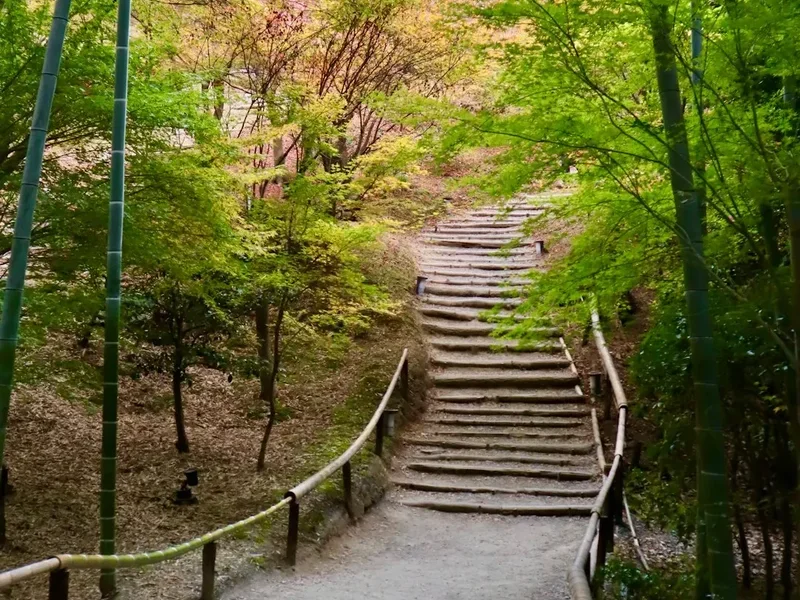
2-Day Mount Kumotori Trek Itinerary
Day 1: Mitsumine Shrine to Kumotori Sanso
- Distance: Approximately 18.5 km
- Elevation gain: Approximately 1,200 m
- Time: 7–9 hours
- Start at Mitsumine Shrine, a significant Shinto shrine with a history of mountain worship.
- The initial section of the trail is a steady climb through dense cedar and mixed forests.
- Pass through various smaller peaks and ridges, offering glimpses of the surrounding landscape.
- The trail can be steep and demanding in sections, requiring good physical fitness.
- Arrive at Kumotori Sanso, a well-established mountain hut located near the summit.
- Check in, settle down, and enjoy the camaraderie of fellow hikers.
- Dinner is typically served at the hut (often a hearty Japanese meal).
- Prepare for an early start on Day 2 to witness the sunrise from the summit.
Day 2: Kumotori Sanso to Mitsumine Shrine (via summit)
- Distance: Approximately 18.5 km
- Elevation gain: Minimal from hut to summit, then 1,200 m descent
- Time: 6–8 hours
- Wake up before dawn for a short walk to the summit of Mount Kumotori (2,017 m).
- Witness the spectacular sunrise over the Kanto Plain and surrounding mountains, including Mount Fuji on clear days.
- Descend back to Kumotori Sanso for breakfast.
- Begin the descent back towards Mitsumine Shrine.
- The descent can be as challenging as the ascent, particularly on tired legs.
- Take breaks to admire the changing forest scenery and enjoy the fresh mountain air.
- Arrive back at Mitsumine Shrine, completing the trek.
- Consider a visit to Mitsumine Shrine itself to appreciate its cultural significance.
Optional 3-Day Itinerary
A 3-day itinerary allows for a more relaxed pace, more time to enjoy the summit views, and potentially exploring some of the surrounding areas or smaller peaks.
Day 1: Mitsumine Shrine to a lower campsite or shelter (if available and permitted)
- Shorter hiking day, allowing for more exploration or a more leisurely start.
- Focus on reaching a point partway up the mountain to break the ascent.
Day 2: Lower campsite/shelter to Kumotori Sanso
- Continue the ascent to the summit and stay overnight at Kumotori Sanso.
- This day would include the main climb and reaching the highest point.
Day 3: Kumotori Sanso to Mitsumine Shrine
- Enjoy a leisurely morning, perhaps a final sunrise view, and then descend back to the trailhead.
Important Notes:
- Kumotori Sanso requires advance booking, especially during peak seasons (autumn and spring).
- Carry sufficient water or a reliable water filter, as water sources can be scarce on the upper parts of the trail.
- The trail is well-marked but can be steep and rocky in places.
- Weather can change rapidly at higher elevations; always be prepared for rain, wind, and cooler temperatures.
- Mobile phone reception is unreliable on much of the trail.
Planning and Bookings
Book Your Trip
Everything you need to plan your journey
Accommodation
Find places to stay near Tokyo
Flights
Search flights to Tokyo
Essential Preparation
Planning is crucial for a successful Mount Kumotori trek. Given its proximity to Tokyo, it's a popular destination, especially during autumn foliage season. Advance booking for accommodation is essential. Understanding the logistics of reaching the trailhead is the first step. The nearest major transport hub is Tokyo. From Tokyo, you'll need to travel to Seibu-Chichibu Station via the Seibu Line. From Seibu-Chichibu, a bus service operates to Mitsumine Shrine, the primary trailhead. This bus journey takes approximately 1.5 hours and runs on a schedule, so it's important to check timings in advance. Limited parking is available at Mitsumine Shrine for those travelling by car, but it is advisable to confirm availability and any associated fees.
Fitness is paramount. The trek involves significant elevation gain and distance, with steep ascents and descents. Hikers should be comfortable with sustained uphill walking for several hours and possess good cardiovascular fitness and leg strength. Practising with a loaded backpack on similar terrain is highly recommended. Familiarise yourself with the trail map and elevation profile to understand the demands of each day.
Trail Accommodation
The primary accommodation option on the Mount Kumotori trek is Kumotori Sanso (雲取山荘), a mountain hut located near the summit of Mount Kumotori. This hut provides essential shelter and facilities for hikers undertaking the multi-day trek.
Hut Facilities:
- Bunk beds with mattresses (sleeping bags are required; no bedding is provided).
- Communal dining and rest areas.
- Basic toilet facilities.
- A small shop selling drinks, snacks, and some basic supplies (limited availability).
- Hot water may be available at certain times.
- No electricity or charging facilities for electronic devices.
What's NOT Provided:
- Food: Hikers must bring all their own food for the duration of the trek. While the hut may sell some snacks, it is not a reliable source for full meals.
- Cooking equipment: No cooking facilities are provided. Hikers typically use portable camping stoves if they wish to prepare hot meals.
- Sleeping bags and pillows.
- Toiletries beyond basic facilities.
- Towels.
Booking Requirements:
- Advance booking is strongly recommended, especially during peak seasons (autumn and spring).
- Bookings can usually be made via telephone or through the hut's website (if available). It is advisable to confirm the booking procedure well in advance.
- Payment is typically made upon arrival at the hut.
Seasonal Availability:
- Kumotori Sanso is generally open year-round, but facilities and accessibility can be reduced during winter months due to snow.
- Winter operation may require specific winter gear and experience.
Costs:
- Costs vary but typically range from ¥5,000 to ¥7,000 per person per night for a bunk, often including a simple breakfast. Dinner may be an additional charge or require pre-booking. It is essential to confirm current pricing directly with the hut.
Alternative: Camping
Wild camping is generally discouraged or prohibited in many Japanese mountain areas to protect the environment. However, some mountain huts may have designated camping areas nearby for a fee. It is crucial to check local regulations and the specific policies of Kumotori Sanso regarding camping before planning this option.
Required Gear
- Sturdy hiking boots: Waterproof and well broken-in, with good ankle support.
- Waterproof and windproof jacket: Essential for protection against unpredictable mountain weather.
- Waterproof overtrousers: To keep legs dry during rain.
- Warm layers: Including a fleece or down jacket, thermal base layers (merino wool or synthetic).
- Hiking trousers: Quick-drying and comfortable.
- Backpack: A 40-60 litre capacity pack, with a rain cover.
- Head torch: With spare batteries, for early morning starts or navigating in the hut.
- First-aid kit: Including blister treatment, pain relievers, antiseptic wipes, and any personal medications.
- Navigation tools: Map of the area, compass, and a GPS device or smartphone with offline maps.
- Trekking poles: Highly recommended for steep ascents and descents to reduce strain on knees.
- Sun protection: Sunscreen, sunglasses, and a wide-brimmed hat.
- Insect repellent: Especially important during warmer months.
What to Bring
- Food: Sufficient non-perishable food for all meals and snacks for the duration of your trek. Consider lightweight, high-energy options like dried meals, nuts, energy bars, and fruit.
- Water bottles or hydration reservoir: Carry at least 2 litres of water per person.
- Water purification method: A filter or purification tablets, as water sources may not always be reliable or safe to drink directly.
- Sleeping bag: A warm sleeping bag rated for temperatures down to 0°C or lower, as huts are unheated.
- Toiletries: Toothbrush, toothpaste, biodegradable soap, small towel, hand sanitiser.
- Personal items: Camera, power bank for electronics, book or journal for downtime.
- Cash: For hut fees, snacks, and any other purchases. Credit card facilities are unlikely to be available.
- Trash bags: To pack out all your waste.
- Plastic bags: For keeping gear dry inside your backpack.
Permits
For the Mount Kumotori Trek itself, no specific permits are generally required for independent hikers. The trail is part of the natural landscape and accessible to the public. However, it is crucial to note that the accommodation at Kumotori Sanso requires advance booking, especially during the popular autumn and spring seasons. Failure to book can result in no available space at the hut.
Accommodation Booking:
- Kumotori Sanso: Reservations are highly recommended. Contact the hut directly via telephone or their official website (if available) to secure your spot. It is advisable to book several weeks or even months in advance for peak periods.
- Winter Bookings: While the hut is generally open, winter conditions can affect accessibility and services. Confirm operational status and booking requirements directly with the hut management.
Park Regulations: While no specific entry permit is needed, hikers are expected to adhere to the general regulations of the national park and surrounding natural areas. This includes respecting the environment, not littering, and following marked trails.
Trailhead Access: The bus service to Mitsumine Shrine operates on a schedule. While not a permit, understanding and adhering to the bus timetable is essential for accessing the trailhead.
Other Activities in the Area
The Okutama region offers several other attractions and activities for those looking to extend their stay or explore beyond the Mount Kumotori summit:
- Mitsumine Shrine: The trailhead itself is home to a significant and beautiful Shinto shrine. Take time to explore its historic buildings, tranquil grounds, and learn about its spiritual significance. The shrine is known for its connection to mountain worship and its resident wolves, considered messengers of the deity.
- Hiking in Okutama: The region is crisscrossed with numerous hiking trails of varying difficulty. Other popular peaks include Mount Mitake, Mount Gozen, and Mount Takanosu, offering different perspectives and challenges.
- Okutama Lake (Lake Okutama): This large reservoir offers scenic beauty and opportunities for boating, fishing, and enjoying lakeside walks. The Okutama Waterworks Museum provides insights into the area's water management systems.
- Nishizawa Valley: Famous for its stunning autumn colours, this valley features a beautiful walking path alongside a river with numerous waterfalls and cascades. It's a popular spot for leaf-peeping.
- Okutama Nature Museum: Learn about the local flora, fauna, and geology of the Okutama region.
- Onsen (Hot Springs): Several hot spring resorts are located in the Okutama area, offering a relaxing way to soothe tired muscles after a hike.
Safety and Conditions
Pre-Departure Checks:
- Weather Forecast: Always check the mountain weather forecast for Mount Kumotori and the Okutama region immediately before your departure. Websites like the Japan Meteorological Agency (JMA) or specialised mountain weather services are invaluable.
- Trail Conditions: While the main trail to Kumotori Sanso is generally well-maintained, conditions can change rapidly. Check for any recent reports or alerts regarding trail closures, snow, or other hazards. Local information centres or the hut itself may have the most up-to-date details.
- Bus Schedule: Confirm the bus schedule to Mitsumine Shrine, as services can be infrequent, especially on weekdays or outside peak seasons.
Trail Hazards:
- Steep Terrain: The trail involves significant elevation gain and can be very steep in sections. Proper footwear and trekking poles are essential to prevent slips and reduce strain.
- Weather Changes: Mountain weather is notoriously unpredictable. Be prepared for sudden shifts in temperature, wind, rain, or even snow, especially at higher elevations. Hypothermia is a risk even in milder seasons if you are caught unprepared.
- Navigation: While the trail is generally well-marked, visibility can be severely reduced in fog or heavy rain. Carry a map and compass and know how to use them. Ensure your electronic navigation devices are fully charged and have offline maps downloaded.
- Wildlife: While encounters are rare, be aware of local wildlife. Bears are present in some Japanese mountain ranges, though sightings on Mount Kumotori are uncommon. It is always wise to make noise while hiking to avoid surprising animals.
- Water Sources: While water is generally available from streams, it is advisable to treat all water before drinking to avoid waterborne illnesses.
Accommodation Safety:
- Kumotori Sanso: Follow the rules and guidelines provided by the hut staff. Ensure your sleeping bag is adequate for the expected temperatures.
- Emergency Procedures: Know how to contact emergency services in Japan. While mobile reception is limited, try to have a plan for communication if an emergency arises. Consider carrying a personal locator beacon (PLB) if venturing into very remote areas or during challenging conditions.
Travel Insurance: It is highly recommended to have travel insurance that covers hiking and potential medical evacuation. Ensure your policy covers the activities you plan to undertake.
Side Trips and Points of Interest
Mount Kumotori Summit (2,017 m): The primary objective of the trek. The summit offers a stunning 360-degree panoramic view on clear days. On a good day, you can see Mount Fuji, the vast Kanto Plain, and the surrounding Okutama and Chichibu mountain ranges. An early morning ascent on the second day to catch the sunrise is a highly recommended experience.
Mitsumine Shrine: Located at the trailhead, this ancient Shinto shrine is a significant cultural and spiritual site. It is dedicated to the deity Izanami and is associated with the legendary wolf, considered a messenger of the gods. The shrine complex is beautiful and offers a peaceful start or end to your trek.
Various Viewpoints along the Trail: As you ascend and descend, the trail passes through different forest types and opens up at various points, offering glimpses of the surrounding valleys and peaks. These are excellent opportunities for photography and to appreciate the changing landscape.
Forest Ecosystems: The trek takes you through diverse forest environments, from dense cedar plantations to mixed deciduous forests. Observing the changes in flora with increasing altitude provides an insight into the mountain's ecological zones.
Seasonal Flora and Fauna: Depending on the time of year, you may encounter various wildflowers in spring and summer, or witness the spectacular autumn foliage. Keep an eye out for local birdlife and other small mammals.
Leave No Trace
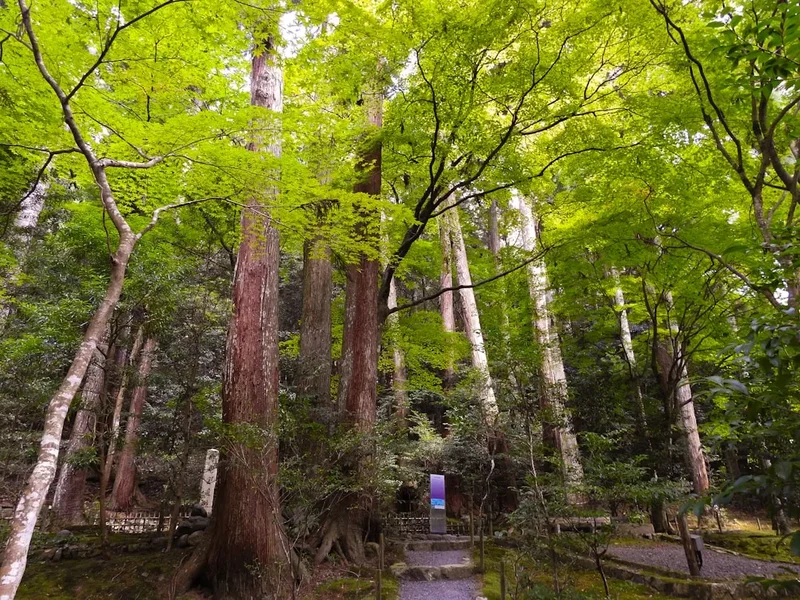
The Mount Kumotori Trek traverses a beautiful and ecologically sensitive mountain environment. Adhering to Leave No Trace principles is essential to preserve its natural state for future visitors and to protect its delicate ecosystems.
Your responsibility as a hiker:
- Plan Ahead and Prepare: Understand the trail, weather, and your own capabilities. Pack appropriately and know the regulations for the area.
- Travel and Camp on Durable Surfaces: Stick to marked trails to avoid damaging vegetation. If camping is permitted, use designated sites or the most resilient surfaces available.
- Dispose of Waste Properly: Pack out everything you pack in, including all food scraps, wrappers, and any other litter. Use designated toilet facilities at the hut. If no facilities are available, dig a cathole at least 60 metres away from water sources, trails, and campsites.
- Leave What You Find: Do not remove natural objects such as rocks, plants, or flowers.
- Minimise Campfire Impacts: Campfires are generally not permitted on Japanese mountain trails. Use a portable stove for cooking.
- Respect Wildlife: Observe wildlife from a distance and never feed animals. Feeding can alter their natural behaviour and diet, and can be harmful to their health.
- Be Considerate of Other Visitors: Keep noise levels down, yield to uphill hikers, and maintain a respectful attitude towards fellow trekkers and the local culture.
By following these principles, you help ensure that the natural beauty and wilderness character of Mount Kumotori are maintained.
 Japan
Japan