
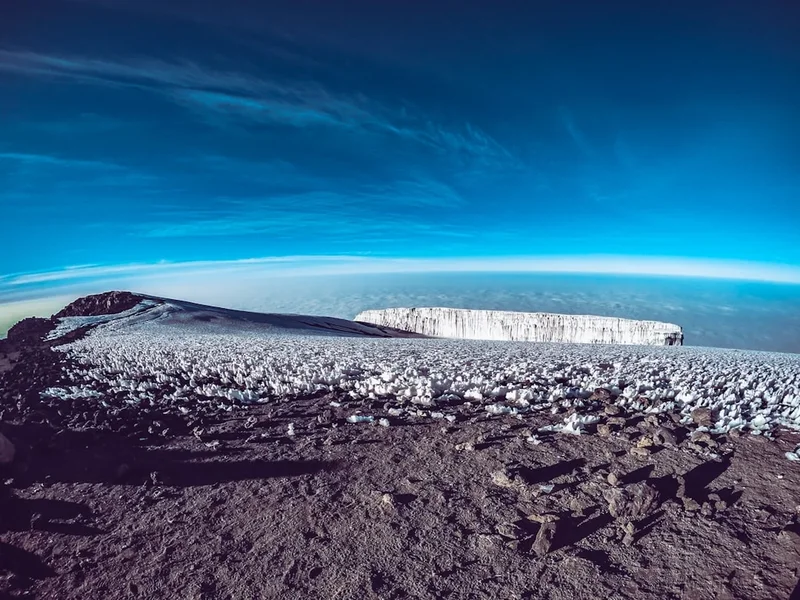
Mount Kilimanjaro Day Hike - A Journey to the Roof of Africa
The Mount Kilimanjaro Day Hike offers a rare opportunity to experience the majesty of the world’s tallest free-standing mountain without the logistical commitment of a week-long expedition. Rising 5,895 metres above the Tanzanian plains, Kilimanjaro is a dormant stratovolcano and a UNESCO World Heritage site that draws thousands of adventurers annually. While the full summit attempt requires five to nine days, the day hike focuses on the Marangu Route—the oldest and most established path on the mountain. This 10-kilometre return journey takes walkers from the Marangu Gate (1,860 m) through a lush, prehistoric montane rainforest to the Mandara Hut complex (2,700 m) and the nearby Maundi Crater. It is a concentrated dose of high-altitude ecology, offering a profound sense of the mountain's scale, its unique biodiversity, and the vibrant culture of the Chagga people who call its lower slopes home. For those with limited time or those wishing to test their physical response to altitude before a future summit attempt, this day walk is the definitive Tanzanian mountain experience.
- Distance: 10.0 km return
- Duration: 8–12 hours
- Elevation Gain: 1,000 m
- Difficulty: Challenging (due to steep gradients and altitude)
- Highest Point: Maundi Crater (2,780 m)
- Best Time: June to October and January to February
- Closest City: Moshi (approx. 45 minutes)
- Trailhead: Marangu Gate, Kilimanjaro National Park
Overview
Mount Kilimanjaro is not merely a mountain; it is a vertical island of biodiversity rising from the semi-arid scrublands of East Africa. The day hike on the Marangu Route provides an intimate look at the first of the mountain's five distinct ecological zones: the Montane Rainforest. This zone is a world of perpetual mist, emerald-green mosses, and ancient trees draped in "old man’s beard" lichens. Unlike the higher, more desolate reaches of the mountain, the rainforest is teeming with life. Walkers frequently encounter Blue Monkeys (Cercopithecus mitis) and the striking Black-and-White Colobus Monkeys (Colobus guereza) leaping through the canopy. The air is thick with the scent of damp earth and the calls of exotic birds like the Hartlaub’s Turaco, whose crimson wing feathers flash brilliantly against the deep green foliage.
The trail itself is well-maintained but demands respect. Starting at the Marangu Gate, the path climbs steadily through the forest, following a route that has been used by explorers for over a century. The gradient is consistent, requiring a slow and steady pace—known locally in Swahili as "Pole Pole." This philosophy is essential for acclimatisation, as the hike concludes at nearly 2,800 metres, an altitude where the air begins to thin and the physical effort of climbing becomes noticeably more taxing. The destination, Mandara Hut, is a collection of A-frame wooden shelters that serve as the first overnight stop for summit-bound climbers. Just a short walk beyond the huts lies the Maundi Crater, a small volcanic vent that offers the first clear views of the Kibo summit on a clear day, as well as panoramic vistas across the border into Kenya and the shimmering waters of Lake Chala.
What makes the Kilimanjaro Day Hike unique is the sense of perspective it provides. You are walking on the flanks of a giant, a mountain so large it creates its own weather systems. Even without reaching the Uhuru Peak, the experience of standing within the Kilimanjaro National Park, surrounded by endemic flora like the Kilimanjaro Impatiens (Impatiens kilimanjari) with its vibrant red and yellow flowers, is a bucket-list achievement. It is a journey that combines physical exertion with botanical wonder and geological awe, providing a comprehensive introduction to the "Roof of Africa" in a single, unforgettable day.
History and Cultural Context
The history of Mount Kilimanjaro is a tapestry of indigenous heritage and colonial exploration. For centuries, the mountain has been sacred to the Chagga people, an agricultural society that developed sophisticated irrigation systems on the fertile volcanic slopes. To the Chagga, the mountain was known as "Oldoinyo Oibor" (the White Mountain) or "Kibo," and it featured prominently in their folklore and spiritual life. They were the first to navigate the lower forests, hunting and gathering medicinal plants long before European eyes ever beheld the snow-capped peaks.
The first recorded European sighting of the mountain was by German missionary Johannes Rebmann in 1848. His reports of snow on the equator were initially met with disbelief and ridicule by the Royal Geographical Society in London. It wasn't until 1889 that the summit was finally reached by German geographer Hans Meyer and Austrian mountaineer Ludwig Purtscheller, guided by a local Chagga man named Yohani Kinyala Lauwo. Lauwo’s contribution was so significant that he is often celebrated as the true pioneer of Kilimanjaro climbing, reportedly living to be over 125 years old. The Marangu Route, which you follow on this day hike, was the path used by many of these early expeditions, earning it the nickname "The Coca-Cola Route" due to its historical popularity and the relative comfort of its hut accommodation compared to the camping routes.
In 1973, the mountain and its surrounding forests were designated as Kilimanjaro National Park, and in 1987, it was inscribed as a UNESCO World Heritage site. This status recognises the mountain's exceptional natural beauty and its importance as a sanctuary for endangered species. Today, the park is managed by the Kilimanjaro National Park Authority (KINAPA), which ensures that the mountain remains protected while allowing thousands of visitors to experience its wonders. Walking this trail is not just a physical challenge; it is a walk through the annals of exploration and a tribute to the enduring relationship between the Tanzanian people and their most iconic landmark.
Want more background? Read extended notes on history and cultural context → Learn more
Seasonal Highlights and Weather Reality
Kilimanjaro’s proximity to the equator means it does not experience traditional four-season cycles. Instead, the weather is dictated by wet and dry seasons, which profoundly affect the hiking experience. Understanding these cycles is crucial for a successful day hike, as the rainforest zone can become exceptionally muddy and challenging during periods of high precipitation.
The Dry Seasons (June to October and January to February): These are the optimal windows for hiking. From June to October, the weather is generally stable, with clear skies and cooler temperatures. This is the "long dry season," offering the best visibility from Maundi Crater. January and February constitute the "short dry season," which is typically warmer. During these months, the trail is firmer, and the likelihood of seeing the Kibo summit without cloud cover is significantly higher. However, these are also the busiest times on the mountain, so expect to share the Marangu Gate and Mandara Huts with many other trekkers.
The Wet Seasons (March to May and November to December): The "long rains" occur from March to May. During this time, Kilimanjaro receives heavy daily downpours. The rainforest zone becomes a quagmire of deep mud, and the trail can be slippery and treacherous. Clouds often shroud the mountain, meaning views from the higher points are rare. The "short rains" in November and December are less intense but still bring afternoon thunderstorms. While hiking is possible during the wet seasons—and the forest is at its most lush and vibrant—it requires high-quality waterproof gear and a high tolerance for damp conditions. The advantage of these months is the profound solitude, as very few people attempt the climb.
Temperature and Altitude: Regardless of the season, temperatures drop as you ascend. At the Marangu Gate, it may be a humid 25°C, but by the time you reach Mandara Hut at 2,700 metres, the temperature can hover around 10–15°C, and even lower if it is raining or windy. The weather on Kilimanjaro is notoriously unpredictable; a bright, sunny morning can transform into a cold, misty afternoon in a matter of minutes. Layering is the only effective strategy for managing these rapid shifts in conditions.
Recommended Itinerary
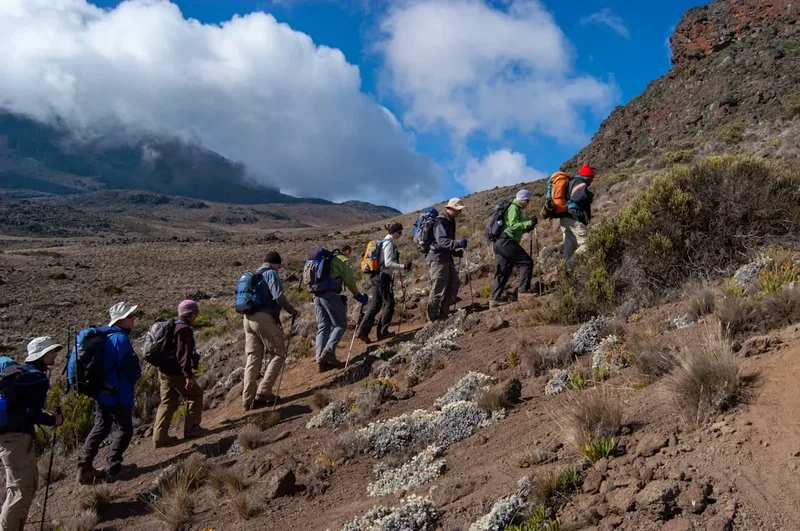
Mount Kilimanjaro Day Hike Itinerary (Marangu Route)
Early Morning: Arrival and Registration
- 07:30 – 08:00: Depart from Moshi or Arusha via private transfer or taxi.
- 08:45: Arrive at Marangu Gate (1,860 m).
- 09:00 – 09:45: Complete mandatory registration with KINAPA authorities. Your guide will handle the payment of park fees while you prepare your gear.
- Use this time to observe the bustling atmosphere as multi-day expeditions organise their porters and equipment.
- Final gear check: Ensure water bladders are full and waterproofs are easily accessible.
Morning: The Rainforest Ascent
- 10:00: Begin the hike from Marangu Gate. The trail enters the montane forest immediately.
- Distance: 5 km (uphill).
- Elevation Gain: 840 m.
- The path is wide and well-defined, often following a ridge between two river valleys.
- Keep a sharp eye out for Colobus monkeys in the high canopy and Blue monkeys closer to the ground.
- Pass through sections of dense ferns and giant strangler figs.
- Maintain a "Pole Pole" (slow) pace to allow your body to adjust to the increasing altitude.
Midday: Mandara Hut and Maundi Crater
- 13:00: Arrive at Mandara Hut (2,700 m).
- Take a break at the picnic tables near the A-frame huts. This is the traditional first-night stop for summit climbers.
- 13:30: Continue for an additional 15–20 minutes to the rim of Maundi Crater (2,780 m).
- This is the highest point of the day hike. On clear days, enjoy spectacular views of the Kibo and Mawenzi peaks.
- Look east to see Lake Chala and the Kenyan border.
- Enjoy your packed lunch at the crater rim while soaking in the alpine atmosphere.
Afternoon: The Descent
- 14:30: Begin the descent back through the rainforest.
- Distance: 5 km (downhill).
- The descent is often faster but can be taxing on the knees. Use trekking poles if you have them.
- The afternoon light often brings a different character to the forest, with mist frequently rolling in to create a "cloud forest" effect.
- 17:00: Arrive back at Marangu Gate.
- Sign out at the ranger station (mandatory for safety tracking).
- 17:30: Board your transfer for the return journey to Moshi or Arusha.
Important Notes:
- A certified guide is mandatory for all visitors entering Kilimanjaro National Park.
- The total time taken depends heavily on your fitness and how your body reacts to the altitude.
- Always follow your guide's instructions regarding pace and safety.
- Ensure you have arranged your return transport in advance, as taxis are not always waiting at the gate.
Planning and Bookings
Book Your Trip
Everything you need to plan your journey
Accommodation
Find places to stay near Moshi
Flights
Search flights to Moshi
Essential Preparation
Planning a day hike on Kilimanjaro is significantly simpler than a full summit attempt, but it still requires coordination. The most critical requirement is that you cannot hike alone; Tanzanian law mandates that every trekker must be accompanied by a licensed mountain guide. Most hikers book their day trip through an outfitter in Moshi or Arusha. These packages typically include the guide, park fees, transport to and from the gate, and a packed lunch. If you are organising this independently, you will need to hire a guide at the Marangu Gate, though pre-booking is strongly recommended to ensure availability and to vet the quality of the guide.
Moshi is the primary base for Kilimanjaro. It is a vibrant town with a wide range of accommodation, from budget hostels to luxury lodges. It is located approximately 45 minutes from the Marangu Gate. Arusha is further away (about 2 to 2.5 hours) but offers more international flight connections via Kilimanjaro International Airport (JRO). Ensure you have sufficient Tanzanian Shillings or US Dollars (printed after 2006) for tips and incidental expenses, though park fees are usually paid via credit card or M-Pesa by your guide.
Trail Accommodation
This is a day hike requiring no overnight accommodation on the mountain. However, understanding the facilities at the Mandara Hut complex is useful for your midday break.
Mandara Hut Facilities:
- A-frame wooden huts used by overnight trekkers (not available for day hikers).
- Public toilets (long-drop style, usually basic but functional).
- Large dining hall (reserved for overnight groups, but day hikers can use outdoor picnic benches).
- Piped water from a mountain spring (must be treated before drinking).
- No shops or food vendors are available on the mountain; you must carry everything you need.
Base Town Accommodation: Most hikers stay in Moshi. Popular options include the Kilimanjaro Wonders Hotel for mid-range comfort or various backpacker hostels in the Rau district. If you prefer a more "mountain" feel before your hike, there are several lodges in Marangu village itself, such as the Marangu Hotel, which has a long history of hosting climbers.
Required Gear
- Trekking Boots: Sturdy, waterproof boots with good ankle support are essential. The trail can be muddy and rocky.
- Day Pack: A 20–30 litre pack with a waterproof cover.
- Waterproof Jacket: A high-quality breathable shell (Gore-Tex or similar) to protect against the frequent rainforest rain.
- Insulating Layer: A fleece or lightweight down jacket. Even in the tropics, it gets cold at 2,700 metres.
- Trekking Trousers: Lightweight, quick-drying synthetic trousers. Avoid denim, which becomes heavy and cold when wet.
- Trekking Poles: Highly recommended for the 1,000 m descent to protect your knees.
- Head Torch: Always carry one with spare batteries, even on a day hike, in case of unexpected delays.
- Sun Protection: High SPF sunscreen, lip balm with SPF, and a wide-brimmed hat. The equatorial sun is intense at altitude.
What to Bring
- Water: At least 3 litres of water. A hydration bladder is more convenient than bottles for maintaining a steady intake.
- Water Treatment: Purification tablets or a filter if you need to refill from the mountain streams.
- Packed Lunch: High-energy, easy-to-eat food (sandwiches, boiled eggs, fruit). Most tour operators provide this.
- Snacks: Energy bars, nuts, dried fruit, and chocolate. Salty snacks are also good for electrolyte balance.
- Personal First Aid Kit: Plasters (band-aids), antiseptic wipes, blister treatment (Compeed), and any personal medications.
- Altitude Medication: Consult your doctor about Diamox (Acetazolamide) if you are concerned about altitude sickness, though it is rarely used for a day hike.
- Toiletries: Hand sanitiser, toilet paper (pack it out!), and a small towel.
- Camera/Phone: With a power bank, as cold temperatures can drain batteries quickly.
- Passport: You will need your passport number for the KINAPA registration at the gate.
Permits
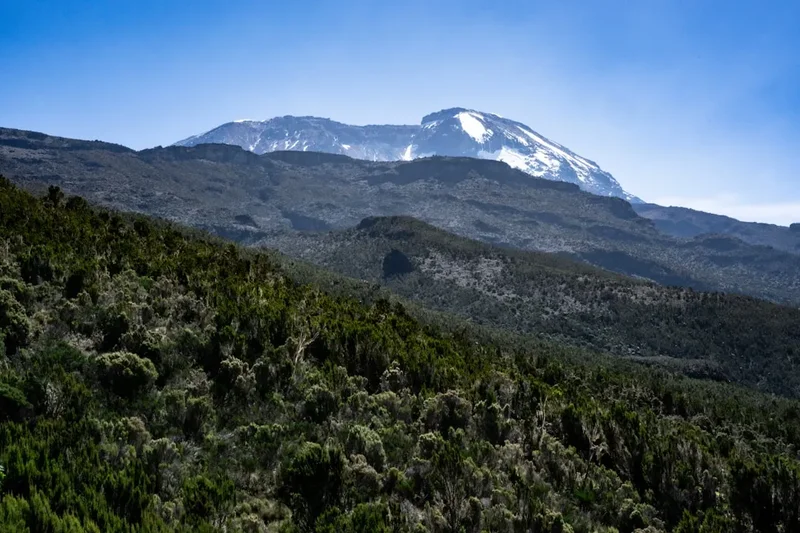
Access to Kilimanjaro National Park is strictly controlled through a permit system managed by KINAPA. For a day hike, you do not need to book months in advance like some other world-class trails, but you must pay the daily conservation fees and ensure you are with a registered guide. If you book through a tour operator, these permits are usually handled for you and included in the total price.
Fee Structure (Subject to change by KINAPA):
- Conservation Fee: Approximately US$70 per adult per day for non-residents.
- Rescue Fee: Approximately US$20 per person per trip. This covers emergency evacuation by stretcher or vehicle to the park gate.
- Guide Fee: You must pay for a licensed guide. If hiring at the gate, expect to pay US$30–$50 for the day, plus a tip.
- VAT: A 18% Value Added Tax is applied to all park fees.
Important Booking Information:
- Payments at the Marangu Gate are generally cashless. KINAPA accepts major credit cards (Visa/Mastercard) or government payment control numbers (which your guide will facilitate).
- You must present your passport or a clear copy of it at the registration desk.
- The gate opens at 08:00 and closes for entry at 16:00. It is best to arrive as early as possible to maximise your time on the mountain.
- Tipping is a standard and expected part of the culture on Kilimanjaro. For a day hike, a tip of US$15–$25 for the guide is considered appropriate, depending on the level of service.
Other Activities in the Area
The Kilimanjaro region offers a wealth of cultural and natural attractions that complement your hike:
- Materuni Waterfalls and Coffee Tour: Located near Moshi, this is a fantastic cultural experience. Hike to a massive 80-metre waterfall and then visit a local Chagga village to learn how to pick, roast, and grind your own coffee the traditional way.
- Chemka (Kikuletwa) Hot Springs: A hidden oasis of crystal-clear, turquoise water surrounded by fig trees. The water is not actually "hot" but a pleasant lukewarm temperature, perfect for soothing sore muscles after your hike.
- Marangu Village Tour: Explore the local village, visit the Chagga tunnels (used to hide from Maasai raids in the past), and see the ancient blacksmithing techniques still in use.
- Lake Chala: A stunning caldera lake on the border of Tanzania and Kenya. You can hike down to the water's edge, kayak, and enjoy the incredible silence of this off-the-beaten-path location.
- Moshi Town Market: Experience the sights, sounds, and smells of a bustling Tanzanian market. It’s a great place to buy local textiles (Kangas and Kitenges) and fresh tropical fruit.
Safety and Conditions
Altitude Awareness: Even though this is a day hike, you will reach an altitude of 2,780 metres. Acute Mountain Sickness (AMS) can affect anyone, regardless of fitness level. Symptoms include headache, nausea, dizziness, and shortness of breath. The best prevention is to walk "Pole Pole" (slowly), drink plenty of water (3+ litres), and inform your guide immediately if you feel unwell. If symptoms persist or worsen, the only cure is to descend.
Weather Hazards: The rainforest is prone to sudden, heavy downpours. Hypothermia is a genuine risk if you get wet and the temperature drops as you ascend. Always carry your waterproof layers and an insulating fleece. The trail can become extremely slippery when wet; watch your footing on exposed roots and smooth rocks.
Wildlife Safety: While the monkeys are a highlight, they are wild animals. Do not attempt to feed them, as this encourages aggressive behaviour and can make them sick. There are no large predators like lions or elephants in this specific part of the Marangu Route forest, but always stay on the trail and follow your guide's lead.
Physical Fitness: A 1,000-metre elevation gain in 5 kilometres is a significant physical challenge. Ensure you have a reasonable level of cardiovascular fitness. If you have pre-existing heart or lung conditions, consult a doctor before attempting any high-altitude activity.
Emergency Procedures: KINAPA rangers are stationed at the Marangu Gate and Mandara Hut. In the event of an injury, your guide will coordinate a rescue. This usually involves a wheeled stretcher (the "Kilimanjaro ambulance") to transport you back to the gate, where a vehicle can take you to a hospital in Moshi. Ensure your travel insurance specifically covers trekking up to 3,000 metres.
Side Trips and Points of Interest
Maundi Crater: Located just 15 minutes past Mandara Hut, this small volcanic crater is the highlight of the day hike. The rim provides a break from the dense forest, offering the first expansive views of the surrounding landscape. On a clear day, the snow-capped Kibo peak looks tantalisingly close, and the jagged Mawenzi peak stands out to the east. It is the perfect spot for photography and a well-earned rest.
The Montane Forest Flora: Keep an eye out for the *Impatiens kilimanjari*, a flower endemic to the mountain's rainforest. Its unique red and yellow "prawn-like" shape makes it easy to identify. You will also see giant ferns, various species of orchids, and the massive *Entada abyssinica* trees with their distinctive pods.
The "Old Man's Beard" Lichen: As you gain altitude, the trees become draped in long, grey-green strands of *Usnea* lichen. This is a biological indicator of extremely high air quality and gives the forest a mystical, "fairytale" appearance, especially when the mist rolls in.
Marangu Gate Museum: Before or after your hike, spend a few minutes looking at the displays at the gate. There is often information about the mountain's geology, the history of the first ascents, and the various routes to the summit. It provides excellent context for the journey you have just undertaken.
Leave No Trace
Kilimanjaro is a fragile ecosystem under significant pressure from tourism. As a visitor, it is your responsibility to minimise your impact to ensure the mountain remains pristine for future generations. KINAPA has strict regulations, and "trash-in, trash-out" is the absolute rule.
Your responsibility as a walker:
- Pack out all trash: This includes organic waste like banana peels and orange skins, which do not decompose quickly at altitude and can be harmful to local wildlife.
- Stay on the trail: Cutting switchbacks causes soil erosion and destroys fragile undergrowth. The rainforest floor is a complex web of roots and mosses that take years to recover from trampling.
- No feeding wildlife: Feeding monkeys disrupts their natural foraging habits and leads to habituation, which often results in the animals becoming pests or being removed.
- Use designated toilets: Use the facilities at Marangu Gate and Mandara Hut. If you must go on the trail, move at least 50 metres from water sources and the path, and pack out your used toilet paper in a sealed bag.
- Do not collect plants or rocks: It is illegal to remove anything from the National Park. Leave the flowers and volcanic stones where they are for others to enjoy.
- Respect other hikers: Keep noise levels down. Many people come to the mountain for the peace and sounds of nature.